
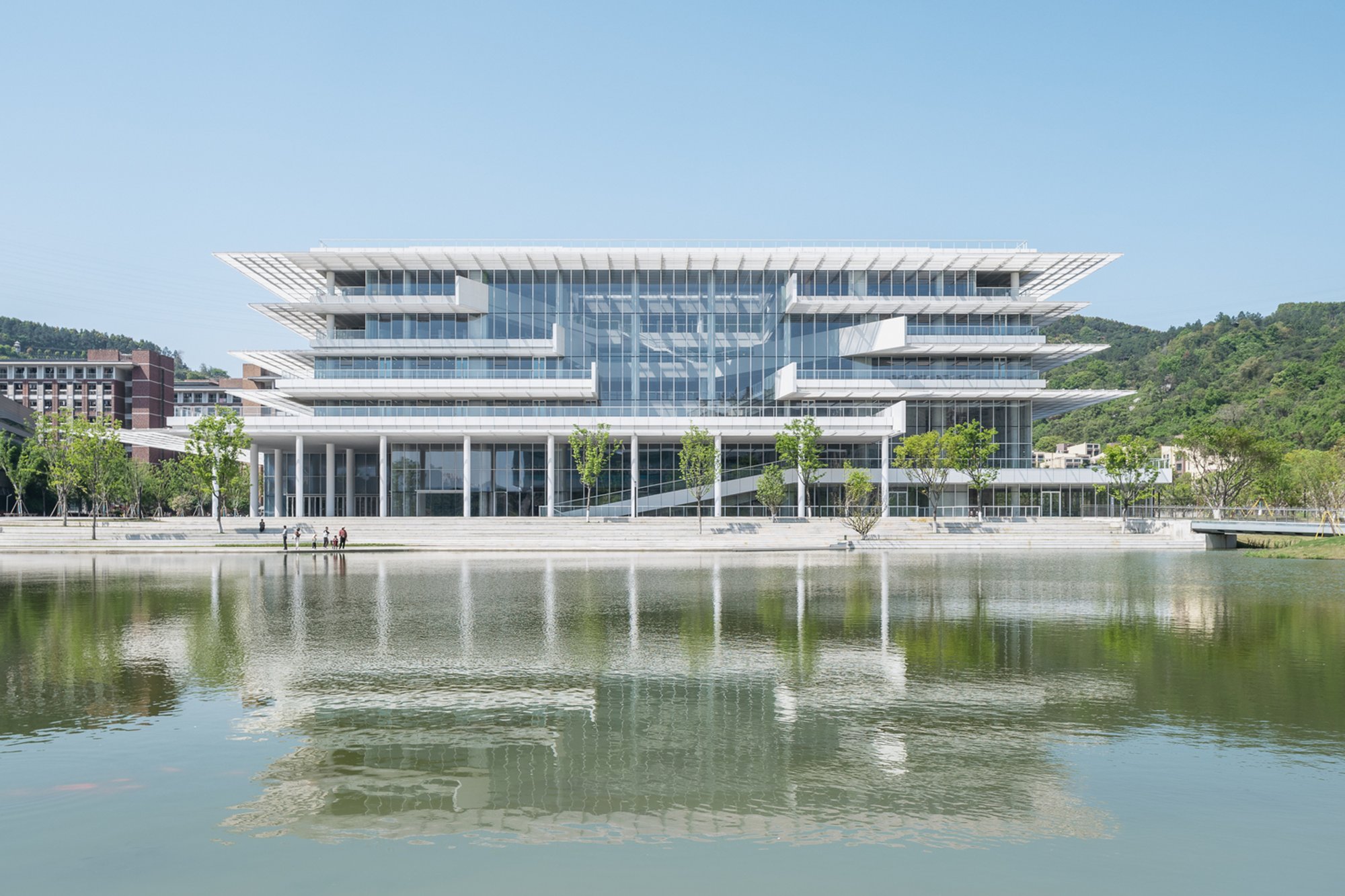
Wenzhou Kean University Student Learning Activity Center by Perkins&Will
Transparent and multifunctional, SLAC unites learning, living, and nature through vertical circulation and sustainable design at Wenzhou Kean University.

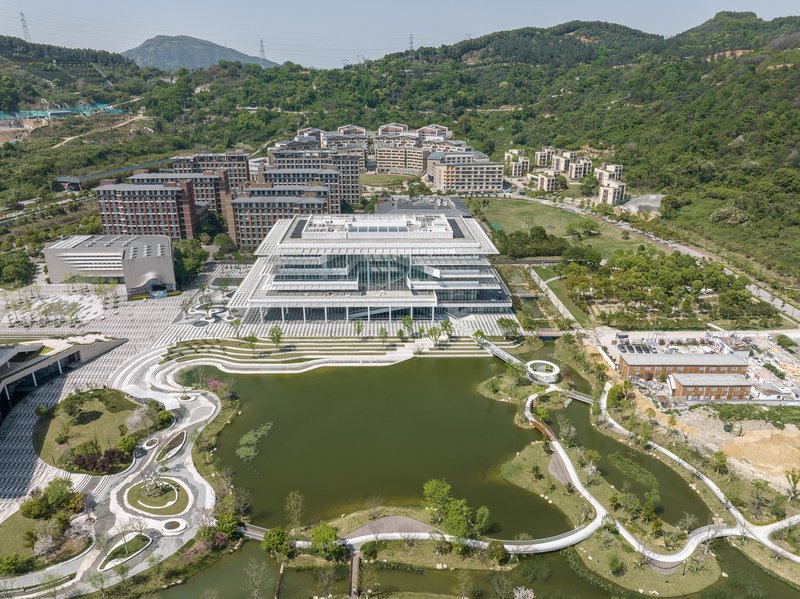
Positioned at the heart of Wenzhou Kean University's campus in China, the Student Learning and Activity Center (SLAC) by Perkins&Will stands as a transparent and symbolic landmark. Spanning over 25,792 m², the multifunctional structure bridges academic and residential zones, reflecting the university's evolving educational philosophy through openness, flexibility, and connectivity.
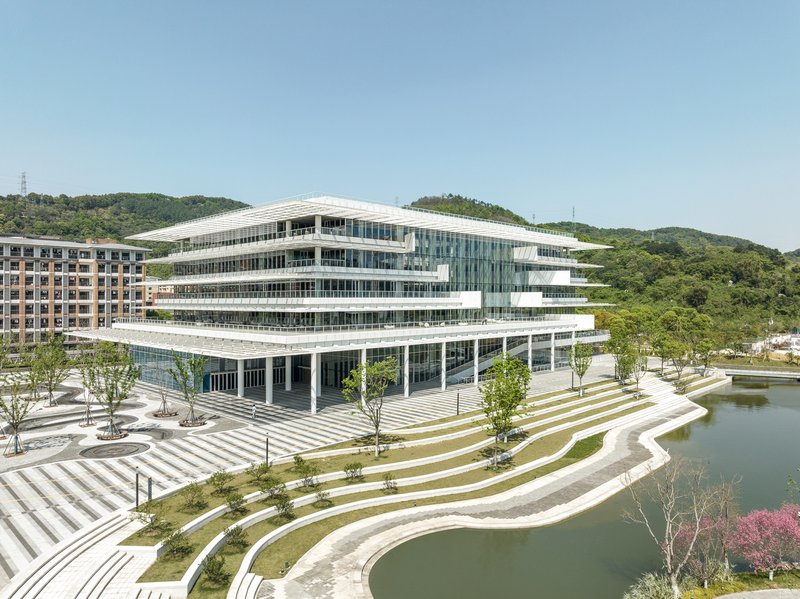
Concept and Setting
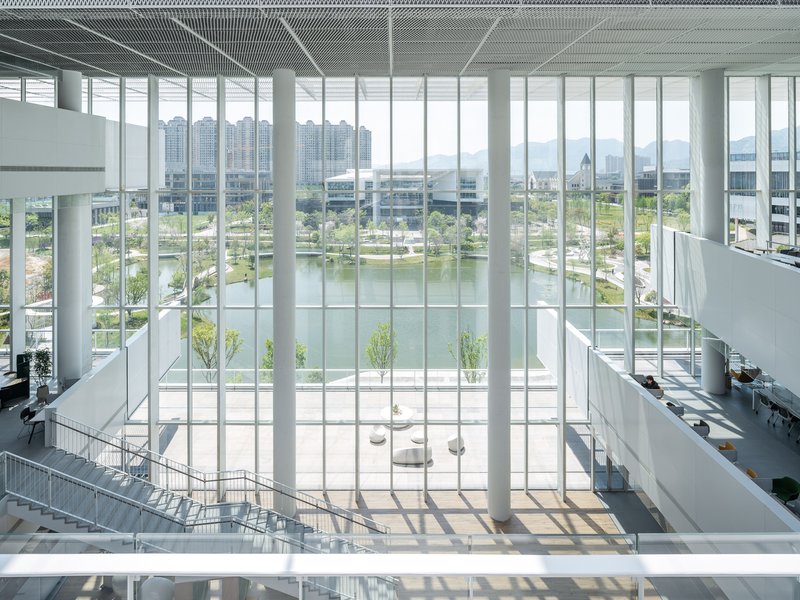
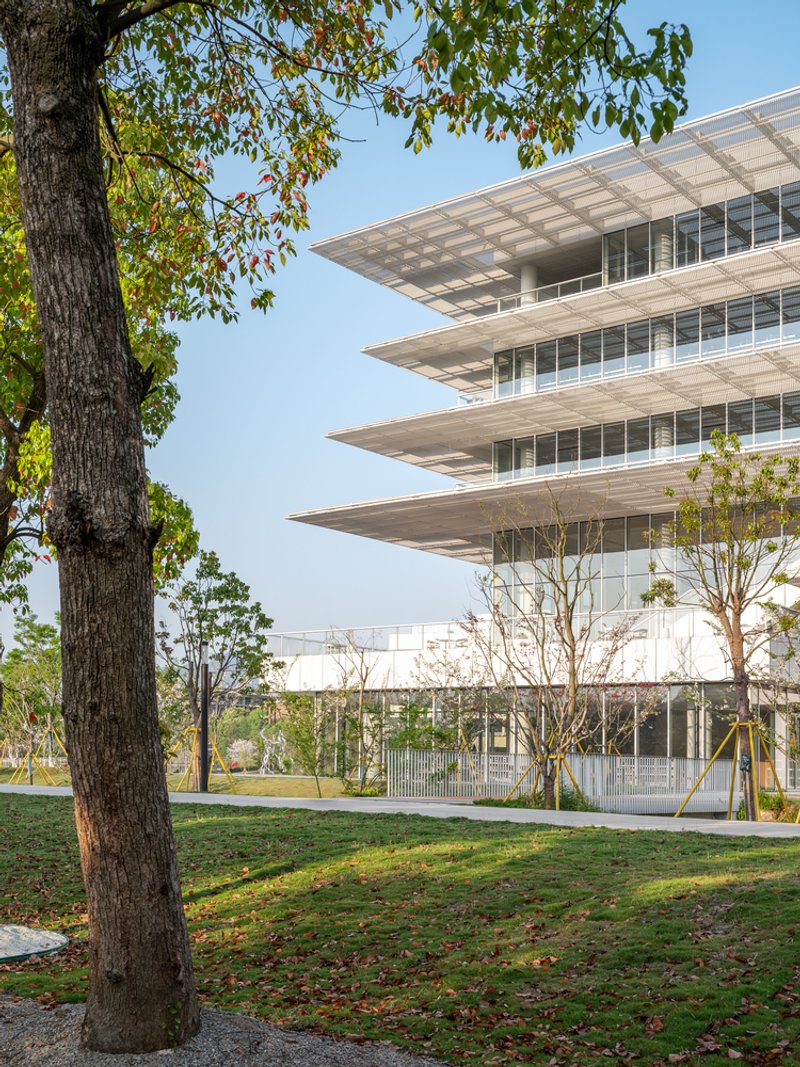
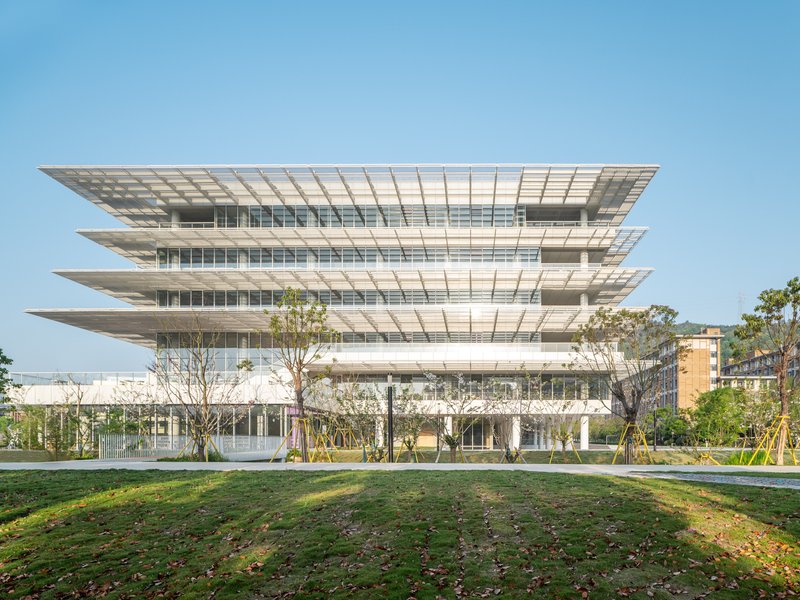
SLAC occupies a strategic location between the academic and living quarters, overlooking a central lake and aligning with the campus’s main axis. Inspired by the surrounding natural environment—Chuitai Mountain and the Litang River—the design translates the idea of "learning from nature" into modern architectural expression. Transparent facades and elevated volumes create a light architectural presence that seamlessly integrates with the landscape.
Program and Functionality
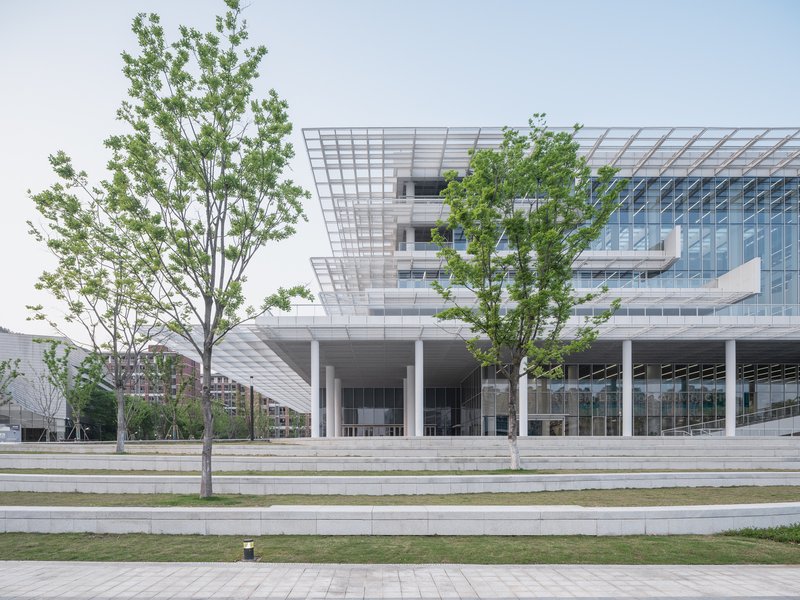
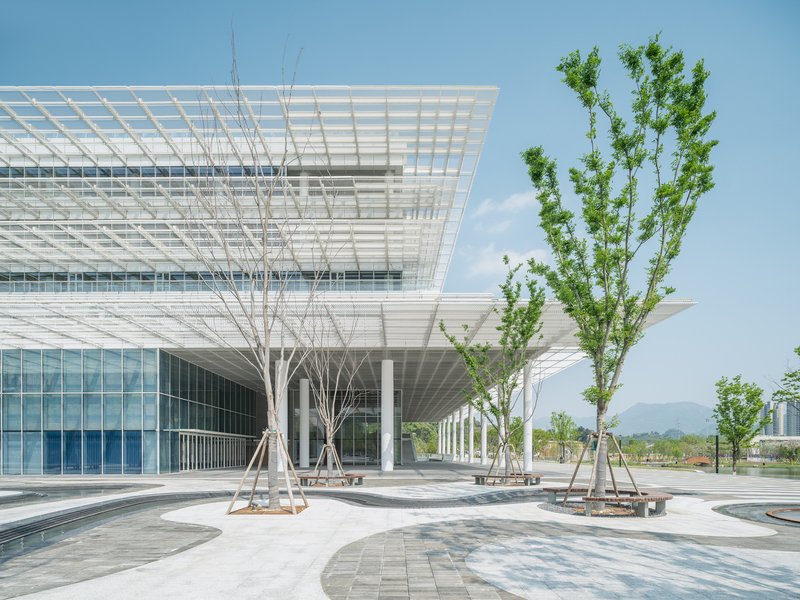
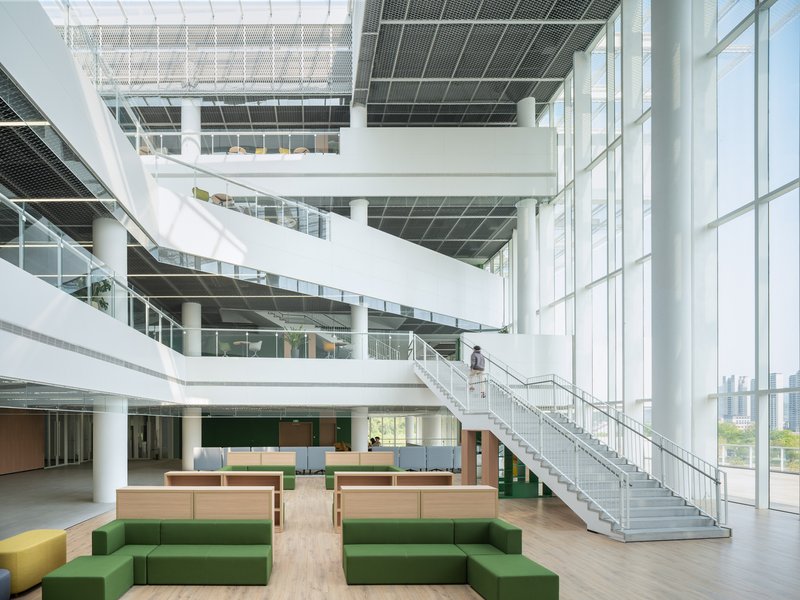
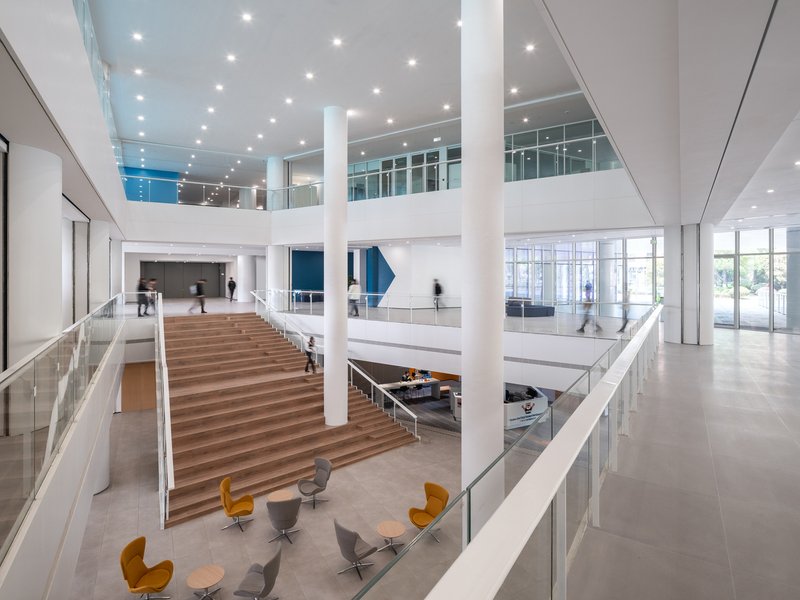
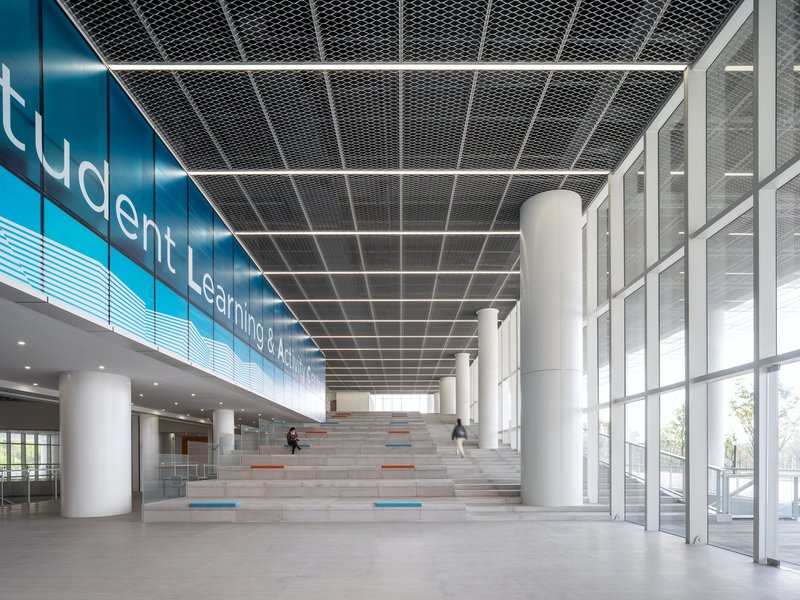
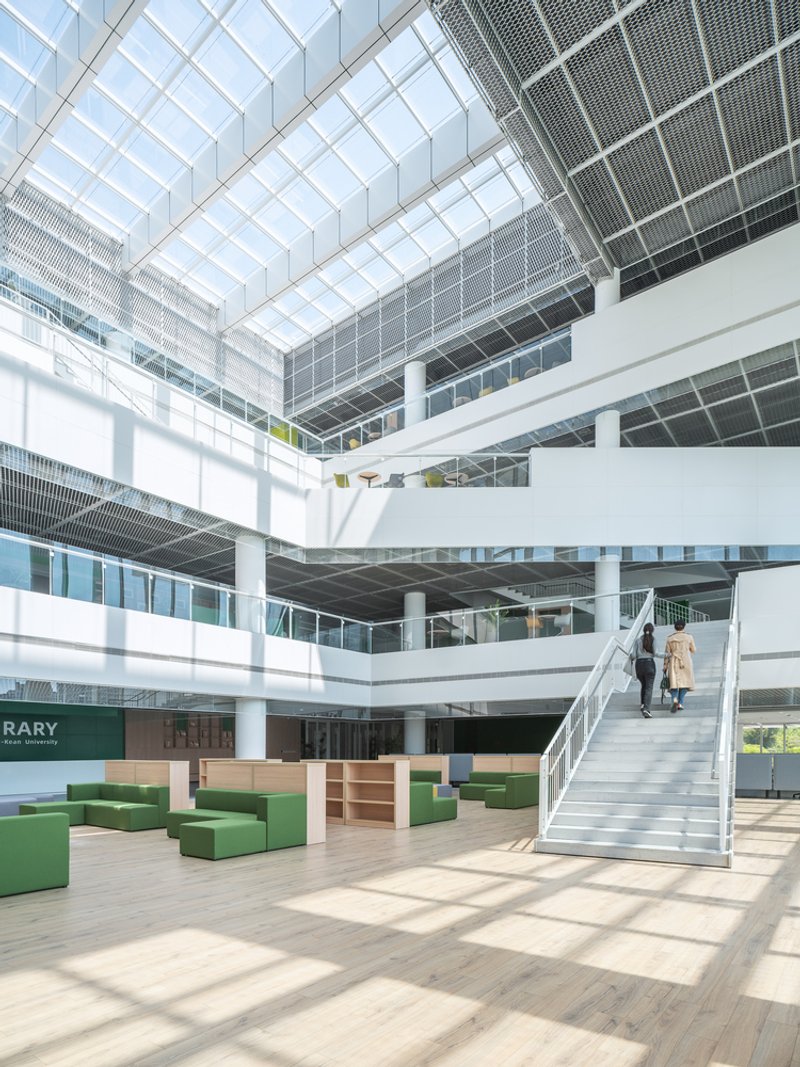
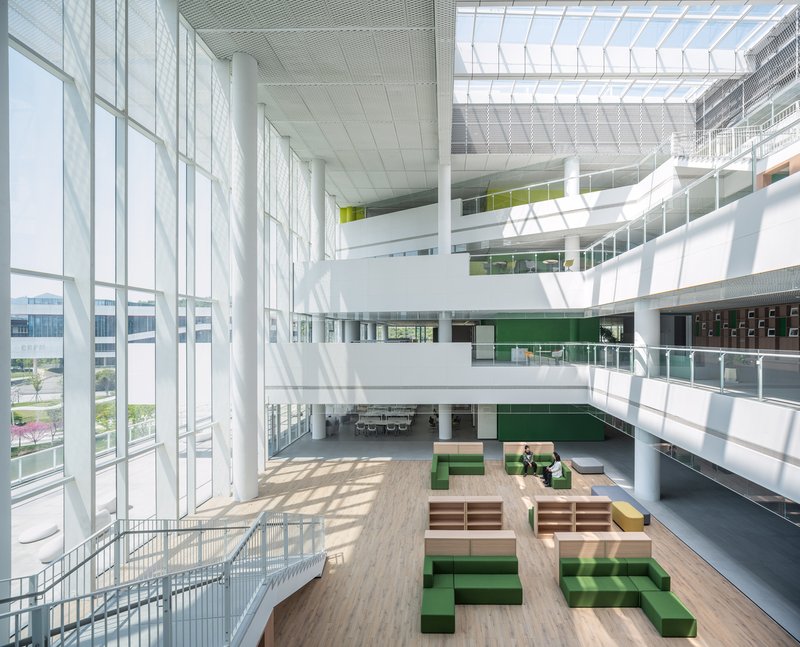
The building accommodates three major functions: an activity center, a library, and an information hub. These spaces are layered vertically to support varying levels of public and private engagement. The lower levels host dynamic, community-driven functions, while the upper floors provide quiet study zones. Central to the program is a four-story public commons that includes an auditorium, theaters, student services, exhibition spaces, a café, and learning steps—creating a vibrant nucleus for student interaction.
Spatial Experience and Circulation
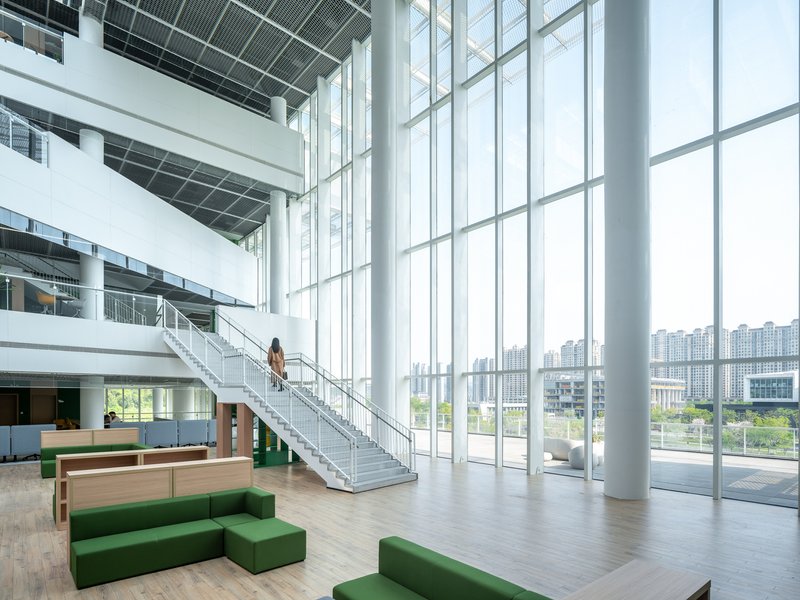
A defining feature of SLAC is its "vertical street"—a continuous circulation path ascending from ground level to the roof, echoing the idea of grand public steps. This pathway intersects with the building's various functions and activates indoor and outdoor terraces. The resulting sectional fluidity blurs boundaries between levels and fosters serendipitous encounters, promoting a campus culture of openness and exchange.
Architectural Language and Transparency
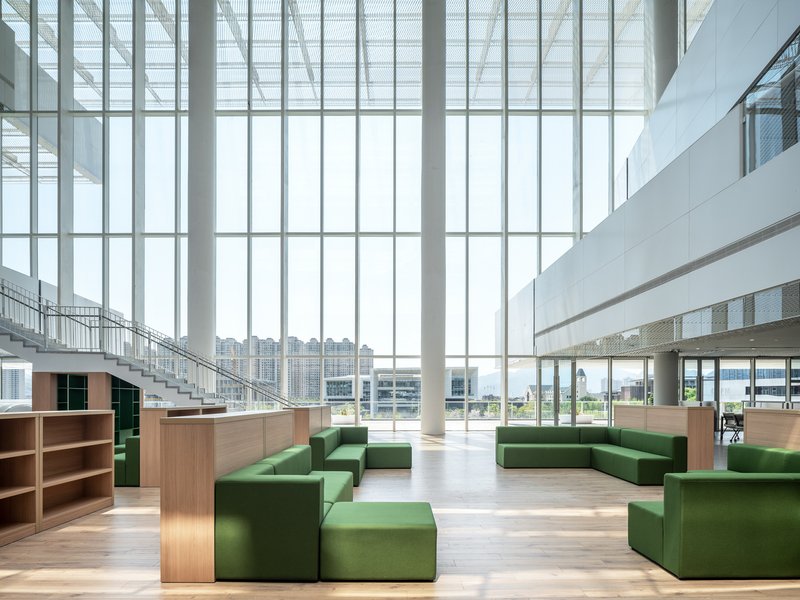
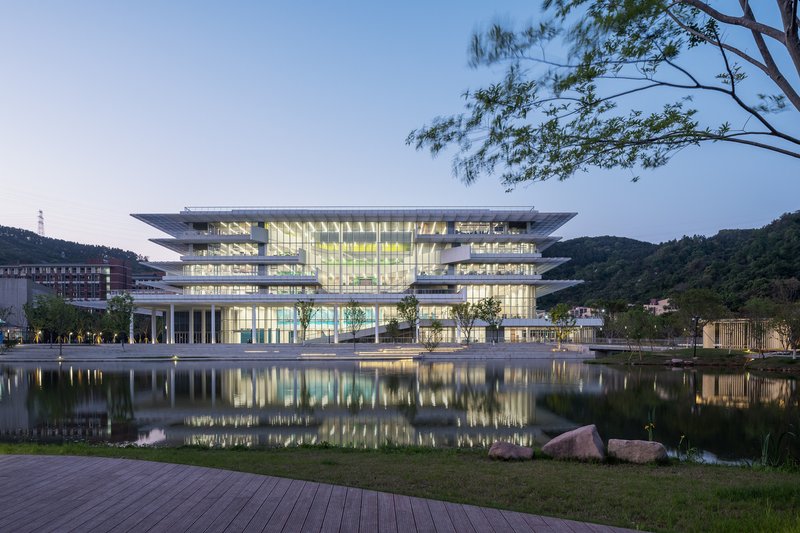
The use of transparent canopies and horizontal plates defines a modern and refined design vocabulary. These elements optimize daylight penetration, provide shading, and frame uninterrupted views of the landscape. The angled canopy at the reading areas diffuses natural light, reducing glare while preserving visual clarity. At night, the building glows from within, turning into an inviting beacon for students.
Interior Design and Structural Expression
Inside, the SLAC is characterized by rhythmic interplays of staircases and double-height spaces. The transparency of the structure reveals its internal activity, supporting a culture of exploration and innovation. The interplay between steel, glass, and minimalist finishes reflects a refined material palette while celebrating structural legibility.
Sustainability and Engagement
The building's passive design strategies—such as natural ventilation, daylighting, and strategic shading—enhance energy efficiency and user comfort. Its open and accessible design reinforces the university's vision of fostering inclusive learning environments. The connection between architecture and landscape ensures a harmonious user experience, both functionally and emotionally.
All the photographs are works of STUDIO FANG



Popular Articles
Popular articles from the community

Inverted Architecture Installation by Studio Link-Arc: Exploring the Intersection of Architecture and Living Organisms
Inverted Architecture Installation by Studio Link-Arc blends mycelium, sustainability, inverted design, ecological cycles, and urban adaptive architecture in Shenzhen.
An Miên Lumière Cafe by xưởng xép, Ho Chi Minh City, Vietnam
An industrial-inspired café where layered steel and warm light create a dynamic, immersive environment shaped by reflection, depth, and perception.


The Ken Roberts Memorial Delineation Competition (Krob)
As the most senior architectural drawing competition currently in operation anywhere in the world, it draws hundreds of entries each year, awarding the very best submissions in a series of medium-based categories.

Solar Steam: A Climate-Responsive Architecture That Redefines the Monument
A climate-responsive memorial architecture that transforms heat, decay, and time into a living system reflecting humanity’s ecological impact.


Similar Reads
You might also enjoy these articles
The Ken Roberts Memorial Delineation Competition (Krob)
As the most senior architectural drawing competition currently in operation anywhere in the world, it draws hundreds of entries each year, awarding the very best submissions in a series of medium-based categories.


Waterfront Redevelopment and Urban Revitalization in Mumbai: Forging a New Dawn for Darukhana
A transformative waterfront redevelopment project reimagining Darukhana’s shipbreaking heritage into an inclusive urban future.

OUT-OF-MAP: A Call for Postcards on Feminist Narratives of Public Space
Rhizoma Design and Research Lab invites artists, designers, architects, researchers, and students to reflect on how feminist perspectives can reshape public space. Selected works will be exhibited in Barcelona, October 2026. Submissions open until 15 April 2026.


Documentation Work on Buddhist Wooden Temple
Architectural syncretism and cultural hybridity: A comparative study of the Buddhist temples in Chattogram Hill tracks


Explore Architecture Competitions
Discover active competitions in this discipline




The International Standard for Design Portfolios


The Global Benchmark for Architecture Dissertation Awards


The Global Benchmark for Graduation Excellence


Challenge to design public laboratory
Comments (0)
Please login or sign up to add comments
No comments yet. Be the first to comment!