
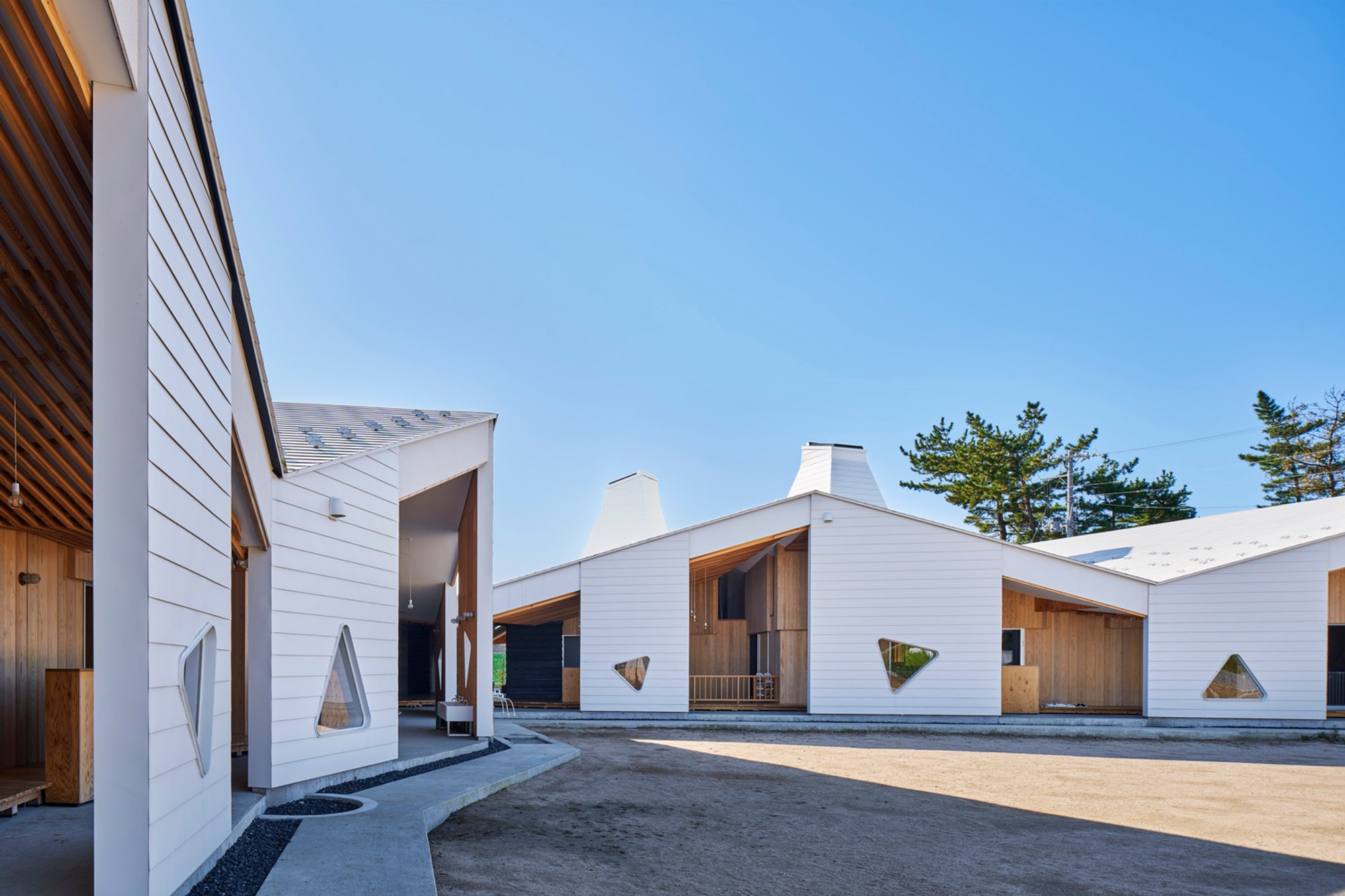
YNS Yamaikarashi Nursery School by Takeru Shoji Architects: A Community-Centered Learning Space
A sustainable nursery integrating nature, community, and learning through wooden architecture, open spaces, and passive climate control in Niigata, Japan.

A Harmonious Integration of Nature and Architecture
Located atop a sand dune in Niigata, Japan, YNS Yamaikarashi Nursery School by Takeru Shoji Architects is a model for sustainable and community-oriented early childhood education. Designed to foster a deep connection between children, nature, and the local village, the school embraces a seamless integration of indoor and outdoor spaces.
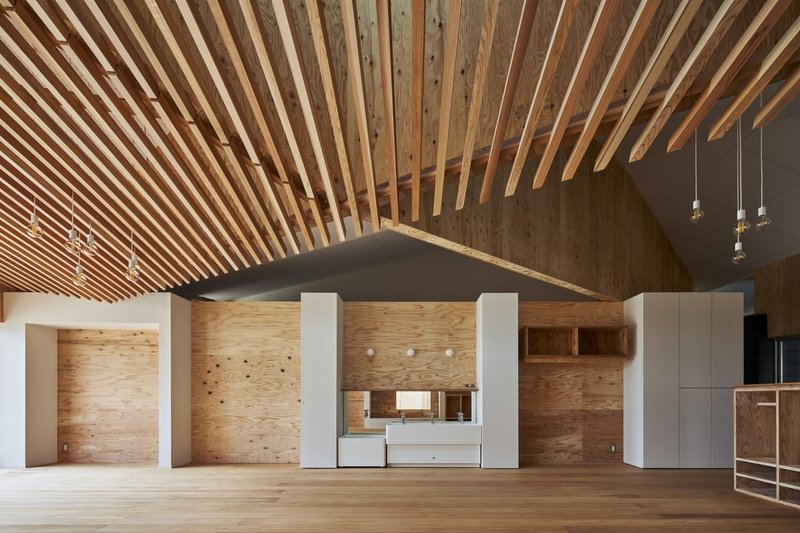
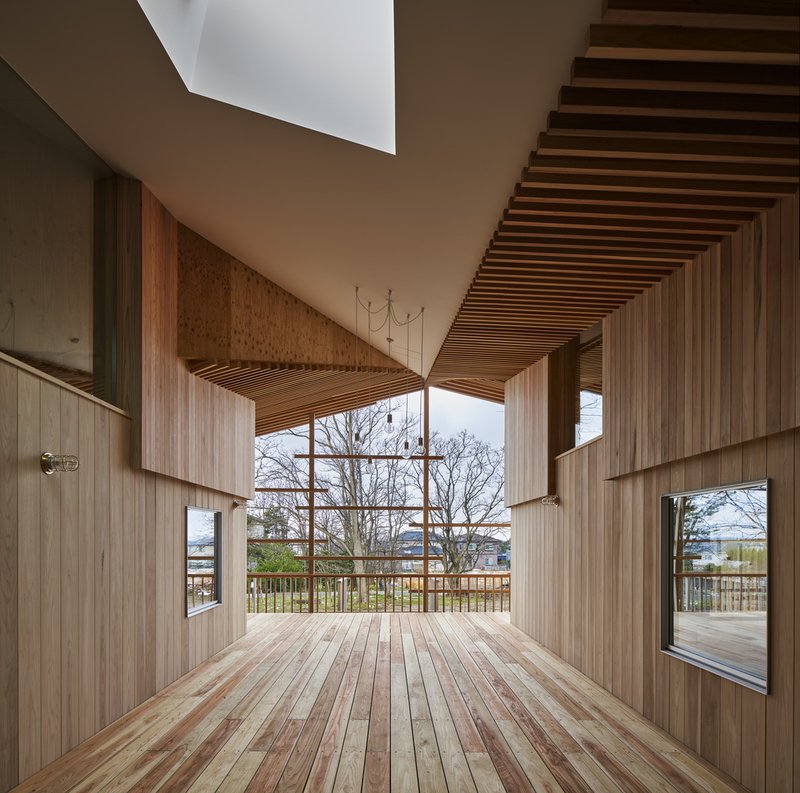
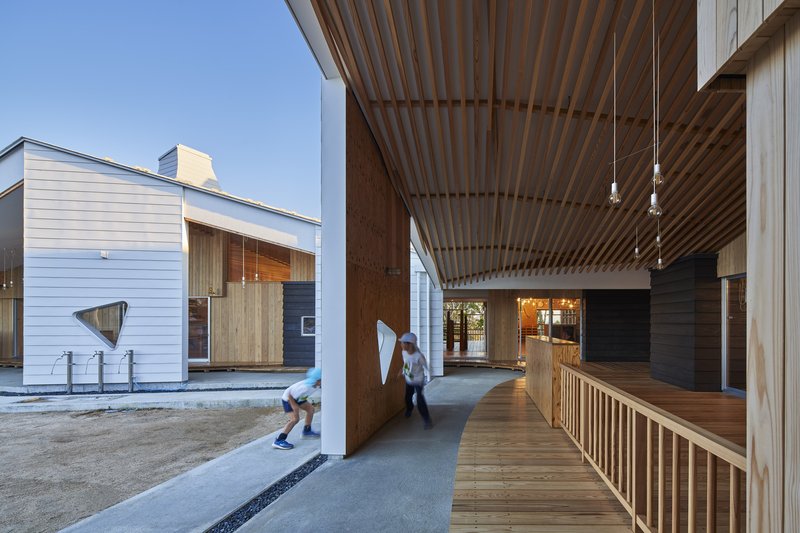
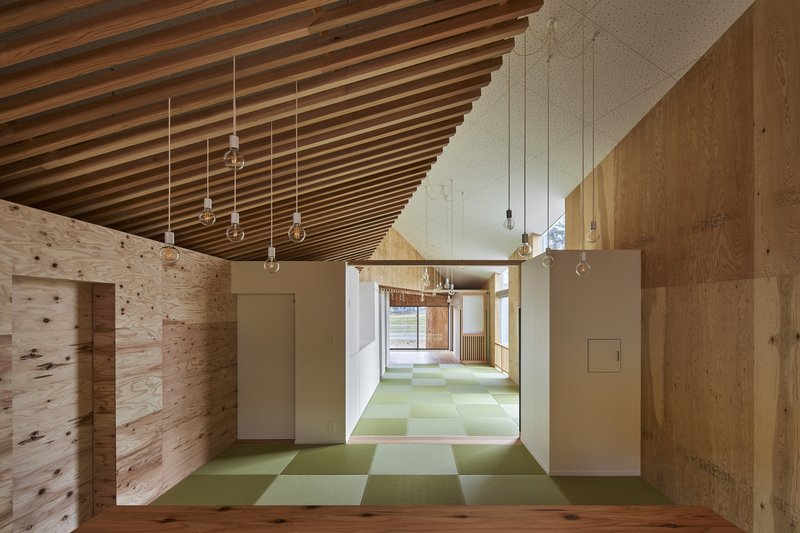
The single-story wooden structure extends beyond a conventional nursery, creating an immersive environment where children engage freely with their surroundings. With its open-plan design, timber construction, and thoughtfully designed recesses, the school encourages exploration and natural learning. The architects aimed to establish a continuum between the school and the village, ensuring that both children and the local community benefit from this innovative space.
A Village-Like Learning Environment
The concept behind the nursery school emerged through a series of community workshops involving parents, childcare experts, and local residents. Given Japan’s aging population and declining birthrate, the project sought to create a flexible learning environment that extends beyond the classroom. The resulting vision was to design a “nursery school like a village and a village like a nursery school.”
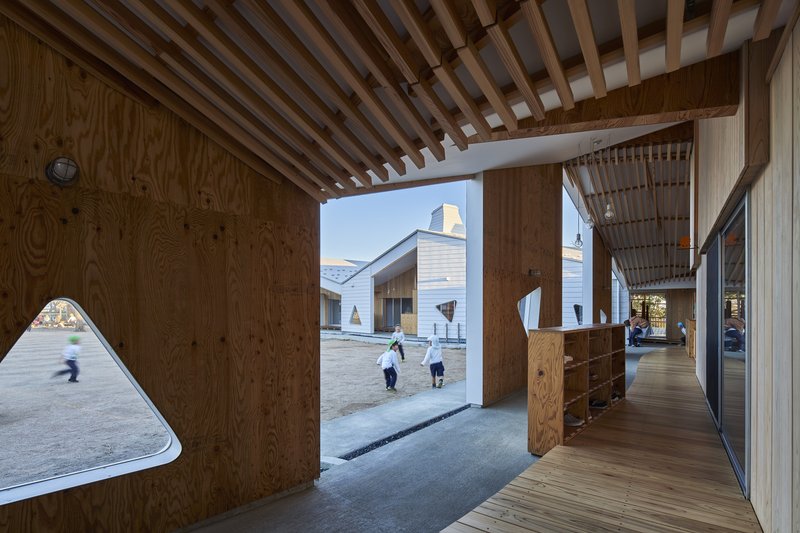
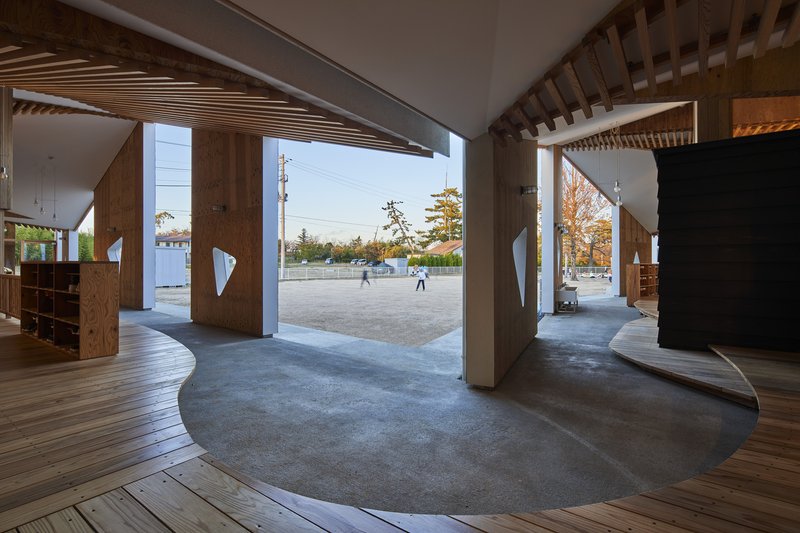
Children are encouraged to move fluidly between indoor play areas, exterior courtyards, and the village itself, reinforcing a sense of freedom and exploration. The nursery also serves as a hub for community engagement, where villagers can participate in activities, market events, and social gatherings.
Sustainable Timber Construction and Passive Design
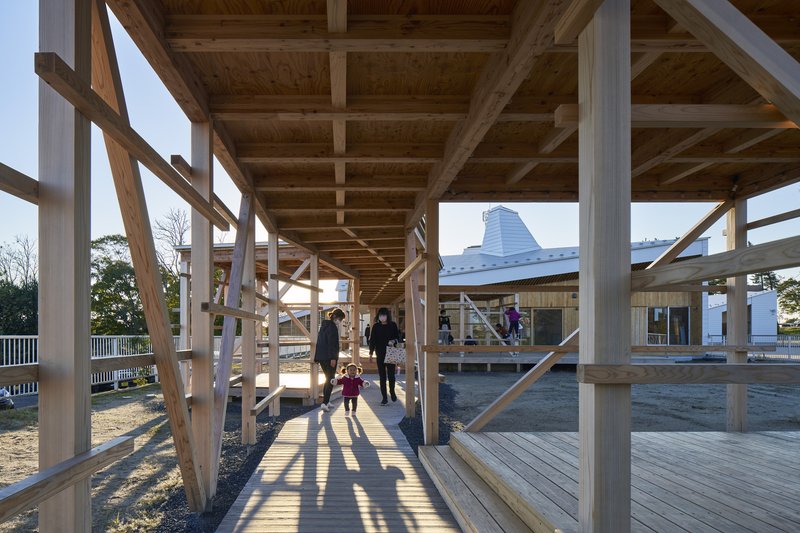
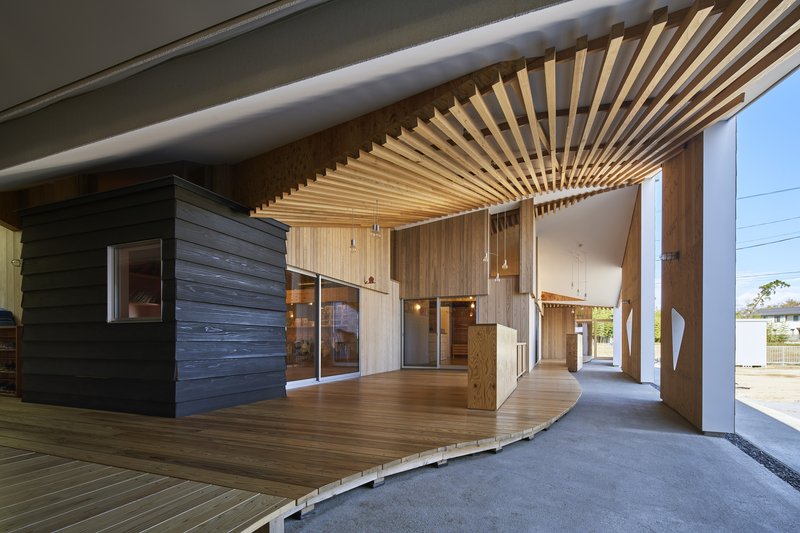
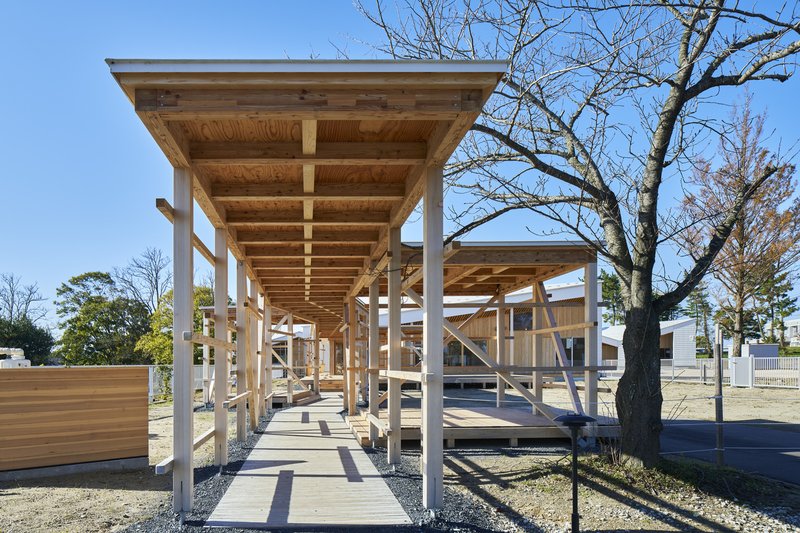
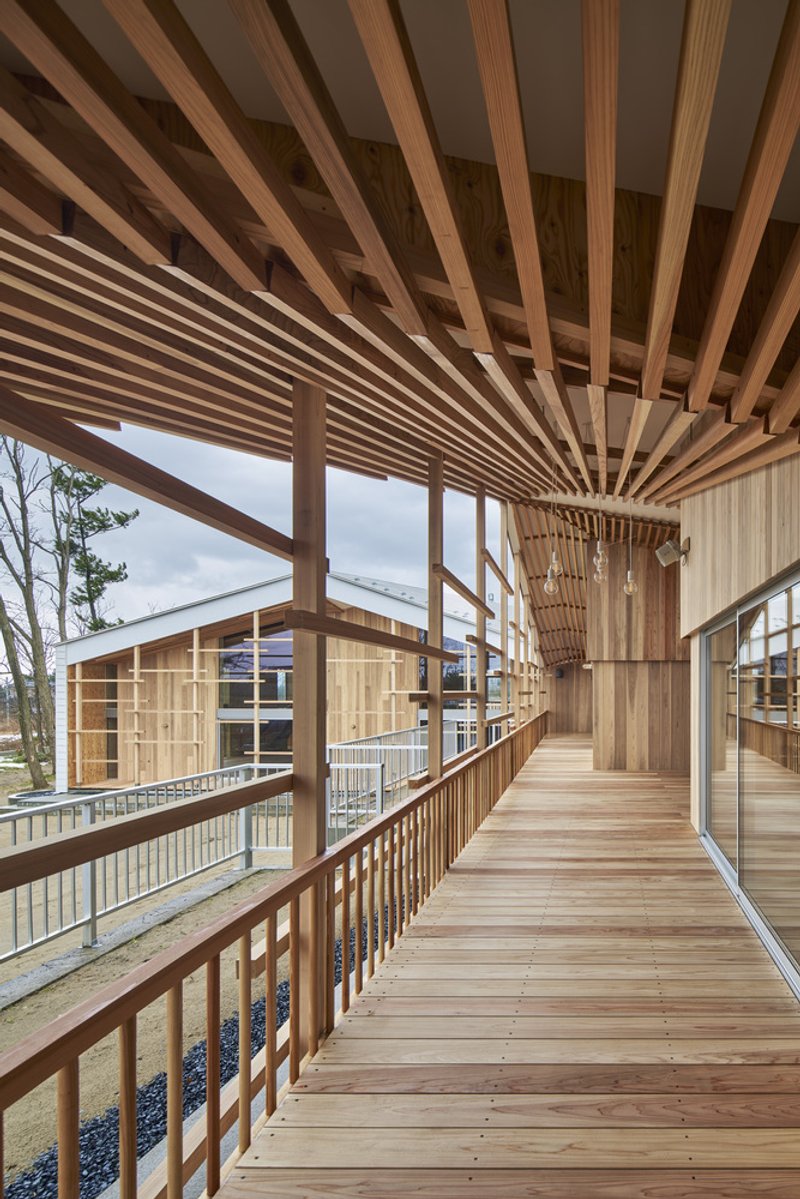
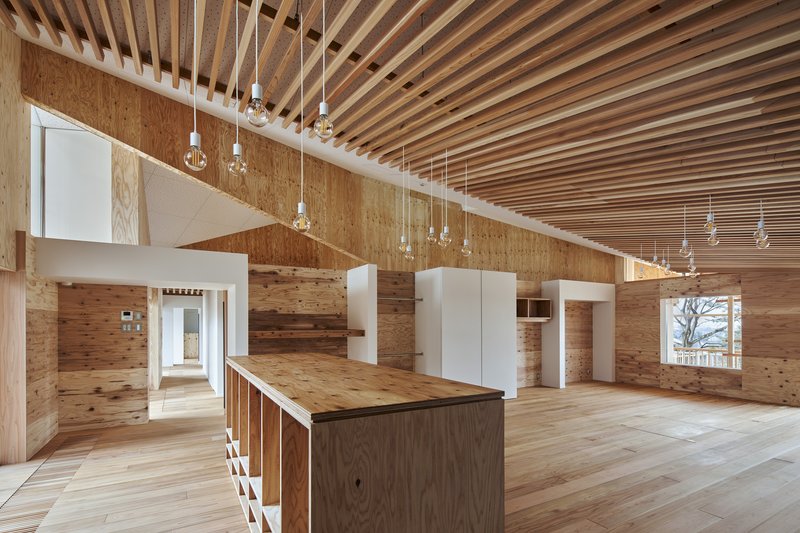
Due to local regulations restricting large timber transportation, the nursery was constructed using on-site assembled wooden trusses, combining small timbers to form expansive childcare spaces. These alternating apex trusses not only enhance the architectural expression but also create a dynamic, open environment that fosters connection between different spaces.
The school prioritizes passive climate control with an underfloor air circulation system. Air conditioners and heat exchangers are placed beneath prefectural cedar flooring, providing radiant heating without direct airflow. This ensures a comfortable and healthy atmosphere for children, reducing the reliance on mechanical cooling and heating.
Blurring Boundaries Between School and Village
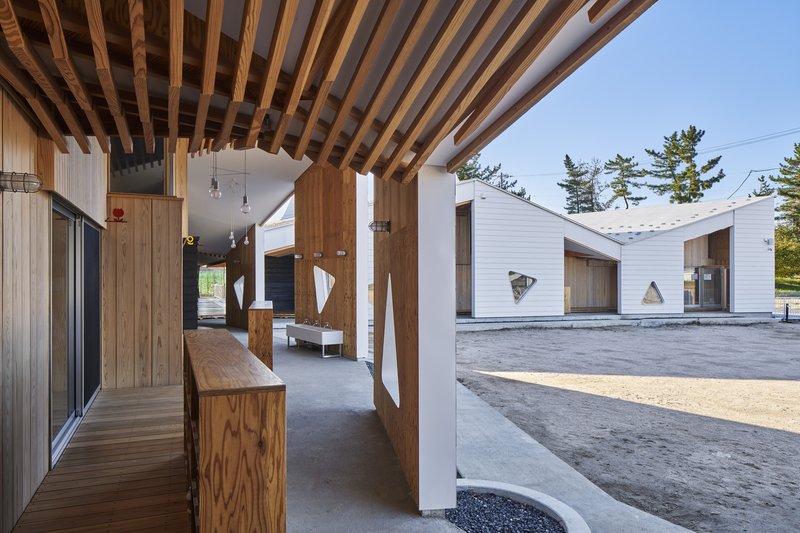
Inspired by the organic layout of traditional Japanese villages, the school incorporates narrow, winding pathways that lead into exterior corridors. This design allows children’s activities to spill into the surroundings, creating visual and social connections between the nursery and the local community.
A childcare support office and deck plaza at the entrance serve as a shared space for parents, teachers, and villagers. The area is used for farmers' markets, food truck events, and social gatherings, reinforcing the school’s role as a cultural and social anchor for the community.
A Living, Breathing Learning Space
Since its opening, the nursery school has fostered cross-age social interactions, enabling children of different age groups to learn and play together. At the same time, the space has encouraged greater community engagement, with more senior citizens visiting the area to watch children play.
Under the extended eaves, parents naturally connect with one another during drop-offs and pick-ups, further strengthening the village-like character of the school. This open-ended, community-driven design is redefining early childhood education by making the physical space a catalyst for social, cultural, and environmental enrichment.
All Photographs are works of Koji Fujii / TOREAL




Popular Articles
Popular articles from the community

Treehouse Apartment: A Warm Timber Interior Blending Craft, Play, and Contemporary Living
Warm timber apartment with integrated treehouse, combining natural materials, craftsmanship, and playful design to create a flexible, family-oriented living environment.
Flamboyant House by Juliana Camargo + Prumo Projetos
Modern Brazilian house integrating existing tree, pool, and volumes with glass, wood, and transitional spaces blending interior, exterior, and landscape seamlessly.


The Ken Roberts Memorial Delineation Competition (Krob)
As the most senior architectural drawing competition currently in operation anywhere in the world, it draws hundreds of entries each year, awarding the very best submissions in a series of medium-based categories.
Louis Malle Cinema: A Limestone Cultural Landmark Revitalizing Community Life in Prayssac
Limestone cinema extension with public forecourt, blending heritage and modern design to create flexible cultural spaces and strengthen community interaction.
Similar Reads
You might also enjoy these articles
The Ken Roberts Memorial Delineation Competition (Krob)
As the most senior architectural drawing competition currently in operation anywhere in the world, it draws hundreds of entries each year, awarding the very best submissions in a series of medium-based categories.

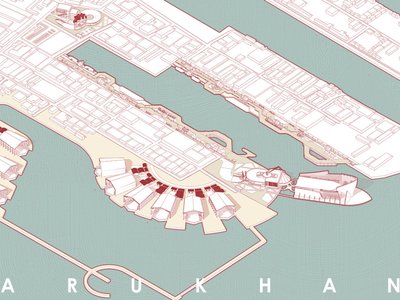
Waterfront Redevelopment and Urban Revitalization in Mumbai: Forging a New Dawn for Darukhana
A transformative waterfront redevelopment project reimagining Darukhana’s shipbreaking heritage into an inclusive urban future.

OUT-OF-MAP: A Call for Postcards on Feminist Narratives of Public Space
Rhizoma Design and Research Lab invites artists, designers, architects, researchers, and students to reflect on how feminist perspectives can reshape public space. Selected works will be exhibited in Barcelona, October 2026. Submissions open until 15 April 2026.

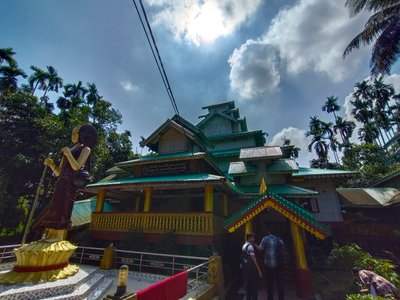
Documentation Work on Buddhist Wooden Temple
Architectural syncretism and cultural hybridity: A comparative study of the Buddhist temples in Chattogram Hill tracks


Explore Architecture Competitions
Discover active competitions in this discipline




The International Standard for Design Portfolios


The Global Benchmark for Architecture Dissertation Awards


The Global Benchmark for Graduation Excellence


Challenge to design public laboratory
Comments (0)
Please login or sign up to add comments
No comments yet. Be the first to comment!