
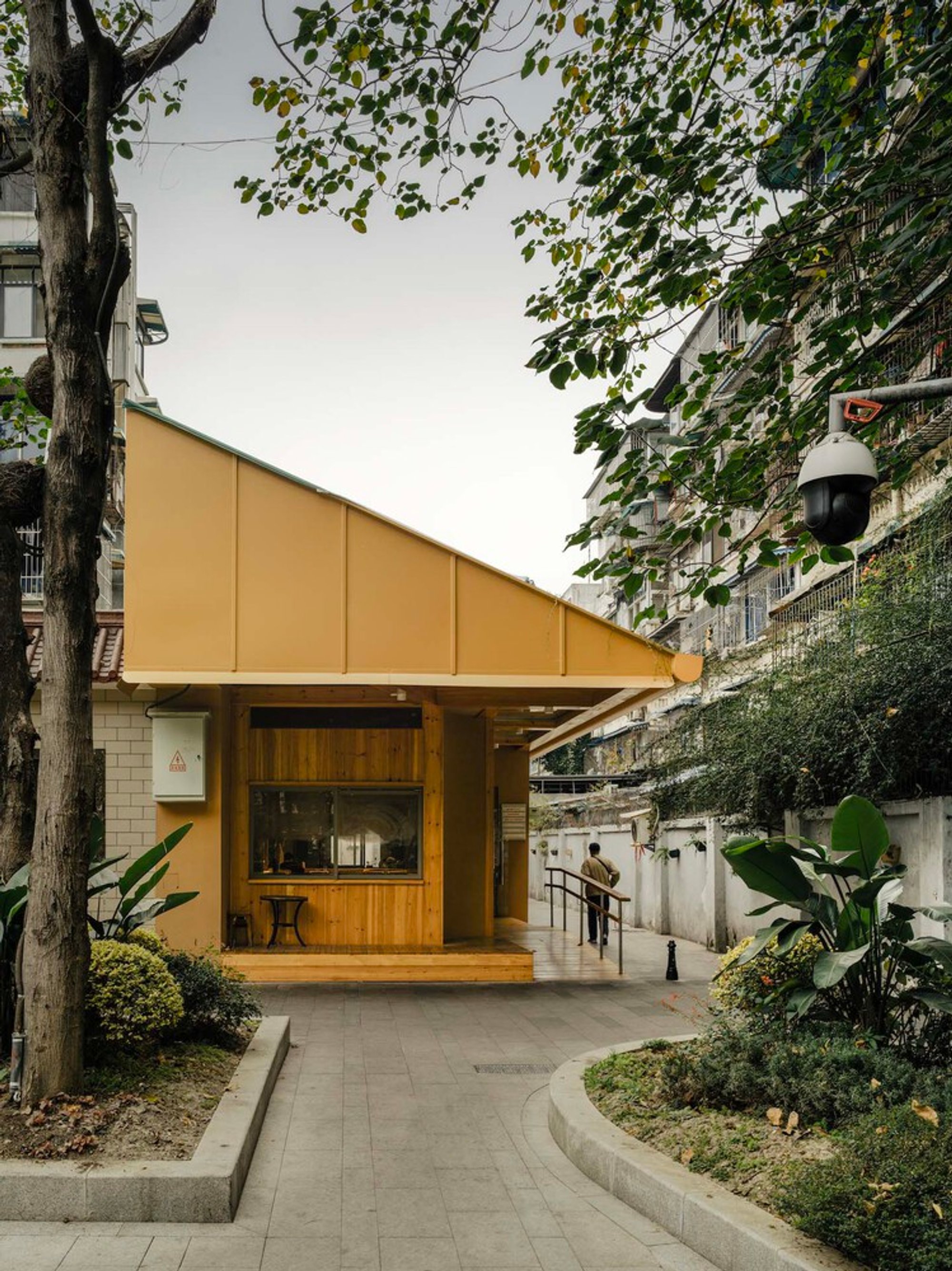
Yulin Alley Neighborhood Renewal by Nhoow Architects: Transforming Community Public Spaces in Chengdu
Revitalized Chengdu alley transforms into inclusive community hub with cafés, stage, and services through phased, adaptive design by Nhoow Architects.

Architects: Nhoow Architects
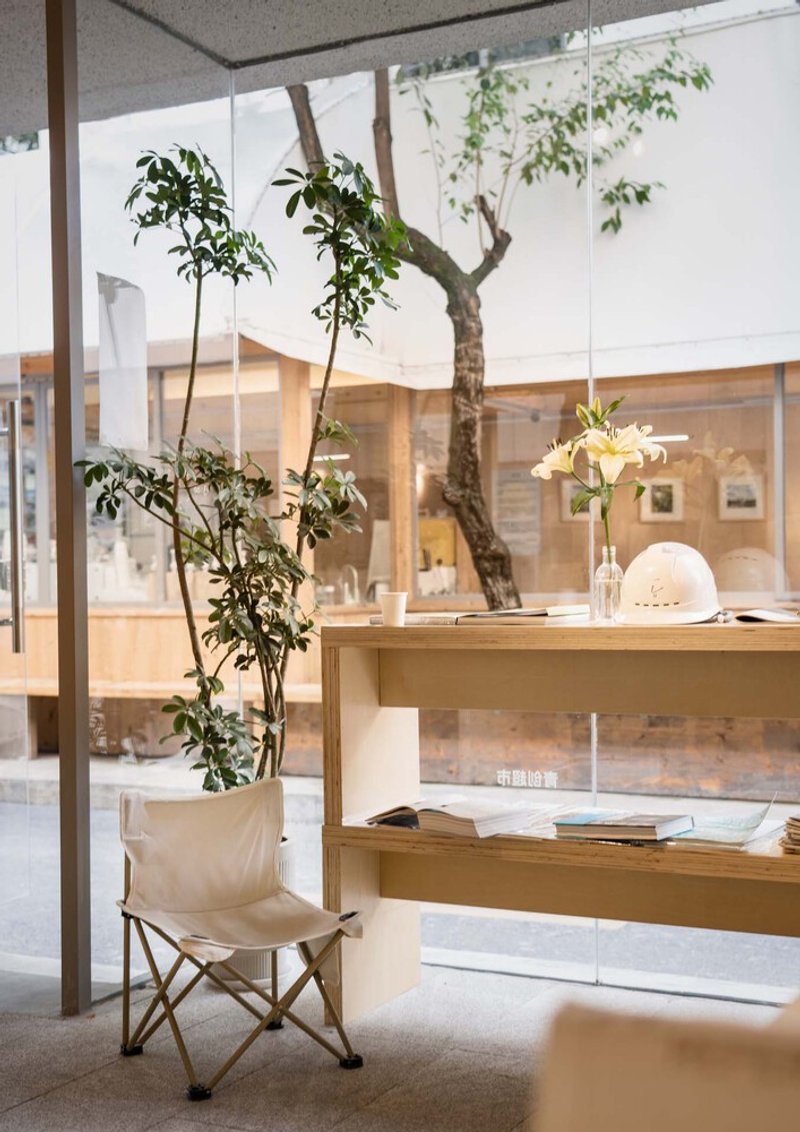
Reviving Public Life in a Historic Urban Neighborhood
Nestled within the historic urban fabric of Chengdu’s Yulin Sanxiang, the Yulin Alley Neighborhood Renovation is a community-centered urban renewal project that reimagines neglected public space into a vibrant, inclusive, and multifunctional environment. Designed by Nhoow Architects, this thoughtful transformation addresses the challenges typical of aging Chinese urban districts: deteriorating housing, poor infrastructure, lack of greenery, and a critical shortage of public amenities.
Dating back to the 1980s and 1990s, the Yulin neighborhood reflects a layered urban identity shaped by generations. With the rapid urbanization of Chengdu, its dense alleyways—once active social arteries—were gradually sidelined. The architects faced two major questions: How can leftover or blind spots in city planning be effectively revitalized? And how can community spaces become sustainable, flexible, and inclusive?
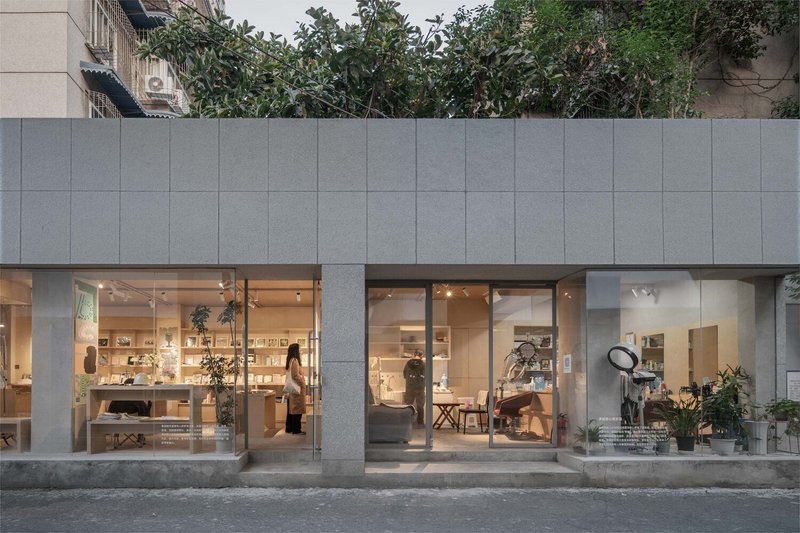
A Three-Phase Approach to Incremental Urban Transformation
The renovation was implemented in three strategic phases, evolving from small-scale interventions to a holistic community public space network. Each phase emphasized adaptive design, feedback integration, and community co-creation.
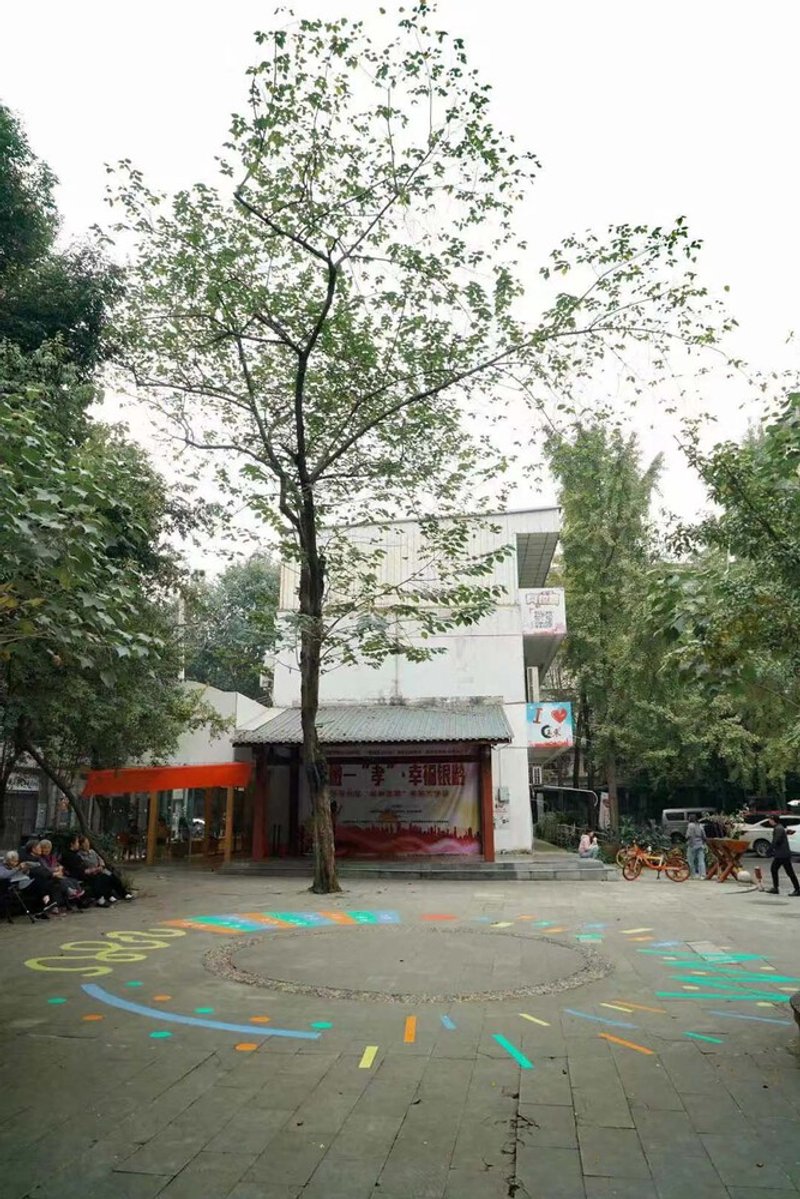
Phase I: Yulin Alley – A Barrier-Free Cultural Hub
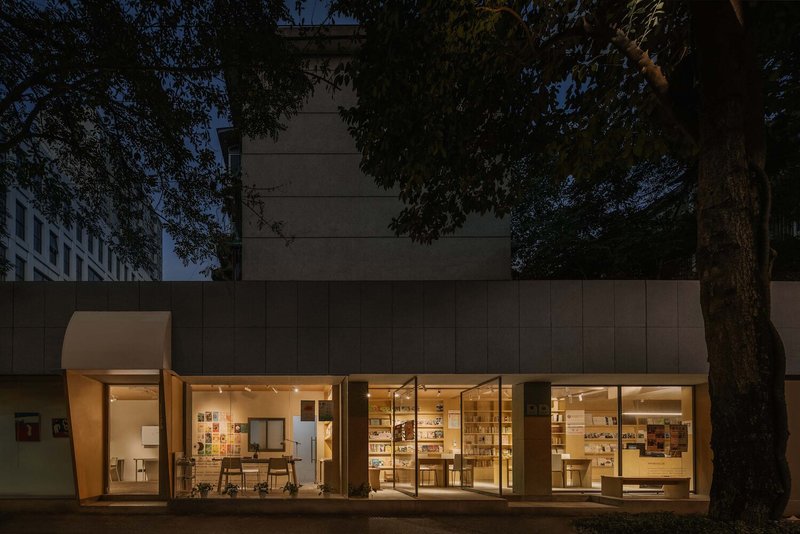
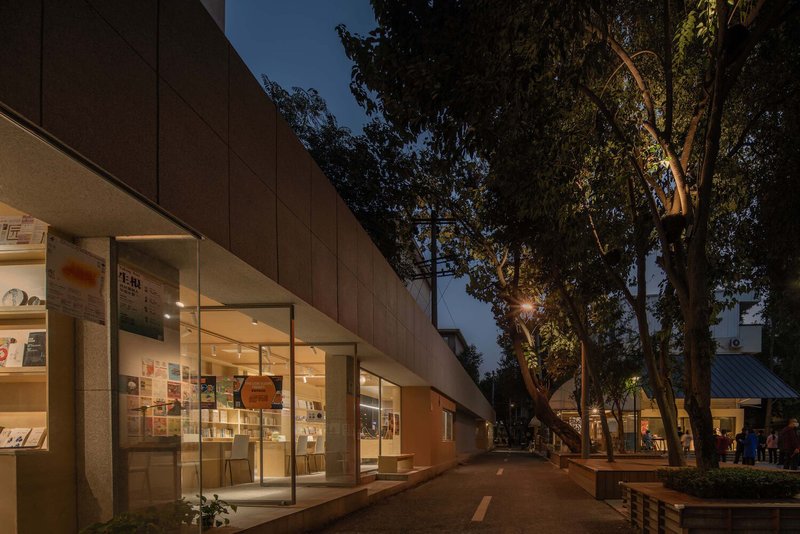
The initial transformation introduced a disabled-friendly alley space, jointly operated with the local community. More than just an accessible passage, the space functions as a small-scale cultural hub offering coffee, creative goods, and hosting regular exhibitions, workshops, and pop-ups. This phase set the tone for open, egalitarian interaction, encouraging residents to step outside their homes and re-engage with their neighborhood.
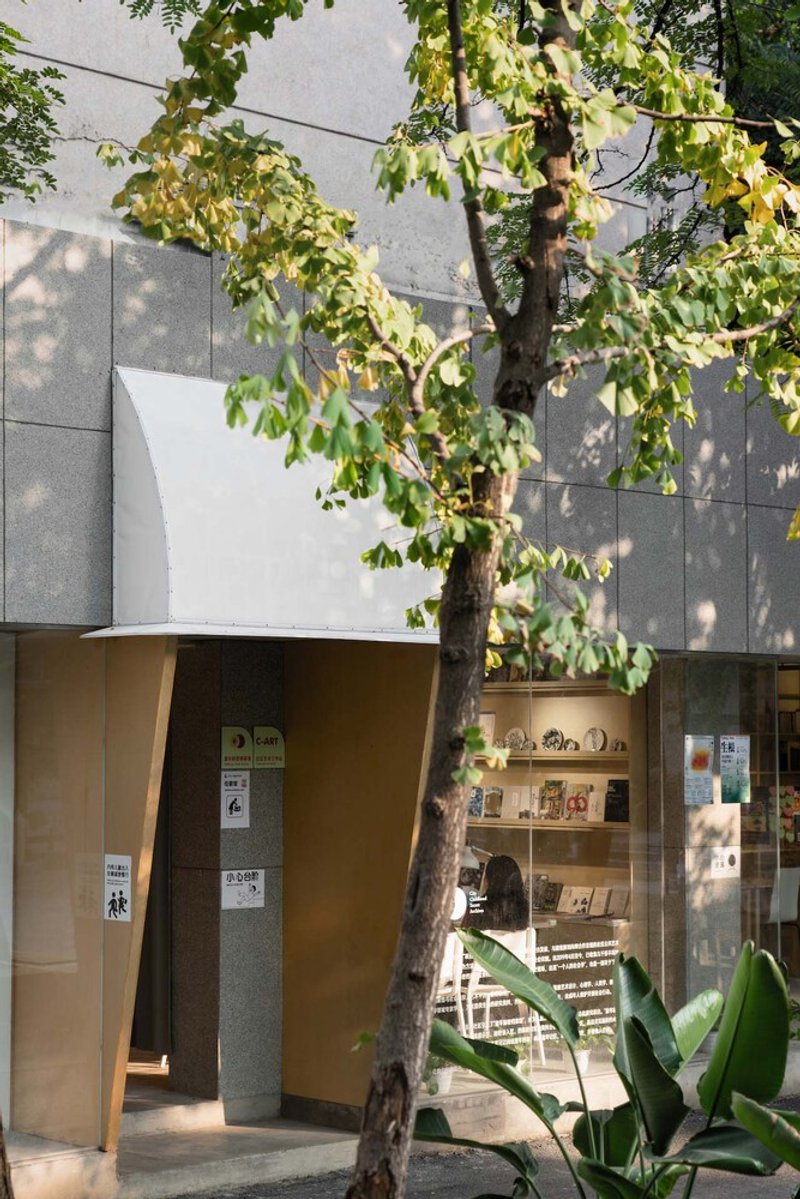
Phase II: Community Stage & Leisure Platform
The second phase saw the creation of a community stage and entrance platform outside the local Party Service Center. The cantilevered structure—lightened with solar panels and minimal vertical supports—serves both as a performance venue and leisure area. The adjacent wooden platform provides flexible gathering space for casual seating, chess games, and children’s choir rehearsals.
With minimal spatial intervention, Nhoow Architects introduced a multilayered public environment where everyday life and cultural programming coexist.
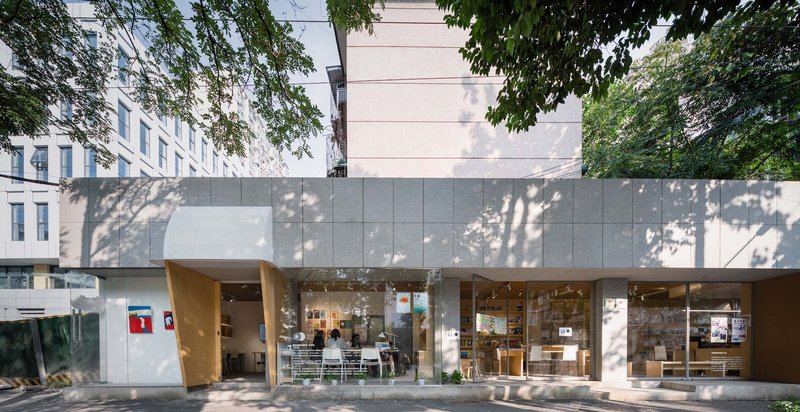
Phase III: Service Rooms, Cafeteria & Community Anchors
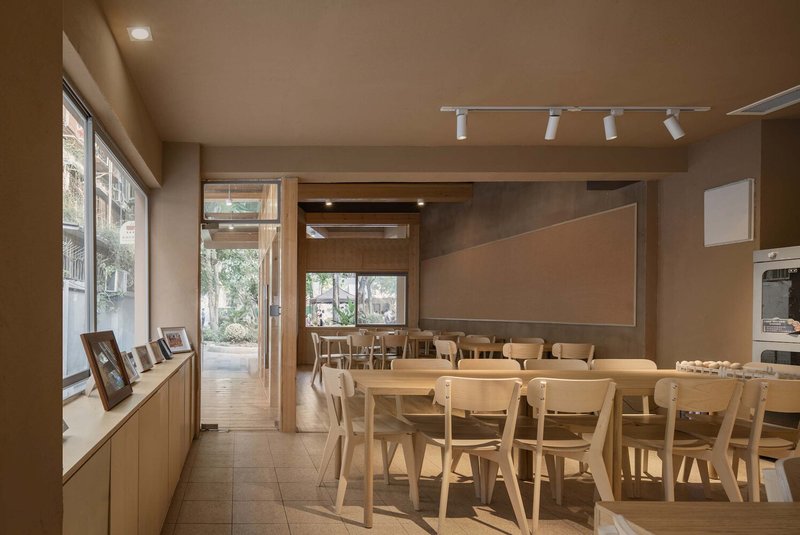
The third phase expanded the architectural and programmatic scope through the renovation of community service rooms and a cafeteria. Organized around a central rectangular grid, core functions such as social services, retail, and dining are interspersed with flexible, undefined spaces that foster interactivity and adaptive usage.
Key spaces include:
- Community Service Room: A dual-purpose area divided into social and commercial zones with a flexible central theatre, allowing programmatic shifts between civic and private use.
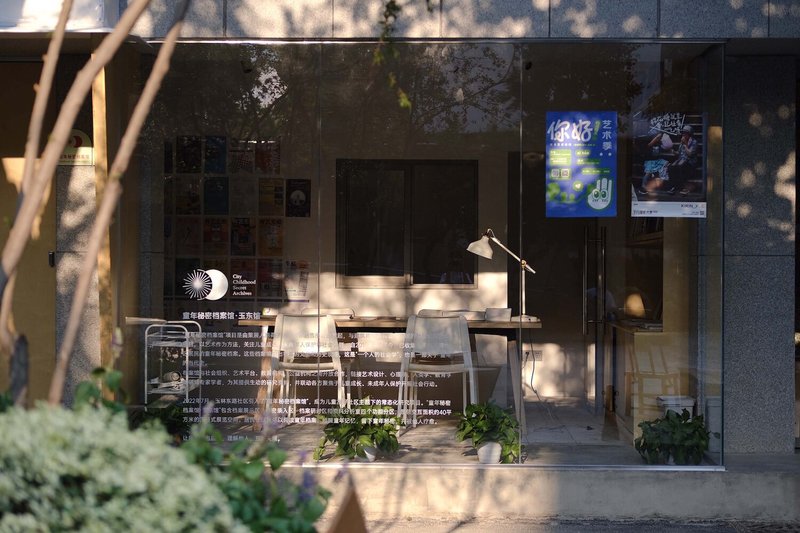
- Children’s Secret Archives: An interactive space inviting children and families to explore personal memories and collective history, offering a rich resource for research in education, psychology, and anthropology.
- Community Workstation: Tailored social services for elderly, disabled, women, and children, reinforcing equitable development.
- Community Cinema: A low-barrier platform for local creatives and filmmakers, promoting inclusive cultural access.
- Design & Art Retail: A curated space for publications and products related to architecture, design, and sociology, fostering civic dialogue and youth engagement.
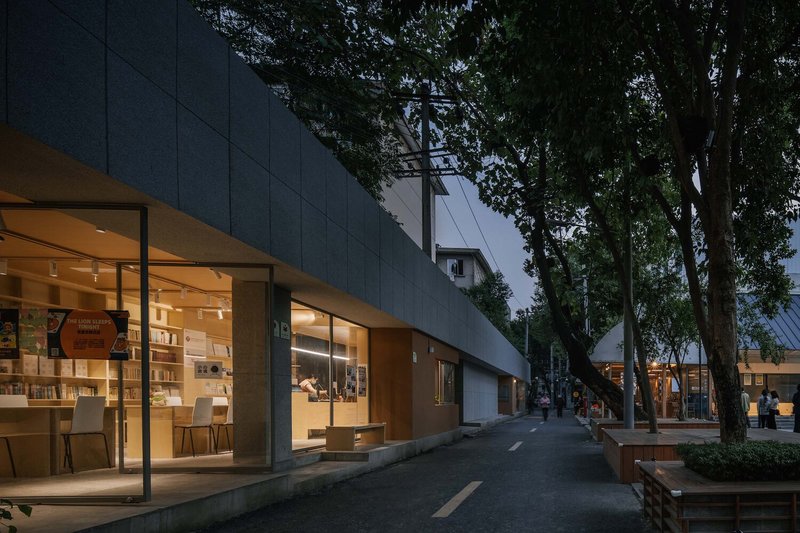
The Cafeteria as a Social Anchor
Perhaps the most praised element of the renovation is the Community Cafeteria. With affordable meals (¥15, ¥12 for seniors), it delivers both nutritional value and emotional connection. Beyond dining, it offers shared parent-child kitchens, elderly birthday celebrations, and serves as a venue for intergenerational bonding. It exemplifies how social infrastructure can serve functional, emotional, and symbolic roles in urban renewal.
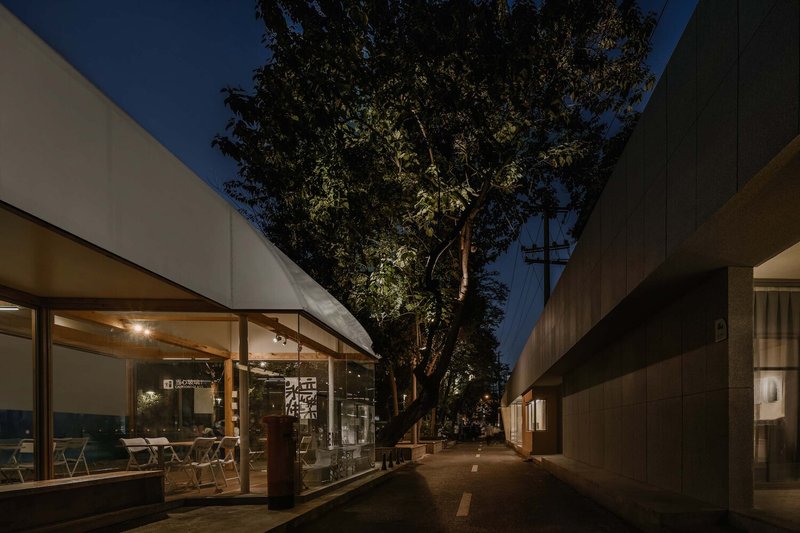
Architectural Strategy: Flexibility, Integration, and Blurred Boundaries
The design strategy was built on three core principles:
- Functional Cores: Clearly defined zones for specific activities and services.
- Undefined Multifunctional Areas: Spaces that accommodate diverse behaviors, scales, and densities.
- Blurring Spatial Boundaries: Integrating indoor, semi-outdoor, and outdoor spaces through material continuity and spatial transitions, allowing fluid movement and spontaneous interaction.
This approach supports multi-generational use, social inclusion, and urban vibrancy in a compact footprint.
Social Design Rooted in Place and People
The Yulin Alley project isn’t just about architecture—it’s about people. Figures like Mrs. Li, who’s run a low-cost barbershop since the 1990s, exemplify the enduring spirit of neighborhood care and resilience. Her decades-long service, including home visits to immobile seniors, inspired the designers to root the architecture in community stories and service ethics.
Nhoow Architects describe the project as growth-oriented, responsive to time and feedback. It represents a model of sustainable urban regeneration—one that prioritizes community ownership, inclusivity, and layered functionality over flashy spectacle.
A Scalable Model for Community-Centered Urban Renewal
The Yulin Alley Neighborhood Renovation stands as a compelling prototype for urban regeneration in aging neighborhoods across China and beyond. It demonstrates that small-scale, phased design strategies can create a ripple effect, enhancing quality of life, reactivating public life, and supporting co-governance between professionals and residents.
Through adaptive reuse, low-cost interventions, and a deep commitment to the community, Nhoow Architects transformed forgotten alleys into socially rich, multifunctional, and emotionally resonant urban spaces.
All photographs are works of ICY©ICYWORKS, Di Zhu, Vancy, Yulin East Road Community



Popular Articles
Popular articles from the community

Inverted Architecture Installation by Studio Link-Arc: Exploring the Intersection of Architecture and Living Organisms
Inverted Architecture Installation by Studio Link-Arc blends mycelium, sustainability, inverted design, ecological cycles, and urban adaptive architecture in Shenzhen.

Solar Steam: A Climate-Responsive Architecture That Redefines the Monument
A climate-responsive memorial architecture that transforms heat, decay, and time into a living system reflecting humanity’s ecological impact.
An Miên Lumière Cafe by xưởng xép, Ho Chi Minh City, Vietnam
An industrial-inspired café where layered steel and warm light create a dynamic, immersive environment shaped by reflection, depth, and perception.
Flamboyant House by Juliana Camargo + Prumo Projetos
Modern Brazilian house integrating existing tree, pool, and volumes with glass, wood, and transitional spaces blending interior, exterior, and landscape seamlessly.

Similar Reads
You might also enjoy these articles


The Ken Roberts Memorial Delineation Competition (Krob)
As the most senior architectural drawing competition currently in operation anywhere in the world, it draws hundreds of entries each year, awarding the very best submissions in a series of medium-based categories.


Waterfront Redevelopment and Urban Revitalization in Mumbai: Forging a New Dawn for Darukhana
A transformative waterfront redevelopment project reimagining Darukhana’s shipbreaking heritage into an inclusive urban future.

OUT-OF-MAP: A Call for Postcards on Feminist Narratives of Public Space
Rhizoma Design and Research Lab invites artists, designers, architects, researchers, and students to reflect on how feminist perspectives can reshape public space. Selected works will be exhibited in Barcelona, October 2026. Submissions open until 15 April 2026.


Documentation Work on Buddhist Wooden Temple
Architectural syncretism and cultural hybridity: A comparative study of the Buddhist temples in Chattogram Hill tracks


Explore Architecture Competitions
Discover active competitions in this discipline




The International Standard for Design Portfolios


The Global Benchmark for Architecture Dissertation Awards


The Global Benchmark for Graduation Excellence


Challenge to reimagine the Iron Throne
Comments (0)
Please login or sign up to add comments
No comments yet. Be the first to comment!