
19 Collective Housing Units by Atelier 56S | Contemporary Residential Architecture in Lorient, France
Atelier 56S’s 19 Collective Housing in Lorient blends contemporary design with historic context, offering sunlit apartments, landscaped courtyards, and concrete façades.

A Contemporary Response to Classical Modernity
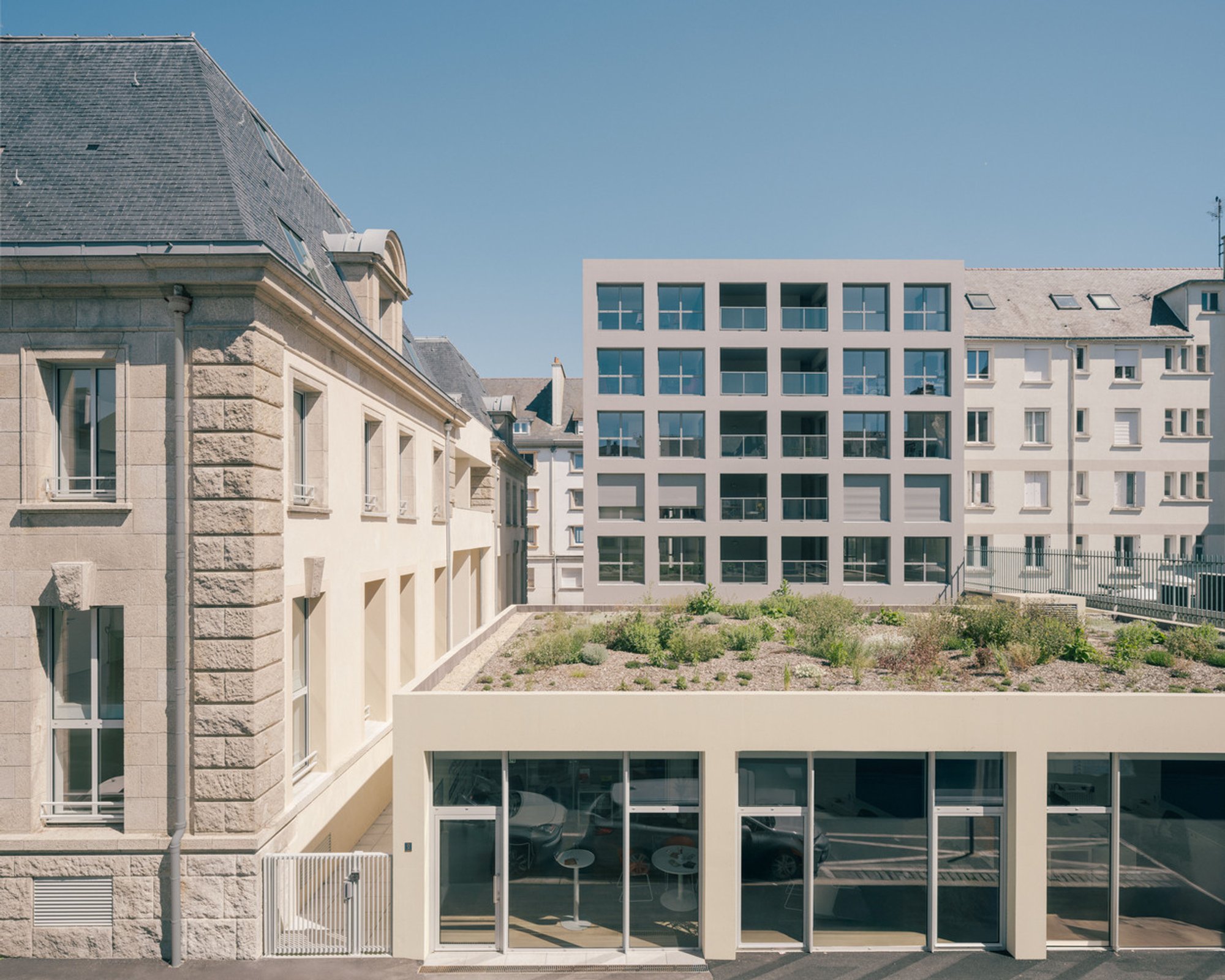
Located in the Alsace-Lorraine district of Lorient, France, the 19 Collective Housing Units designed by Atelier 56S mark a thoughtful dialogue between heritage architecture and contemporary urban living. The neighborhood, originally rebuilt after the war, is characterized by its classical modernist architecture — a style defined by symmetrical compositions, gabled roofs, vertical openings, and ornamental moldings. Within this urban fabric, Atelier 56S introduces a new architectural layer that both honors and reinterprets this historic vocabulary through modern materiality and spatial coherence.
Atelier 56S’s 19 Collective Housing Units in Lorient present a sophisticated blend of contemporary residential architecture and historical urban context. Situated in the Alsace-Lorraine district, a neighborhood rebuilt after the war, the project draws inspiration from the area's classical modernist style. This architectural style is defined by symmetrical compositions, gabled roofs, vertical openings, and subtle decorative moldings, providing a strong contextual reference for the new development.
Contextual Integration and Urban Coherence
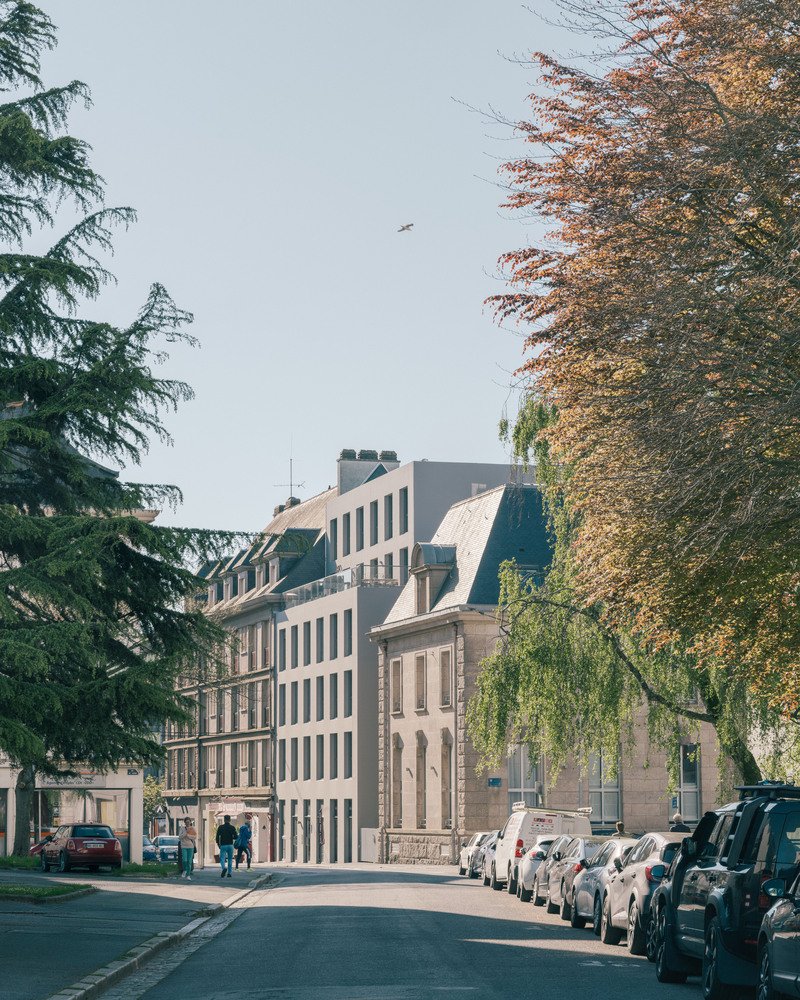
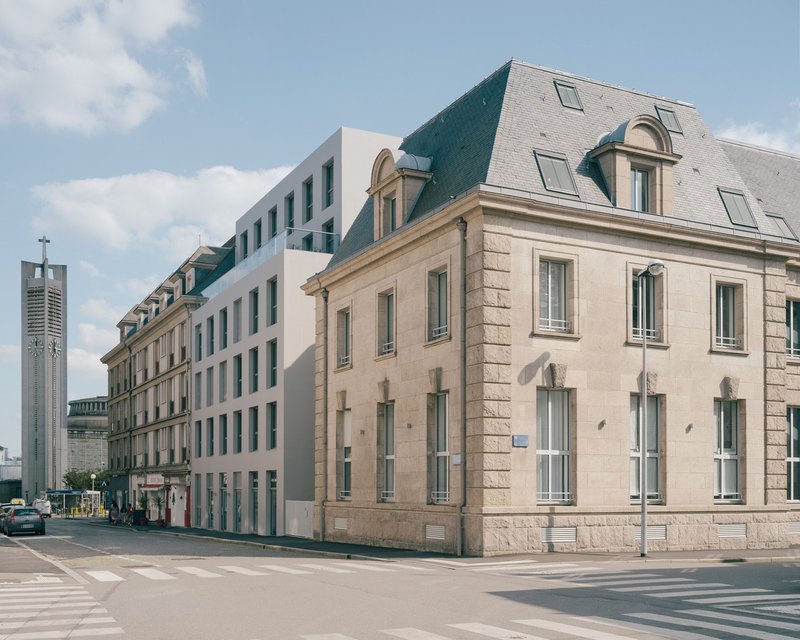
One of the key challenges in this project was reconciling modern residential design with the monumental presence of the Banque de France building to the west. Atelier 56S addressed this by carefully adapting the building volumes to the surrounding urban fabric, preserving sunlight access and maintaining visual coherence.
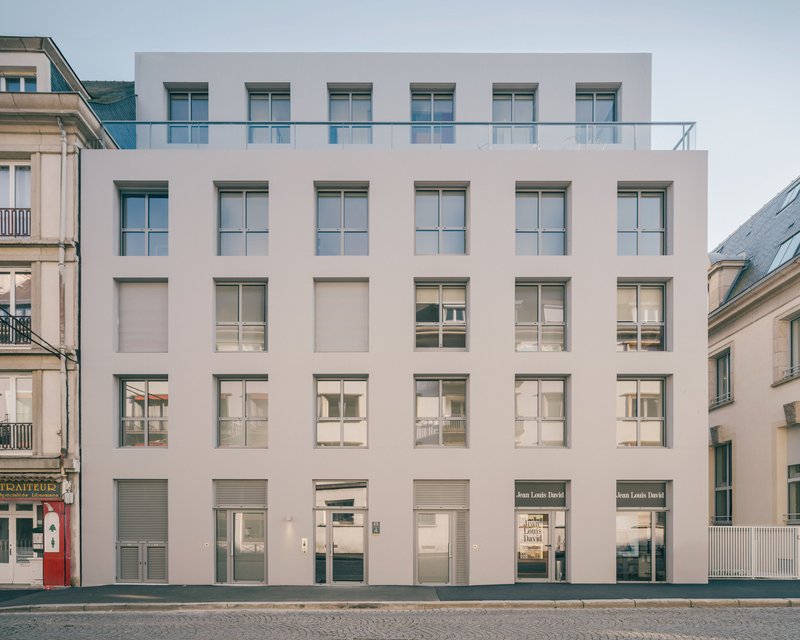
The design consists of two primary volumes:
- A five-story structure along Rue Clisson, and
- A ground-level volume along Rue Vaubanet.
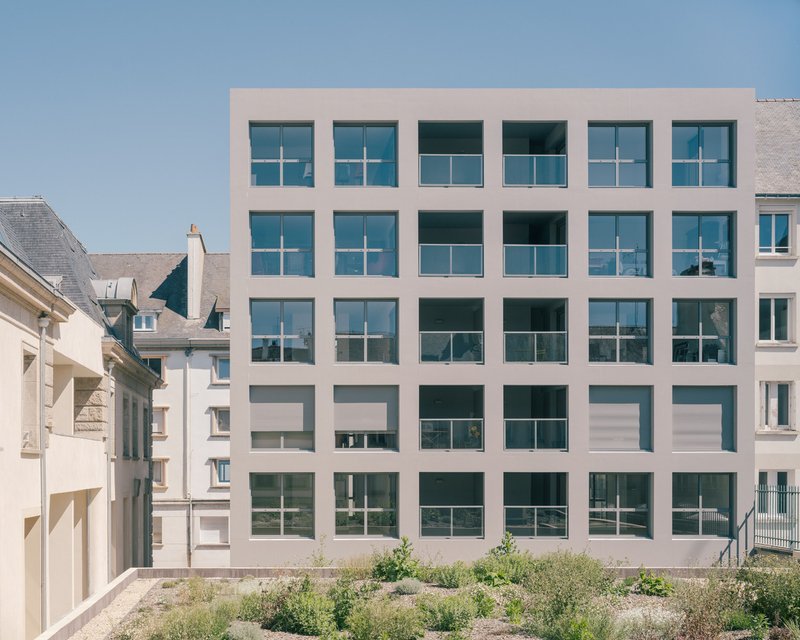
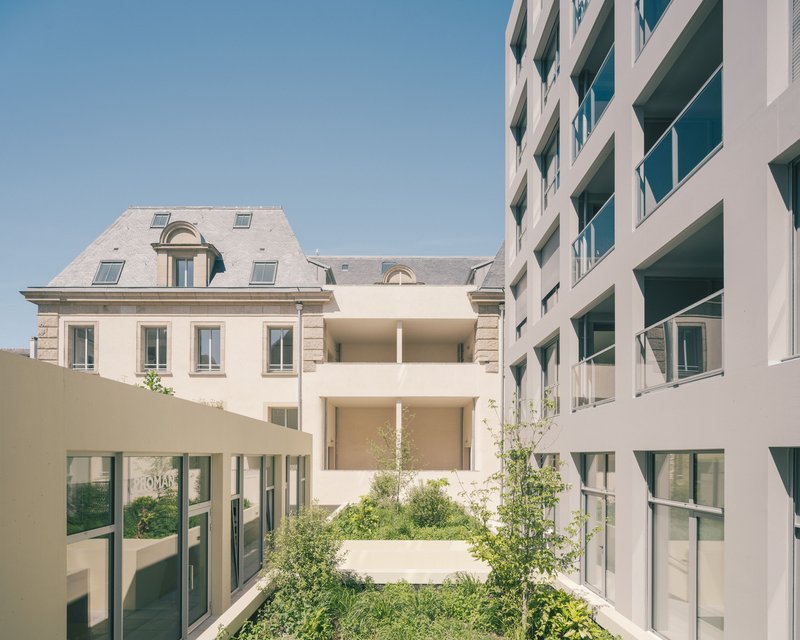
This strategic massing creates a gap between the new buildings and the Banque de France, establishing a subtle public space while reinforcing the monumental character of the institutional building. By doing so, the project organizes the previously fragmented block into a harmonized urban ensemble and opens up a landscaped central courtyard for residents.
Architectural Design and Living Experience
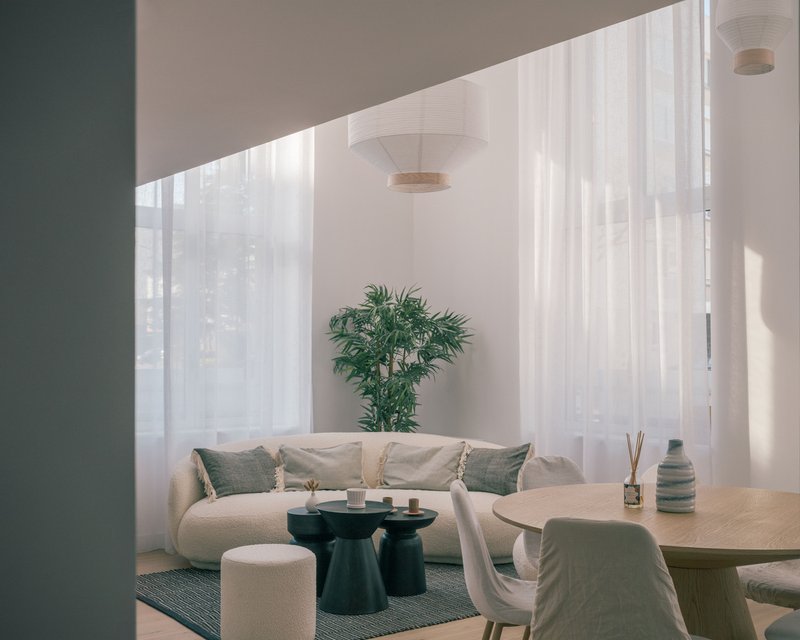
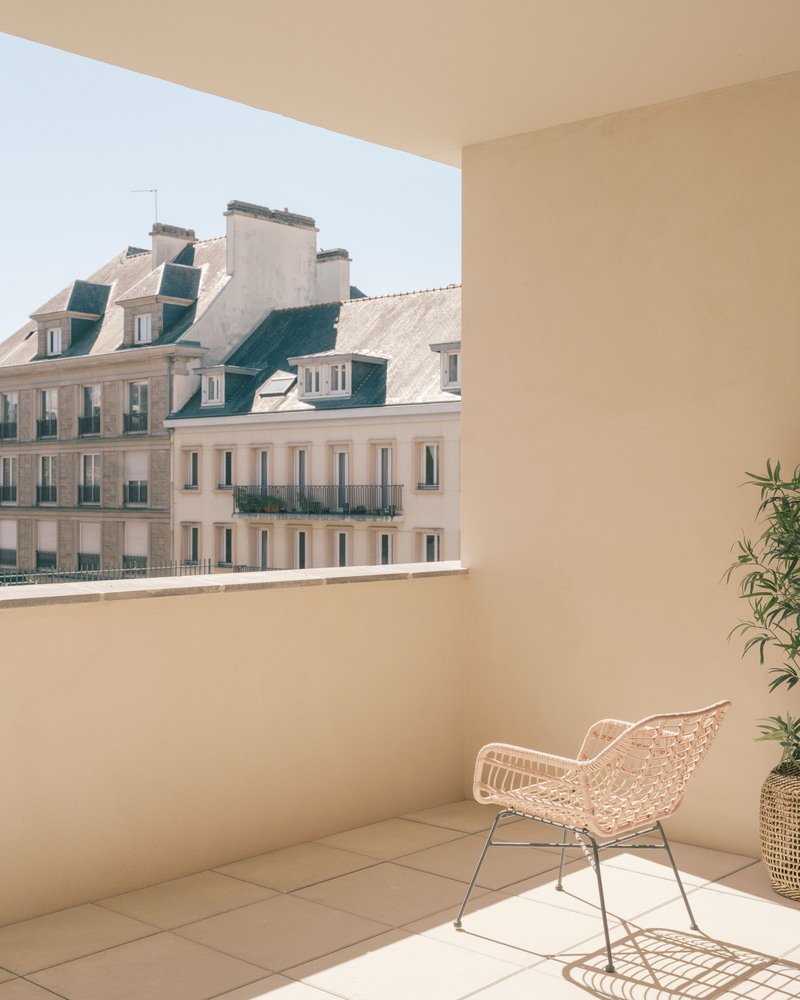
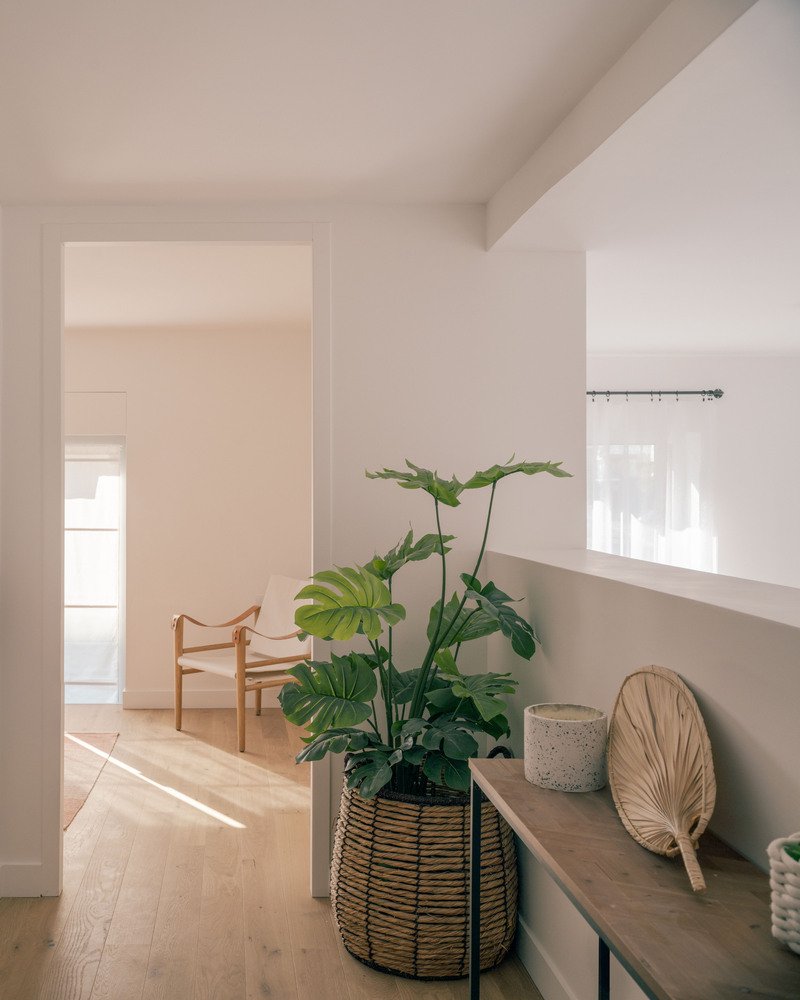
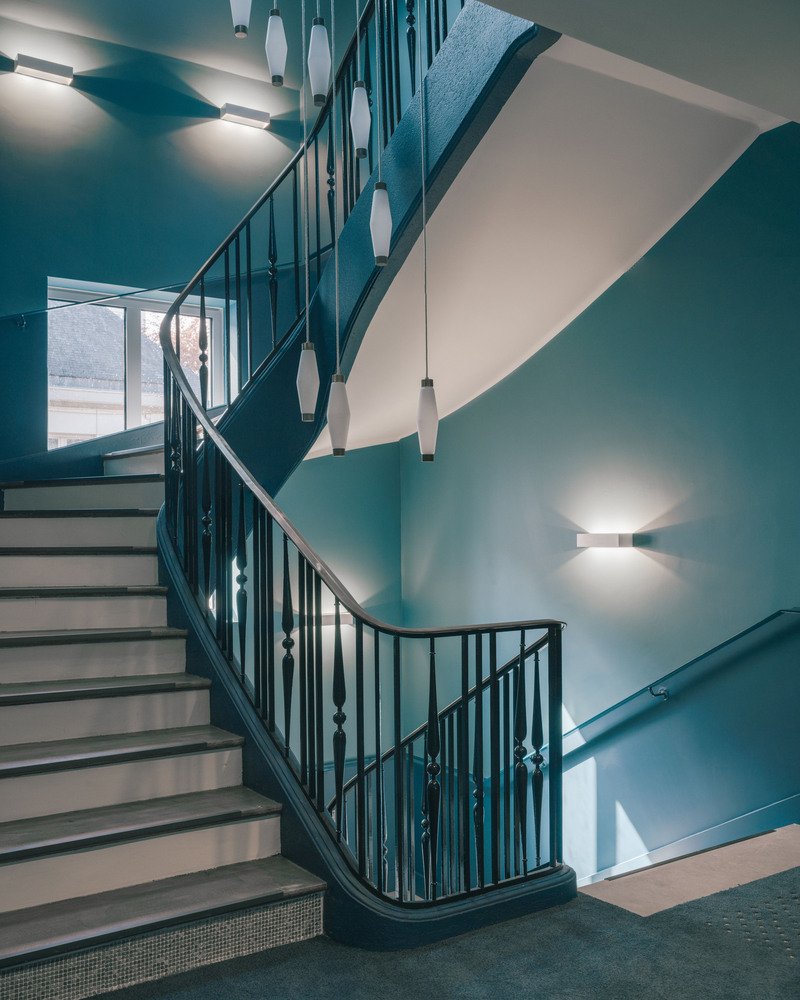
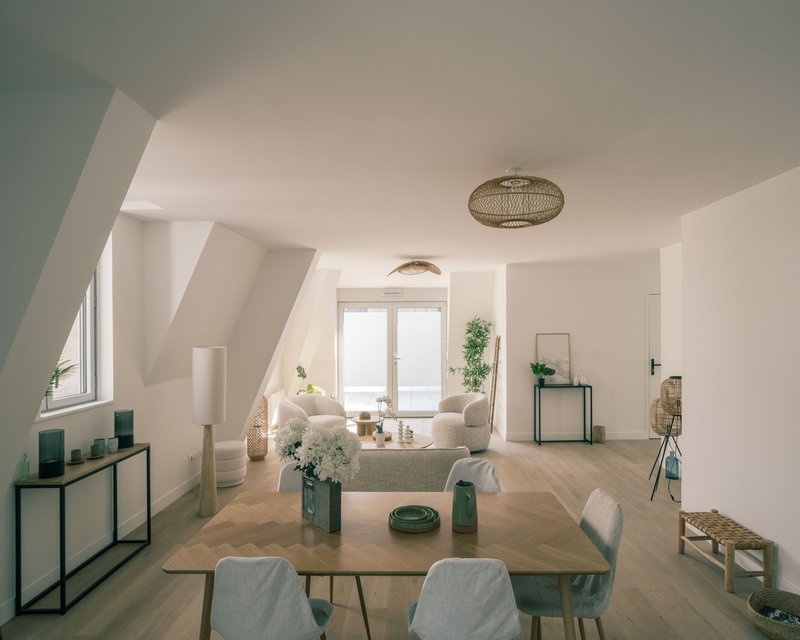
The project emphasizes both aesthetic harmony and functional quality for residents. The top floor is set back, and the window rhythm and proportions are carefully calibrated to create unified façades. Each apartment benefits from double or triple orientation, allowing abundant natural light and optimal cross-ventilation. Outdoor spaces, directly connected to the living areas, face south, enhancing both comfort and energy efficiency.
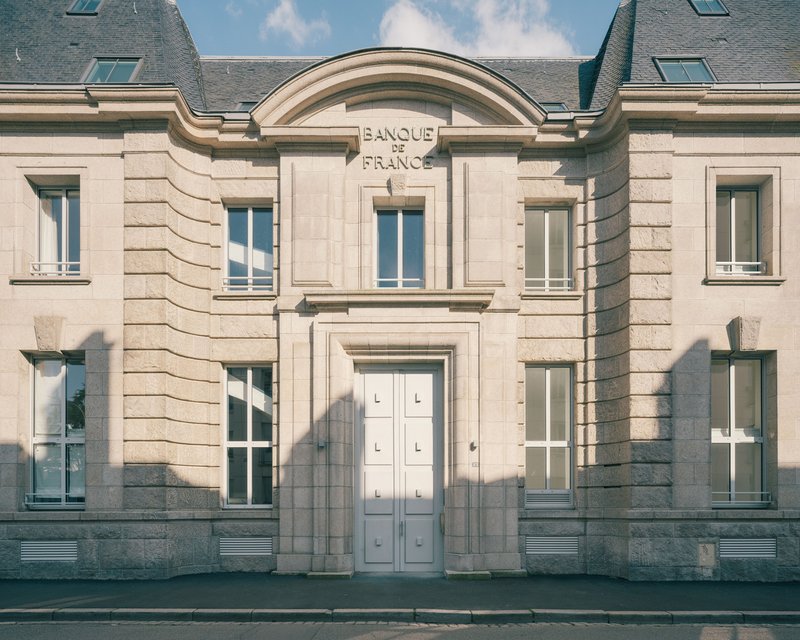
Materials were thoughtfully chosen to integrate the project with its mineral urban environment. The concrete façades are treated with a light wash, allowing the natural texture to remain visible while harmonizing with surrounding buildings. Interiors feature warm materials like wood, creating a cozy and inviting living atmosphere.
A New Layer of Contemporary Urbanism
By introducing these 19 new housing units, Atelier 56S adds a contemporary layer to the Lorient cityscape while respecting historical context. The buildings form a bridge between Place Alsace-Lorraine and Rue du Couëdic, highlighting the institutional presence of the Banque de France while creating accessible and welcoming public spaces. This careful balance between modern residential comfort and urban integration exemplifies how contemporary design can complement historical urban environments.
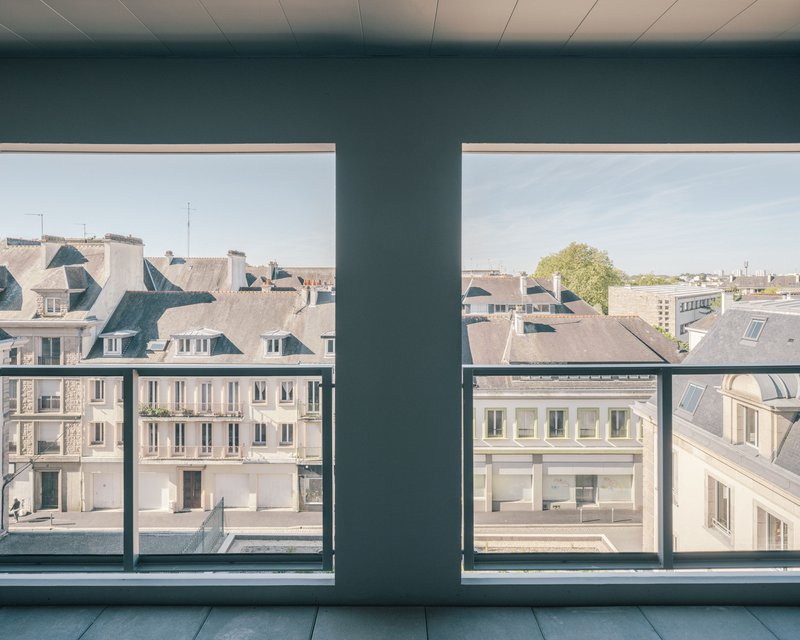
All photographs are works of Charly Broyez



Popular Articles
Popular articles from the community

Solar Steam: A Climate-Responsive Architecture That Redefines the Monument
A climate-responsive memorial architecture that transforms heat, decay, and time into a living system reflecting humanity’s ecological impact.
Split House: A Compact Urban Home Blending Privacy, Light, and Flexible Living in Japan
Compact Japanese home featuring DOMA space, flexible café potential, passive lighting, privacy zoning, and sustainable urban living design.
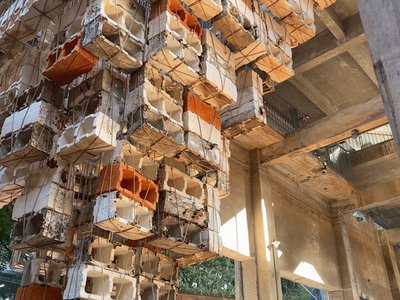
Inverted Architecture Installation by Studio Link-Arc: Exploring the Intersection of Architecture and Living Organisms
Inverted Architecture Installation by Studio Link-Arc blends mycelium, sustainability, inverted design, ecological cycles, and urban adaptive architecture in Shenzhen.
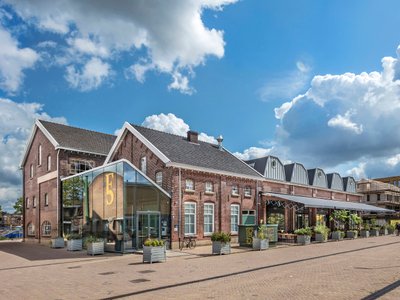
Fifth NRE Jazz Club – De Bever Architecten: Eindhoven’s Revitalized Cultural Hub
Historic gas factory transformed into Fifth NRE Jazz Club blending modern sustainability, jazz culture, dining, and heritage architecture seamlessly.

Similar Reads
You might also enjoy these articles

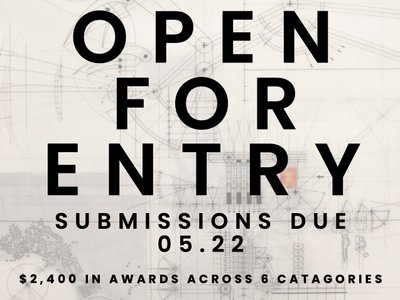
The Ken Roberts Memorial Delineation Competition (Krob)
As the most senior architectural drawing competition currently in operation anywhere in the world, it draws hundreds of entries each year, awarding the very best submissions in a series of medium-based categories.

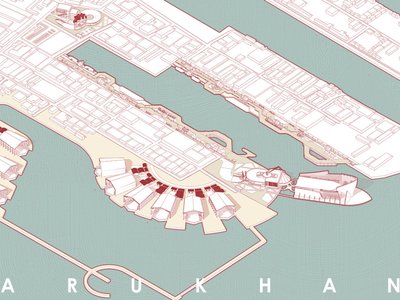
Waterfront Redevelopment and Urban Revitalization in Mumbai: Forging a New Dawn for Darukhana
A transformative waterfront redevelopment project reimagining Darukhana’s shipbreaking heritage into an inclusive urban future.

OUT-OF-MAP: A Call for Postcards on Feminist Narratives of Public Space
Rhizoma Design and Research Lab invites artists, designers, architects, researchers, and students to reflect on how feminist perspectives can reshape public space. Selected works will be exhibited in Barcelona, October 2026. Submissions open until 15 April 2026.

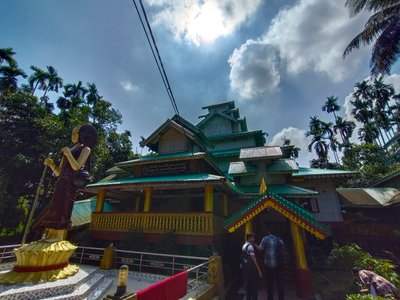
Documentation Work on Buddhist Wooden Temple
Architectural syncretism and cultural hybridity: A comparative study of the Buddhist temples in Chattogram Hill tracks

Explore Architecture Competitions
Discover active competitions in this discipline




The International Standard for Design Portfolios


The Global Benchmark for Architecture Dissertation Awards


The Global Benchmark for Graduation Excellence

Challenge to design mud housing for contemporary communities
Comments (0)
Please login or sign up to add comments
No comments yet. Be the first to comment!