
3x3x3 Pavilion: A Modular Steel Pavilion Design by Esteras Perrote
This article explores the sustainable and modular design of the 3x3x3 Pavilion, blending modern architecture with Córdoba's natural landscape.

Overview of the 3x3x3 Pavilion Project
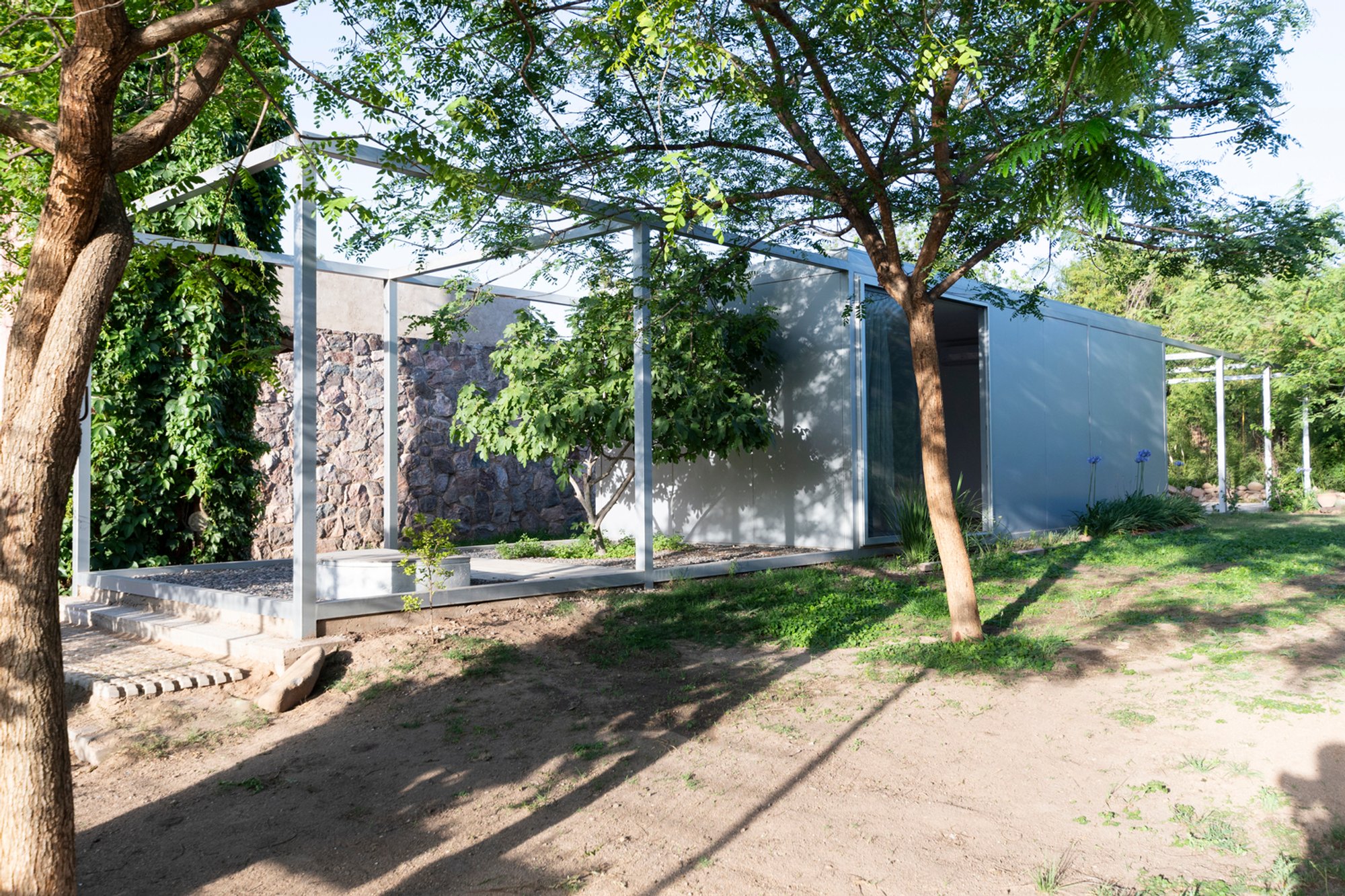
Located in Villa Rivera Indarte, Córdoba, Argentina, the 3x3x3 Pavilion by Esteras Perrote is a unique and contemporary take on modular steel pavilion design. With an area of 775 square feet, this modern structure harmonizes with its surroundings, characterized by the lush vegetation along the Suquía River. This structure epitomizes the intersection of architecture and nature, bringing together pre-existing architectural elements from an early 20th-century house, a period tank, and native flora to create a space that is both modern and organic.
Project Highlights
- Architect: Esteras Perrote
- Location: Córdoba, Argentina
- Area: 775 ft²
- Year of Completion: 2022
- Photography: Juan Cruz Paredes
Key Elements of the Modular Steel Pavilion Design
Modular Structure
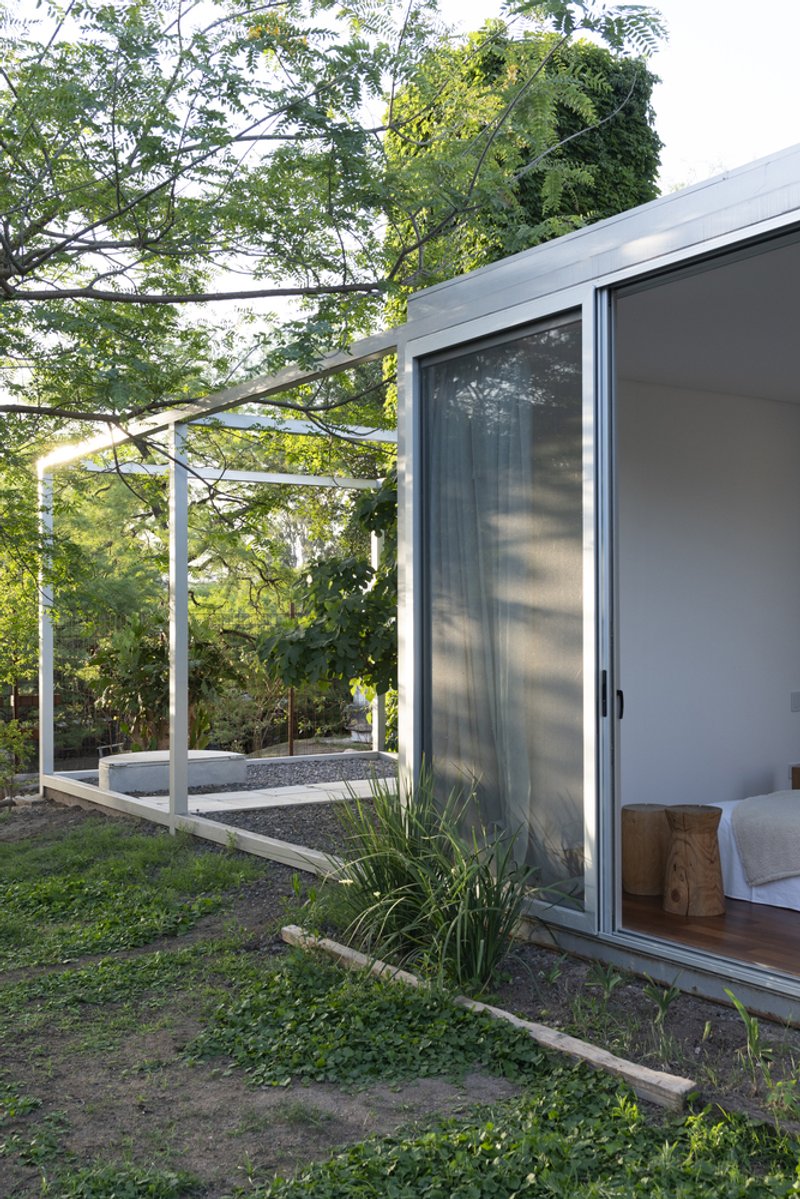
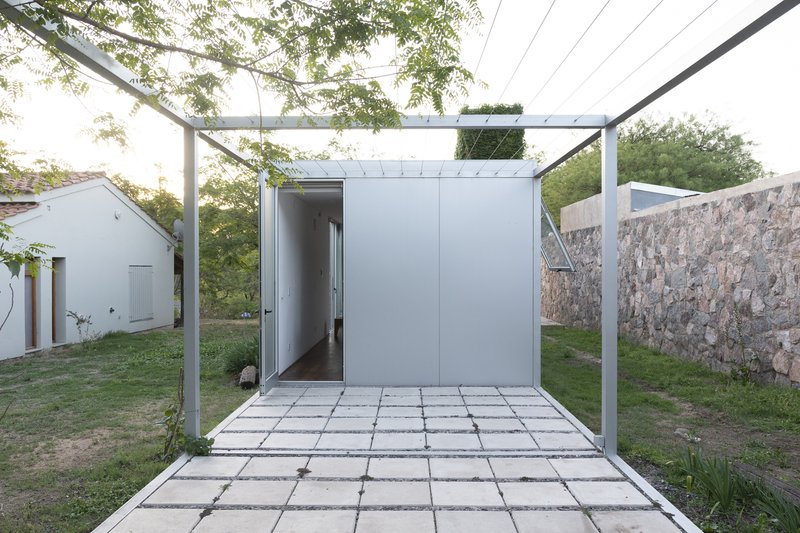
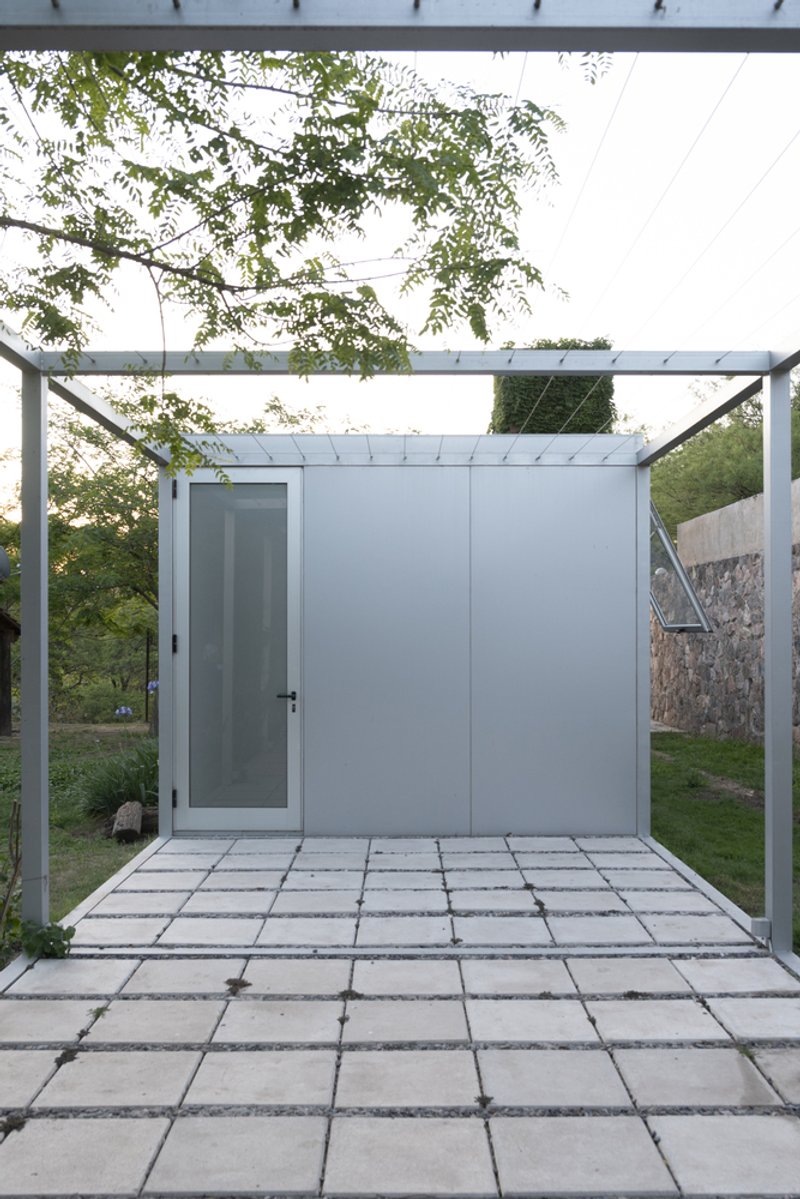
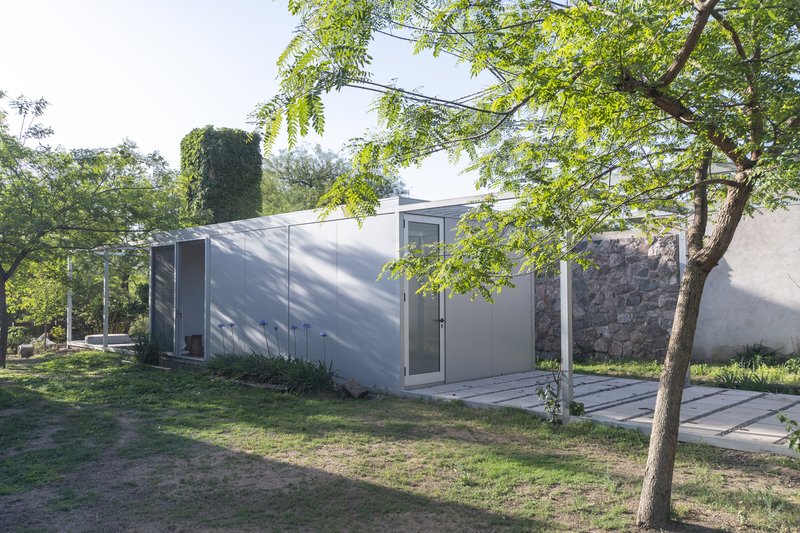
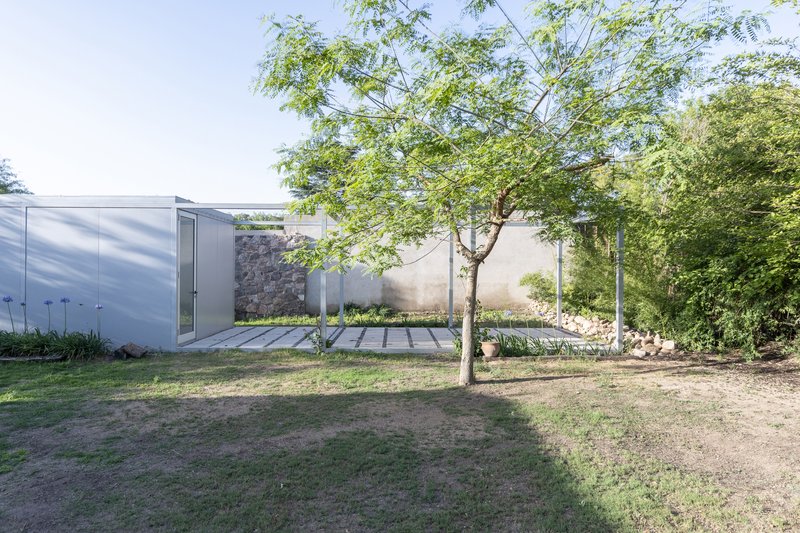
The 3x3x3 Pavilion derives its name from its dimensions—each of the eight modules measures 3 meters in width, height, and length. This modular, prefabricated design prioritizes structural efficiency and cost-effectiveness without compromising on aesthetics or functionality. The structure’s linear form spans 24 meters across the landscape, creating a slender yet sturdy bar that integrates seamlessly with the terrain and existing architectural features. Constructed from steel, the pavilion offers flexibility in function, durability, and a rapid construction process.
Prefabrication and Construction Efficiency
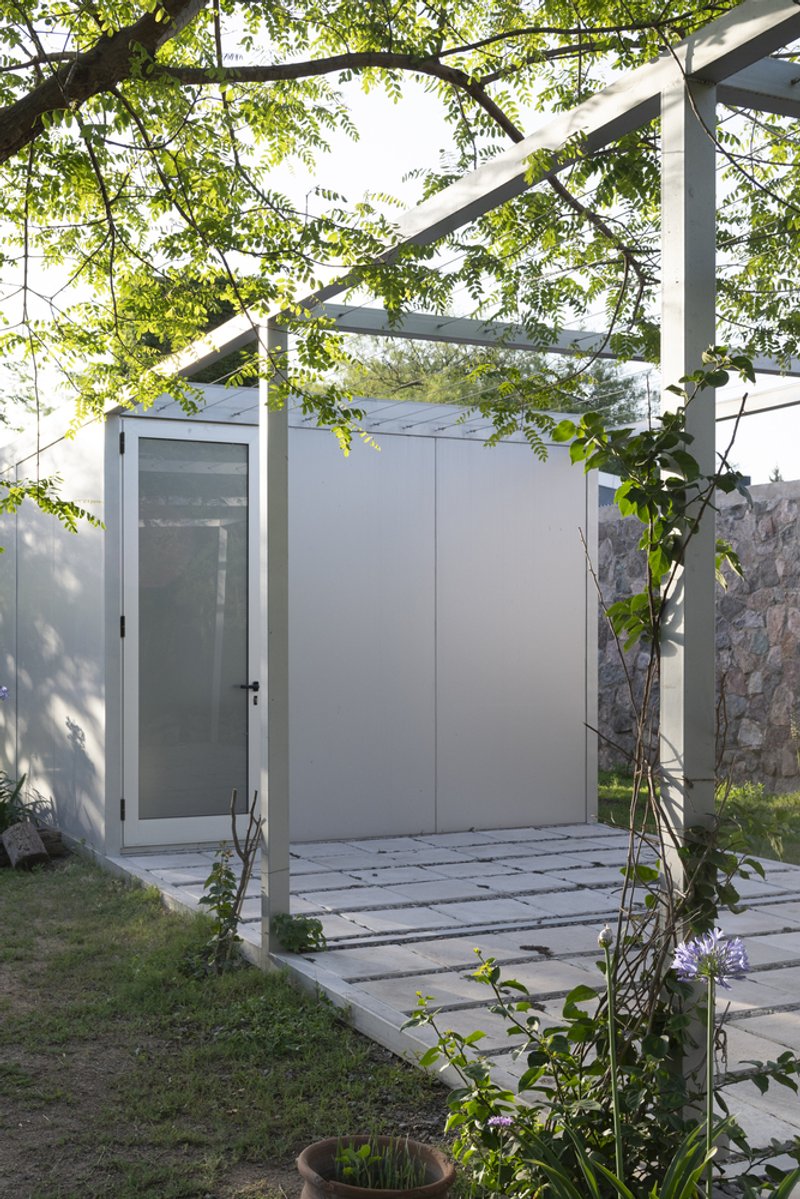
A modular structure composed of steel pipes, the pavilion was built with construction speed, prefabrication, and cost-efficiency in mind. By standardizing modules to commercial dimensions, the design allows for easy assembly, reducing labor and construction time.
Sustainable Material Selection
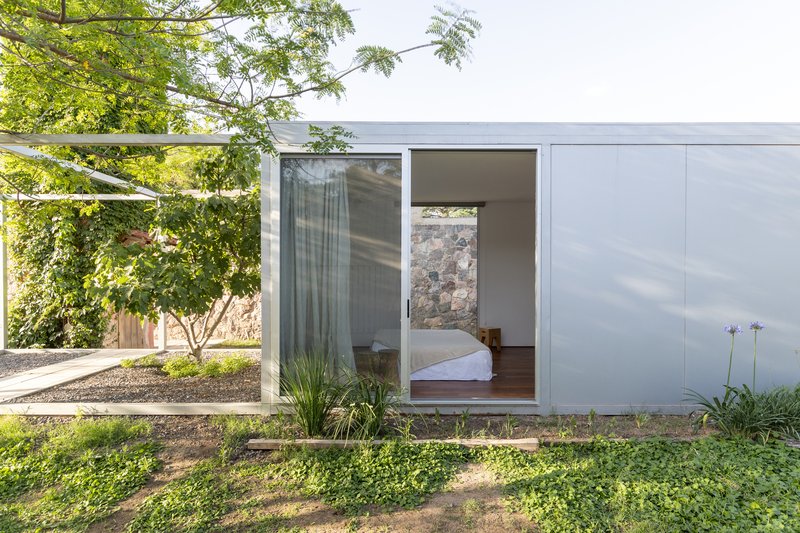
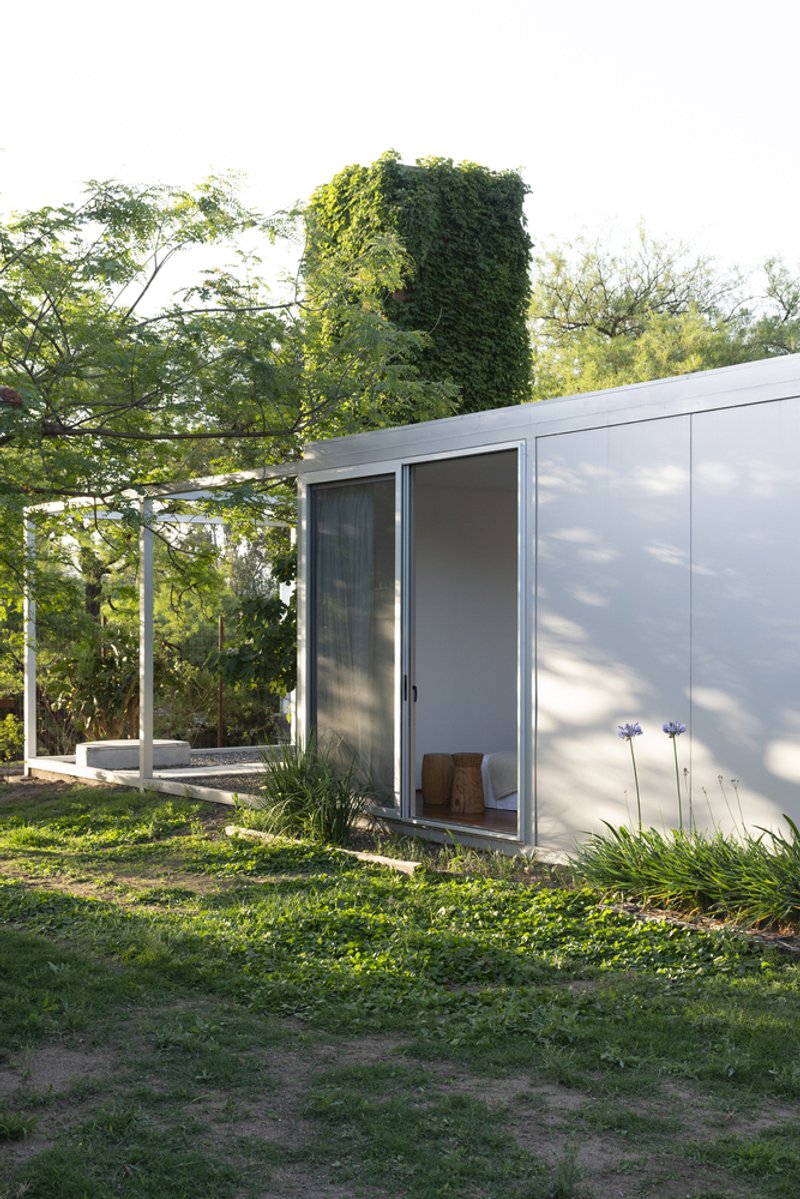
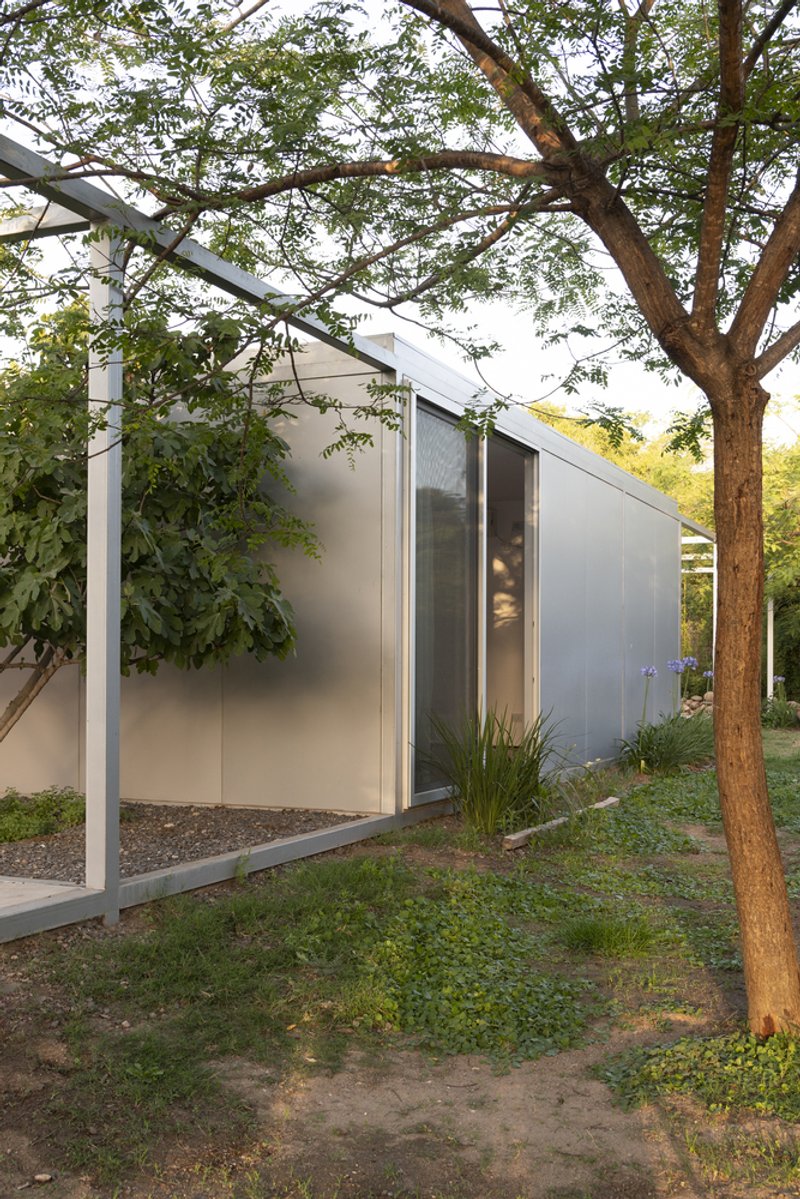
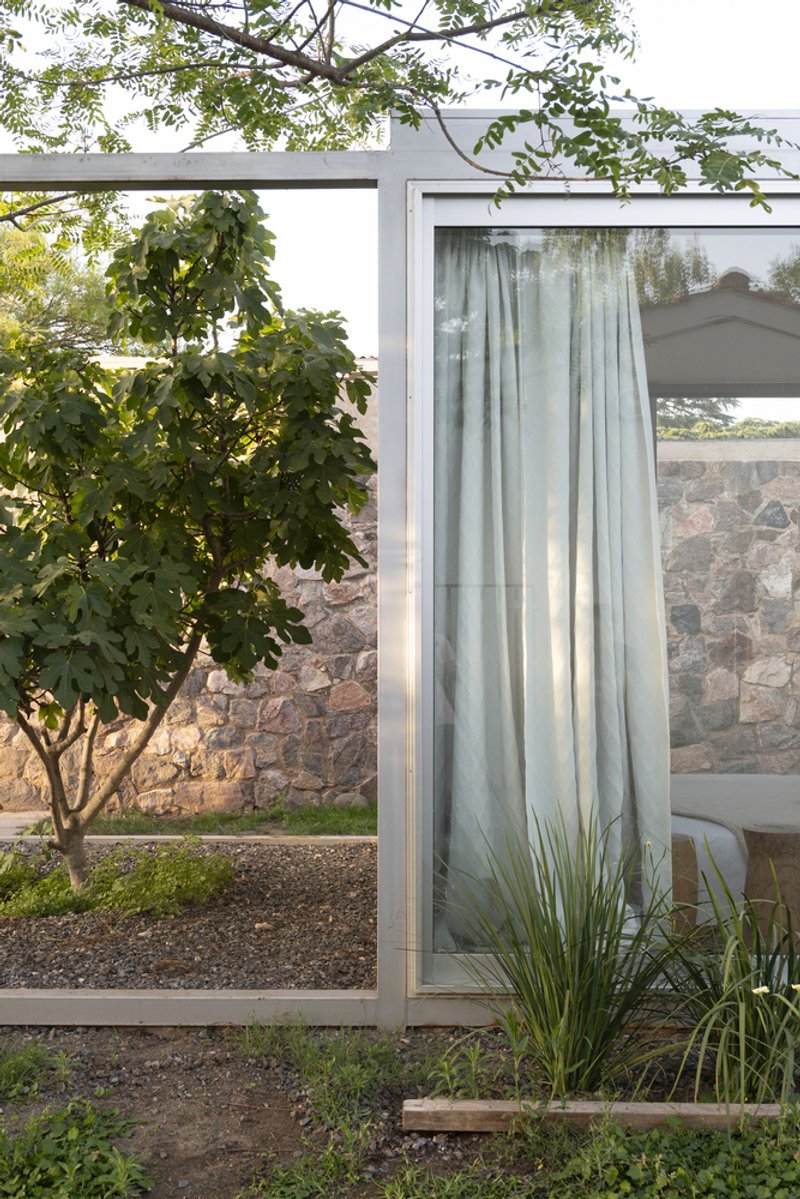
The pavilion uses Alucobond, an aluminum composite panel, as exterior cladding. Known for its durability, energy efficiency, and recyclability, this material helps reduce the pavilion’s environmental impact. Its anodized finish reflects natural light, subtly shifting the appearance of the structure as sunlight and surroundings change throughout the day. The interior features aged carob wood flooring, salvaged from a historic farmhouse, which adds warmth and a distinct aroma to the space, enhancing the sensory experience.
Integration with Nature
Harmonizing with Existing Structures and Flora
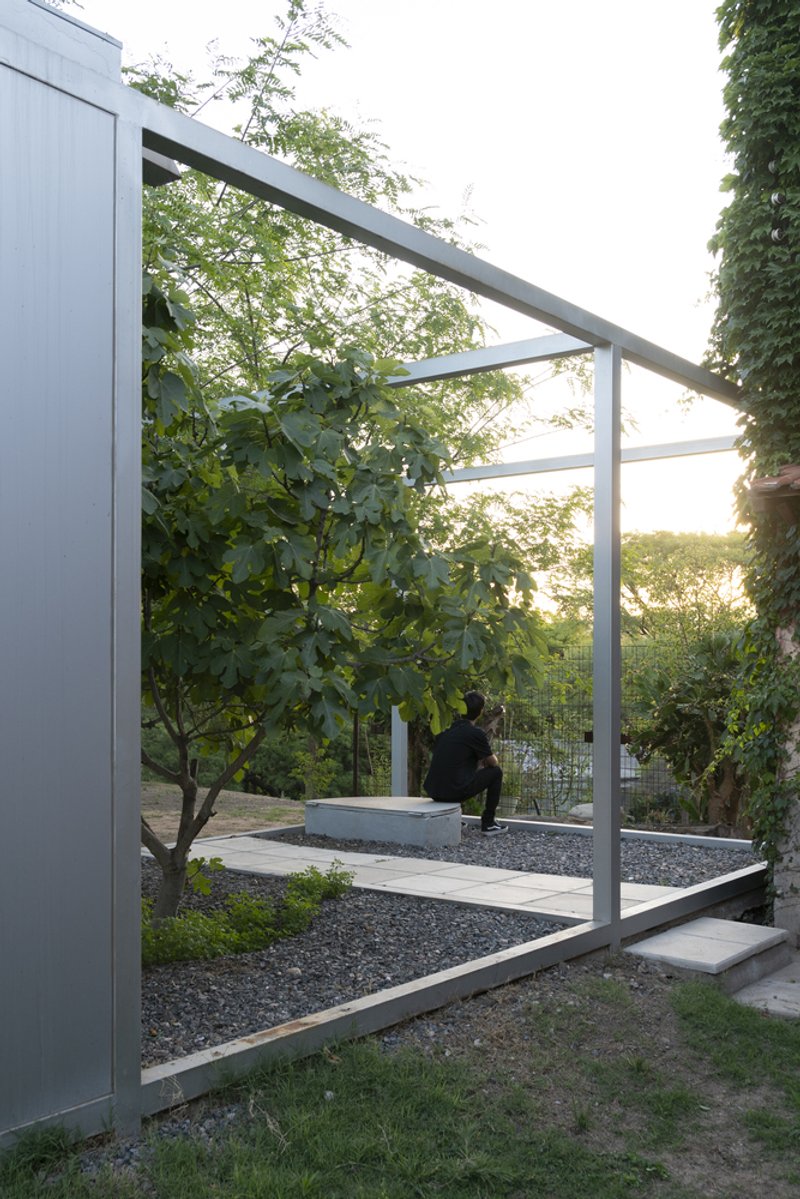
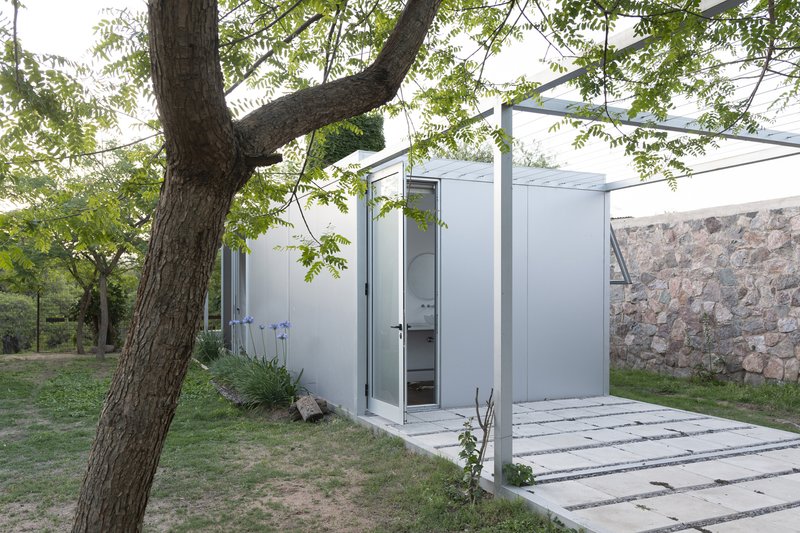
One of the most distinctive aspects of the 3x3x3 Pavilion is its seamless integration with both built and natural surroundings. The pavilion is carefully positioned to embrace a nearby fig tree and existing stone boundary wall, creating a harmonious relationship between the structure and its environment. An additional module, identical in form but empty, serves as a platform for outdoor activities, offering a frame for nature while encouraging interaction with the surrounding landscape.
Water and Environmental Impact
The flat roof collects rainwater, which is used to irrigate the fig tree, promoting water conservation. The structural efficiency and sustainable material choices ensure minimal environmental impact, supporting the designers' commitment to creating a sustainable modular steel pavilion design.
Interior Layout and Flexible Functionality
A Multipurpose Interior Space
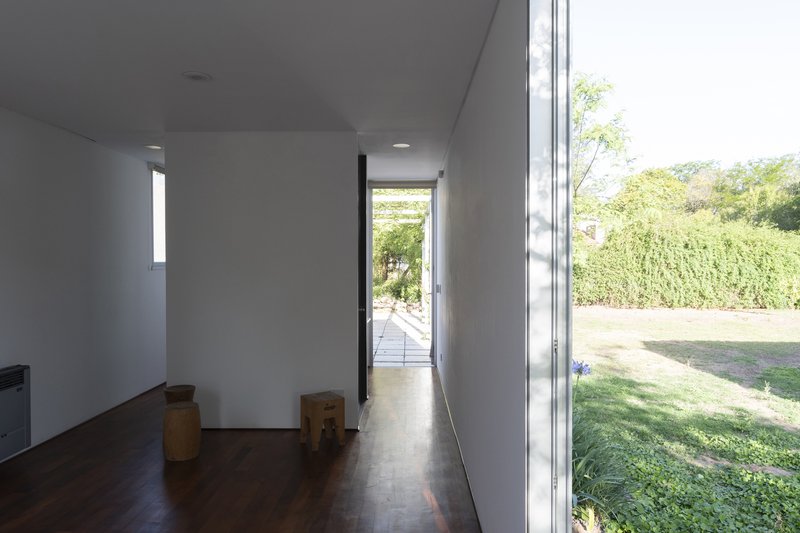
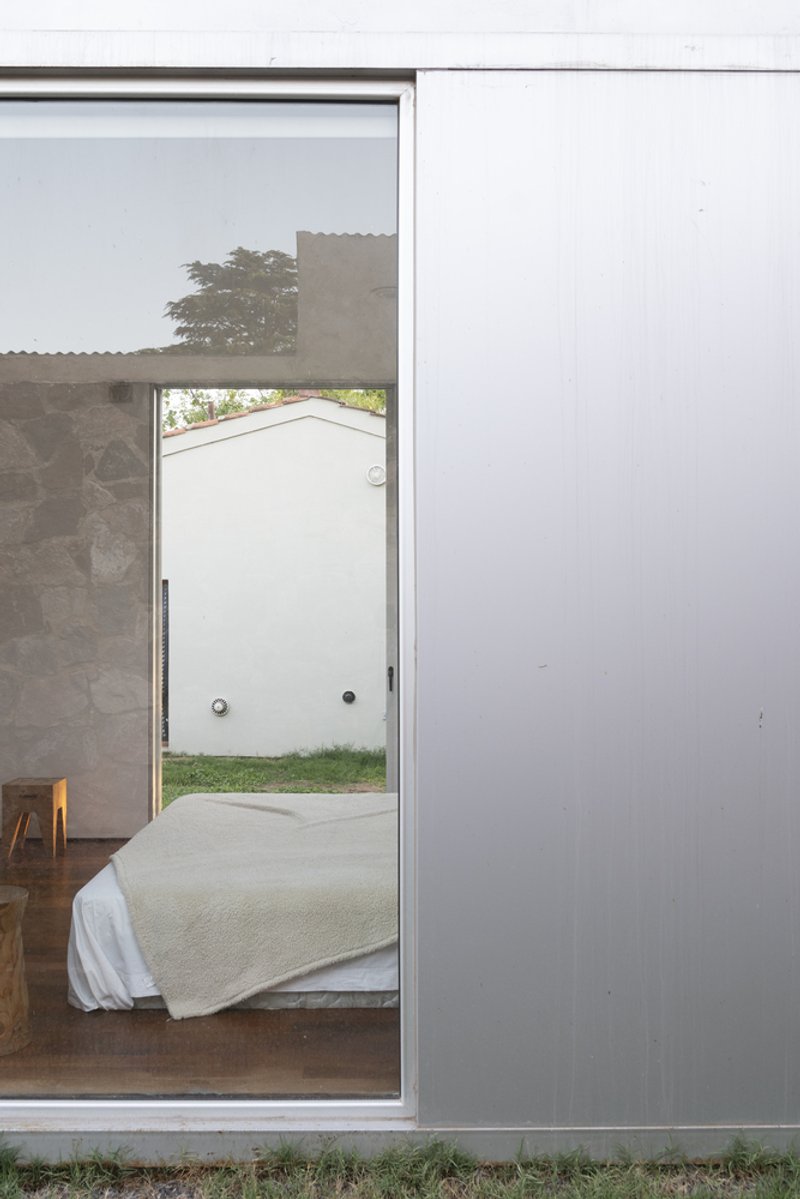
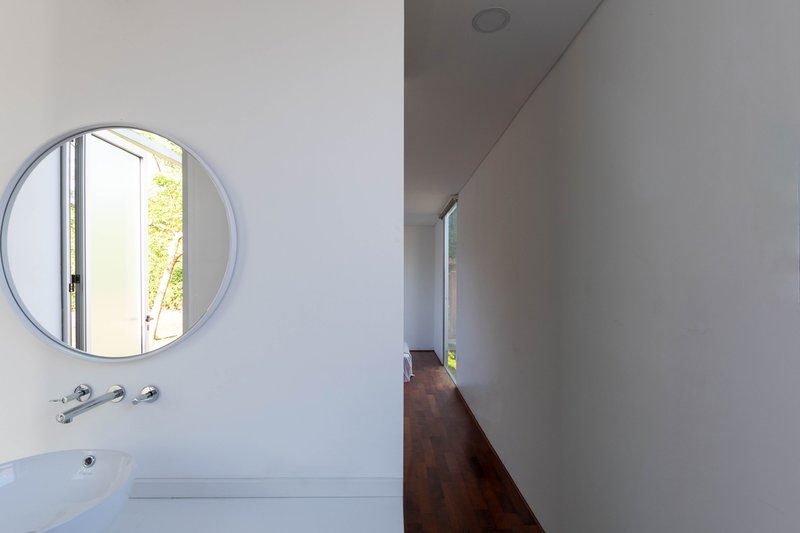
The pavilion’s interior is designed to accommodate various needs. The large, open space functions as a bedroom, living area, or workshop gallery, depending on the occupant's requirements. The bathroom, cleverly integrated to open to both interior and exterior spaces, maximizes accessibility and adaptability.
Exterior and In-Between Spaces
A secondary module, designed as an open-air platform, serves as an extension of the pavilion and a place for outdoor gatherings. This integration of indoor and outdoor spaces supports the pavilion’s ephemeral nature, allowing it to adapt to changing needs and functions while merging with the natural environment.
Architectural Language and Aesthetic Design
Modulation and Visual Dynamics
The 3x3x3 Pavilion stands as a testament to the versatility of modular steel pavilion design. Its aluminum composite cladding transforms from opaque to reflective depending on the time of day, becoming a mirror for the surrounding landscape. This visual fluidity celebrates the contrast between contemporary architecture and the timeless beauty of nature.
Functional Cladding and Fenestration
The cladding and fenestration follow the modular structure, complementing the pavilion's minimalist aesthetic while ensuring functionality. This approach emphasizes structural modulation and provides a balanced relationship between form and function.
The 3x3x3 Pavilion by Esteras Perrote is a compelling example of modular steel pavilion design that marries functionality, aesthetics, and sustainability. From its prefabricated steel modules to its use of reflective Alucobond cladding, the pavilion exemplifies modern, environmentally conscious design. Situated in Córdoba’s lush landscape, it serves as both a space for human interaction and a homage to the natural and architectural elements that came before it. This project is a thoughtful reflection on how architecture can coexist with and enhance its surroundings, creating spaces that are as flexible as they are beautiful.
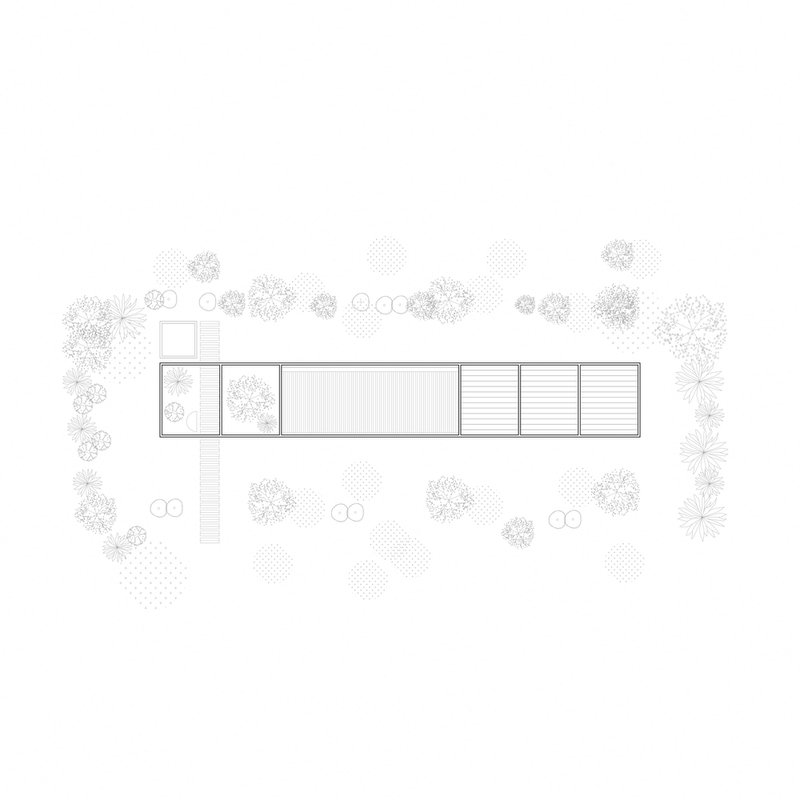
All photographs are work of Juan Cruz Paredes




Popular Articles
Popular articles from the community

A Contemporary Take on Iranian Residential Architecture
A modern interior design in Mashhad that reinterprets brick, light, and spatial flow to create a warm, contemporary residential architecture.
An Miên Lumière Cafe by xưởng xép, Ho Chi Minh City, Vietnam
An industrial-inspired café where layered steel and warm light create a dynamic, immersive environment shaped by reflection, depth, and perception.

Inverted Architecture Installation by Studio Link-Arc: Exploring the Intersection of Architecture and Living Organisms
Inverted Architecture Installation by Studio Link-Arc blends mycelium, sustainability, inverted design, ecological cycles, and urban adaptive architecture in Shenzhen.
Flamboyant House by Juliana Camargo + Prumo Projetos
Modern Brazilian house integrating existing tree, pool, and volumes with glass, wood, and transitional spaces blending interior, exterior, and landscape seamlessly.


Similar Reads
You might also enjoy these articles


The Ken Roberts Memorial Delineation Competition (Krob)
As the most senior architectural drawing competition currently in operation anywhere in the world, it draws hundreds of entries each year, awarding the very best submissions in a series of medium-based categories.


Waterfront Redevelopment and Urban Revitalization in Mumbai: Forging a New Dawn for Darukhana
A transformative waterfront redevelopment project reimagining Darukhana’s shipbreaking heritage into an inclusive urban future.

OUT-OF-MAP: A Call for Postcards on Feminist Narratives of Public Space
Rhizoma Design and Research Lab invites artists, designers, architects, researchers, and students to reflect on how feminist perspectives can reshape public space. Selected works will be exhibited in Barcelona, October 2026. Submissions open until 15 April 2026.


Documentation Work on Buddhist Wooden Temple
Architectural syncretism and cultural hybridity: A comparative study of the Buddhist temples in Chattogram Hill tracks


Explore Architecture Competitions
Discover active competitions in this discipline




The International Standard for Design Portfolios


The Global Benchmark for Architecture Dissertation Awards


The Global Benchmark for Graduation Excellence


Challenge to reimagine the Iron Throne
Comments (0)
Please login or sign up to add comments
No comments yet. Be the first to comment!