

Adaptive Architecture Design: House for Almost Everything by Comte/Meuwly
An exploration of adaptive architecture design through the House for Almost Everything, showcasing flexible spaces, sustainability, and community integration.


Introduction to Adaptive Architecture Design
The House for Almost Everything, designed by Comte/Meuwly, is a revolutionary example of adaptive architecture design in Switzerland. This project redefines the conventional understanding of residential spaces by introducing a flexible and responsive architectural approach. Designed to function as both a private home and a community hub, the structure is a testament to the potential of architecture to adapt to diverse and changing needs. Its innovative design allows it to respond to environmental factors and seasonal shifts while offering dynamic spaces for multiple functions.

A Dual-Purpose Architectural Concept
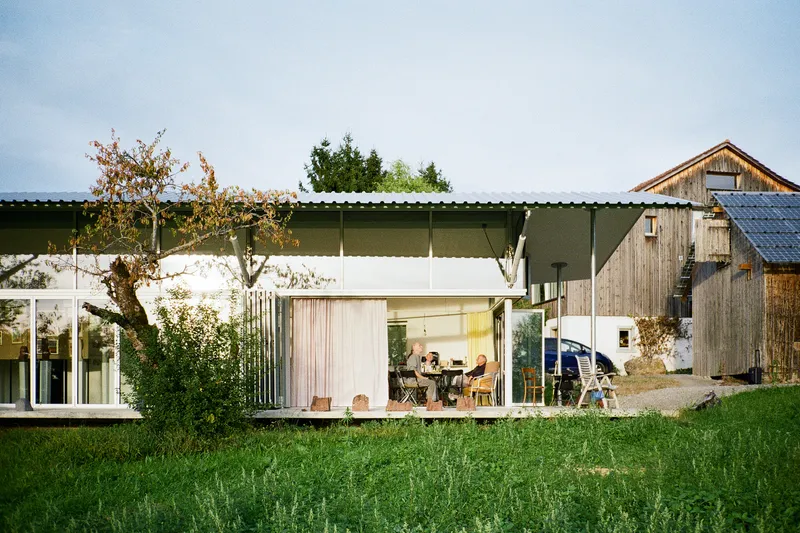
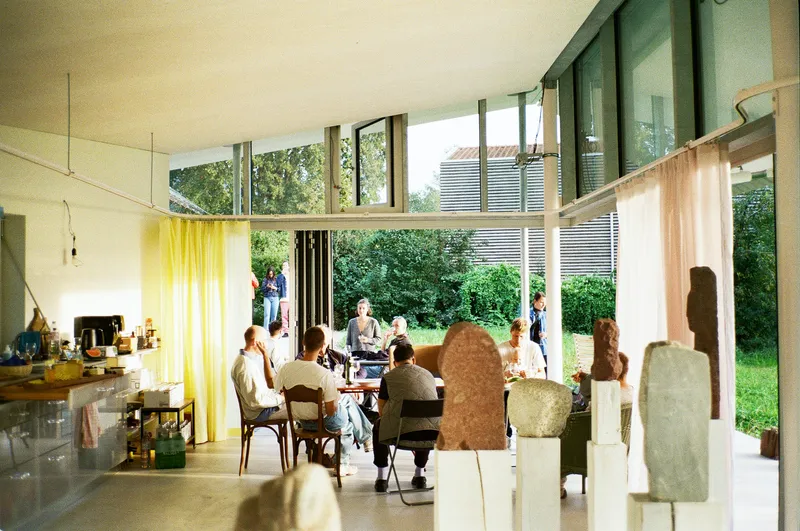
The House for Almost Everything was conceived as a multi-use structure, addressing the need for a communal space in a village that had lost its local restaurant. Beyond serving as a residence, the house transforms into a venue for a variety of public activities, including exhibitions, workshops, dining events, yoga sessions, concerts, and theatrical performances. This dual functionality embodies the essence of adaptive architecture design, where spaces evolve based on social and environmental demands.
Innovative Structural and Spatial Adaptability
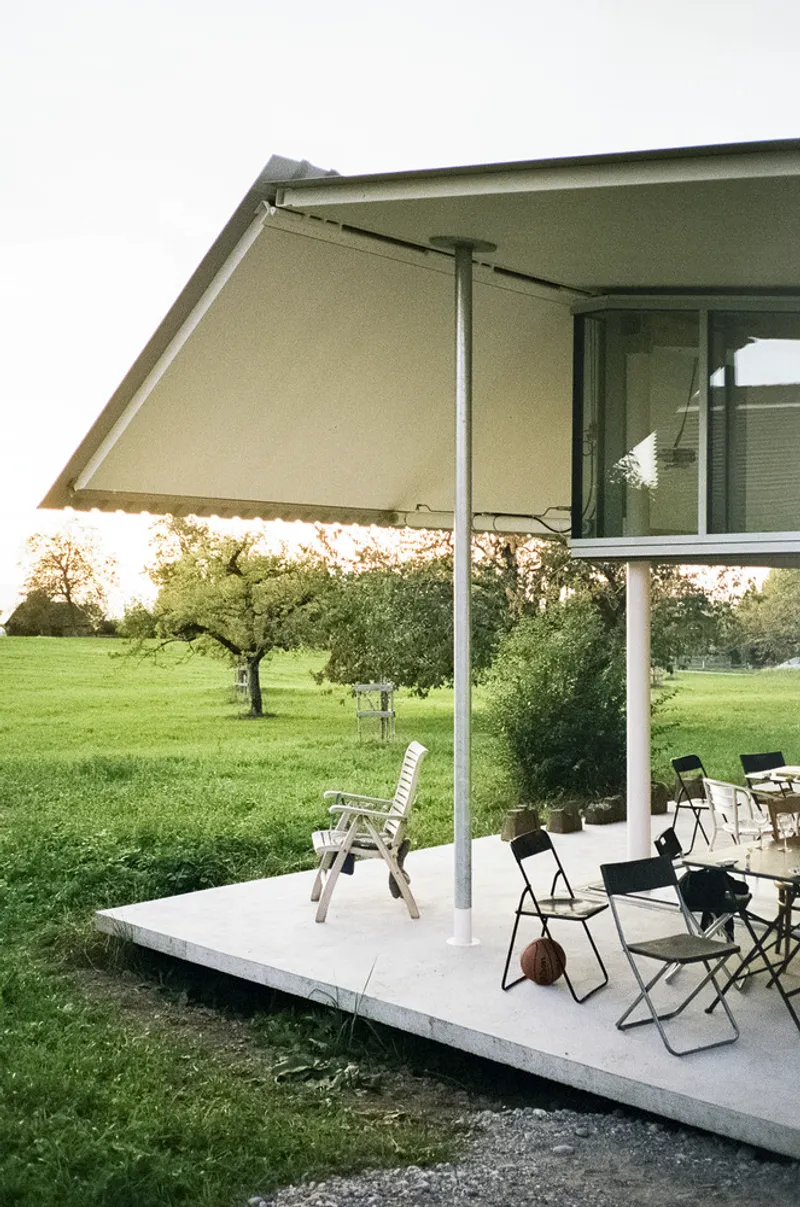
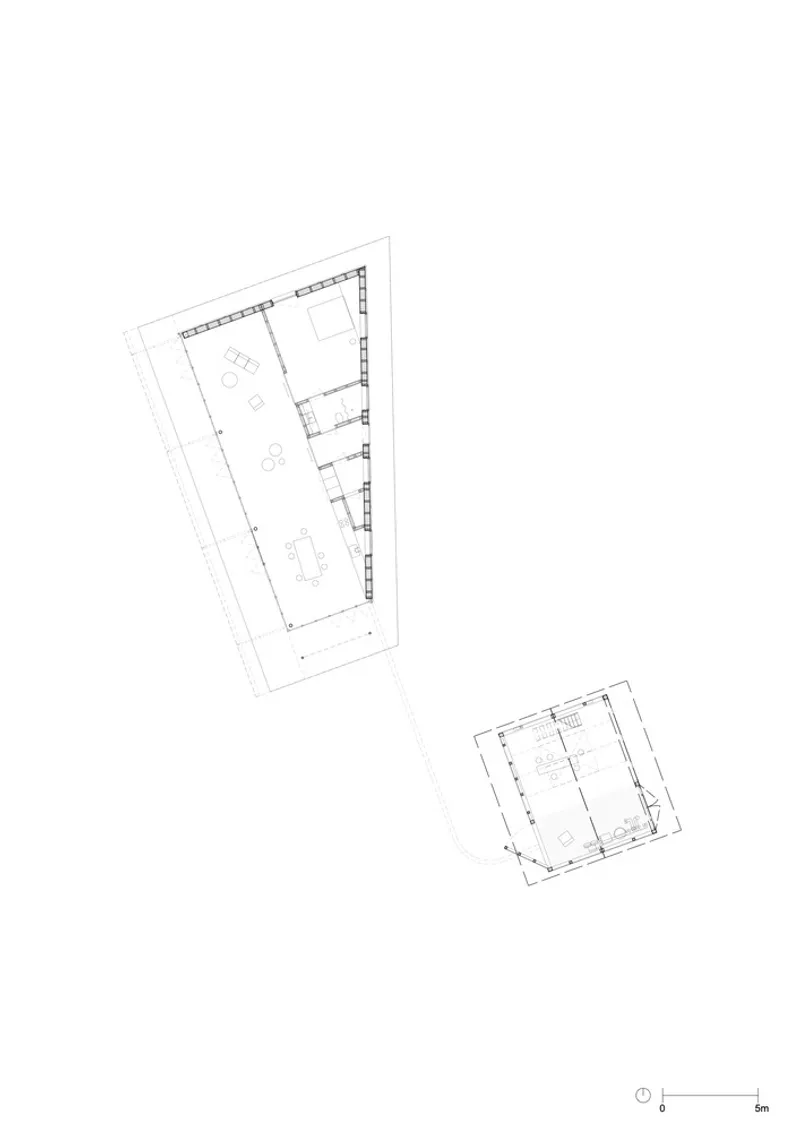
One of the defining features of the house is its vast open-plan room, overlooking an orchard to the south. This space is liberated from structural constraints, enabling flexible use. To accommodate essential domestic functions, a series of specialized rooms—such as an entrance hall, bedroom, bathroom, storage area, and kitchen—are positioned on the opposite side of the building.
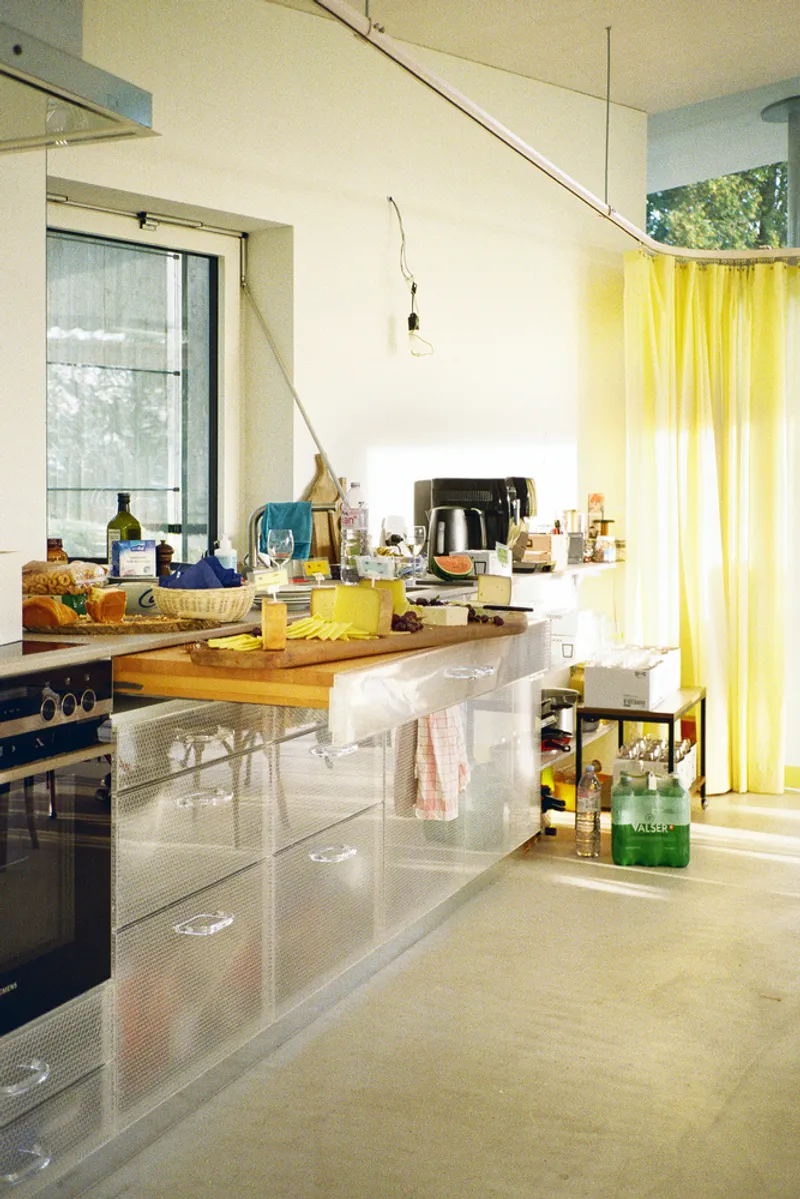
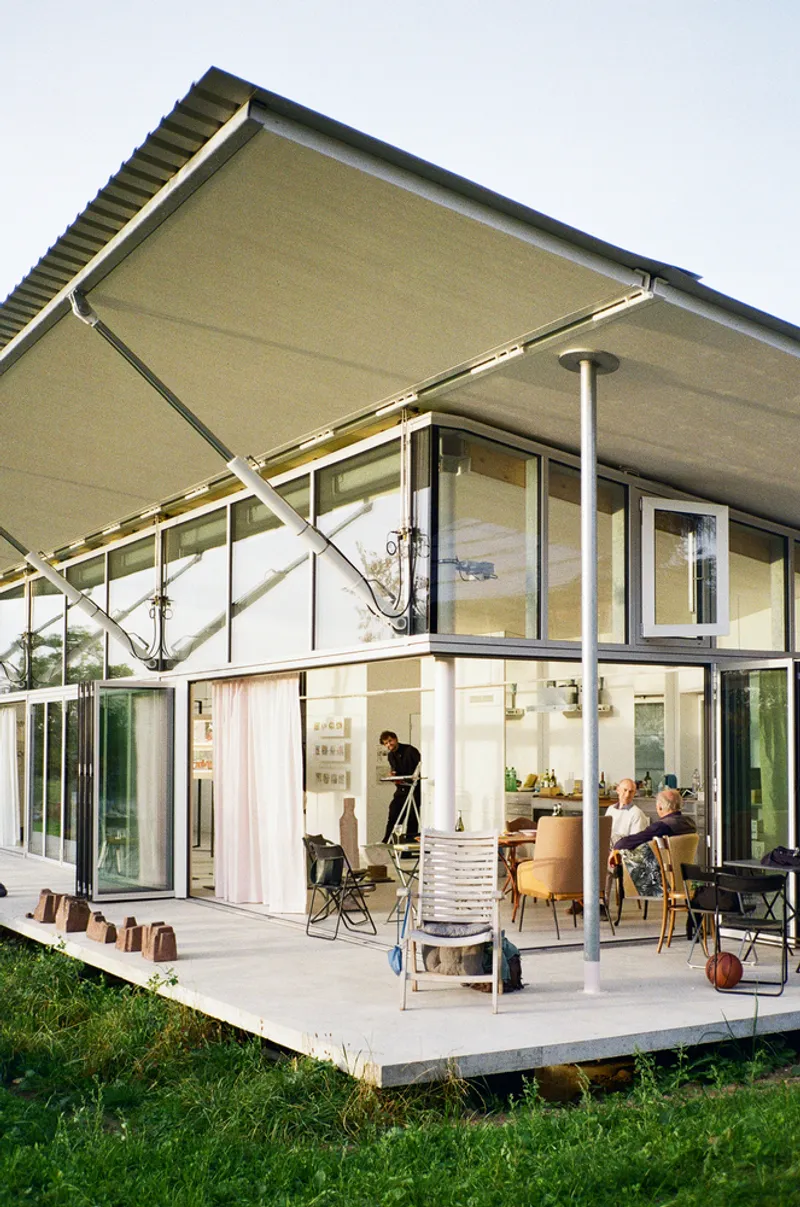
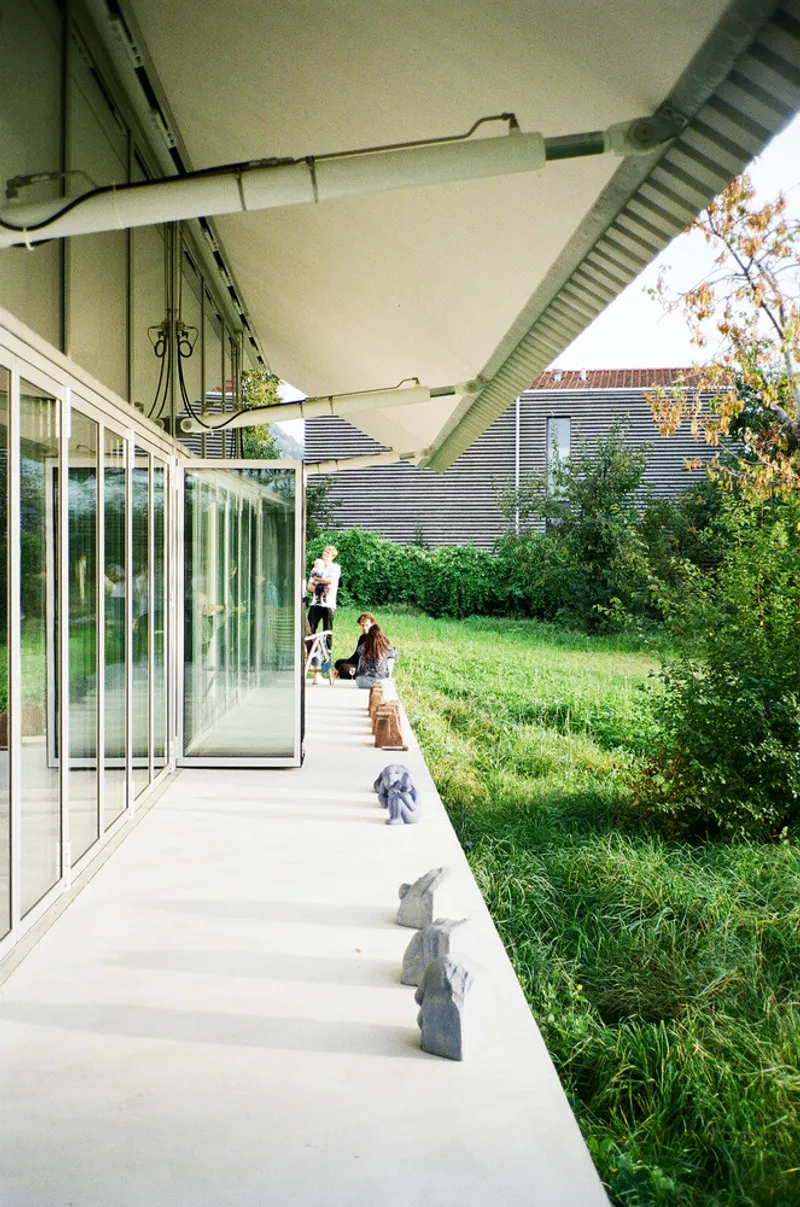
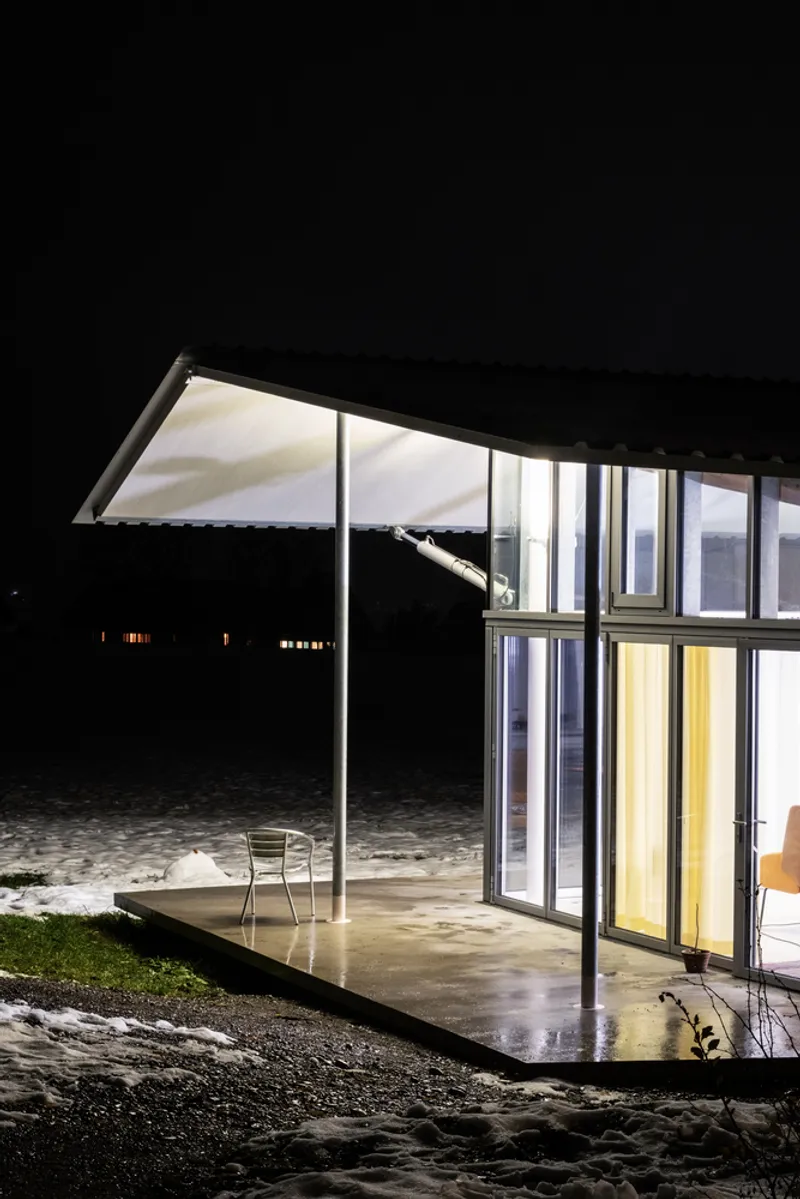
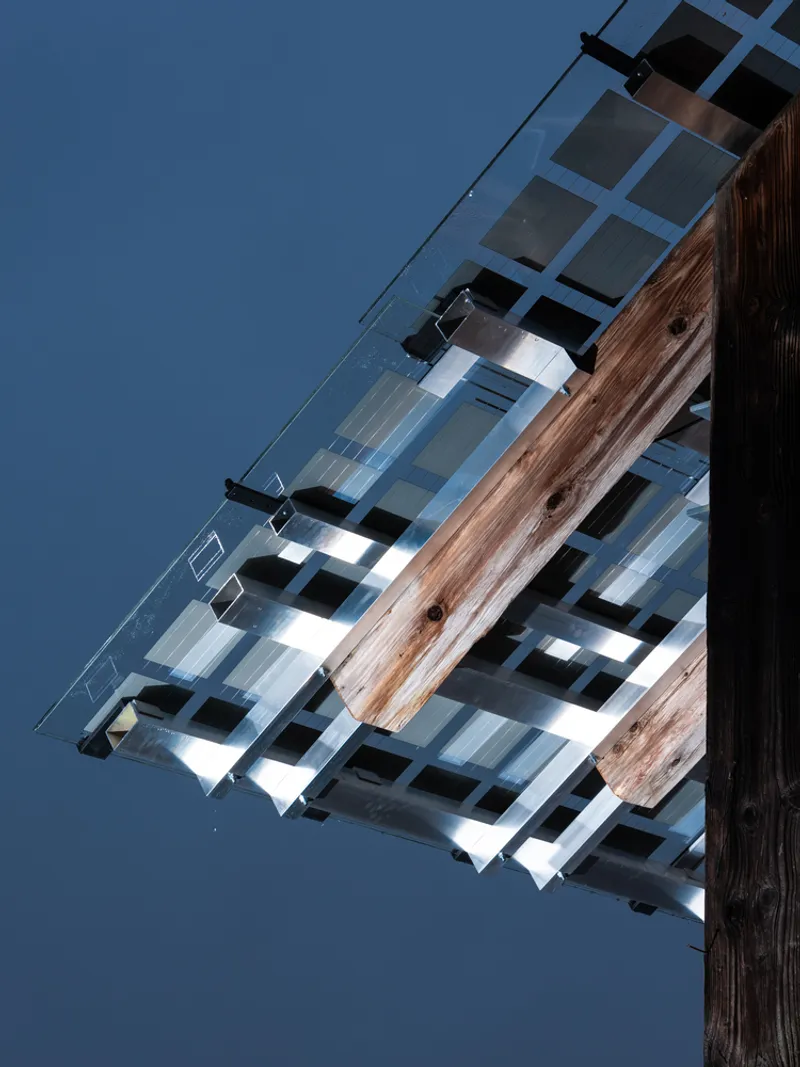
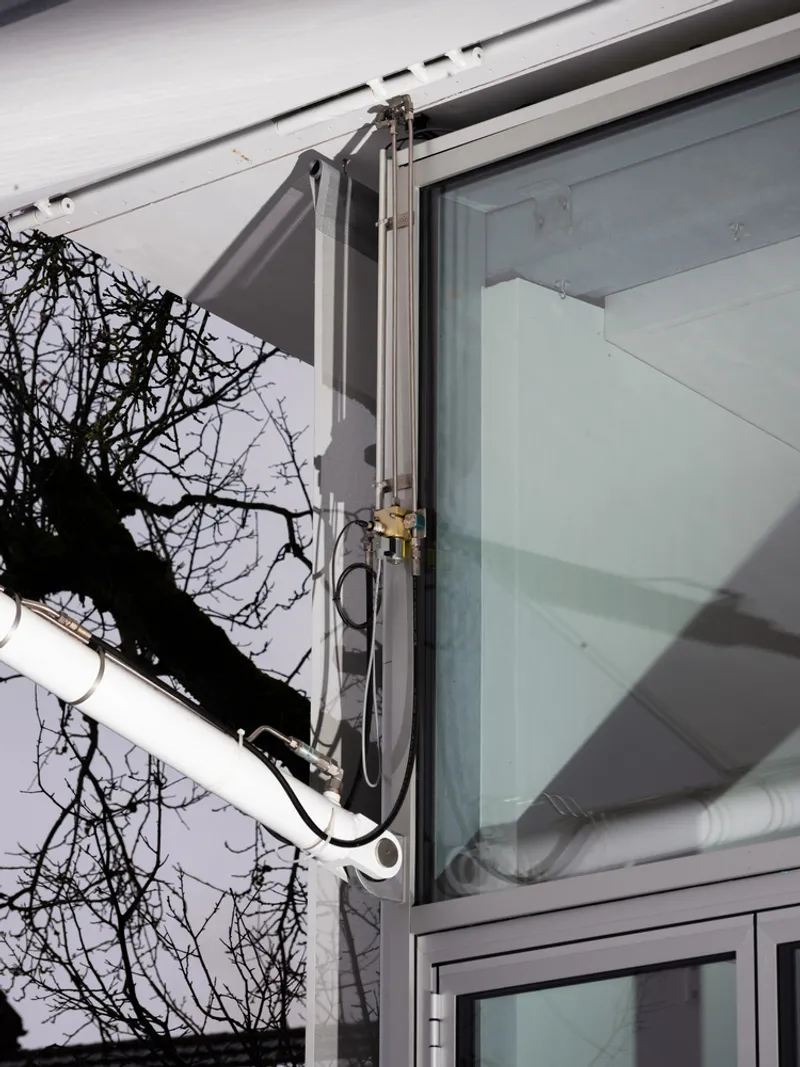
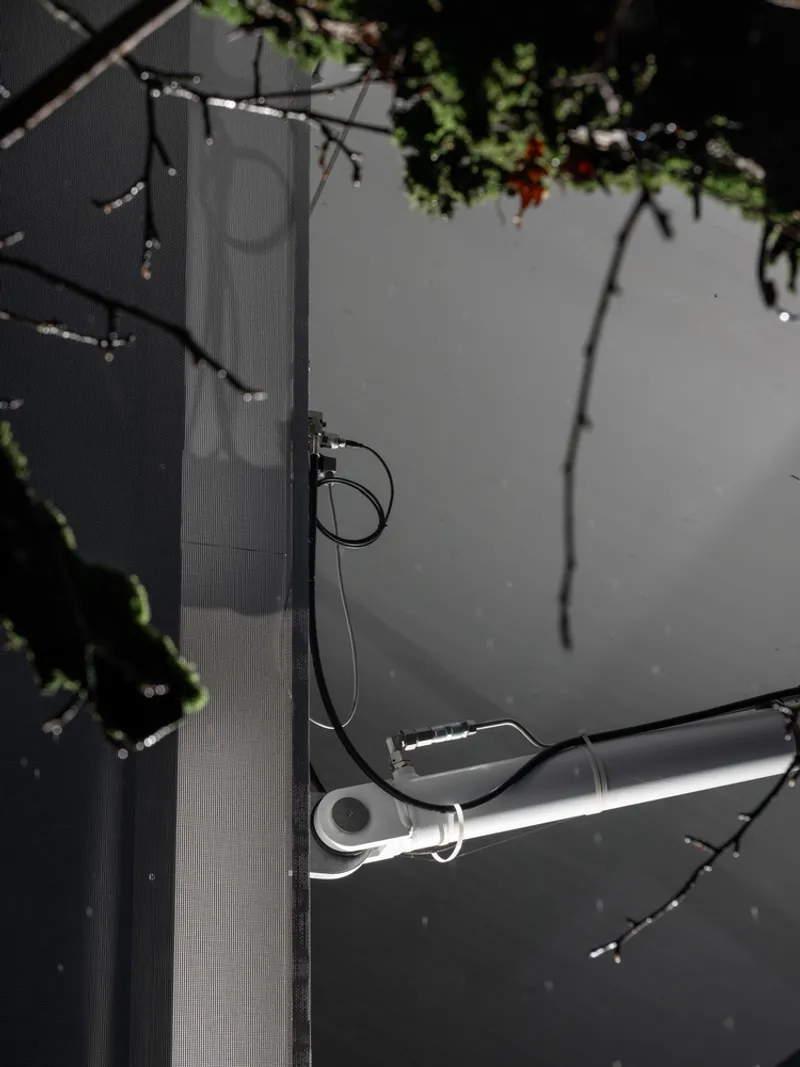
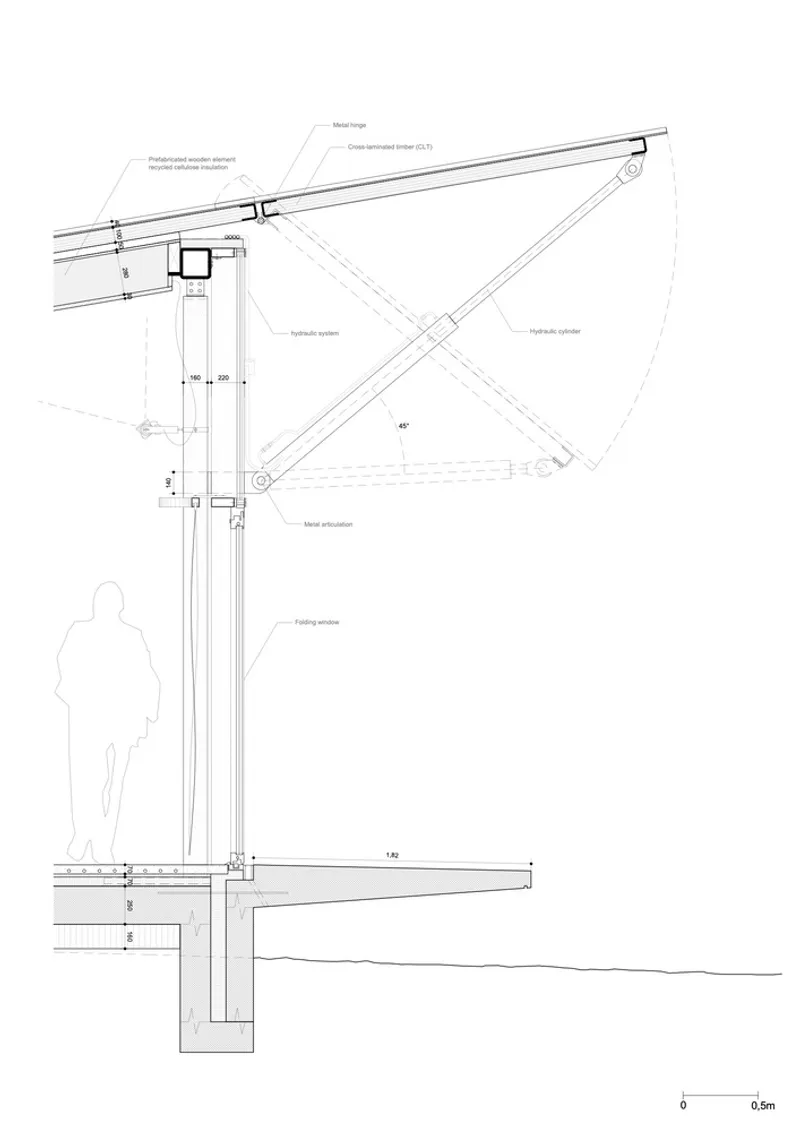
A long pivoting roof, operated by hydraulic arms, enhances the house’s ability to adjust to changing conditions. This responsive feature allows the space to shift from an open environment that maximizes natural light and engagement with the landscape to a more enclosed and protected setting. The ability to modify spatial characteristics based on weather or activity needs showcases the power of adaptive architecture in creating resilient and functional living spaces.
Sustainability and Material Innovation
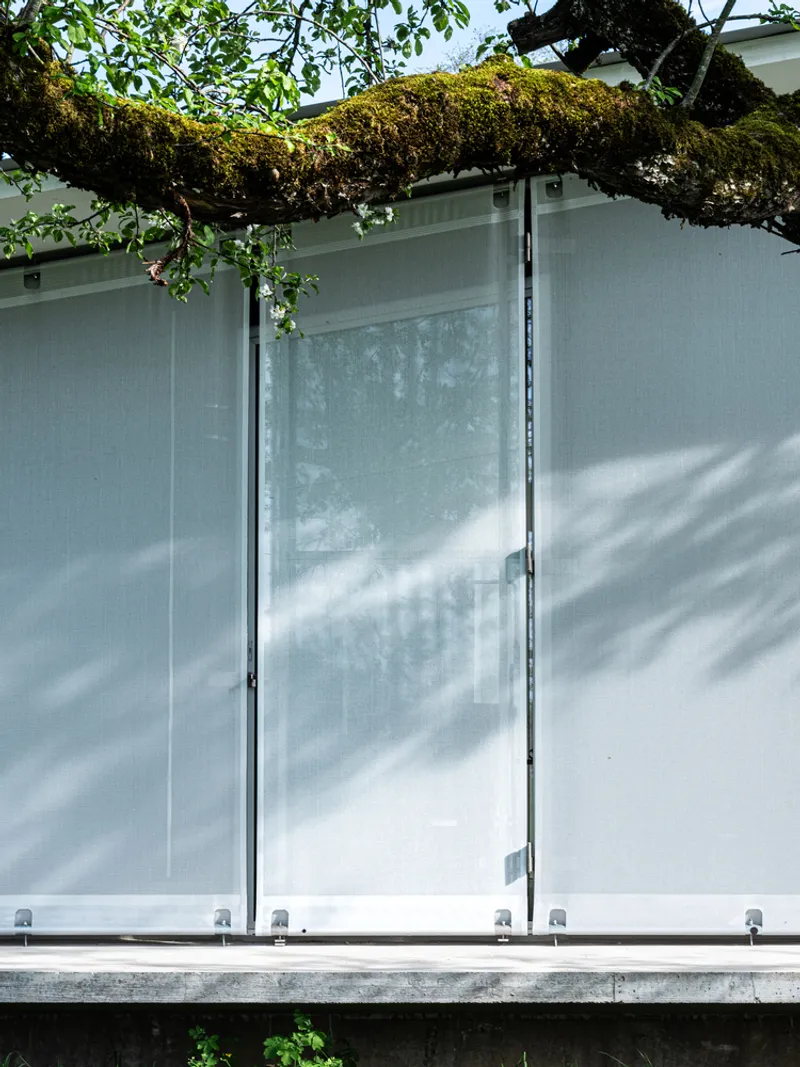
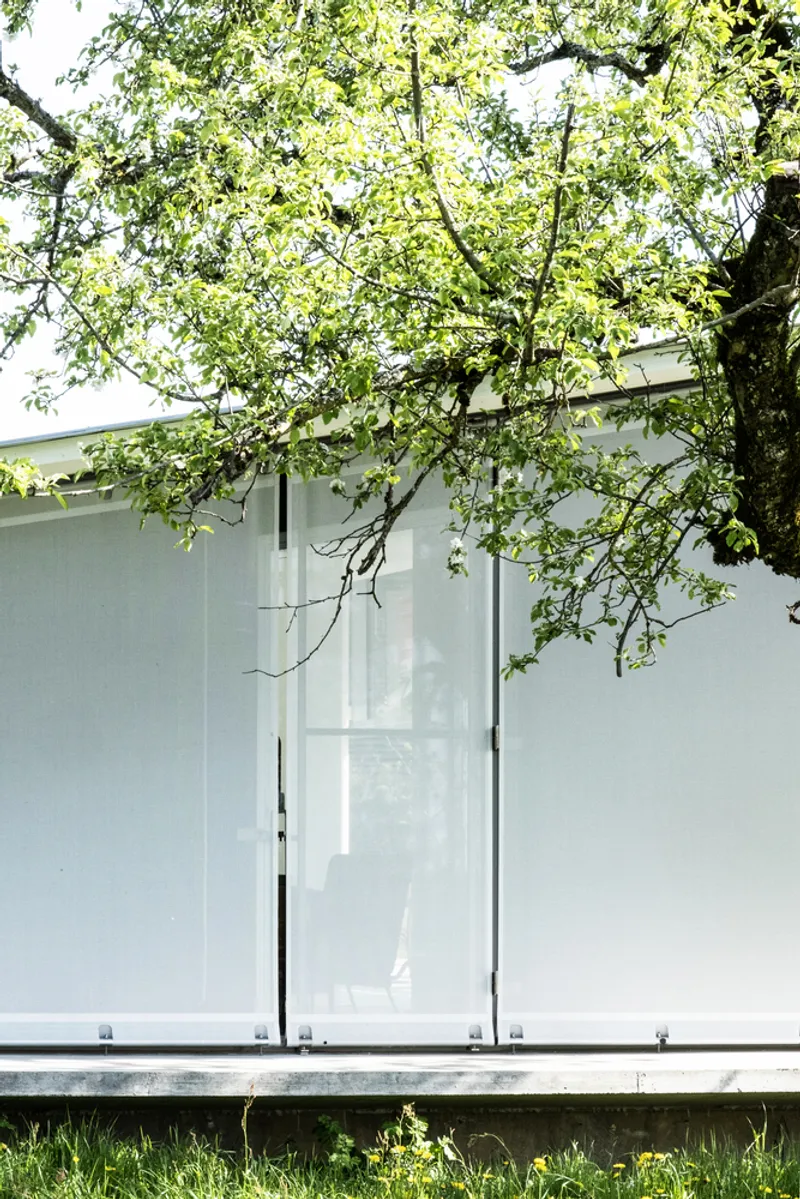
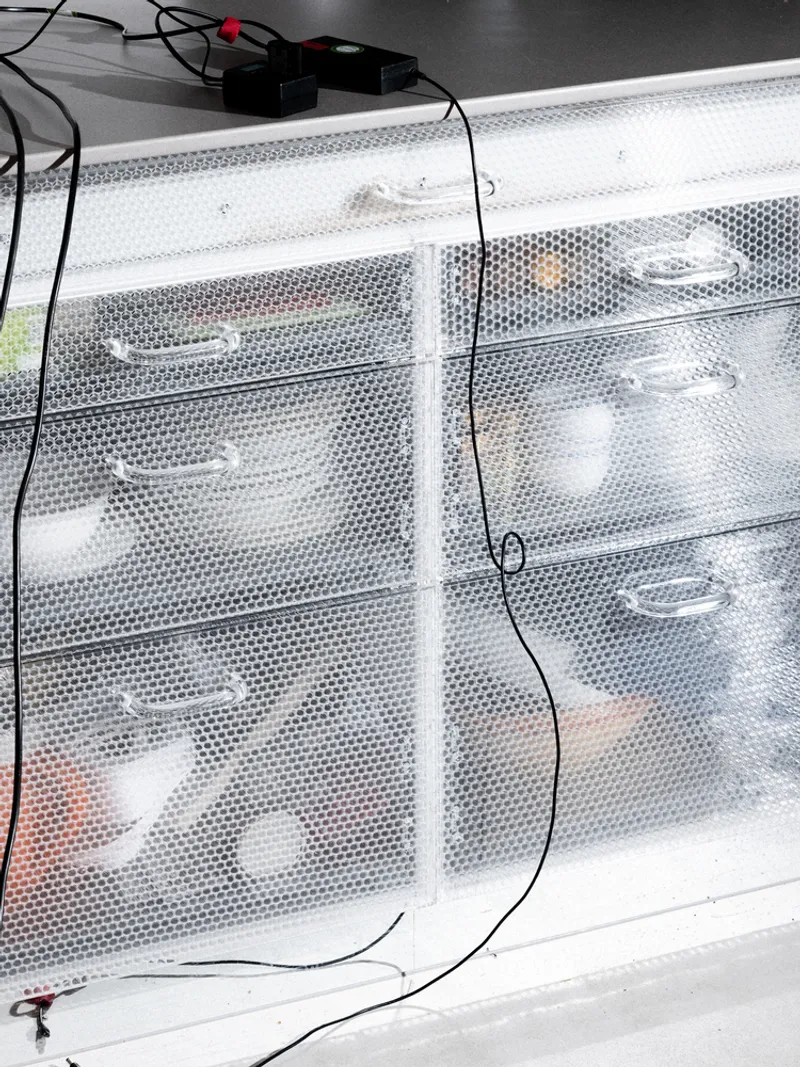
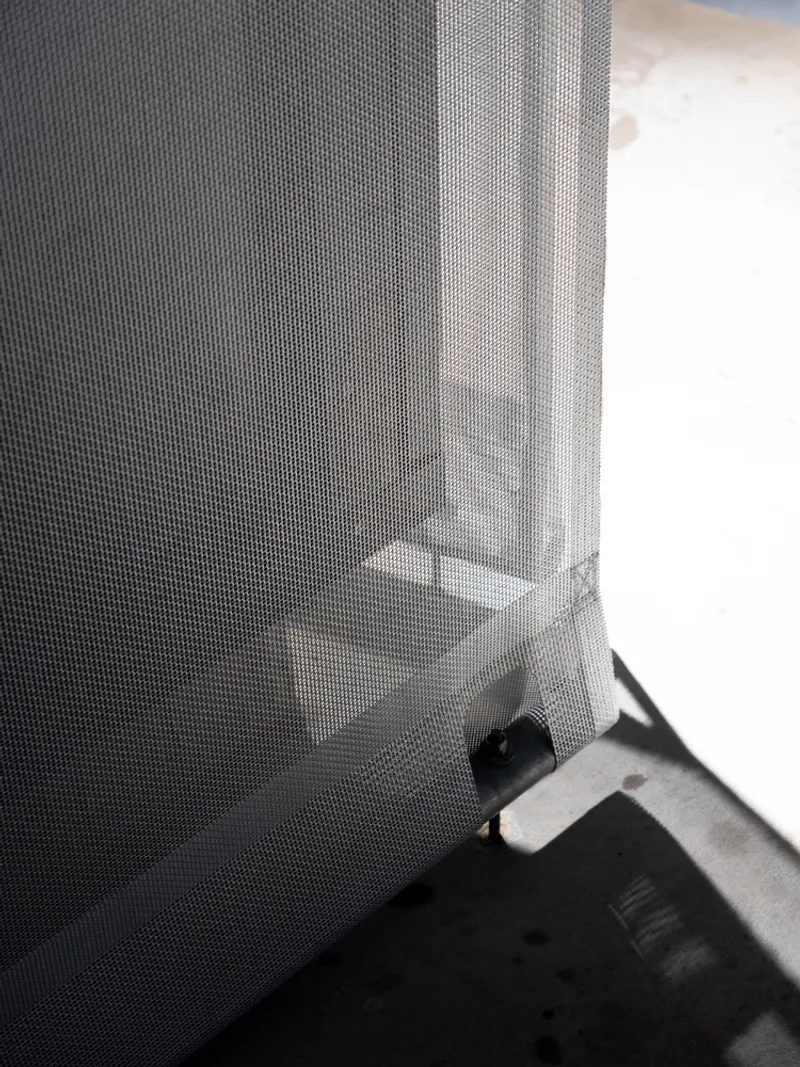
The House for Almost Everything incorporates sustainable building materials and environmental strategies that contribute to its adaptive nature. The façade is composed of wooden frames with recycled paper insulation, ensuring efficient regulation of indoor humidity levels. Additionally, a lightweight membrane further optimizes climate control, reducing energy consumption and enhancing comfort throughout the year.
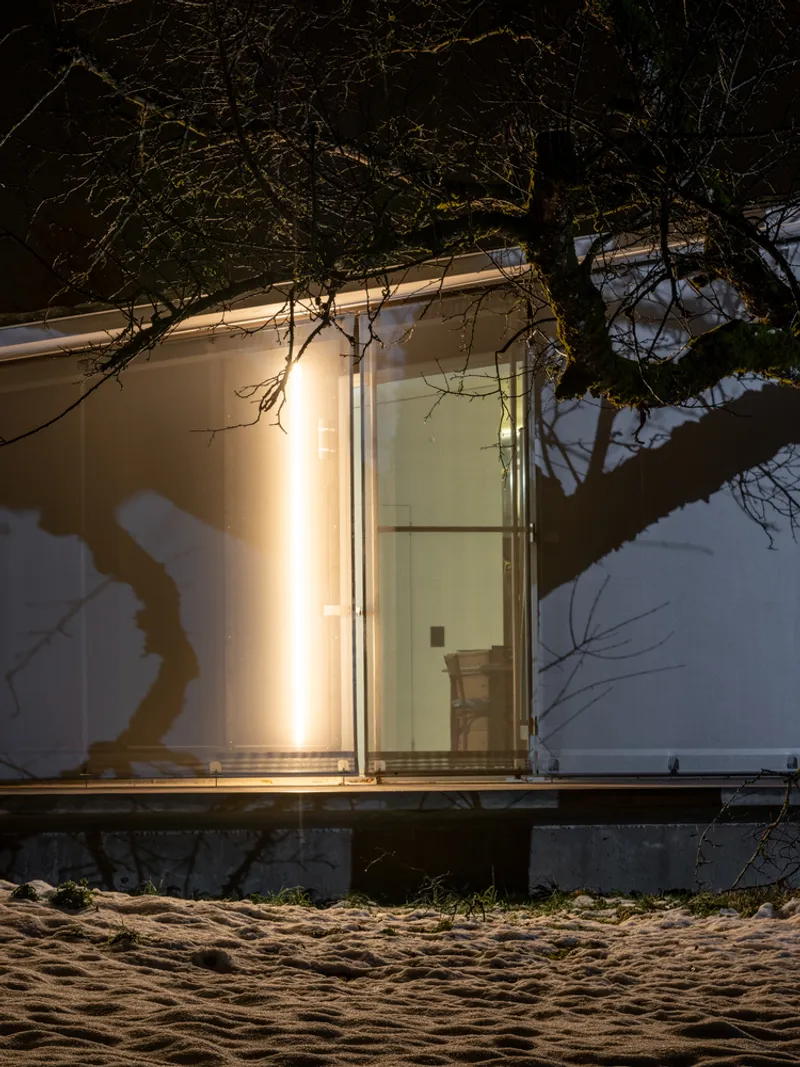
Glass facades open completely, allowing for seamless indoor-outdoor interaction, while curtains of varying densities provide additional control over light and privacy. These elements highlight the house’s commitment to sustainability and user-driven adaptability, offering a model for future architectural projects that seek to minimize environmental impact while maximizing functionality.
Integration of an Existing Wooden Barn
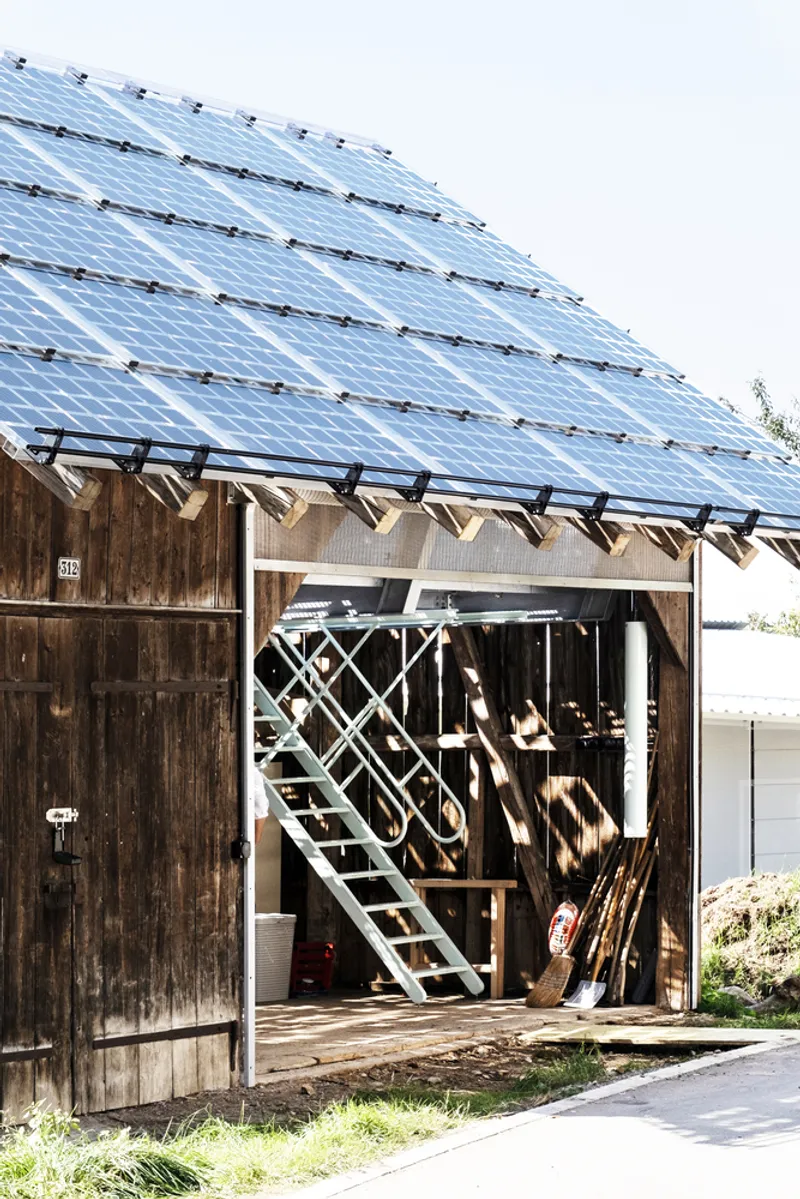
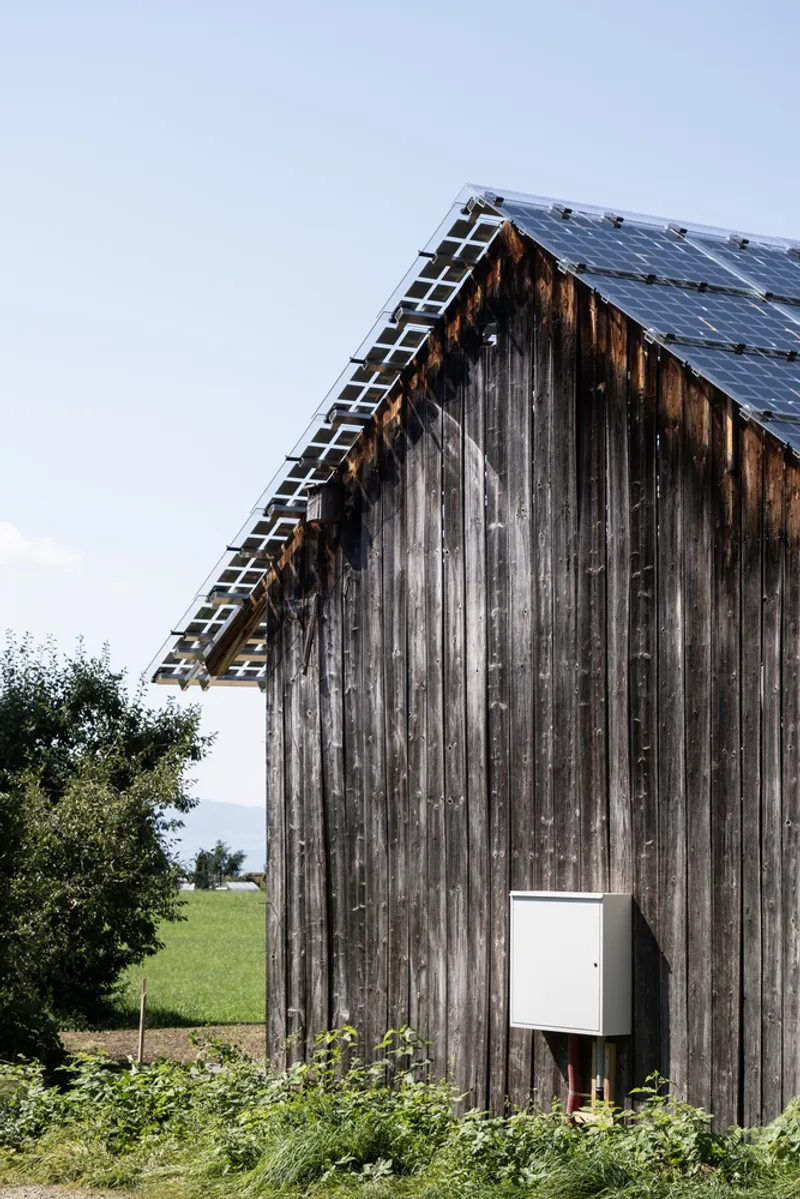
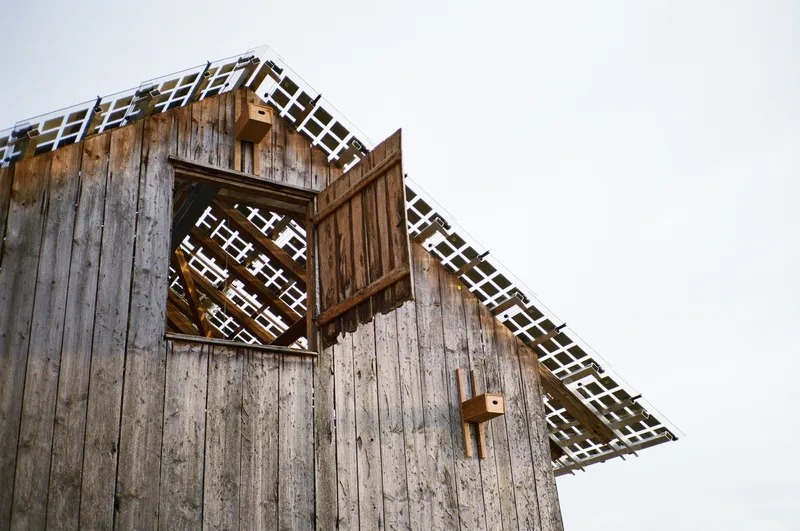
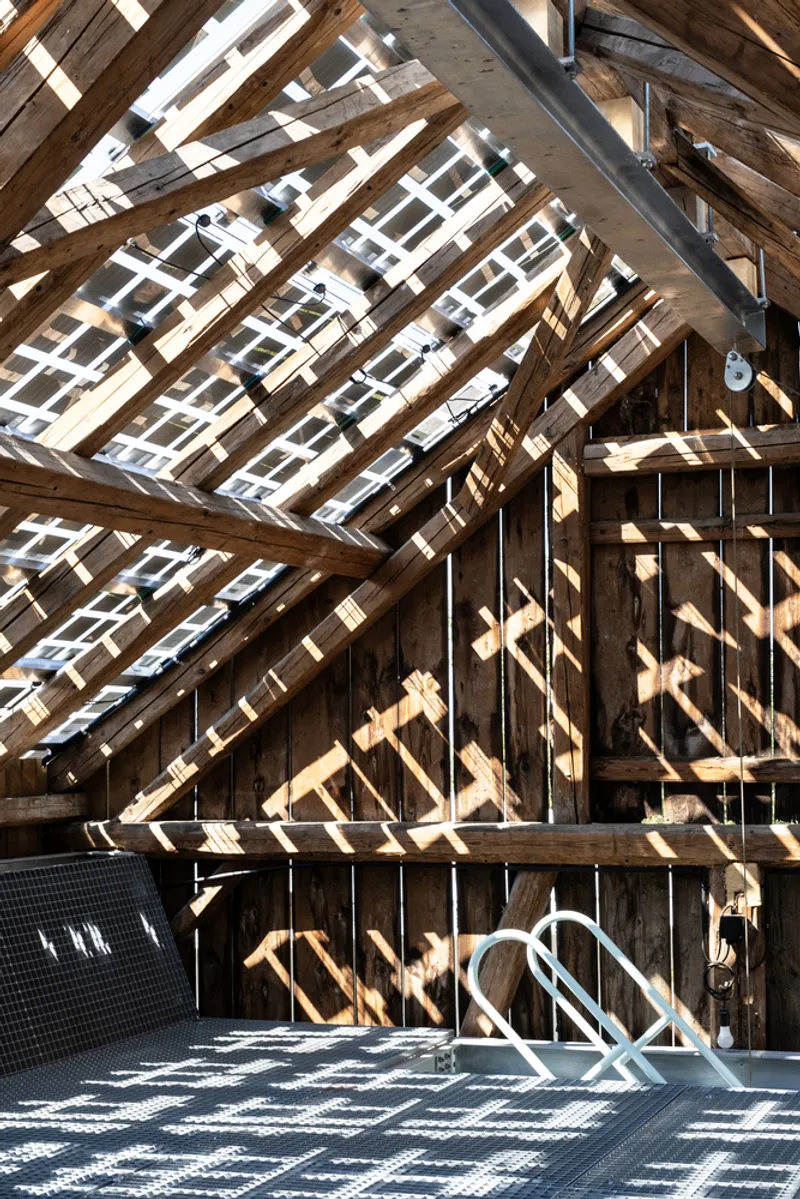
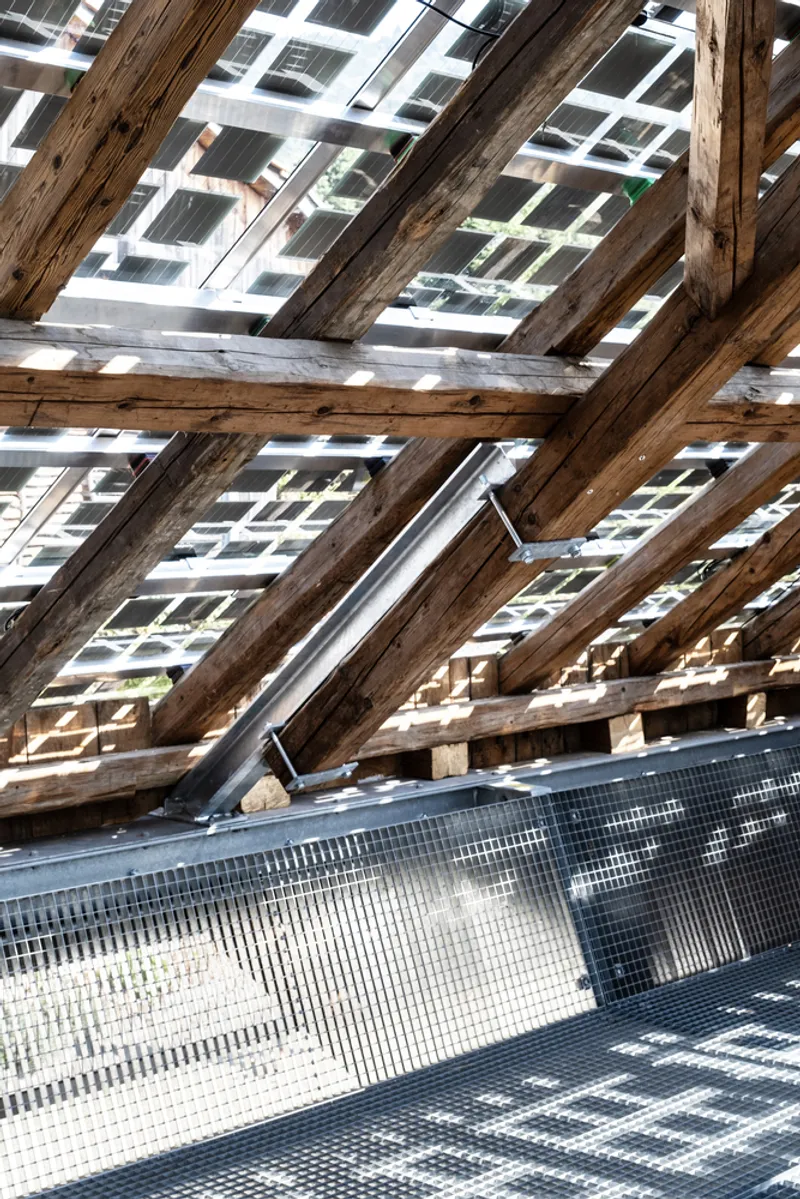
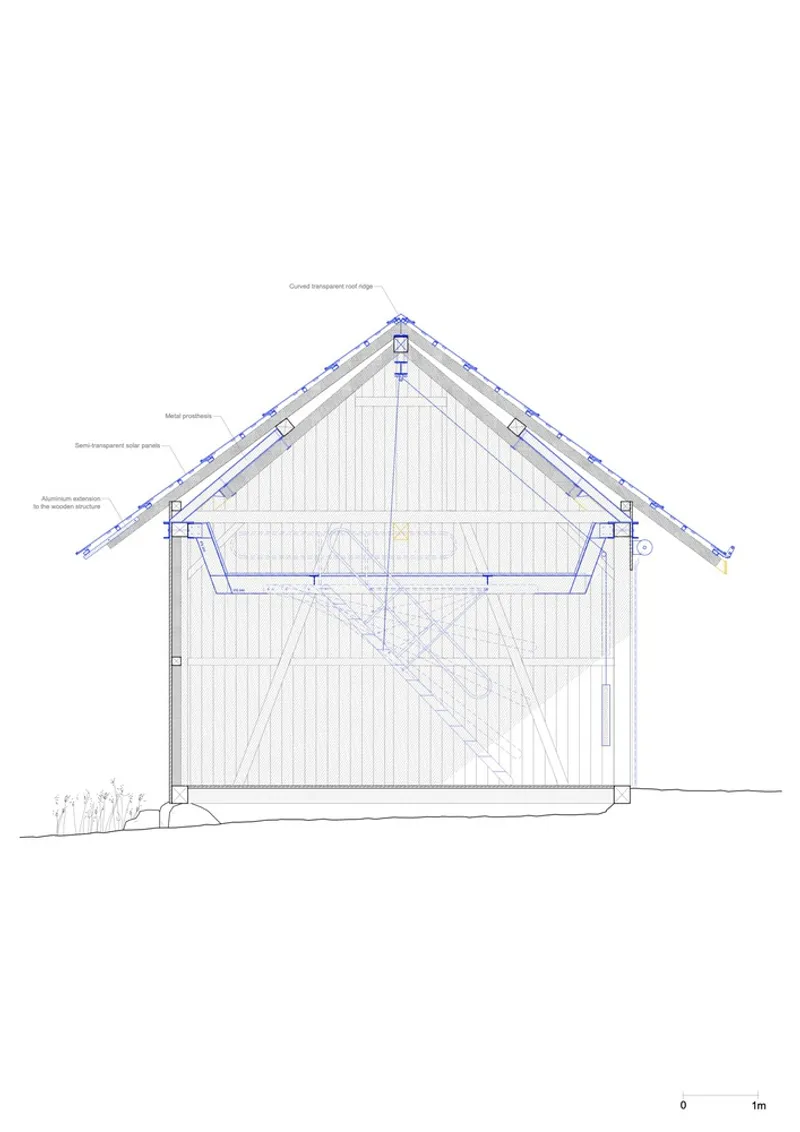
Originally intended for demolition, a neighboring wooden barn was instead integrated into the project, expanding its possibilities. To preserve the barn’s structure while enhancing its usability, a second-floor platform was introduced. By lowering this platform, the upper level became accessible, effectively doubling the available space. This strategic intervention demonstrates how adaptive architecture can repurpose existing structures, reducing waste and extending the life cycle of materials while offering greater spatial flexibility.
The Future of Adaptive Architecture
The House for Almost Everything serves as an exemplary model for future architectural developments that prioritize adaptability, sustainability, and community engagement. By designing spaces that can transform in response to external conditions and user needs, architects can create structures that are not only functional but also resilient and sustainable.
Adaptive architecture design represents the future of urban and rural living, where buildings no longer serve static purposes but instead evolve alongside the people and environments they inhabit. As the need for flexible living spaces grows, projects like the House for Almost Everything will continue to inspire new architectural approaches that redefine the relationship between buildings and their users.
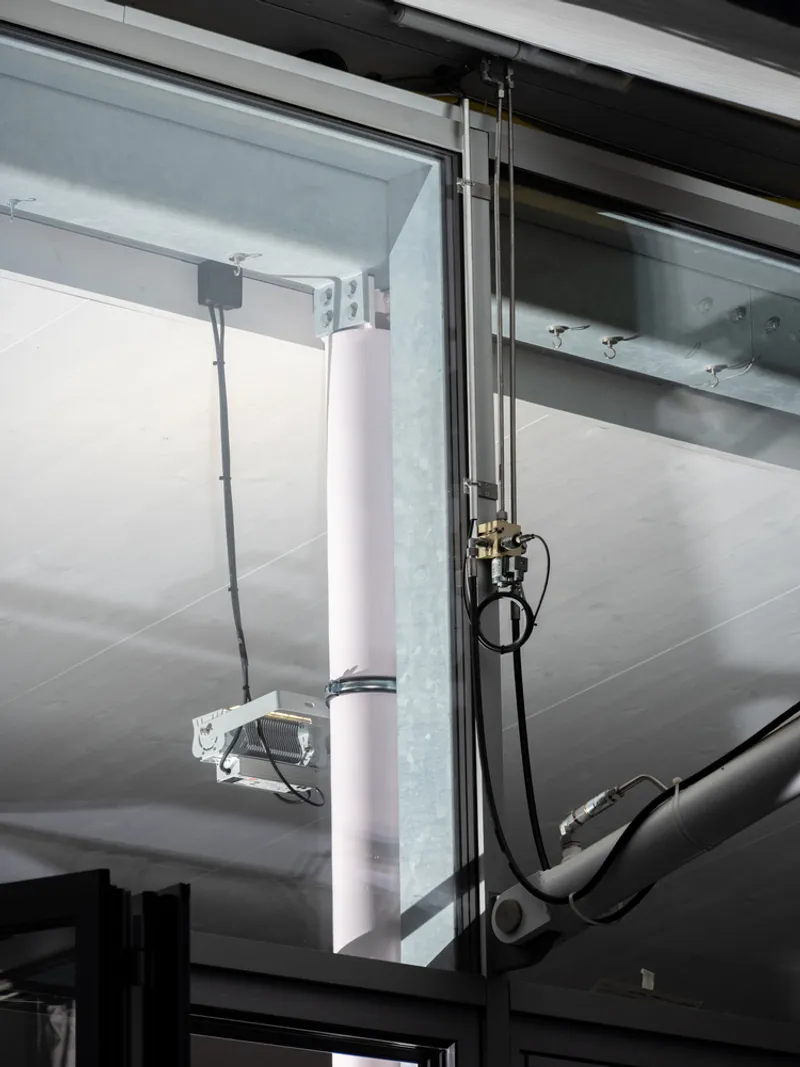
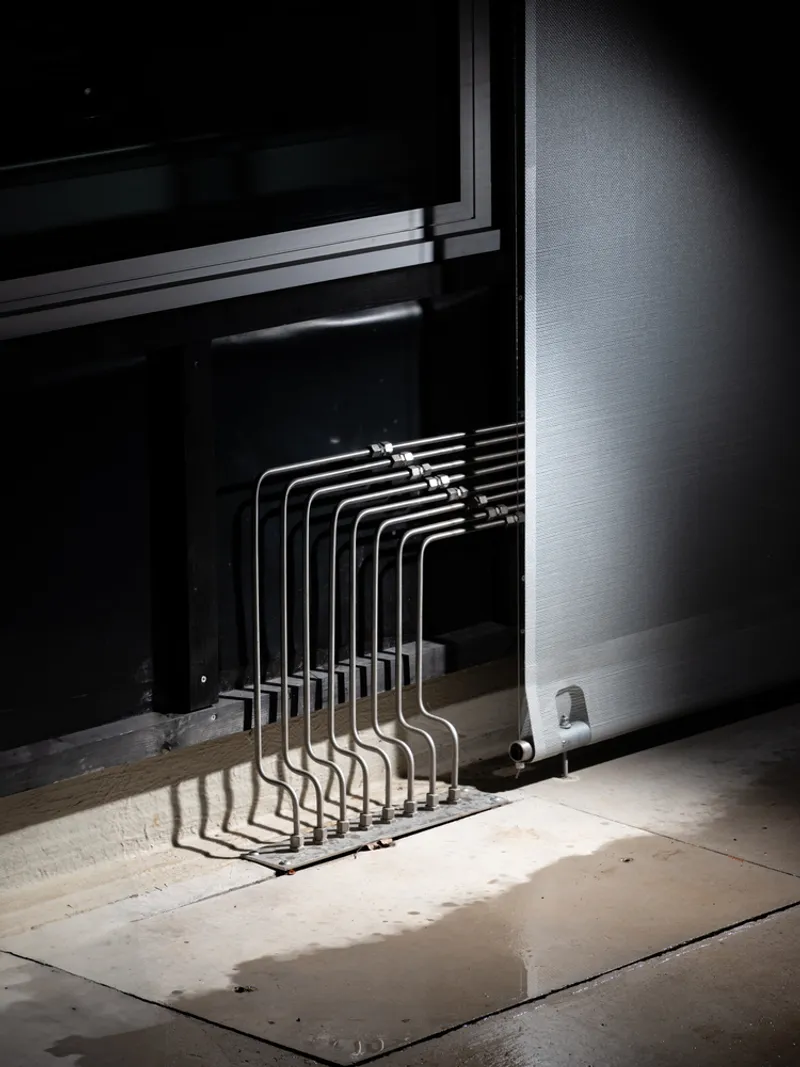
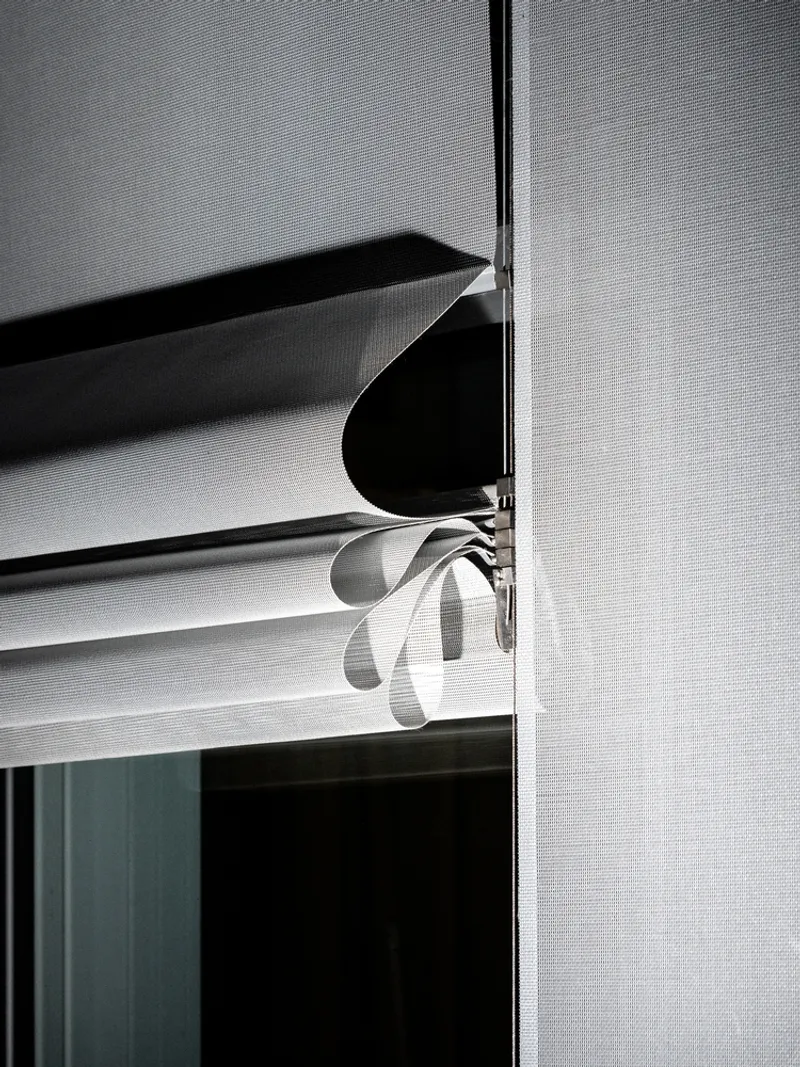
The House for Almost Everything by Comte/Meuwly stands as a pioneering example of adaptive architecture design. By integrating spatial flexibility, sustainable materials, and innovative structural solutions, the project reimagines how architecture can serve multiple roles within a community. Whether functioning as a private home, an event space, or a communal hub, the house exemplifies how adaptability can enhance both architectural performance and social engagement. As the world moves towards more dynamic living environments, this project sets a benchmark for future sustainable and transformative architectural designs.
All Photographs are works of Ciro Miguel, Pierre Marmy


Popular Articles
Popular articles from the community

Tsunami Convergenics: Turning Catastrophic Ocean Forces into Underwater Housing Infrastructure
A speculative underwater settlement off the coast of Onagawa, Japan, treats tsunamis and typhoons as energy sources rather than threats.
Temporary Home for Dogs: A Reversed Zoo Rethinks Animal Shelter Architecture
In Bucharest, a sinuous corridor and freed landscape flip the logic of containment, designing a shelter that works to make itself unnecessary.

Manzana Morphosis: Stretching Barcelona's Grid into a Living Landscape for 2050
A radical reworking of the Eixample manzana turns density into a tool for generous public space, vertical ecology, and environmental performance.

Singing Woman: An Opera House That Performs Before the Curtain Rises
Ovidiu Cristian Pavel's conceptual opera house translates Estonia's choral identity into a sculpted waterfront landmark facing the Baltic Sea.

Similar Reads
You might also enjoy these articles


Hodi-Mandai Geram
Project Function: Preservation and revitalization of the Intangible heritage and socio-spatial identity of the Hodi by Housing, Cultural Memory Center, Sacred Grove, landscape, local tourism economy


Olio Towers: A Mid-Rise for Performers That Fuses Housing, Rehearsal, and Stage
Located blocks from Houston's Theater District, this modular tower stacks living units around a central performance atrium.

Oasis: Modular Green Housing Carved into Dhaka's Urban Fabric
A shortlisted Plugin Housing entry reclaims unauthorized settlements in Dhaka with stepped concrete volumes, green roofs, and ventilation-driven design.

Black Hole: A Floating Megastructure for the Post-Physical Era
Emiliano Mazzarotto envisions a spherical, self-scaling arena where e-sports, digital hotels, and holographic stadiums replace traditional public space.

Explore Contextual Architecture Competitions
Discover active competitions in this discipline

Challenge to reimagine the Iron Throne

Photograph architecture without architects

Illustrate the lost glory of Angkor Wat - Render Challenge

Design challenge to reuse E-waste
Comments (0)
Please login or sign up to add comments
No comments yet. Be the first to comment!