
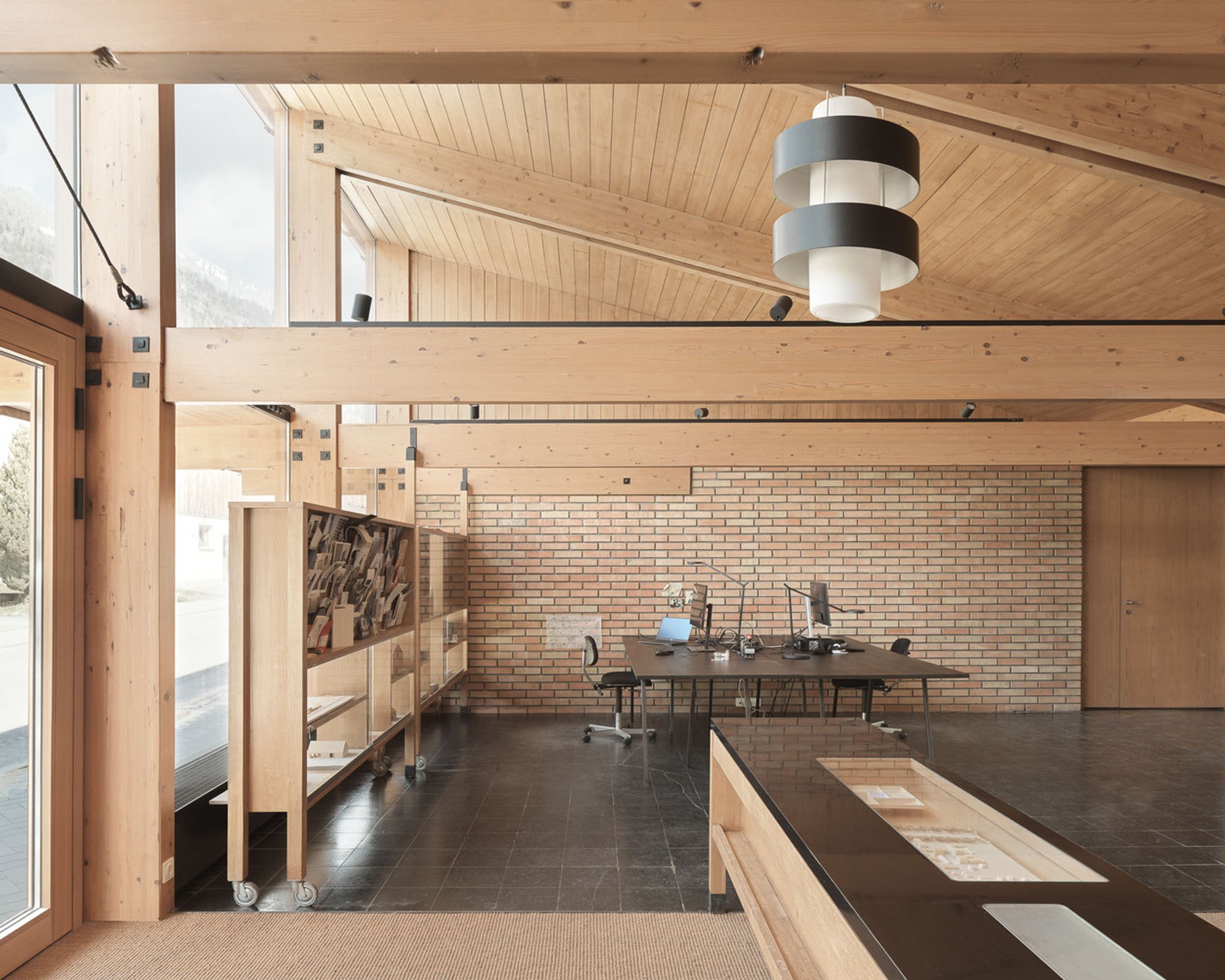
Adaptive Reuse Architecture in Austria: A Case Study of Kriechere 70 by Innauer-Matt Architekten
This article explores the adaptive reuse of Kriechere 70 in Austria by Innauer-Matt Architekten, blending historical preservation with modern architecture.

Adaptive reuse in architecture refers to the process of repurposing old buildings for new uses. This sustainable approach not only preserves historical structures but also breathes new life into them. Austria, with its rich architectural heritage, has seen numerous successful adaptive reuse projects, one of which is the revitalization of Kriechere 70 by Innauer-Matt Architekten.
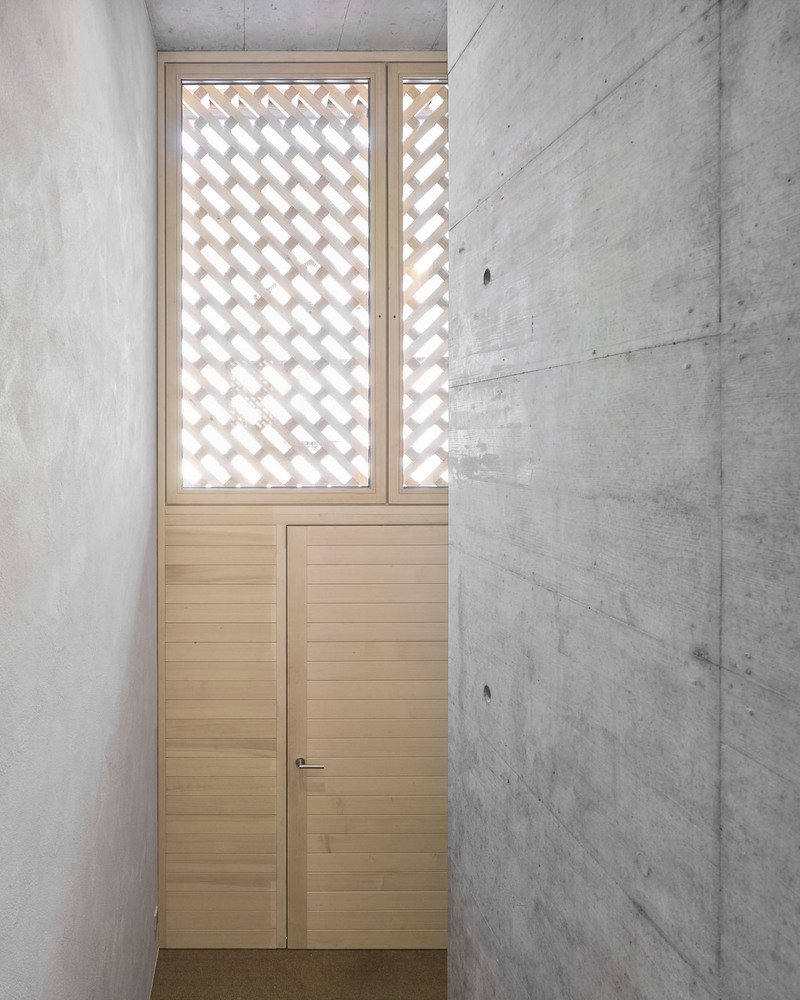
The History of Kriechere 70
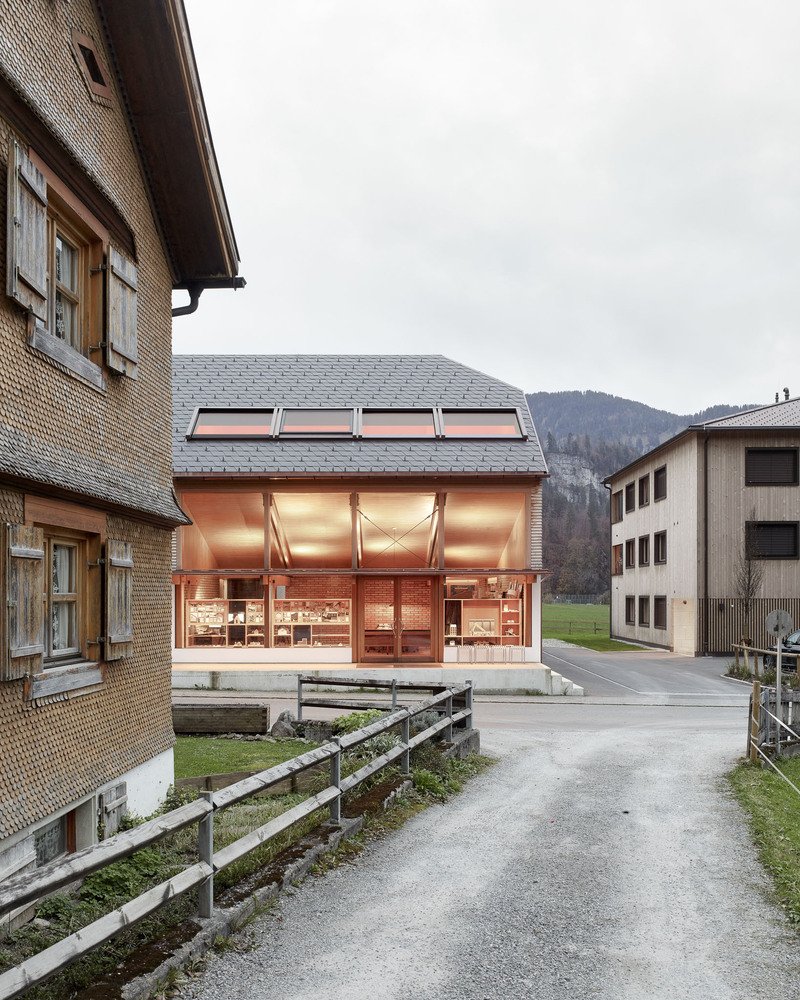
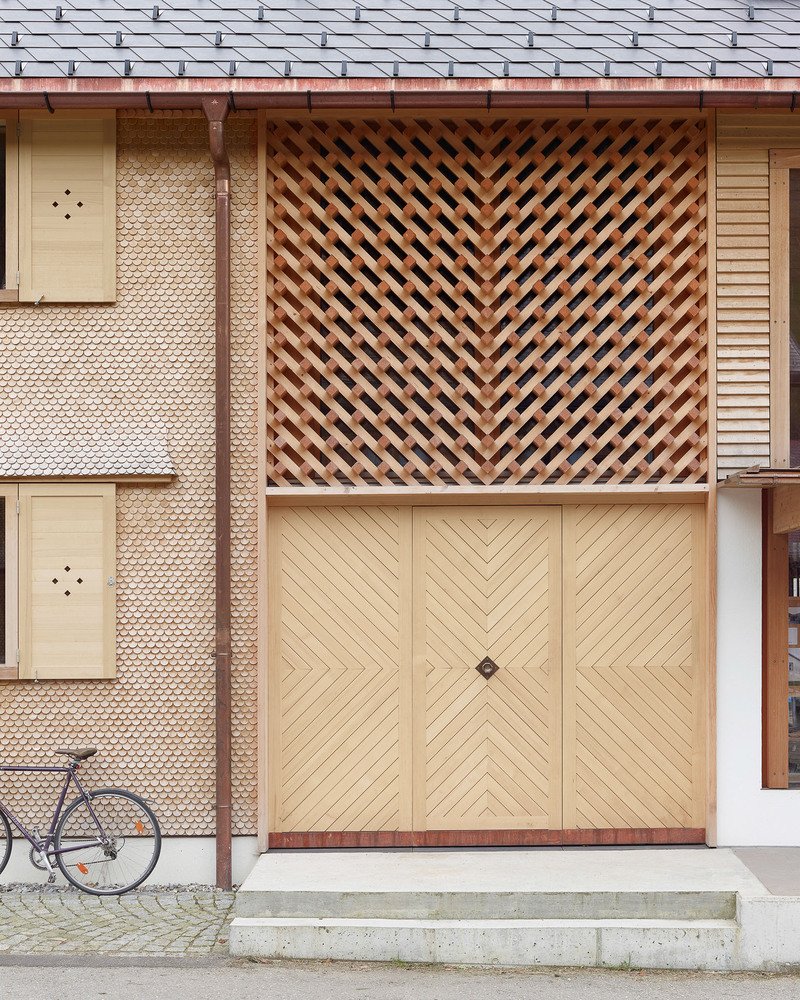
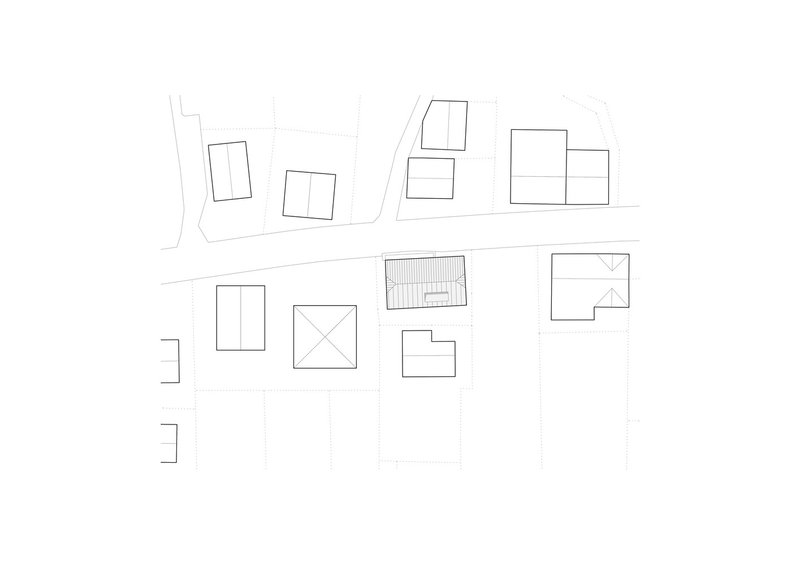
Nestled in Bezau, Austria, Kriechere 70 has a storied past. Originally a barn, it was transformed into a photo studio and shop by the pioneering Hiller family, who were instrumental in the photographic history of the Bregenzerwald region. The building, later rented by Innauer-Matt Architekten, stood vacant for two decades before its revitalization in 2021.
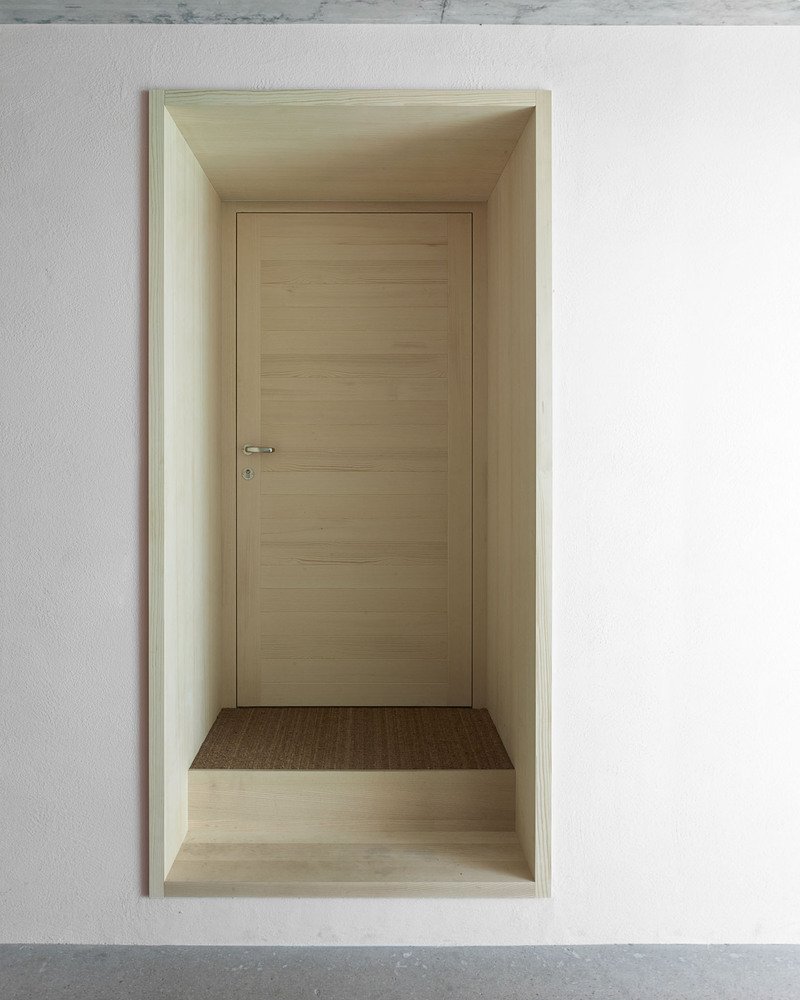
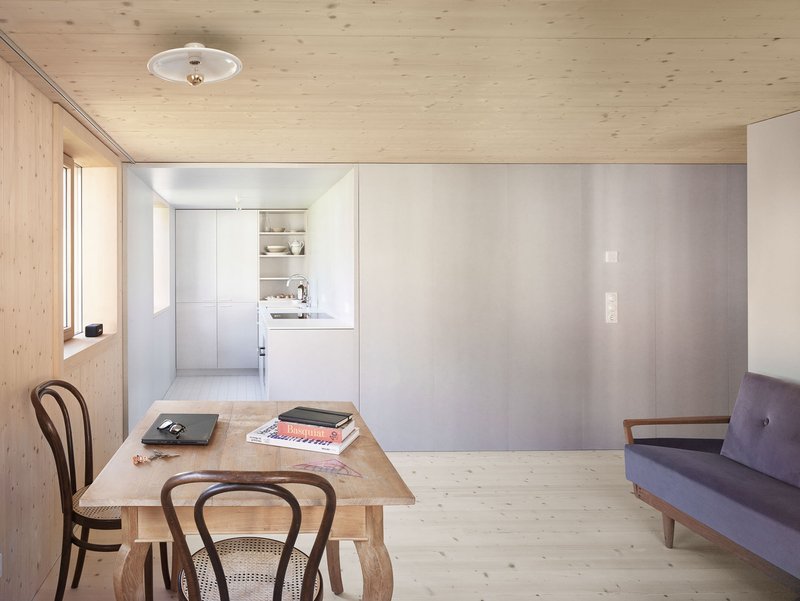
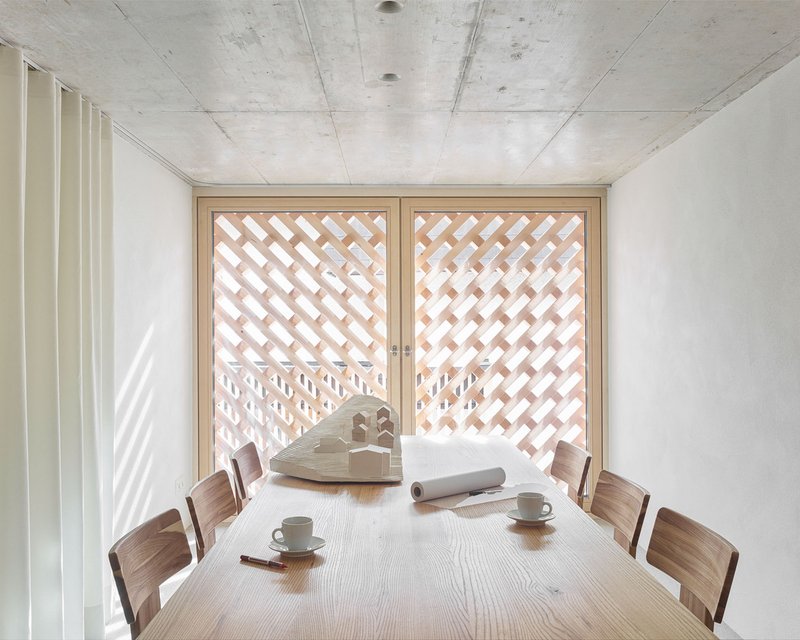
The Revitalization Process
The project's challenge was to maintain the essence of the original structure while introducing modern elements. The team focused on preserving the historic photo studio, a jewel of cultural heritage, while the rest of the building was reconstructed to meet contemporary needs. This delicate balance between old and new is a hallmark of successful adaptive reuse architecture in Austria.v
Architectural Strategy and Design
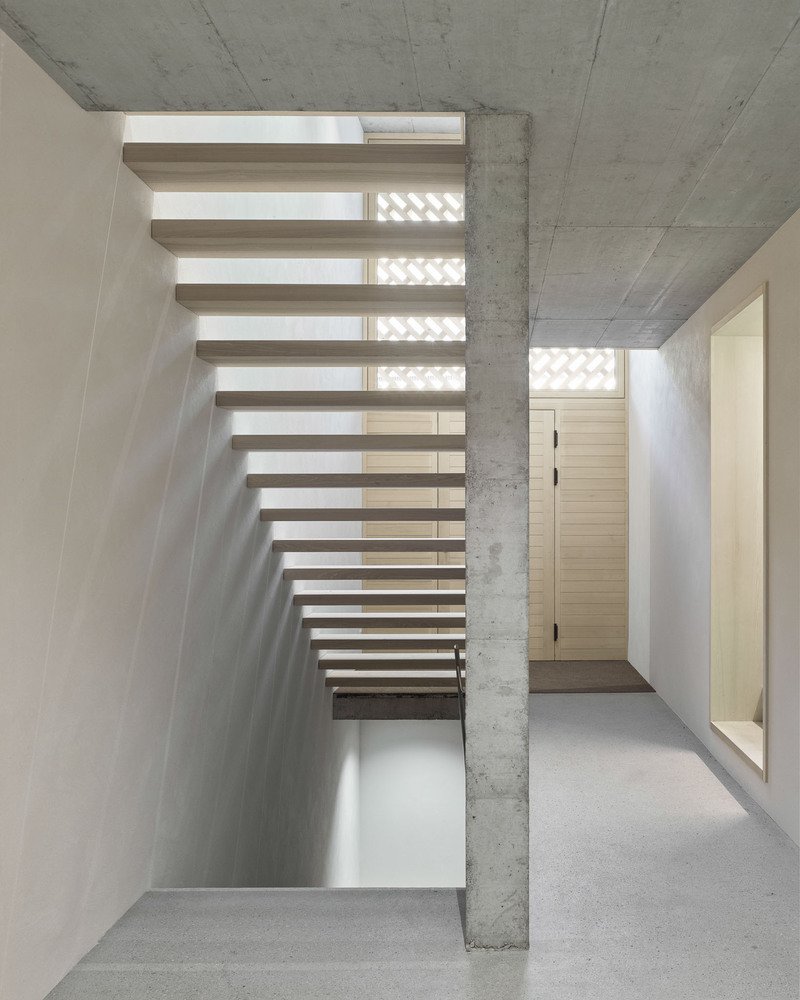
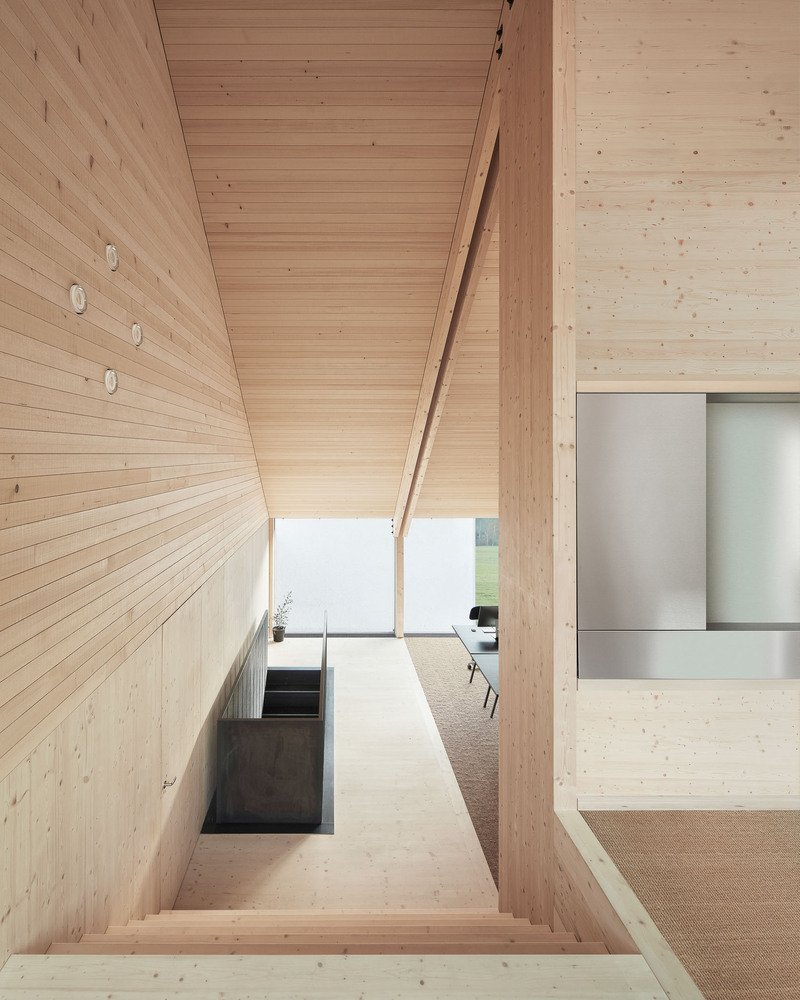
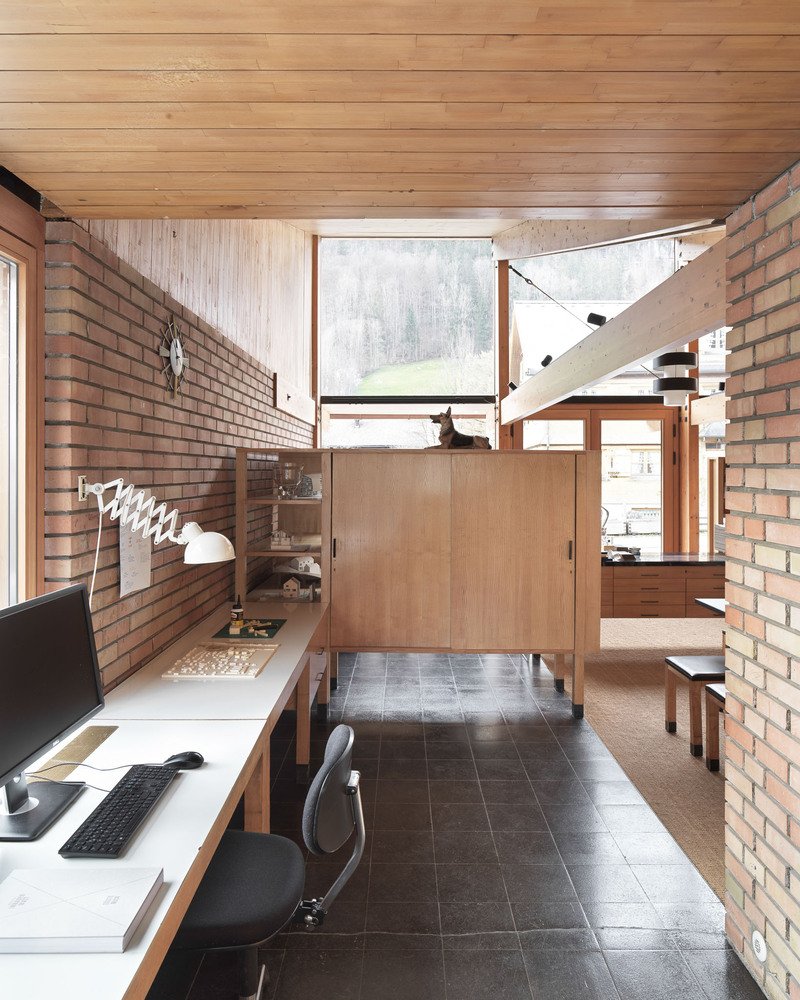
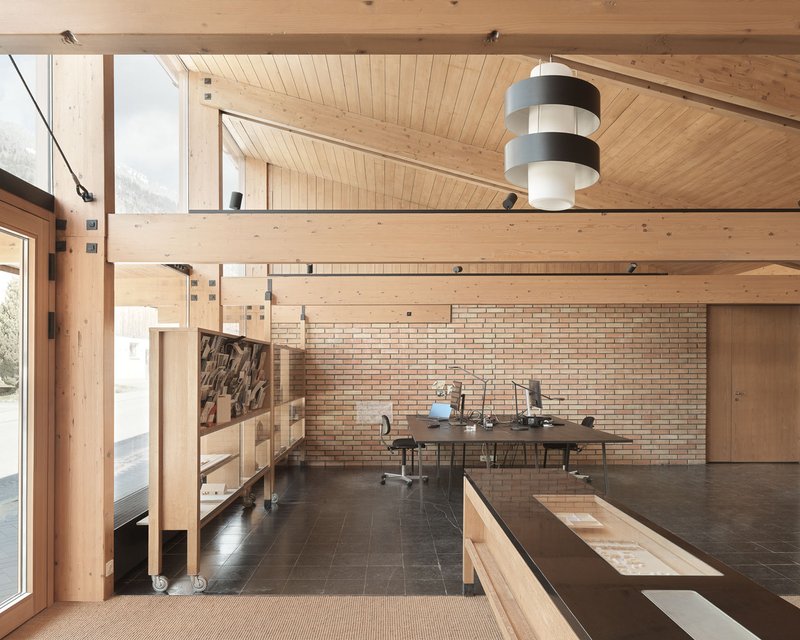
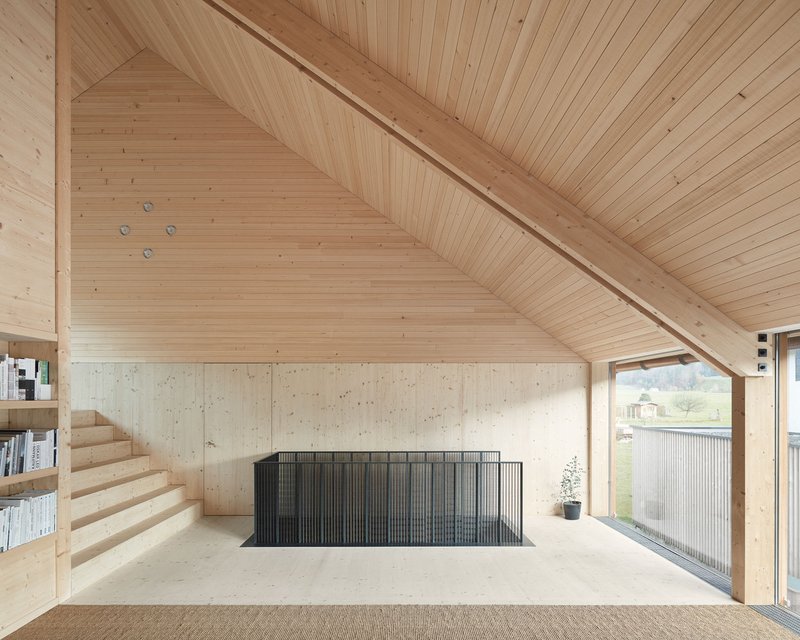
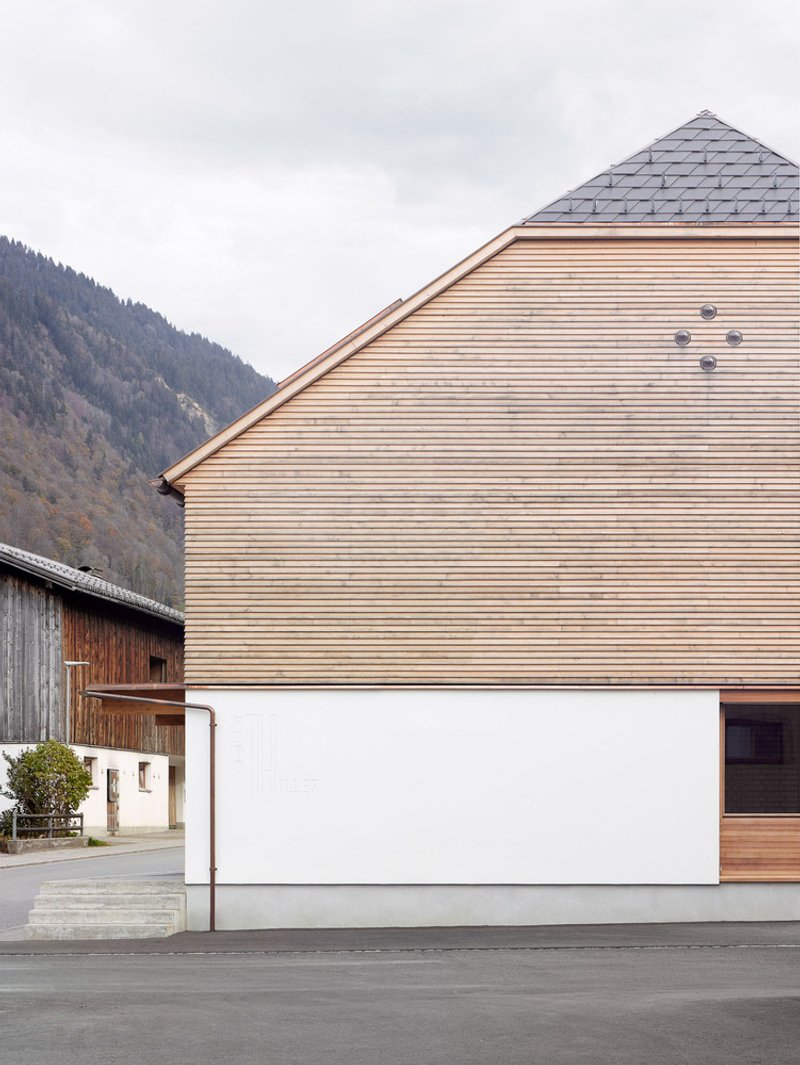
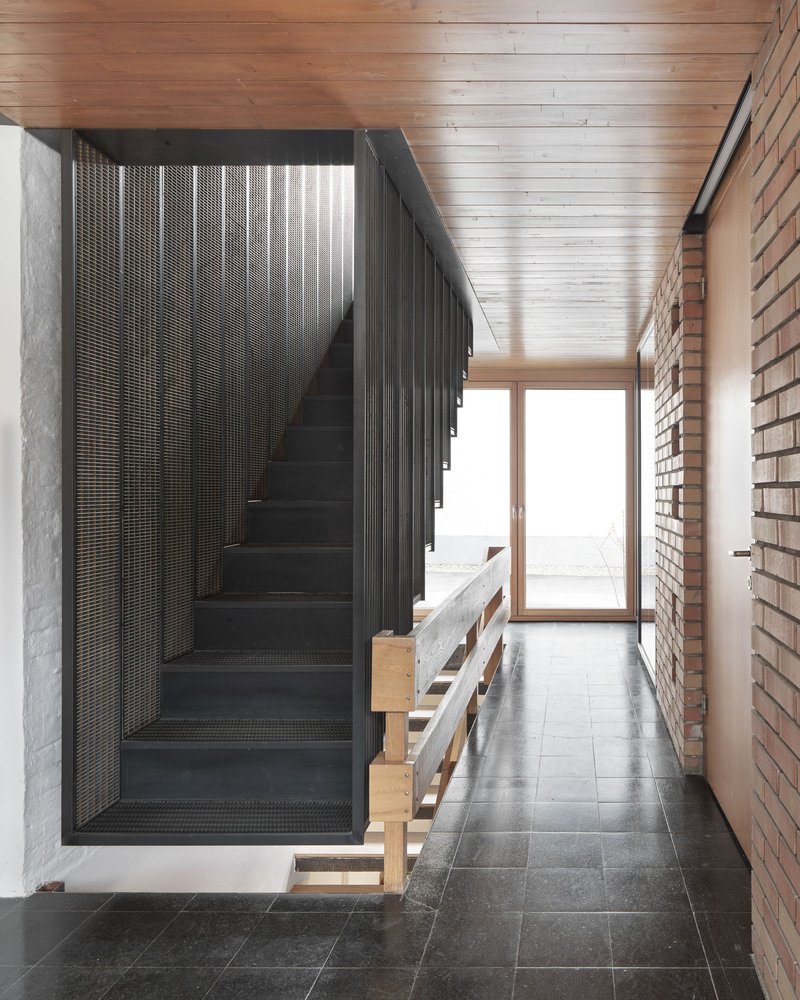
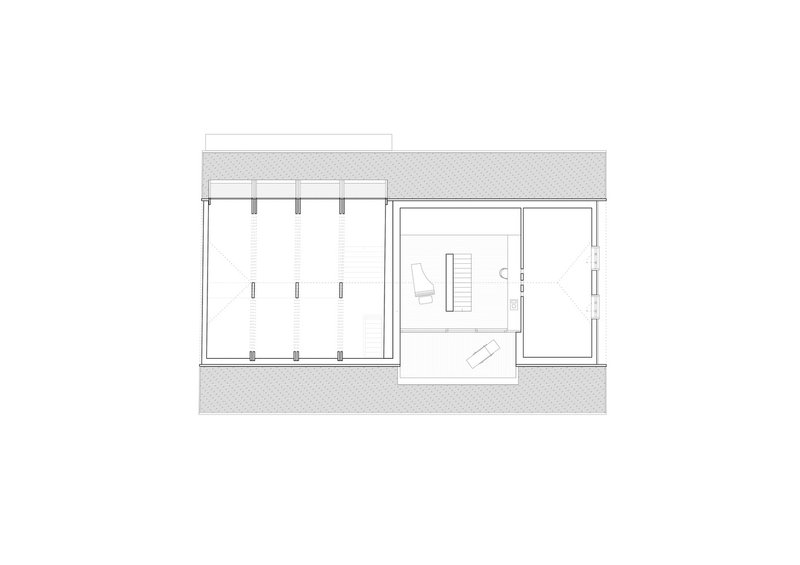
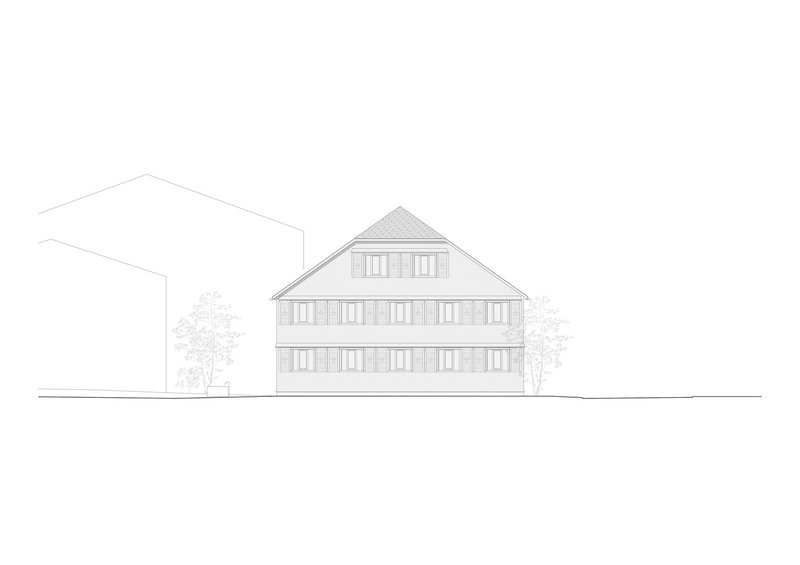
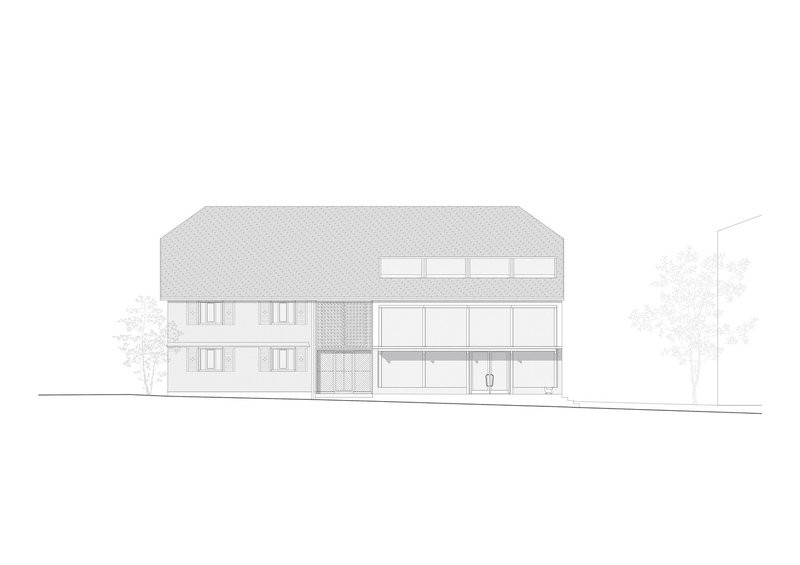
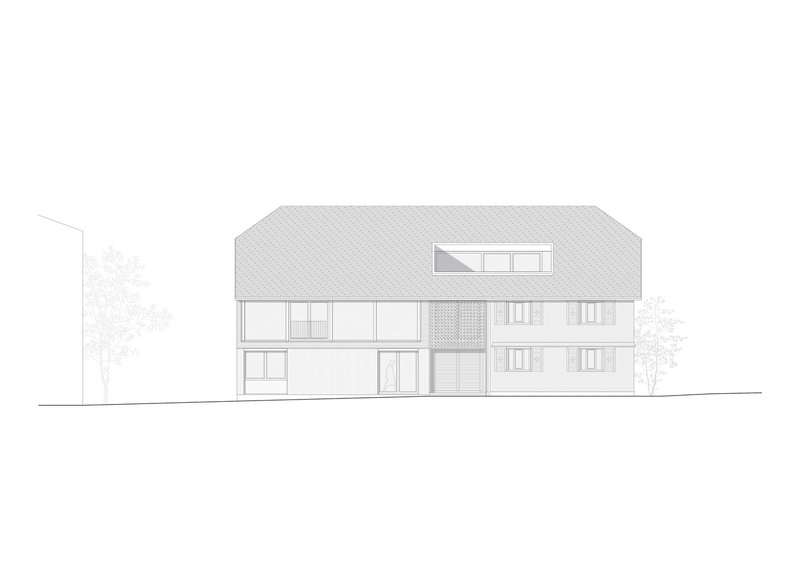
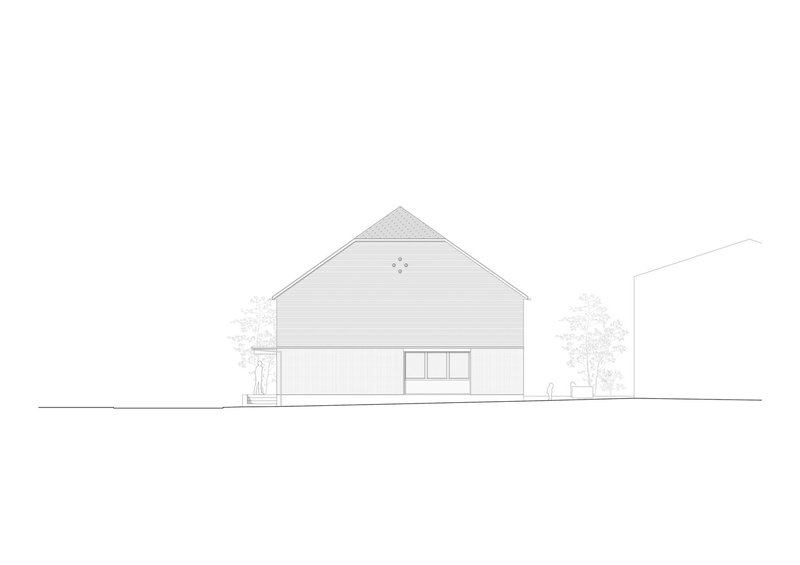
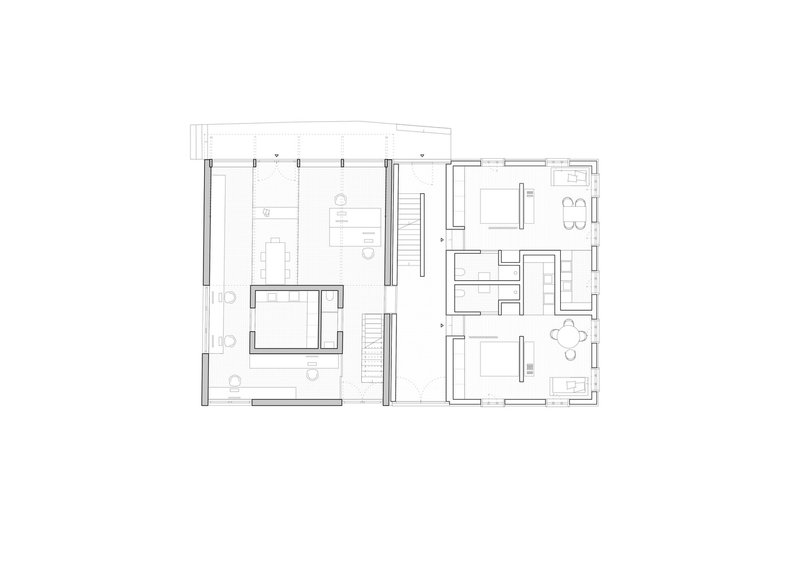
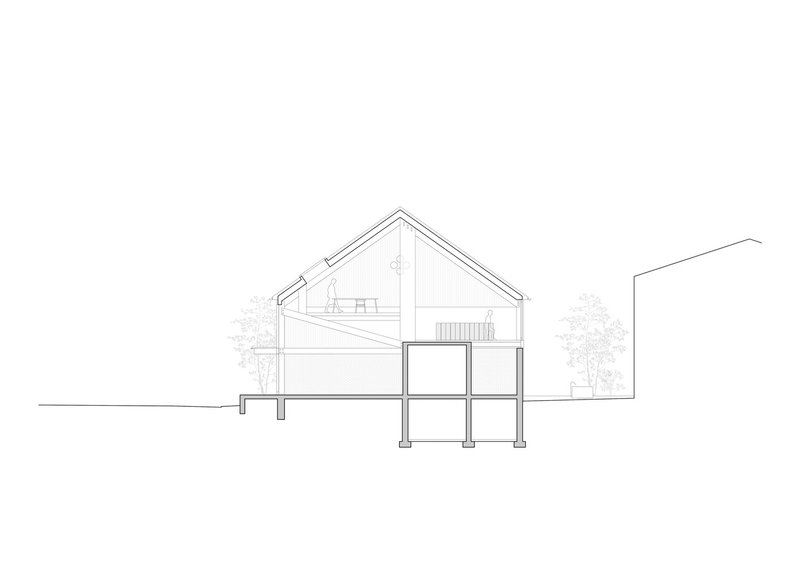
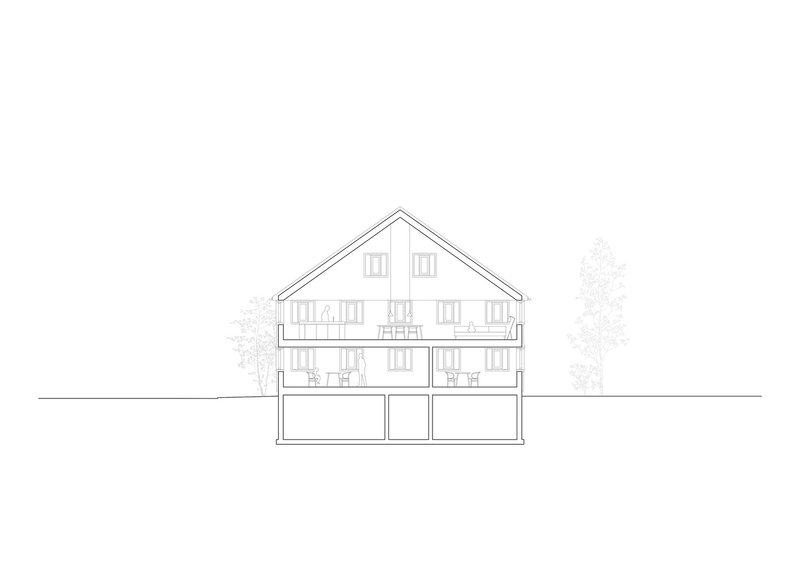
Innauer-Matt Architekten's approach was to wrap a new structure around the existing photo studio, respecting the traditional architectural language while adding a modern twist. The building's layout—divided into the Vorderhaus, Tenne, and Hinterhaus—maintains its historical structure, with the addition of three apartments and a multi-floor architecture office.
Living and Working Under One Roof
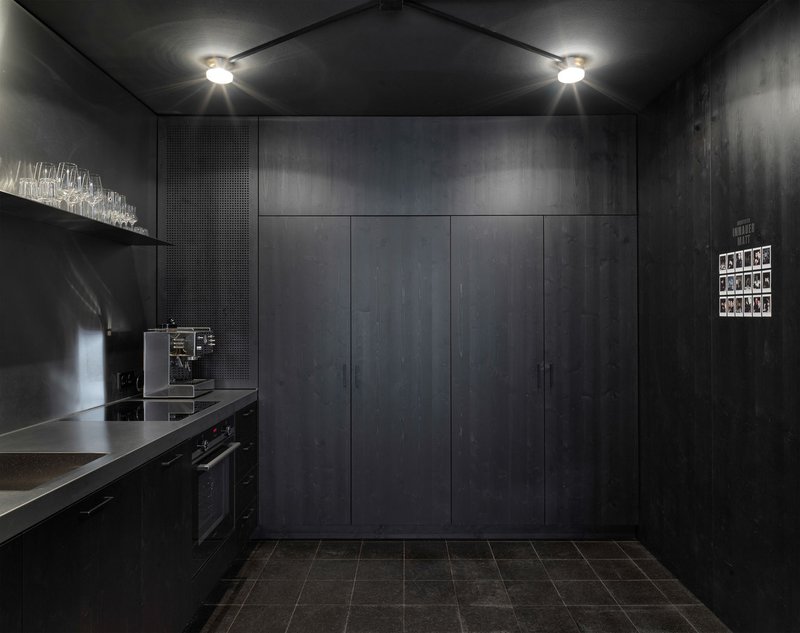
This project exemplifies the potential of adaptive reuse architecture in Austria to create spaces that combine living and working environments. The preservation of the photo studio's spirit, alongside the introduction of modern living spaces, demonstrates how architecture can bridge the past and present.
The Importance of Adaptive Reuse in Austria
The revitalization of Kriechere 70 by Innauer-Matt Architekten stands as a testament to the importance of adaptive reuse in preserving Austria's architectural heritage while accommodating contemporary needs. Projects like these not only save buildings from decay but also enrich the community by reimagining historical spaces for the future.
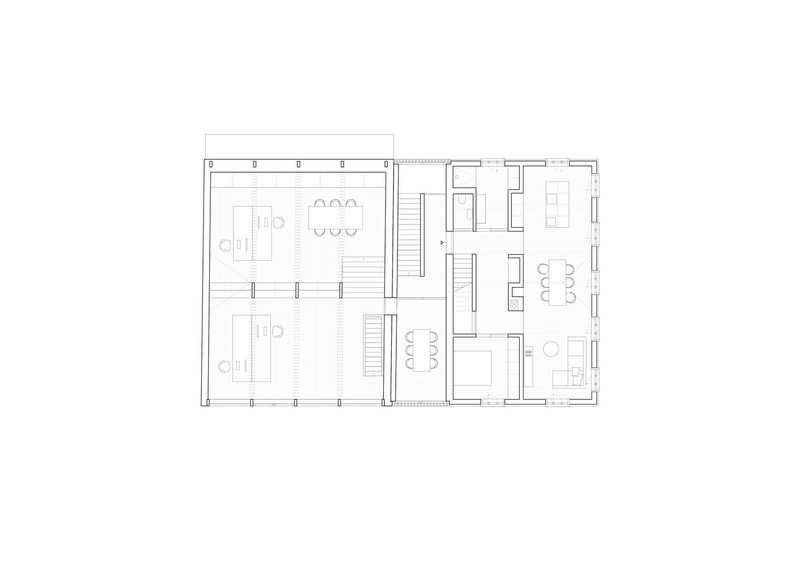
All the photographs are work of Adolf Bereuter




Popular Articles
Popular articles from the community

Gads Hill Early Learning Center by JGMA: Adaptive Reuse Shaping Community-Focused Educational Architecture
Adaptive reuse transforms fragmented structure into vibrant early learning center with playful façade, natural light, and community-focused sustainable design.
A Contemporary Take on Iranian Residential Architecture
A modern interior design in Mashhad that reinterprets brick, light, and spatial flow to create a warm, contemporary residential architecture.
Treehouse Apartment: A Warm Timber Interior Blending Craft, Play, and Contemporary Living
Warm timber apartment with integrated treehouse, combining natural materials, craftsmanship, and playful design to create a flexible, family-oriented living environment.
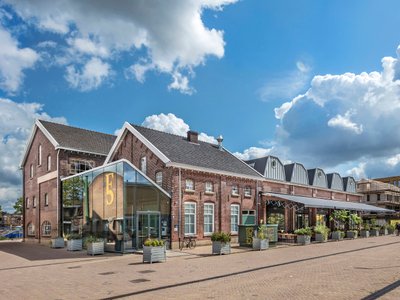
Fifth NRE Jazz Club – De Bever Architecten: Eindhoven’s Revitalized Cultural Hub
Historic gas factory transformed into Fifth NRE Jazz Club blending modern sustainability, jazz culture, dining, and heritage architecture seamlessly.


Similar Reads
You might also enjoy these articles


The Ken Roberts Memorial Delineation Competition (Krob)
As the most senior architectural drawing competition currently in operation anywhere in the world, it draws hundreds of entries each year, awarding the very best submissions in a series of medium-based categories.


Waterfront Redevelopment and Urban Revitalization in Mumbai: Forging a New Dawn for Darukhana
A transformative waterfront redevelopment project reimagining Darukhana’s shipbreaking heritage into an inclusive urban future.

OUT-OF-MAP: A Call for Postcards on Feminist Narratives of Public Space
Rhizoma Design and Research Lab invites artists, designers, architects, researchers, and students to reflect on how feminist perspectives can reshape public space. Selected works will be exhibited in Barcelona, October 2026. Submissions open until 15 April 2026.


Documentation Work on Buddhist Wooden Temple
Architectural syncretism and cultural hybridity: A comparative study of the Buddhist temples in Chattogram Hill tracks

Explore Architecture Competitions
Discover active competitions in this discipline




The International Standard for Design Portfolios


The Global Benchmark for Architecture Dissertation Awards


The Global Benchmark for Graduation Excellence


Challenge to reimagine the Iron Throne
Comments (0)
Please login or sign up to add comments
No comments yet. Be the first to comment!