
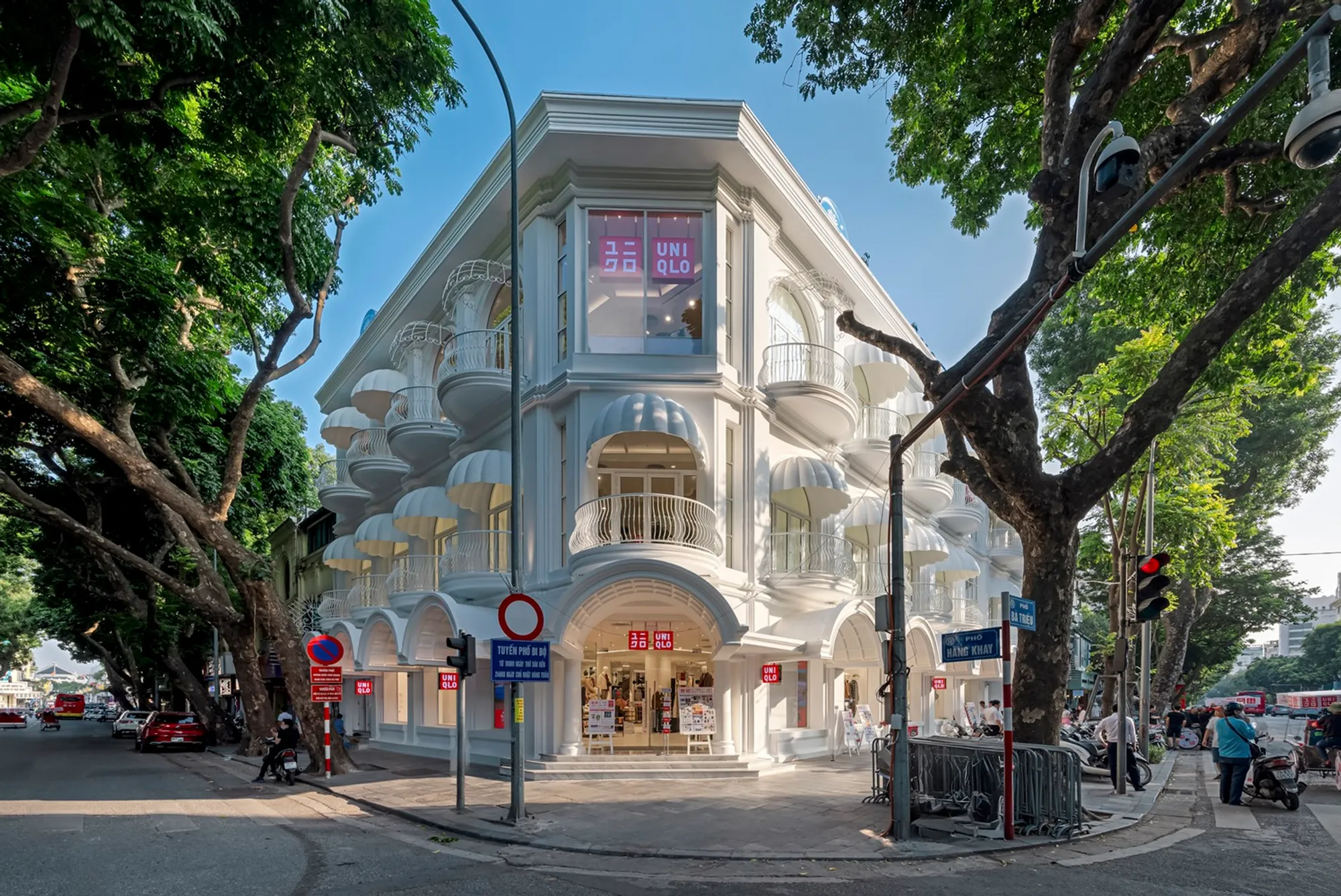
Adaptive Reuse Architecture in Hanoi: Uniqlo Flagship Store by RED DESIGN GROUP - VIETNAM
Explore the Uniqlo Flagship Store in Hanoi, a showcase of adaptive reuse architecture blending modern retail design with historical heritage.


In the bustling Old Quarter of Hanoi, the Uniqlo Flagship Store stands as a testament to adaptive reuse architecture. Designed by RED DESIGN GROUP - VIETNAM, this ambitious project blends contemporary retail design with the historical essence of the heritage-listed Hanoi Tourist building. This article explores the architectural strategies that make this project a landmark of adaptive reuse architecture in Hanoi.
Project Background
Historic Location and Modern Retail
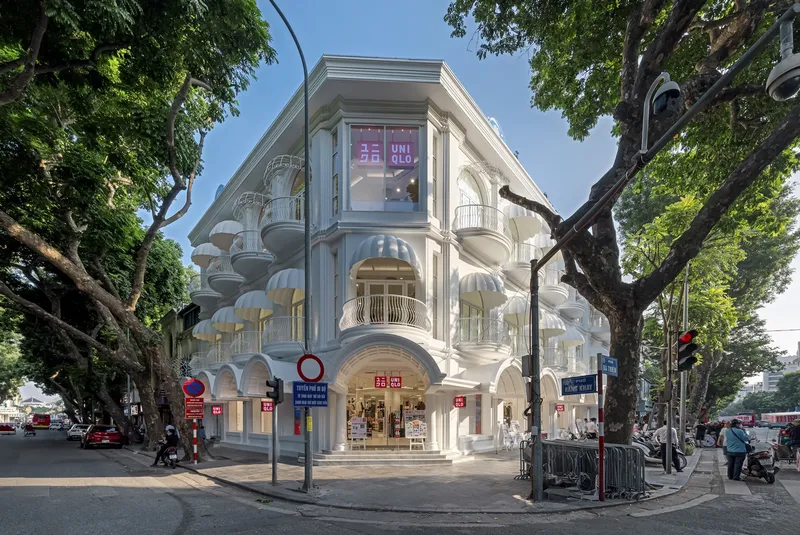
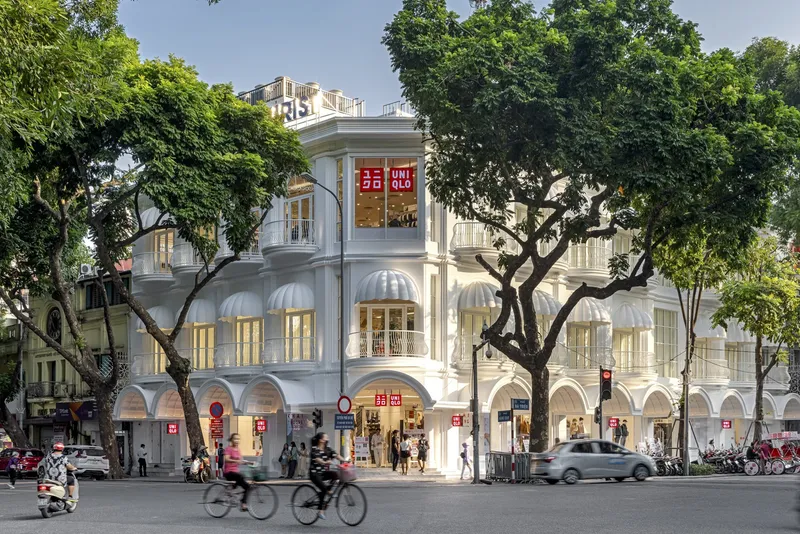
Uniqlo's flagship store is located in the prime Hoan Kiem Lake area, an iconic part of Hanoi known for its rich history and vibrant culture. The challenge was to create a modern retail space that respects the building’s heritage and the historic location.
Design Vision
RED DESIGN GROUP - VIETNAM, based in Ho Chi Minh City, was tasked with achieving a balance between Uniqlo's contemporary fashion brand and the heritage significance of the building. The design had to honor the building's history while providing a functional and modern retail environment.
Architectural Strategies
Exterior Renovation
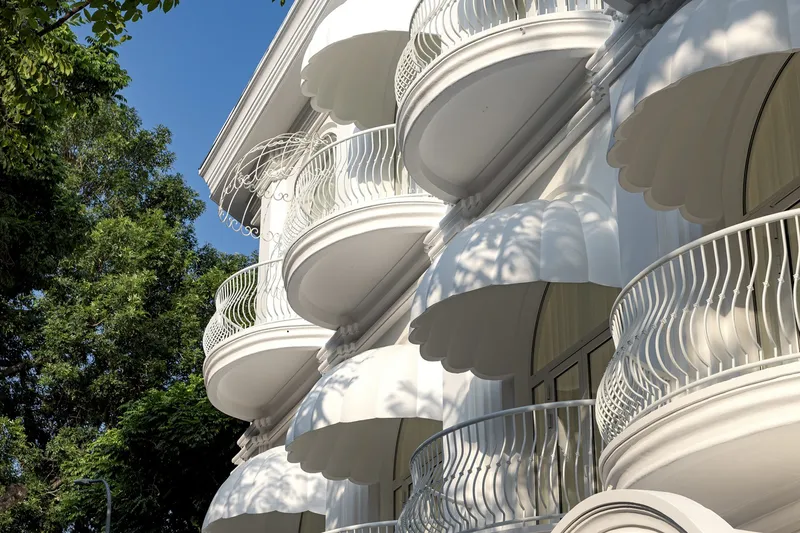
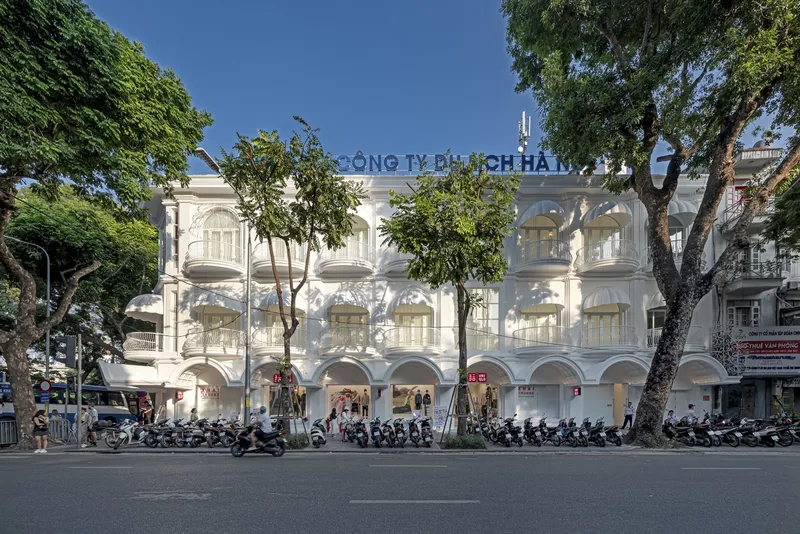
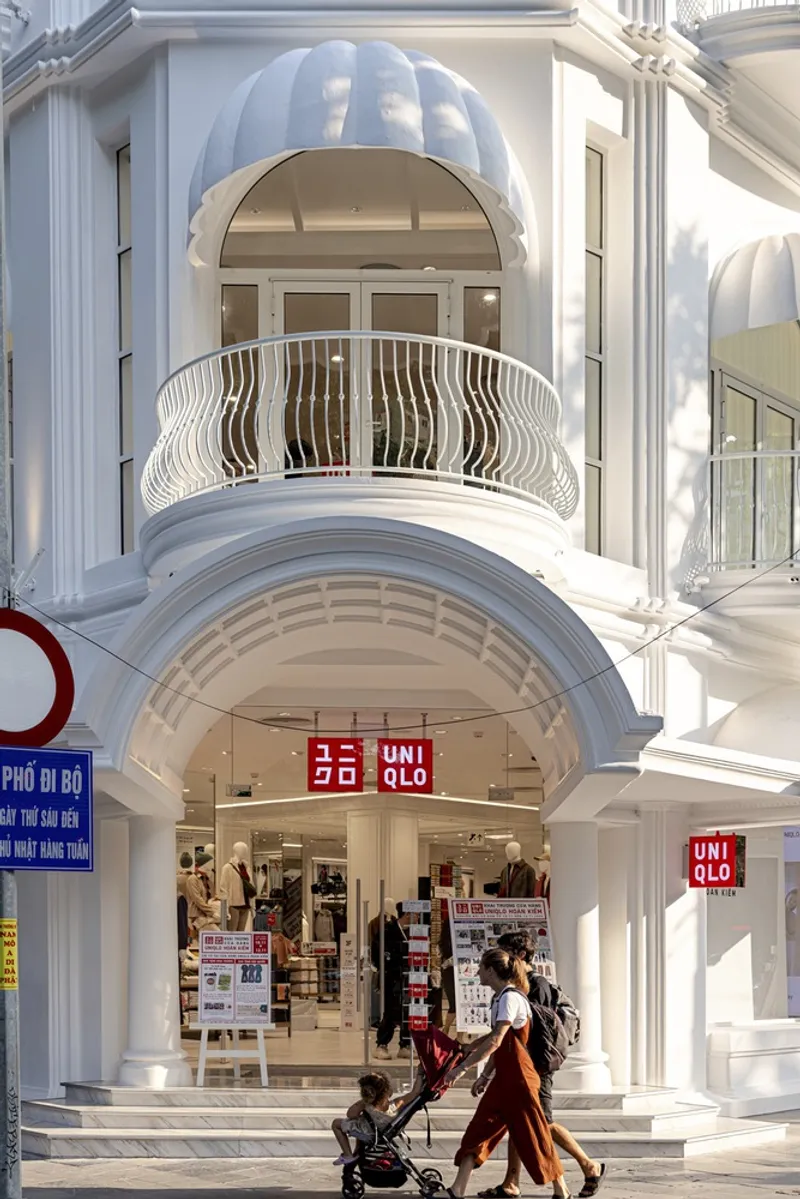
Significant work was undertaken to renovate the building's exterior, preserving its historical façade while integrating modern elements. The exterior renovation aimed to maintain the building's architectural integrity, ensuring it remains a vital part of Hanoi's urban fabric.
Interior Reconfiguration
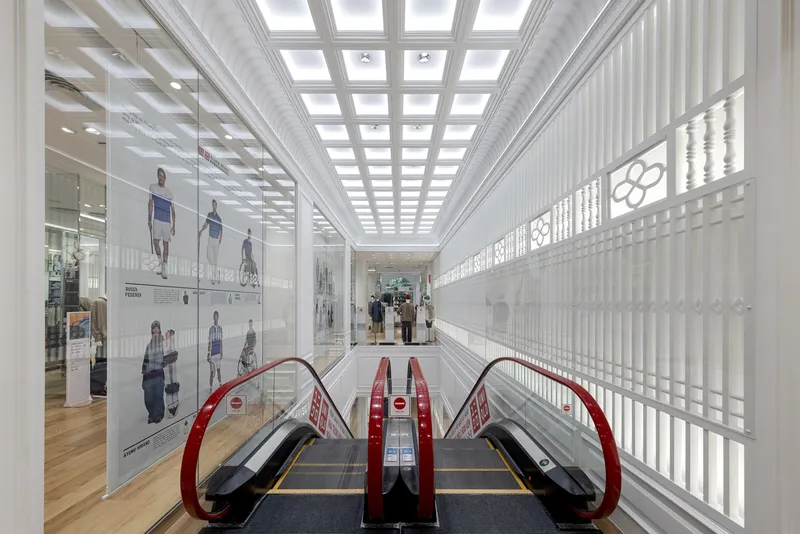
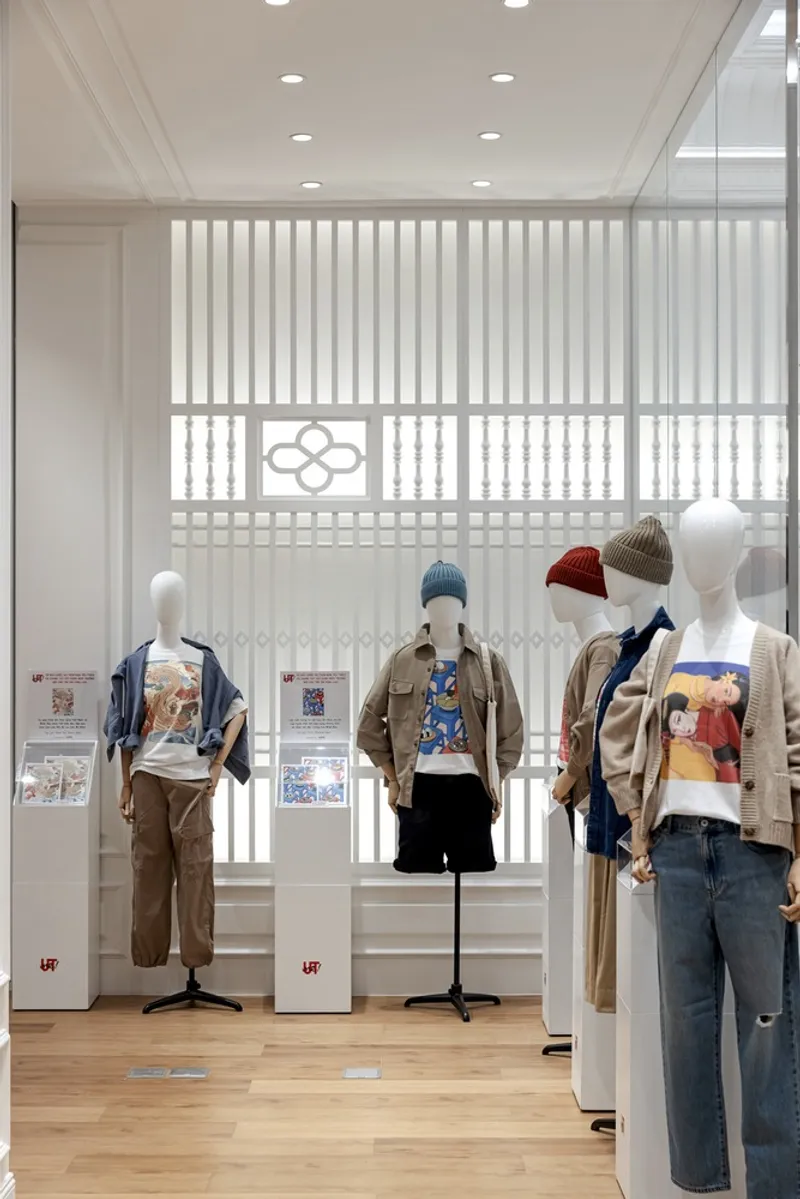
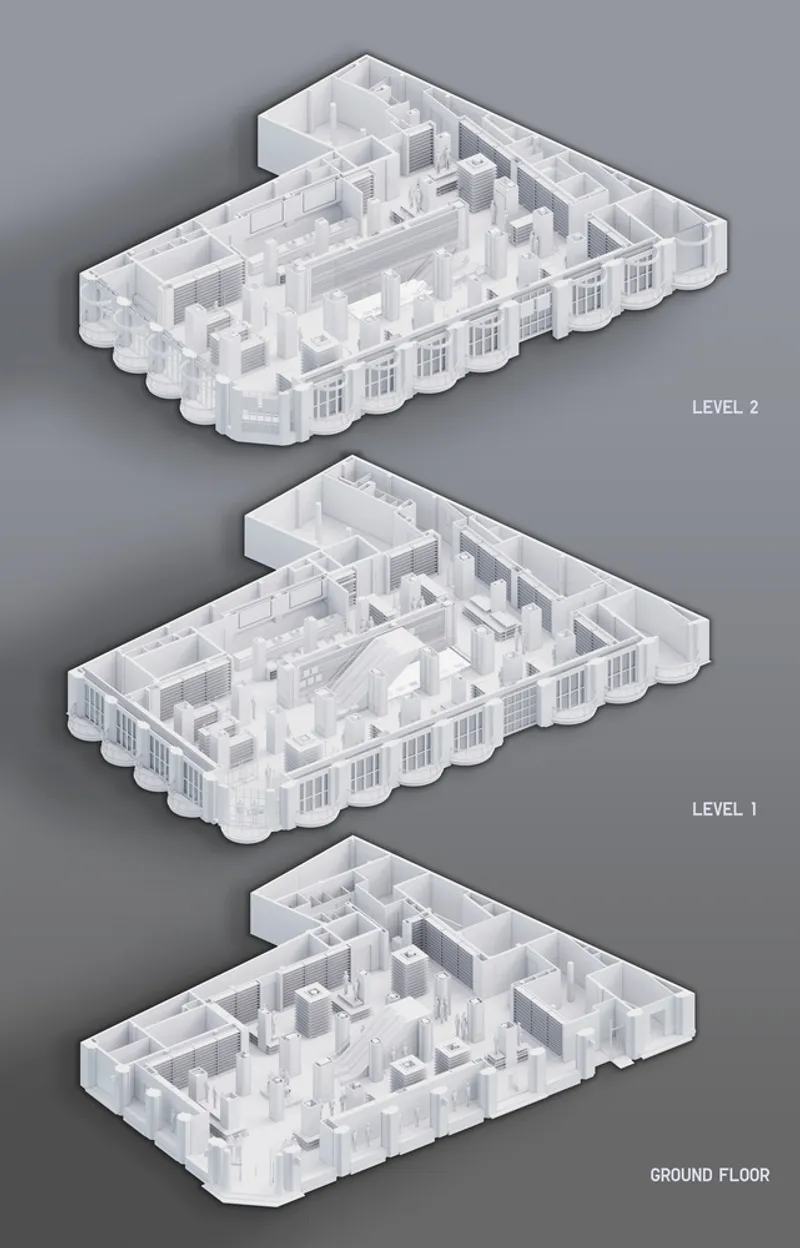
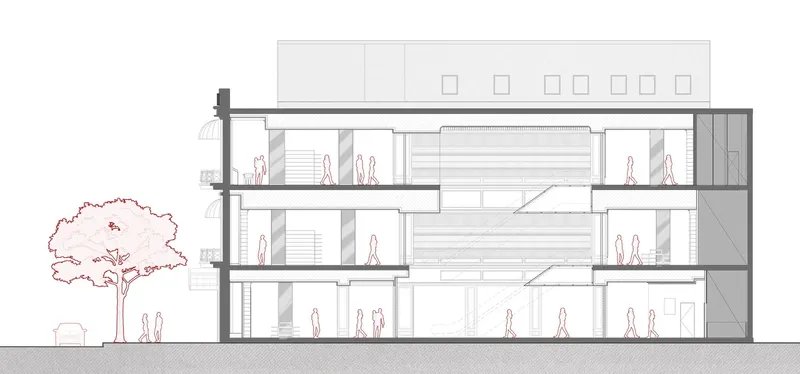
The interior of the store was completely reconfigured to create a seamless shopping experience over three levels, covering 2,500 square meters. The design integrates modern retail requirements with historical architectural elements, providing a unique shopping environment that reflects both past and present.
Design and Construction
Collaboration and Coordination
RED DESIGN GROUP - VIETNAM coordinated with various service consultants and vendors to deliver the project. Their responsibilities included concept design, construction documentation, and site design coordination. The collaboration ensured that the design vision was meticulously executed.
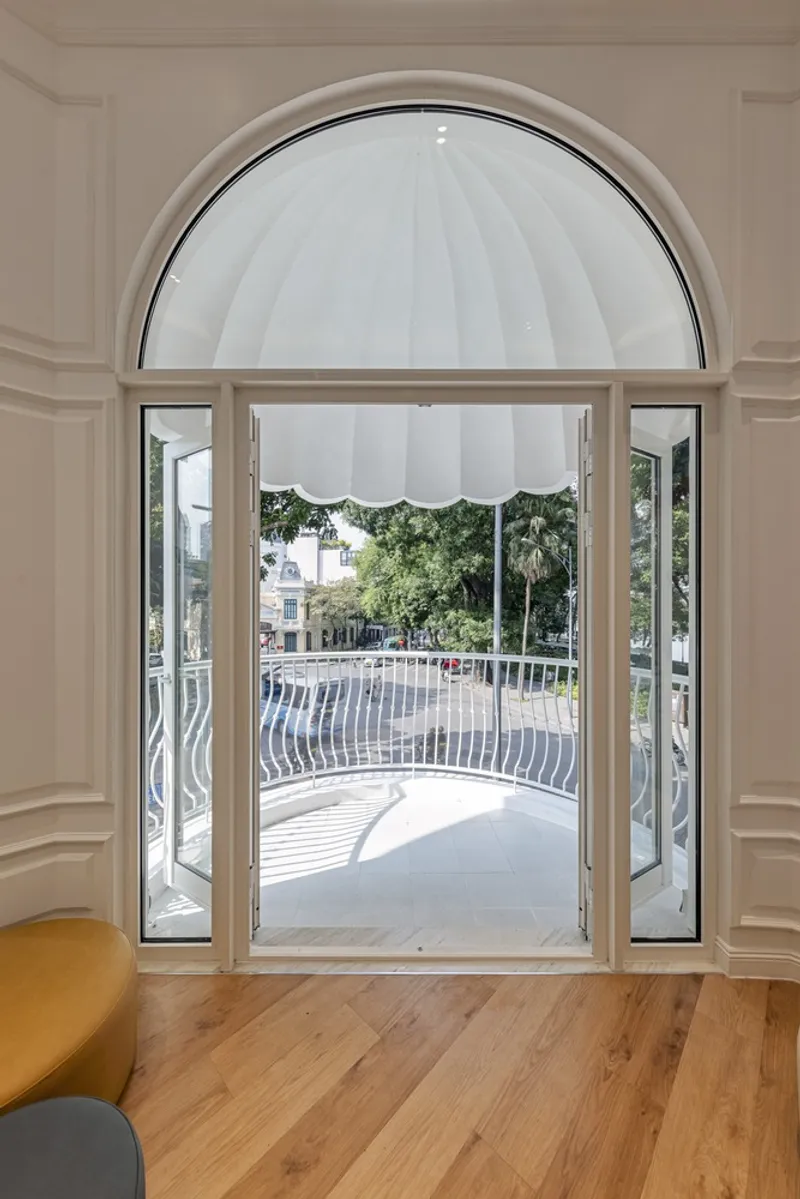
Incorporation of Local Artisanal Heritage
The design leveraged the history of dedicated artisans and handicrafts that once flourished in the area. This influence is evident in the store's interior, which features elements that pay homage to the local craftsmanship, creating a space that is both functional and culturally respectful.
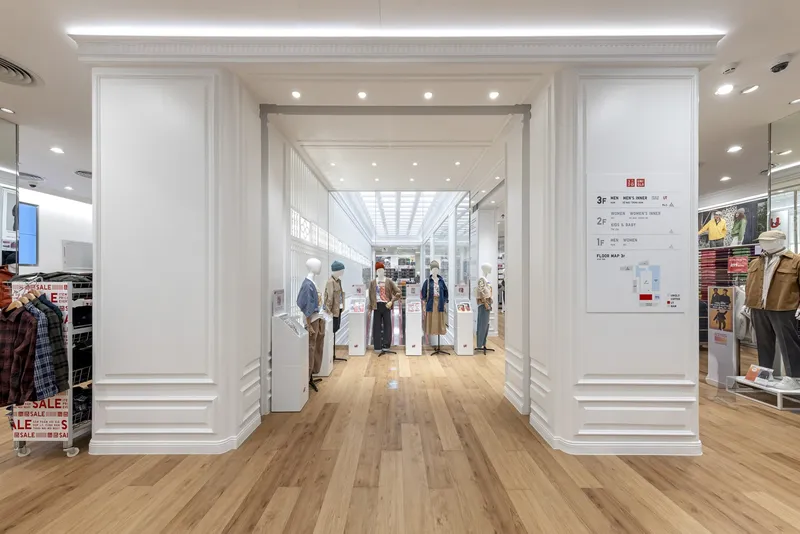

Sustainable and Adaptive Reuse
Preserving Architectural Heritage
The project exemplifies adaptive reuse architecture by preserving and enhancing a historical building for modern use. This approach not only conserves cultural heritage but also promotes sustainability by reducing the need for new construction materials and minimizing environmental impact.
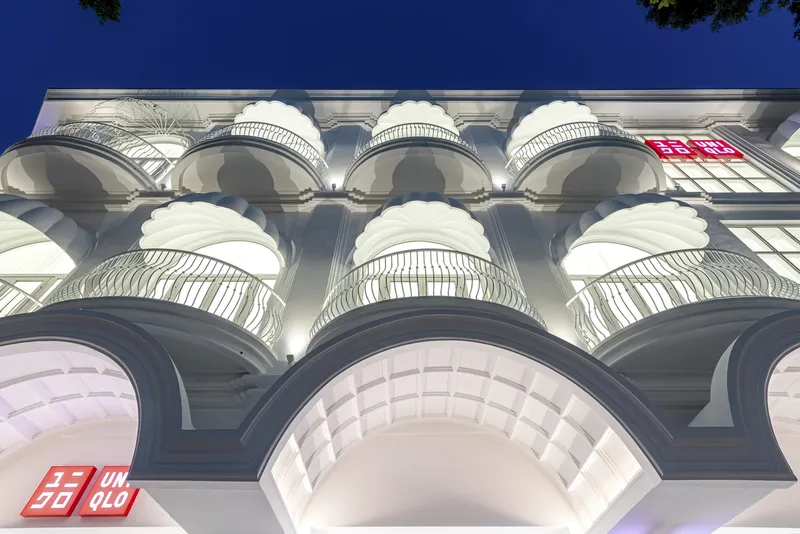
Functional Design
The store's design prioritizes functionality while maintaining historical aesthetics. The adaptive reuse of the building ensures that it meets contemporary retail needs without compromising its historical significance.
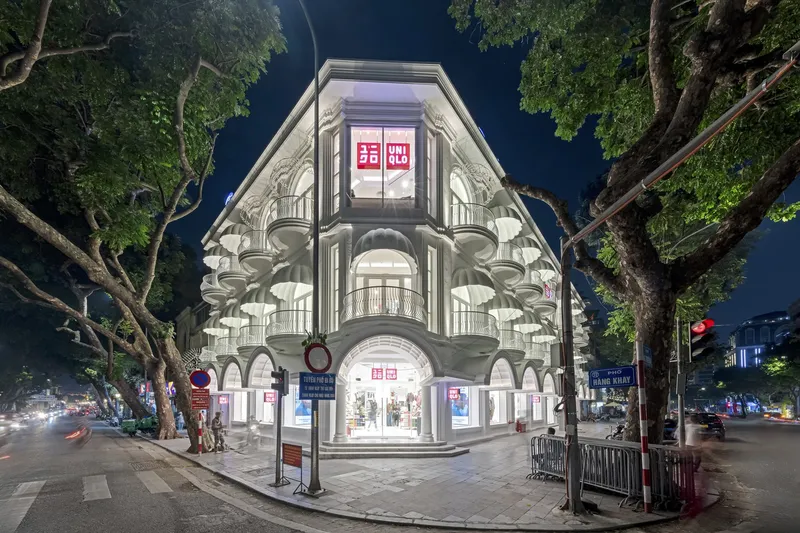
The Uniqlo Flagship Store in Hanoi, designed by RED DESIGN GROUP - VIETNAM, is a stellar example of adaptive reuse architecture. By blending modern retail design with historical preservation, the project sets a benchmark for future architectural endeavors in Hanoi. It demonstrates how contemporary needs can be met while respecting and preserving cultural heritage, making it a significant addition to Hanoi's architectural landscape.




Popular Articles
Popular articles from the community


Conexión: Biophilic Design Reimagines High-Rise Living in Hong Kong
Conexión reimagines high-rise living in Hong Kong through biophilic design, green facades, shared spaces, daylight, water and nature within.
AL-JANNAH: Sustainable Architecture and Permaculture for Afghan Widows
AL-JANNAH uses sustainable architecture and permaculture to create resilient oasis of housing, learning, work and renewal for Afghan widows.

The Ocean Hive: Sustainable Architecture for a Self-Sufficient Civilization at Sea
The Ocean Hive imagines sustainable architecture at sea, where modular habitats, algae, wave power and ocean waste sustain a growing colony.

The Musturak Paradise: Senior Living Architecture for a Connected Future in Temara, Morocco
The Musturak Paradise reimagines senior living architecture in Temara via private homes, social spaces, culture, community, and shared care.


Similar Reads
You might also enjoy these articles


Hodi-Mandai Geram
Project Function: Preservation and revitalization of the Intangible heritage and socio-spatial identity of the Hodi by Housing, Cultural Memory Center, Sacred Grove, landscape, local tourism economy


Olio Towers: A Mid-Rise for Performers That Fuses Housing, Rehearsal, and Stage
Located blocks from Houston's Theater District, this modular tower stacks living units around a central performance atrium.

Oasis: Modular Green Housing Carved into Dhaka's Urban Fabric
A shortlisted Plugin Housing entry reclaims unauthorized settlements in Dhaka with stepped concrete volumes, green roofs, and ventilation-driven design.

Black Hole: A Floating Megastructure for the Post-Physical Era
Emiliano Mazzarotto envisions a spherical, self-scaling arena where e-sports, digital hotels, and holographic stadiums replace traditional public space.


Explore Architecture Competitions
Discover active competitions in this discipline



Challenge to reimagine the Iron Throne


Photograph architecture without architects


Illustrate the lost glory of Angkor Wat - Render Challenge


Design challenge to reuse E-waste
Comments (0)
Please login or sign up to add comments
No comments yet. Be the first to comment!