

Adaptive Reuse Architecture in Vienna: The Transformation of Gösserhalle
This article explores the adaptive reuse of Vienna's Gösserhalle, blending historic preservation with modern design for office and restaurant use.


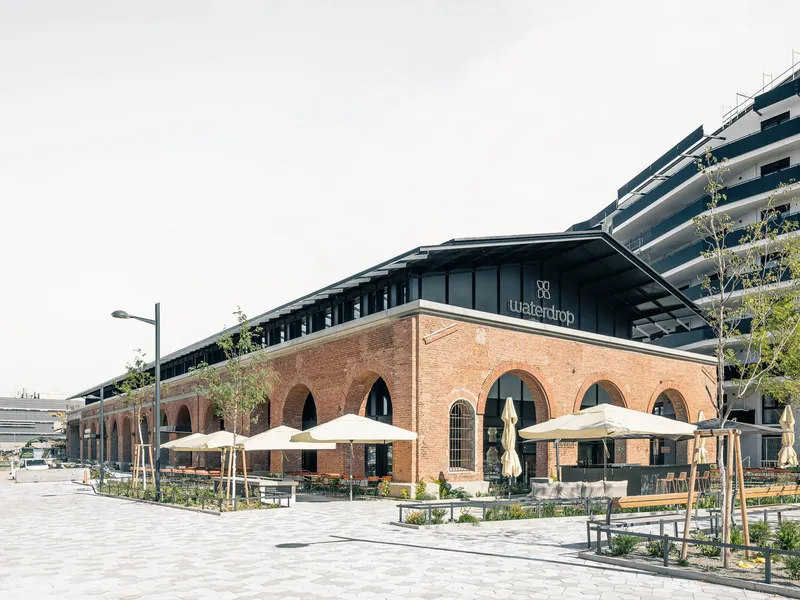
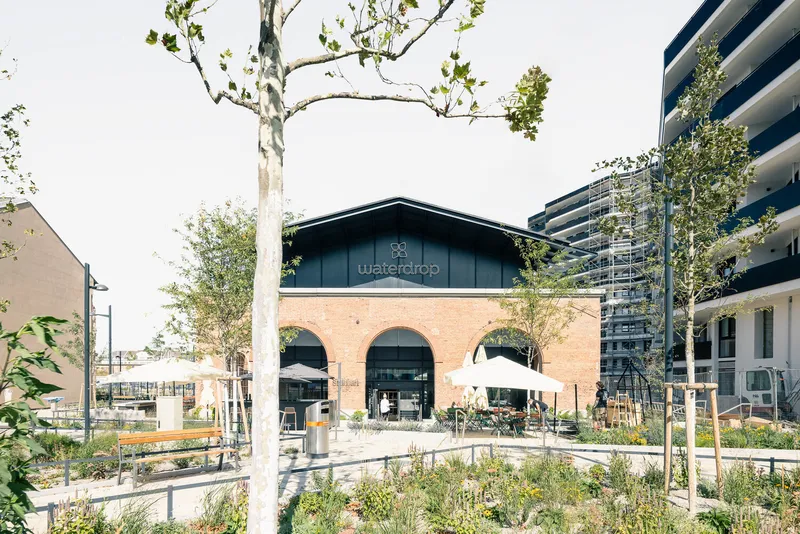
The Gösserhalle, a landmark structure in Vienna’s 10th district, represents a stellar example of adaptive reuse architecture. Originally constructed as a workshop by ÖBB before 1900 and later repurposed as a beer warehouse, the building has undergone a significant transformation under the guidance of AllesWirdGut Architektur.
Historical Context and Initial Condition
Preserving the Industrial Legacy
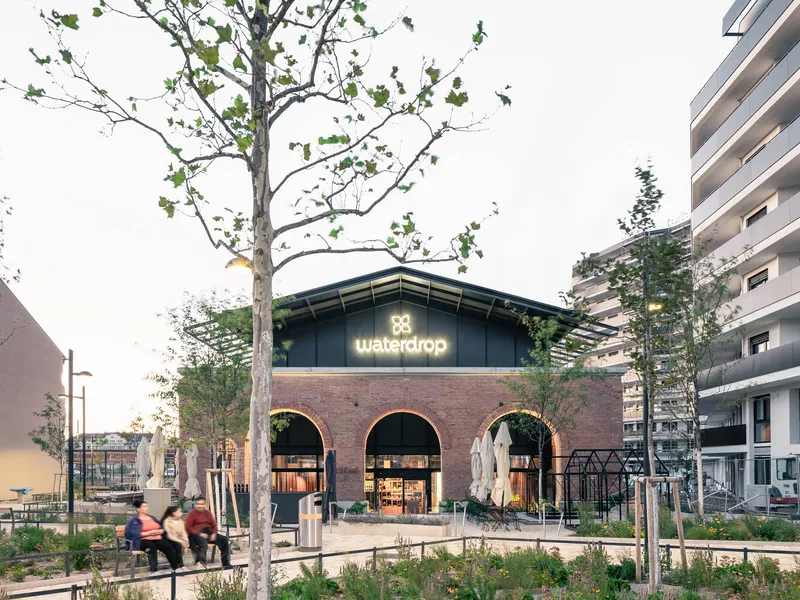
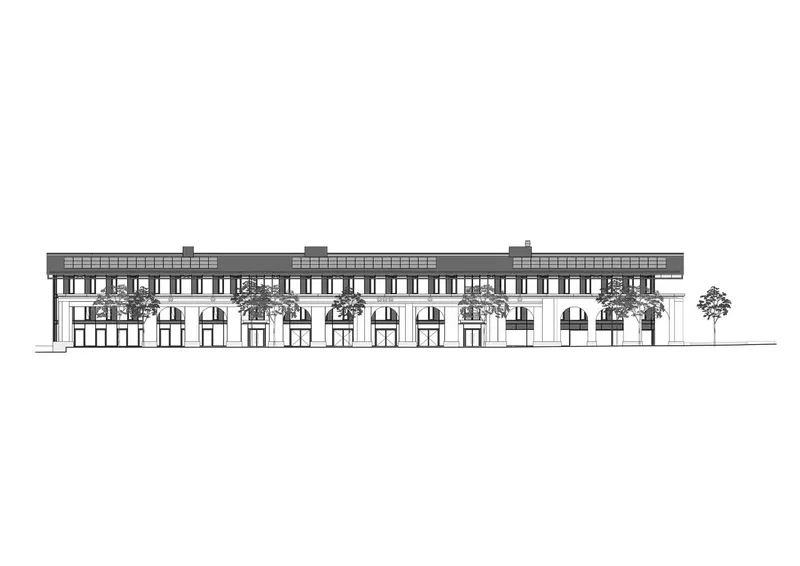
Gösserhalle’s industrial past, with its distinct clinker-clad wide arches, has been a defining feature of the urban landscape of Favoriten. This historical identity was not only preserved but also enhanced to meet contemporary needs without losing its architectural essence.
Design and Execution
Balancing History with Modernity
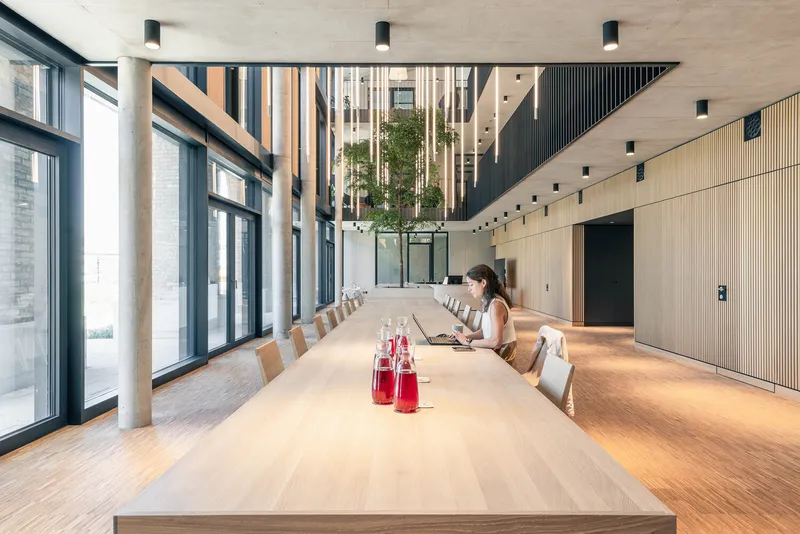
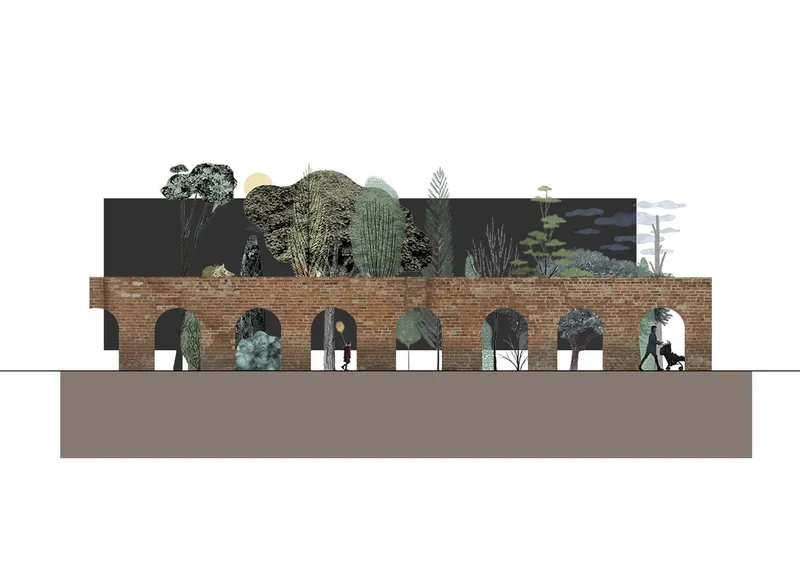
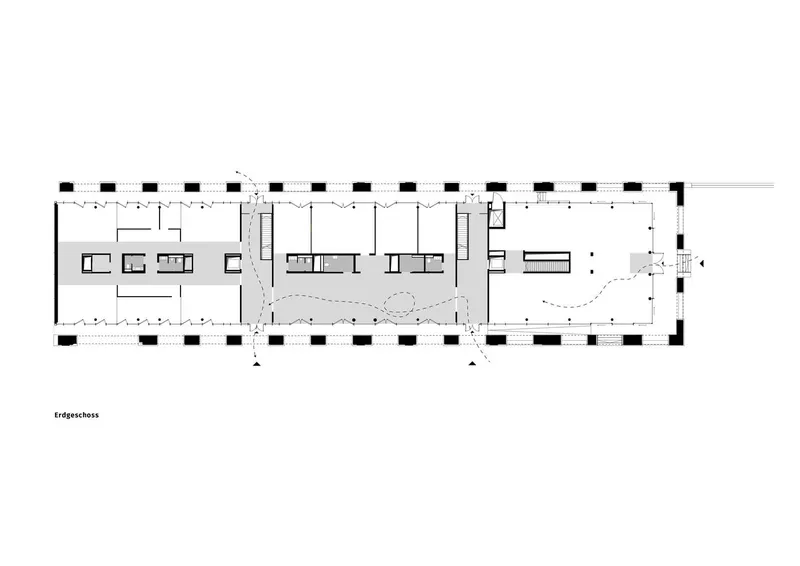
The project embarked on a radical intervention while respecting the building's historical fabric. The existing walls were retained, but the roof was replaced to accommodate a new three-story structure for offices and a restaurant. This approach preserved the historical façade while integrating modern functionalities.

Innovative Use of Space
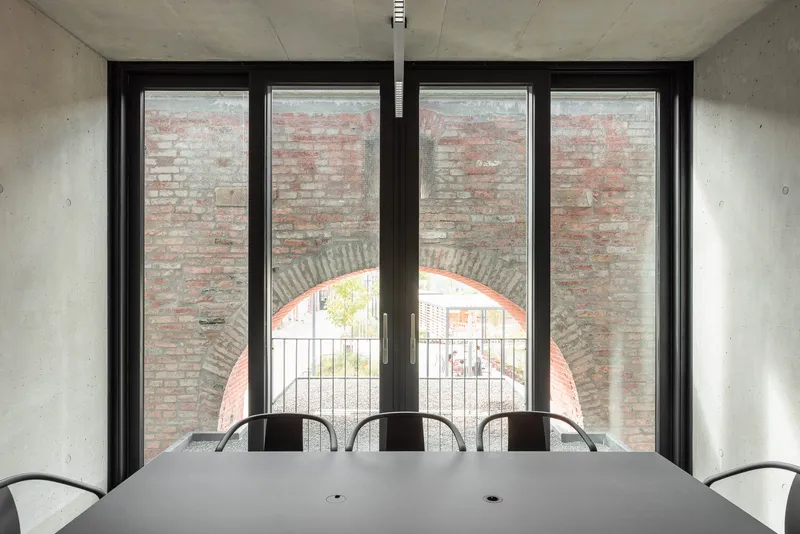
A key feature of the Gösserhalle conversion is the three-meter interval created between the old building depth and the new structure. This space introduces a dynamic tension and serves as a versatile area that blends design, ecology, and economy.

Material and Construction Techniques
Eclectic Material Mix
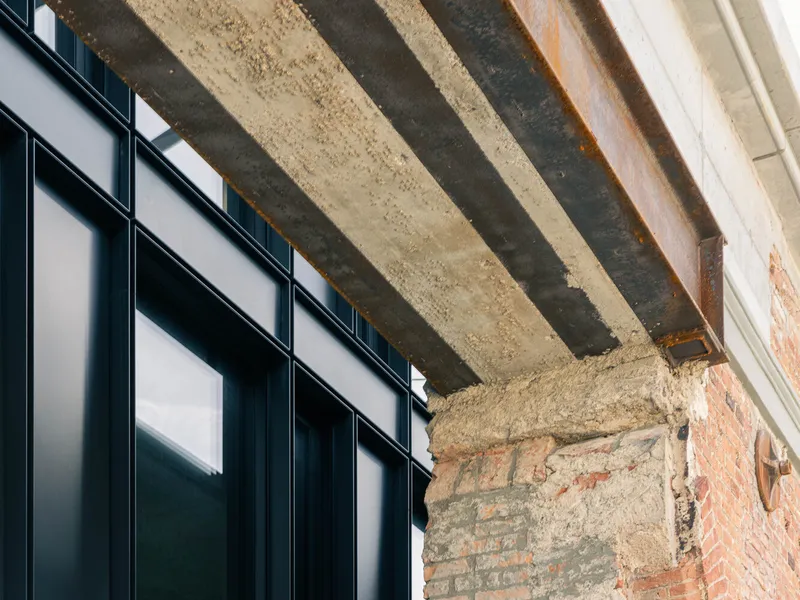
The use of prefabricated modular elements along with a mix of wood, clinker, and metal underscores the project's commitment to sustainable and efficient construction practices. This material strategy not only respects the building's past but also introduces a resilient and contemporary architectural language.


Impact and Significance
Enhancing Urban Fabric
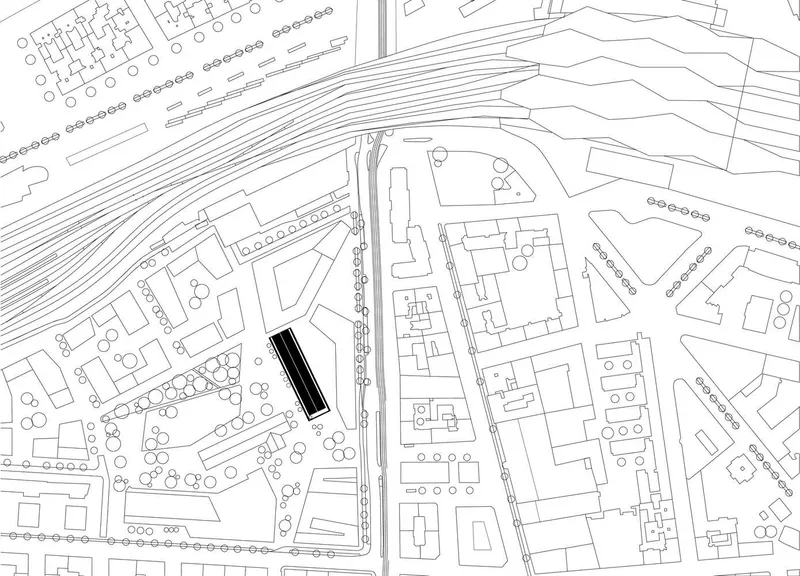
The Gösserhalle now stands as a model of adaptive reuse in Vienna, showcasing how old industrial buildings can be transformed into vibrant urban spaces. The project serves multiple functions, from enhancing the city's architectural heritage to providing modern workspaces and leisure environments.
A New Urban Milestone
The transformed Gösserhalle is more than just a building; it's a revitalization of space that fosters community interaction and serves as a bridge between Vienna’s historical past and its dynamic future. It has become a focal point for both social and professional engagements in the district.

A Benchmark for Adaptive Reuse
The transformation of Gösserhalle by AllesWirdGut Architektur is a benchmark for adaptive reuse architecture in Vienna. It illustrates the potential of architectural innovation to repurpose historical buildings in a way that respects their past while making them relevant for the future. This project sets a precedent for similar urban redevelopment efforts globally, showcasing the seamless integration of old and new.



All photographs are work of Tschinkersten Fotografie


Popular Articles
Popular articles from the community


Manzana Morphosis: Stretching Barcelona's Grid into a Living Landscape for 2050
A radical reworking of the Eixample manzana turns density into a tool for generous public space, vertical ecology, and environmental performance.

The Amber Palace Opera: A Geological Fiction Surfaces on Tallinn's Baltic Waterfront
Pierre Brillard reimagines a Baltic legend as a public landscape, opera house, and waterfront promenade rooted in Tallinn's coastal identity.

Tsunami Convergenics: Turning Catastrophic Ocean Forces into Underwater Housing Infrastructure
A speculative underwater settlement off the coast of Onagawa, Japan, treats tsunamis and typhoons as energy sources rather than threats.

Cloaked Colonization: A Mobile Underwater Habitat That Moves Like a Fish
Micah Abaya's shortlisted EHC Pacific entry reimagines ocean settlement as a dispersed network of self-sustaining architectural organisms.

Similar Reads
You might also enjoy these articles

Bamboo Housing Challenge 2026: Design Affordable, Sustainable Homes Using Bamboo
An international design competition by Bamboo U and IBUKU inviting architects and designers to reimagine affordable housing using bamboo — with the winning design built full-scale in Bali.

Computational Design & Education: Beegraphy Design Awards Introduces 7th Category (Featuring Jiyun's Innovative Approach)
Dive into Beegraphy’s 7th Design Awards category, where computational design meets education to create immersive, interactive learning tools, inspired by Jiyun’s work.

From Parametric Lighting to Urban Furniture: Join the 2nd Workshop in Beegraphy’s Computational Design Series
Dive into Cutting-Edge Design Techniques and Practical Applications with Industry Experts

Last Call: Unleash Your Architectural Genius in SHAK's Kindergarten Design Competition
Urgent call for architects to join SHAK's kindergarten design competition before the looming deadline

Explore Adaptive Reuse Competitions
Discover active competitions in this discipline

Challenge to reimagine the Iron Throne

Photograph architecture without architects

Illustrate the lost glory of Angkor Wat - Render Challenge

Design challenge to reuse E-waste
Comments (0)
Please login or sign up to add comments
No comments yet. Be the first to comment!