
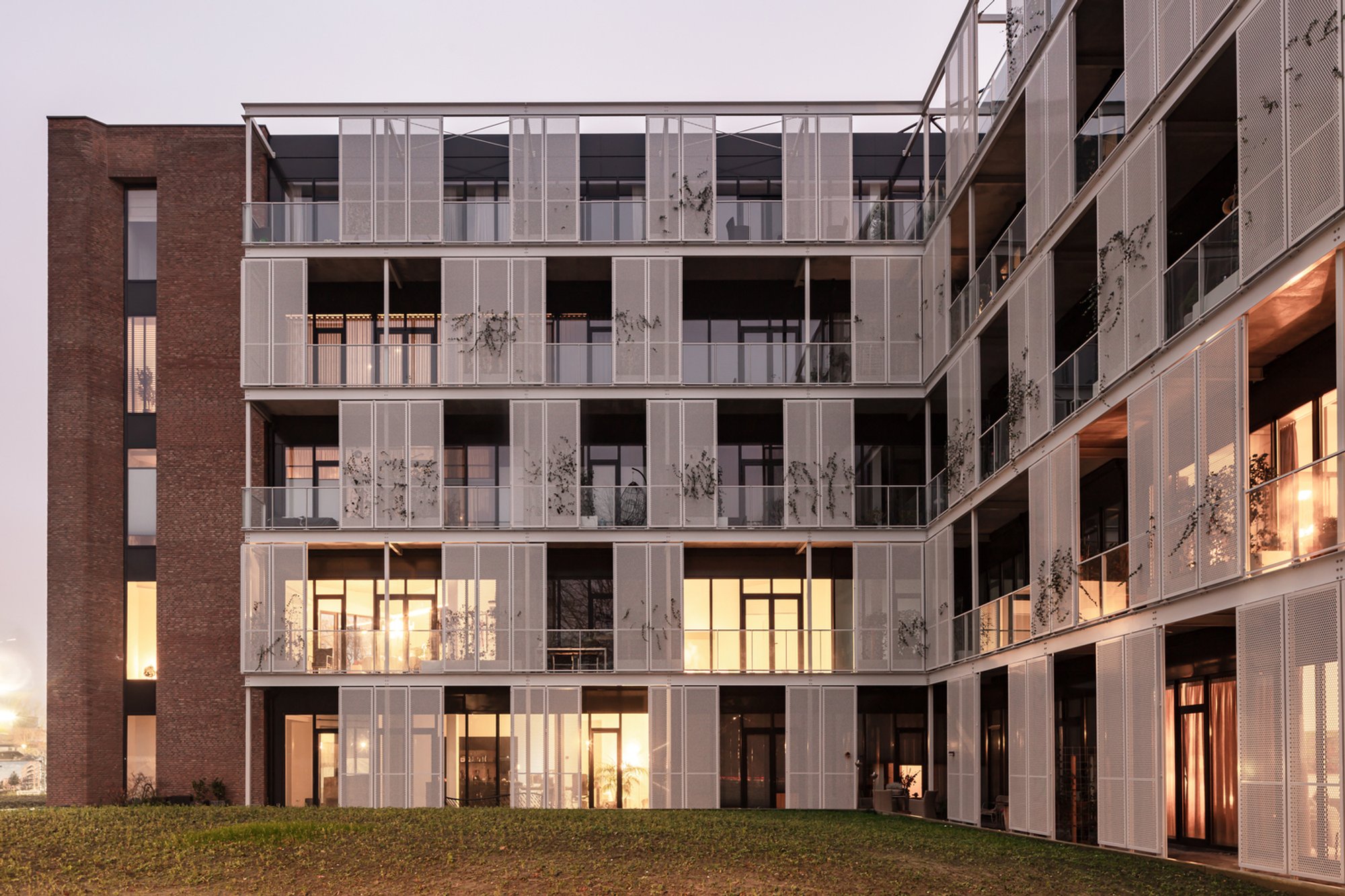
Adaptive Reuse Architecture: Transforming Cosun 1/Suikerunie Apartments by EVA Architecten
The article explores the adaptive reuse of Cosun 1 by EVA Architecten, transforming a historic office into sustainable apartments.

Adaptive reuse architecture has emerged as a cornerstone in sustainable design, enabling buildings to gain new purpose while retaining historical significance. A prime example of this approach is the transformation of Cosun 1/Suikerunie Apartments in Breda, The Netherlands. Led by EVA Architecten, this project showcases the perfect blend of historical preservation, contemporary design, and sustainable innovation.
History of Cosun 1/Suikerunie
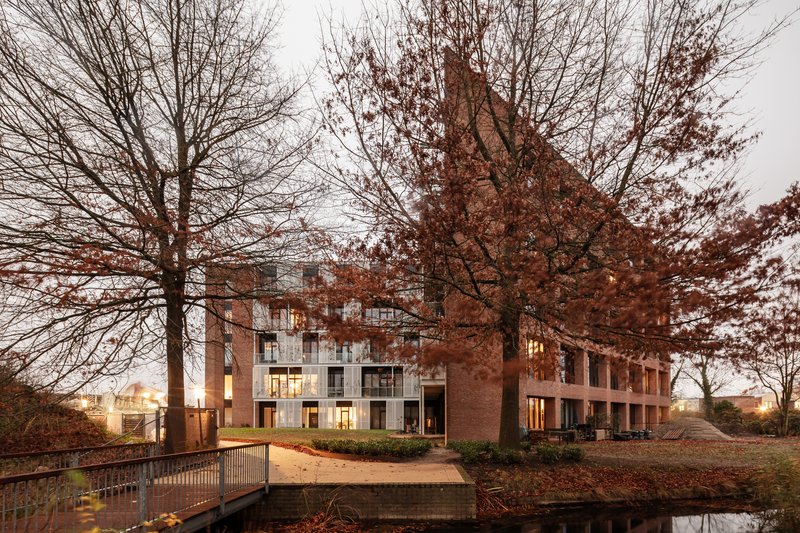
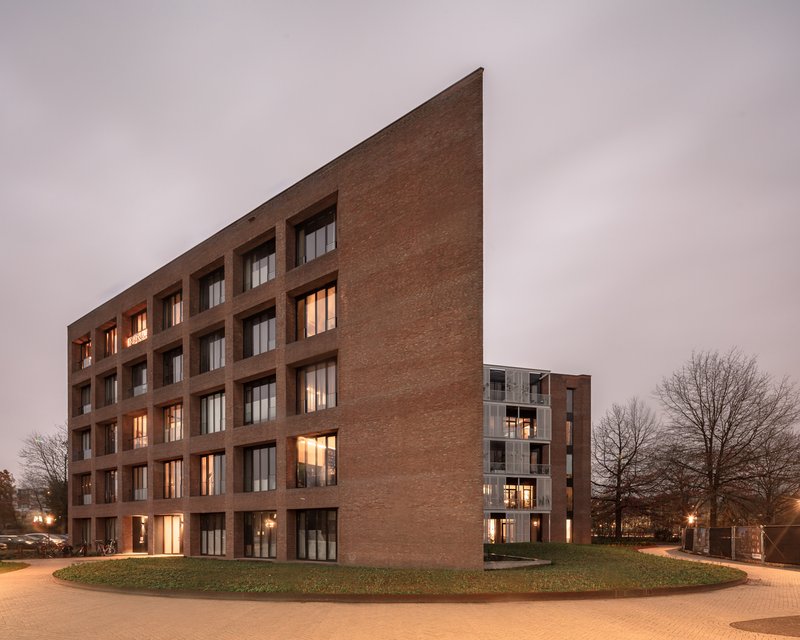
The story of Cosun 1 begins in the 1970s when the Koninklijke Coöperatieve Cosun U.A. (Suikerunie or Dutch Sugar Union) commissioned Wim Quist to design a head office in Breda. The site, located on the western edge of Breda, was developed with a distinct park-like setting. The original office building, completed around 1975, stood out for its modernist cube design, masonry facades, and high-tech glass details.
For decades, the building remained a landmark. However, by 2011, the Suikerunie vacated the premises, leaving the structure underutilized. With urban development transforming the surrounding area into residential zones, a decision was made to revitalize the Cosun site through adaptive reuse, marking the first step in its journey to becoming a vibrant residential area.
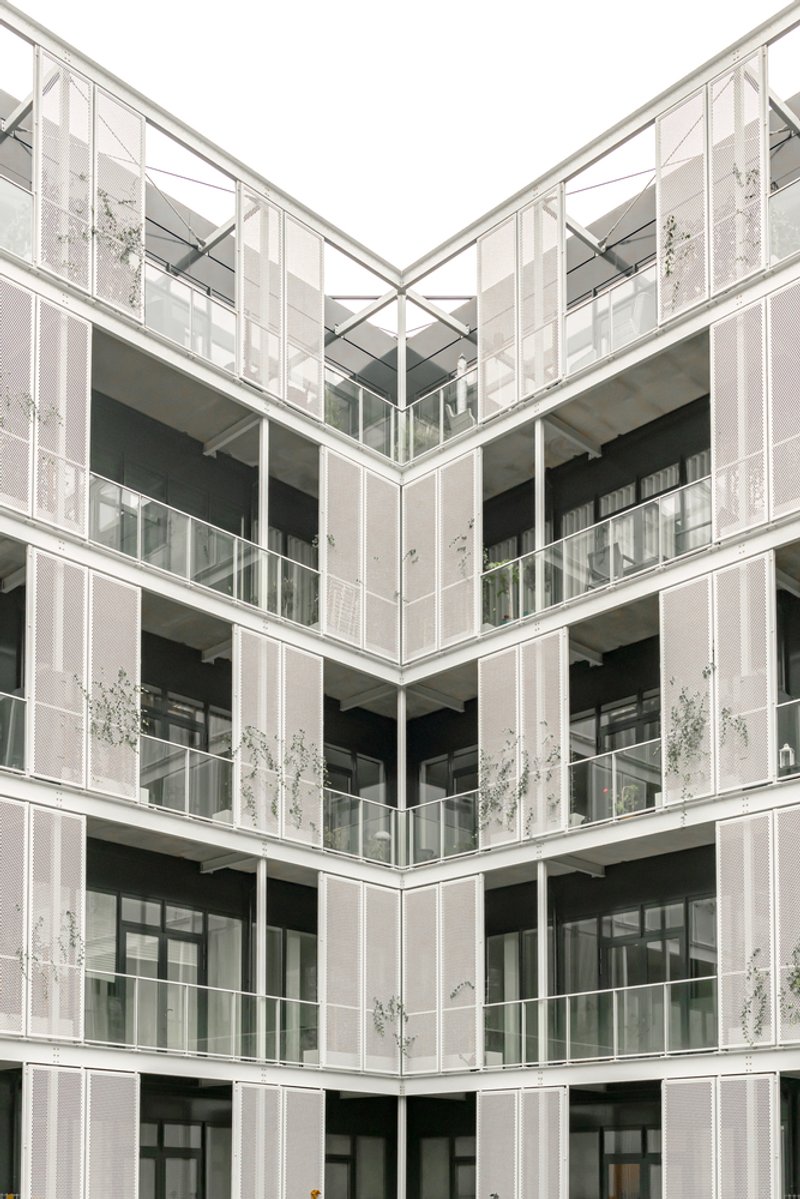
Adaptive Reuse in Action: The Design Transformation
Maintaining Historical Integrity
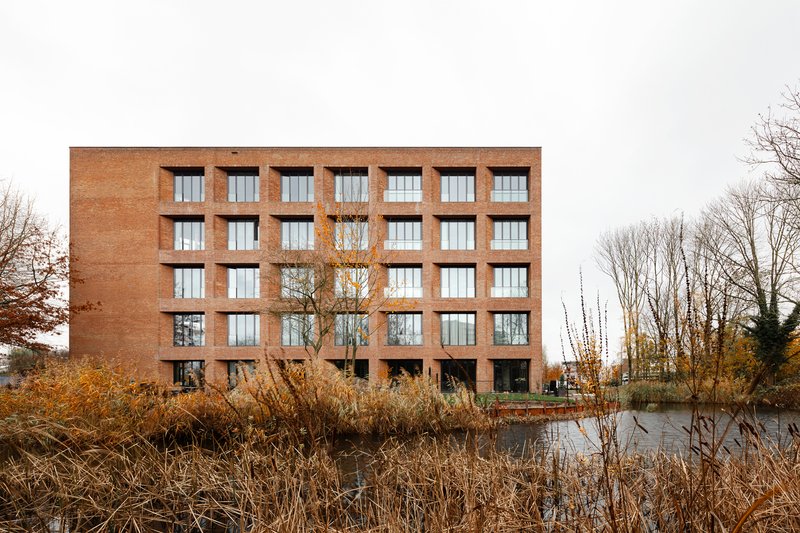
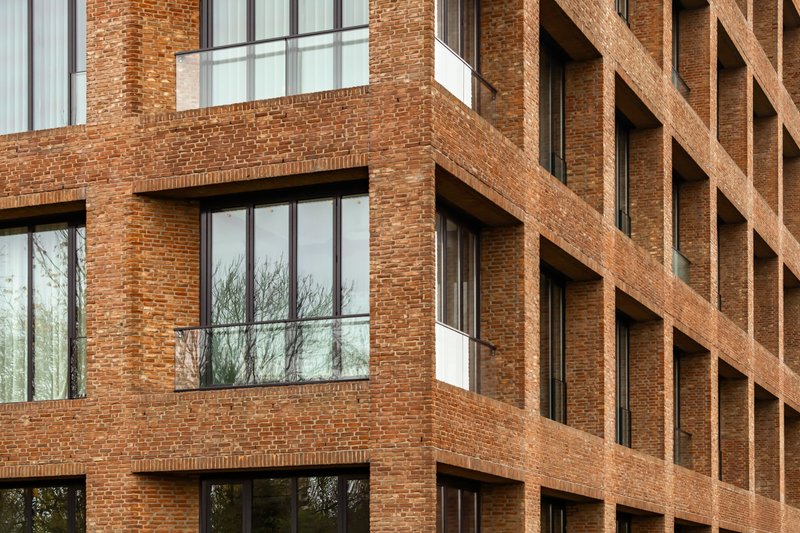
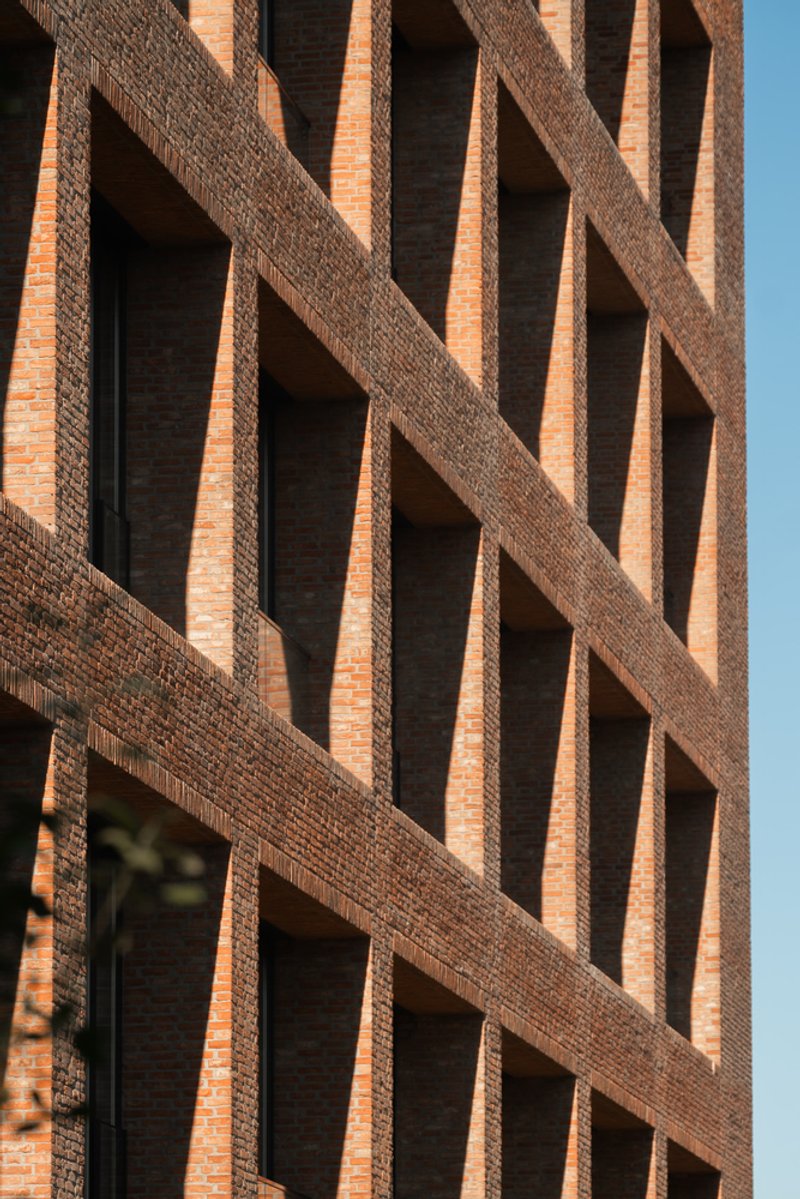
EVA Architecten began by consulting extensive historical documentation and collaborating with the original architect, Wim Quist, to ensure the transformation respected the building's cultural significance. The cube-shaped building, characterized by its deep masonry recesses and high-tech facade, served as a foundation for the adaptive reuse plan.
Key aspects of the original design—such as the contrast between heavy masonry and light, glass elements—were preserved while updating the structure for residential use.
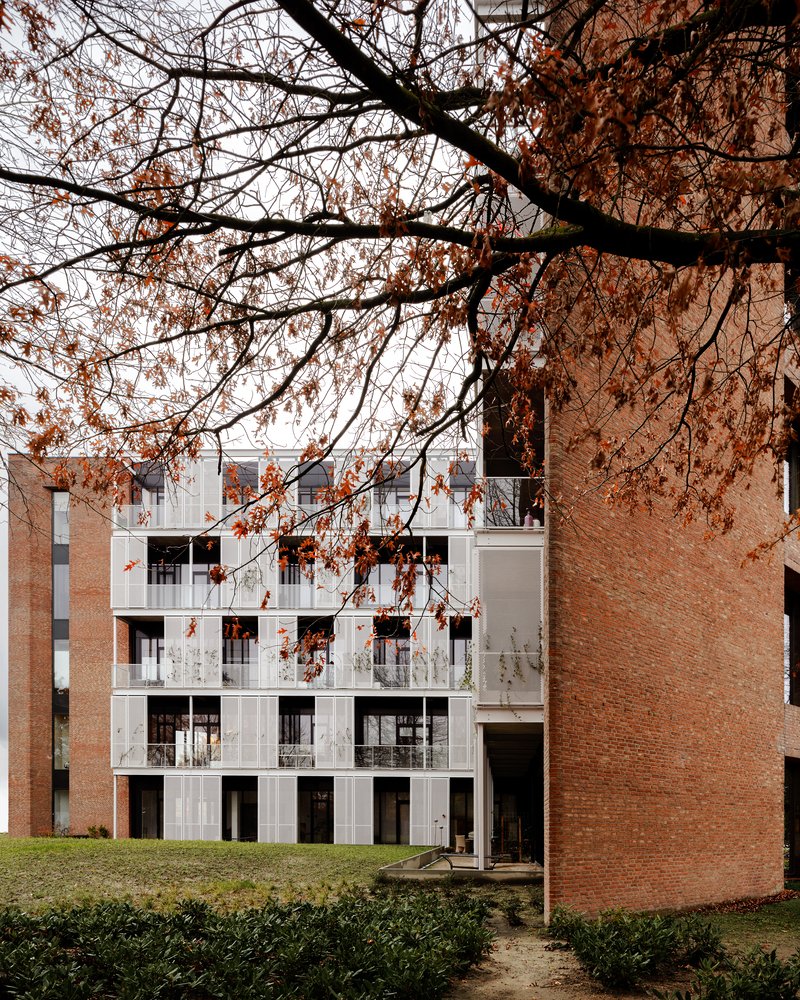
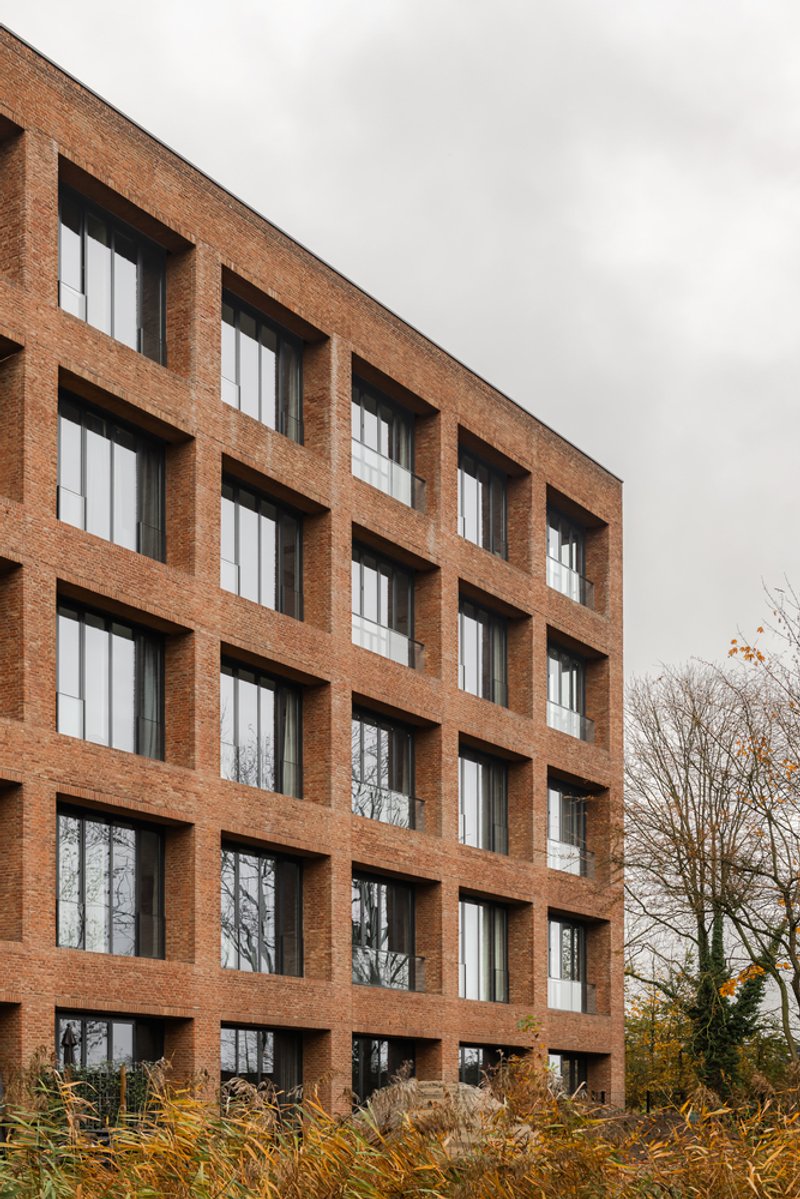
A Contemporary Residential Vision
The transformation introduced a wide range of apartment types, from compact 60 m² units to spacious 150 m² homes. The nearly 4-meter floor heights, a hallmark of its office origins, enabled the creation of open, airy interiors. To enhance functionality, the basement and rooftop were activated, introducing double-height spaces and accessible roof gardens.
Outdoor spaces, crucial for modern living, were seamlessly integrated. Winter gardens and sun-shielding features were designed to maintain the rhythm and expressiveness of the facade.
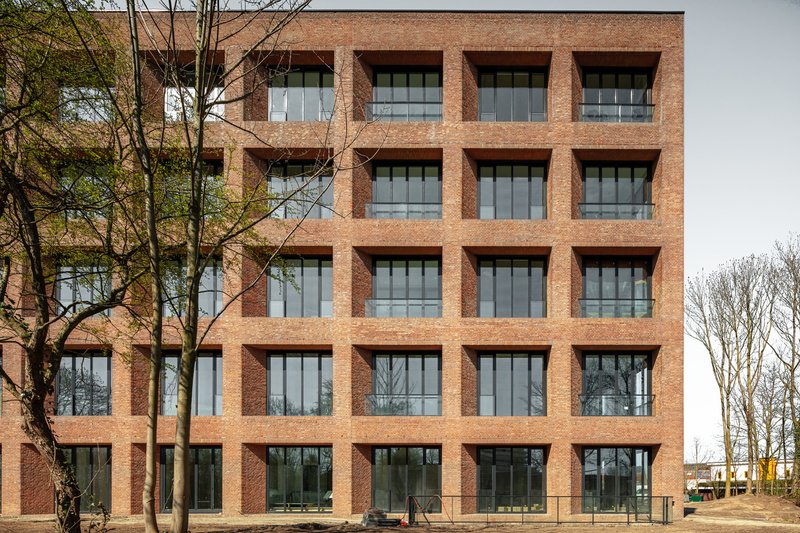
Key Features of the Adaptive Reuse Design
1. The Facades
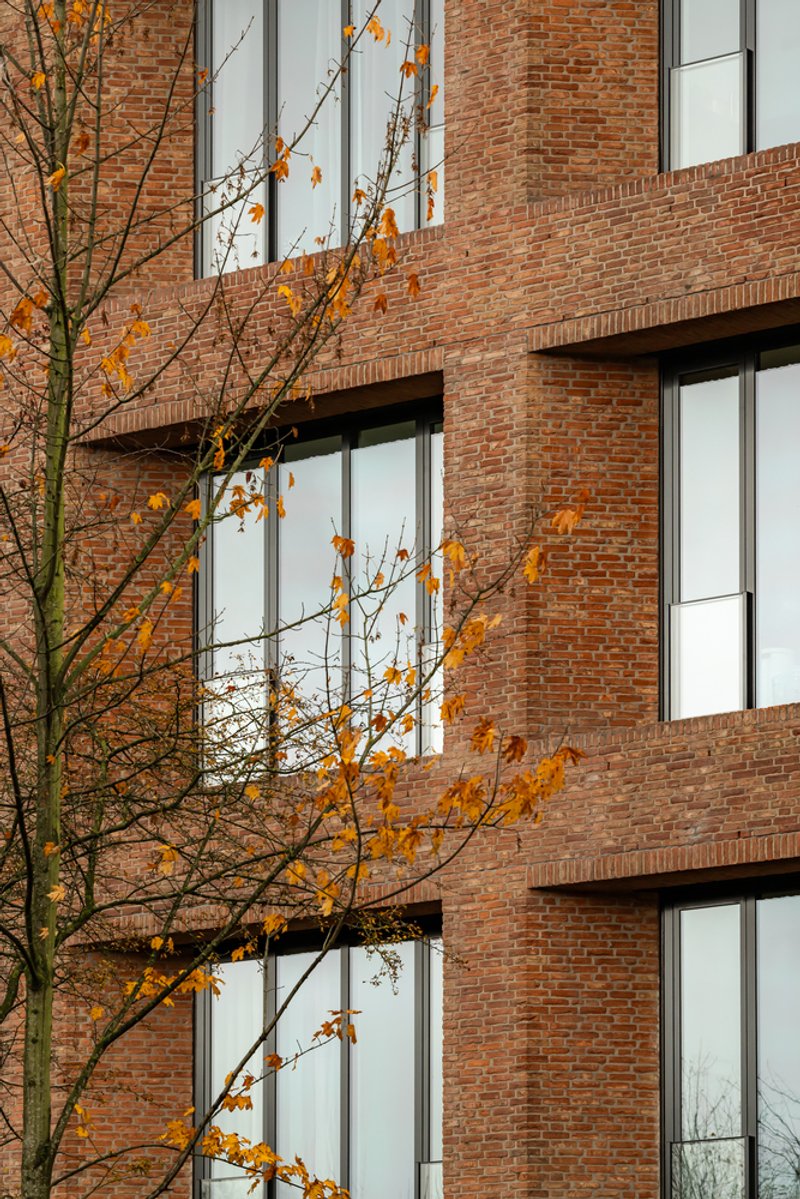
Preserving the building's iconic facade was paramount. EVA Architecten replaced the original non-operable windows with modern, floor-to-ceiling frames featuring a four-part division. These updates ensured consistency while improving usability.
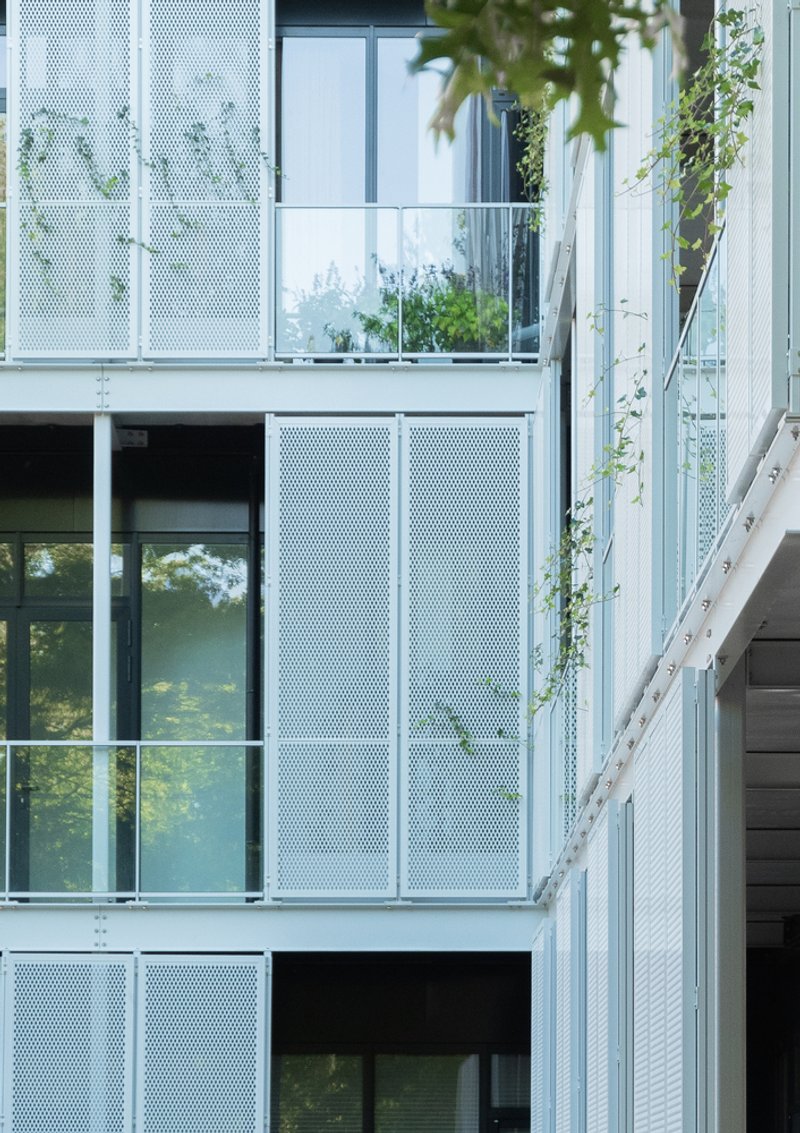
The "cut" facade, originally characterized by its layered high-tech aesthetic, was redesigned with perforated steel screens that support climbing plants. This added greenery creates a lush interior environment contrasting with the masonry's solidity.
2. Interior Spaces
The adaptive reuse design prioritized flexibility and functionality. Partition walls and suspended ceilings from the office layout were removed, allowing for open-plan living spaces. This created an impressive variety of apartment layouts while maintaining the structural integrity of the core and columns.
3. Sustainability and Energy Efficiency
Adaptive reuse architecture is inherently sustainable, and Cosun 1 exemplifies this principle. The building meets new construction energy standards through enhanced insulation, heat-cold storage systems, and smart installations. Reusing the existing structure reduced construction waste, further emphasizing environmental responsibility.
The Role of Adaptive Reuse in Urban Development
Adaptive reuse architecture like Cosun 1/Suikerunie Apartments plays a vital role in modern urban planning. It offers a sustainable alternative to demolition, preserves cultural heritage, and revitalizes underutilized spaces for contemporary needs. By transforming this office building into a vibrant residential hub, EVA Architecten not only honored the site's history but also contributed to a more sustainable urban future.
The Cosun 1/Suikerunie Apartments project is a shining example of adaptive reuse architecture, demonstrating how thoughtful design can breathe new life into a historical structure. By blending past and present, preserving key design elements, and prioritizing sustainability, EVA Architecten has set a benchmark for future transformations.
As urban landscapes evolve, projects like this highlight the potential of adaptive reuse architecture to create spaces that are not only functional and modern but also respectful of their historical roots.
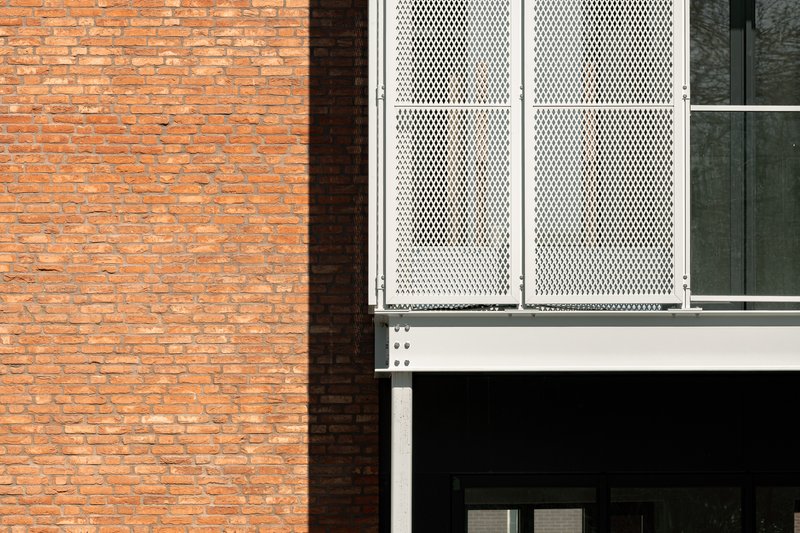
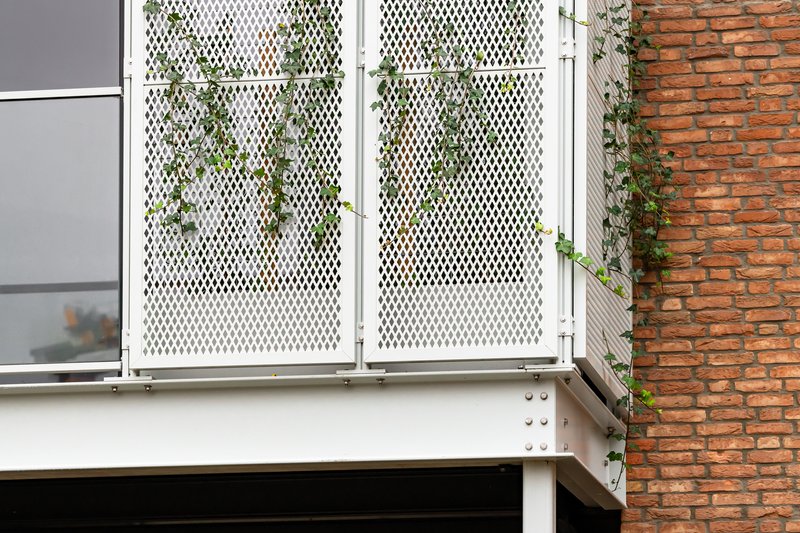
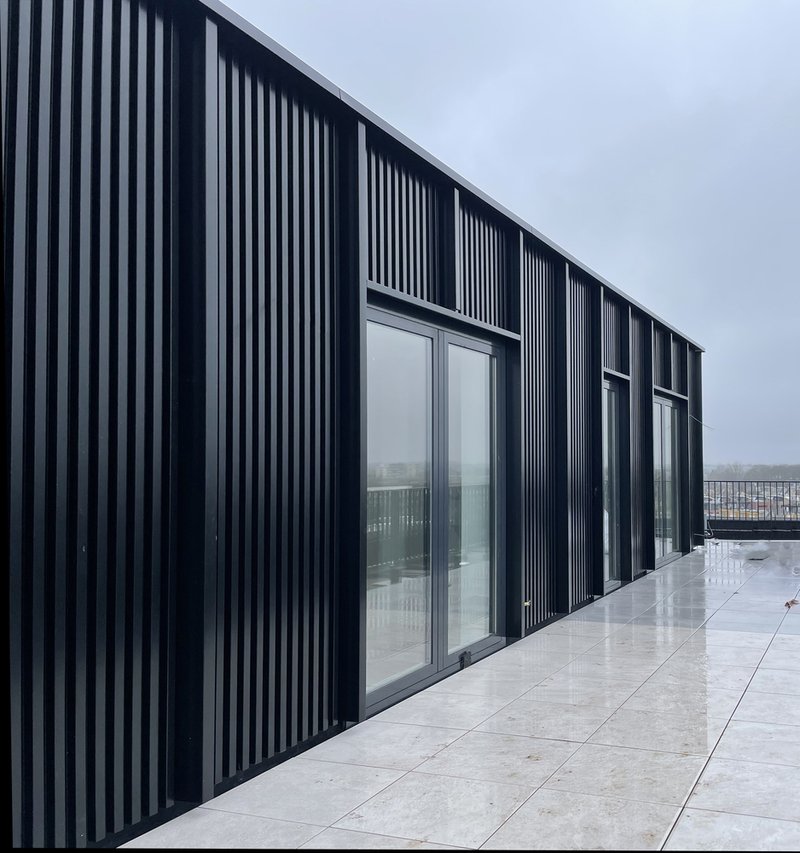
All photographs are work of Sebastian van Damme




Popular Articles
Popular articles from the community

IDIN Architects Wraps a Hua Hin Hotel Around a Private Courtyard to Escape the City
Dusit D2 Hua Hin turns an urban infill site in Thailand's family vacation heartland into a self-contained resort through courtyard planning.
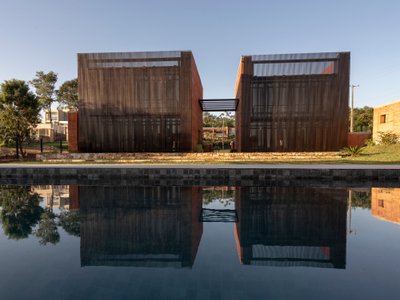
BAUEN Builds Two Rammed Earth Volumes in Paraguay Inspired by the Ovenbird's Nest
In San Bernardino, a house of compacted earth channels the instinct of a constructive bird to shelter life from the Paraguayan summer.
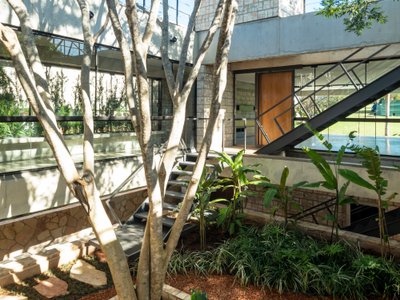
OMCM arquitectos Builds a Summer House in Paraguay from Quarry Waste Blocks and Three Sacred Trees
In the young hillside neighborhood of Altos, a 696-square-meter concrete volume hovers on six pillars around three preserved native Yvyraju trees.
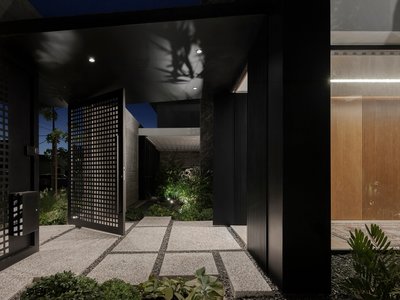
Constanti Architects Builds a Fortress of Privacy in Nicosia with House 345
A concrete and timber residence in Cyprus reinterprets the traditional introverted courtyard house for a new urban landscape.


Similar Reads
You might also enjoy these articles

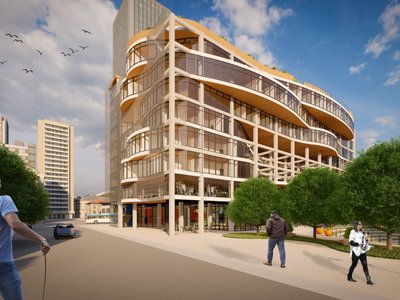
Olio Towers: A Mid-Rise for Performers That Fuses Housing, Rehearsal, and Stage
Located blocks from Houston's Theater District, this modular tower stacks living units around a central performance atrium.
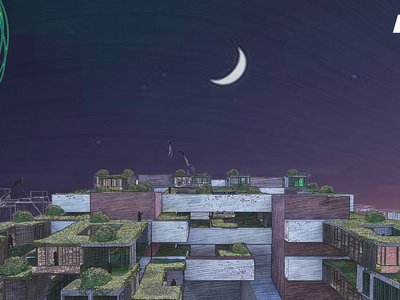
Oasis: Modular Green Housing Carved into Dhaka's Urban Fabric
A shortlisted Plugin Housing entry reclaims unauthorized settlements in Dhaka with stepped concrete volumes, green roofs, and ventilation-driven design.

Black Hole: A Floating Megastructure for the Post-Physical Era
Emiliano Mazzarotto envisions a spherical, self-scaling arena where e-sports, digital hotels, and holographic stadiums replace traditional public space.
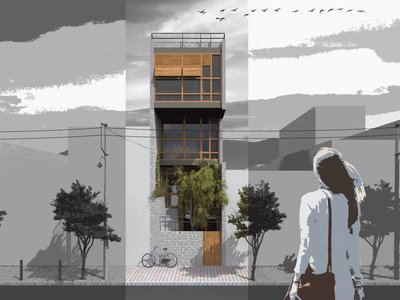
Compact & Sustainable Living in Piraeus: A Four-Level Family Home Built Around Light and Air
A narrow townhouse in one of Greece's densest port cities uses a central atrium and passive strategies to house three generations under one roof.


Explore Residential Building Competitions
Discover active competitions in this discipline




The International Standard for Design Portfolios


The Global Benchmark for Architecture Dissertation Awards


The Global Benchmark for Graduation Excellence

Challenge to design mud housing for contemporary communities
Comments (0)
Please login or sign up to add comments
No comments yet. Be the first to comment!