
Adaptive Reuse Interior Design: Transforming the Wentz Furniture Studio
This article explores the Wentz Furniture Studio's transformation in Brazil, showcasing adaptive reuse interior design by Marina Miot Arquitetura.


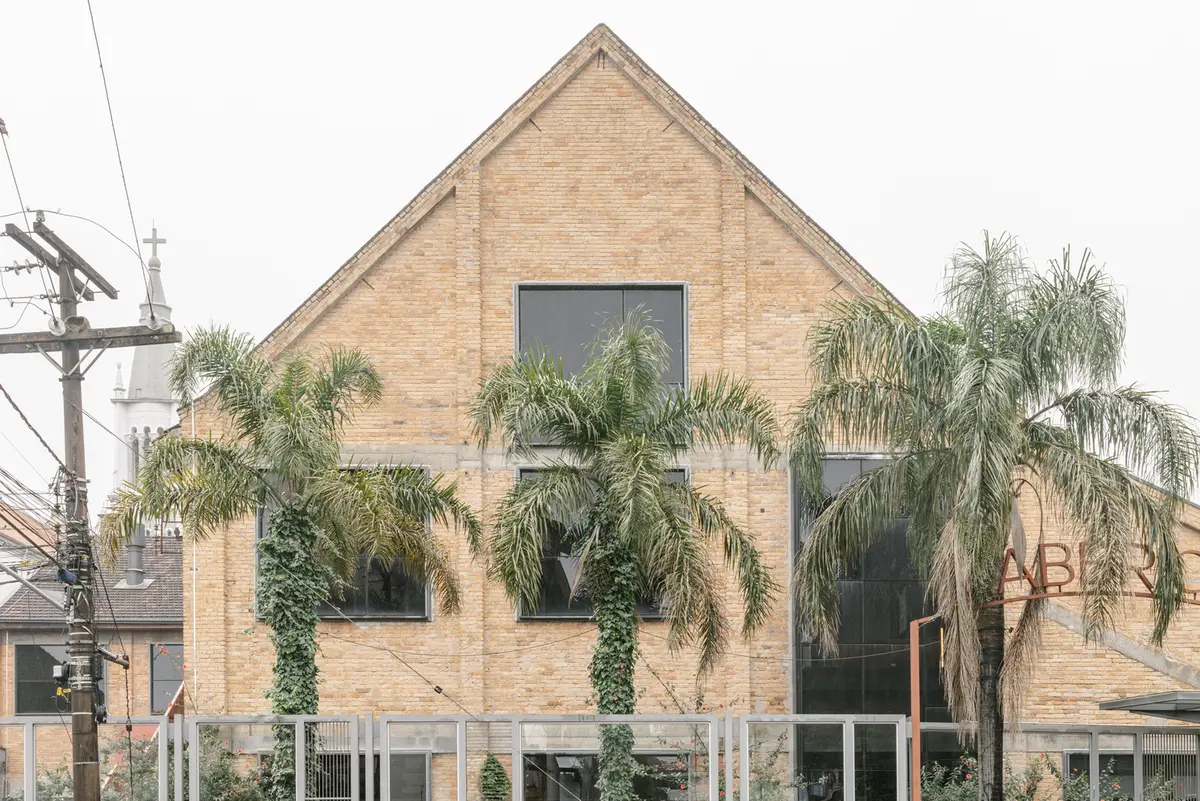
In the heart of Caxias do Sul, Brazil, the Wentz Furniture Studio stands as a testament to the power of adaptive reuse interior design. Spearheaded by Marina Miot Arquitetura, this project breathes new life into a 1940s industrial pavilion, marrying historical charm with contemporary living.
The Vision Behind Wentz Furniture Studio
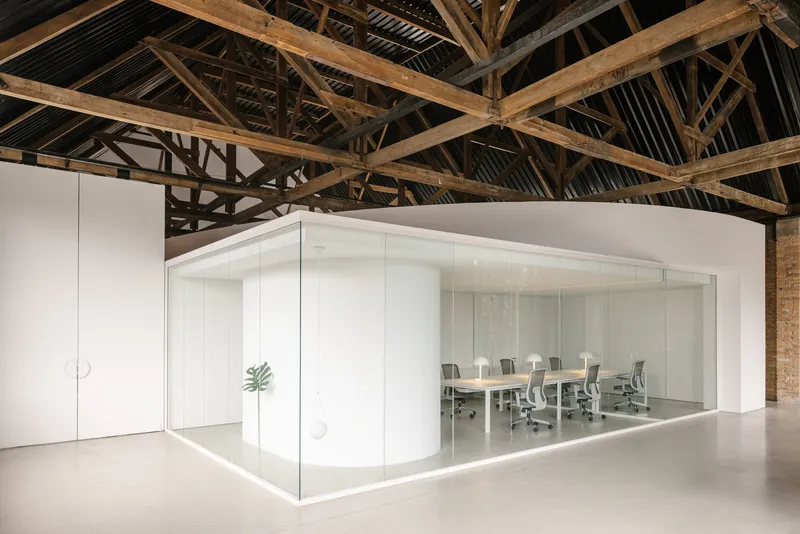
Wentz, a Brazilian brand renowned for its furniture, lighting, and accessories, aims to infuse naturalness and simplicity into everyday living. Their products, characterized by a harmonious blend of simplicity and functionality, reflect a contemporary aesthetic with tropical vibes. The restoration of the Wentz Furniture Studio by Marina Miot from Rio Grande do Sul encapsulates this ethos, transforming a piece of industrial heritage into a vibrant hub for creativity and design.


Preserving the Essence of History
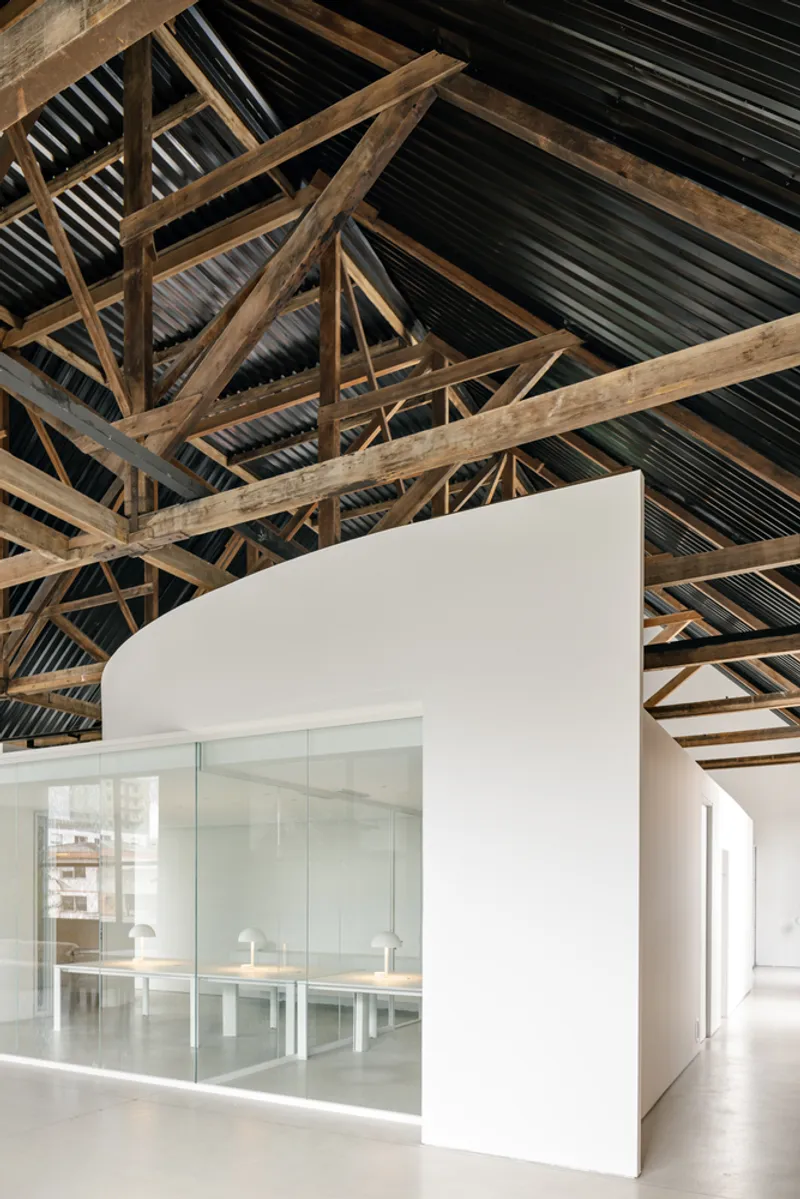
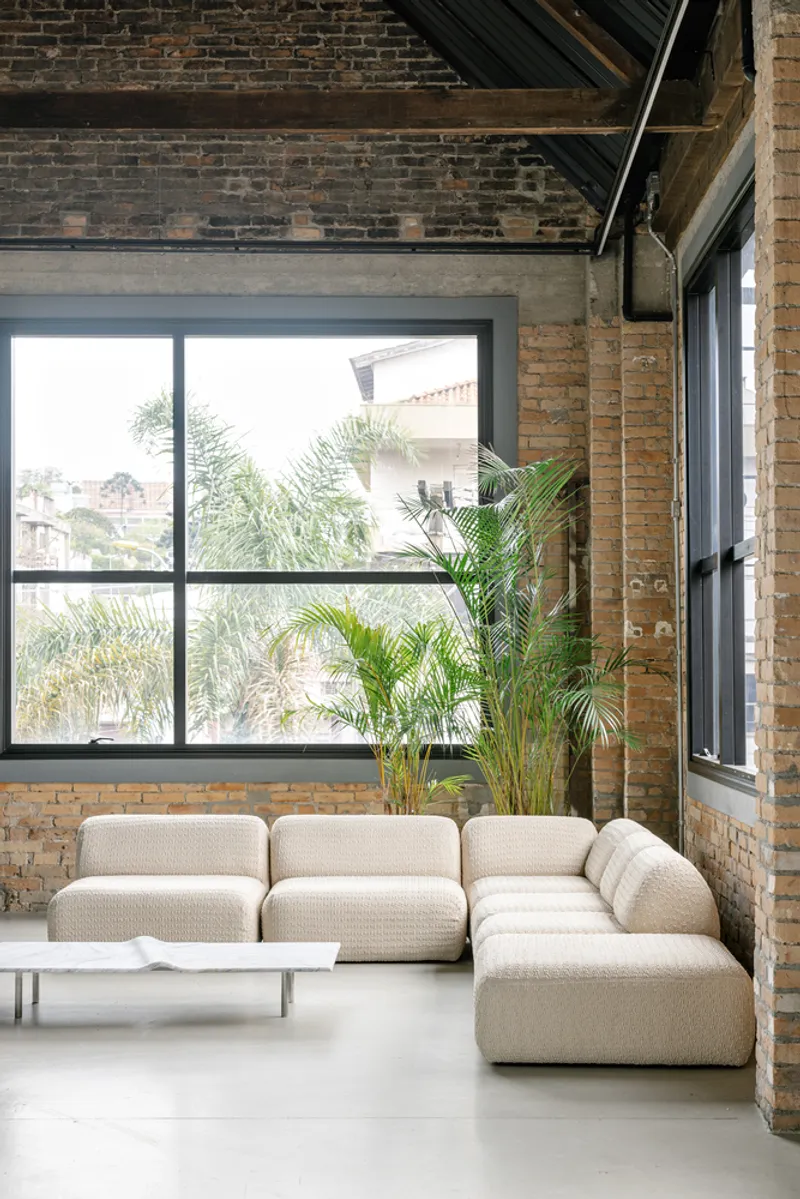
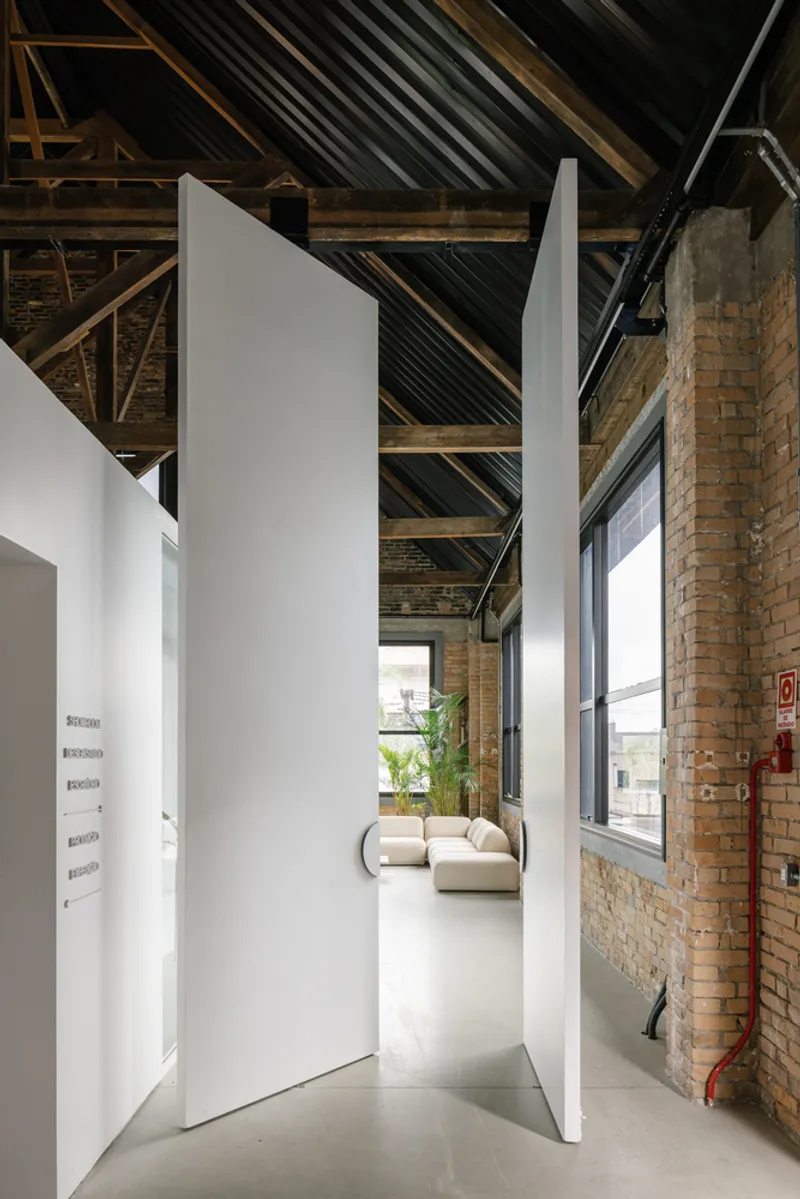
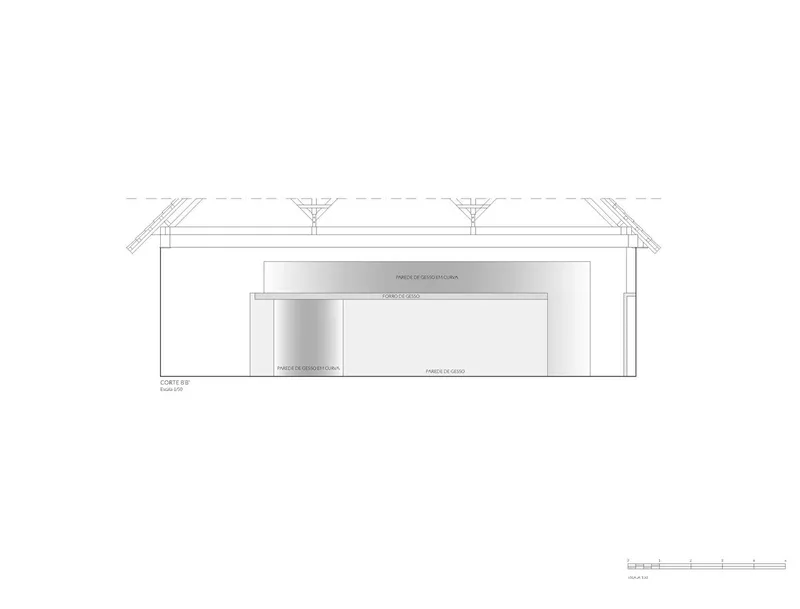
The architectural intervention preserved the original essence of the pavilion while introducing modern elements. The pre-existing walls and facades were maintained, respecting the building's historical significance. Large white volumes and glass walls now define the interior, enhancing fluidity and the use of natural light. This seamless integration of old and new underpins the adaptive reuse interior design approach, highlighting the studio's silent, natural, simple, and casual contemporary essence.

A Masterclass in Adaptive Reuse Interior Design
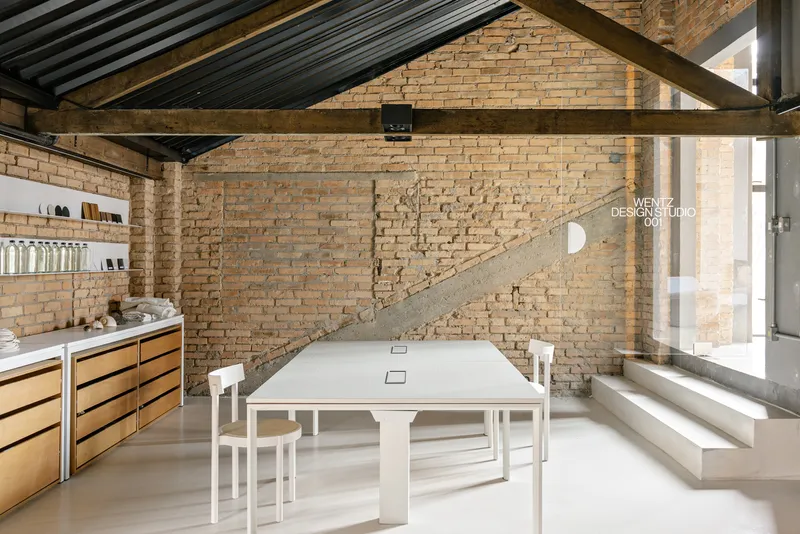
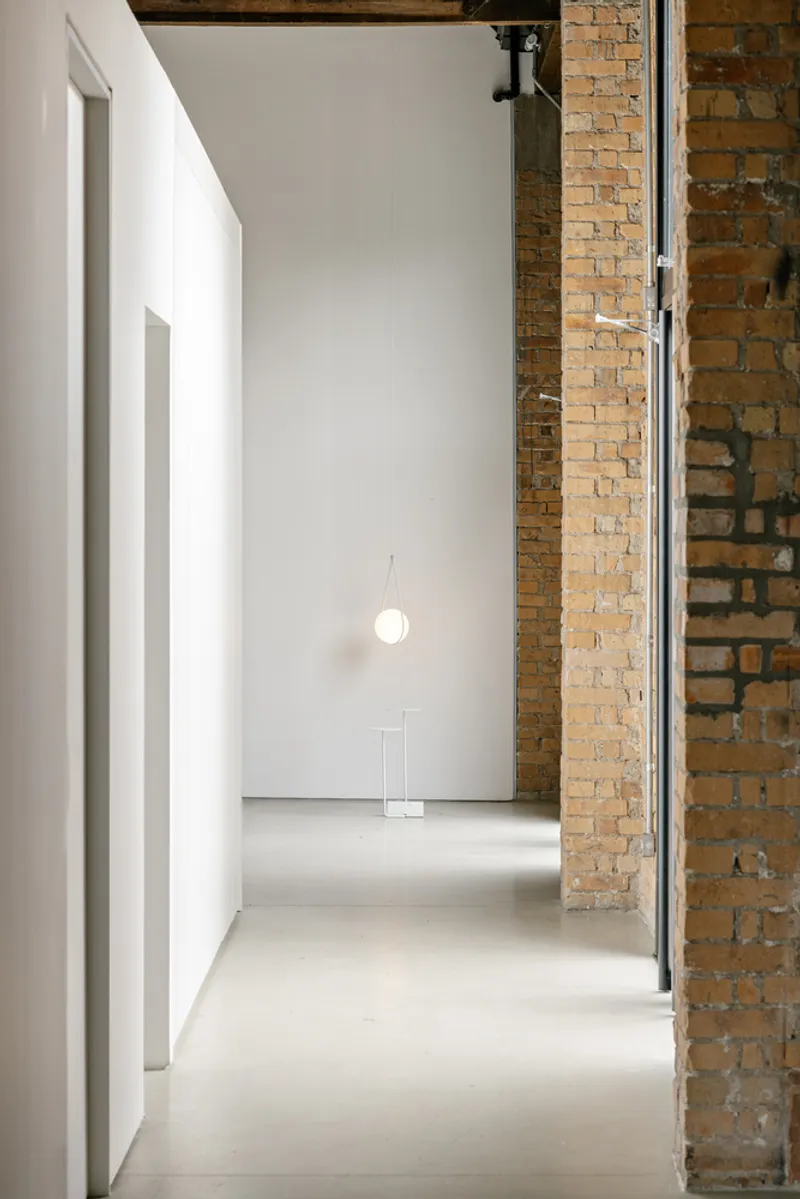
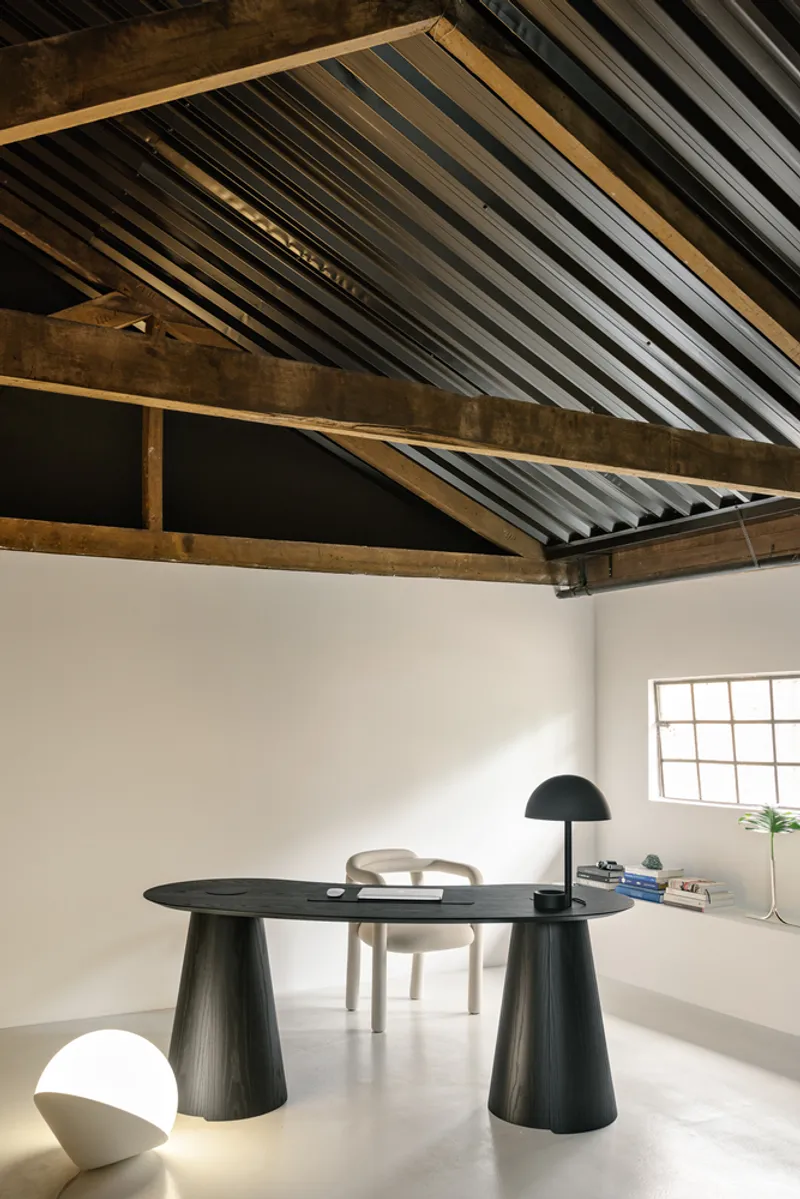
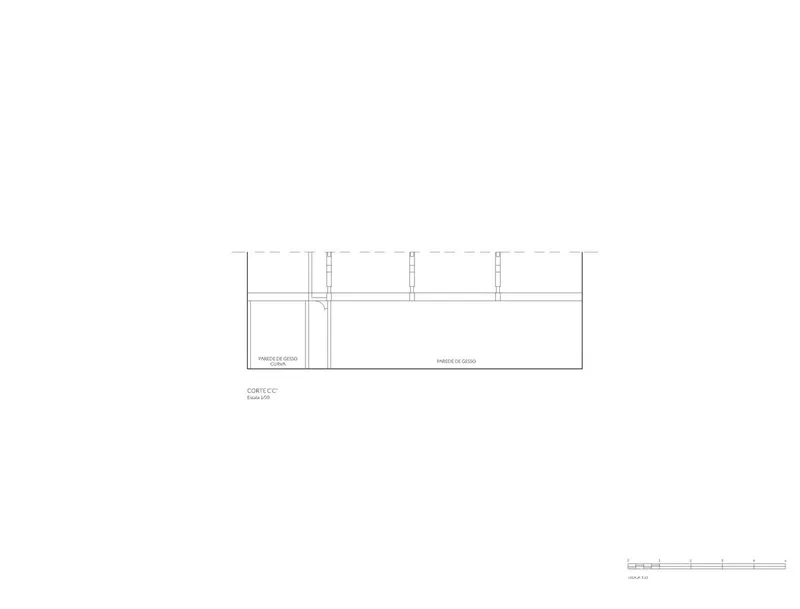
The heart of the studio features a glass volume housing workstations, surrounded by spaces that serve various functions - from stock and assembly areas to offices, a creative room, and a showroom. A striking gypsum curve connects these areas, exemplifying fluid spatial distribution. The preservation of the building's original trusses and the introduction of indirect lighting celebrate the structure's industrial past while adapting it for modern use.


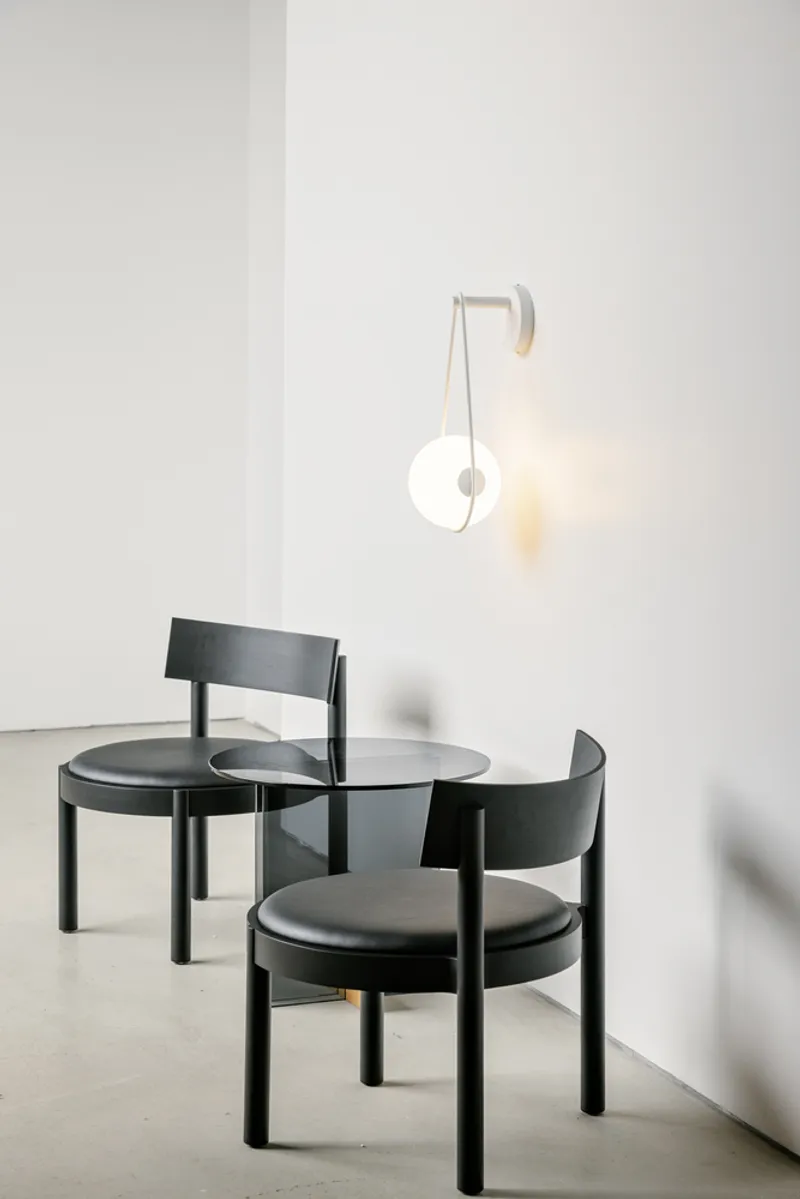
Showcasing Iconic Design
The showroom area, a focal point of the studio, displays Wentz's most iconic products. Large windows flood the space with natural light, connecting the interior with the outdoors and enhancing the displayed furniture. This area exemplifies the essence of adaptive reuse interior design, where the integration of natural light and nature plays a pivotal role in showcasing design.

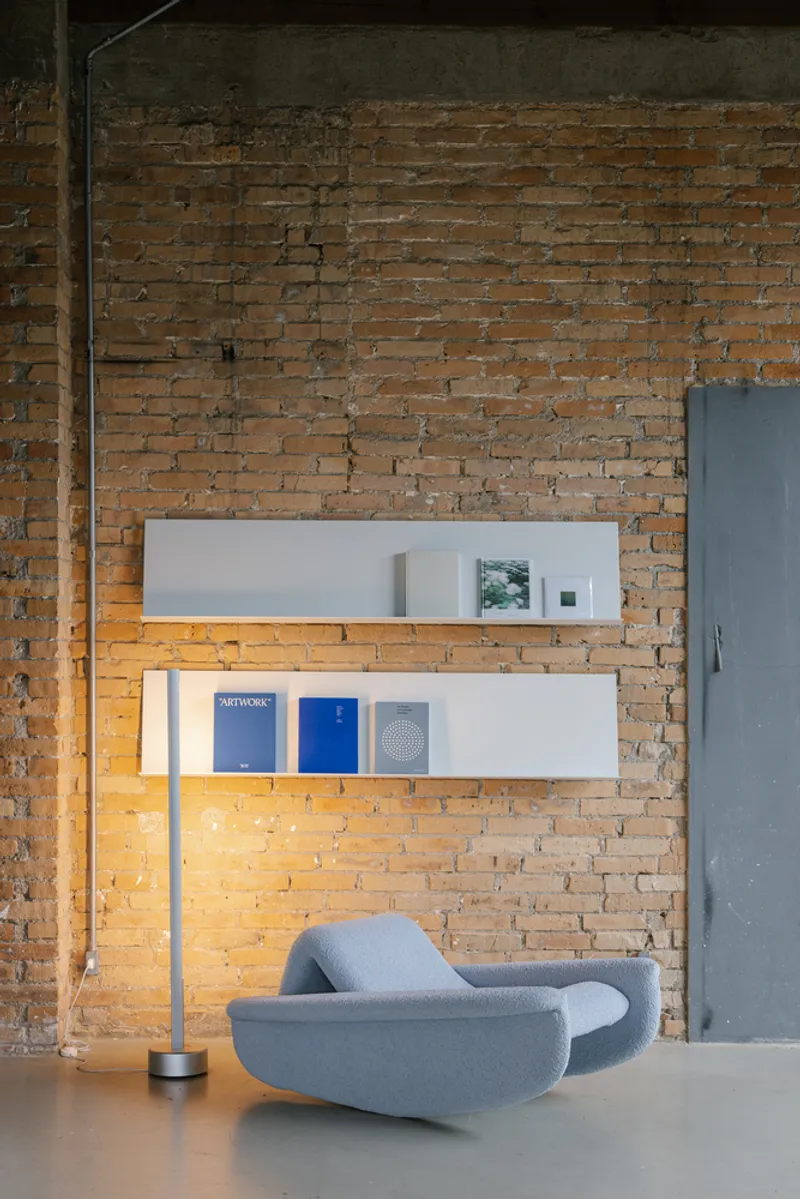

A Blueprint for the Future
The Wentz Furniture Studio, through its adaptive reuse, sets a benchmark for sustainable and innovative design. By preserving the historical integrity of the original pavilion while infusing it with modern aesthetics and functionality, Marina Miot Arquitetura has created a space that not only serves as a workplace and showroom but also as an inspiration for future adaptive reuse projects.




Select an Image Select an Image Select an Image Select an Image Select an Image Select an Image Select an Image
All photographs are work of Fran Parente


Popular Articles
Popular articles from the community


ETEH Reworks the Shared Spaces of São Domingos School in Brazil Around Timber, Color and Hanging Plants
At São Domingos School in Brazil, 436 m² of hall, refectory and library are recast with timber joinery, a yellow and blue code and trailing greenery.

Cube Design Draws an Ecological Corridor Between Two Shenzhen Hills with the Nankai Building
Beside Shenzhen's container docks, the Nankai Building pairs stacked balconies with a climbing green screen to connect two hillsides across its height.

FCC Arquitectura Expands a Portuguese Granite House with a Board-Marked Concrete Wing
In Portugal, JV House pairs a cleaned-up whitewashed and granite dwelling with a timber-shuttered concrete extension, courtyards and a garden pool.


Singing Woman: An Opera House That Performs Before the Curtain Rises
Ovidiu Cristian Pavel's conceptual opera house translates Estonia's choral identity into a sculpted waterfront landmark facing the Baltic Sea.

Similar Reads
You might also enjoy these articles


Hodi-Mandai Geram
Project Function: Preservation and revitalization of the Intangible heritage and socio-spatial identity of the Hodi by Housing, Cultural Memory Center, Sacred Grove, landscape, local tourism economy


Olio Towers: A Mid-Rise for Performers That Fuses Housing, Rehearsal, and Stage
Located blocks from Houston's Theater District, this modular tower stacks living units around a central performance atrium.

Oasis: Modular Green Housing Carved into Dhaka's Urban Fabric
A shortlisted Plugin Housing entry reclaims unauthorized settlements in Dhaka with stepped concrete volumes, green roofs, and ventilation-driven design.

Black Hole: A Floating Megastructure for the Post-Physical Era
Emiliano Mazzarotto envisions a spherical, self-scaling arena where e-sports, digital hotels, and holographic stadiums replace traditional public space.

Explore Brazilian Architecture Competitions
Discover active competitions in this discipline

Challenge to reimagine the Iron Throne

Photograph architecture without architects

Illustrate the lost glory of Angkor Wat - Render Challenge

Design challenge to reuse E-waste
Comments (0)
Please login or sign up to add comments
No comments yet. Be the first to comment!