
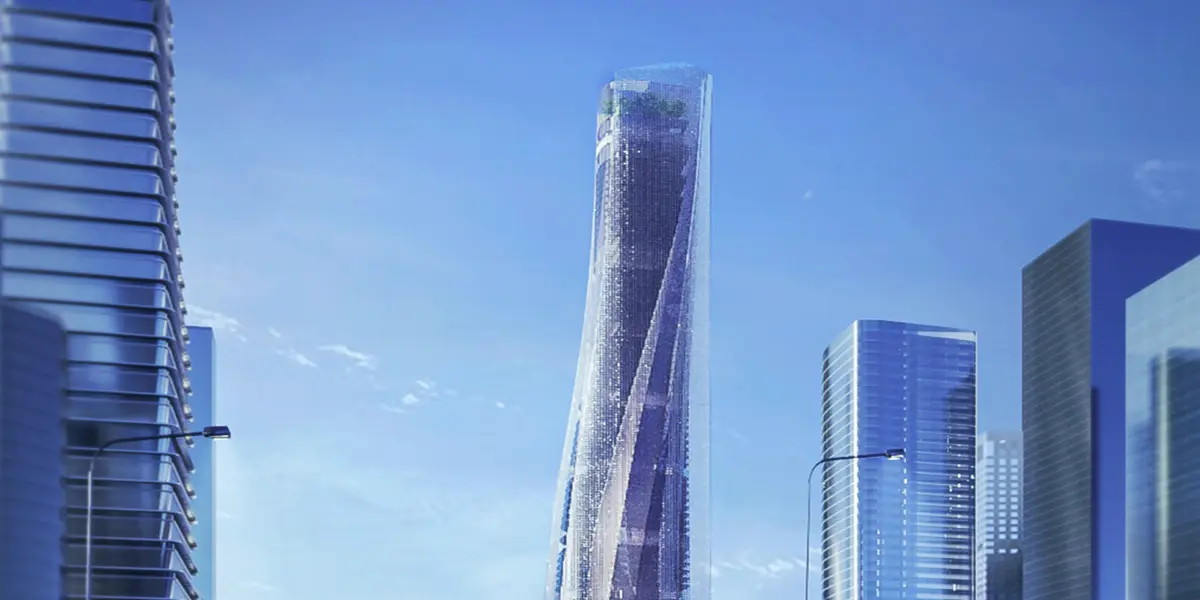
Baghdad Nuclear Autarky Tower
1
The inception of this project was motivated by the pressing global climate crisis and the pivotal role energy consumption plays in the biosphere's health. In the quest for sustainable development, nuclear energy emerged as a paramount tool for achieving green growth and combating climate change. Recognizing nuclear power's potential to meet the burgeoning energy demands of the 21st Century without exacerbating greenhouse gas emissions, the Baghdad Nuclear Autarky Tower proposes a novel utilization of this technology.
This proposal is grounded in a deep analysis of energy sources, acknowledging while hydropower, wind, and solar have their merits, they fall short of providing the 'base-load' capacity required for future demands. Nuclear energy, with its unparalleled scalability and minimal carbon footprint, stands out as the optimal solution. However, public apprehension, fueled by past nuclear incidents, poses a significant barrier to its acceptance. This project aims to dismantle these misconceptions through architectural innovation and public education, showcasing nuclear power as a safe, reliable, and indispensable force for environmental stewardship.
Situated in Iraq, a nation grappling with the dual challenges of a monolithic energy structure and the aftermath of long-term conflicts, the Baghdad Nuclear Autarky Tower is more than an architectural marvel; it is a vision for Iraq's energy diversification and a model for carbon-free living. The selection of Iraq as the project site underscores a commitment to addressing both the country's energy vulnerabilities and its rich cultural heritage. Inspired by the iconic Great Mosque of Samarra, the design pays homage to Iraq's historical architecture while integrating modern elements that symbolize progress and hope.
The tower is conceived as a self-sustaining vertical community, encapsulating Maslow's hierarchy of needs within its design. From the nuclear reactor at its core to the multifunctional spaces that spiral upwards, every aspect of the tower is meticulously planned to provide for physiological needs, ensure safety, foster social connections, offer avenues for esteem and self-actualization. This integrated approach creates a living experience that transcends mere convenience, promoting a holistic sense of well-being and community.
Central to the design is the reinterpretation of the nuclear facility, not as a secluded industrial site but as a vital part of the urban fabric. By embedding the reactor within a public space and wrapping it with educational and recreational facilities, the project aims to demystify nuclear energy and cultivate trust through transparency and engagement. The architectural strategy employs traditional Islamic motifs and modern sustainability practices to craft a building that resonates with local sensibilities while advancing global sustainability goals.

Popular Articles
Popular articles from the community


David Ortega Stacks a Two-Story Mexico City Penthouse Around a Steel Stair and a Pergola-Shaded Roof Terrace
In Colonia Roma, a 300 m² penthouse uses oak joinery, a planted steel stair and a slatted roof pergola to make a new-build apartment feel like a house.


Singing Woman: An Opera House That Performs Before the Curtain Rises
Ovidiu Cristian Pavel's conceptual opera house translates Estonia's choral identity into a sculpted waterfront landmark facing the Baltic Sea.

graciastudio Turns a Viewless Tijuana Lot Inward Around a Courtyard of Concrete, Timber and Trees
In Tijuana, Jorge Gracia's GA2 House stacks a timber-clad private floor over exposed concrete and replaces a missing view with a planted interior patio.

Cube Design Draws an Ecological Corridor Between Two Shenzhen Hills with the Nankai Building
Beside Shenzhen's container docks, the Nankai Building pairs stacked balconies with a climbing green screen to connect two hillsides across its height.

Similar Reads
You might also enjoy these articles
The Rhythm of Seasons
A Farmers' Market Connecting Nature and the City

More Than a Building-Designing a Living System
More Than a Building-Designing a Living System
Base Beyond
DESERT COMPOUND ARID: TOURISM OF ABSENCE AND ABUNDANCE

Comments (0)
Please login or sign up to add comments
No comments yet. Be the first to comment!