
Biophilic Healthcare Architecture: The Design of the Health and Medical Research Building by Architectus
A pioneering medical research facility that blends biophilic design, Indigenous culture, and sustainability for holistic healthcare and learning.


Merging Nature, Culture, and Innovation in Healthcare Design
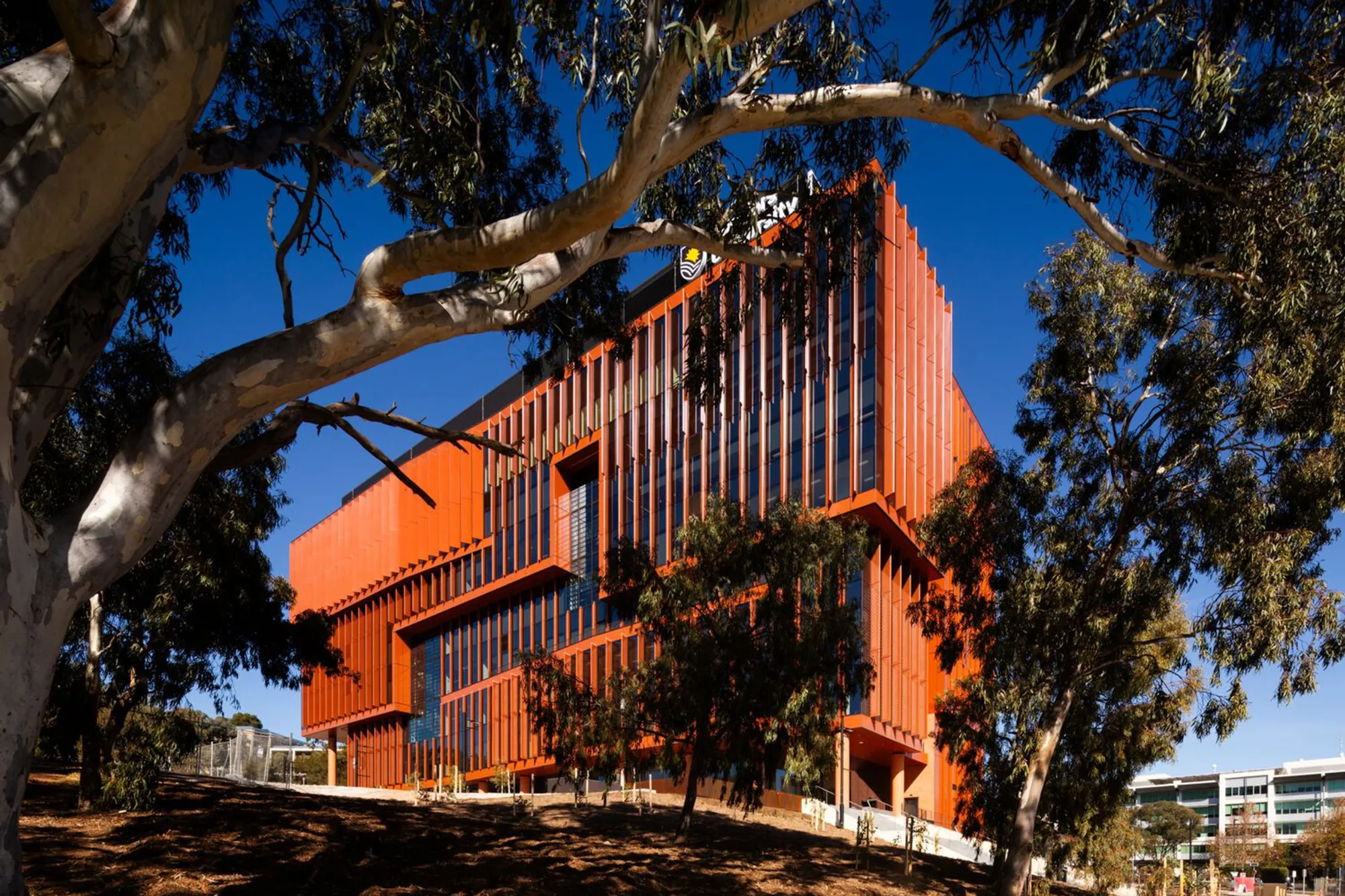
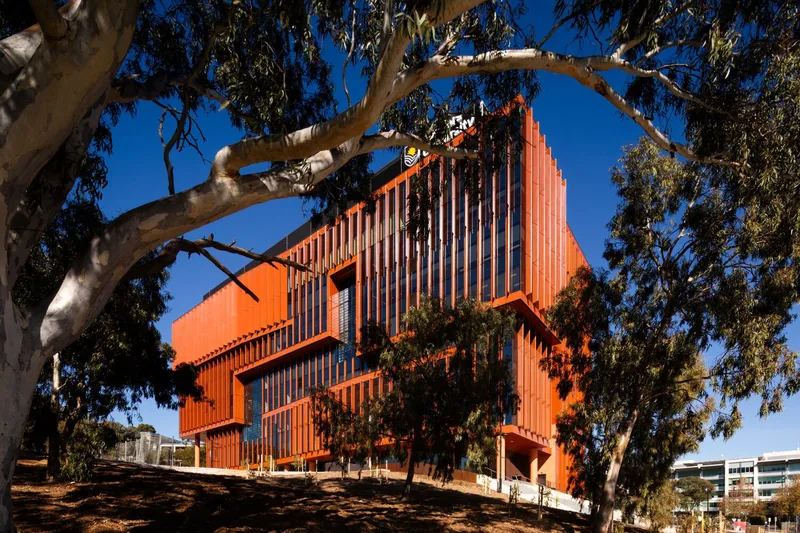
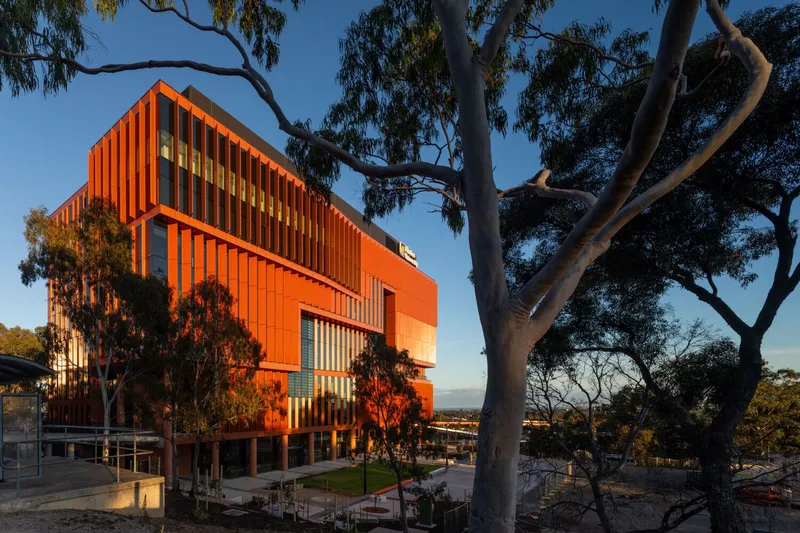
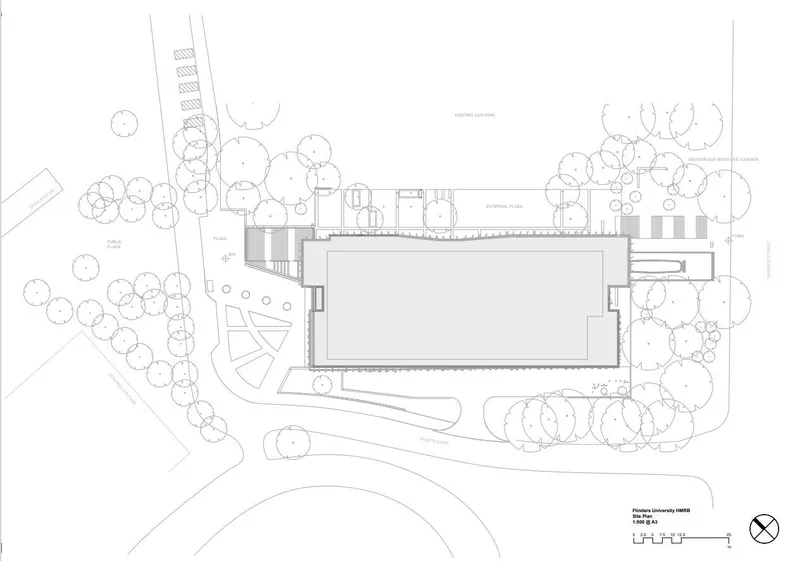
The Health and Medical Research Building (HMRB) at Flinders University, designed by Architectus, is a landmark example of biophilic healthcare architecture. Completed in 2024, this 22,000-square-meter facility redefines the relationship between medical research, nature, and Indigenous culture. Nestled into the ochre-colored landscape of the Adelaide Hills, the structure draws inspiration from geological formations and traditional Kaurna Country, seamlessly integrating research, community engagement, and environmental sustainability.

Rising from a sloping 14-meter terrain, the building’s architectural language emerges organically from the land. The ochre tones of terracotta tiles and layered aluminium blades on the façade mimic sedimentary rock layers, while subtly pointing to important cultural landmarks like Tjilbruke Springs and Mount Lofty. This symbolic orientation reflects the region’s history and spiritual significance, embedding Indigenous knowledge into the built form.
A Space That Prioritizes Wellbeing Through Biophilic Design
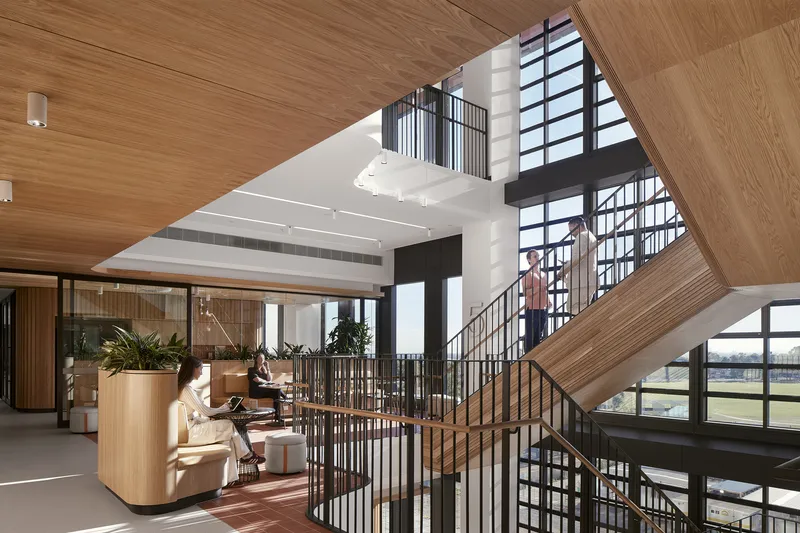
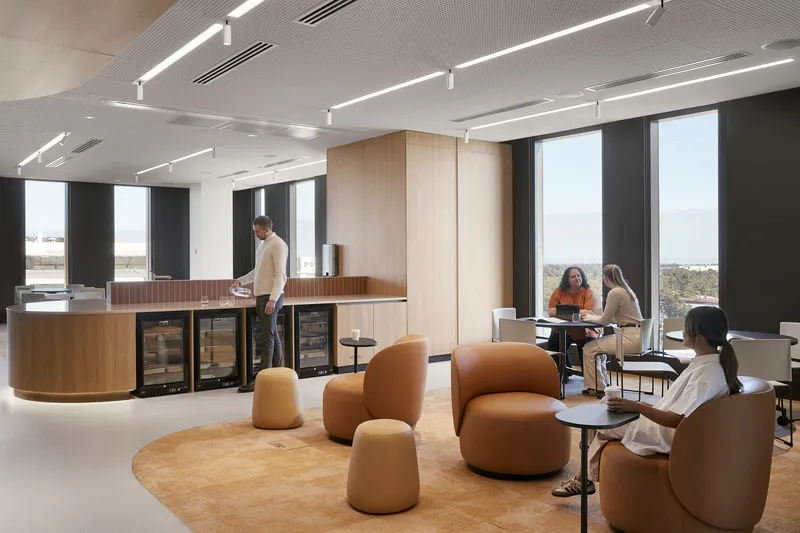
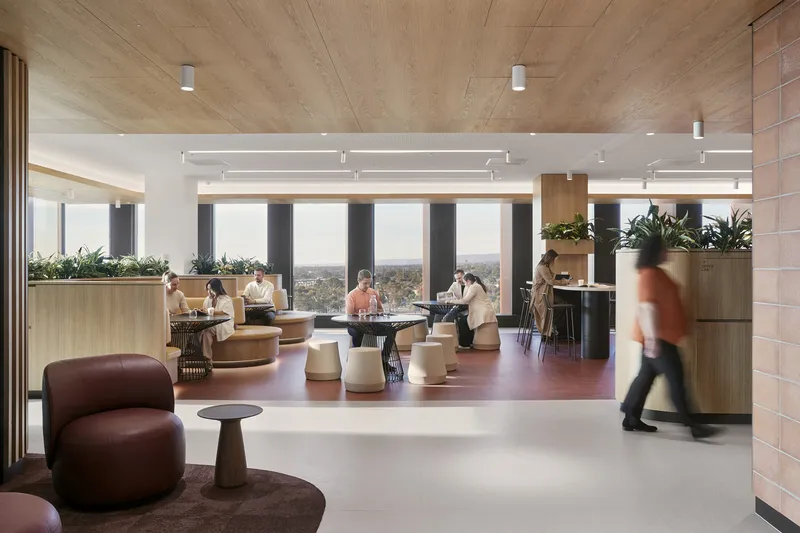
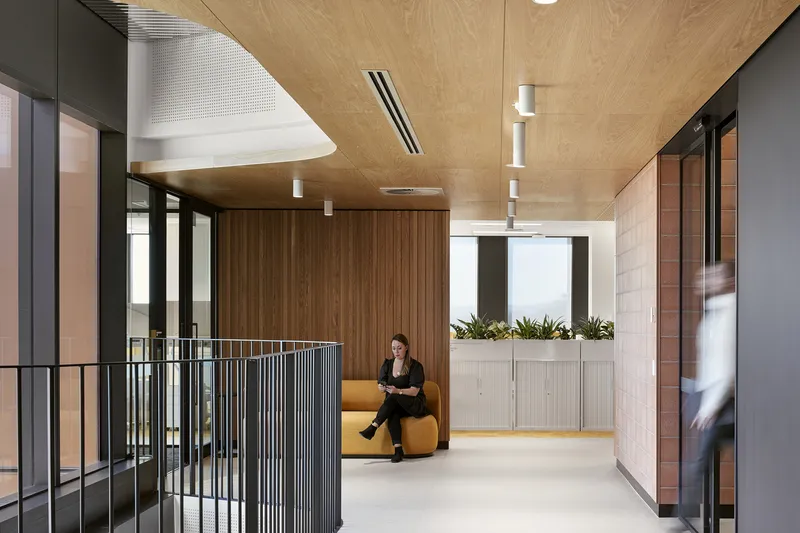
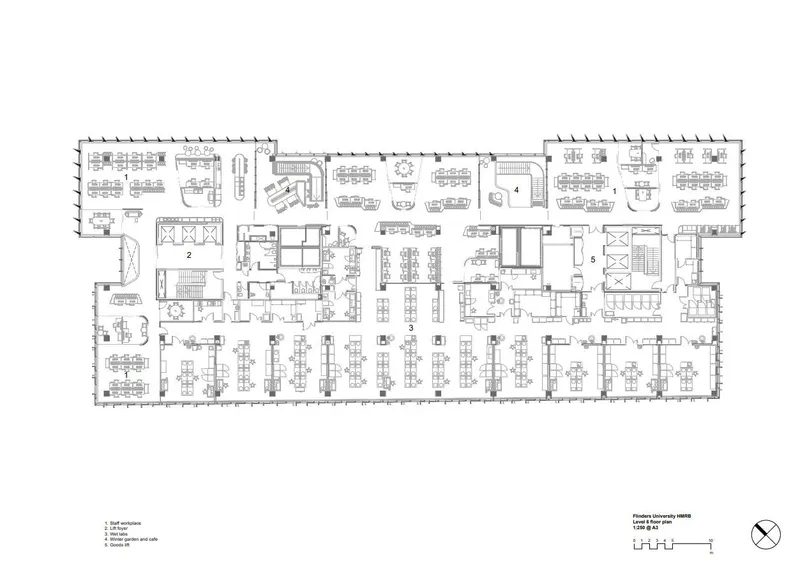
The architecture prioritizes human health and wellbeing, both in its functional purpose and spatial experience. Floor-to-ceiling glazing blurs the boundary between indoors and outdoors, allowing natural light to flood the interior spaces. These views connect occupants to landscaped gardens and the rolling terrain of the surrounding campus. Green terraces, a winter garden atrium, and Indigenous bush gardens enhance the sense of connection to nature, reducing stress and supporting cognitive function—key principles of biophilic healthcare architecture.
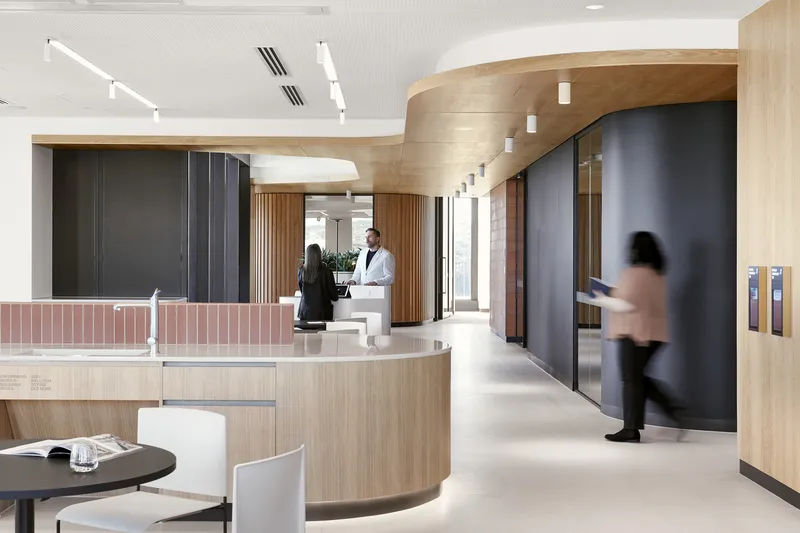
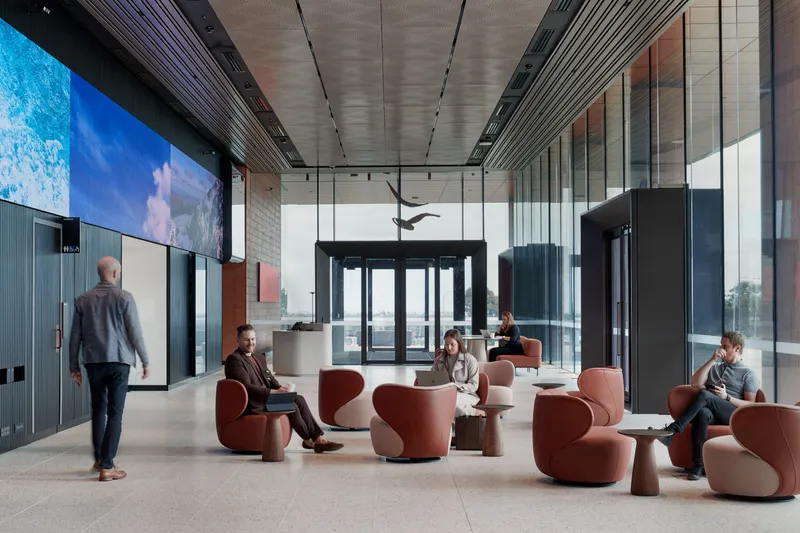
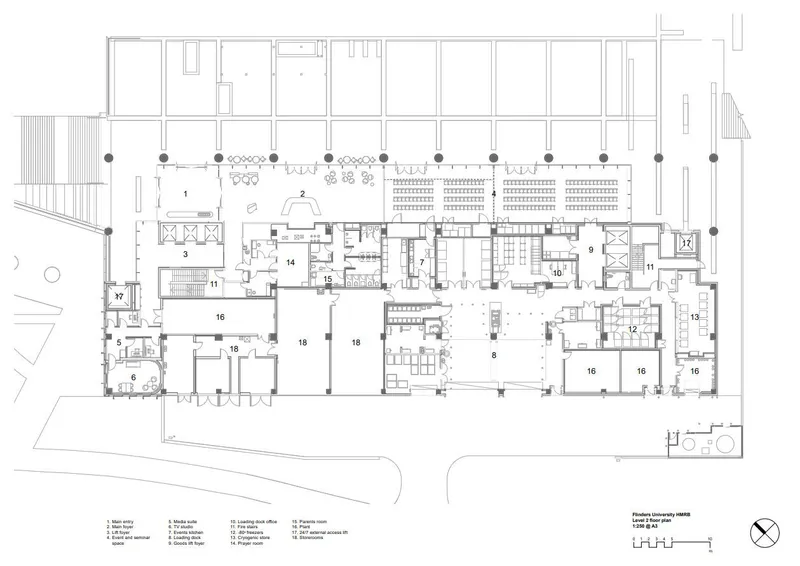
At the heart of the building lies a central staircase that invites physical activity and interaction. The handrails are inscribed with messages about health and wellness, reinforcing a narrative of care and connection. A vibrant foyer equipped with a café, meeting rooms, and public event spaces encourages community engagement, turning the building into a hub that welcomes not just researchers and students but the broader public.
A Cultural and Environmental Narrative Interwoven with Architecture
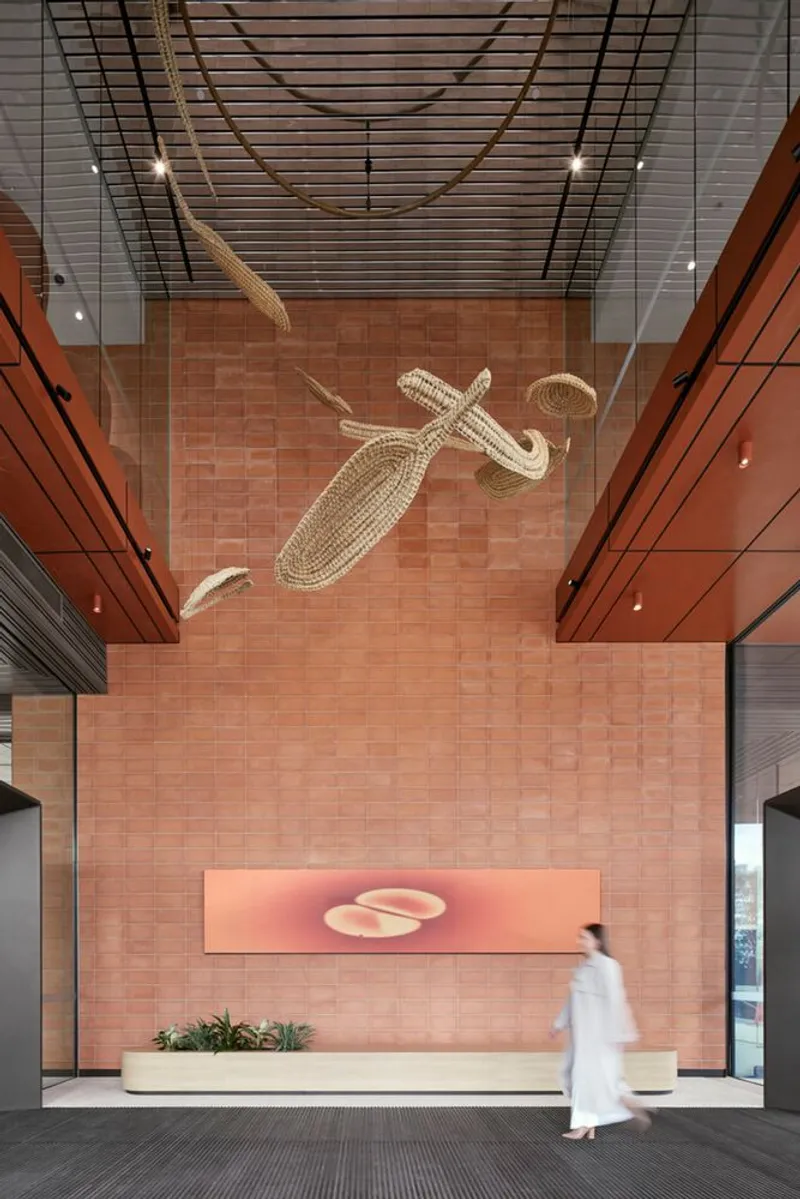
Working in collaboration with the Cultural Narrative and Indigenous Art Advisory Panel, the design thoughtfully integrates the spiritual and ecological dimensions of Kaurna Country. Indigenous art plays a central role in the storytelling of the building. A Kaurna Kuri design by artist James Tylor adorns both the ceiling panels and façade, visually linking the building with ancestral songlines. Suspended woven sculptures by Aunty Yvonne Koolmatrie, inspired by the Acacia plant, honor First Nations medicinal traditions, enriching the cultural depth of the space.
These art interventions are more than decorative—they reinforce the deep connections between health, land, and cultural heritage. The building becomes a place where research and tradition coalesce, offering a model for how biophilic healthcare architecture can celebrate diverse knowledge systems.

Adaptive Spaces for Collaboration and Cutting-Edge Research
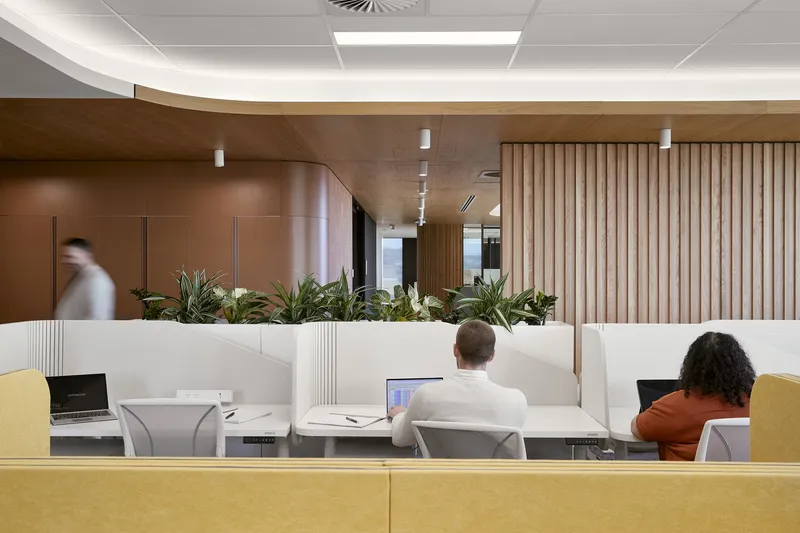
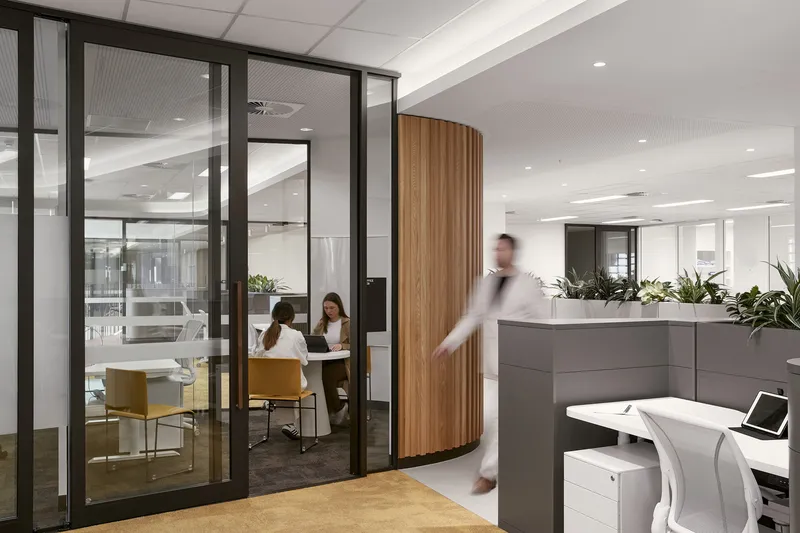
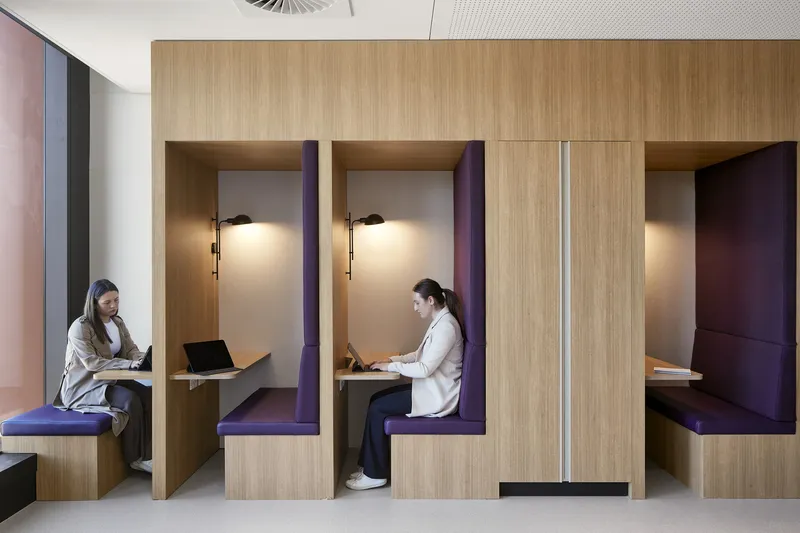
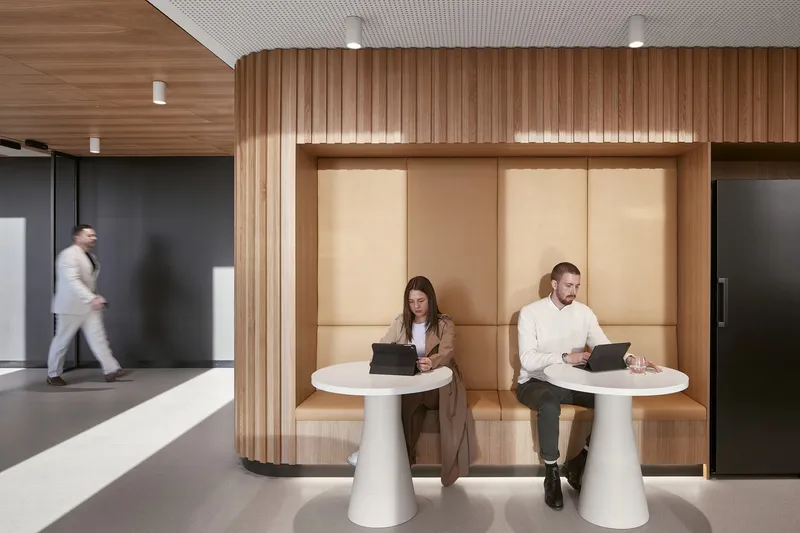
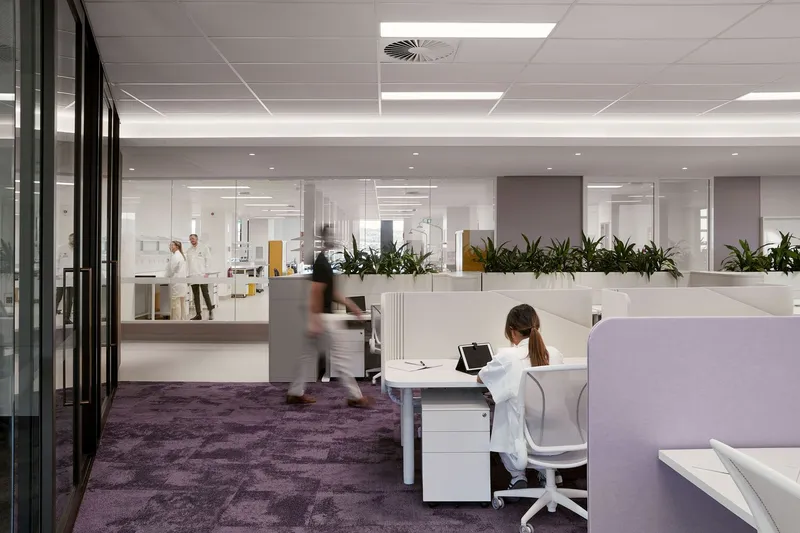
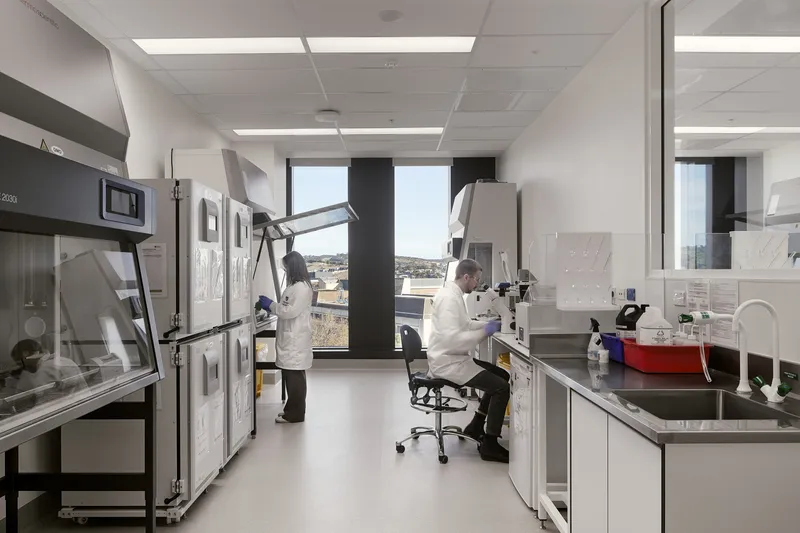
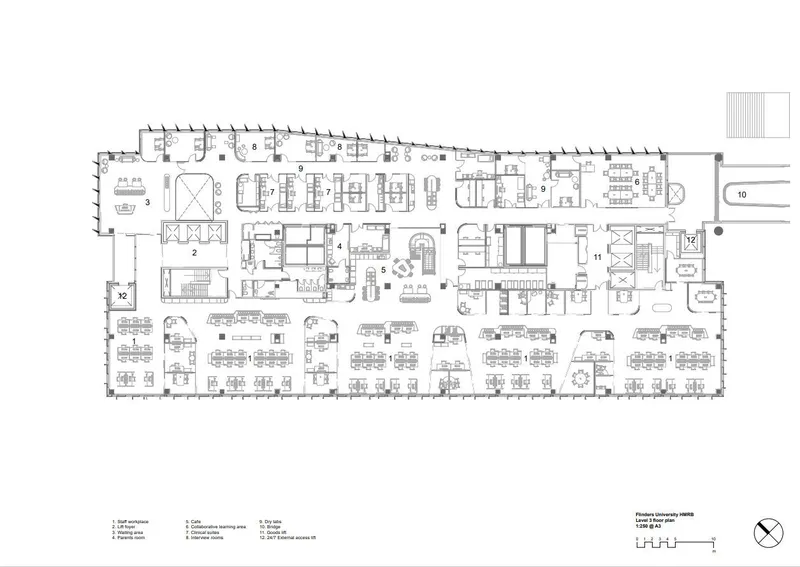
HMRB is not only a center for healthcare and research but also a high-performance workplace designed for adaptability. It features flexible PC2 wet and dry laboratories that respond to evolving research needs. The layout balances open-plan collaborative zones with private, quiet rooms to accommodate varied working styles. Consult rooms, digital infrastructure with Platinum WiredScore certification, and bookable meeting spaces ensure seamless functionality for research teams and partners.
Sustainability is embedded into every level of the building's design. Powered entirely by renewable energy sourced from photovoltaic panels and wind, the facility’s carbon footprint is significantly reduced. Its glazing system blocks 75% of solar heat while still admitting daylight. Louvres aid passive ventilation, reducing reliance on mechanical systems. Targeting Gold WELL and LEED certification, the project sets a new benchmark in environmentally responsible medical architecture.

Connecting the Campus Through Urban Design
The landscape, designed by Oxigen, weaves the building into the broader university precinct. Shaded pedestrian paths, native vegetation, and integrated public art create a sense of welcome and connectivity. Located at a critical point between the university, Flinders Station, and local hospitals, HMRB acts as both a physical and symbolic gateway. It invites students, researchers, and community members alike to engage with knowledge, health, and culture in one unified space.
A New Model for Biophilic Healthcare Architecture
The Health and Medical Research Building by Architectus represents the future of healthcare architecture—one that prioritizes wellbeing, cultural respect, and environmental stewardship. Through its integration of Indigenous storytelling, biophilic design, and high-performance research spaces, it embodies a holistic vision of health. More than just a facility, HMRB is a living, breathing part of the land and the people it serves.
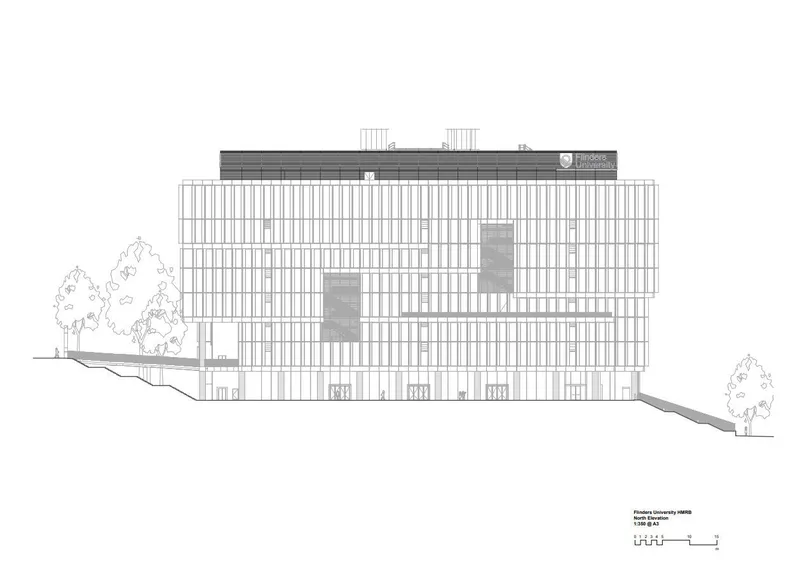
This project stands as a global benchmark for biophilic healthcare architecture, demonstrating how the built environment can support both scientific innovation and human flourishing.
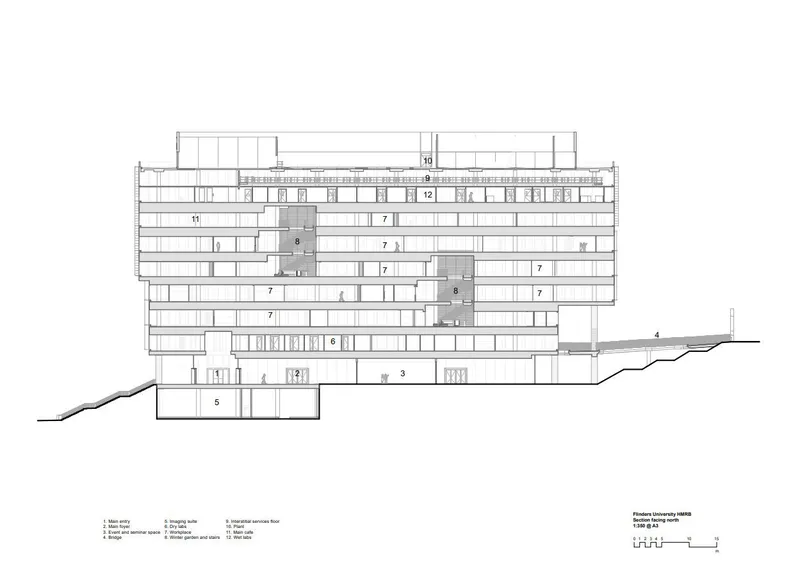
All Photographs are works of Trevor Mein, Shannon McGrath



Popular Articles
Popular articles from the community


Co-Life: Senior Housing Design That Reconnects Older Adults With the City
Co-Life reimagines senior housing design through healing gardens, shared streets, workshops, and a sustainable community across generations.

Riyadh For All: Intergenerational Urban Design for Active Aging in Rabat
Riyadh For All reimagines urban design in Rabat with intergenerational co-living, adaptive courtyards, and Moroccan cultural exchange today.

Play: Fragments of Their World
Familiar architecture becomes modular playground design, creating safe spaces where displaced children can learn, connect, imagine and play.

Hill & Cross Opera: Sculptural Opera House Architecture Shaped by Tallinn’s Landscape and Identity
Hill & Cross Opera reimagines opera house architecture in Tallinn through its sculptural hill, civic plaza, glass wave and a luminous cross.

Similar Reads
You might also enjoy these articles

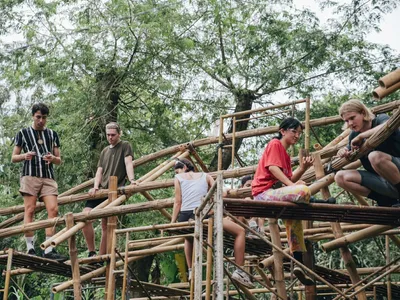
Bamboo Housing Challenge 2026: Design Affordable, Sustainable Homes Using Bamboo
An international design competition by Bamboo U and IBUKU inviting architects and designers to reimagine affordable housing using bamboo — with the winning design built full-scale in Bali.

Computational Design & Education: Beegraphy Design Awards Introduces 7th Category (Featuring Jiyun's Innovative Approach)
Dive into Beegraphy’s 7th Design Awards category, where computational design meets education to create immersive, interactive learning tools, inspired by Jiyun’s work.
From Parametric Lighting to Urban Furniture: Join the 2nd Workshop in Beegraphy’s Computational Design Series
Dive into Cutting-Edge Design Techniques and Practical Applications with Industry Experts

Last Call: Unleash Your Architectural Genius in SHAK's Kindergarten Design Competition
Urgent call for architects to join SHAK's kindergarten design competition before the looming deadline

Explore Biophilic Competitions
Discover active competitions in this discipline



Challenge to reimagine the Iron Throne


Photograph architecture without architects


Illustrate the lost glory of Angkor Wat - Render Challenge


Design challenge to reuse E-waste
Comments (0)
Please login or sign up to add comments
No comments yet. Be the first to comment!