

Bistro Ferdinand By Grau Architects + studeny architects + Peter Stec
Bistro Ferdinand revitalizes a historic park pavilion in Bratislava, blending community-focused dining, flexible interiors, and nature-inspired design elements.


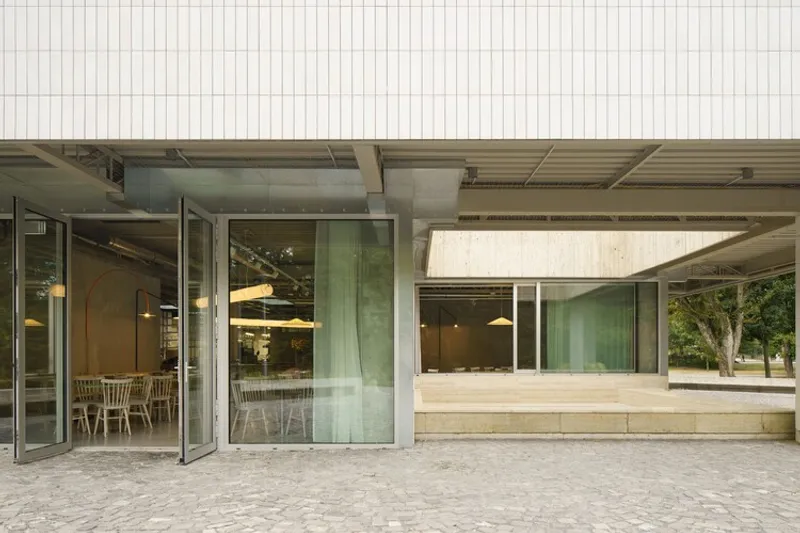
Located within the historic Sad Janka Kráľa Park in Bratislava, Slovakia, Bistro Ferdinand is a thoughtful architectural and interior renovation that bridges modern hospitality design with cultural continuity. Designed by Grau Architects in collaboration with studeny architects and Peter Stec, the project emerged from a public tender seeking a new tenant for the park’s iconic pavilion. Originally designed in 1982 by renowned architect Ferdinand Konček, the pavilion has been sensitively revitalized in 2024, preserving its architectural identity while adapting it to contemporary use.
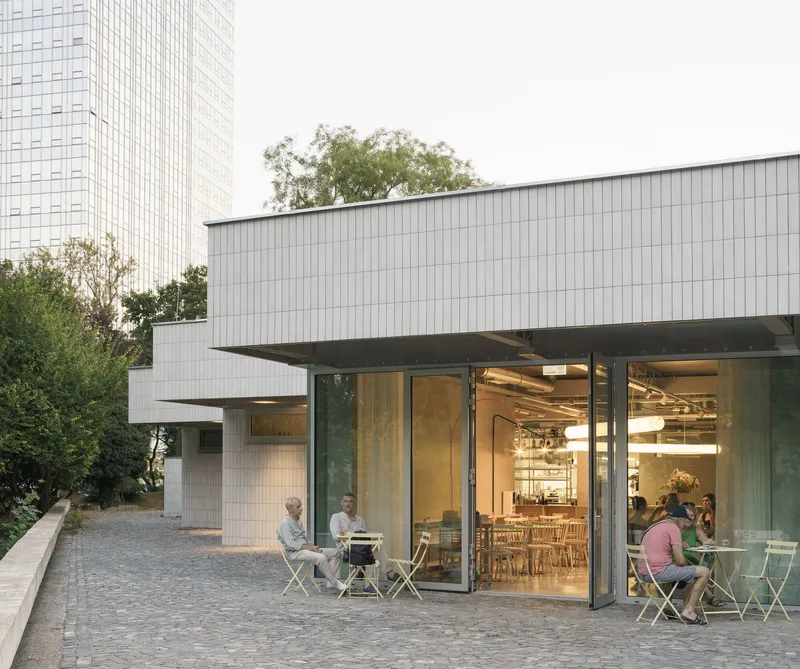
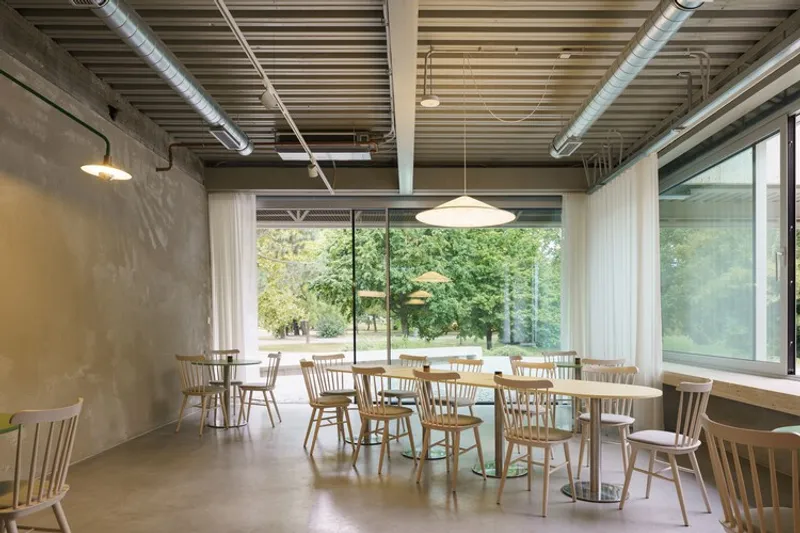
Conceived as the central bistro of the park, Bistro Ferdinand is envisioned as an open, inclusive, and community-oriented space. The architects approached the project with the intention of strengthening the relationship between architecture, interior design, and the surrounding landscape. Large openings, clear spatial organization, and a restrained material palette allow the pavilion to remain visually and physically connected to the greenery of the park, reinforcing its role as a social gathering point for both locals and visitors.
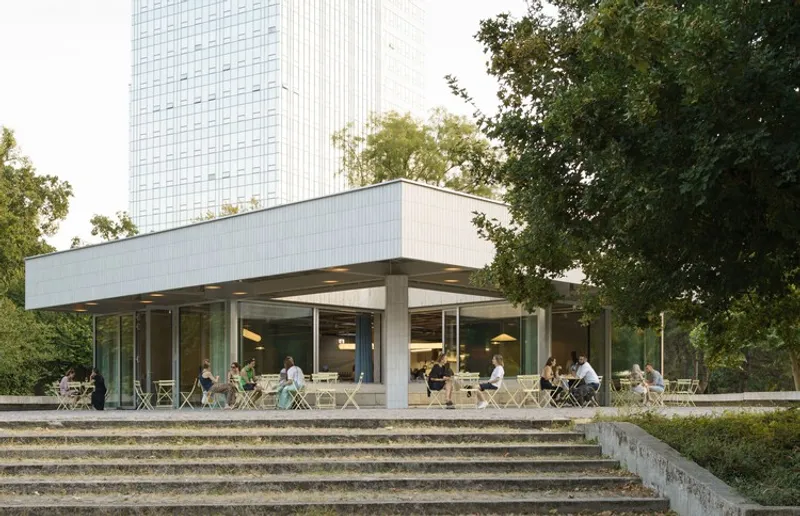
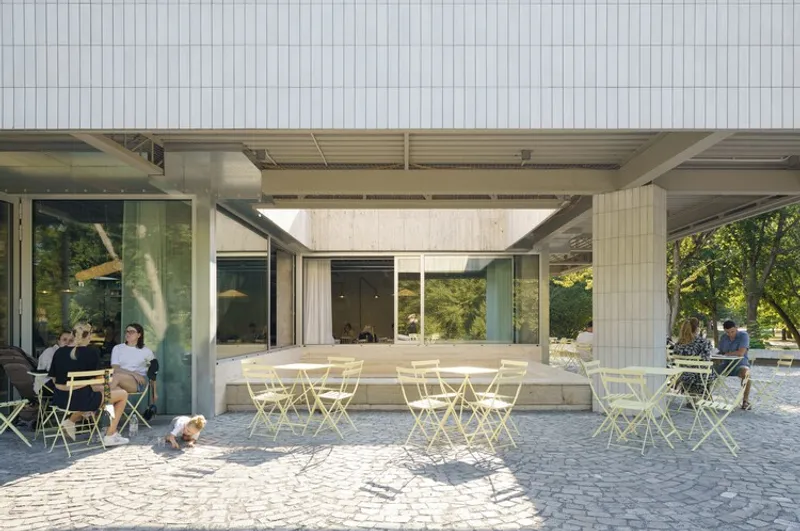
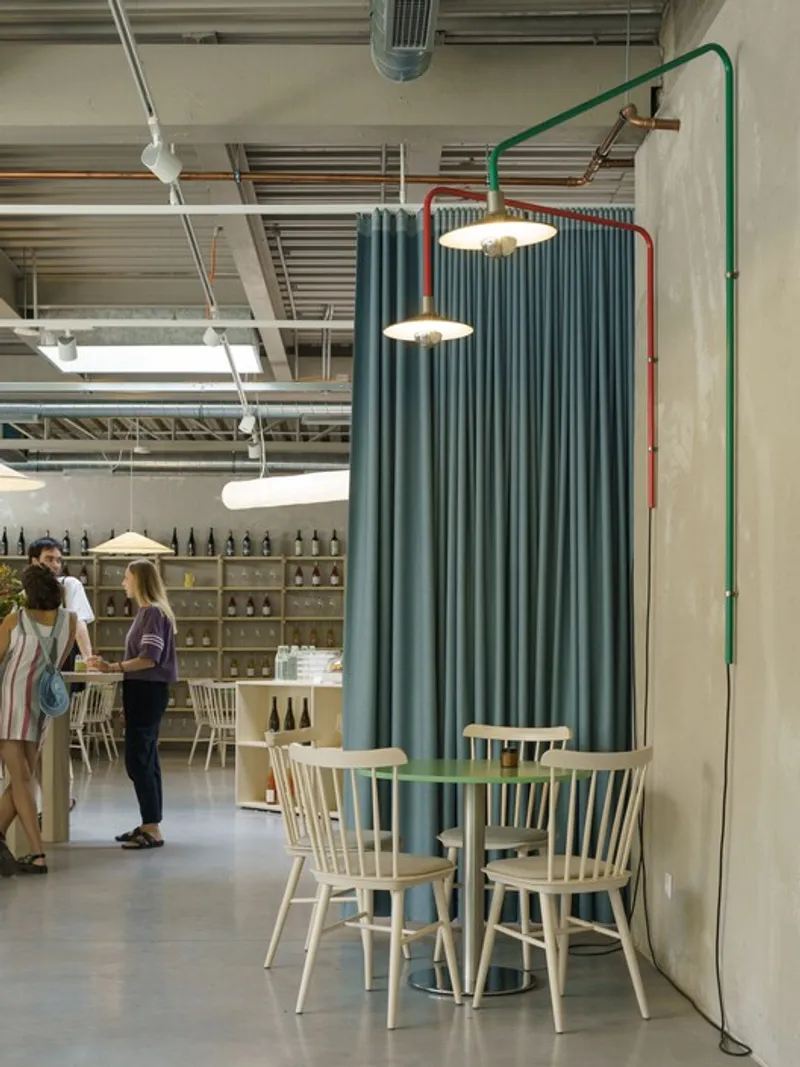
The interior design draws direct inspiration from nature, particularly a restored floral artwork by Ľuba Končeková-Veselá, which significantly influenced the color palette and decorative details. Soft tones, subtle contrasts, and carefully selected accents echo the seasonal changes of the park, creating a calm yet vibrant atmosphere. Concrete surfaces, warm wood elements, and refined lighting work together to balance robustness with comfort, making the space suitable for everyday use as well as special events.
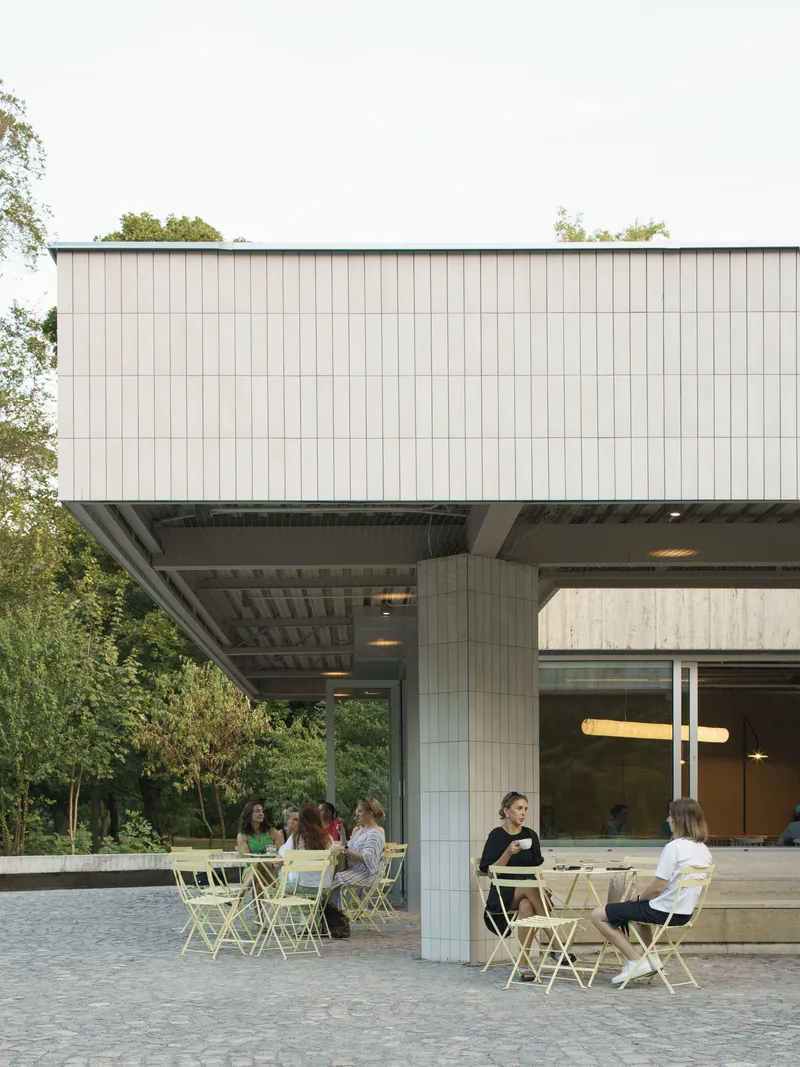
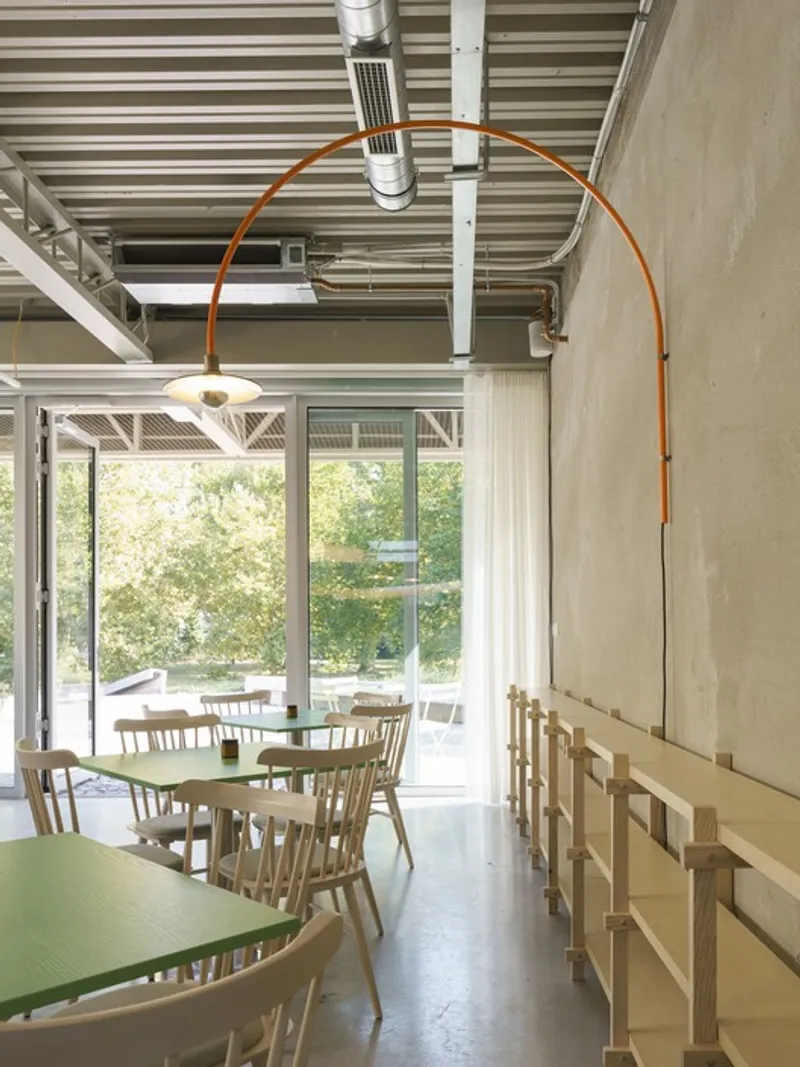
Spatially, the bistro is divided into two primary zones. The first is a fixed gastro area, openly integrated into the dining space, where guests can observe food and drink preparation. This transparency enhances the sensory experience and reinforces a sense of trust and openness. The second zone is a flexible operational area furnished with movable tables and chairs, allowing the layout to adapt effortlessly to different functions such as community gatherings, evening events, or seasonal programming.
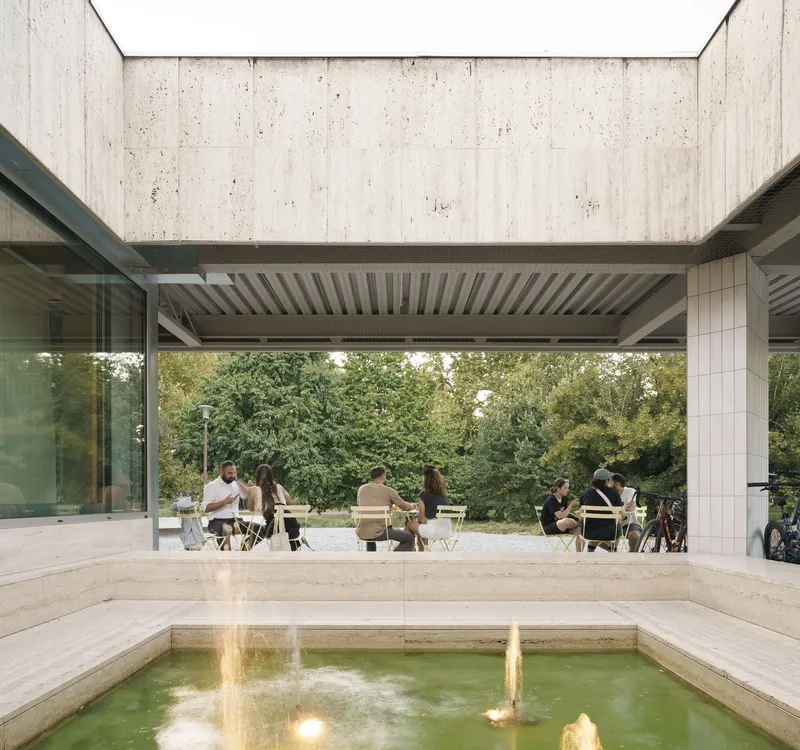
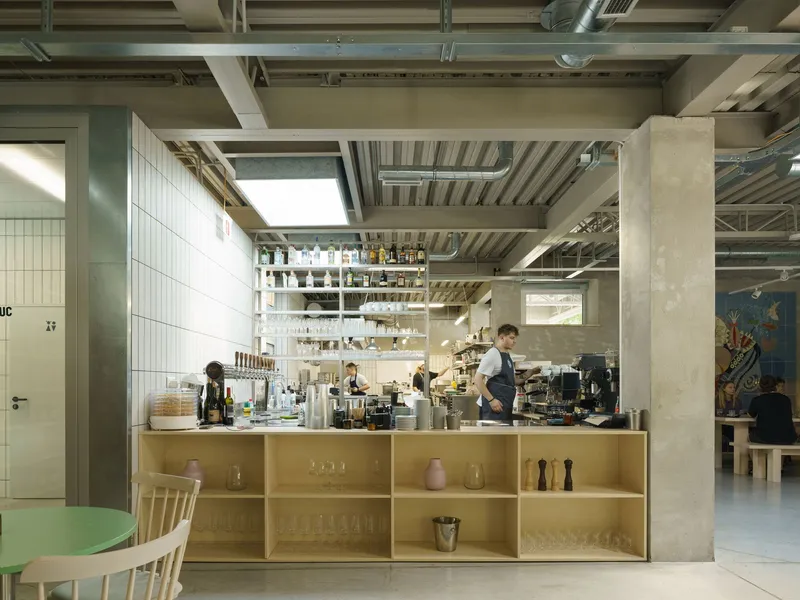
A key architectural concept is the play of geometric contrasts. An orthogonal grid structure is juxtaposed with diagonal elements that reference the pavilion’s original angled architecture. This dialogue between order and dynamism is further emphasized through furniture placement and custom-built elements. At the heart of the interior, a central circular table acts as a social anchor, encouraging interaction, conversation, and shared experiences among guests.
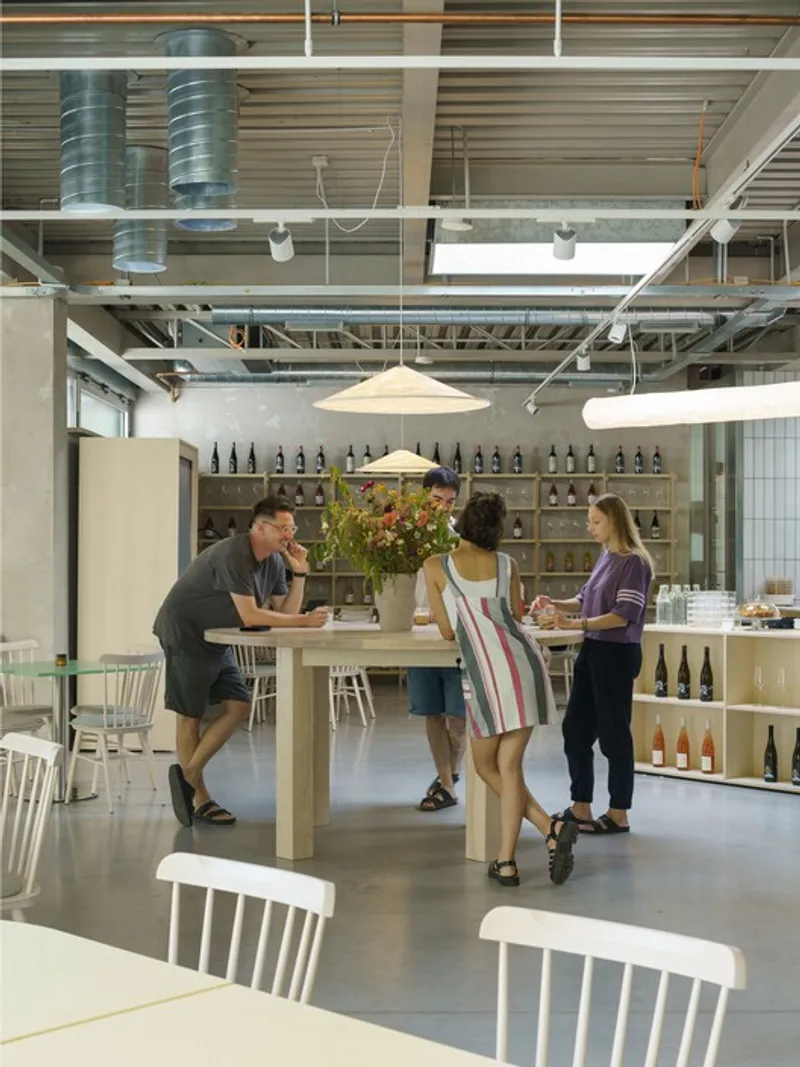
Lighting plays a crucial role in shaping the bistro’s atmosphere throughout the day. A combination of spotlights, wall-mounted lamps, and sculptural Tyvek solitaire lights provides flexibility and depth, allowing the space to shift from a bright daytime café to a more intimate evening setting. The lighting strategy enhances architectural details while supporting the functional needs of a contemporary restaurant.
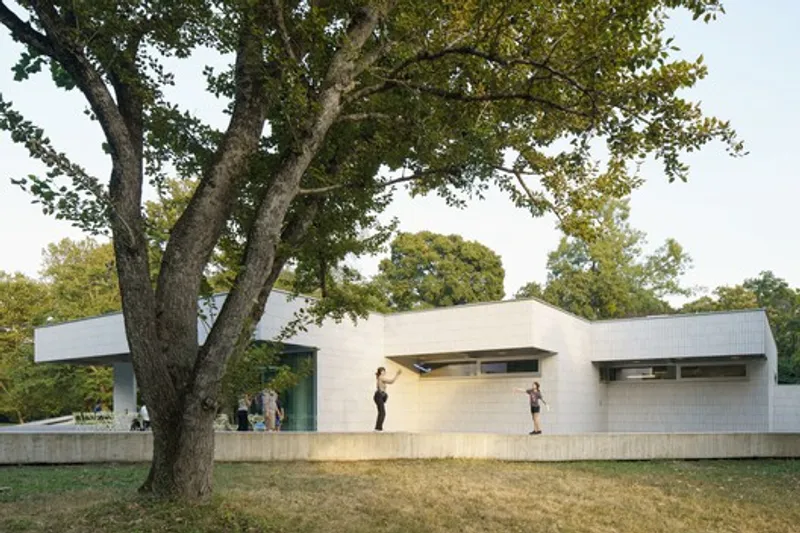
Overall, Bistro Ferdinand stands as a successful example of adaptive reuse, where modern restaurant design respectfully coexists with architectural heritage. By integrating community-focused planning, flexible interiors, and a strong connection to its park setting, the project redefines the role of a public pavilion as a lively, welcoming, and culturally rooted urban space.
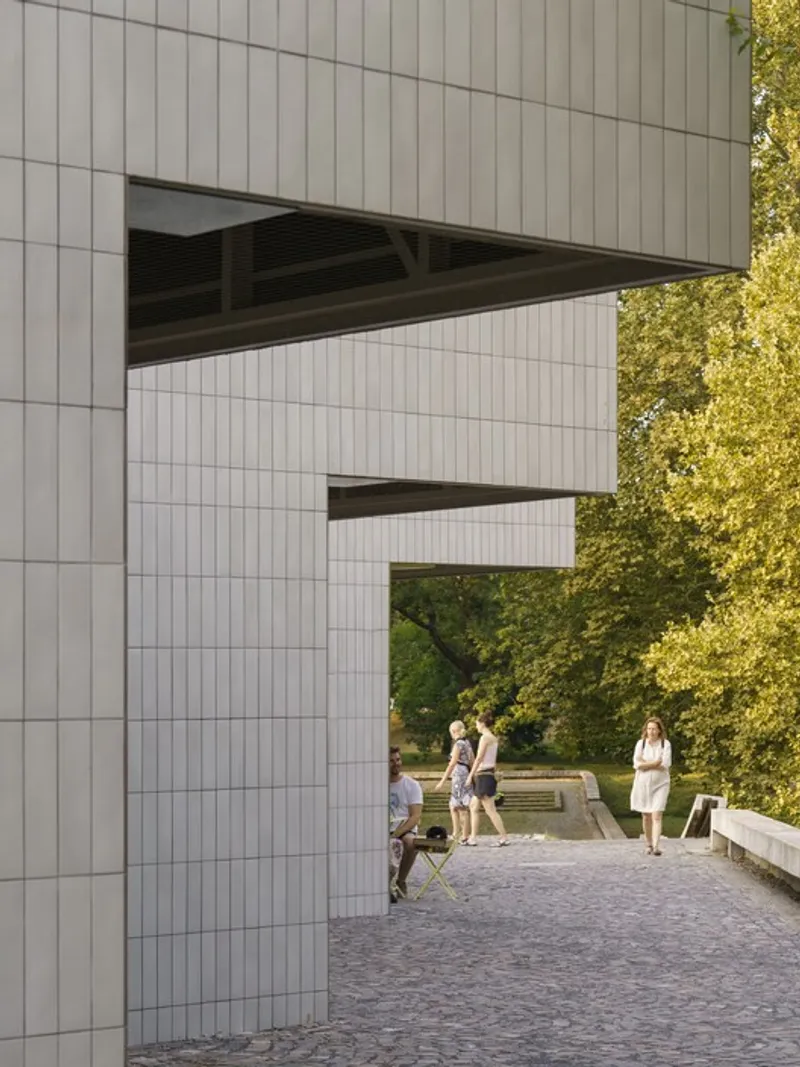
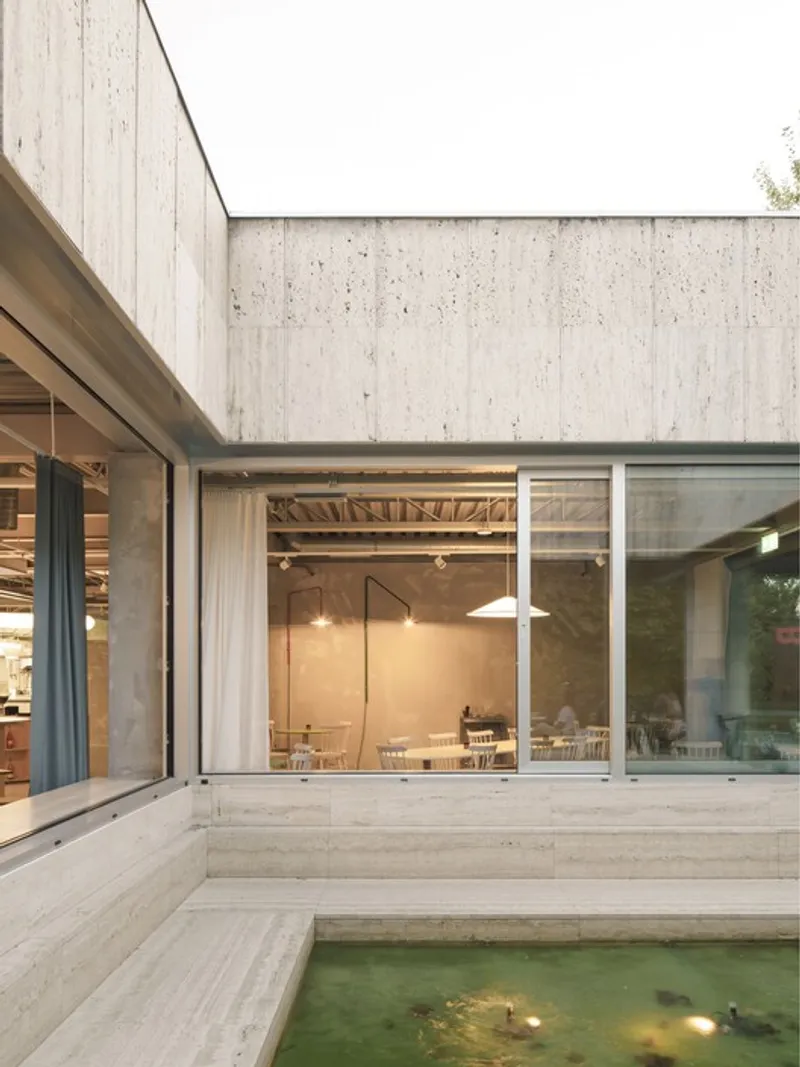
All the photographs are works of Alexandra Timpau


Popular Articles
Popular articles from the community


Faces of the Soviet Avant-Garde: Turning Moscow's Street Names into an Open-Air Museum
A network of sculptural installations across a Moscow residential district transforms forgotten architect names into spatial encounters with cultural memor

Opera on the Sea: Driftwood Logic Shapes a Timber Opera House on Estonia's Coast
Trevor Orgill's opera house translates the entangled drift of floating timber into a civic building where wood, water, and music converge.

Cloaked Colonization: A Mobile Underwater Habitat That Moves Like a Fish
Micah Abaya's shortlisted EHC Pacific entry reimagines ocean settlement as a dispersed network of self-sustaining architectural organisms.

Singing Woman: An Opera House That Performs Before the Curtain Rises
Ovidiu Cristian Pavel's conceptual opera house translates Estonia's choral identity into a sculpted waterfront landmark facing the Baltic Sea.

Similar Reads
You might also enjoy these articles


Hodi-Mandai Geram
Project Function: Preservation and revitalization of the Intangible heritage and socio-spatial identity of the Hodi by Housing, Cultural Memory Center, Sacred Grove, landscape, local tourism economy


Olio Towers: A Mid-Rise for Performers That Fuses Housing, Rehearsal, and Stage
Located blocks from Houston's Theater District, this modular tower stacks living units around a central performance atrium.

Oasis: Modular Green Housing Carved into Dhaka's Urban Fabric
A shortlisted Plugin Housing entry reclaims unauthorized settlements in Dhaka with stepped concrete volumes, green roofs, and ventilation-driven design.

Black Hole: A Floating Megastructure for the Post-Physical Era
Emiliano Mazzarotto envisions a spherical, self-scaling arena where e-sports, digital hotels, and holographic stadiums replace traditional public space.

Explore Staarch Architects Competitions
Discover active competitions in this discipline

Challenge to reimagine the Iron Throne

Photograph architecture without architects

Illustrate the lost glory of Angkor Wat - Render Challenge

Design challenge to reuse E-waste
Comments (0)
Please login or sign up to add comments
No comments yet. Be the first to comment!