

BLAF Architecten Crafts a Striking Oasis with House WST in Ternat
House WST in Ternat: A Paradigm of Modern Living or a Blend of Tradition and Innovation?


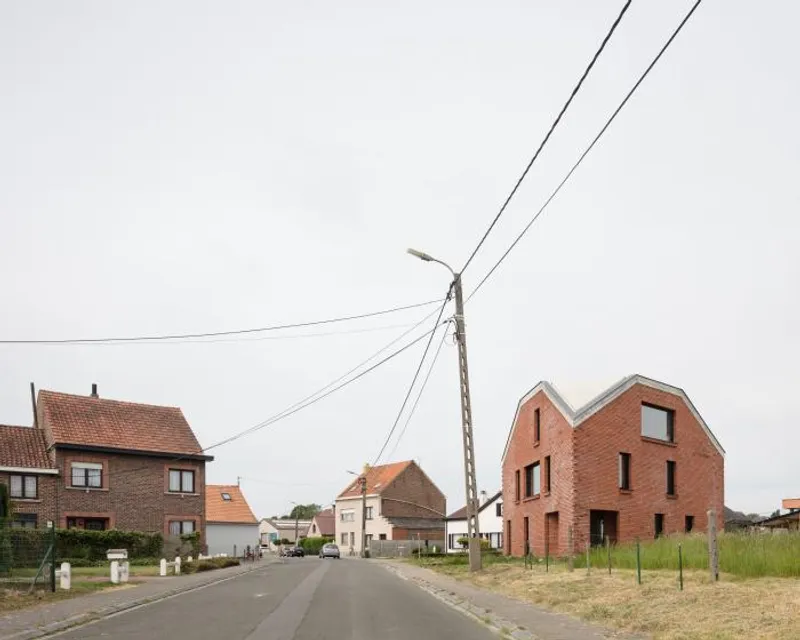
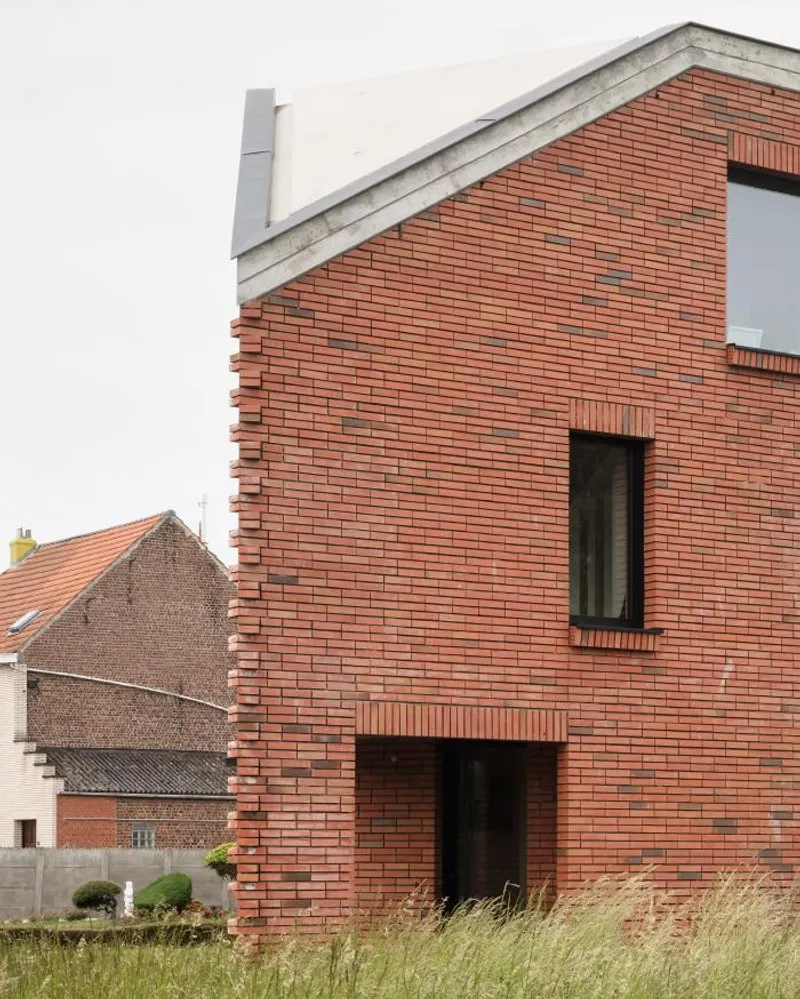
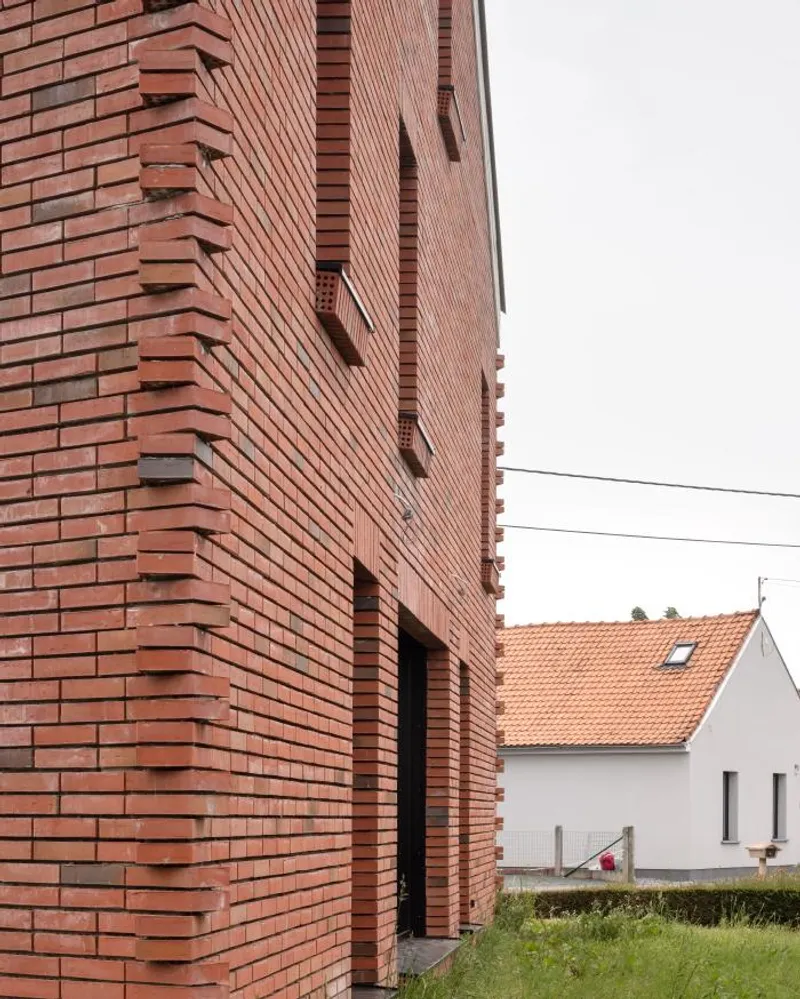
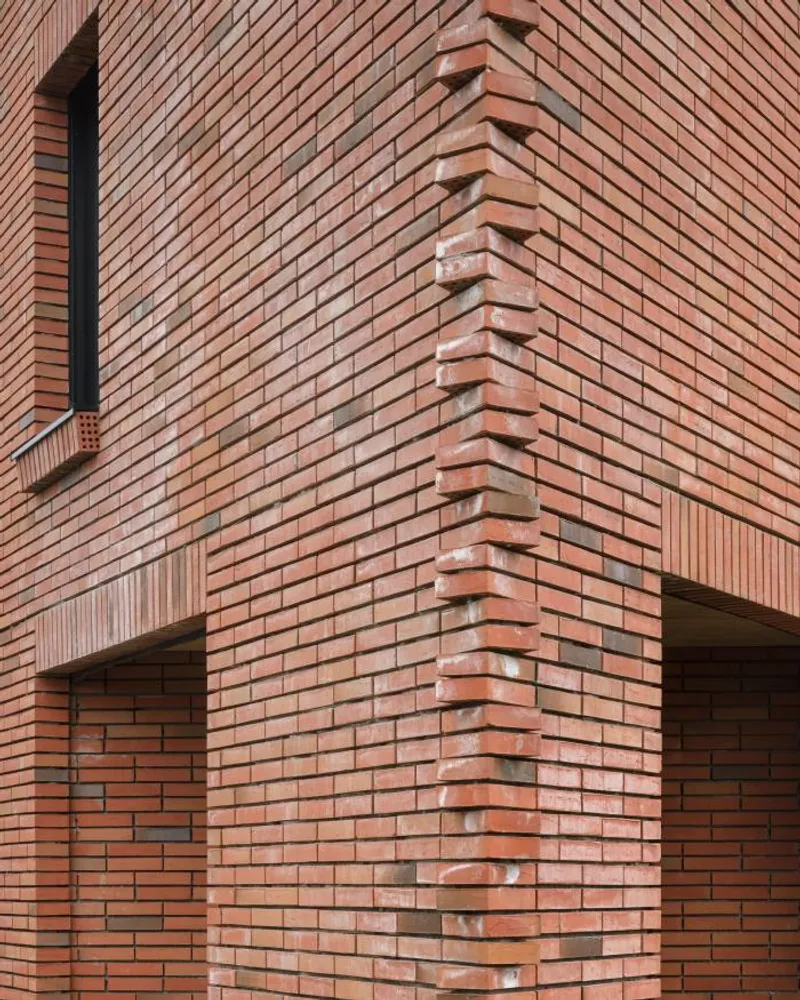
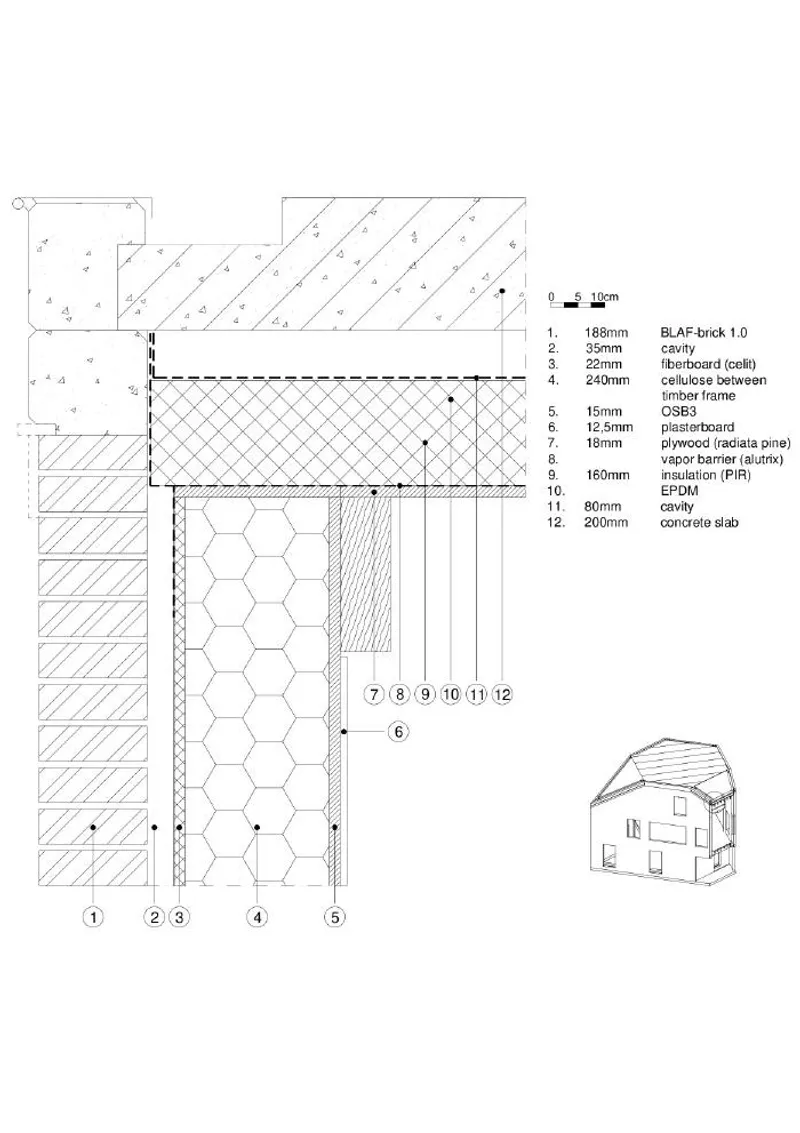
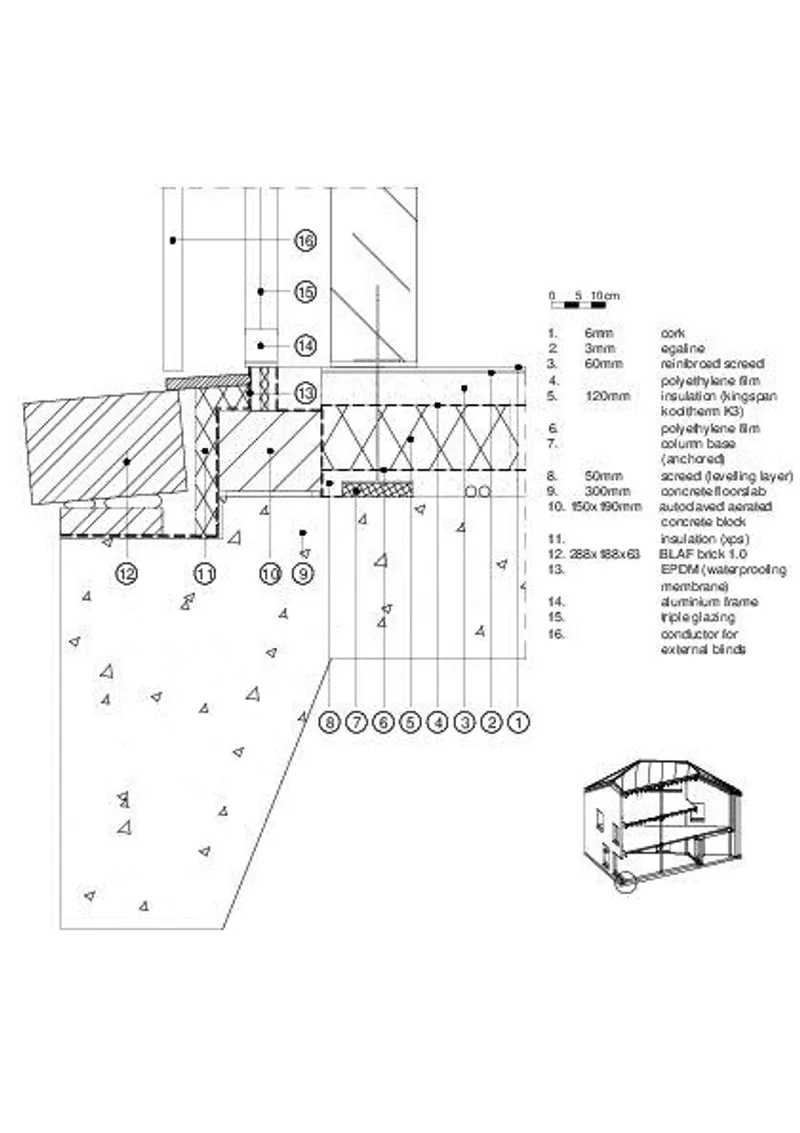
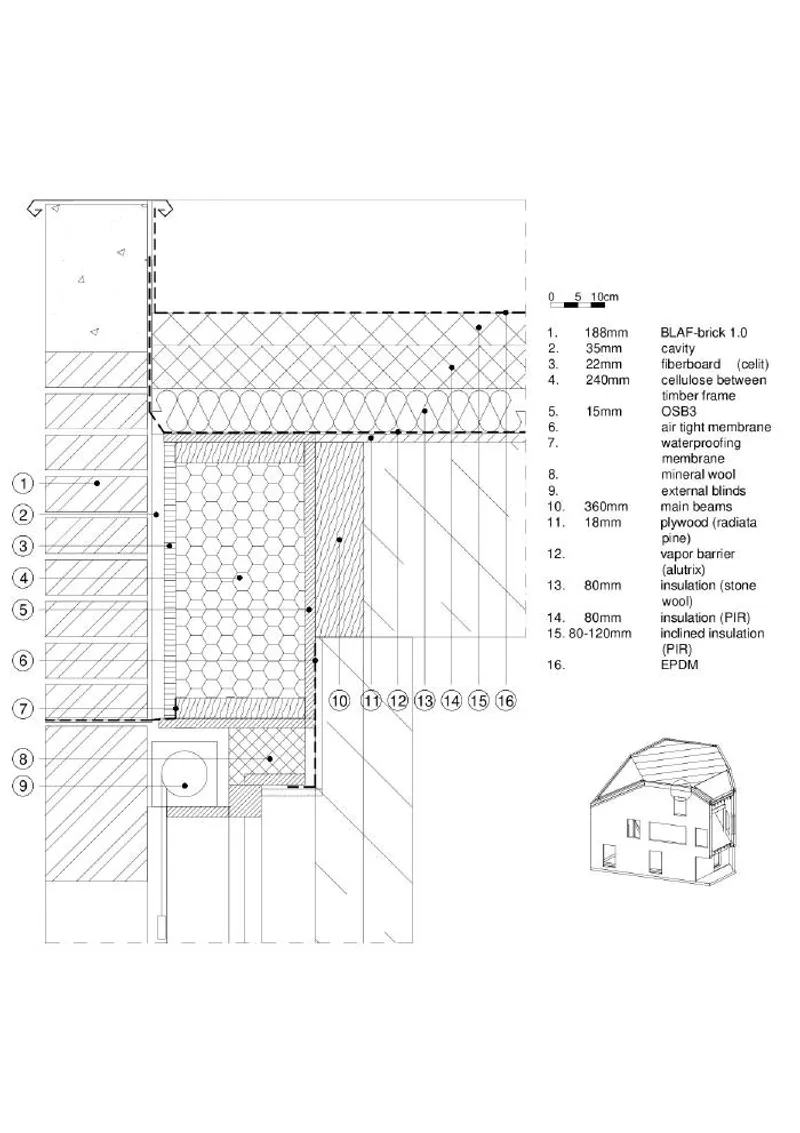
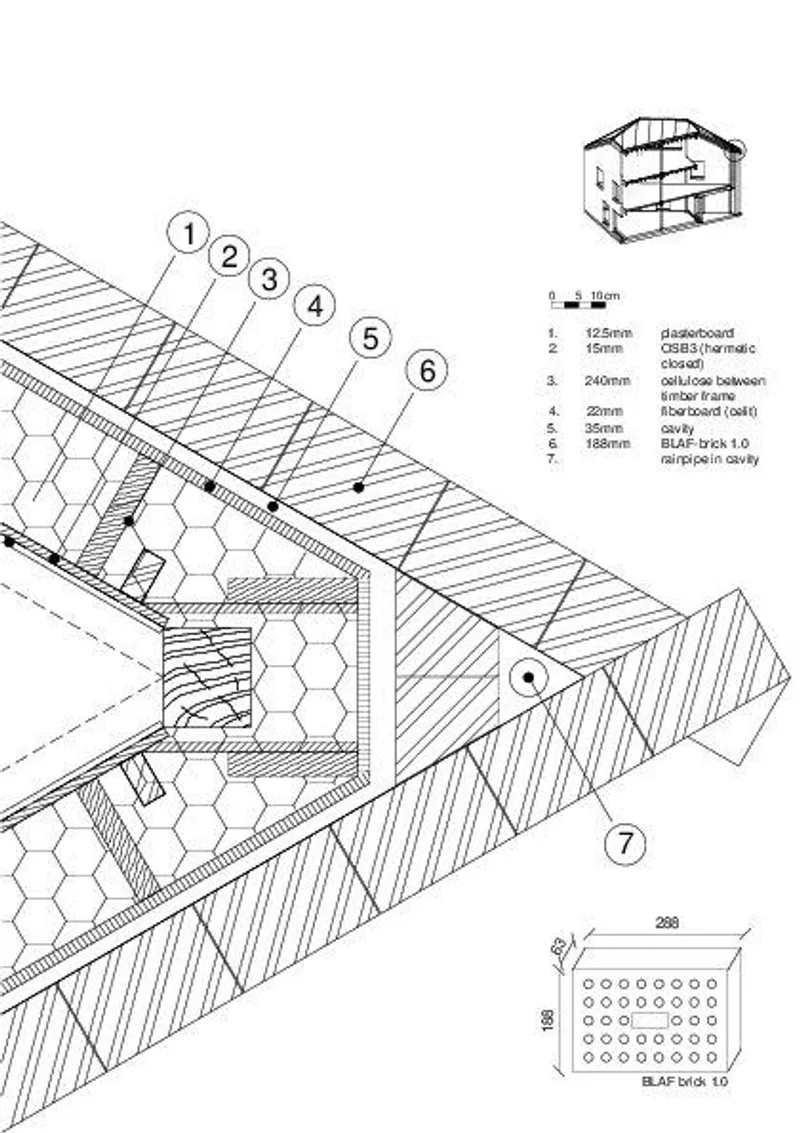
BLAF Architect is renowned for their experimental houses, such as wsT House, in Flanders and beyond. Their research focuses on building high-performance, sustainable houses that consider the relationship between material, construction, and context. Since the introduction of energy performance standards in 2006, thermal insulation in building skins has become thicker, leading to the use of light and low-cost facade cladding materials such as plaster, scales, tiles, and textiles. This shift is also evident in BLAF's experimental production. For brick buildings, this has meant an evolution towards brick tiles glued onto buildings as ‘exterior wallpaper’. BLAF recognized that this construction method would make it impossible to separate the materials at the end of the building’s life cycle, resulting in large amounts of non-reusable waste. Additionally, this evolution has led to new aesthetics, with tectonic expressions no longer resulting from stacking bricks, and a recalibrated position of the architect towards the design of the building elevation. As a result, BLAF has created a series of brick houses that explore hybrid construction and the development of the new ‘Big Brick’.
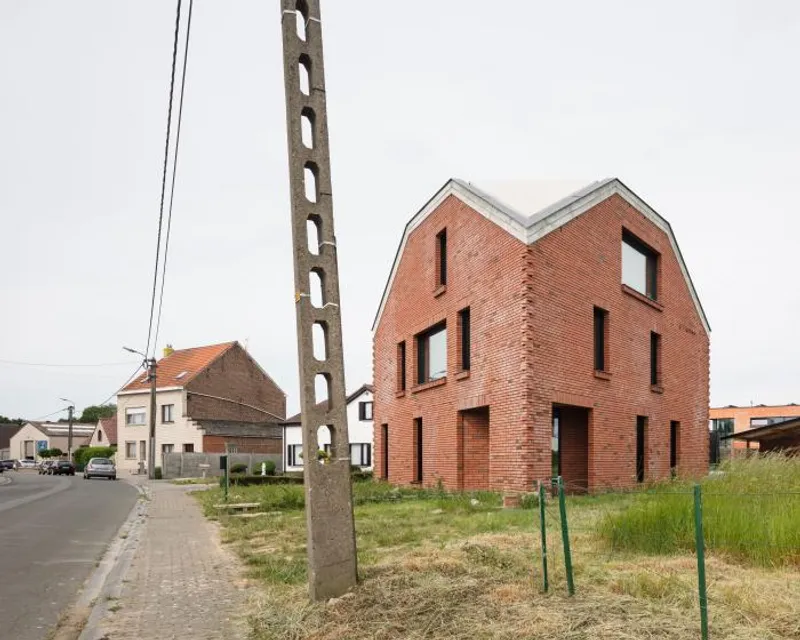
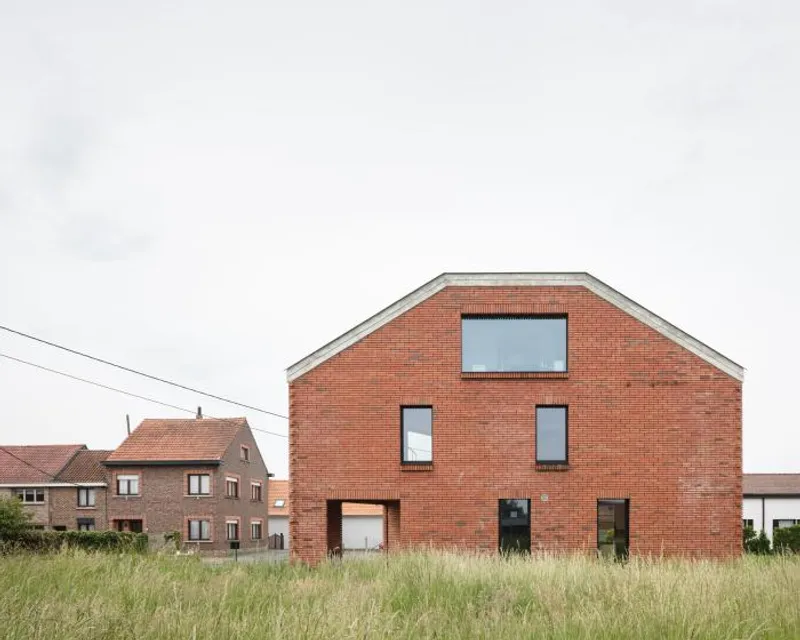
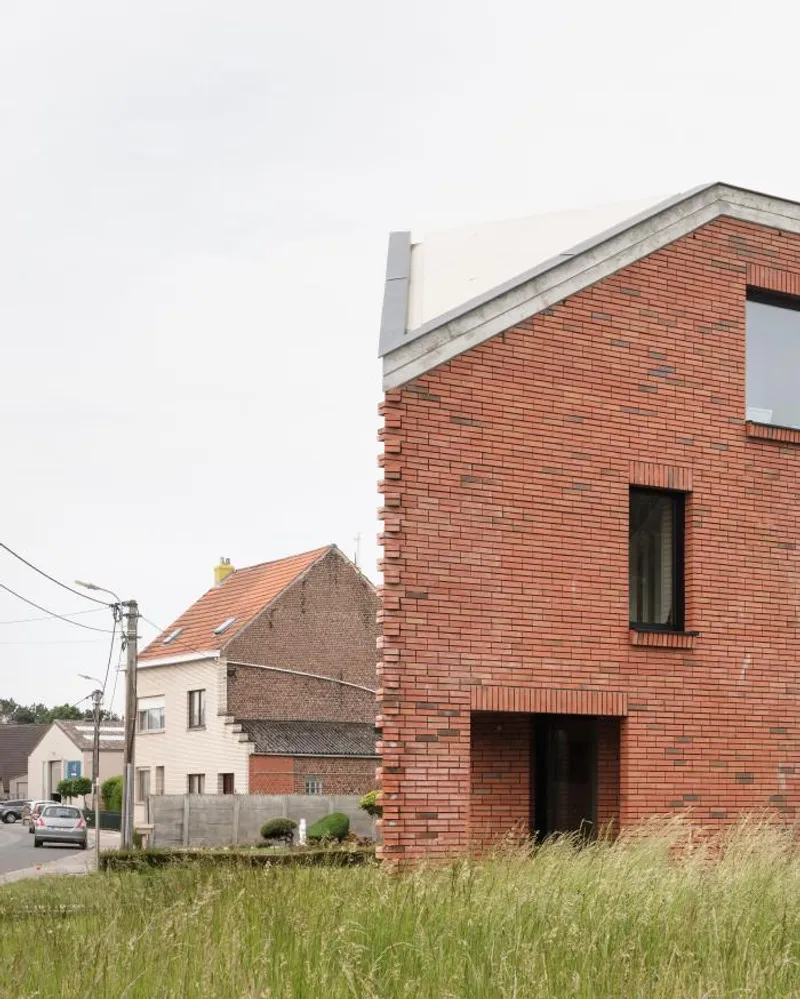
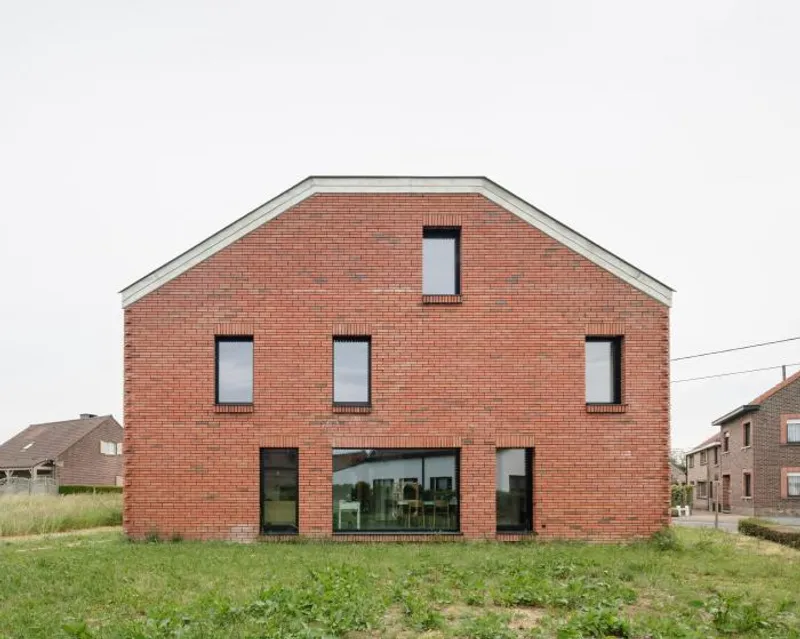
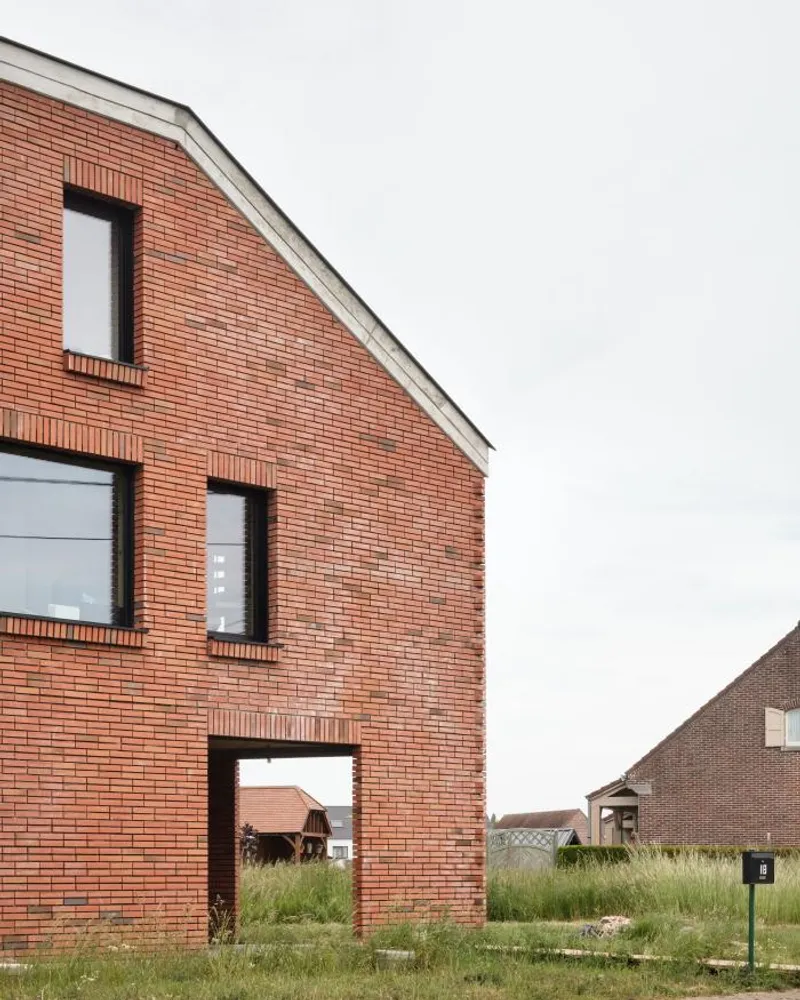
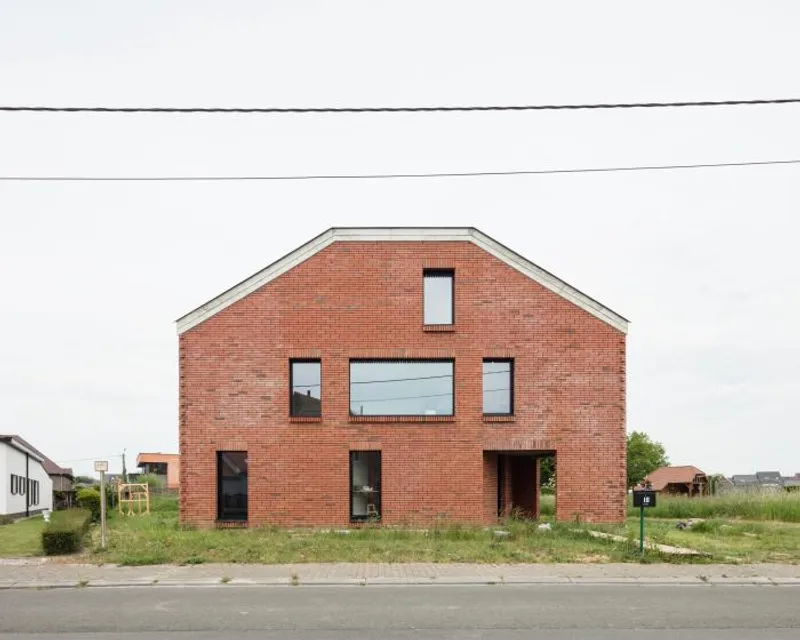
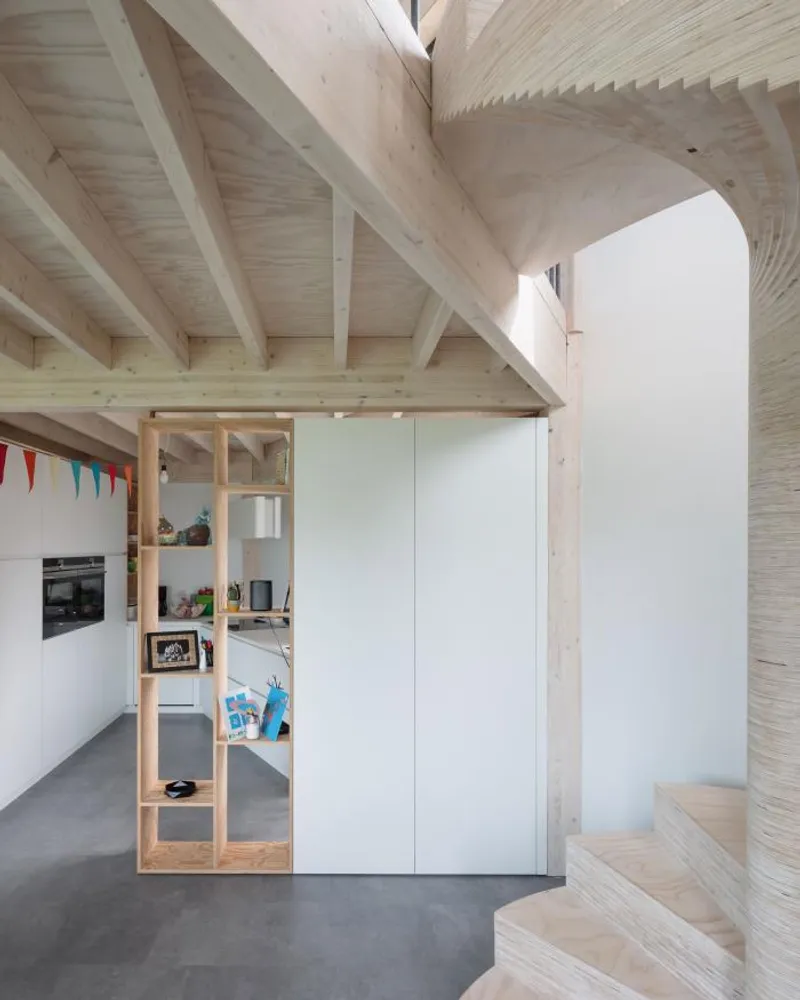
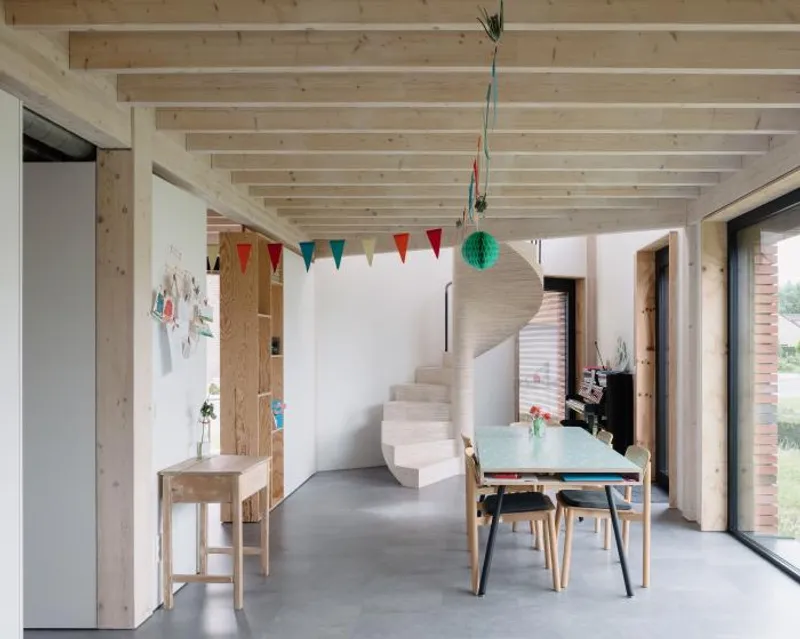
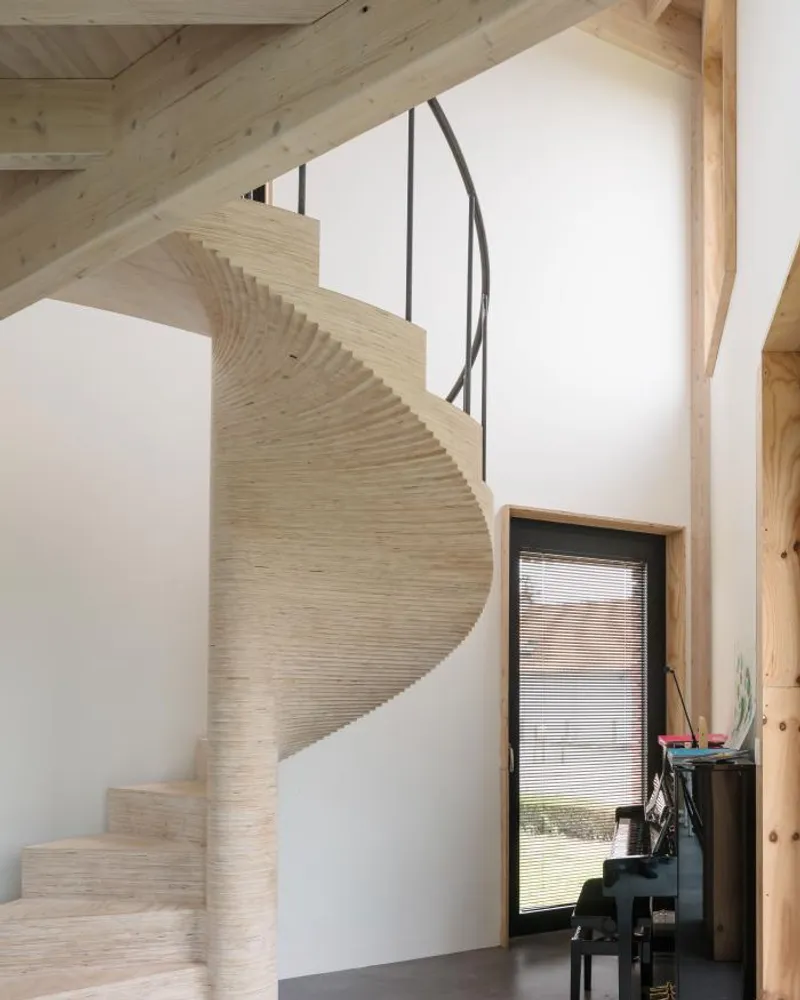
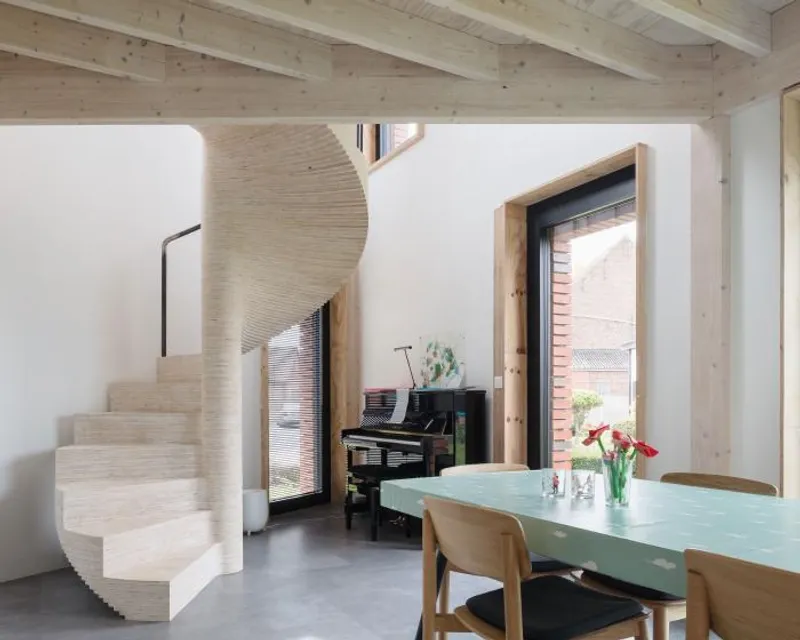
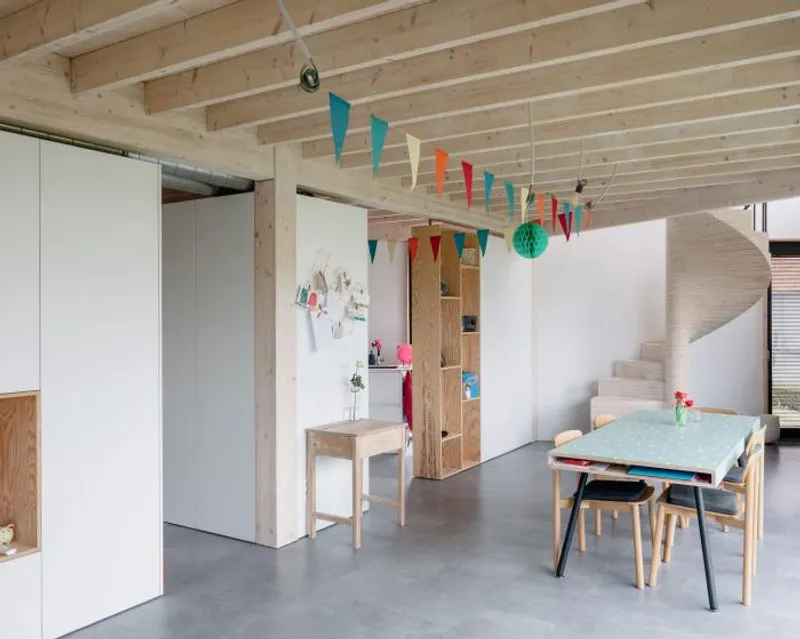
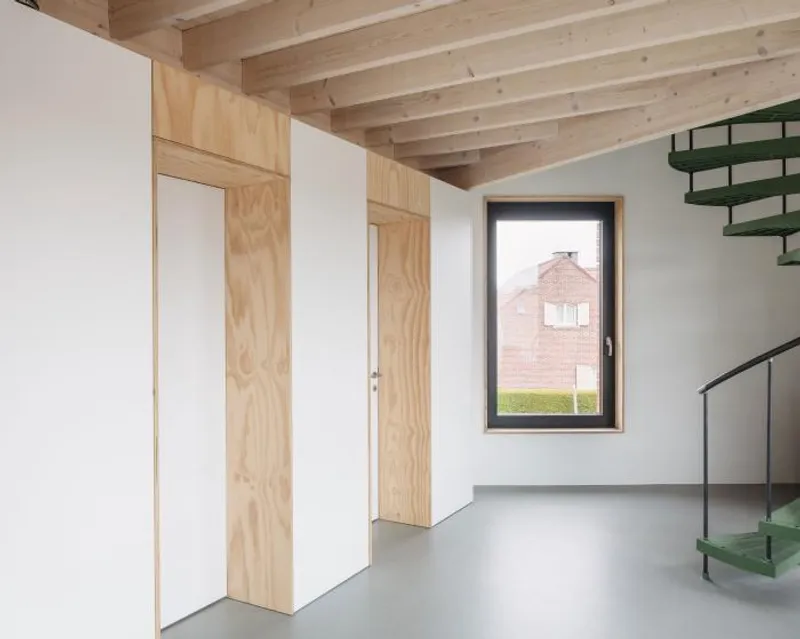
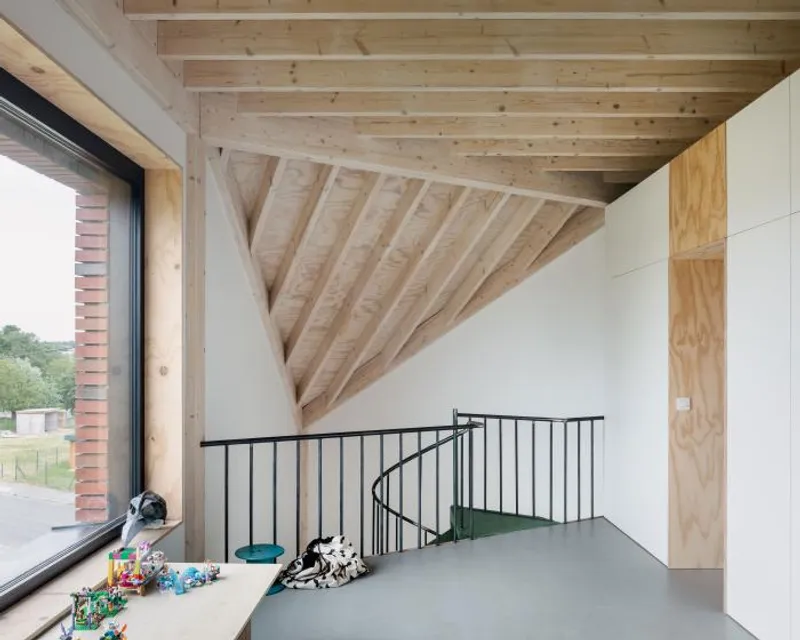
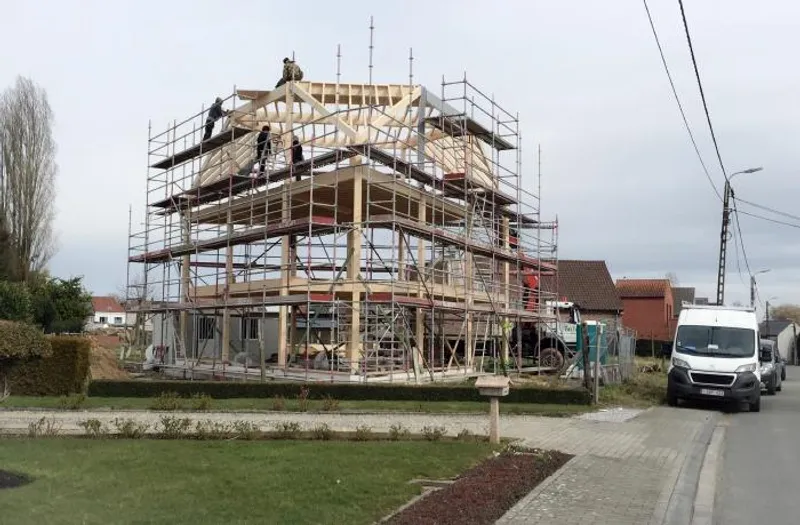
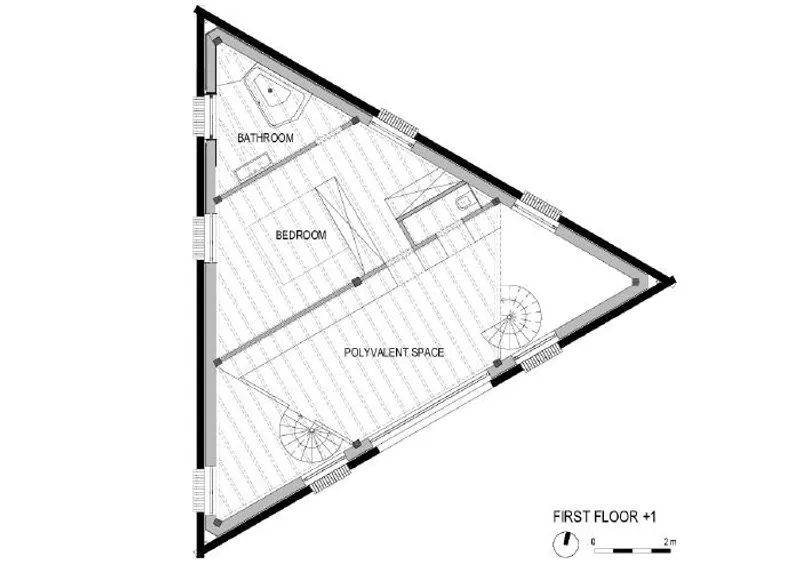
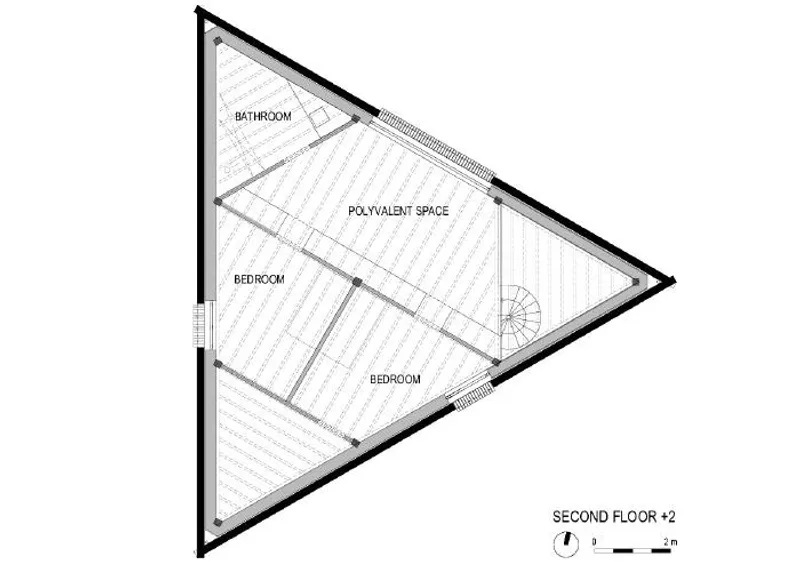
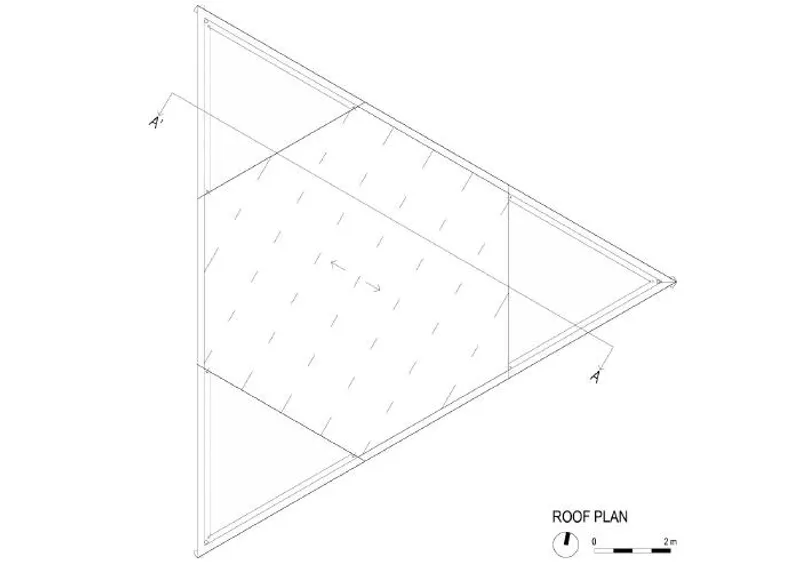
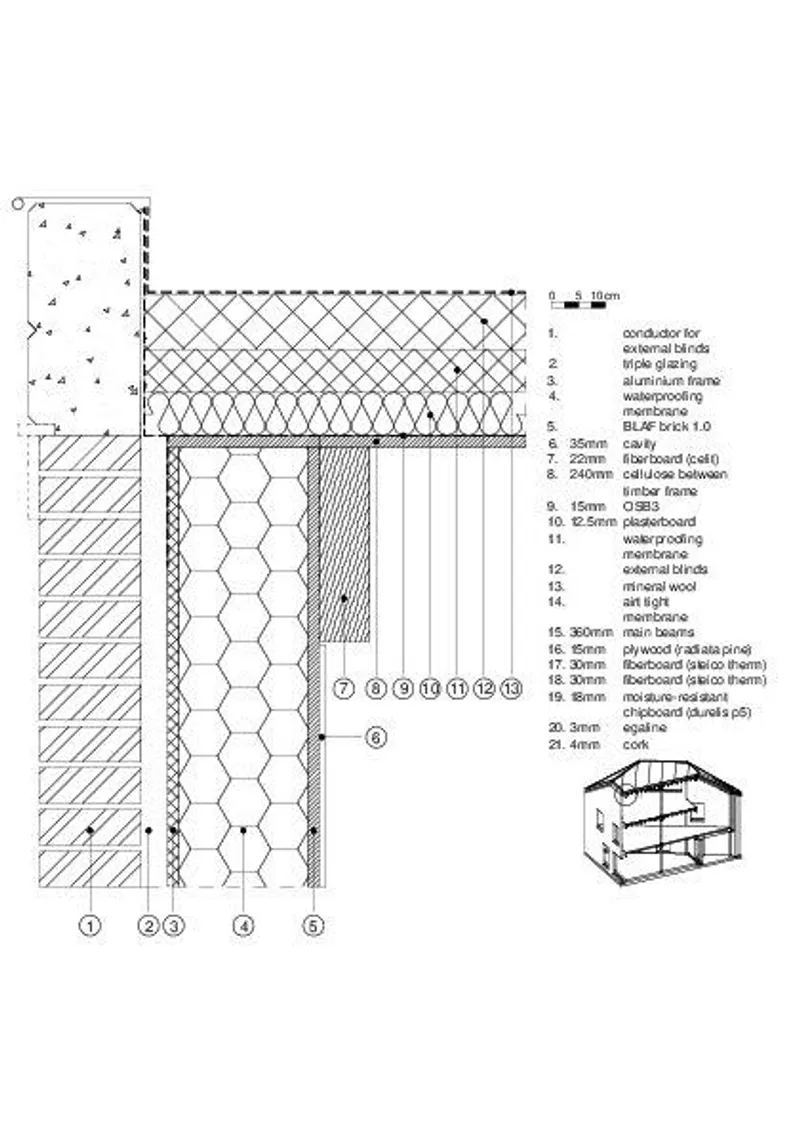
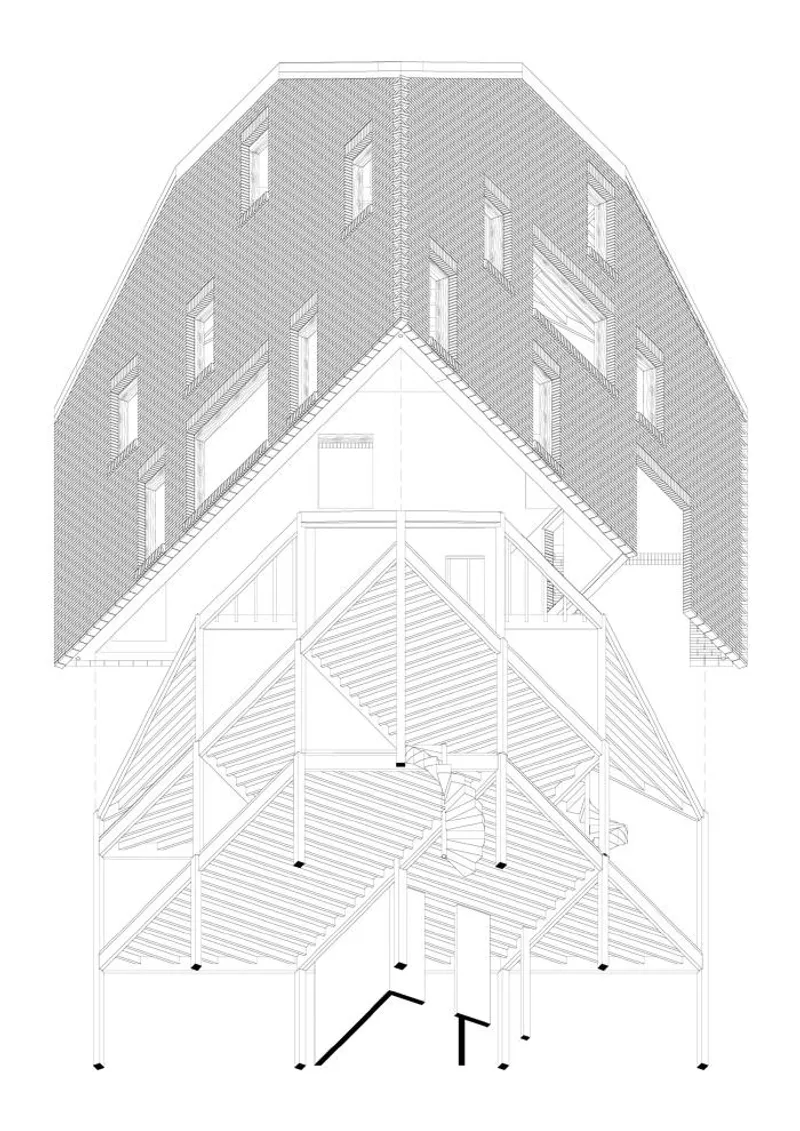
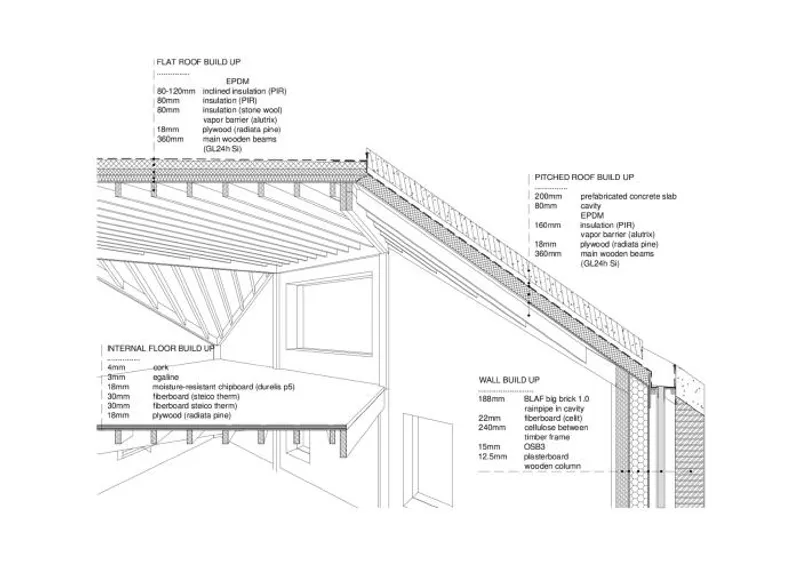
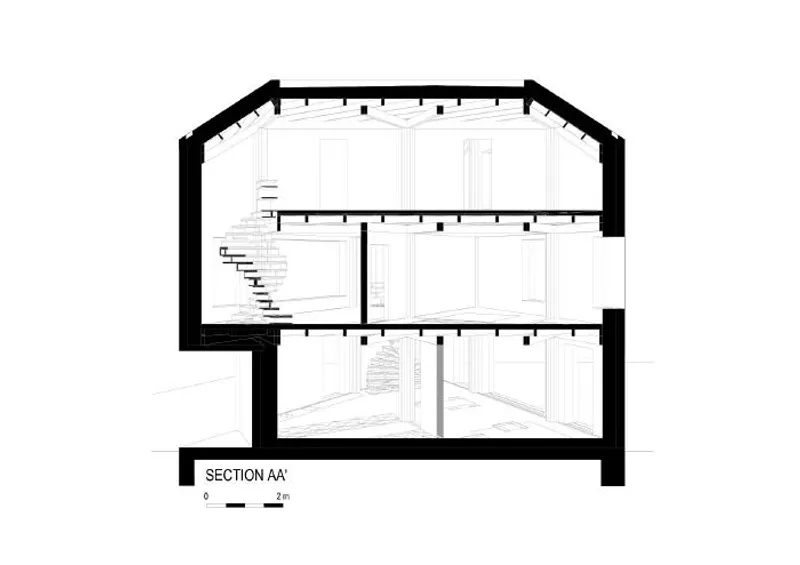
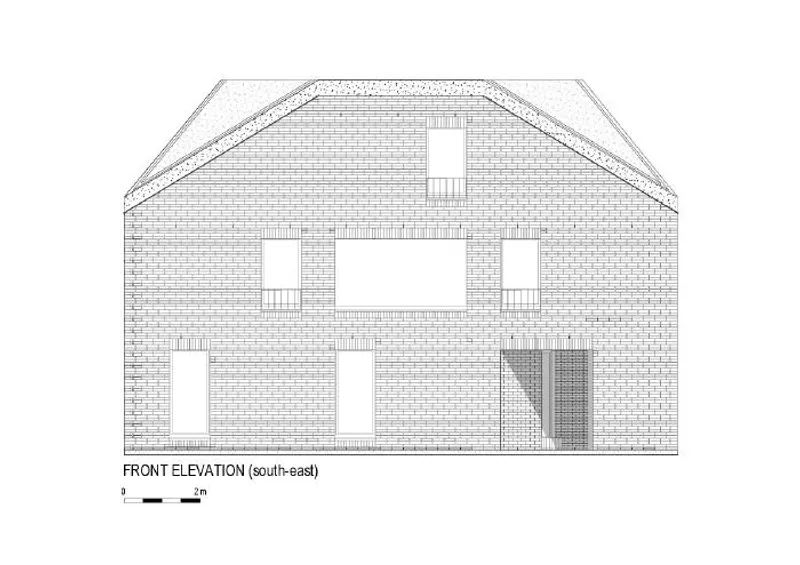
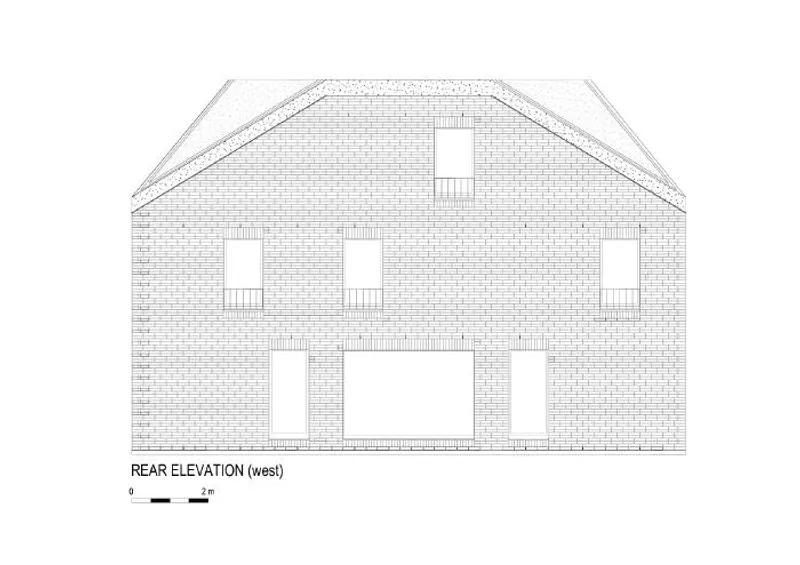
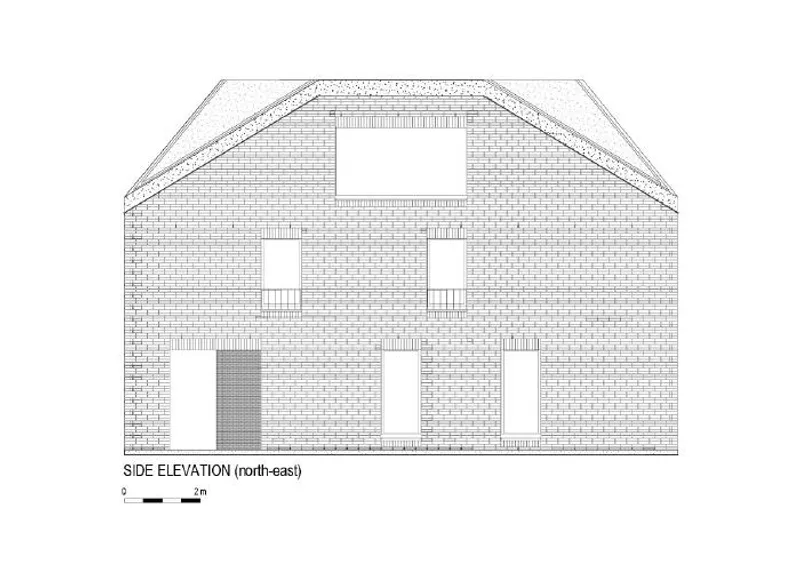
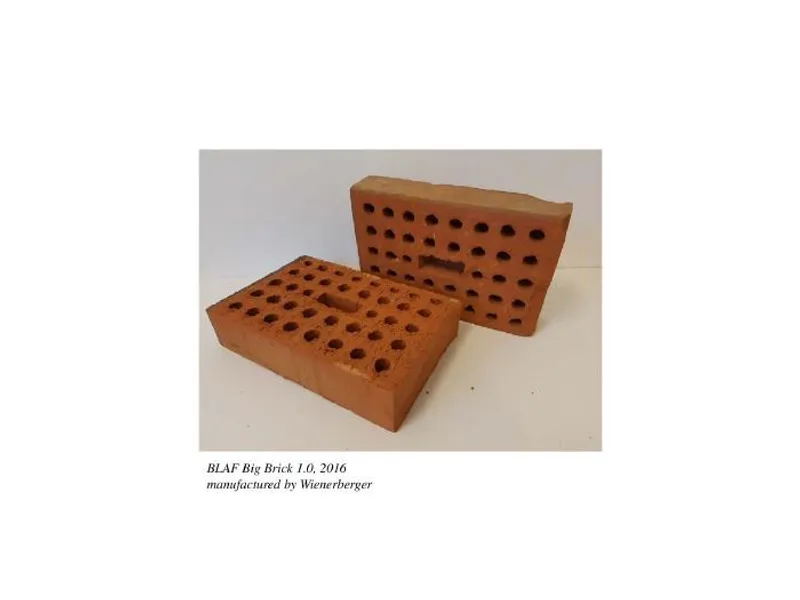
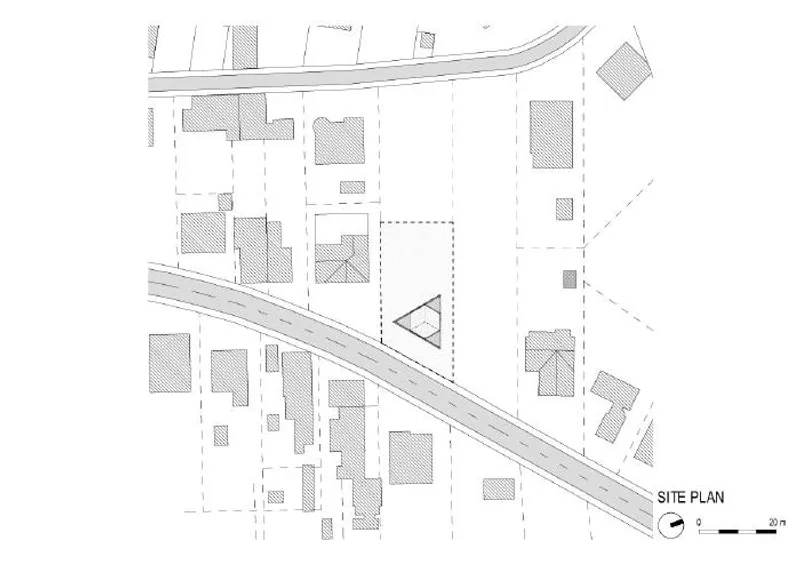
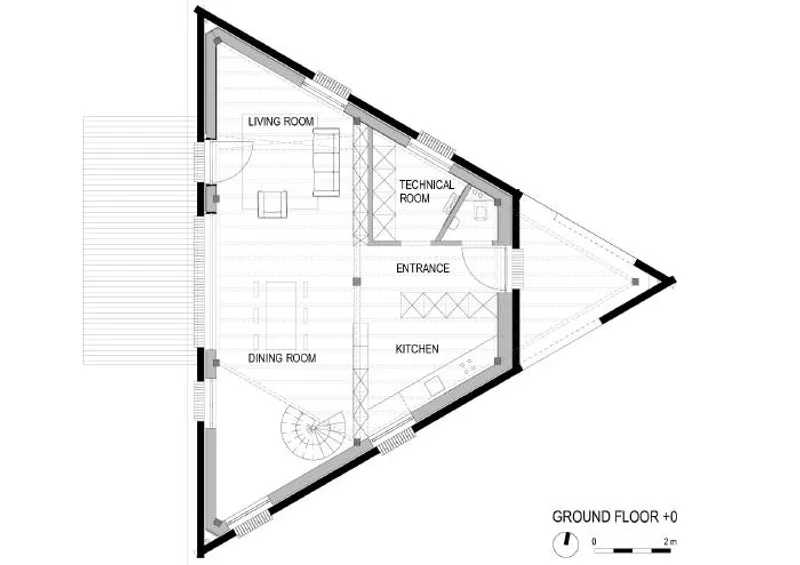
The wsT house is one of the first three houses in a series where architects explore the use of BLAF-brick 1.0 and the shape of the shell for its autonomy. Located on a hill in the centre of Sint-Katherina-Lombeek, near the Ternat station, the house has a parallel façade to the street, and its right façade is also parallel to the oblique (120°) lateral plot boundaries. This creates an equilateral triangular floorplan, with tip façades connected by a sloping roof. The structure is a wooden skeleton, three storeys high, with three different bearing directions, and the open floor plans are polyvalent completed. The brick shell is built around the timber frame and is self-supporting due to its shape. This shell, along with the wooden insulated walls, forms an extremely high-performance shell for the house. The house is constructed in a hybrid and traditional way, referring to pre-industrial building methods, but according to current and future standards. The interior construction is a prefab wooden 'columns and beams' structure with mortise and tenon joints, and the outer construction is a self-supporting brick from Wienerberger, the BLAF Big Brick 1.0. This hybrid construction provides an ecological and extremely energetically efficient outer shell, which makes it possible to limit energy demand, met in a low-tech way with a compact unit from Pichler.


Popular Articles
Popular articles from the community


ETEH Reworks the Shared Spaces of São Domingos School in Brazil Around Timber, Color and Hanging Plants
At São Domingos School in Brazil, 436 m² of hall, refectory and library are recast with timber joinery, a yellow and blue code and trailing greenery.


Singing Woman: An Opera House That Performs Before the Curtain Rises
Ovidiu Cristian Pavel's conceptual opera house translates Estonia's choral identity into a sculpted waterfront landmark facing the Baltic Sea.

Aquadapt: An Underwater Habitat That Rewrites Its Rooms by the Hour
Curved modules ring the seabed while one shell shifts from breakfast room to cinema, farm and football pitch as residents' needs change.

FCC Arquitectura Expands a Portuguese Granite House with a Board-Marked Concrete Wing
In Portugal, JV House pairs a cleaned-up whitewashed and granite dwelling with a timber-shuttered concrete extension, courtyards and a garden pool.

Similar Reads
You might also enjoy these articles

Rede Arquitetos Turns Circulation into Civic Space at the Educar II SESC School in Fortaleza
In Fortaleza, Brazil, Educar II SESC-CE trades a signature form for mesh screens, yellow thresholds and courtyard walkways built for equatorial heat.
116 Rokeby Building, Collingwood
Sustainable Collingwood office building featuring double-skin façade, natural ventilation, rooftop amenities, and carbon-neutral design focused on wellbeing and longevity.
Contemporary Apartment Renovation in Spain: RV House by BIAN Opens Up to the Sea
A minimalist 1930s apartment in Santander is transformed into a flexible, sea-facing home through contemporary Spanish renovation.
3 Marías House: A Contemporary Mediterranean Courtyard Retreat by Bajet Giramé + Burckhardt
Mediterranean courtyard home blending traditional architecture with modern design, terracotta flooring, flexible interiors, sustainable climate strategies, and garden integration.

Explore Building Technology Competitions
Discover active competitions in this discipline

Challenge to reimagine the Iron Throne

Photograph architecture without architects

Illustrate the lost glory of Angkor Wat - Render Challenge

Bring back Drive In's
Comments (0)
Please login or sign up to add comments
No comments yet. Be the first to comment!