
Casa Uno by CLACLÁ Taller de Arquitectura: A Subterranean Sanctuary Rooted in Earth and Silence
Casa Uno is a subterranean home blending architecture with landscape, using sustainable materials, passive systems, and poetic spatial silence.

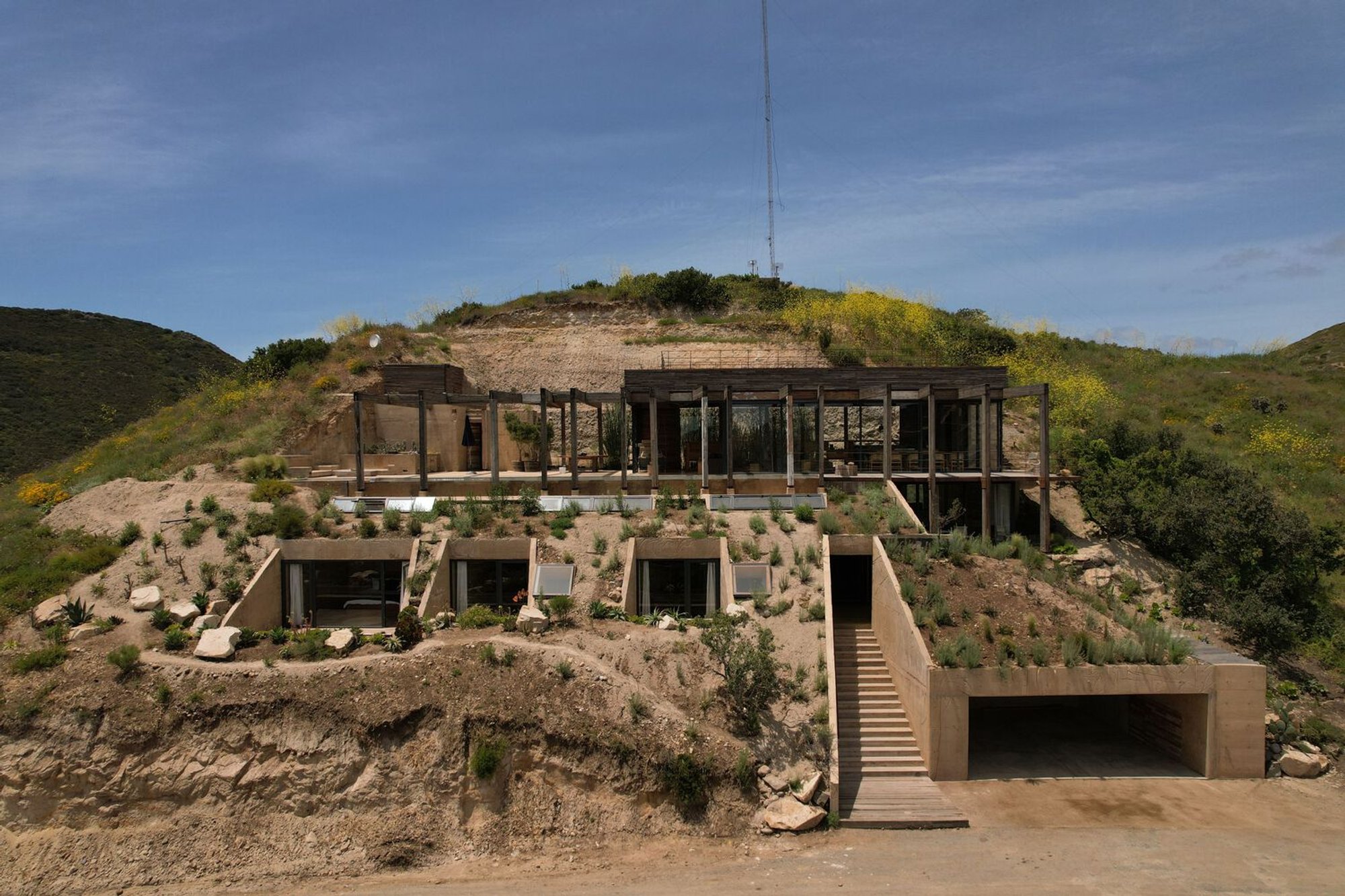
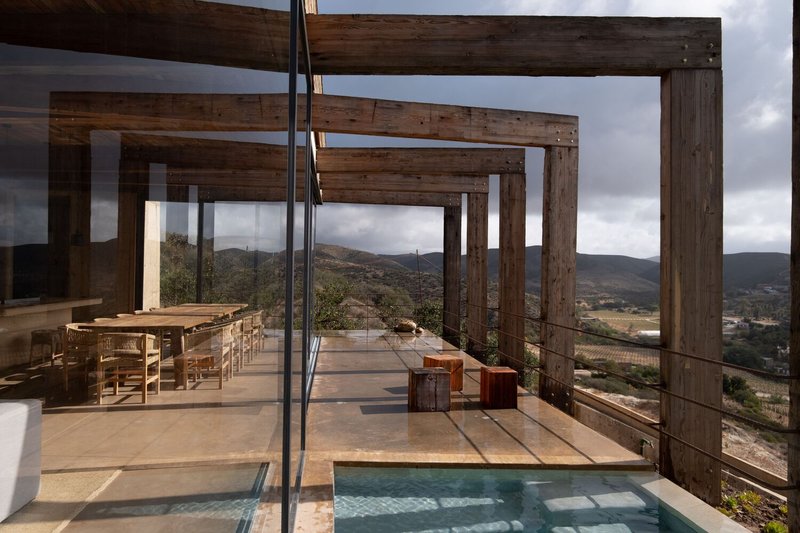
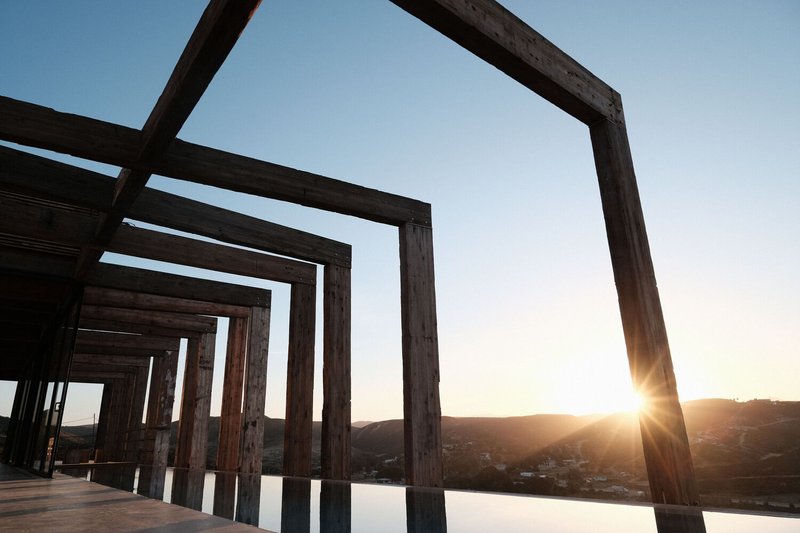
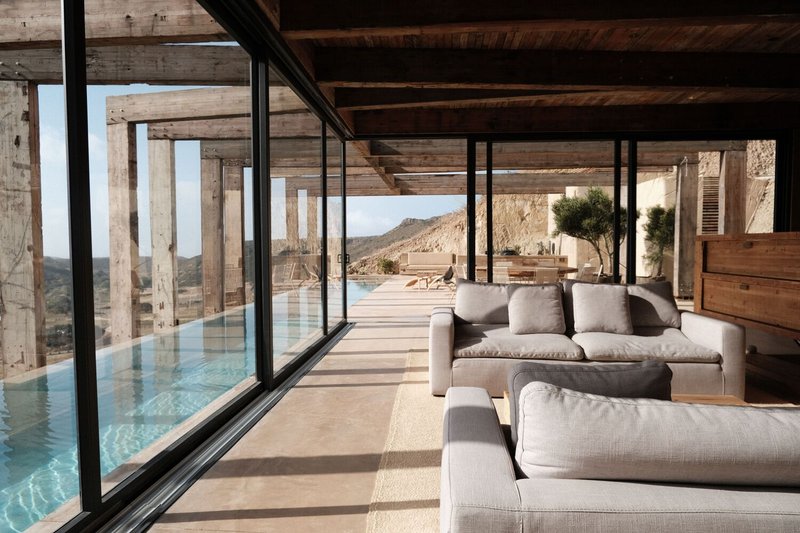
Located in the rugged terrain of Ensenada, Mexico, Casa Uno by CLACLÁ Taller de Arquitectura, led by Claudia Turrent and Axel De La Torre, is an architectural meditation on silence, sustainability, and the primal notion of refuge. Spanning 499 square meters, the home is not a structure that asserts itself onto the land but rather sinks into it—an intentional gesture aimed at reducing visual impact, improving energy efficiency, and harmonizing with the natural topography.
A Hidden Home in Dialogue with the Landscape
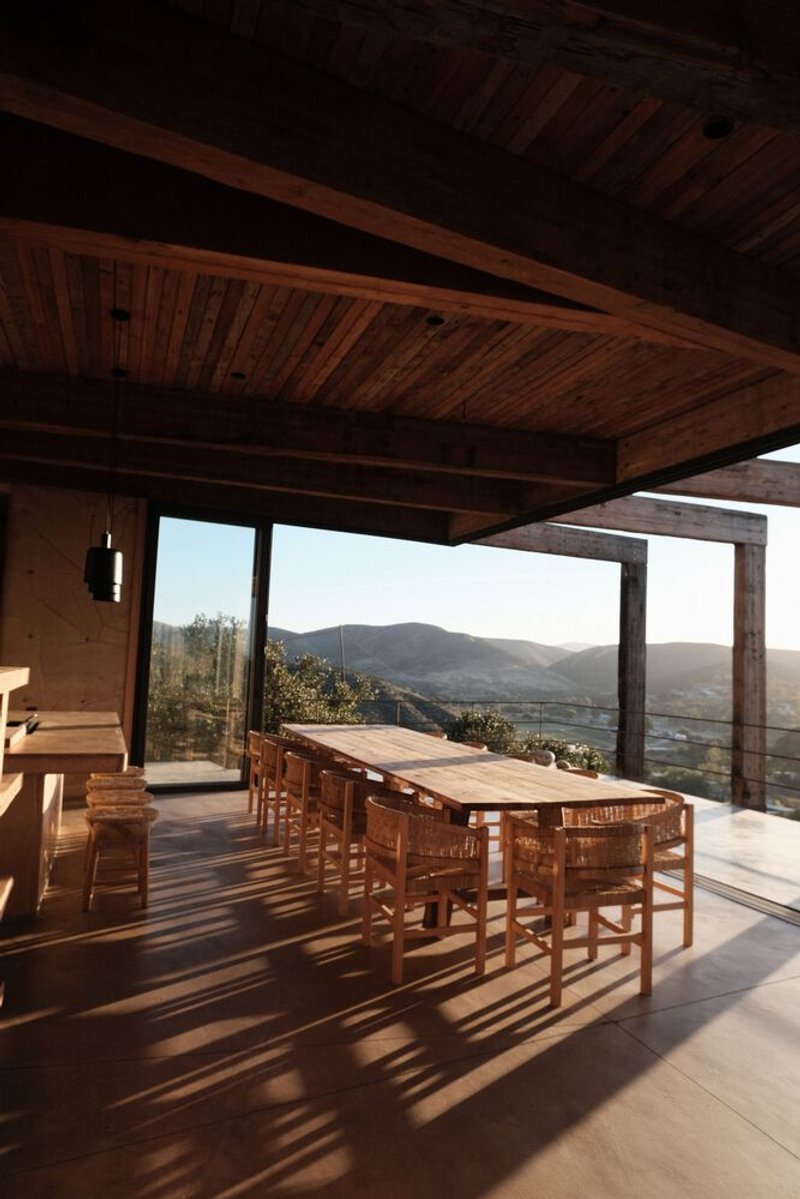
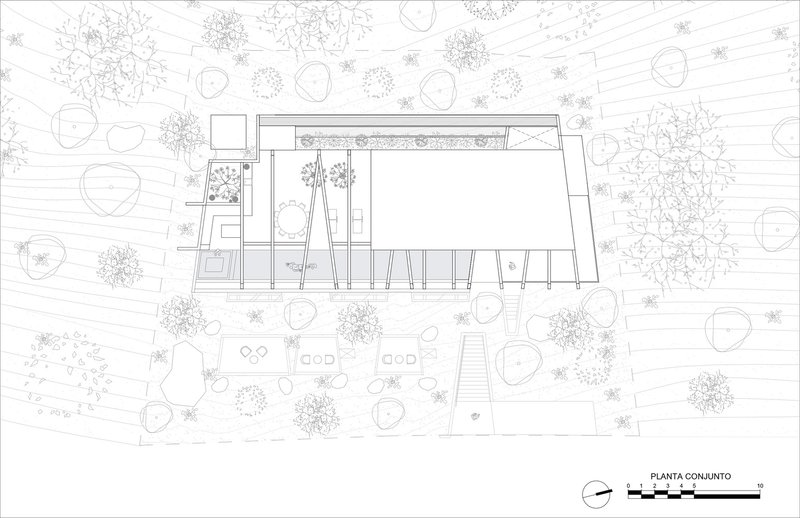
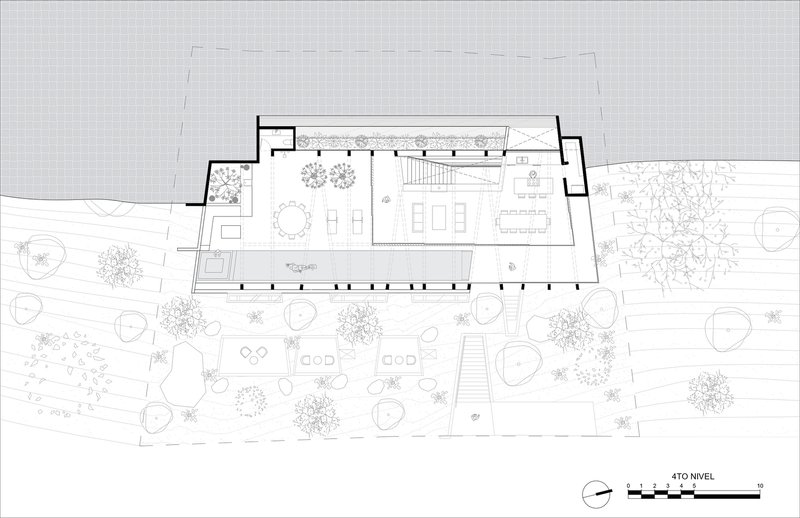
Casa Uno’s design philosophy is anchored in subtractive architecture. Most of the volume is embedded into the terrain, camouflaging it within the landscape and reducing perceived building density. This approach creates a quiet yet profound presence—one that prioritizes landscape restoration, eco-conscious living, and spatial serenity over architectural monumentality.
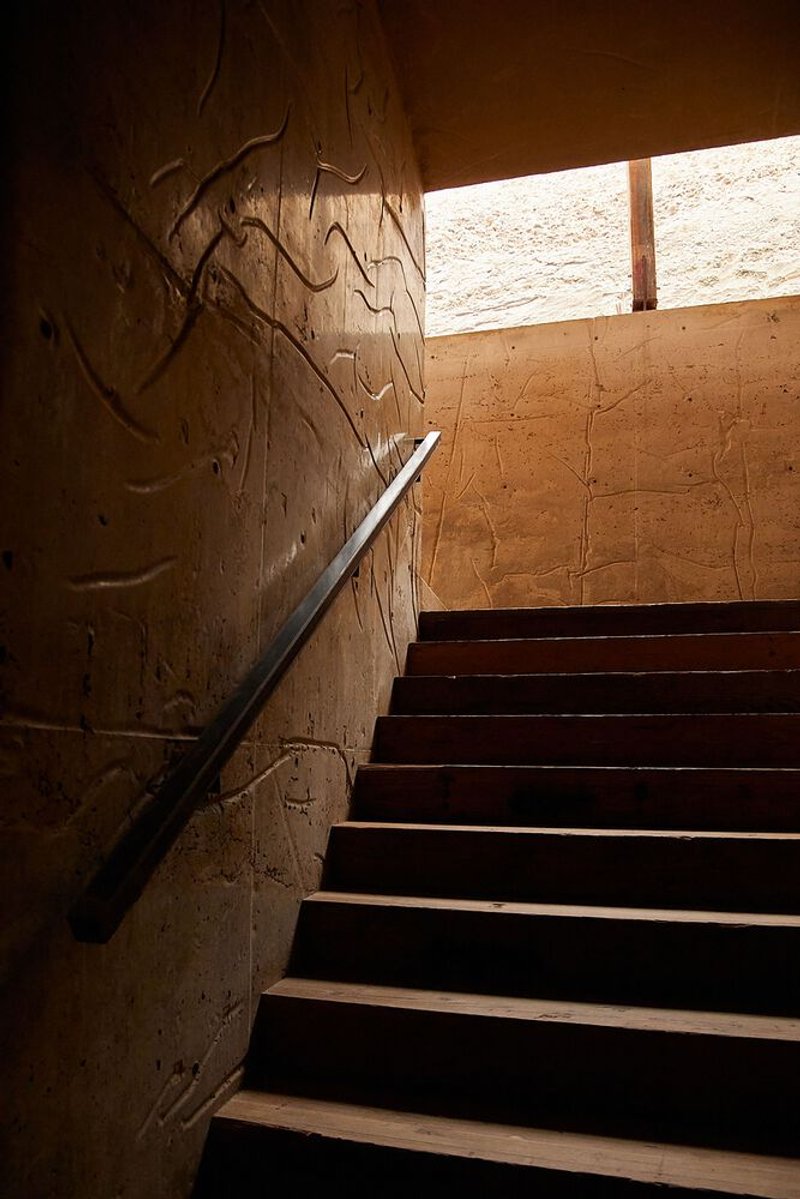
Upon entry, the house evokes the sensation of entering a cave—a timeless and archetypal form of shelter. This spatial gesture draws from humanity's earliest architecture, evoking deep feelings of safety and introspection. In this way, Casa Uno becomes both a literal and symbolic sanctuary.
Healing the Land Through Architecture
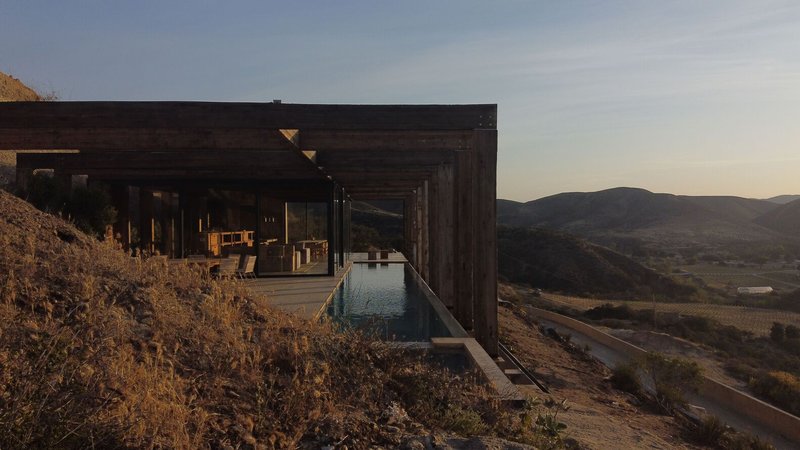
The act of burying a structure within the earth inevitably leaves a scar. The architects addressed this through a landscape regeneration strategy: all native vegetation disturbed during construction was preserved in a temporary nursery, to be later replanted. This ecological care is extended further through a passive water reuse system, which recycles household water for irrigation. Over time, the home’s footprint will be reabsorbed into the landscape, both physically and symbolically.
Material Honesty and Sensory Expression
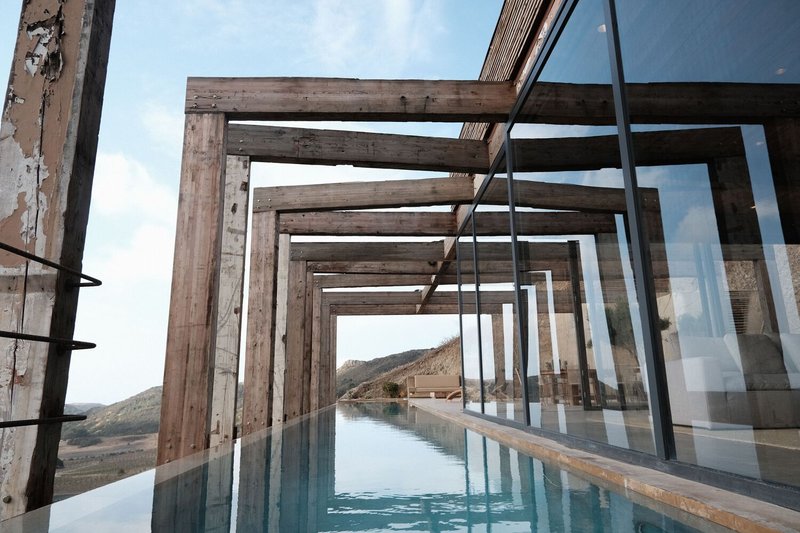
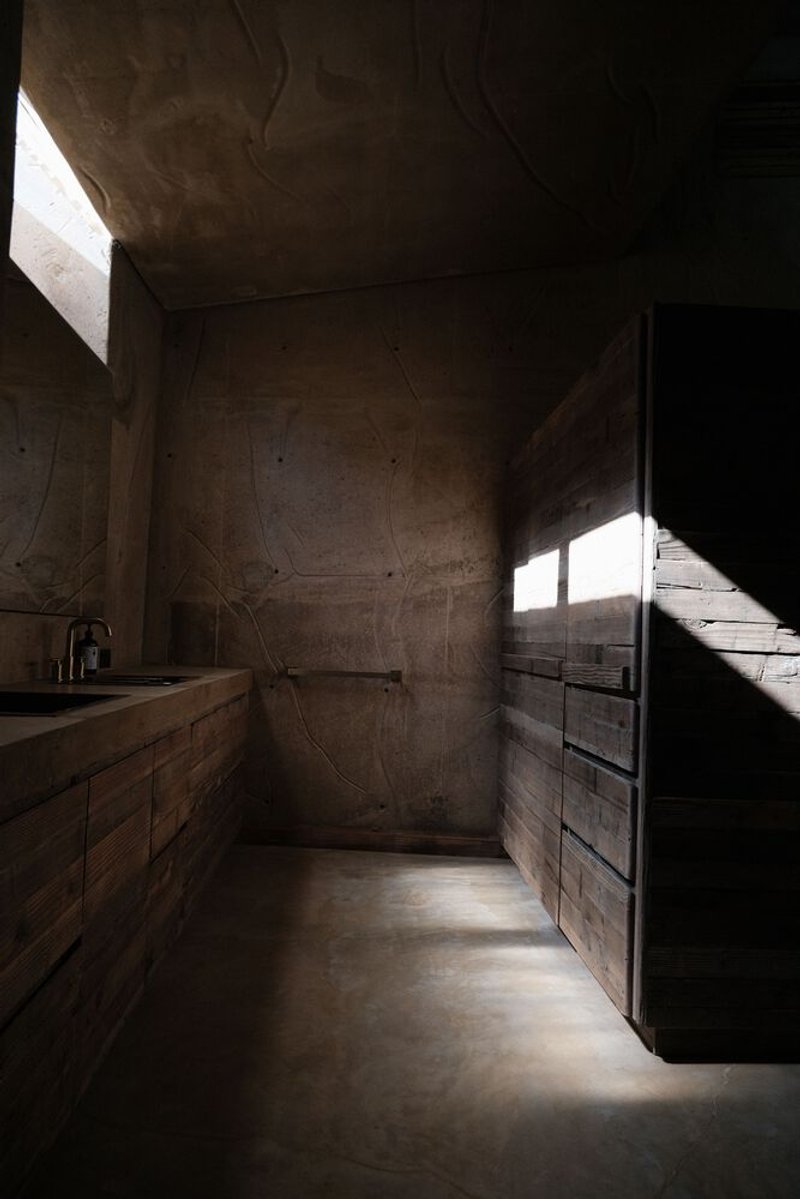
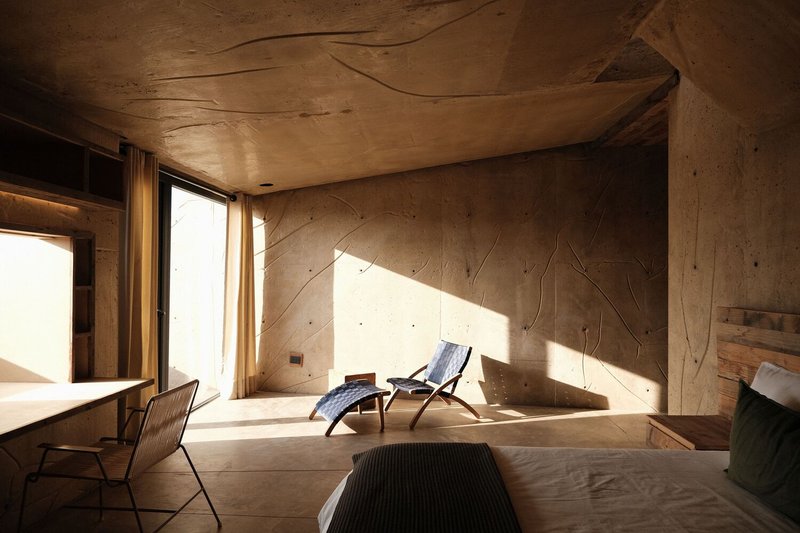
One of the most compelling aspects of Casa Uno is its use of pigmented concrete, tinted to match the natural tones of the surrounding soil. Poured into wooden molds, the walls bear a polished, undulating texture—recalling weathered granite shaped by wind and time. Plastic sheeting used during molding serves dual purposes: first as a waterproofing agent, and later as insulation for the retaining walls. Even the wooden molds find a second life, repurposed as carpentry elements within the home—underscoring a design ethos rooted in circularity, reduction of waste, and material storytelling.
This deep commitment to material honesty allows textures and surfaces to speak of time, labor, and transformation. CLACLÁ’s architectural language favors elements with memory—materials that hold “scars” from previous use, lending the project an authentic, almost archeological character.
A Contemporary Cave of Quiet Radicalism
Casa Uno is not just a home—it’s a statement about restraint, reconnection, and reverence for place. It shows that architecture can be quiet and powerful, grounded yet sophisticated, modern yet timeless. In resisting the urge to dominate its environment, it instead celebrates and heals it, offering a new model for earth-sensitive design.
All Photographs are works of Axel de la Torre, Francisca D’Acosta, Gabriela C. Walter



Popular Articles
Popular articles from the community

Free Architecture Competitions You Can Enter Right Now
No entry fees, real prizes. Here are the best free architecture competitions open for submissions in 2026.

Solar Steam: A Climate-Responsive Architecture That Redefines the Monument
A climate-responsive memorial architecture that transforms heat, decay, and time into a living system reflecting humanity’s ecological impact.


The Ken Roberts Memorial Delineation Competition (Krob)
As the most senior architectural drawing competition currently in operation anywhere in the world, it draws hundreds of entries each year, awarding the very best submissions in a series of medium-based categories.
Split House: A Compact Urban Home Blending Privacy, Light, and Flexible Living in Japan
Compact Japanese home featuring DOMA space, flexible café potential, passive lighting, privacy zoning, and sustainable urban living design.


Similar Reads
You might also enjoy these articles
The Ken Roberts Memorial Delineation Competition (Krob)
As the most senior architectural drawing competition currently in operation anywhere in the world, it draws hundreds of entries each year, awarding the very best submissions in a series of medium-based categories.
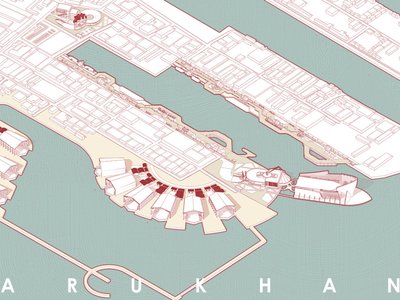
Waterfront Redevelopment and Urban Revitalization in Mumbai: Forging a New Dawn for Darukhana
A transformative waterfront redevelopment project reimagining Darukhana’s shipbreaking heritage into an inclusive urban future.
OUT-OF-MAP: A Call for Postcards on Feminist Narratives of Public Space
Rhizoma Design and Research Lab invites artists, designers, architects, researchers, and students to reflect on how feminist perspectives can reshape public space. Selected works will be exhibited in Barcelona, October 2026. Submissions open until 15 April 2026.


Documentation Work on Buddhist Wooden Temple
Architectural syncretism and cultural hybridity: A comparative study of the Buddhist temples in Chattogram Hill tracks


Explore Architecture Competitions
Discover active competitions in this discipline




The International Standard for Design Portfolios


The Global Benchmark for Architecture Dissertation Awards


The Global Benchmark for Graduation Excellence


Challenge to reimagine the Iron Throne
Comments (0)
Please login or sign up to add comments
No comments yet. Be the first to comment!