
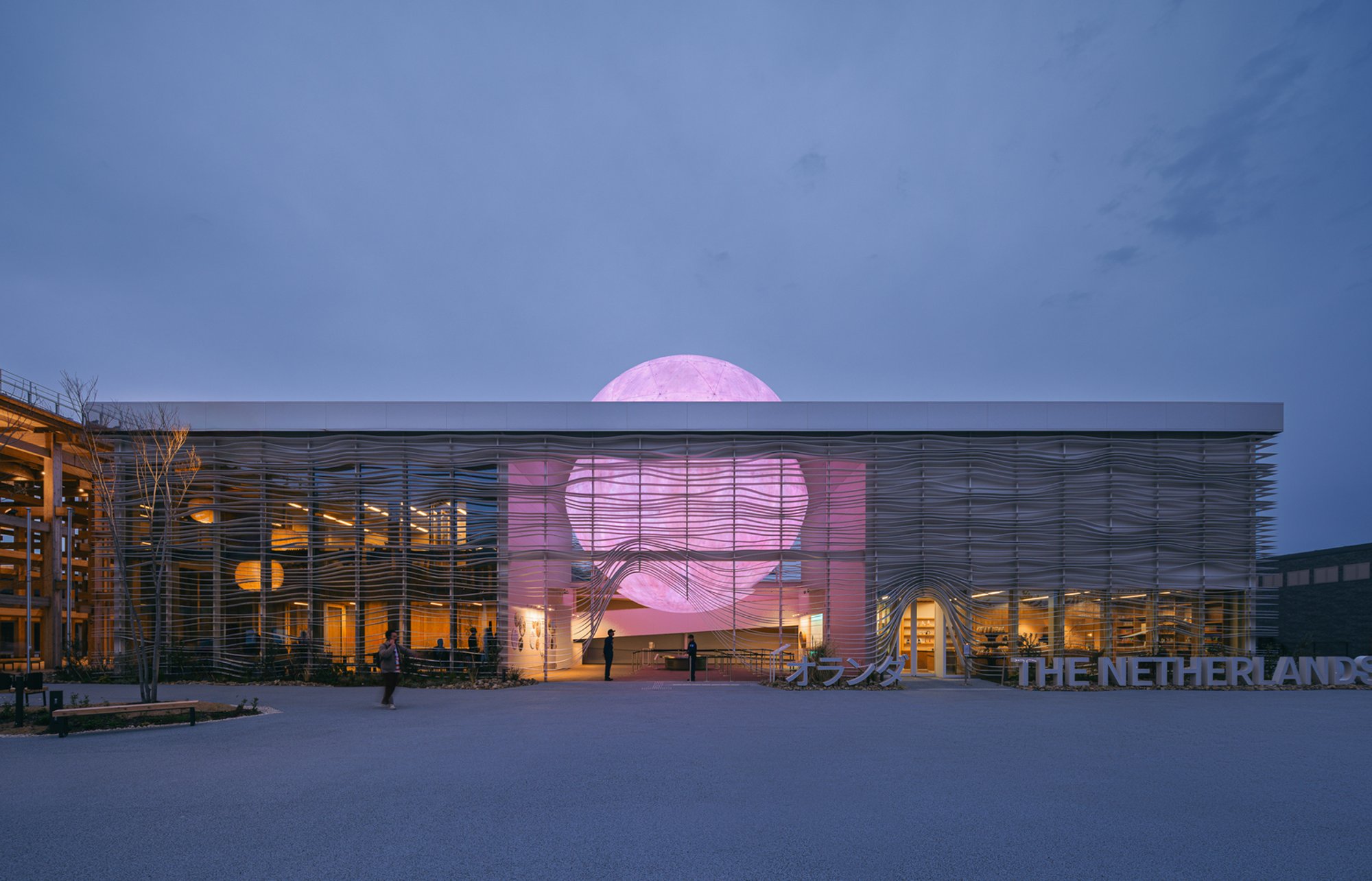
Circular Pavilion Architecture: Netherlands Pavilion at Expo 2025 Osaka by RAU Architects
A visionary showcase of circular pavilion architecture by RAU Architects, merging sustainability, interactivity, and Dutch-Japanese collaboration at Expo 2025.

A Vision of Sustainability and International Collaboration
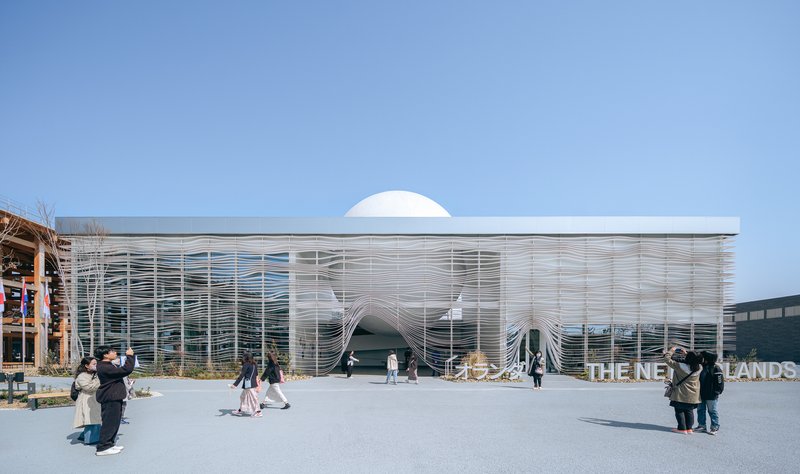
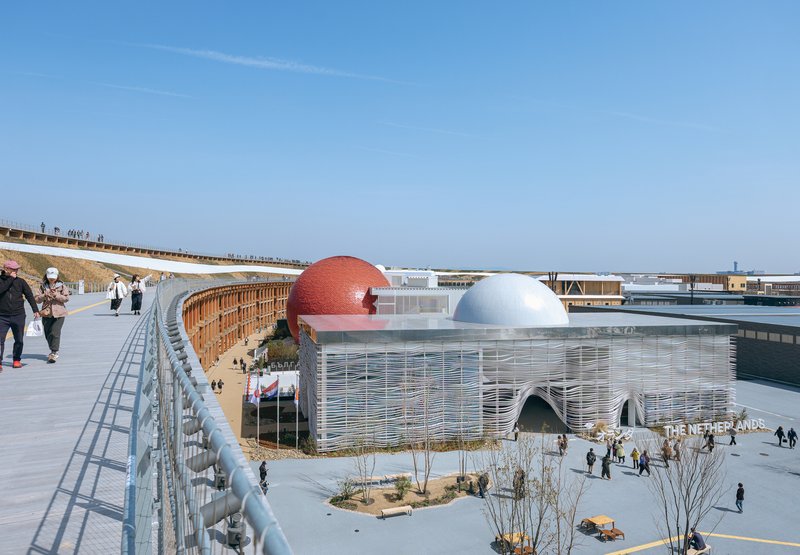
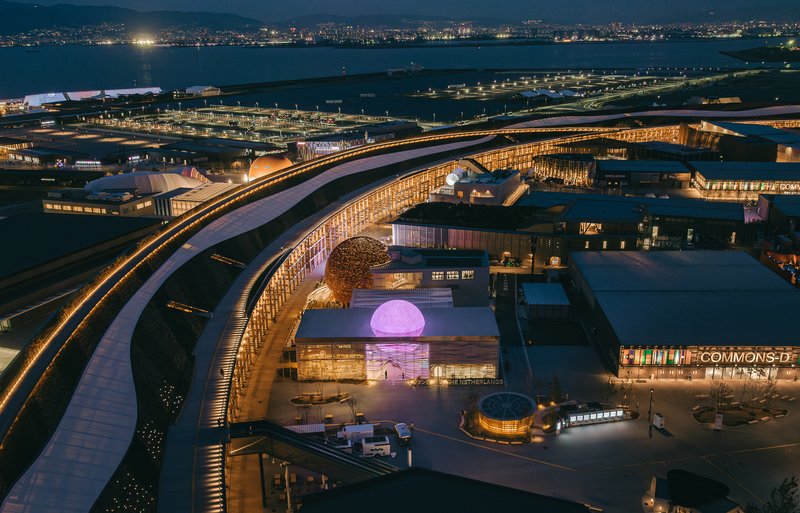
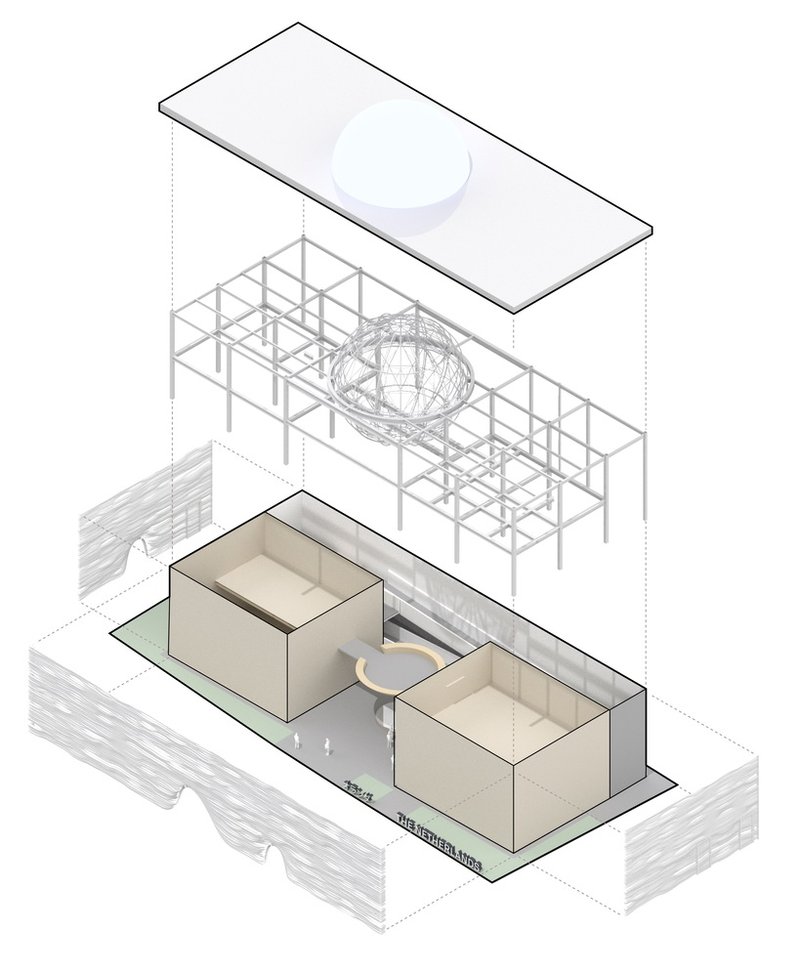
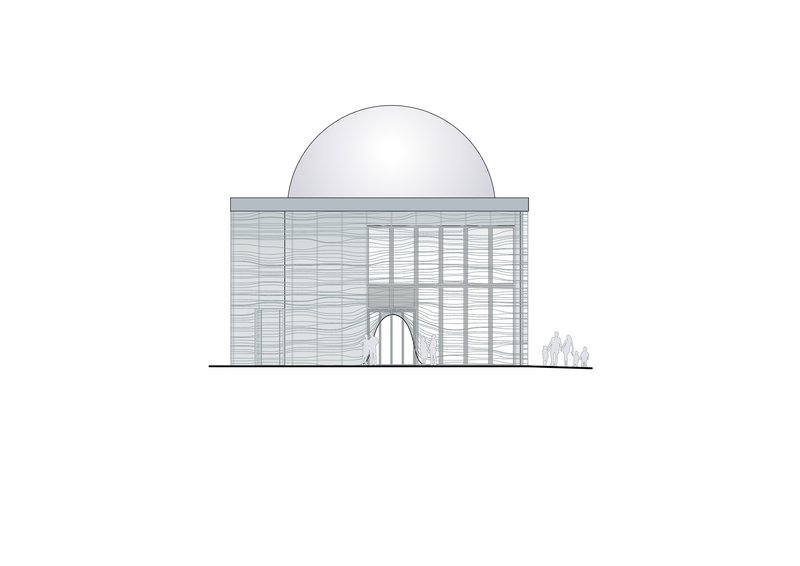
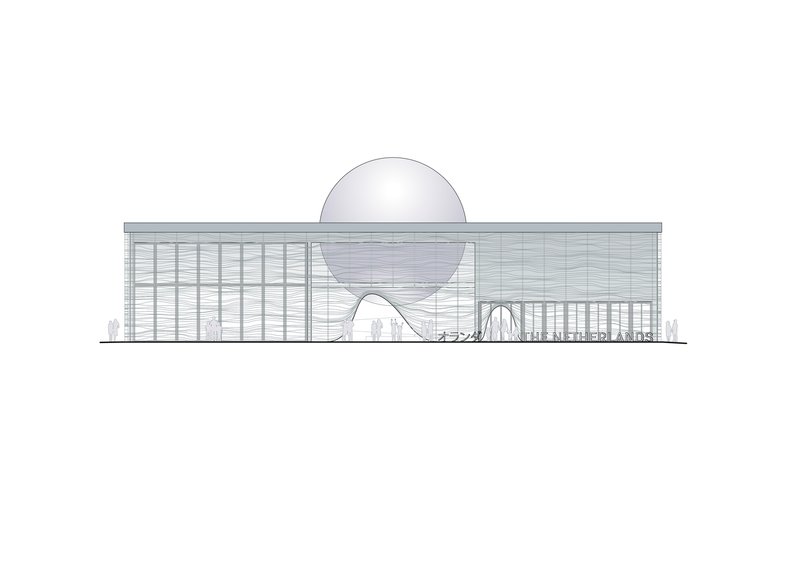
The Netherlands Pavilion at Expo 2025 Osaka, designed by RAU Architects, exemplifies the future of circular pavilion architecture through innovation, sustainability, and historical diplomacy. Located in Japan, this striking 1,157-square-meter structure stands as a powerful symbol of global cooperation and environmental consciousness. The project is led by RAU Architects in collaboration with Dutch and Japanese partners, uniting architecture, engineering, and design in a singular vision for a circular future.
The Concept of "Common Ground"
Inspired by the shared cultural and economic history between the Netherlands and Japan, the pavilion’s theme, "Common Ground," highlights the urgency of international cooperation in the face of global challenges such as climate change and energy transition. The name draws from the Netherlands’ long history of water management and its physical geography, where vast areas lie below sea level. This necessity for collective effort has become a metaphor for humanity’s shared responsibilities, a principle embodied in the pavilion’s architectural and philosophical foundations.
Design Rooted in Circular Economy Principles
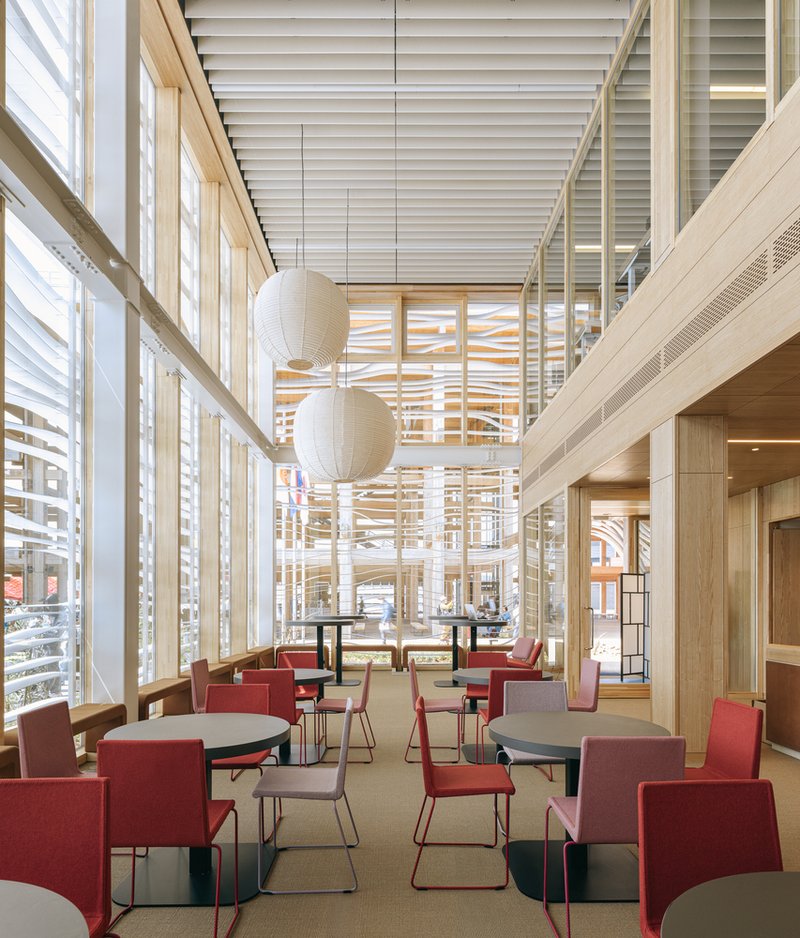
RAU Architects and the AND BV consortium have designed the pavilion with circular construction at its core. Every element has been crafted for reuse, with all materials digitally registered in Madaster, the materials passport platform that ensures transparency and lifecycle accountability. After the Expo, the entire structure is set to be dismantled and relocated, ready to serve a new function without waste—an exemplary model of adaptable architecture that challenges the linear "build-use-discard" model.
Symbolism in Architectural Expression
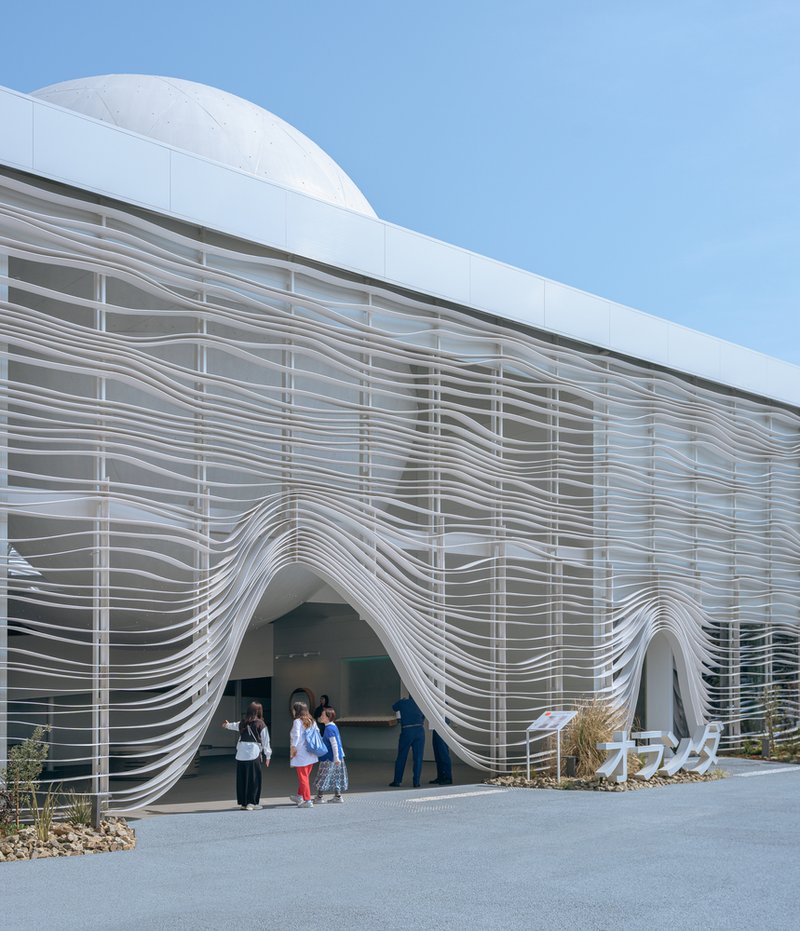
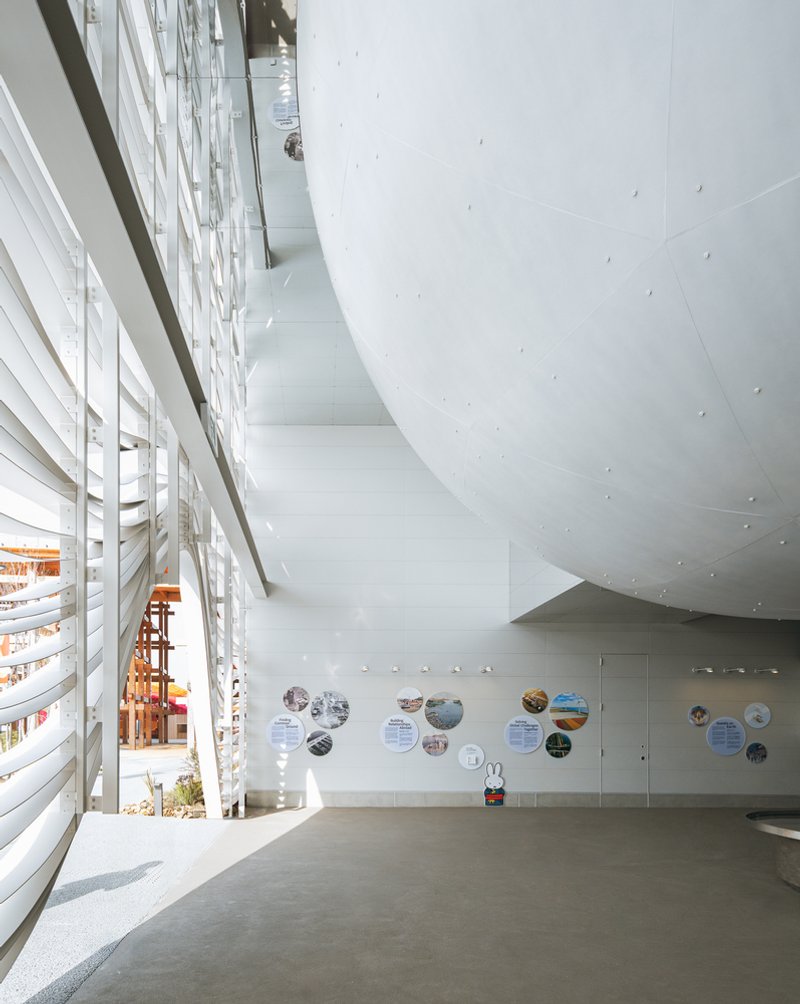
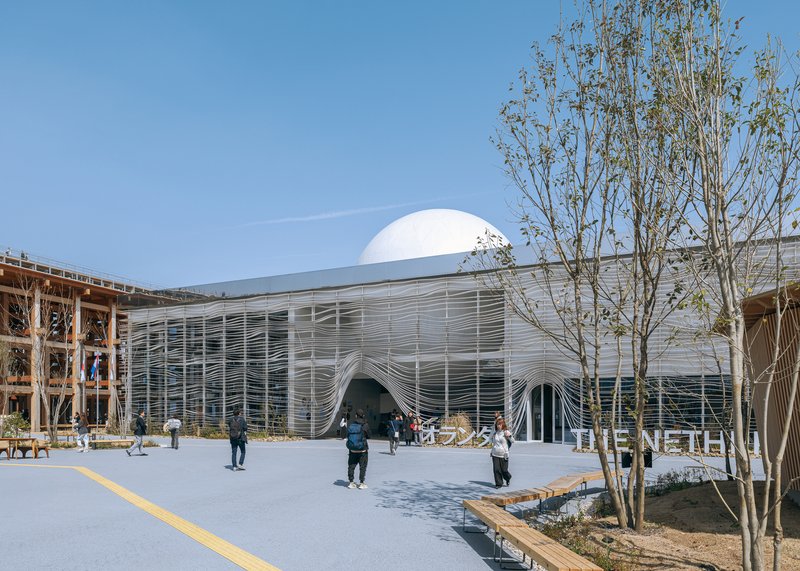
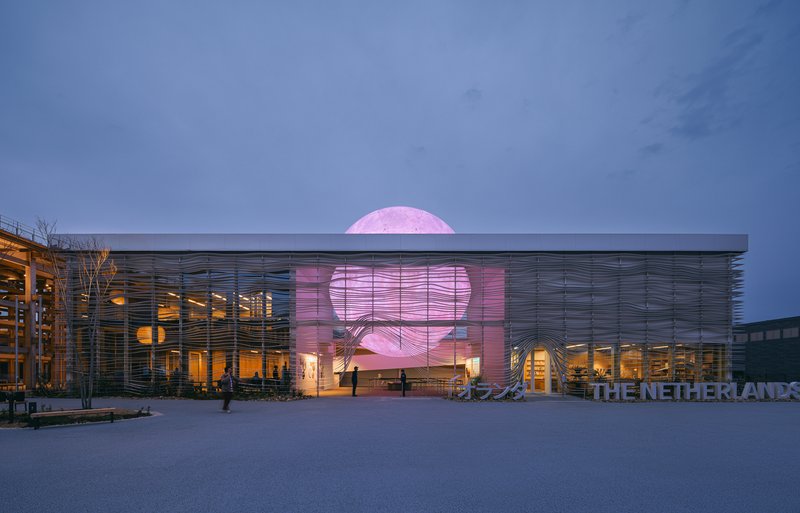
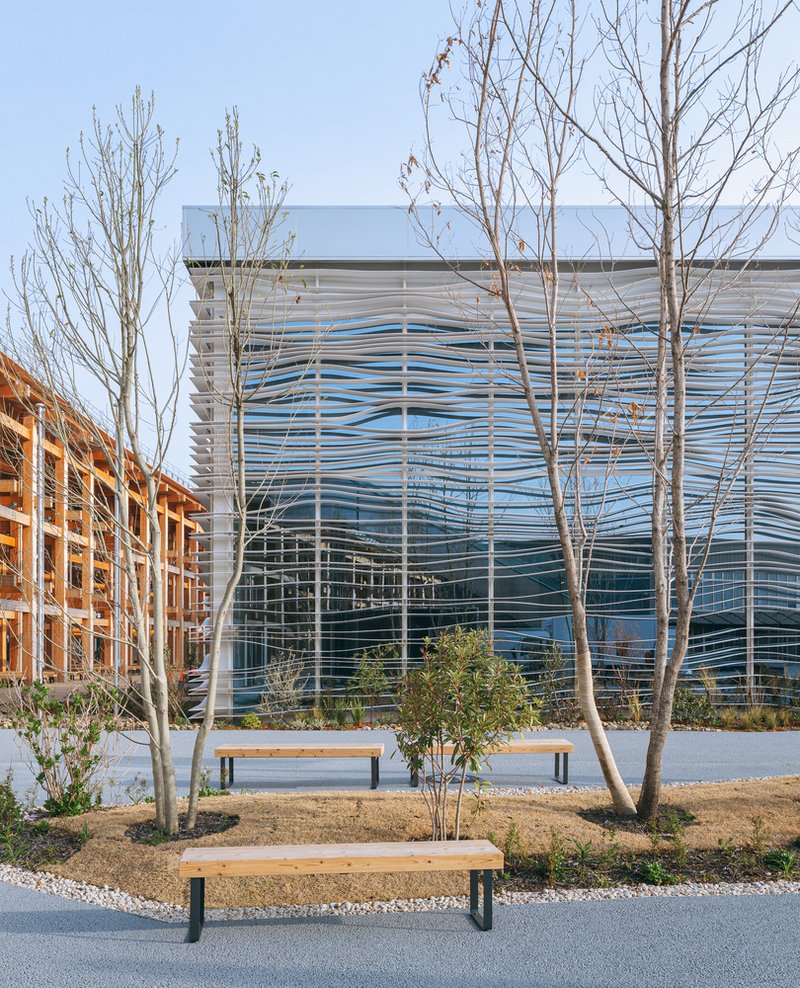
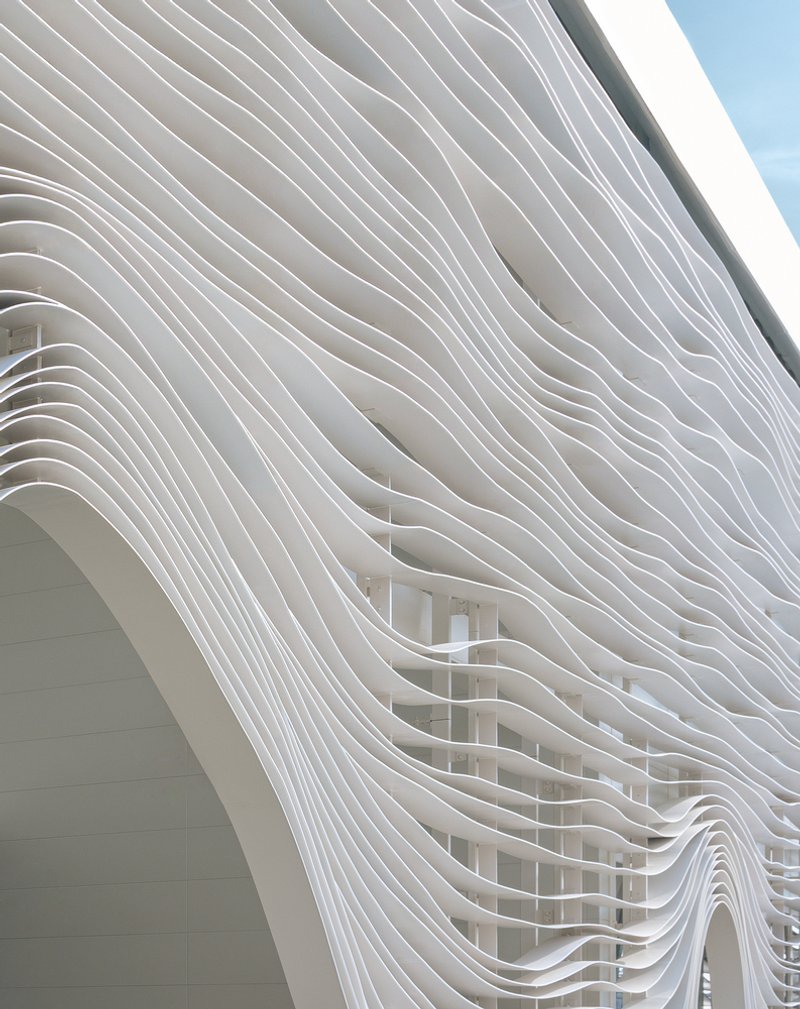
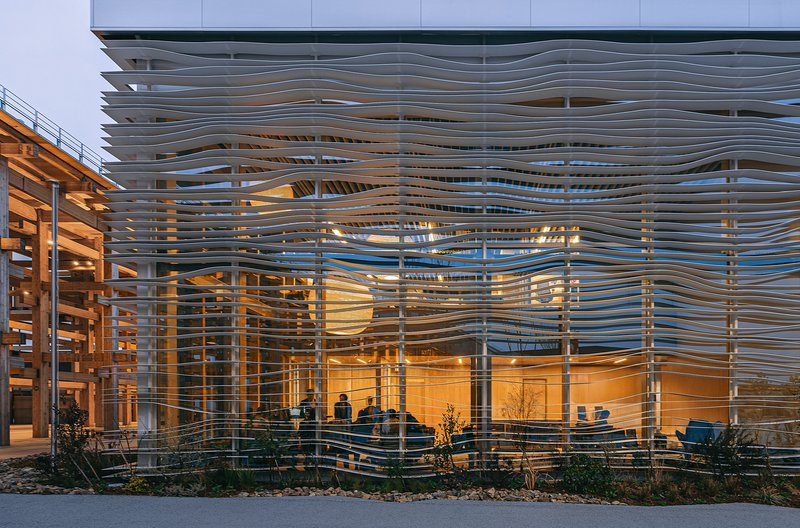
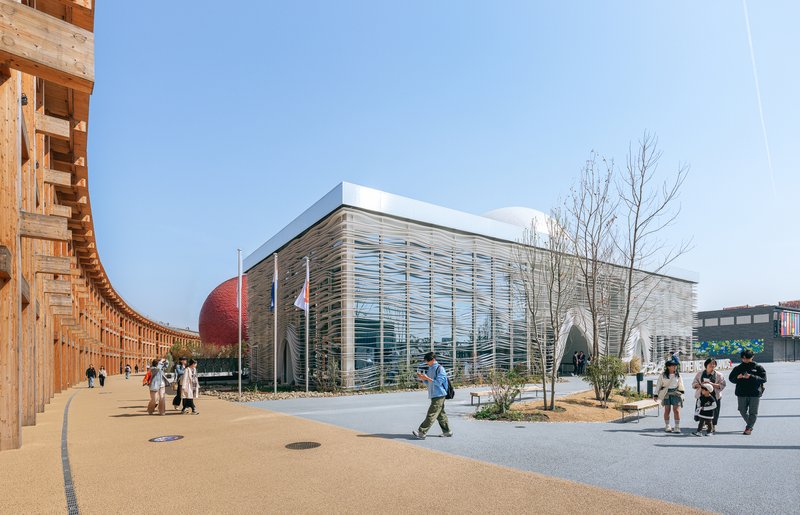
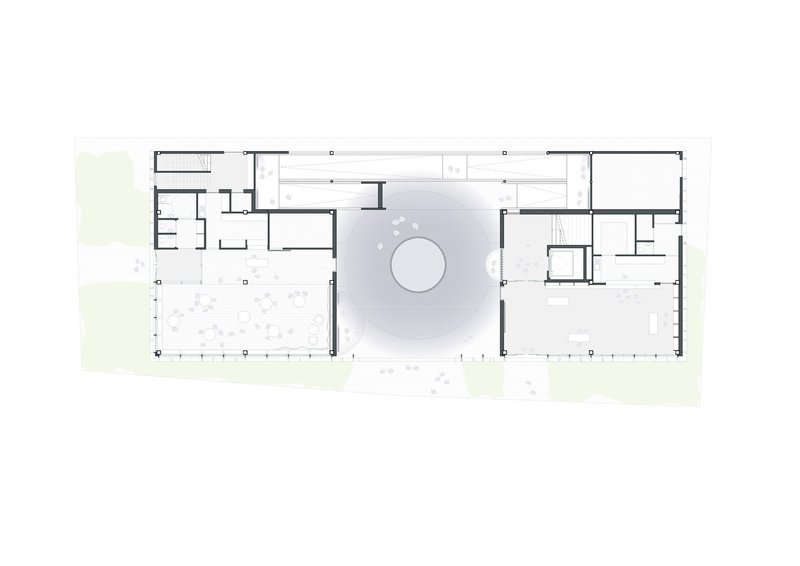
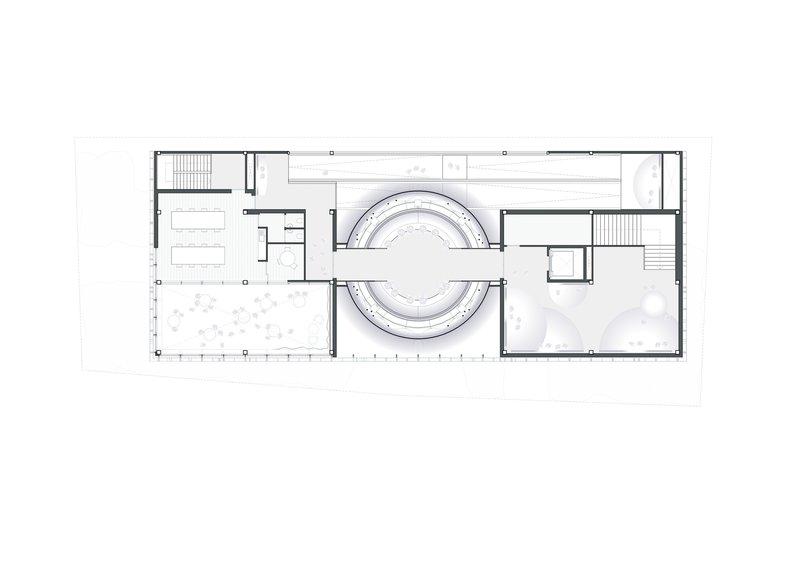
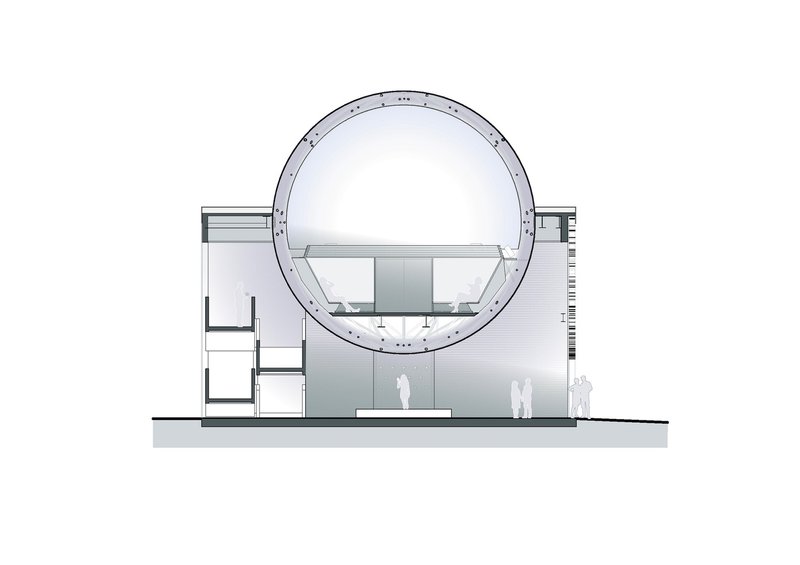
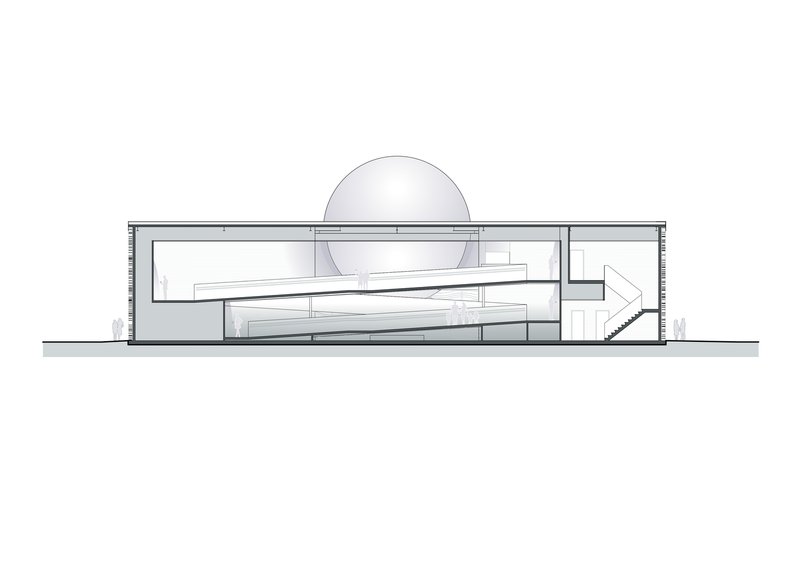
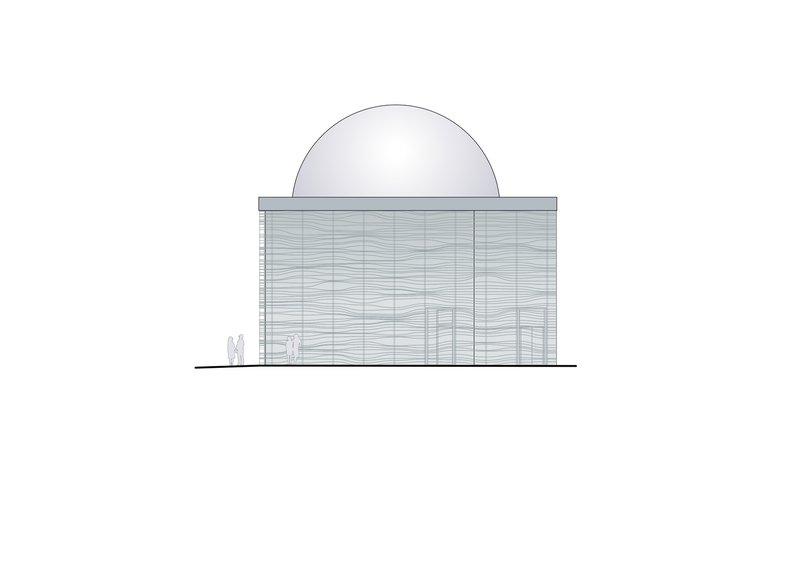
The architectural expression of the pavilion is both poetic and precise. A glowing central sphere—a metaphor for a man-made sun powered by renewable energy—anchors the space. This core installation is surrounded by a rectangular building with a kinetic facade made from undulating slats, evoking the flow of water and the movement of time. Measuring exactly 425 meters, these slats also symbolize 425 years of Dutch-Japanese relations, celebrating the long-standing cultural and economic exchange between the two nations.
An Immersive and Interactive Visitor Experience
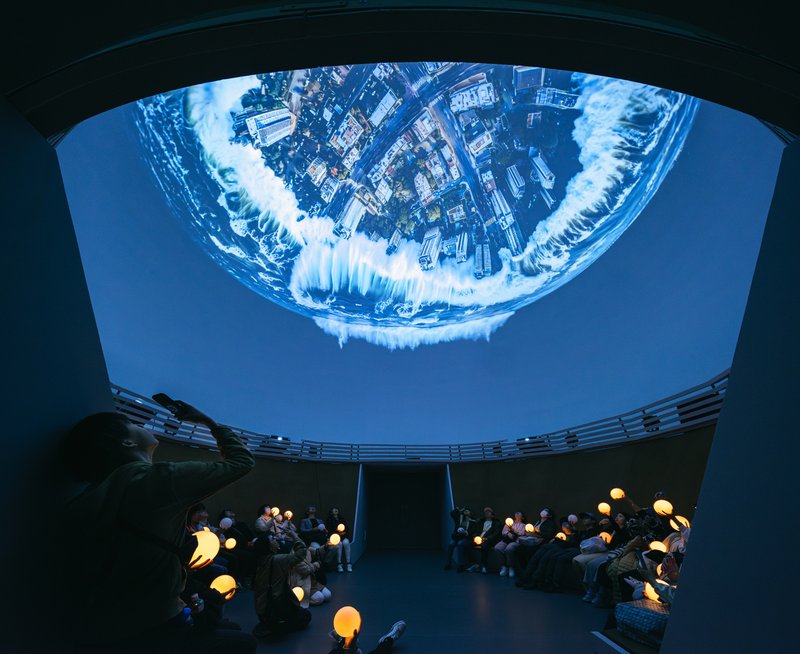
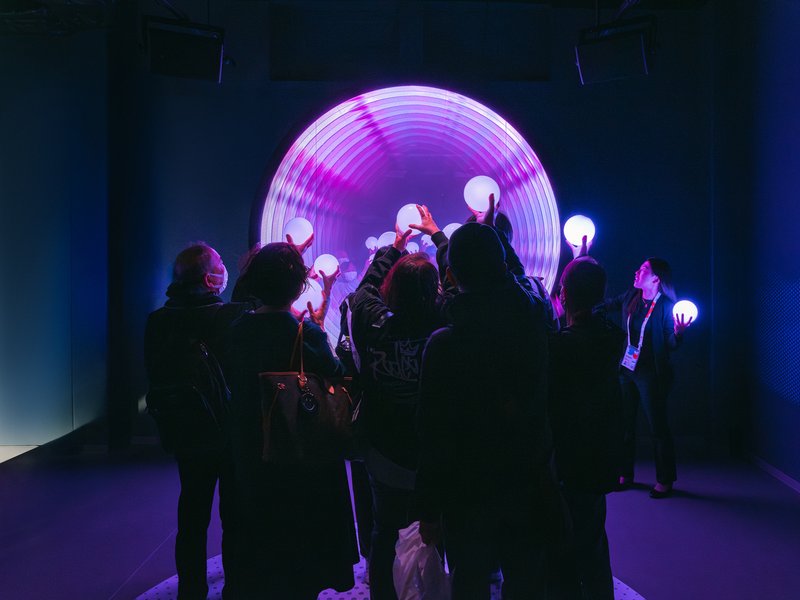
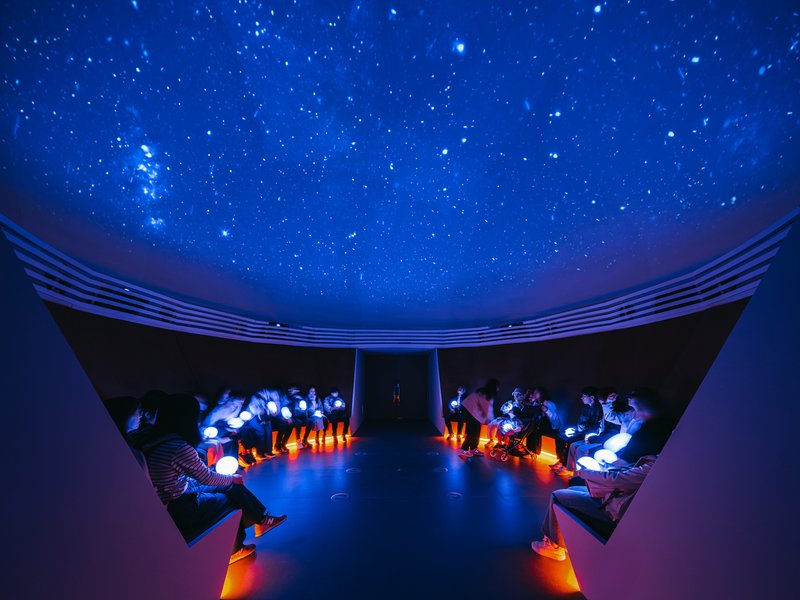
Upon entering the pavilion, visitors are given a glowing orb that serves as their interactive key, connecting them to a series of exhibitions and experiences that unfold throughout the space. This includes installations on the Netherlands’ struggle with water, centuries of cooperation with Japan, and the global shift toward sustainability. The highlight of the exhibition is an AI-generated 360-degree dome film, an immersive audiovisual experience hosted within the central sphere. Visitors conclude their journey by contributing to a participatory art piece that invites reflections on a sustainable future.
Legacy Beyond the Expo
Beyond its six-month presence at the Expo, the Netherlands Pavilion exemplifies how architecture can transcend temporary function and contribute to a regenerative building culture. The structure is designed not just for presentation but for relocation and reuse, aligning with global sustainability goals and demonstrating that architecture can be both temporary and timeless when guided by circular values.
All Photographs are works of Zhu Yumeng



Popular Articles
Popular articles from the community


The Ken Roberts Memorial Delineation Competition (Krob)
As the most senior architectural drawing competition currently in operation anywhere in the world, it draws hundreds of entries each year, awarding the very best submissions in a series of medium-based categories.

An Miên Lumière Cafe by xưởng xép, Ho Chi Minh City, Vietnam
An industrial-inspired café where layered steel and warm light create a dynamic, immersive environment shaped by reflection, depth, and perception.
Flamboyant House by Juliana Camargo + Prumo Projetos
Modern Brazilian house integrating existing tree, pool, and volumes with glass, wood, and transitional spaces blending interior, exterior, and landscape seamlessly.

Solar Steam: A Climate-Responsive Architecture That Redefines the Monument
A climate-responsive memorial architecture that transforms heat, decay, and time into a living system reflecting humanity’s ecological impact.

Similar Reads
You might also enjoy these articles

Bamboo Housing Challenge 2026: Design Affordable, Sustainable Homes Using Bamboo
An international design competition by Bamboo U and IBUKU inviting architects and designers to reimagine affordable housing using bamboo — with the winning design built full-scale in Bali.

Computational Design & Education: Beegraphy Design Awards Introduces 7th Category (Featuring Jiyun's Innovative Approach)
Dive into Beegraphy’s 7th Design Awards category, where computational design meets education to create immersive, interactive learning tools, inspired by Jiyun’s work.

From Parametric Lighting to Urban Furniture: Join the 2nd Workshop in Beegraphy’s Computational Design Series
Dive into Cutting-Edge Design Techniques and Practical Applications with Industry Experts

Introducing Sphere by UNI: Pioneering a New Era in AEC Industry
Unlocking Global Potential with BIM and Agile Management


Explore Architecture Competitions
Discover active competitions in this discipline




The International Standard for Design Portfolios


The Global Benchmark for Architecture Dissertation Awards


The Global Benchmark for Graduation Excellence


Challenge to reimagine the Iron Throne
Comments (0)
Please login or sign up to add comments
No comments yet. Be the first to comment!