
Community-Integrated Residential Architecture in London: A Closer Look at Dalston Lane by DROO Architects
This article explores Dalston Lane by DROO Architects, focusing on integrating residential units with community services in London.

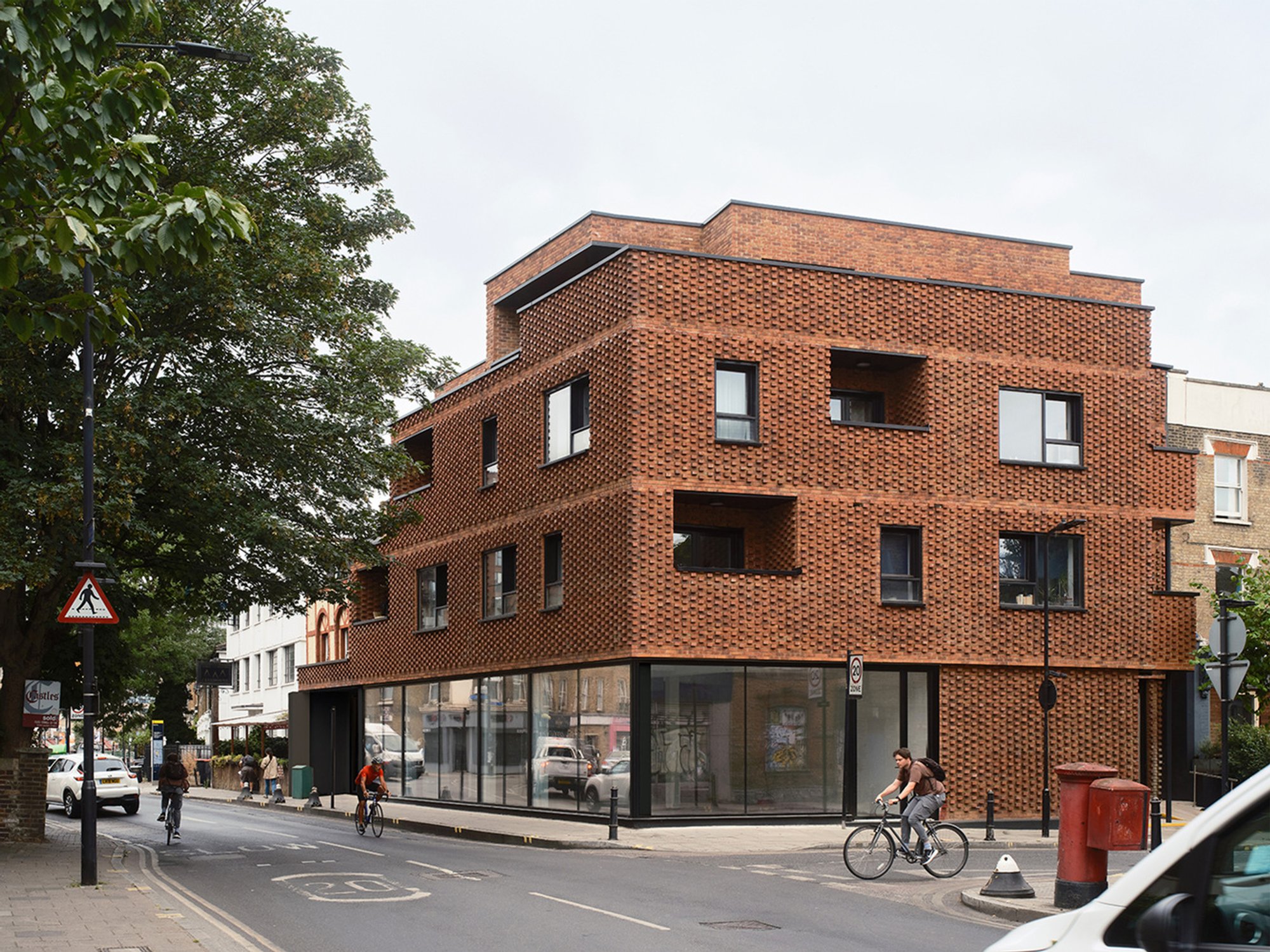
In the heart of London, the Dalston Lane project stands as a prime example of community-integrated residential architecture. Managed by DROO Architects, this initiative has successfully transformed a former charity site into a modern residential hub while retaining crucial community services.
The Vision Behind Dalston Lane
Supporting London's Youth
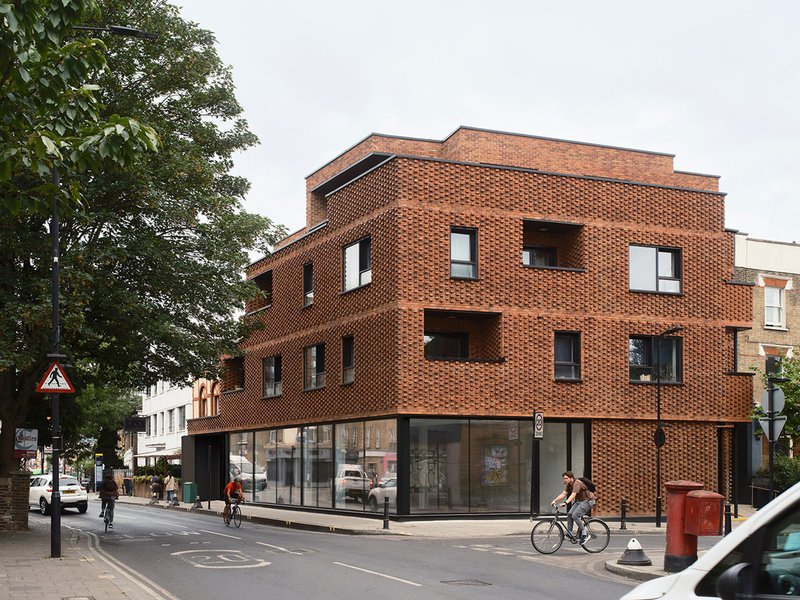
Originally the home of the London Youth Charity and St Mathias Boys Club, the Dalston Lane site has a long-standing heritage of serving the youth of London. Despite financial pressures that necessitated the sale of the property, the project has secured ongoing community services through strategic planning and legal agreements.
Architectural Design and Planning
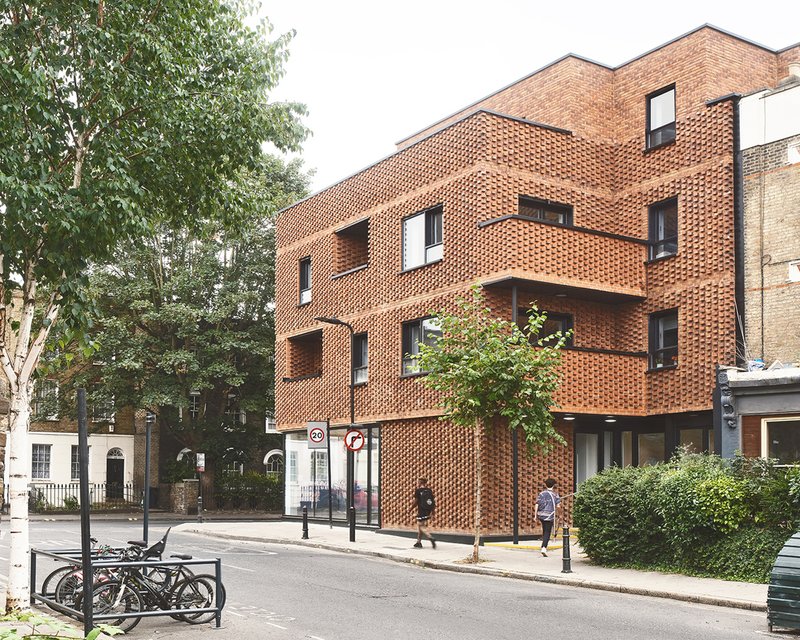
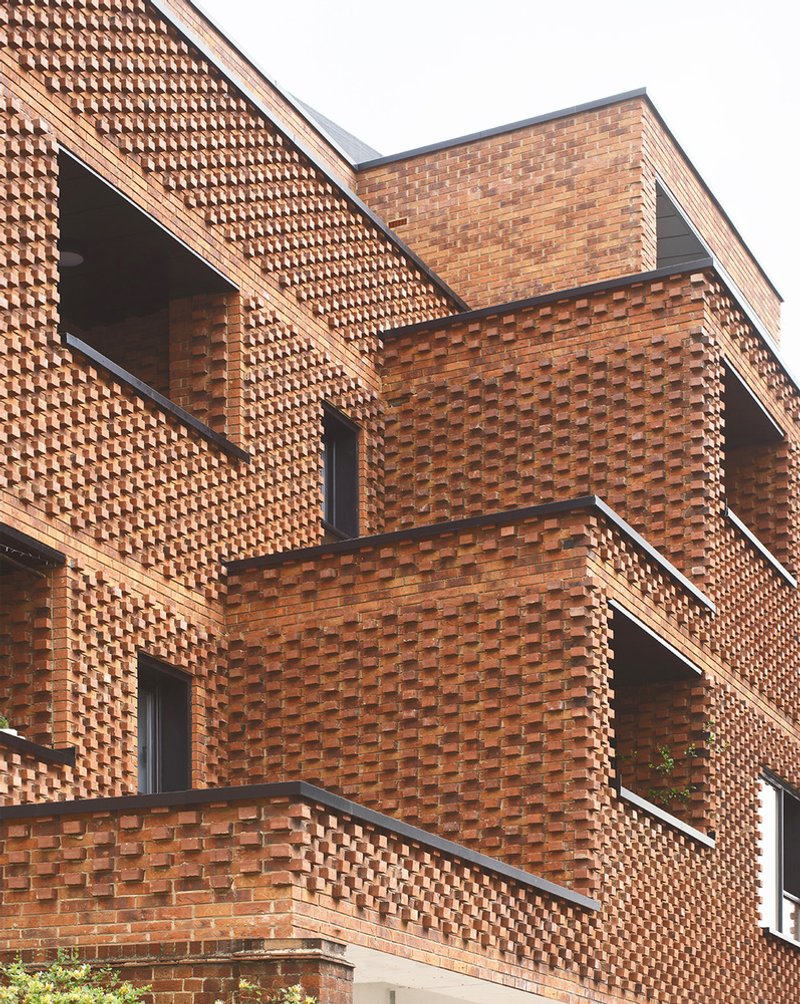
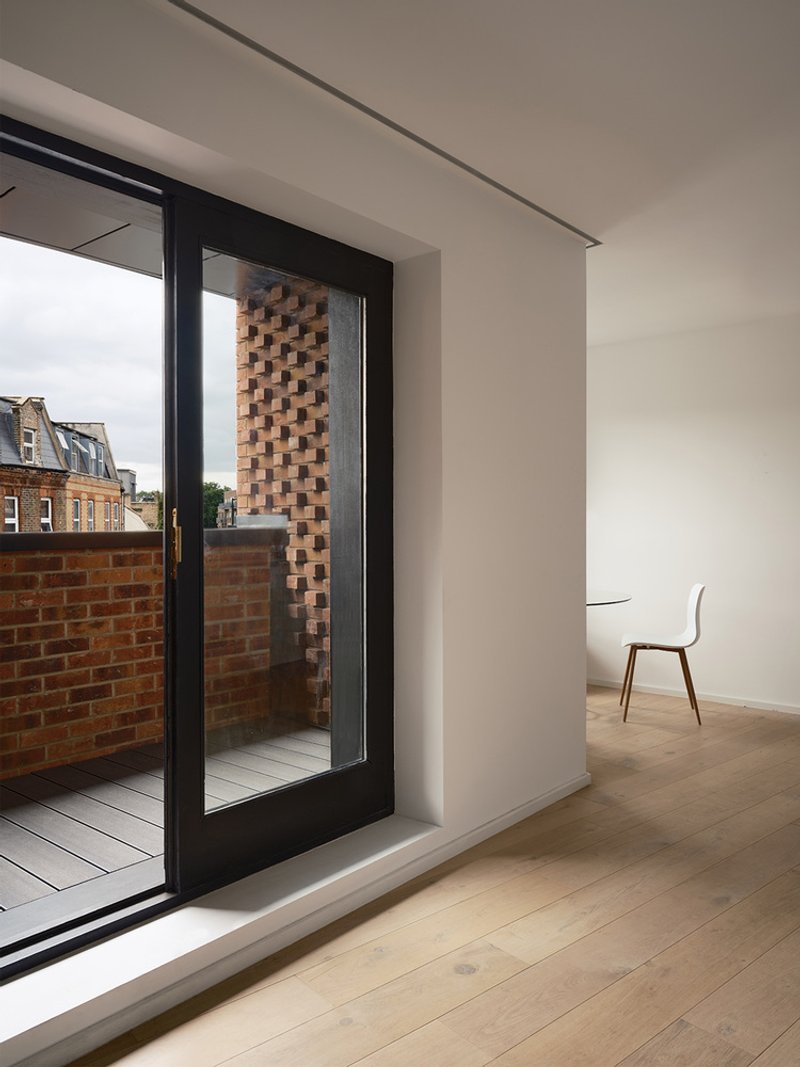
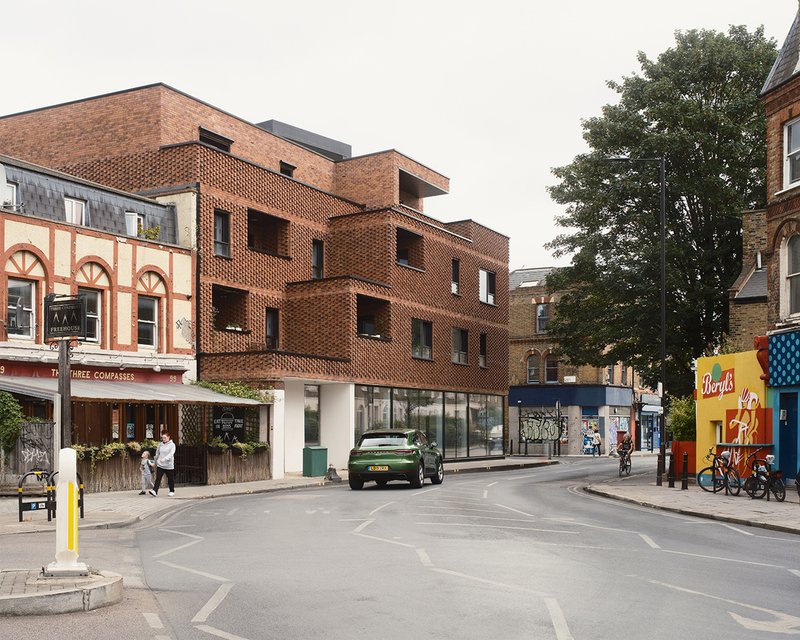
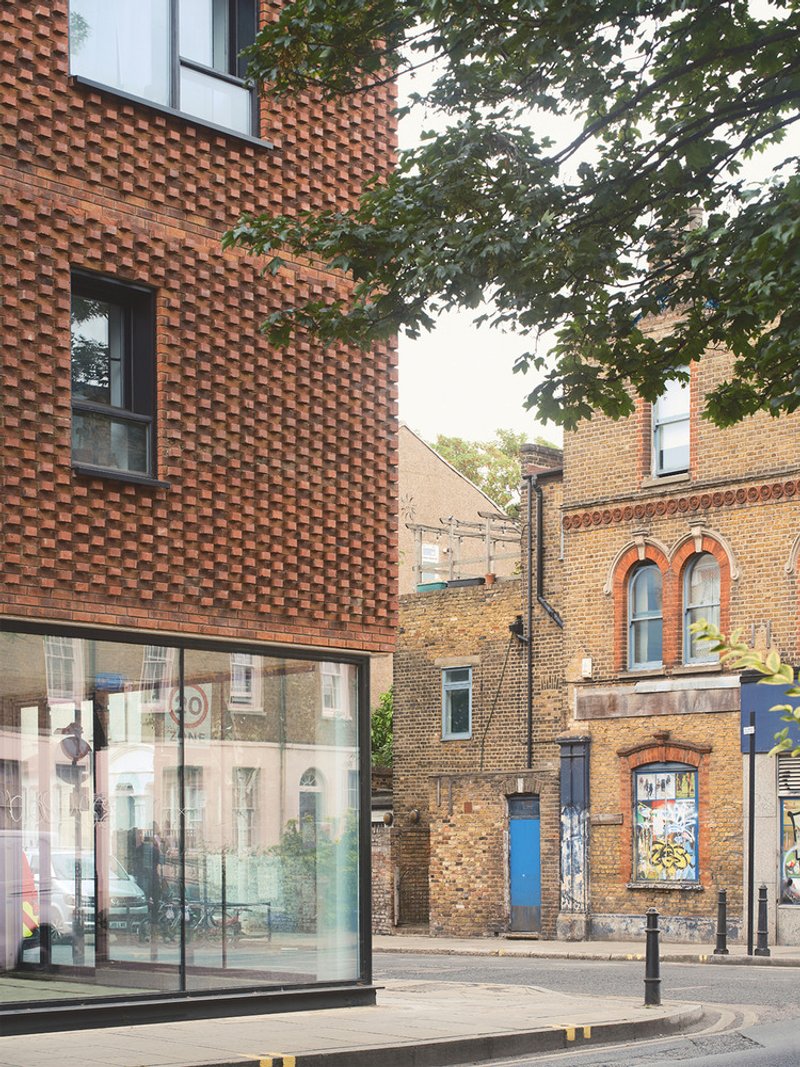
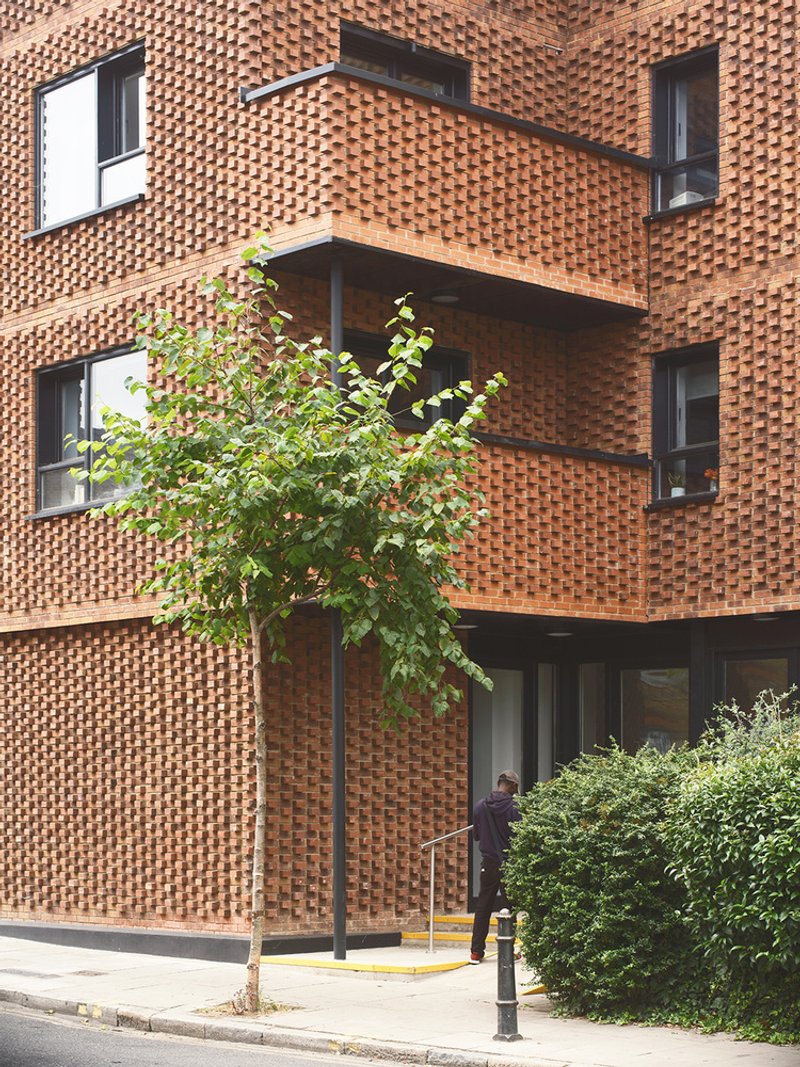
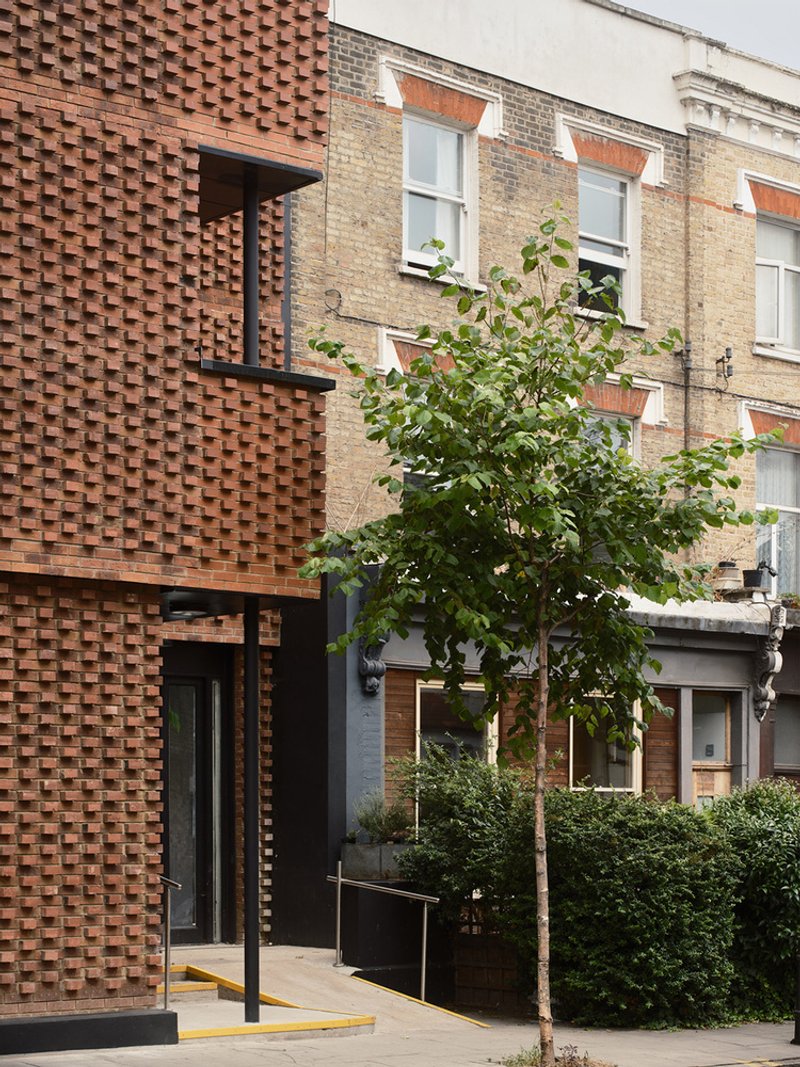
The architectural challenge was to blend the new residential units seamlessly with the existing urban fabric. The solution was a clever manipulation of building volumes and the inclusion of loggias or internalized balconies to align with the surrounding structures, including terraced houses and a local pub.
Design Features and Innovations
Articulated Volumes and Textured Brickwork
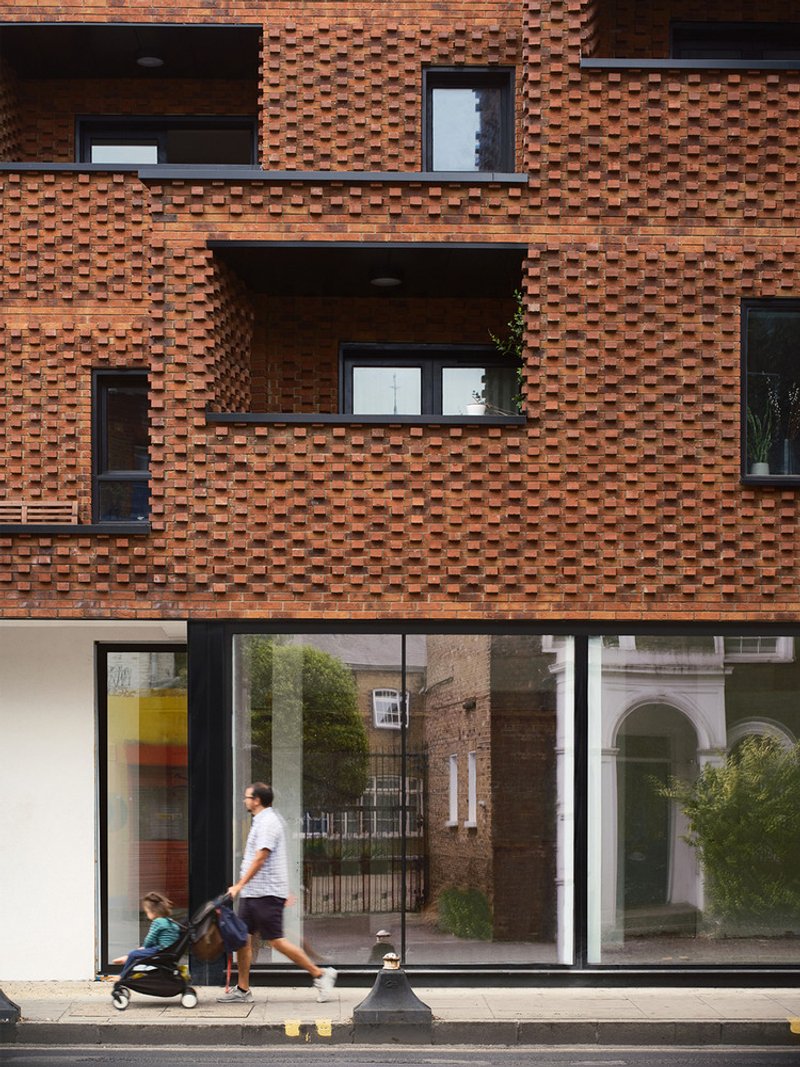
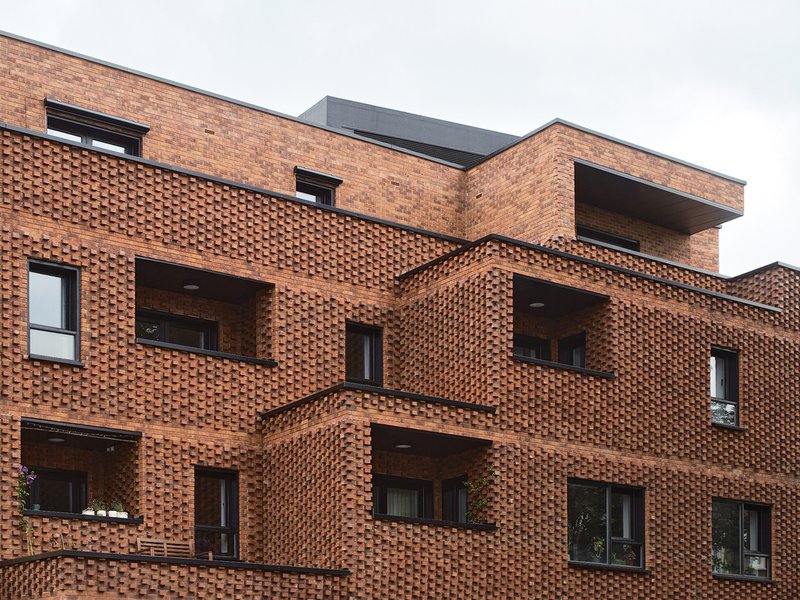
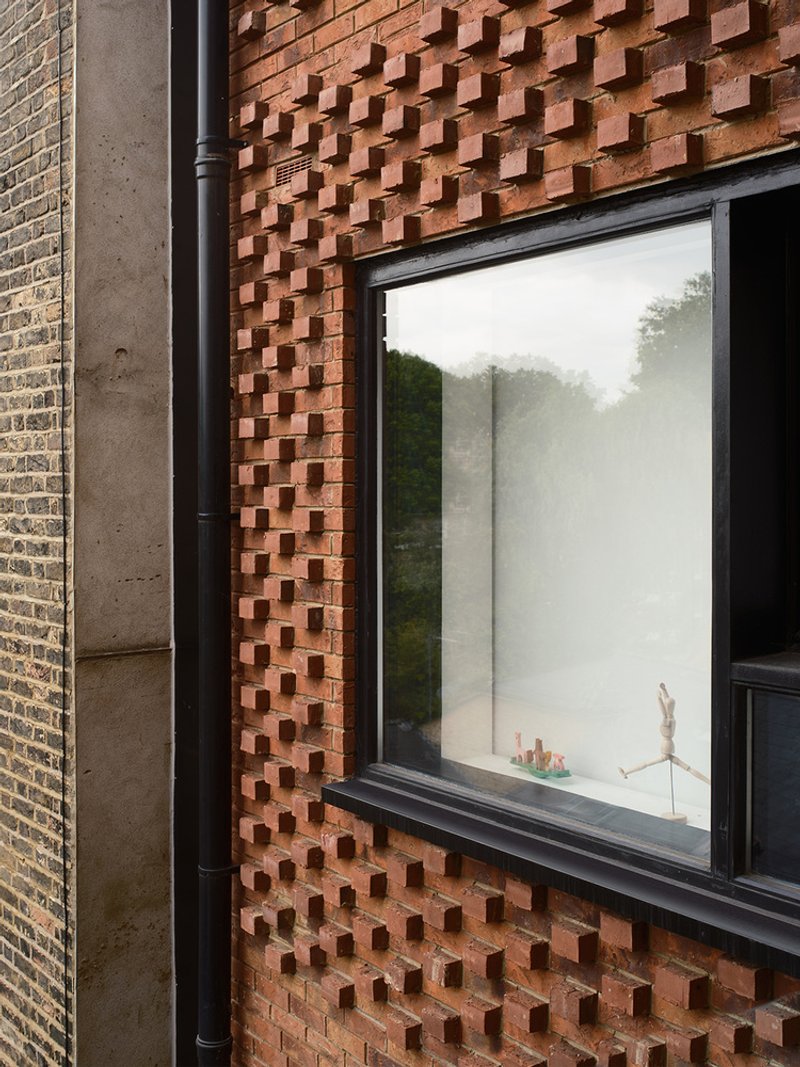
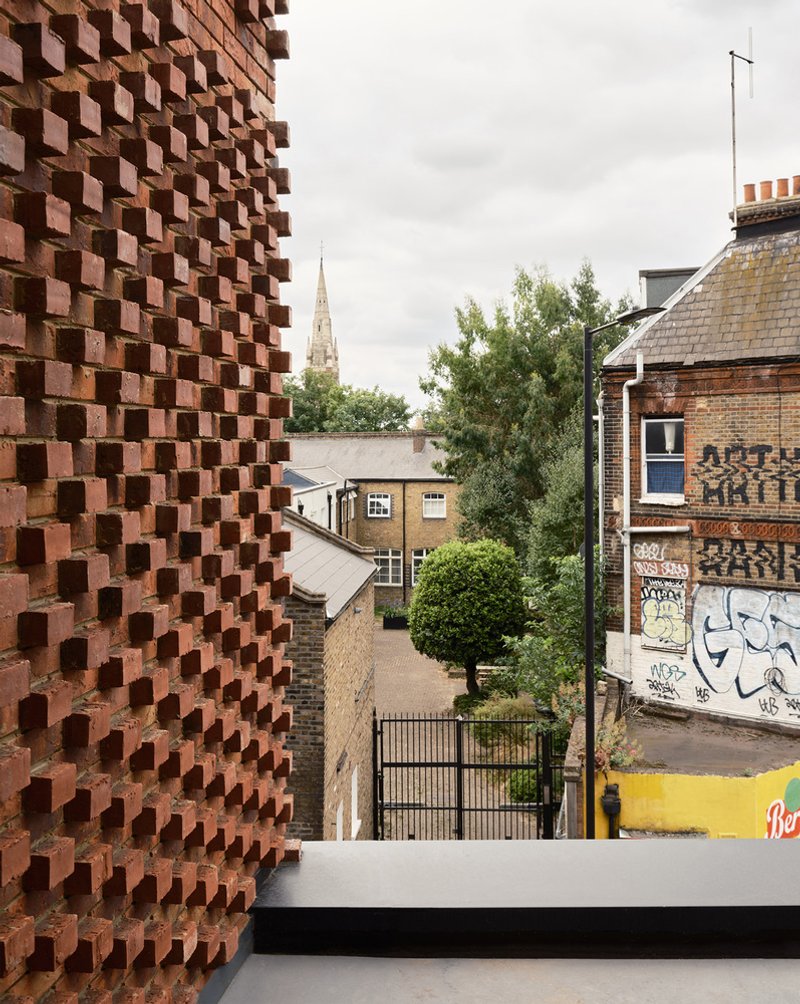
Dalston Lane is characterized by its articulated building volumes, which were designed to manage the transition in scale between different street views. The textured brickwork adds a layer of identity and aesthetic appeal to each floor, distinguishing the building within its urban context.
Interior Spaces and Community Facilities
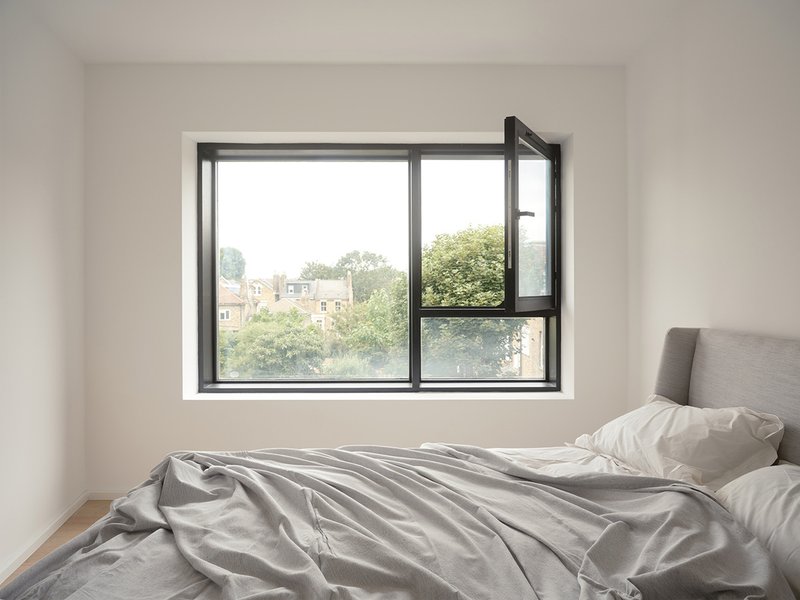
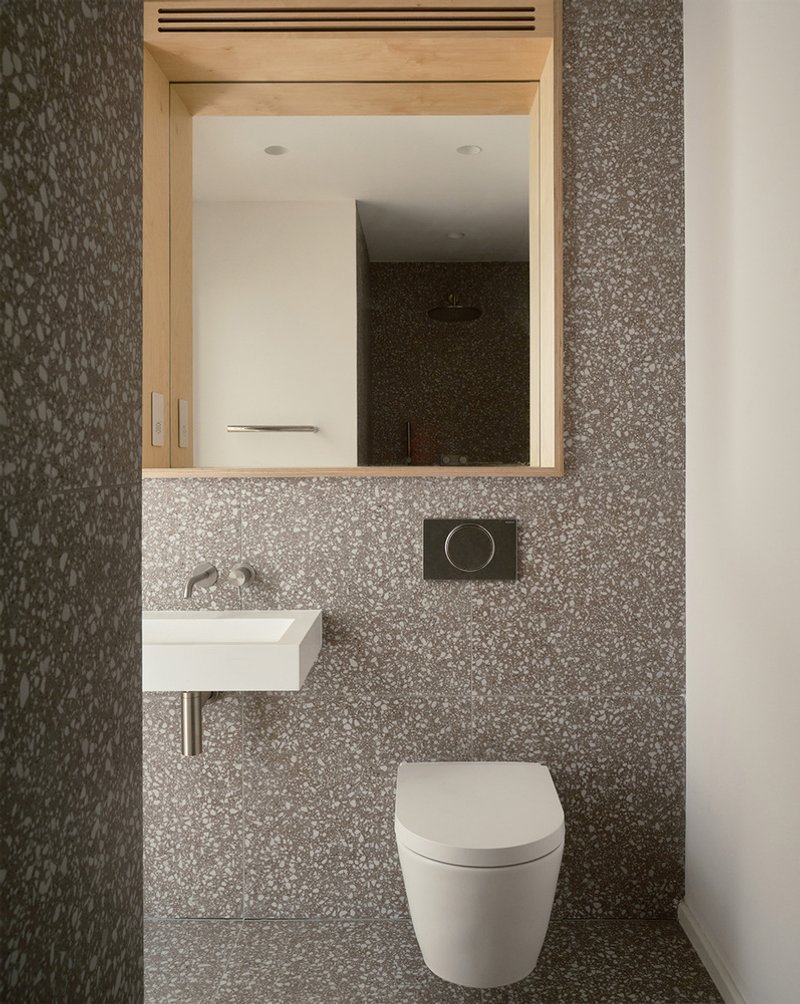
Inside, the focus has been on maximizing space and functionality, providing quality homes on a budget. The integration of a gymnasium and a community youth club under the residential spaces exemplifies the project's commitment to maintaining civic uses.
Impact and Significance
Economic and Social Benefits
By providing help-to-buy housing options, Dalston Lane not only addresses the need for affordable housing in London but also ensures the sustainability of community services essential for the local youth. This model of development represents a significant social investment and showcases how architectural projects can play a pivotal role in urban community support.
A Model for Future Developments
Dalston Lane serves as a benchmark for future projects that aim to integrate residential living with community services. It demonstrates how architectural ingenuity and thoughtful planning can result in developments that support both individual and community well-being.
Conclusion: Setting a New Standard
Dalston Lane by DROO Architects sets a new standard for community-integrated residential architecture in London. It stands as a testament to the potential of architecture to respond to community needs and urban challenges, paving the way for future projects that aim to blend living spaces with essential community services.

All photographs are work of Henry Woide




Popular Articles
Popular articles from the community

MIDW Casts a Pavilion Roof from the Earth Itself at the 2025 Osaka Expo
On a fragile reclaimed island, excavated soil becomes formwork for a concrete canopy that will eventually disappear into wisteria.


20 Most Popular Office Building Projects of 2025
From biophilic workspaces in India to net-positive energy offices in New Delhi, 20 office building projects that defined architecture in 2025.
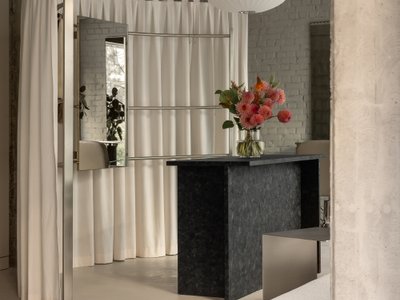
MAVA Design Turns a Column-Riddled Shell into a Serene Hair Extension Salon in Kyiv
Inside a former motorcycle factory campus, a 110 square metre beauty atelier treats structural obstacles as spatial anchors.
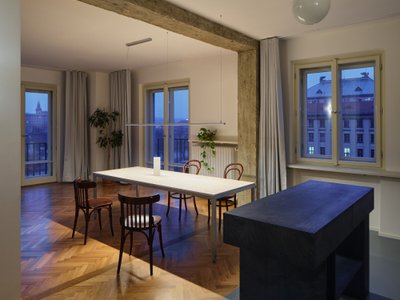
Prokop Hartl Turns a 1930s Prague Corner Apartment into a Lesson in Structural Honesty
A 115 m² renovation on the Vltava River celebrates exposed concrete, restored parquet, and a mirrored column as its centerpiece.


Similar Reads
You might also enjoy these articles
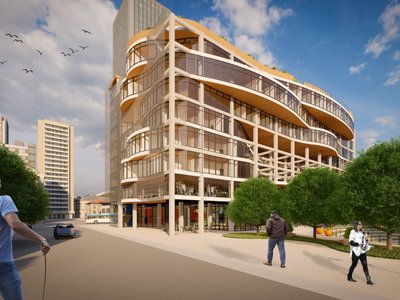
Olio Towers: A Mid-Rise for Performers That Fuses Housing, Rehearsal, and Stage
Located blocks from Houston's Theater District, this modular tower stacks living units around a central performance atrium.

Oasis: Modular Green Housing Carved into Dhaka's Urban Fabric
A shortlisted Plugin Housing entry reclaims unauthorized settlements in Dhaka with stepped concrete volumes, green roofs, and ventilation-driven design.

Black Hole: A Floating Megastructure for the Post-Physical Era
Emiliano Mazzarotto envisions a spherical, self-scaling arena where e-sports, digital hotels, and holographic stadiums replace traditional public space.
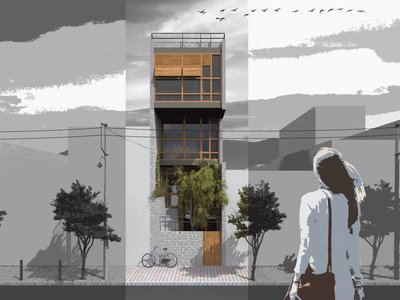
Compact & Sustainable Living in Piraeus: A Four-Level Family Home Built Around Light and Air
A narrow townhouse in one of Greece's densest port cities uses a central atrium and passive strategies to house three generations under one roof.


Explore Architecture Competitions
Discover active competitions in this discipline




The International Standard for Design Portfolios


The Global Benchmark for Architecture Dissertation Awards


The Global Benchmark for Graduation Excellence


Challenge to reimagine the Iron Throne
Comments (0)
Please login or sign up to add comments
No comments yet. Be the first to comment!