
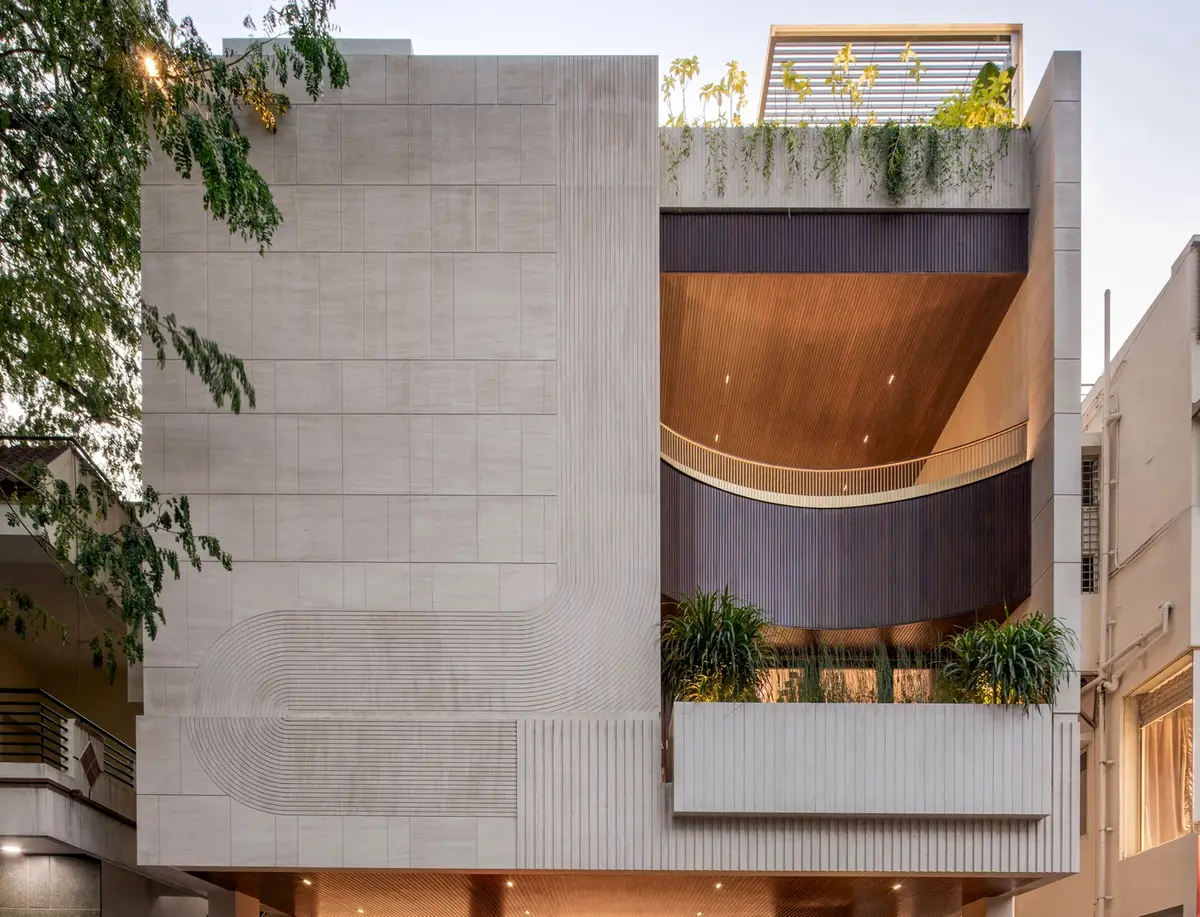
Contemporary Multi-Generational Home Design: Unveiling PATTERN LAND by Cadence Architects
This article details the design of PATTERN LAND, a contemporary multi-generational home in Bengaluru by Cadence Architects, blending modernity with functionality.


As families grow and change, the demand for homes that can accommodate multiple generations under one roof increases. Contemporary architecture offers innovative solutions to this need, balancing private spaces with communal living areas. PATTERN LAND in Bengaluru, India, designed by Cadence Architects, exemplifies this trend by merging modern design with functional spaces suitable for a multi-generational family.
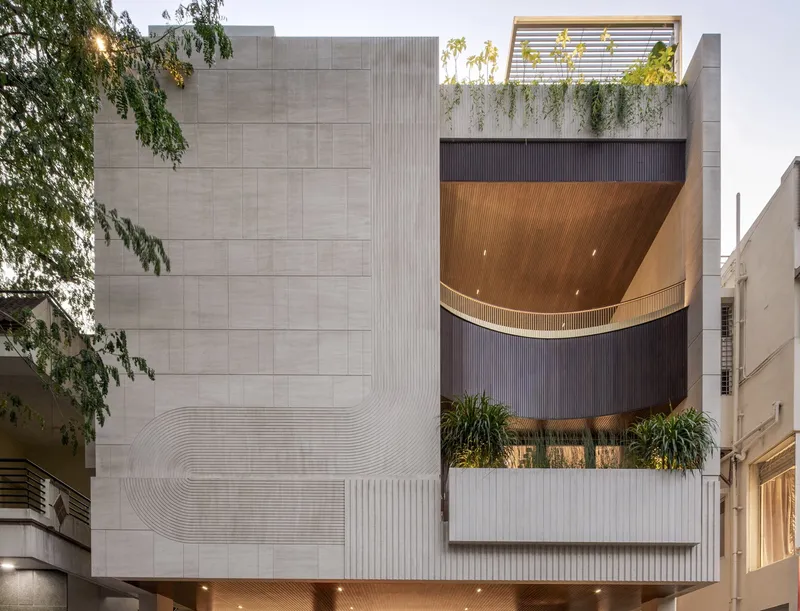
Overview of PATTERN LAND
Project Context and Location
Located on a bustling road in a densely populated neighborhood of Bengaluru, PATTERN LAND faces unique challenges due to its 2400 sq ft plot with a steep gradient. Despite these constraints, the home is designed to provide ample space and privacy for a large family, showcasing the potential of smart architectural planning.
Architectural Vision and Design Objectives
Cadence Architects aimed to create a structure that not only addresses the spatial needs of a multi-generational family but also integrates seamlessly with its urban environment. The design focuses on carving out volumes that interconnect with voids, gardens, and terraces, enhancing both functionality and aesthetic appeal.
Key Features of PATTERN LAND
Innovative Use of Space
Spatial Layout
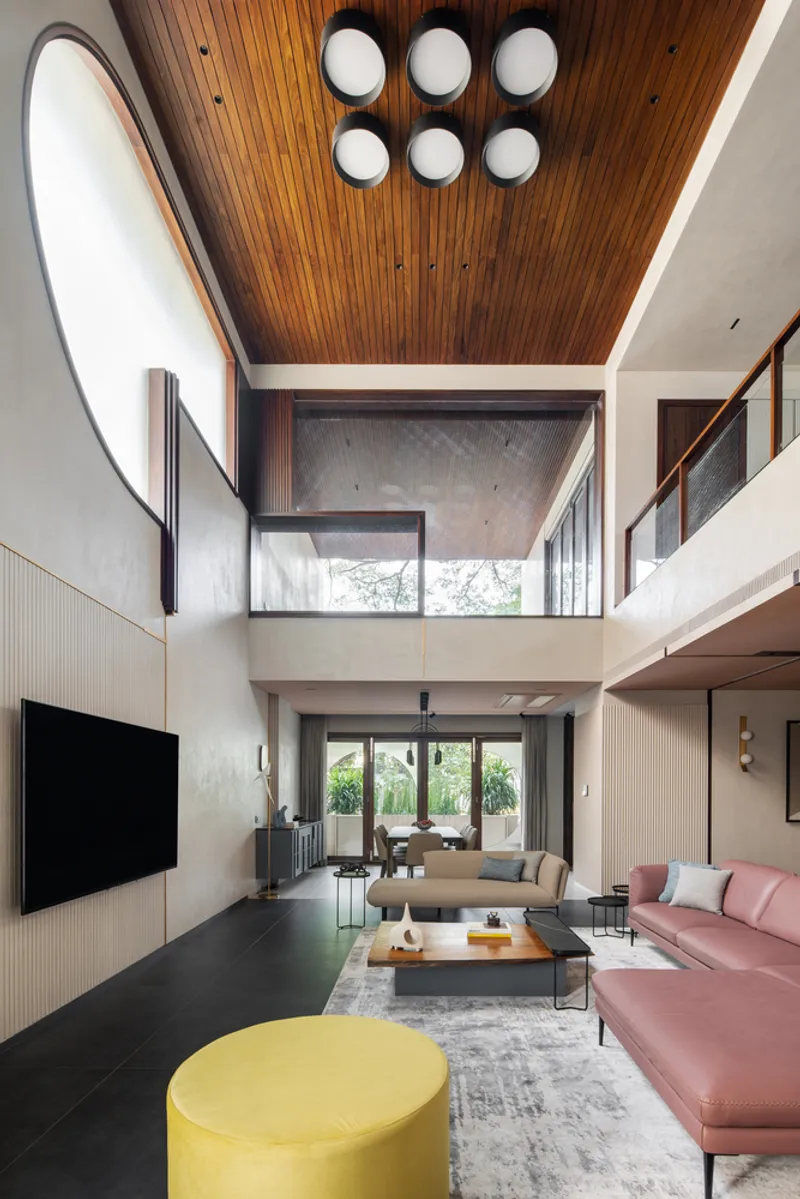
The house is structured to maximize the use of its limited area while ensuring that each family member has their own private space. Strategic design elements like split levels and open-plan living areas make the home feel larger and more connected.
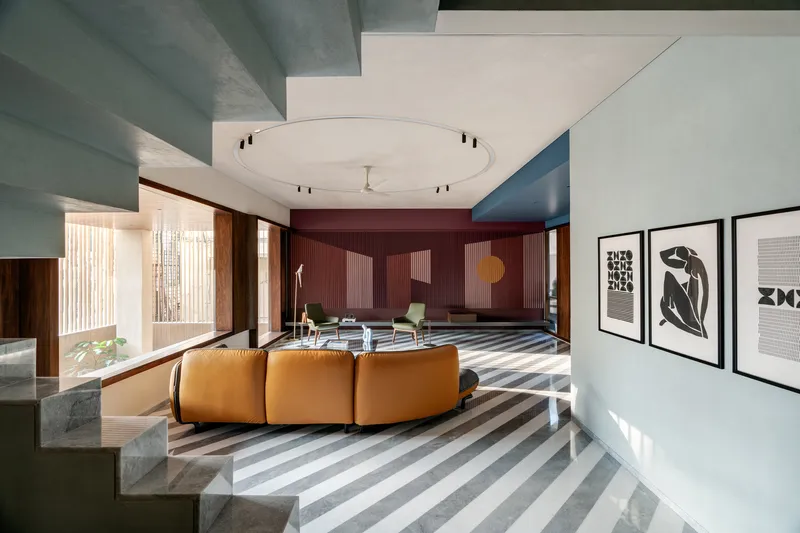
Integration of Outdoor Spaces
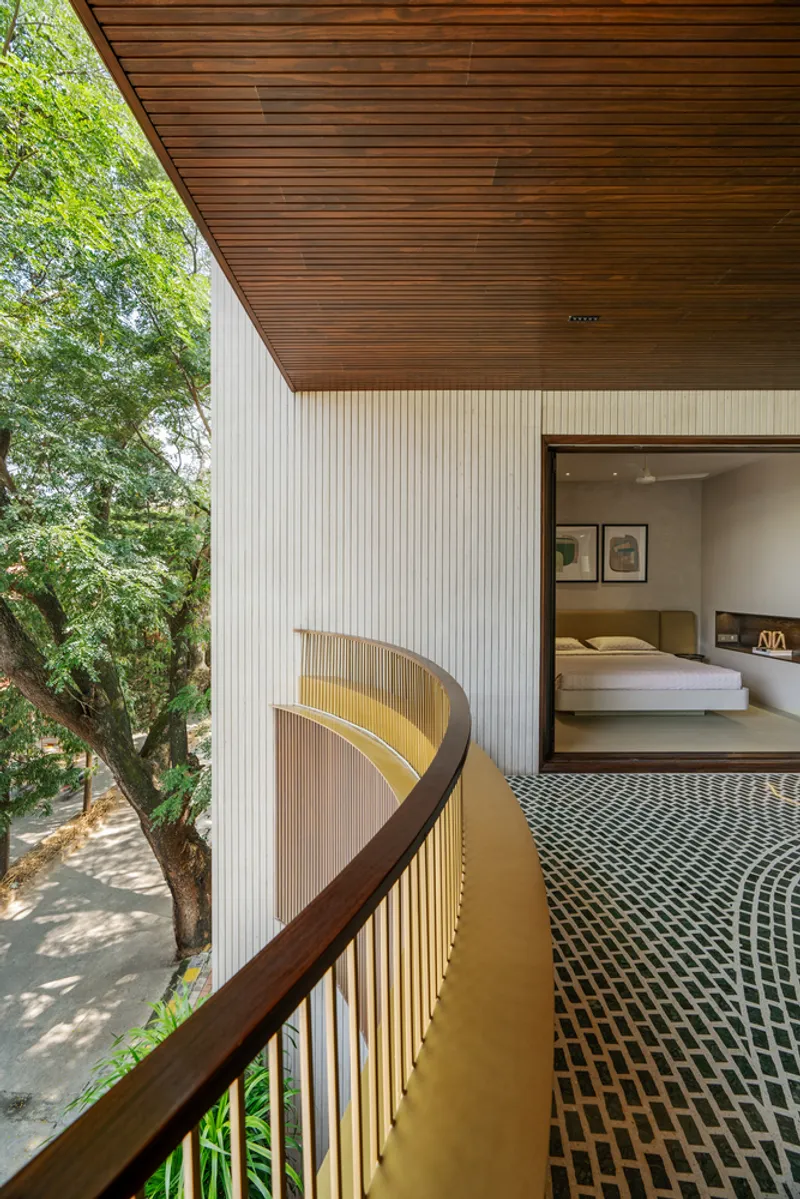
Terraces and gardens are interwoven with the living areas, blurring the lines between indoor and outdoor spaces. These green areas not only provide tranquil retreats within the home but also contribute to the building’s sustainable features.
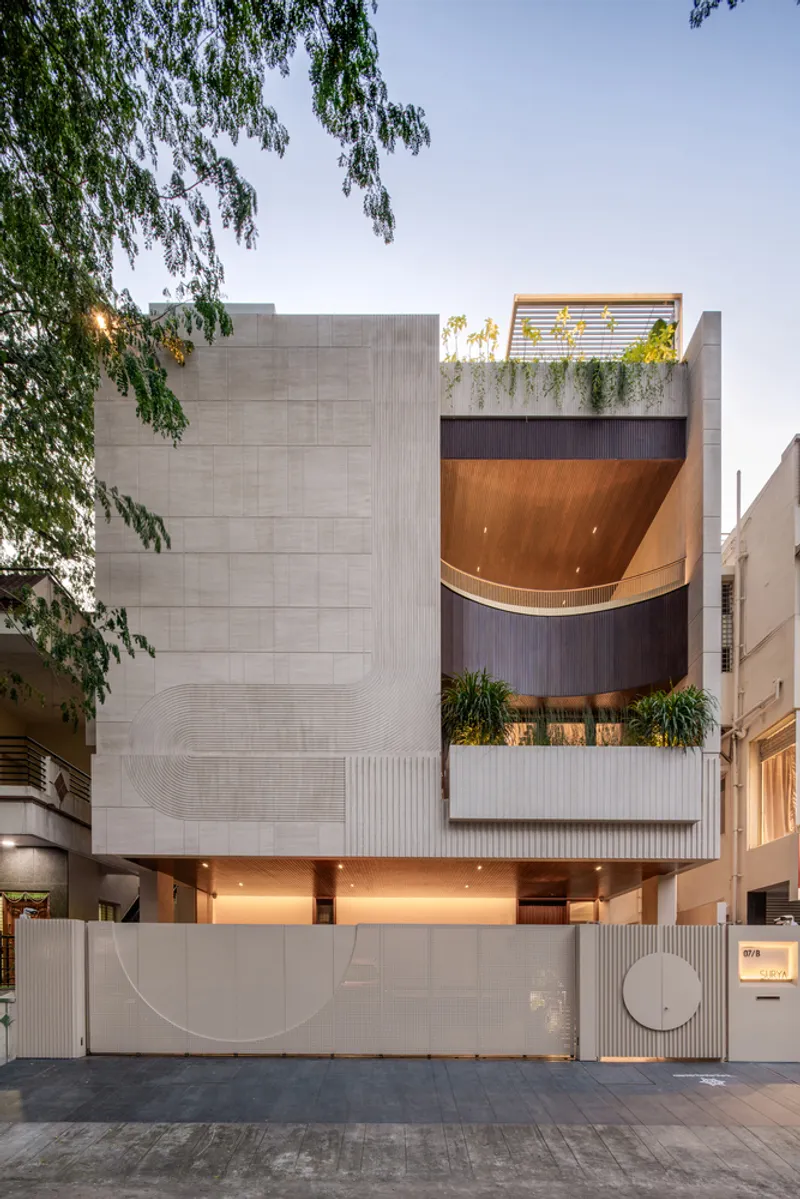
Design Elements and Materials
Modern Patterns and Textures
PATTERN LAND earns its name from the distinctive use of patterns and textures that decorate both its interior and exterior. These elements draw from both traditional Indian aesthetics and contemporary design, creating a unique visual narrative.
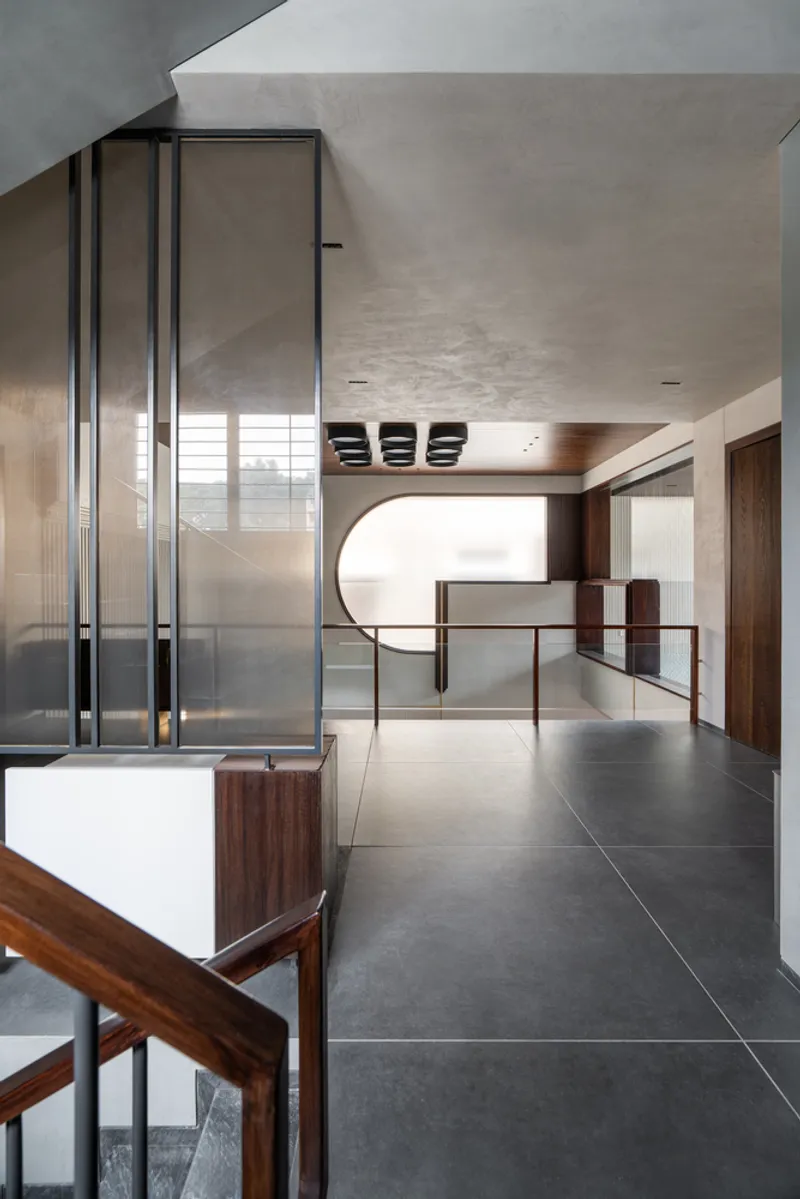
Natural Light and Ventilation
Large windows and strategically placed voids allow for optimal natural light and cross-ventilation, crucial in Bengaluru's climate. This design choice reduces the home's reliance on artificial lighting and air conditioning, promoting a healthier living environment.
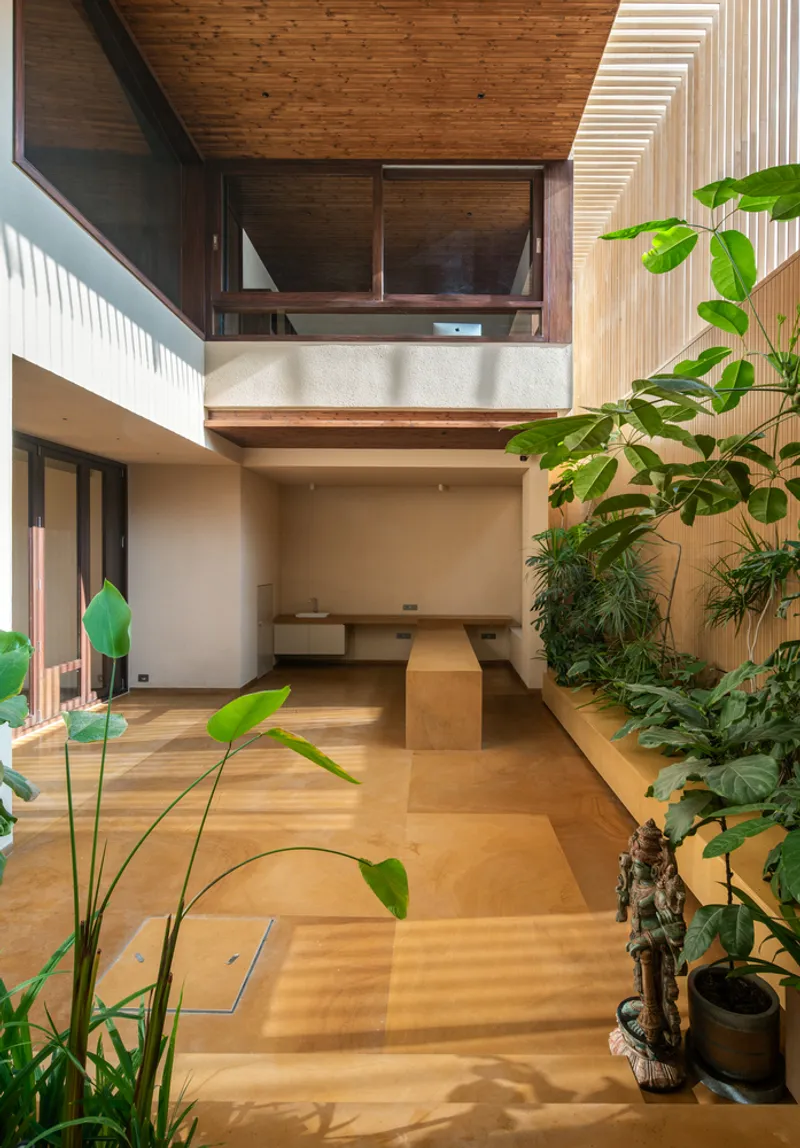
Integrating Generations through Design
Shared Spaces
The core of the house features shared spaces that encourage family interaction and communal activities, essential in a multi-generational home. Dining areas, living rooms, and recreational spaces are designed to be accessible and comfortable for all ages.
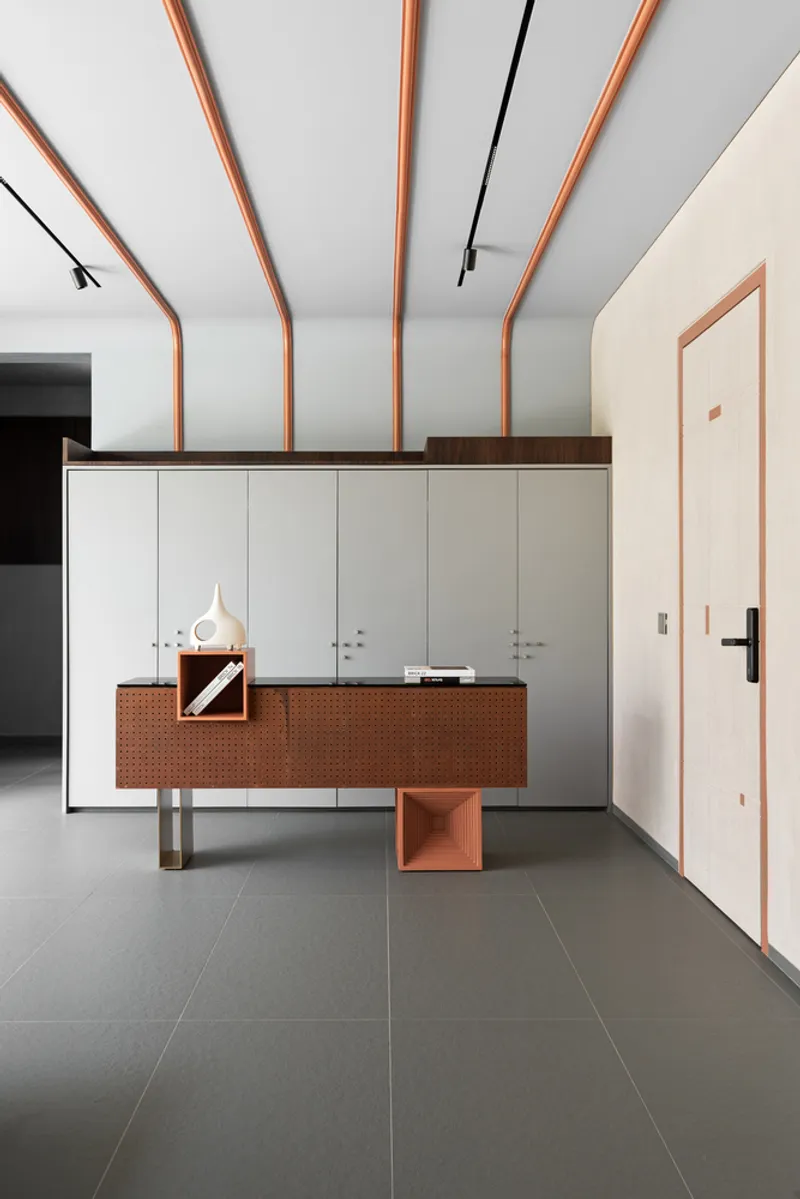
Privacy and Independence
Each bedroom is designed with attention to privacy, allowing family members to retreat into their own spaces without feeling isolated. This balance is crucial in multi-generational homes, where the need for individual space is as important as communal living.

The Future of Multi-Generational Homes
PATTERN LAND by Cadence Architects stands as a model for contemporary multi-generational home design, offering valuable insights into the integration of modern architecture with the complex dynamics of family living. As families continue to evolve, such designs will become increasingly important, providing spaces that can adapt to the changing needs of multiple generations.
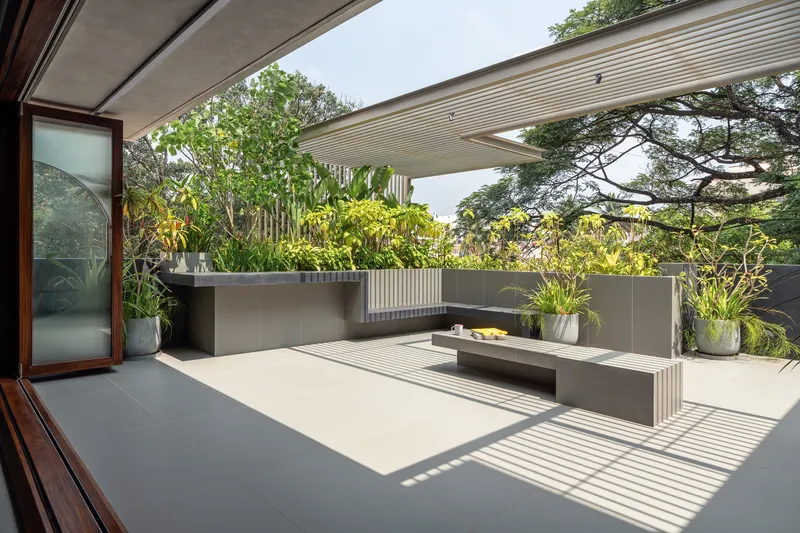
All photographs are work of Shamanth Patil


Popular Articles
Popular articles from the community

Temporary Home for Dogs: A Reversed Zoo Rethinks Animal Shelter Architecture
In Bucharest, a sinuous corridor and freed landscape flip the logic of containment, designing a shelter that works to make itself unnecessary.
Opera by the Sea Estonia: Three Shells Dissolving Architecture into Tallinn's Coastline
A winning opera house proposal replaces monumental form with interconnected shells that blur the boundary between building, park and Baltic Sea.
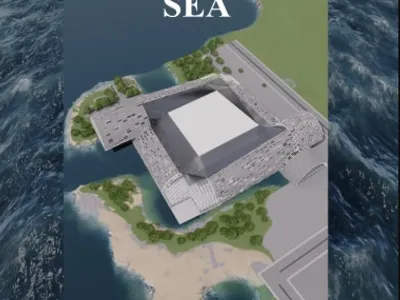
Opera on the Sea: Driftwood Logic Shapes a Timber Opera House on Estonia's Coast
Trevor Orgill's opera house translates the entangled drift of floating timber into a civic building where wood, water, and music converge.
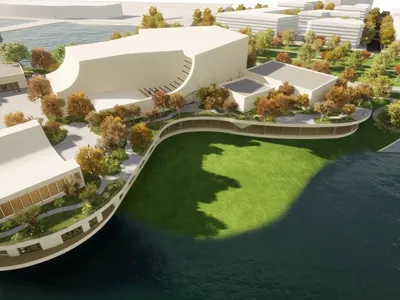
The Amber Palace Opera: A Geological Fiction Surfaces on Tallinn's Baltic Waterfront
Pierre Brillard reimagines a Baltic legend as a public landscape, opera house, and waterfront promenade rooted in Tallinn's coastal identity.

Similar Reads
You might also enjoy these articles

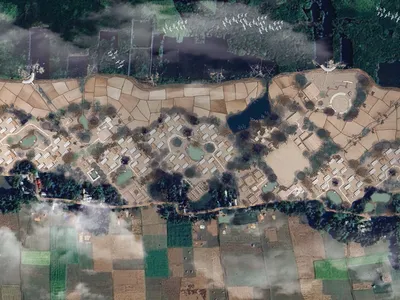
Hodi-Mandai Geram
Project Function: Preservation and revitalization of the Intangible heritage and socio-spatial identity of the Hodi by Housing, Cultural Memory Center, Sacred Grove, landscape, local tourism economy

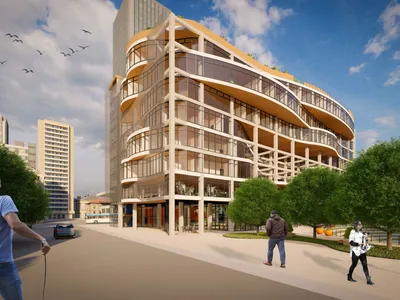
Olio Towers: A Mid-Rise for Performers That Fuses Housing, Rehearsal, and Stage
Located blocks from Houston's Theater District, this modular tower stacks living units around a central performance atrium.
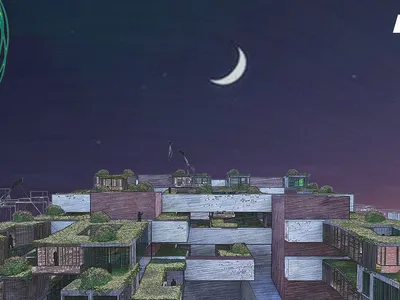
Oasis: Modular Green Housing Carved into Dhaka's Urban Fabric
A shortlisted Plugin Housing entry reclaims unauthorized settlements in Dhaka with stepped concrete volumes, green roofs, and ventilation-driven design.

Black Hole: A Floating Megastructure for the Post-Physical Era
Emiliano Mazzarotto envisions a spherical, self-scaling arena where e-sports, digital hotels, and holographic stadiums replace traditional public space.

Explore Building Patterns Competitions
Discover active competitions in this discipline

Challenge to reimagine the Iron Throne

Photograph architecture without architects

Illustrate the lost glory of Angkor Wat - Render Challenge

Design challenge to reuse E-waste
Comments (0)
Please login or sign up to add comments
No comments yet. Be the first to comment!