
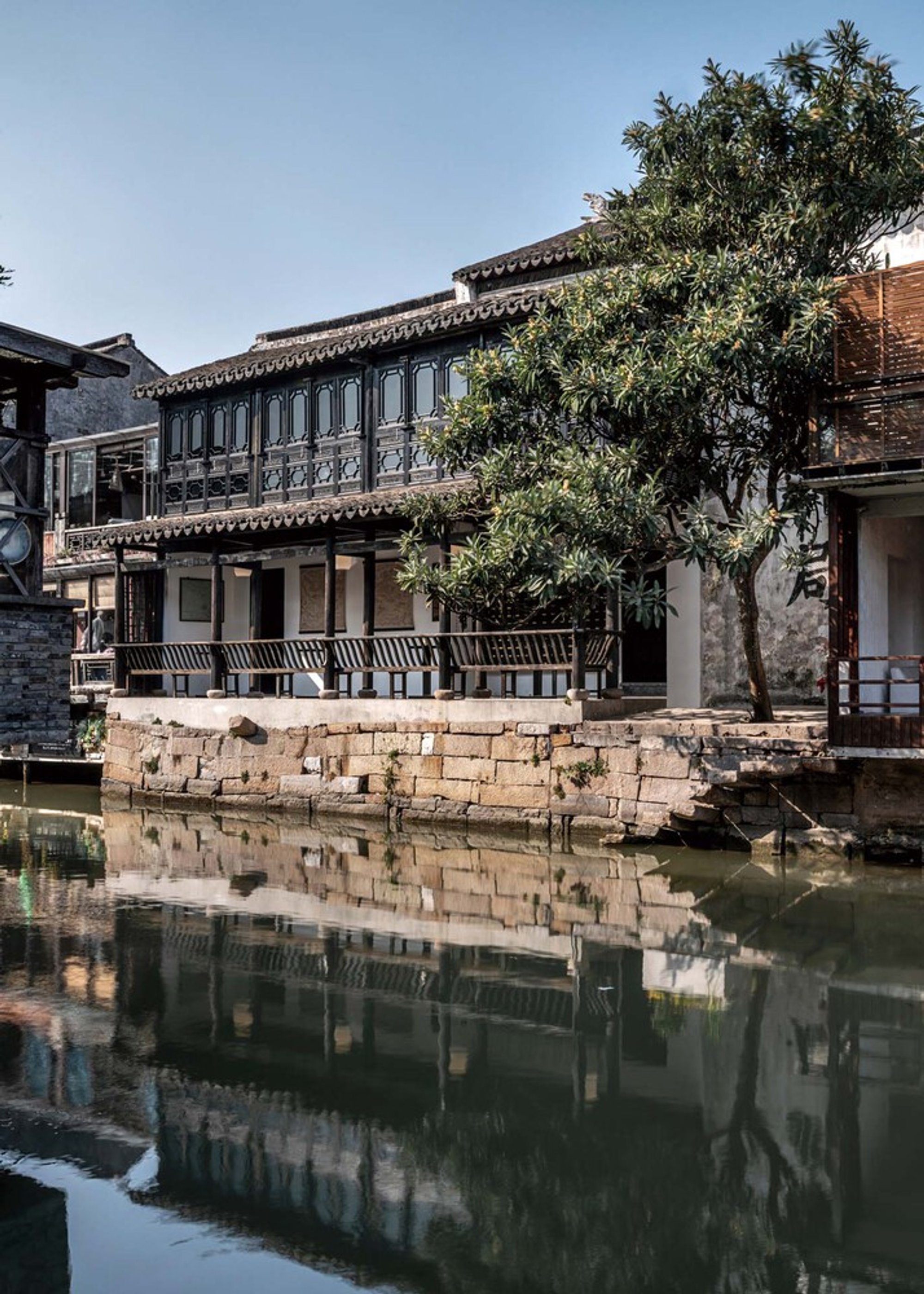
Contemporary Renovation of Qing Dynasty Post Office by More Design Office
A historic Qing Dynasty post office transformed into a vibrant cultural hub blending heritage architecture with modern community-oriented design.

A Heritage Revival in the Heart of Zhujiajiao, Shanghai
Architects: More Design Office
Reviving Heritage Through Adaptive Reuse
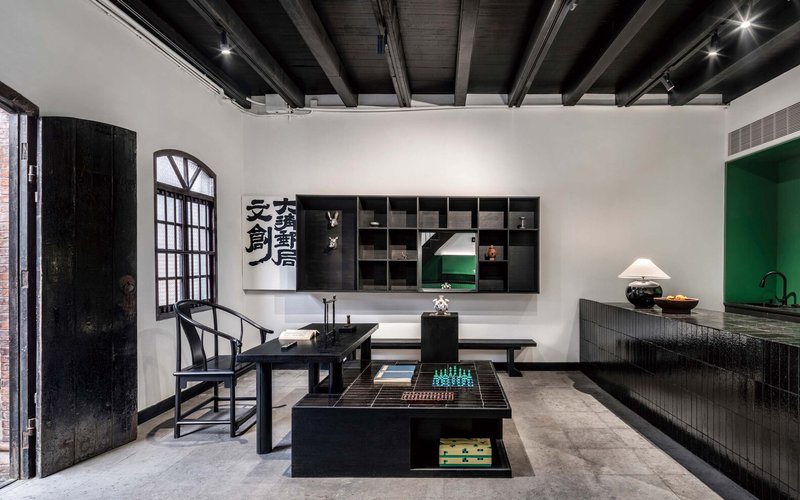
More Design Office (MDO) has masterfully transformed a Qing Dynasty-era post office in the historic canal town of Zhujiajiao into a vibrant social and cultural hub. This adaptive reuse project not only breathes new life into a significant heritage structure but also redefines its function for contemporary community use.
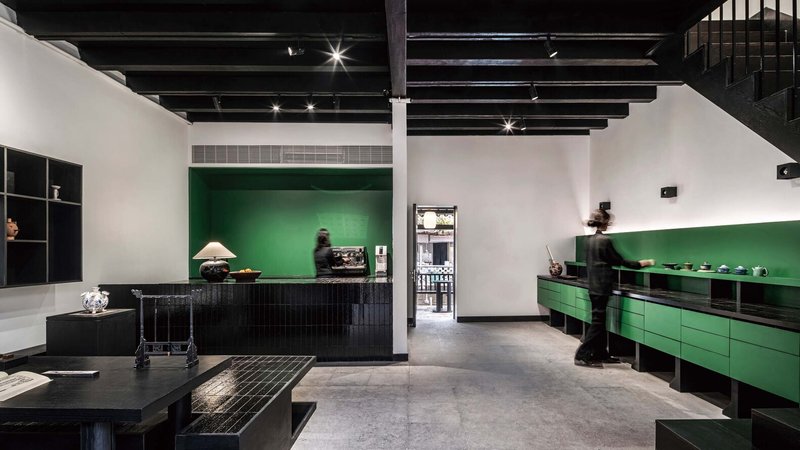
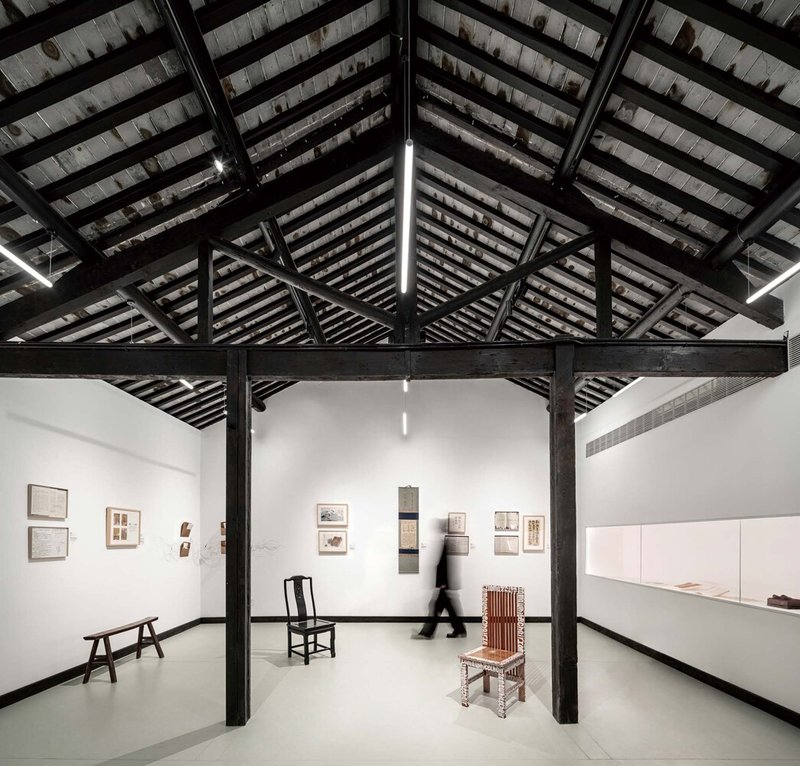
The renovated post office now functions as a multi-purpose cultural venue that includes a waterfront café, a gallery space, a museum exhibit, and an event hall for lectures and community gatherings. The design narrative celebrates the building’s legacy as a center for information exchange while incorporating modern interventions that reflect the town’s evolving identity.
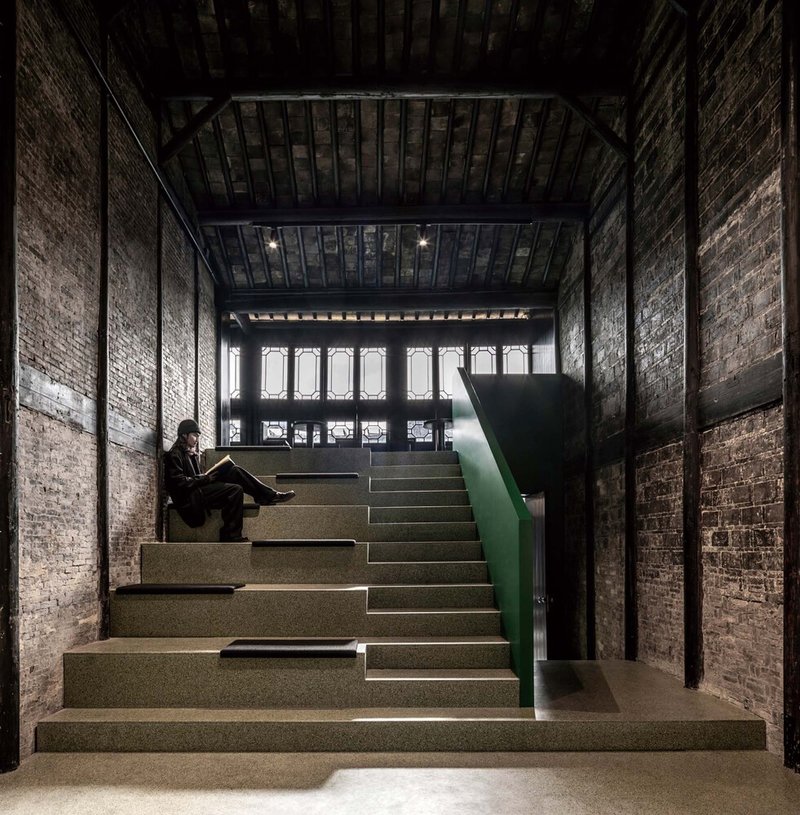
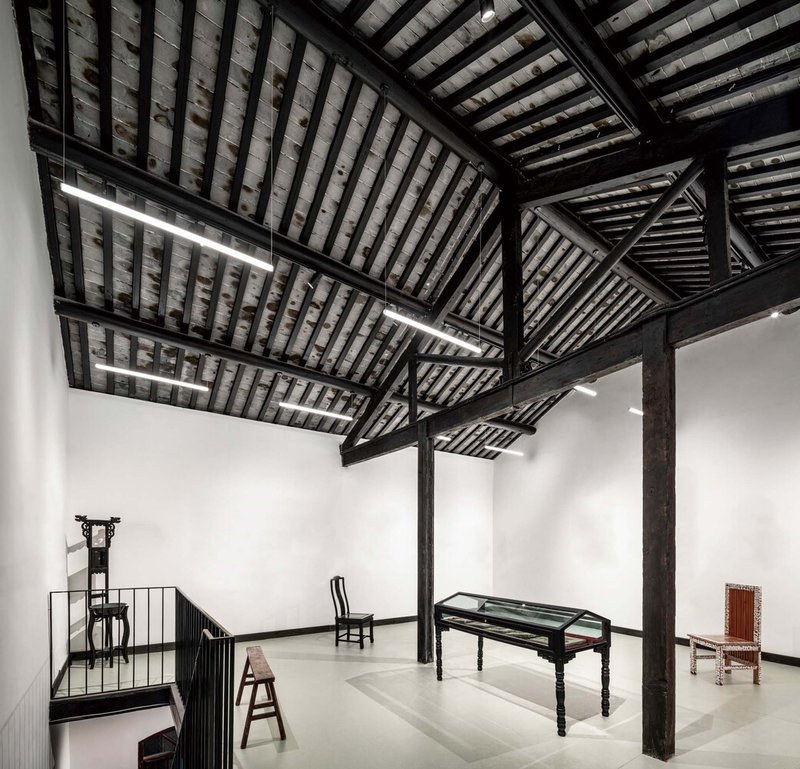
A Sensitive Approach to Restoration
The project was commissioned by the Qingpu District government to support tourism and cultural education in Zhujiajiao, a destination renowned for its traditional waterways and Ming–Qing architecture. The design strategy focused on minimal intervention and material authenticity, with a deliberate distinction between old and new.
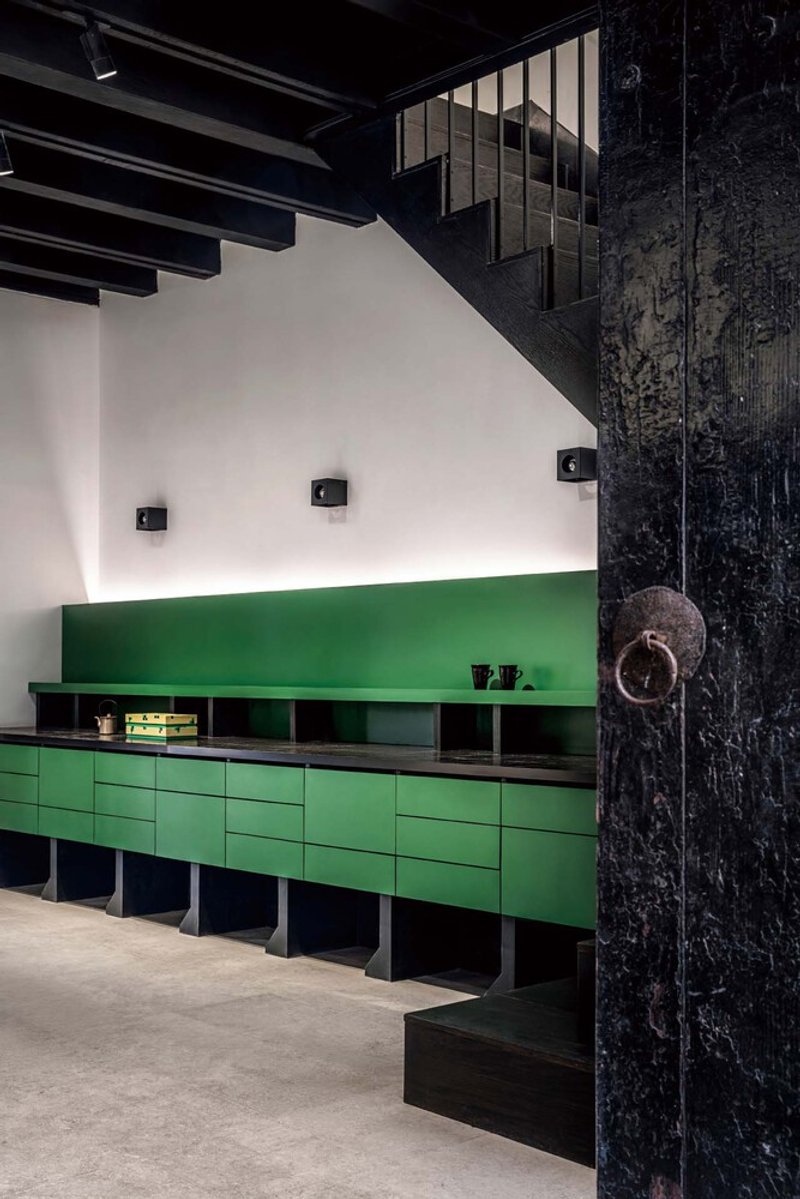
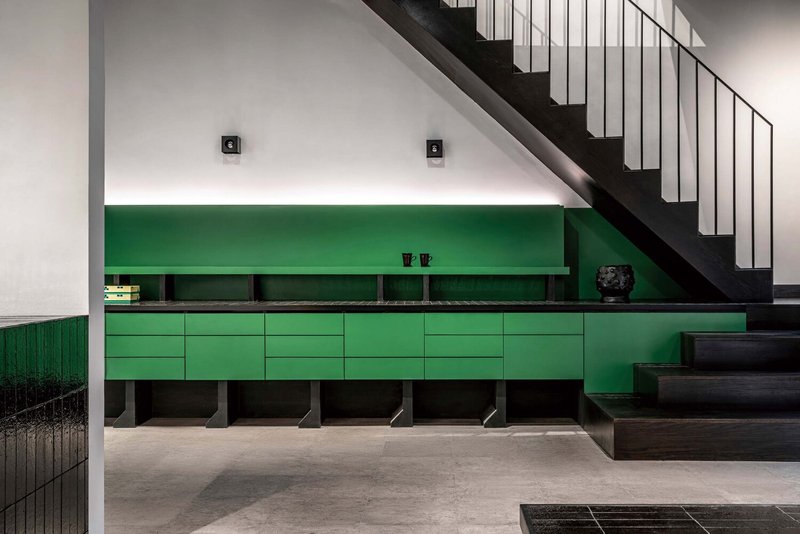
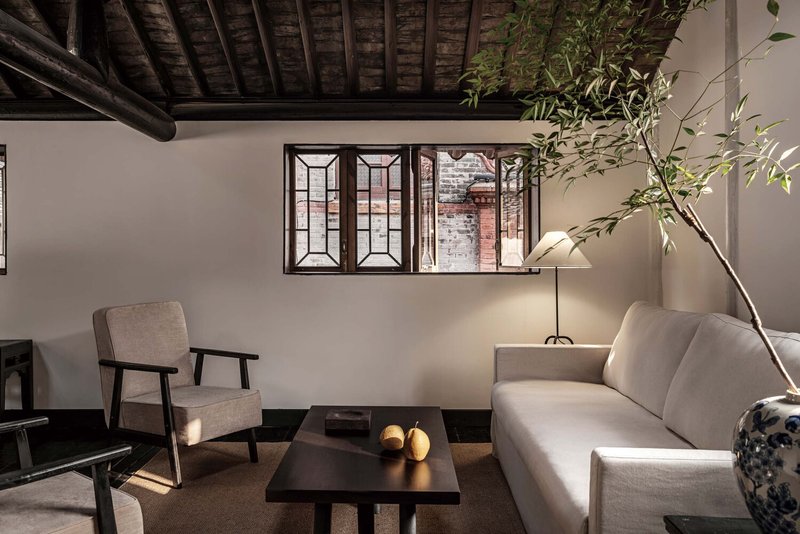
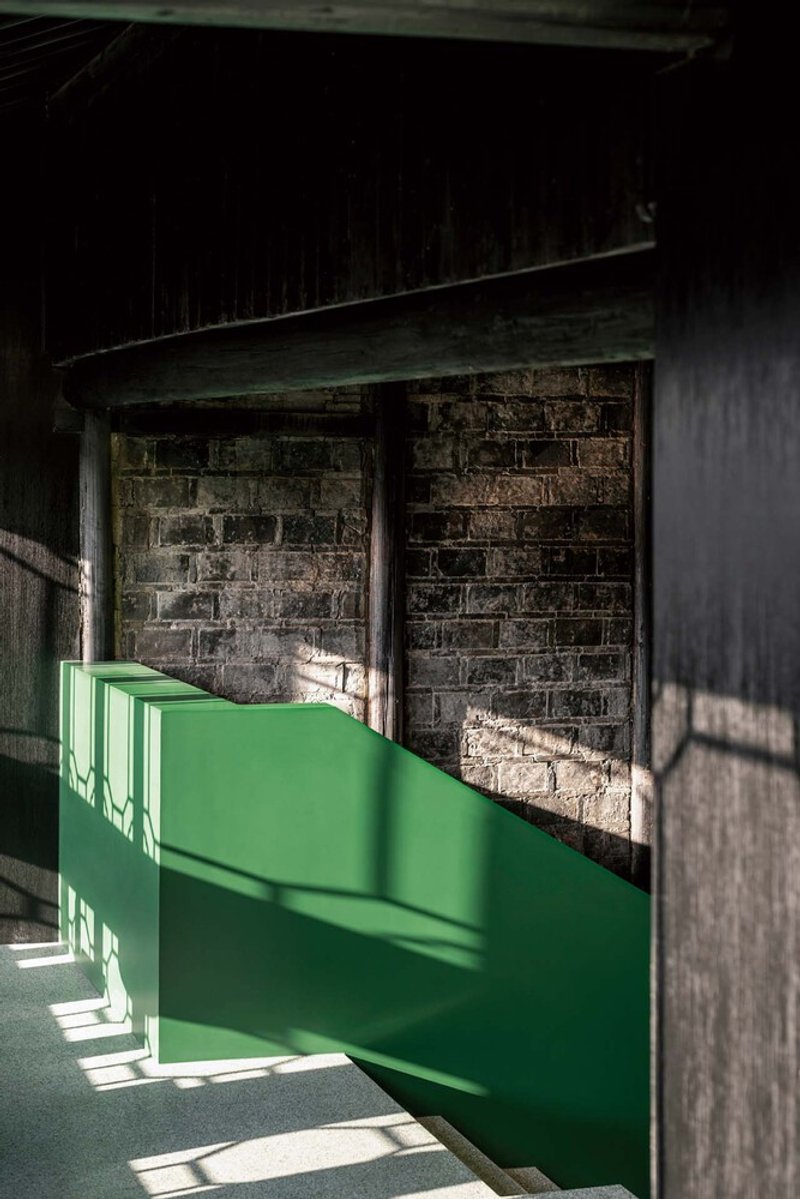
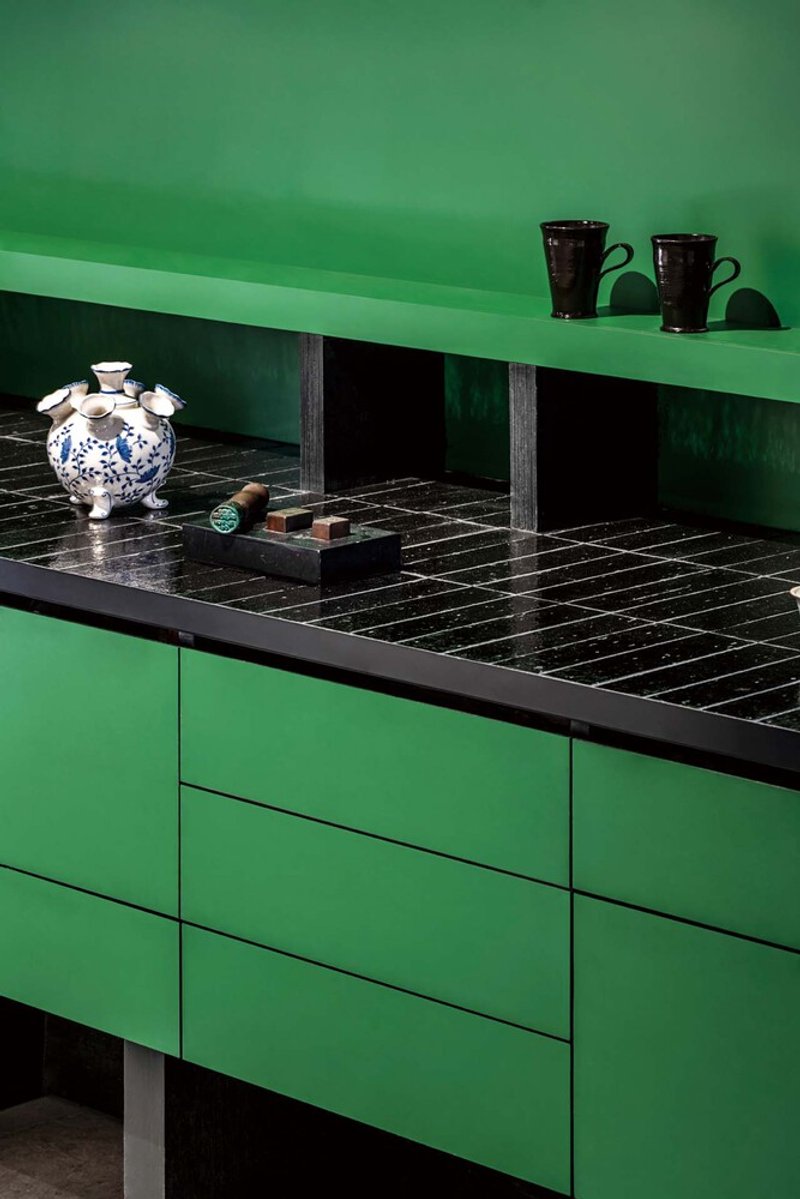
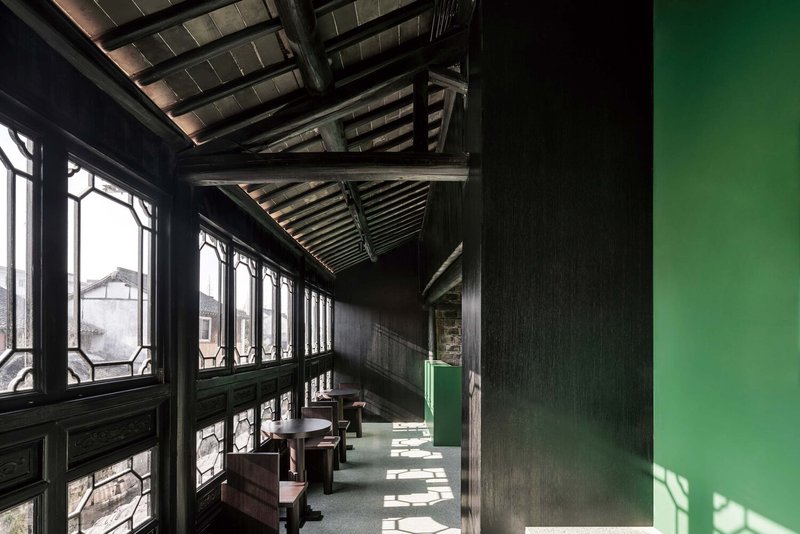
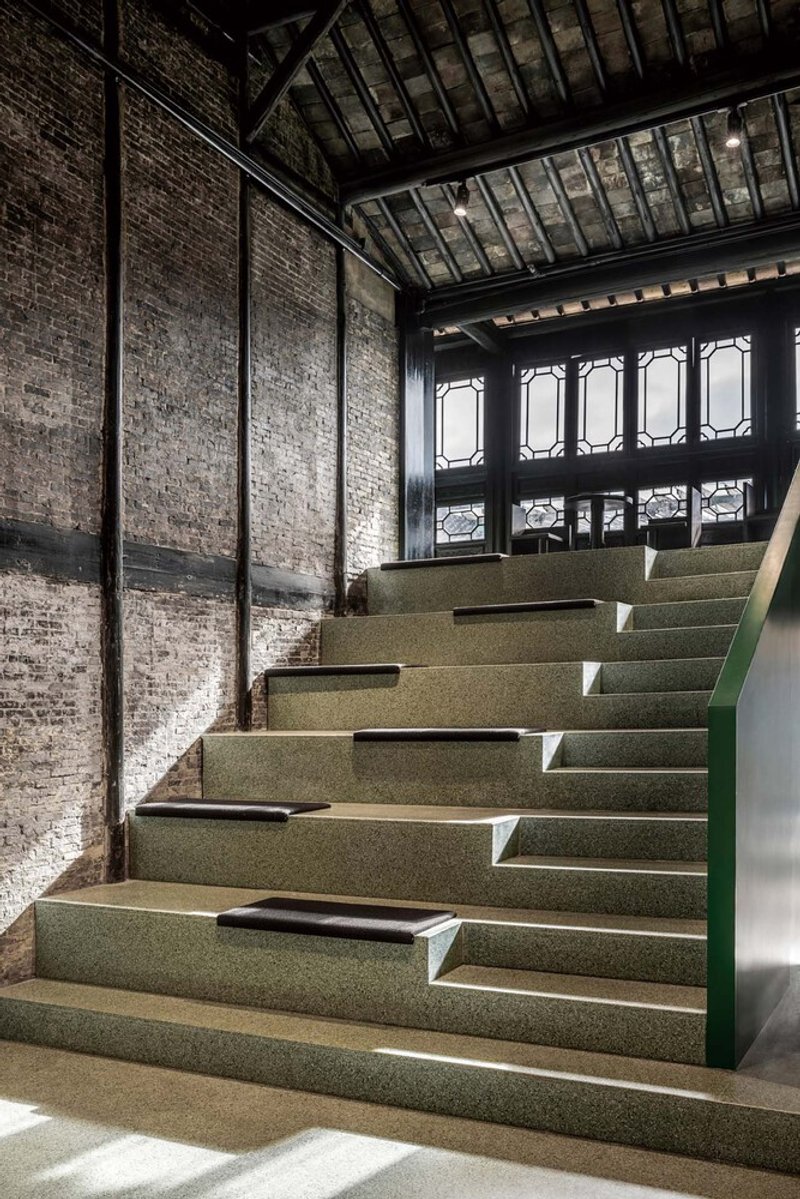
MDO meticulously removed unsympathetic modern additions to restore the original Qing Dynasty fabric—brick masonry, timber beams, tiled roofs, and arched windows. New interventions, such as staircases and shelving units, were crafted in hues inspired by local elements like “Qingpu blue” and the “green water” associated with historic waterborne postal routes.
These new insertions do not overpower but instead complement the aged materials, fostering a dialogue between past and present. Notably, shelving elements subtly recall the form of a postman’s stride—black "feet" anchoring the structure, evoking the rhythm of information delivery that once defined the building.
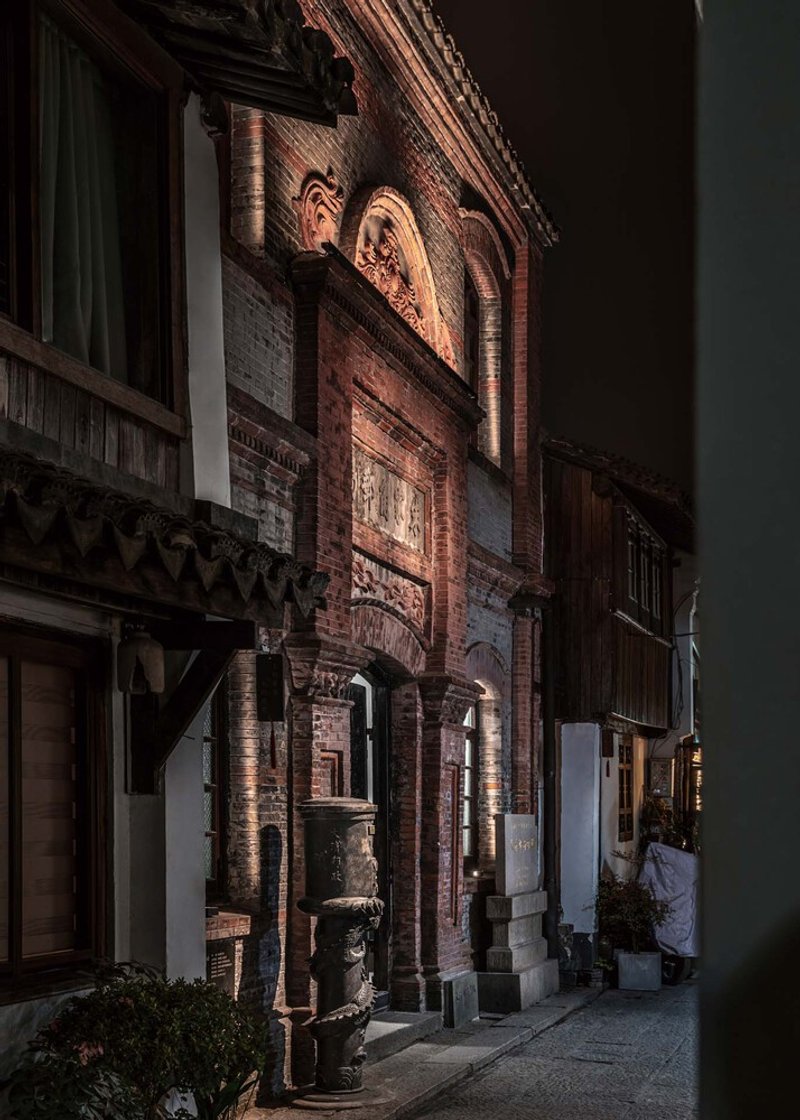
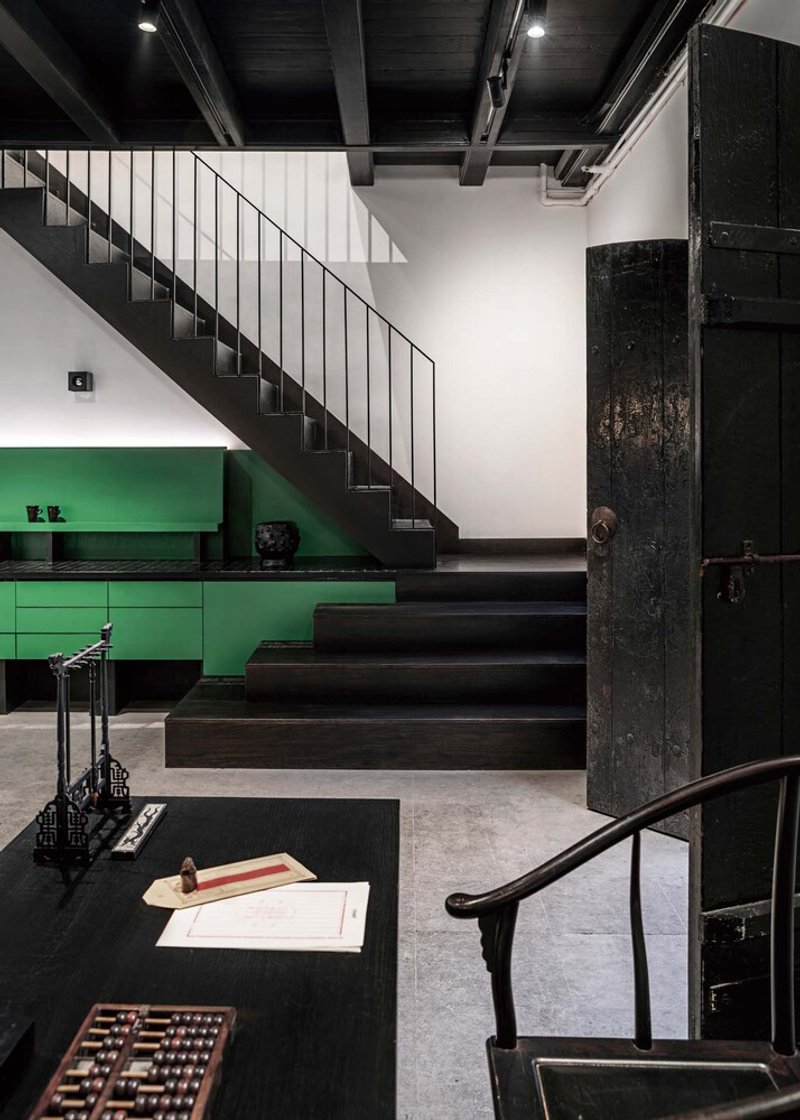
Enhancing Cultural Exchange and Community Involvement
One of the project's core goals was to reinvigorate the local community through design. MDO created a flexible interior layout that invites various public uses—from quiet reflection in the museum gallery to dynamic gatherings in the multipurpose hall.
Permanent exhibitions within the space blend physical artifacts and digital storytelling, narrating the post office’s historical significance in regional communication networks. Local residents serve as cultural mediators, sharing oral histories and creating a strong community connection with visitors.
Sustainability and Local Materials
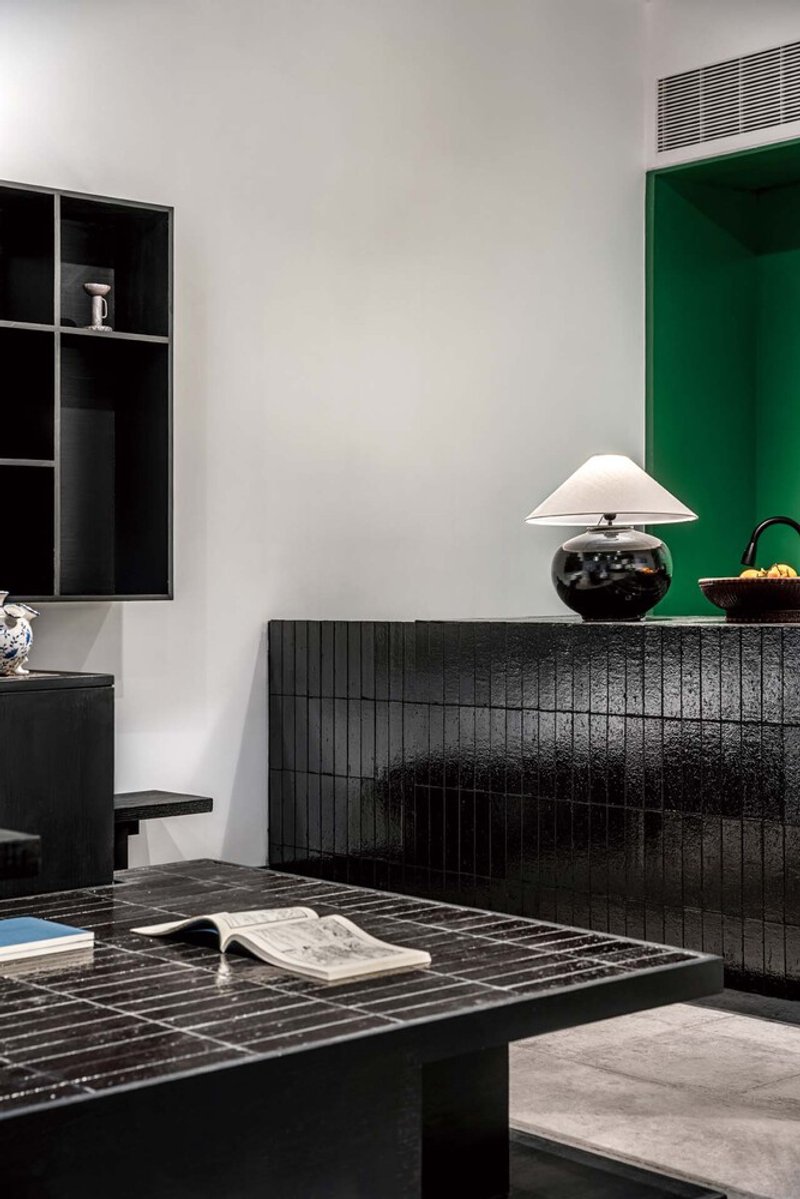
Environmental responsibility was integral to the renovation. The design team reused large portions of the existing structure, including walls, floors, doors, and roof tiles. Locally made terrazzo and sustainable lino flooring were selected for their low environmental impact and textural harmony with original materials.
Passive climate strategies were integrated into the building envelope. The riverside façade acts as both a solar control screen and a ventilation mechanism, reducing reliance on mechanical cooling. Energy-efficient lighting and natural cross-ventilation further improve the building’s ecological performance.
Architecture That Respects the Past and Inspires the Future
In an era where historic buildings are often sacrificed for rapid urban development, MDO’s renovation of the Qing Dynasty Post Office offers a compelling counter-narrative. This project affirms the value of preservation through transformation, where new uses do not erase the past but instead enrich its narrative.
The project aligns with the poetic wisdom of Daniel Johnston: “The world is an old canvas, painted over many times.” Here, each layer—architectural and cultural—has been carefully preserved and reinterpreted to serve a new generation of users without losing sight of its roots
All Photographs are works of Pianfang Studio




Popular Articles
Popular articles from the community


Solar Steam: A Climate-Responsive Architecture That Redefines the Monument
A climate-responsive memorial architecture that transforms heat, decay, and time into a living system reflecting humanity’s ecological impact.
A Contemporary Take on Iranian Residential Architecture
A modern interior design in Mashhad that reinterprets brick, light, and spatial flow to create a warm, contemporary residential architecture.
An Miên Lumière Cafe by xưởng xép, Ho Chi Minh City, Vietnam
An industrial-inspired café where layered steel and warm light create a dynamic, immersive environment shaped by reflection, depth, and perception.
Atelier Macri Concept Store Interior Design by CASE-REAL
Atelier Macri store features a "ko" counter, walnut wood details, cork displays, blending retail, gallery, and seamless customer experiences.

Similar Reads
You might also enjoy these articles


The Ken Roberts Memorial Delineation Competition (Krob)
As the most senior architectural drawing competition currently in operation anywhere in the world, it draws hundreds of entries each year, awarding the very best submissions in a series of medium-based categories.

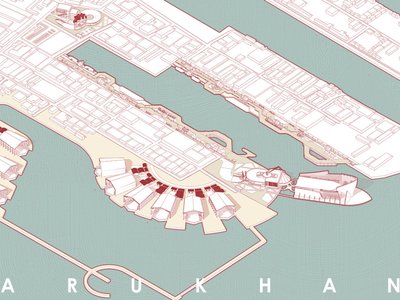
Waterfront Redevelopment and Urban Revitalization in Mumbai: Forging a New Dawn for Darukhana
A transformative waterfront redevelopment project reimagining Darukhana’s shipbreaking heritage into an inclusive urban future.

OUT-OF-MAP: A Call for Postcards on Feminist Narratives of Public Space
Rhizoma Design and Research Lab invites artists, designers, architects, researchers, and students to reflect on how feminist perspectives can reshape public space. Selected works will be exhibited in Barcelona, October 2026. Submissions open until 15 April 2026.


Documentation Work on Buddhist Wooden Temple
Architectural syncretism and cultural hybridity: A comparative study of the Buddhist temples in Chattogram Hill tracks


Explore Architecture Competitions
Discover active competitions in this discipline




The International Standard for Design Portfolios


The Global Benchmark for Architecture Dissertation Awards


The Global Benchmark for Graduation Excellence


Challenge to design luxury tourism on rails
Comments (0)
Please login or sign up to add comments
No comments yet. Be the first to comment!