

Digital Maze
The project is a combination of digital and traditional art. The body of the building, due to its composition, can be considered both a piece of art and a medium for the presentation of other projects. It fits perfectly into the current trends in the design of exhibition and museum facilities.

The task was to design a museum of abstract art intended for digital and traditional works. The site is located in Seattle in the Belltown neighborhood. The district is characterized by upscale residential estates and fashionable shopping facilities.
The main design assumptions were: to create a symbiosis between digital and traditional art that can be felt even outside the building; use the plot to its full potential, especially the slope, to make the best use of the available space; creating a body of the building which is a work of abstract art; use of the existing height of surrounding buildings, materials and divisions; creating a story that visitors will follow while walking through the maze, the center of which is the main staircase, from there are communication routes on various floors.
According to the author's concept, three parts were distinguished from the main body of the building. Two outside elements in the projection and the facade form a rectangular trapezoid, which is mirrored horizontally in the facade. On both sides, there are exhibition halls and rooms such as an office, café, etc., which perform additional functions in the museum. Inside the central part of the building, which connects the adjacent elements, there is a representative staircase covered with glass. It is also the main way allowing visitors to admire the works. In the facade, this part has been marked as a crack symbolizing the variety of artistic forms and a kind of dissonance between traditional and digital works, which, often so different, can harmonize perfectly with each other.
The facade of the building is made of ceramic bricks with perforations that give the facade rhythm. The project also uses screens to display digital works outside the building. A green square for the local community was created in front of the building.
The road in the north part of the site (Western Avenue) has been narrowed, the pedestrian space has been widened and a bicycle path with green belts has been designed. The technical service of the building is carried out through a redesigned pedestrian and driveway, where the floor and the windowless part of the facade have been distinguished, creating additional space for the exhibition of art installations. The project provides for the possibility of using the existing car park located in a multi-family building.
In addition to the squares designed in front of the building, there is also greenery, which is undoubtedly missing in the area. The building collects rainwater and uses it in the building, a green roof has also been designed with photovoltaic panels.
The project is a combination of digital and traditional art. This connection is realized through a staircase-maze, connecting all floors, being the heart of the building and a bridge between the various forms of art. The body of the building, due to its composition, can be considered both a piece of art and a medium for the presentation of other projects. It fits perfectly into the current trends in the design of exhibition and museum facilities.

Popular Articles
Popular articles from the community


Opera on the Sea: Driftwood Logic Shapes a Timber Opera House on Estonia's Coast
Trevor Orgill's opera house translates the entangled drift of floating timber into a civic building where wood, water, and music converge.
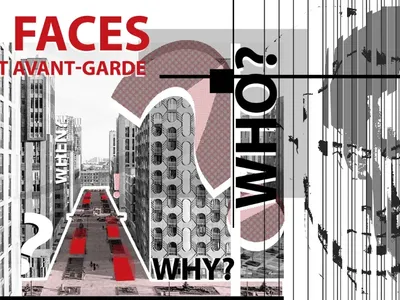
Faces of the Soviet Avant-Garde: Turning Moscow's Street Names into an Open-Air Museum
A network of sculptural installations across a Moscow residential district transforms forgotten architect names into spatial encounters with cultural memor

Cloaked Colonization: A Mobile Underwater Habitat That Moves Like a Fish
Micah Abaya's shortlisted EHC Pacific entry reimagines ocean settlement as a dispersed network of self-sustaining architectural organisms.
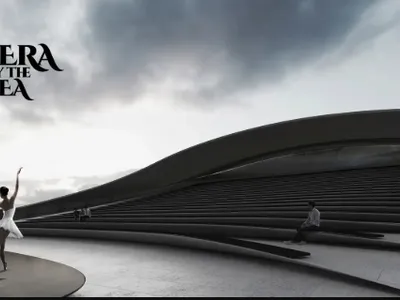
Opera by the Sea Estonia: Three Shells Dissolving Architecture into Tallinn's Coastline
A winning opera house proposal replaces monumental form with interconnected shells that blur the boundary between building, park and Baltic Sea.

Similar Reads
You might also enjoy these articles
The Rhythm of Seasons
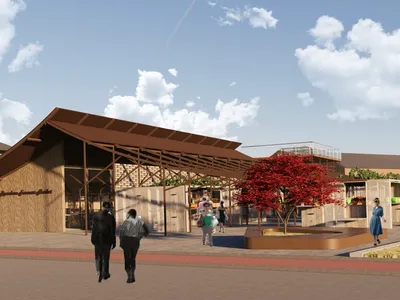
A Farmers' Market Connecting Nature and the City

More Than a Building-Designing a Living System
More Than a Building-Designing a Living System
Base Beyond
DESERT COMPOUND ARID: TOURISM OF ABSENCE AND ABUNDANCE

Explore Art Installation Competitions
Discover active competitions in this discipline


Challenge to design locus for the upliftment of human rights

Design challenge to reuse E-waste
Comments (0)
Please login or sign up to add comments
No comments yet. Be the first to comment!