
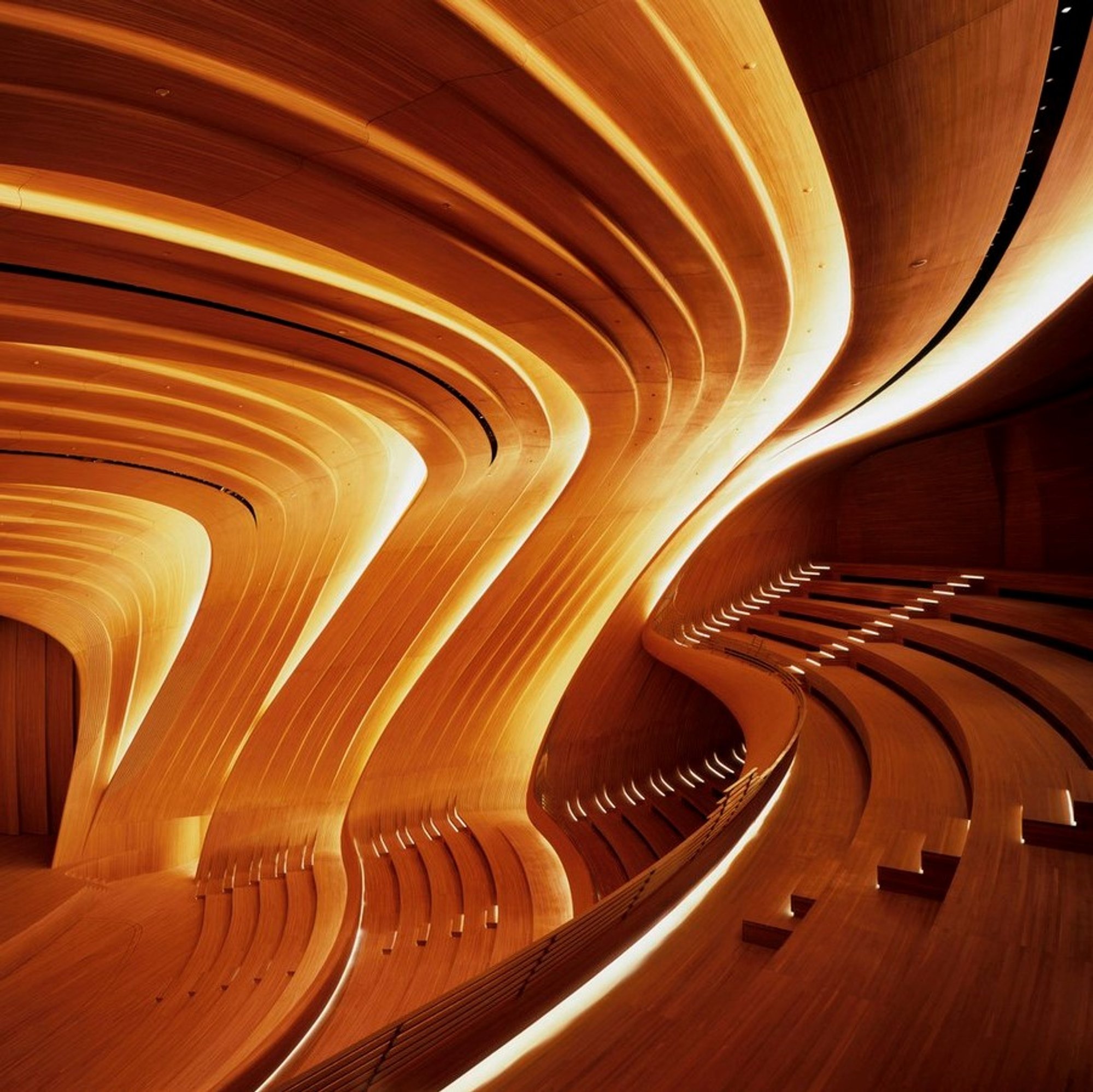
Ethno Cocoa Retreat
Reflection of Culture

Working on a project that aimed to reflect the culture of the Maya was an intriguing task that required careful study and analysis of historical materials. I delved into history books, old photographs, and artistic reconstructions to gather the necessary details for forming an architectural concept. The initial concept was based on two ideas: chocolate and the Maya. These two elements formed the color palette for the project, with brown and brick tones forming the foundation of the design.
One particularly interesting aspect of the project was studying traditional Maya drawings and adapting them to a modern context. However, the free planning of Maya cities presented certain challenges, particularly under strict technical requirements. This led to the idea of incorporating height into the project. The height restriction of 10 feet motivated me to design the project in a downward direction. This turned out to be an advantageous solution for the museum, which, unlike other public buildings, does not require natural lighting and allows me to emphasize the architectural dominant - the pyramid. The Maya are famous for their multi-tiered pyramids that tower over 25 meters. To reflect this element in the project, I had to reduce the number of steps while maintaining their modularity. I also wanted to depict the lifestyle and traditions of the tribe, so I came to the idea of grouping villas around a "hearth." Based on historical pictures, houses were built in a chaotic manner. I tried to convey this lack of order by rotating the houses and placing them at different angles and distances. This approach helped to add some life to the otherwise strict layout.
The goal of my project is to recreate a Mayan settlement and strive to accurately reflect their culture, so that visitors can fully experience the authenticity of that time period. One of the key elements of this project is the depiction of the history and importance of cocoa beans, which was inspired by the chocolate-making process. This led to the idea of creating an interactive museum that would showcase the significance of cocoa beans and the chocolate-making tradition. During times when cocoa beans are not available, the museum space could be used for interactive tours through the complex, providing a unique and immersive experience for visitors. This museum could become a symbol of the region and attract tourists from all over the world.
During the presentation stage, I used yellow parchment, which has colors reminiscent of Maya pottery, to create references to the project's theme. For example, the roofs were designed to resemble pieces of chocolate, and the coffered ceilings had a pattern that resembled chocolate tiles.
The study of an unfamiliar culture and its influence on architecture was not only challenging, but also engaging. This project was the result of my desire to understand and replicate the spirit of the Maya civilization.

Popular Articles
Popular articles from the community

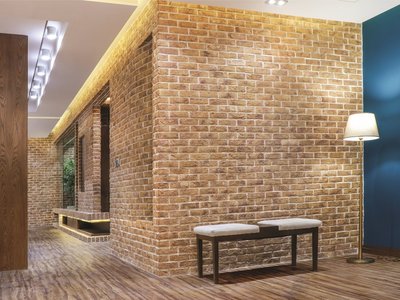
A Contemporary Take on Iranian Residential Architecture
A modern interior design in Mashhad that reinterprets brick, light, and spatial flow to create a warm, contemporary residential architecture.
On the Brooks House by Monsoon Collective – A Contemporary Kerala Home Rooted in Tradition
Kerala home blending tradition and modernity with water-inspired design, brick architecture, courtyard planning, and sustainable rainwater harvesting strategies.
Louis Malle Cinema: A Limestone Cultural Landmark Revitalizing Community Life in Prayssac
Limestone cinema extension with public forecourt, blending heritage and modern design to create flexible cultural spaces and strengthen community interaction.
Atelier Macri Concept Store Interior Design by CASE-REAL
Atelier Macri store features a "ko" counter, walnut wood details, cork displays, blending retail, gallery, and seamless customer experiences.
Similar Reads
You might also enjoy these articles

Converge Hub – A Human-Centered and Sustainable Mobility Hub at the Urban Edge
Its open and permeable design promotes sustainable movement through walkable connections, green axes, and integrated public transport
51st Annual KRob - Ken Roberts Memorial Delineation Competition
Join us in celebrating 51 years in excellence in architectural representation! With $2,400 in prize money awarded across 8 categories, this prompt-less competition is accessible to all!



Explore Cultural Architecture Competitions
Discover active competitions in this discipline




The Global Benchmark for Architecture Dissertation Awards


The Global Benchmark for Graduation Excellence


Challenge to design an urban locus of culture and heritage


Bring back Drive In's
Comments (0)
Please login or sign up to add comments
No comments yet. Be the first to comment!