
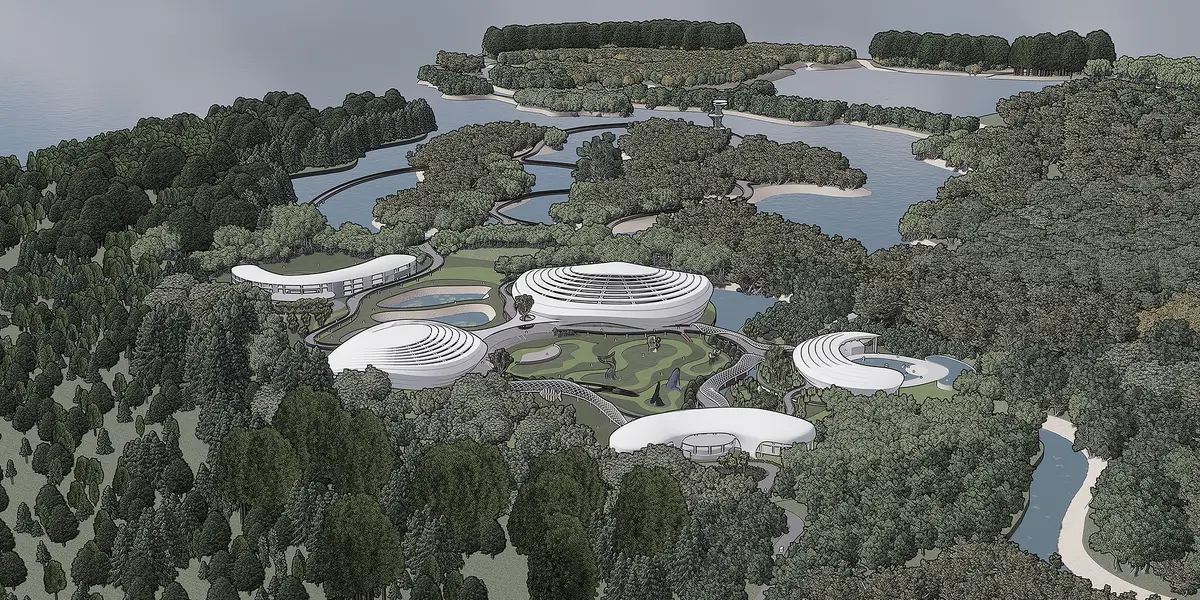
Exploring the DEEP: An Oceanarium Complex
The Oceanarium Complex at Sonadia Island, Cox’s Bazar, represents a pioneering approach to sustainable tourism in Bangladesh. Designed as part of a 980-acre eco-tourism vision, the 720-acre oceanarium

Introduction
Marine ecosystems are under constant threat due to pollution, overfishing, and climate change. Sonadia Island, with its unique ecosystem of turtles, red crabs, oysters, and historically valuable pink pearls, highlights both the fragility and richness of Bangladesh’s coastal biodiversity. Despite its natural wealth, the island suffers from inadequate infrastructure in healthcare and education. The Oceanarium Complex project aims to bridge this gap—acting as a platform for marine conservation, public education, research, and eco-friendly tourism while fostering economic resilience.
Project Vision and Objectives
The project is founded on four core goals:
- Marine Conservation – Establishing safe habitats for endangered marine species and raising awareness about ecological threats.
- Education and Research – Offering a marine biology research center, museum, and interactive exhibits for both researchers and the public.
- Community Development – Providing local employment, skill-building opportunities, and improved infrastructure.
- Economic Growth – Enhancing tourism and attracting international visitors, thereby contributing to the national economy.
Site and Design Approach
Location: Sonadia Island, Moheshkhali, Cox’s Bazar Site Area: 720 acres (Oceanarium site: 50 acres; Build area: 6 acres)
The site was selected for its proximity to the Bay of Bengal, enabling direct access to seawater for the large-scale aquarium systems. Extensive site analysis, climate studies, and ecological research informed the design process.
Design Philosophy
The central design narrative, “Connecting to the Underwater World,” structures the visitor experience as a gradual descent into ocean depths—from the sunlight zone to twilight, midwater, and abyssal layers. This immersive journey highlights biodiversity across marine ecosystems, cultivating empathy for ocean life.
Program and Facilities
- Oceanarium Complex: Multi-level aquarium with zones showcasing freshwater species, coral reefs, jellyfish, sharks, seahorses, and deep-sea species.
- Marine Research Center: Equipped with laboratories, dormitories, seminar rooms, and service corridors for controlled research environments.
- Supporting Amenities: Museum (art, science, and history of marine life) Dolphinarium (daily shows) Herpetarium (reptile & amphibian exhibition) Amphitheater and recreational trails Theater, kids’ zone, game zone, and watchtowers
- Museum (art, science, and history of marine life)
- Dolphinarium (daily shows)
- Herpetarium (reptile & amphibian exhibition)
- Amphitheater and recreational trails
- Theater, kids’ zone, game zone, and watchtowers
Materials and Technology
- Structural strength: Concrete & steel
- Transparency and light: Glass & methacrylate panels
- Sustainability: Wooden walkways, eco-friendly transport, natural ventilation systems
- Aquarium Infrastructure: Filtration, heating, and direct deep-sea water supply ensure healthy aquatic environments.
Social, Economic, and Environmental Impact
- For the Community: Employment generation, improved quality of life, and access to better facilities.
- For the Nation: Increased eco-tourism potential and foreign investment.
- For the Environment: A research-based conservation hub contributing to marine biodiversity protection.
Conclusion


Popular Articles
Popular articles from the community


Juan García Correa, John González and Claudia Rueda Sink a Circular Amphitheater into a Manizales Engineering Building
On the La Nubia campus in Manizales, Colombia, the S1 Building folds labs and offices into a hillside of ramped lawns that double as a campus route.

LT2A and OPEN Architectes Thread a Brick and Glass High School Through a Wooded Belgian Campus
In Braine-l'Alleud, a 3,000 m² wing for Collège Cardinal Mercier pairs pale brick with a glazed colonnade, deferring to a small chapel and a dense wood.

David Macias Steps a Doorless Stone and Plaster House Down a Tropical Colombian Hillside
In the humid hills of Colombia, Threshold House replaces the front door with an open void and terraces its 850 m² down the slope instead of fighting it.

Jaramillo Van Sluys Arquitectura and Urbanismo Turn a Demolished Registry Lot in Quito into an Orchard Plaza
In Quito's Centro Histórico, a 2,800 m² plaza exposes the San Agustín convent wall and redraws its lost Augustinian orchard in volcanic stone.

Similar Reads
You might also enjoy these articles

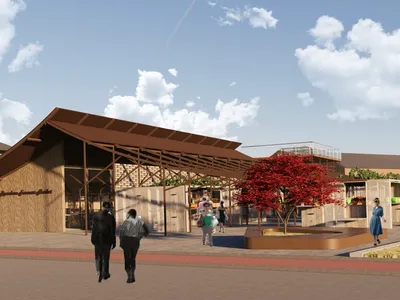
The Rhythm of Seasons
A Farmers' Market Connecting Nature and the City
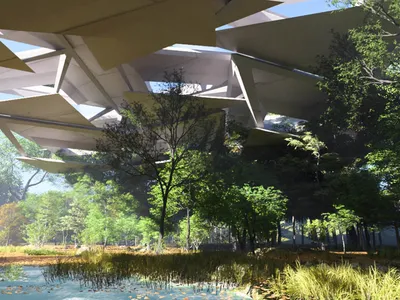

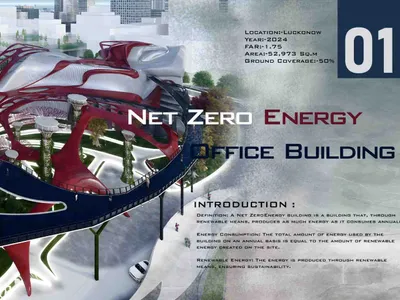
More Than a Building-Designing a Living System
More Than a Building-Designing a Living System
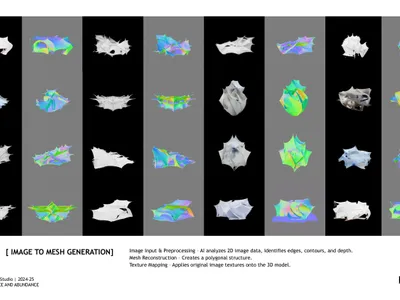
Base Beyond
DESERT COMPOUND ARID: TOURISM OF ABSENCE AND ABUNDANCE

Explore Oceanarium Competitions
Discover active competitions in this discipline


Challenge to reimagine the Iron Throne

Photograph architecture without architects

Illustrate the lost glory of Angkor Wat - Render Challenge

Design challenge to reuse E-waste
Comments (0)
Please login or sign up to add comments
No comments yet. Be the first to comment!