
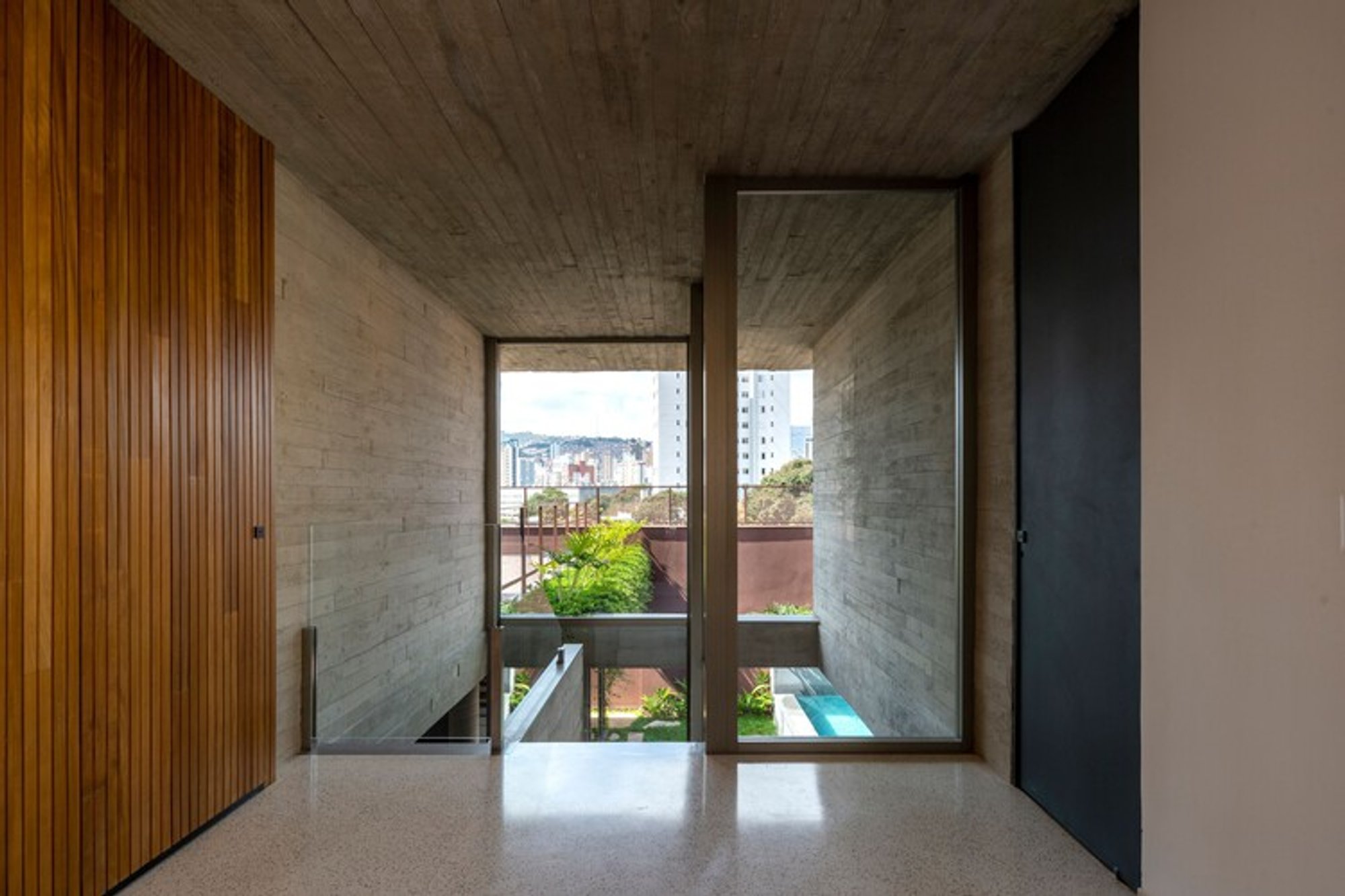
Forest House by RAWI Arquitetura + Design: A Minimalist Concrete Residence Immersed in Nature
Forest House blends minimalist concrete forms with a central Jacaranda courtyard, creating a warm, nature-integrated home that connects architecture and landscape beautifully.

Forest House, designed by RAWI Arquitetura + Design, is a striking 350 m² residence in Cotia, Brazil, where architecture and nature merge into a harmonious, sculptural living experience. Photographed by Rafael Renzo, the project redefines contemporary residential architecture through its minimalist composition, organic integration with native vegetation, and expressive use of concrete, wood, and natural textures.
Architecture Rooted in Nature
Born from a deep dialogue with the surrounding landscape, Forest House embraces the preserved native trees that anchor the site. Designed to house a father and his three children, the residence reflects values of affection, comfort, and environmental respect. Each architectural gesture reinforces the idea of living with—not against—nature.
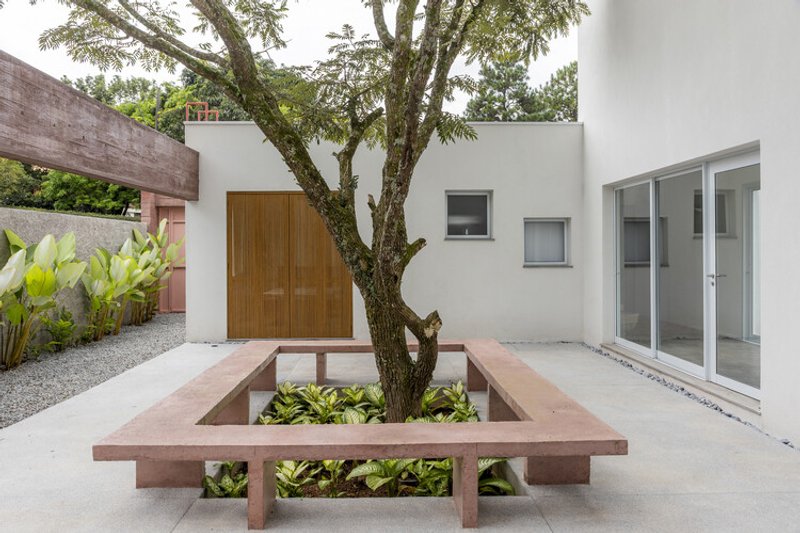
At the heart of the project lies a majestic Jacaranda tree, preserved and celebrated through a central courtyard that becomes the social and emotional core of the home.
Minimalist ‘C’-Shaped Layout With Sculptural Volumes
The house unfolds in a sculptural ‘C’-shaped layout, built from clean geometric lines, large openings, and pure forms. Three architectural elements stand out:
- A suspended rear volume that appears to float over the land
- A central courtyard framed by an on-site molded concrete bench and structural beam
- A pigmented concrete box on the façade, a reddish-toned volume inspired by São Paulo brutalism
These expressive components reshape the terrain and create a dynamic relationship between light, shadow, and materiality.
Courtyard Living: Light, Space & Flow
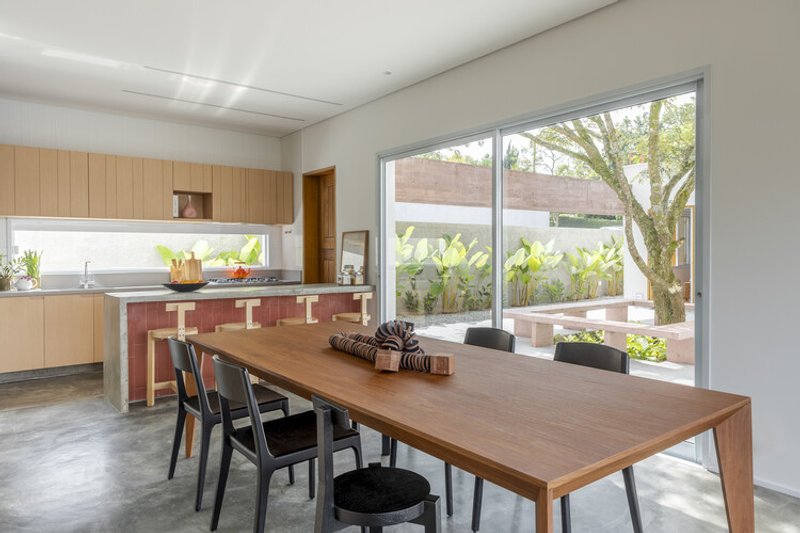
The preserved Jacaranda tree shapes the flow of the entire residence. Surrounding the courtyard are the living room, kitchen, bedrooms, and hall, all connected through double-height voids and generous openings that invite natural light deep into the interior. This interplay of exterior and interior is a hallmark of São Paulo modernist architecture, where the landscape becomes an extension of the home.
Brutalist Inspiration With Contemporary Warmth
The façade blends brutalist inspiration with a modern reinterpretation. Minimalist white volumes rest atop the pigmented concrete box, creating a layered, sculptural effect. The raw beauty of materials—from concrete slabs retaining formwork marks to wide-jointed ceramic flooring—conveys authenticity and craft.
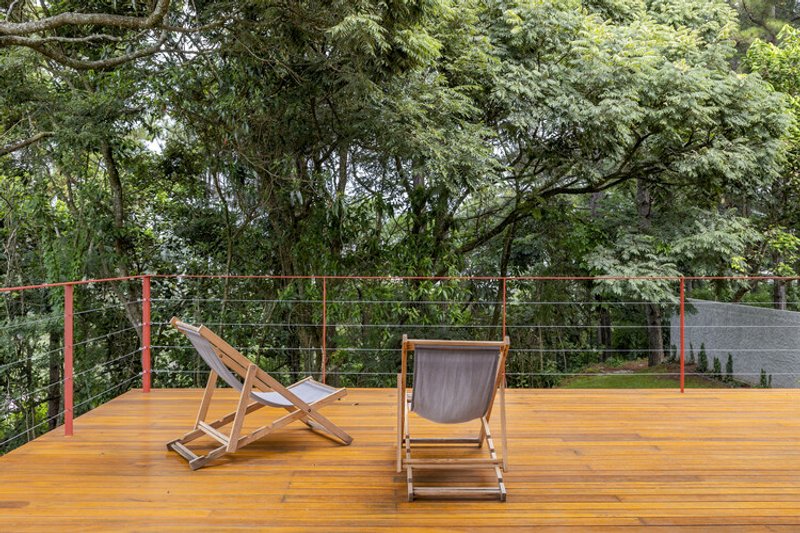
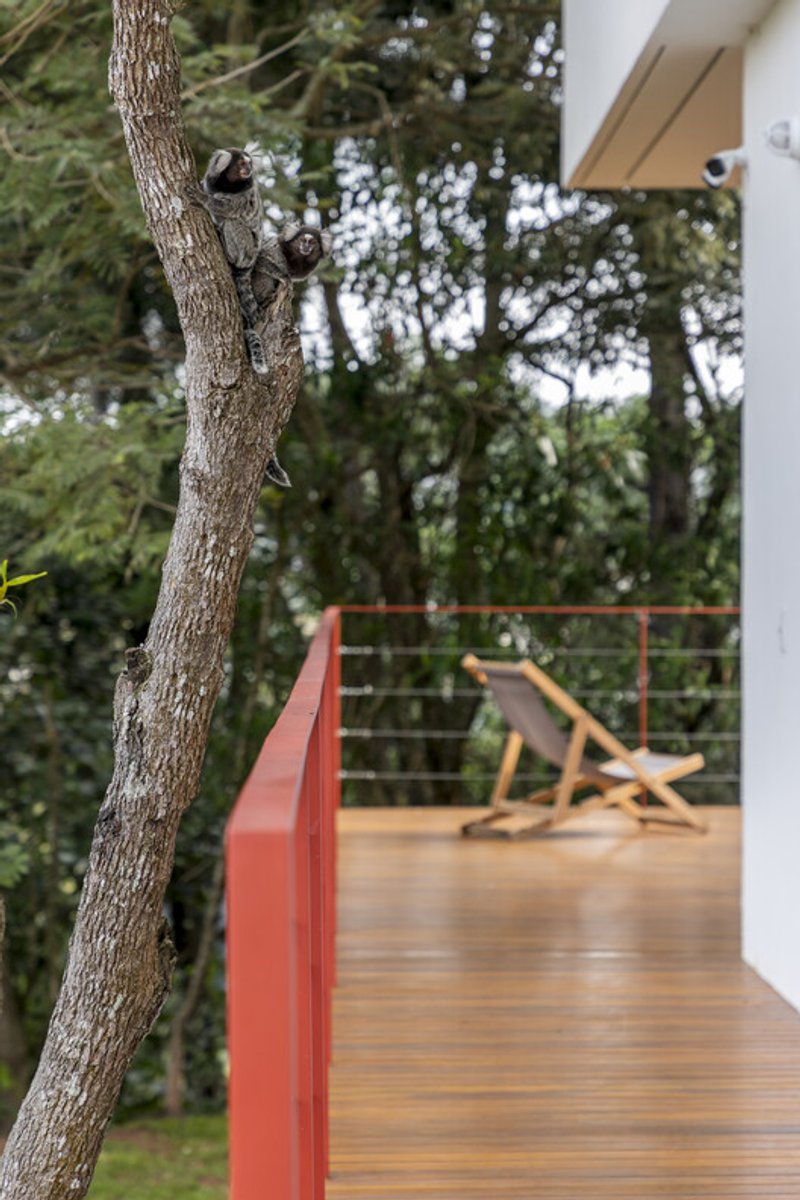
The south-facing side opens fully toward the forest, creating visual continuity and reinforcing the concept of an elevated architecture that lightly touches the land.
A Journey Through Materiality
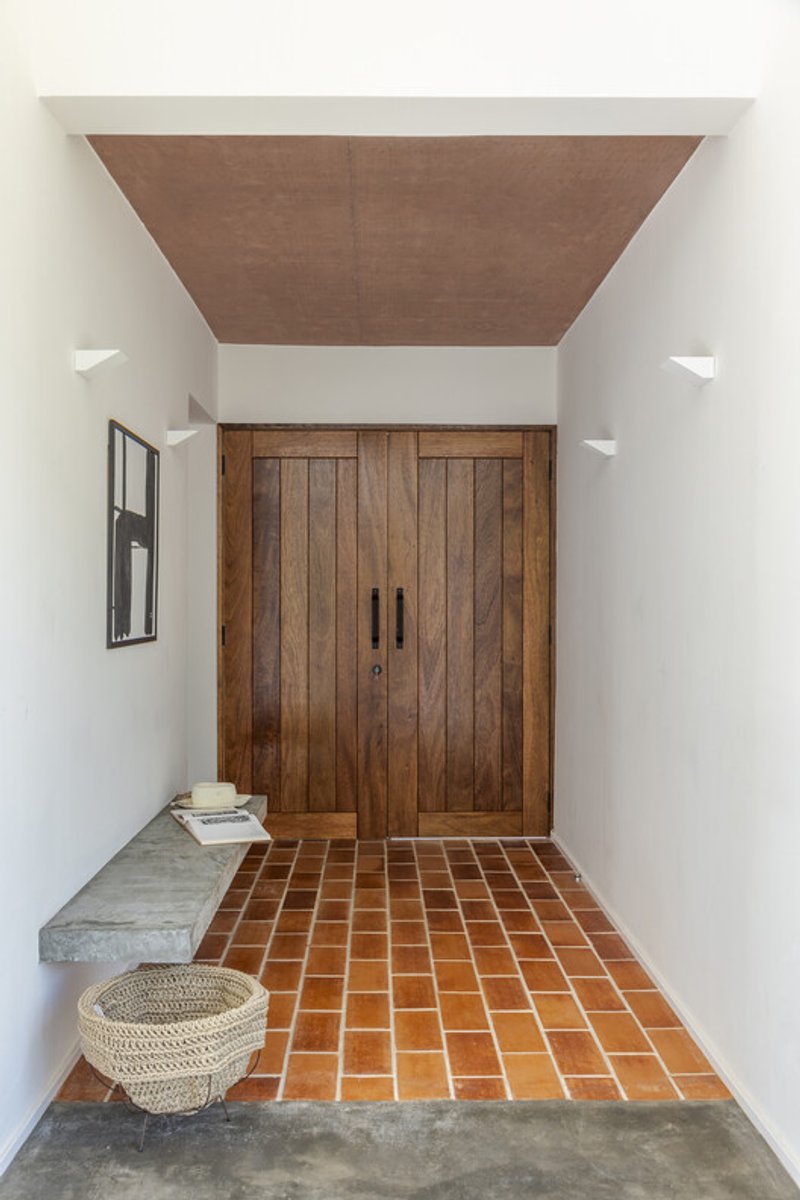
Upon entering, visitors are greeted by the home’s defining elements:
- Ceramic flooring forming a continuous visual carpet
- Exposed concrete slabs with imprint marks
- Natural wood details
- Neutral, earthy tones that enhance the sense of calm
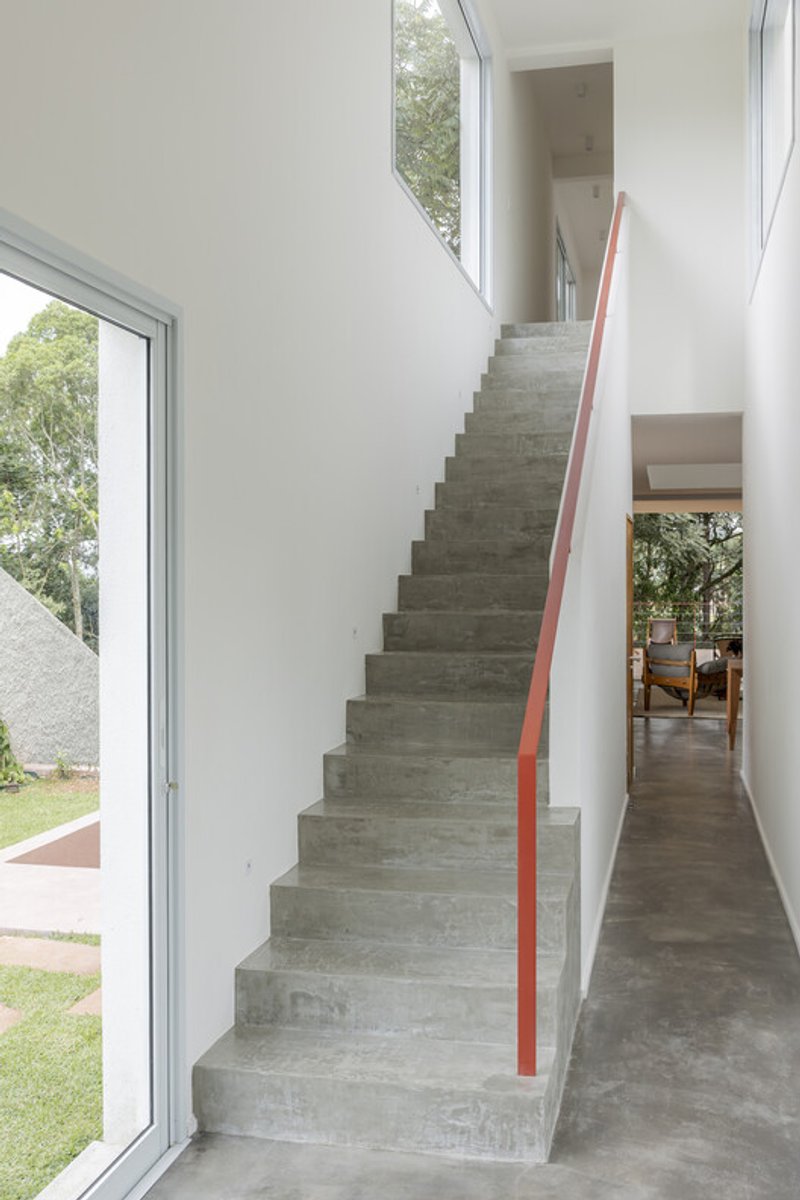
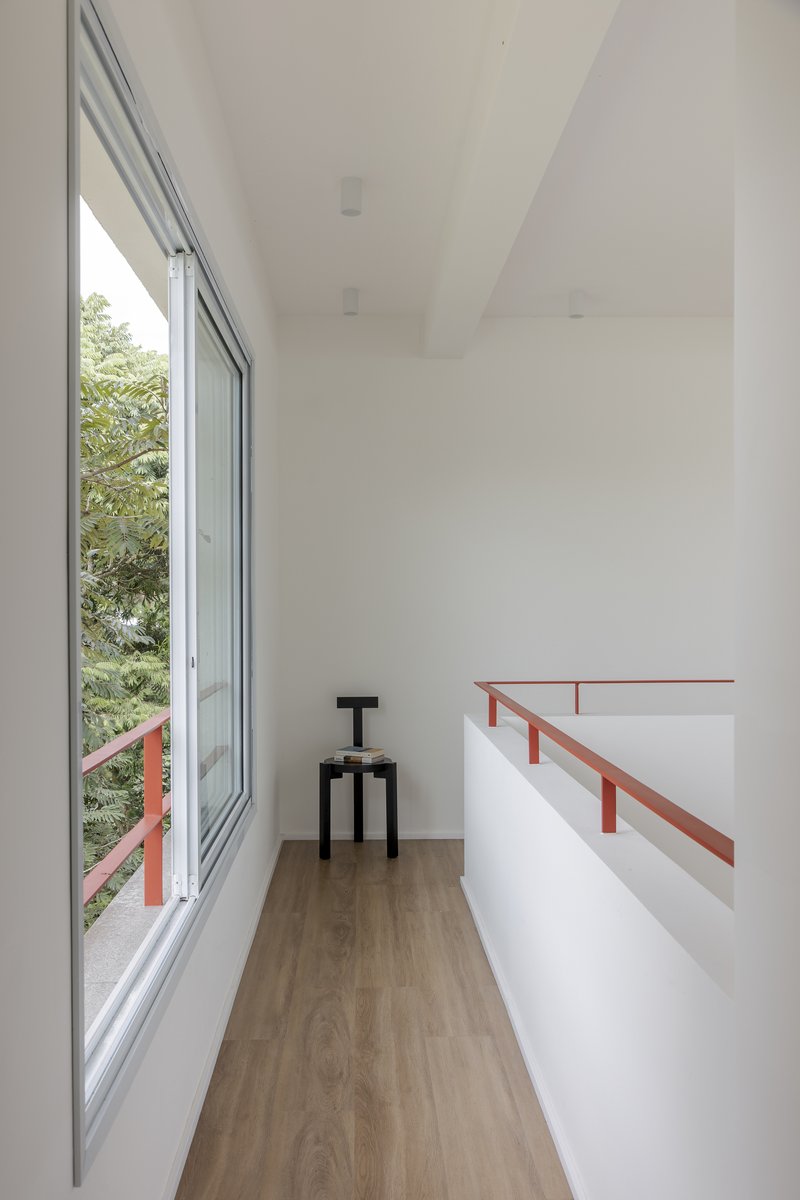
The six-meter-high corridor amplifies light and cross-ventilation, leading to the sculptural staircase crafted from burnished cement and accented with a terracotta-colored steel railing.
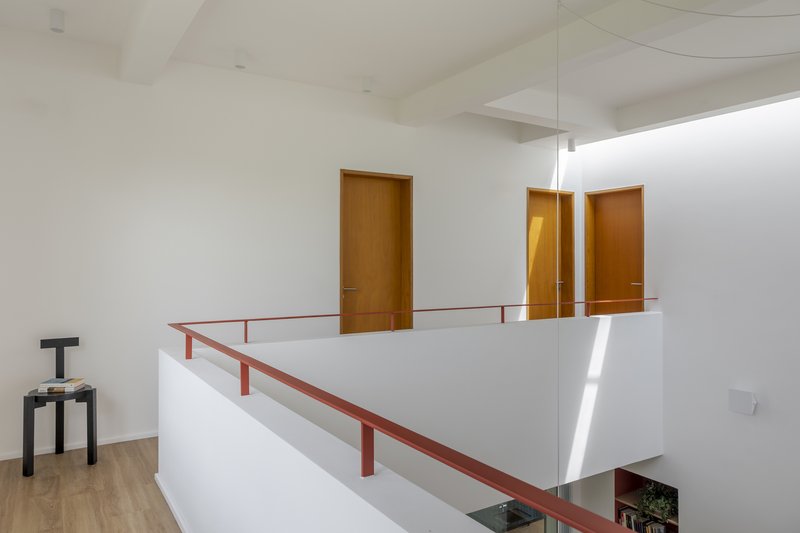
Kitchen, Living & the Warmth of Modernism
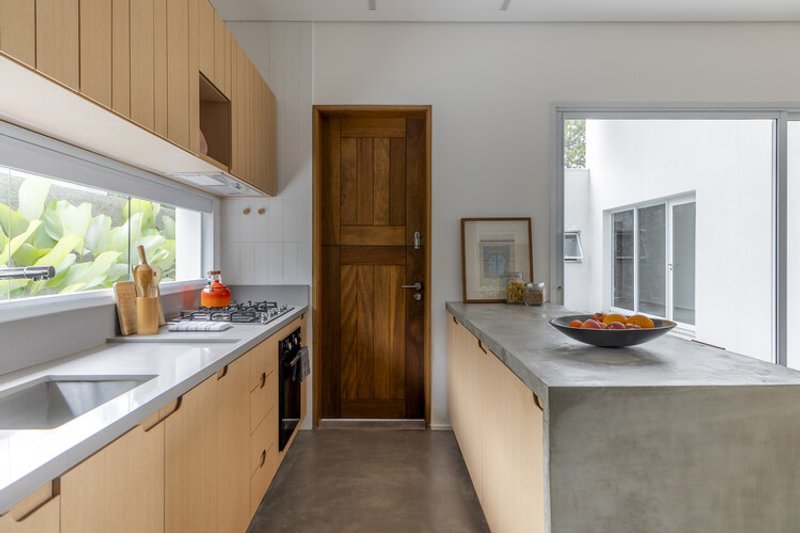
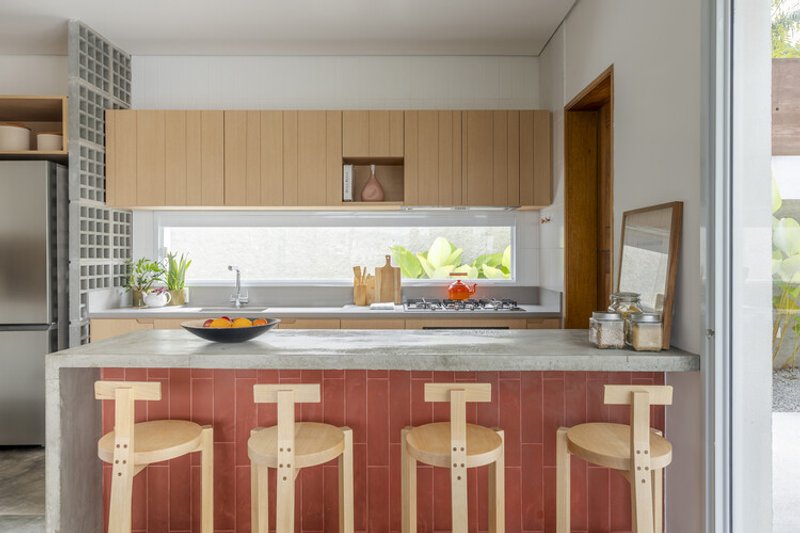
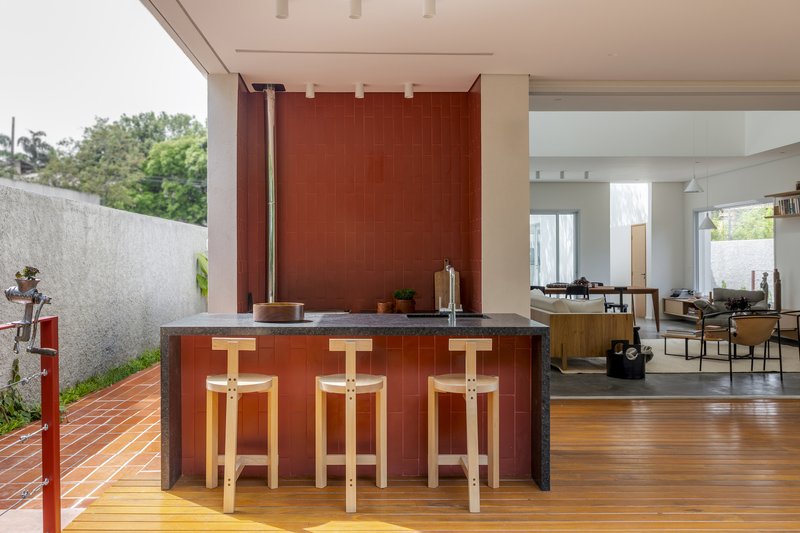
The kitchen is the vibrant heart of the house, featuring:
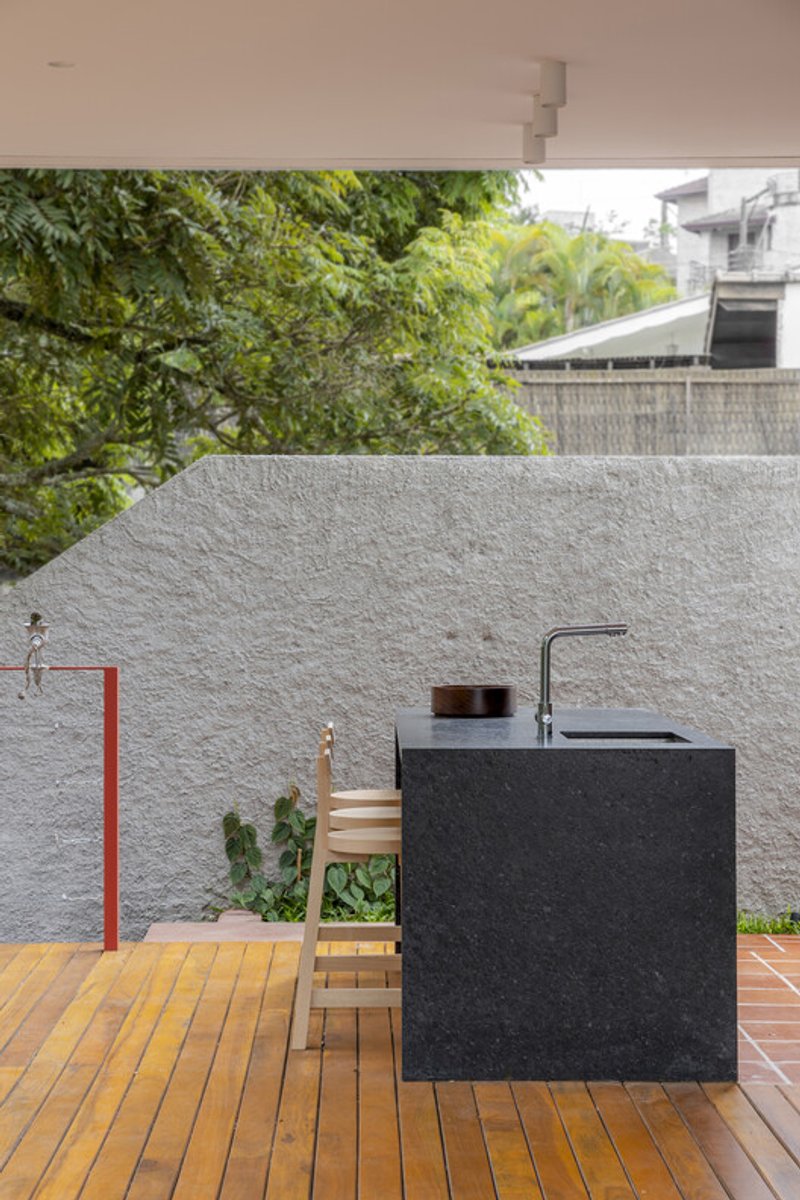
- A solid concrete island
- Iconic Girafa stools by Lina Bo Bardi, made of tauari wood
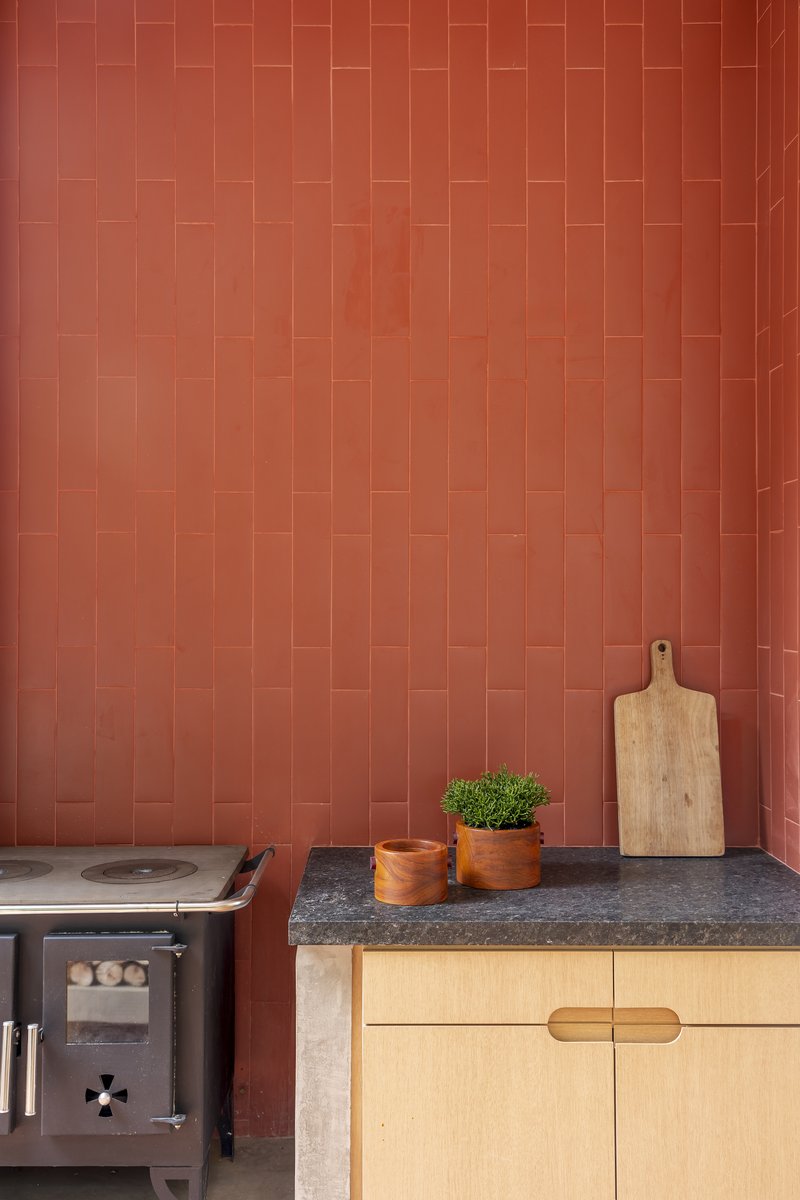
- A charming wood-burning stove located in the porch breakfast area
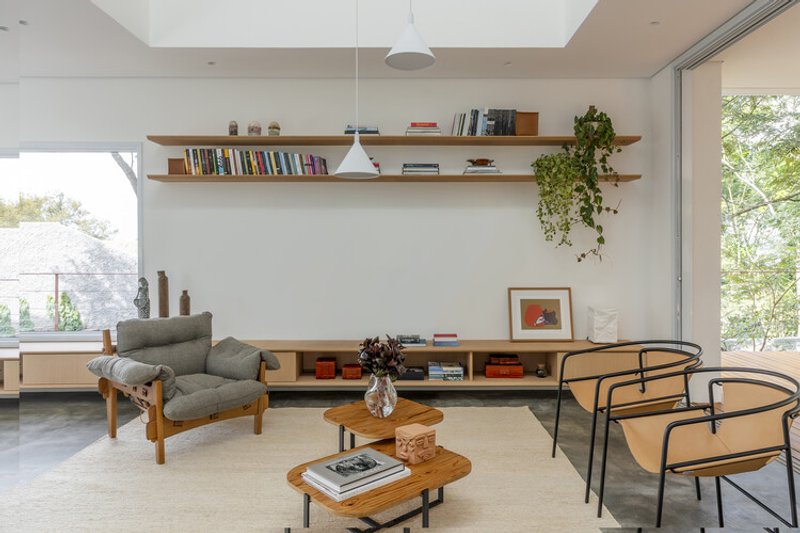
The living room curates furniture by legends like Sérgio Rodrigues and Lina Bo Bardi, balancing the robust texture of concrete with the warmth of natural wood.
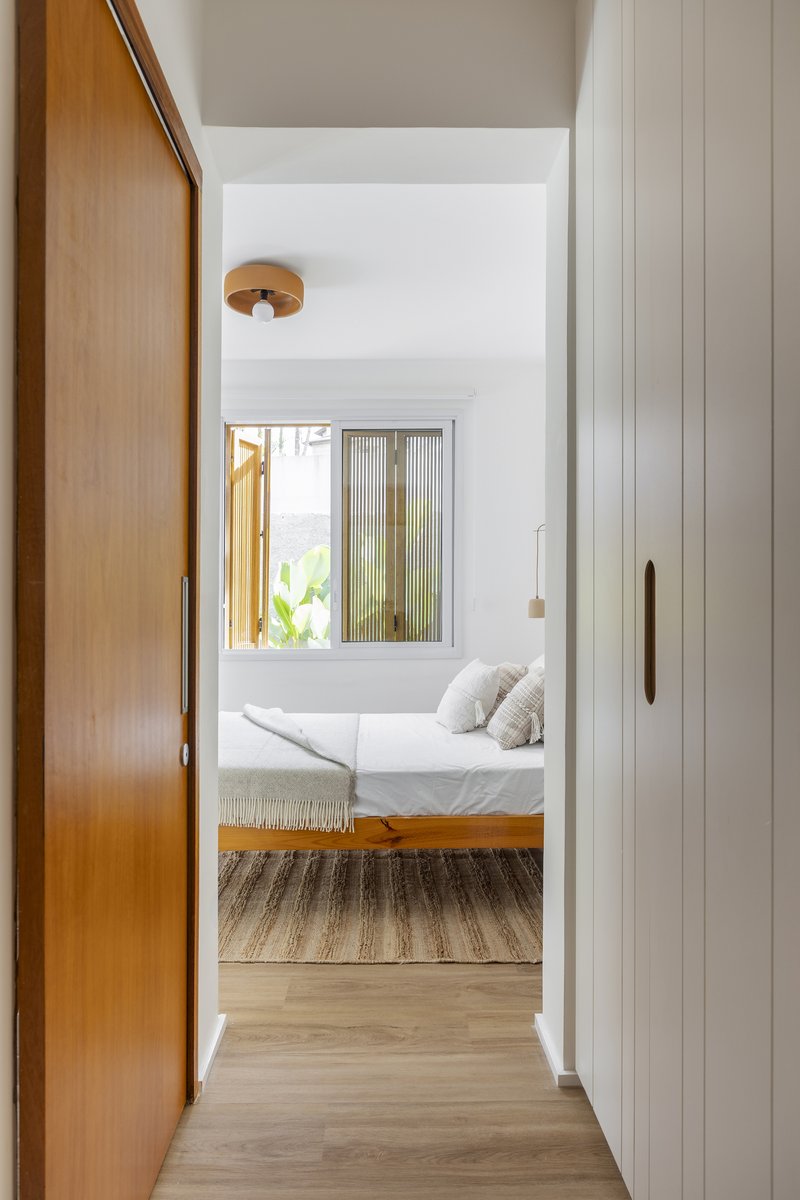
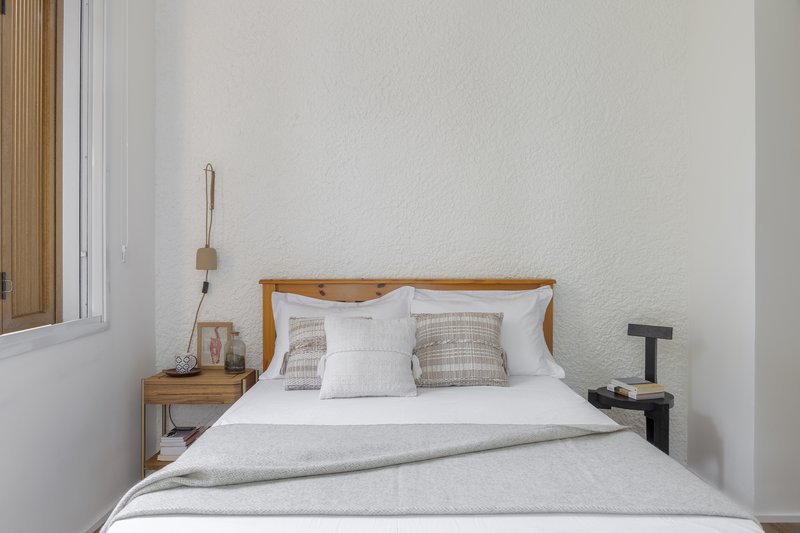
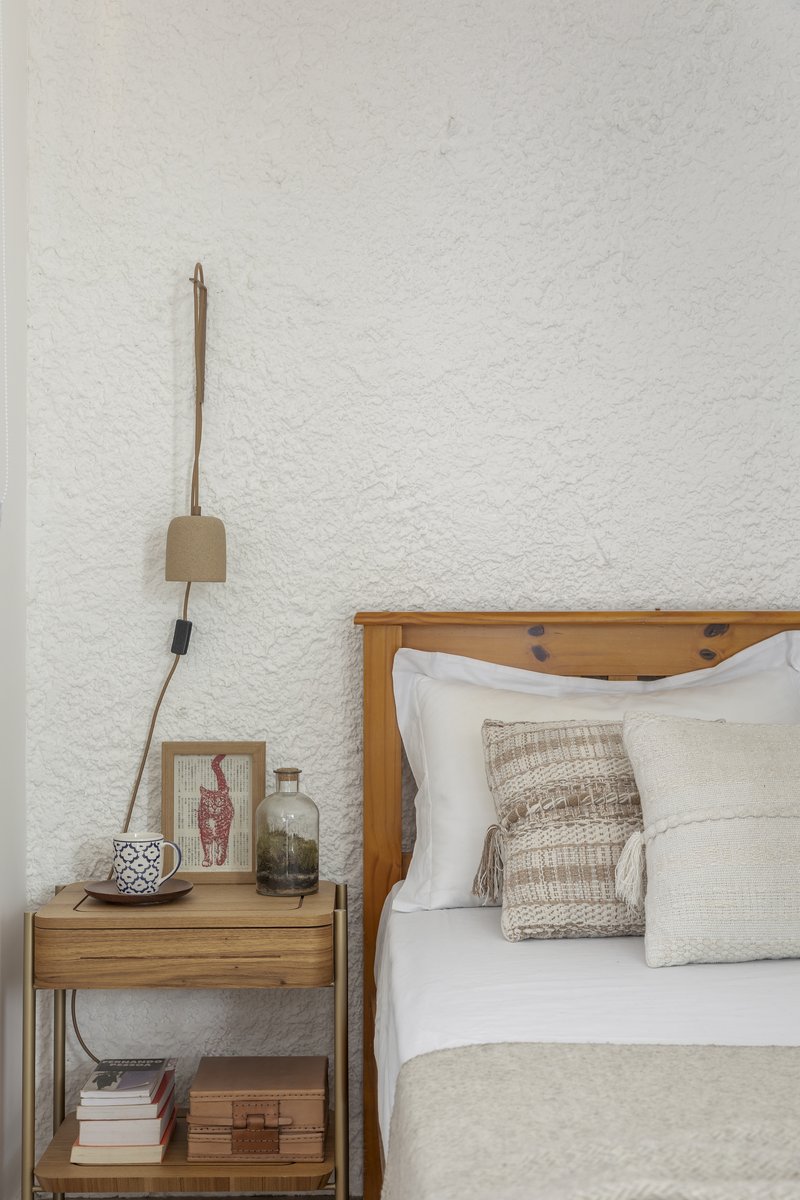
On the ground floor, the father’s suite connects directly to the courtyard for greater accessibility. Another suite features textured plaster-like walls and a custom wardrobe with vertical niches, adding subtle elegance.
A House That Breathes With the Landscape
From the floating volumes to the preserved vegetation, Forest House stands as a testament to sustainable design, contextual architecture, and minimalist living. It is both a refuge and a sculpture—an architecture that breathes with the forest.
All the photographs are works of Rafael Renzo



Popular Articles
Popular articles from the community

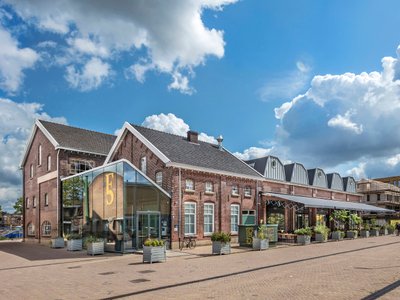
Fifth NRE Jazz Club – De Bever Architecten: Eindhoven’s Revitalized Cultural Hub
Historic gas factory transformed into Fifth NRE Jazz Club blending modern sustainability, jazz culture, dining, and heritage architecture seamlessly.
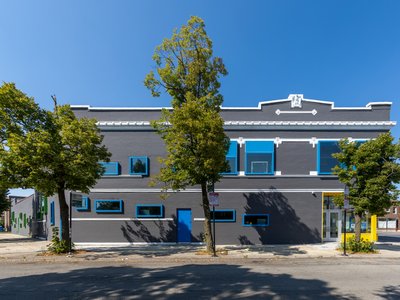
Gads Hill Early Learning Center by JGMA: Adaptive Reuse Shaping Community-Focused Educational Architecture
Adaptive reuse transforms fragmented structure into vibrant early learning center with playful façade, natural light, and community-focused sustainable design.
Solar Steam: A Climate-Responsive Architecture That Redefines the Monument
A climate-responsive memorial architecture that transforms heat, decay, and time into a living system reflecting humanity’s ecological impact.
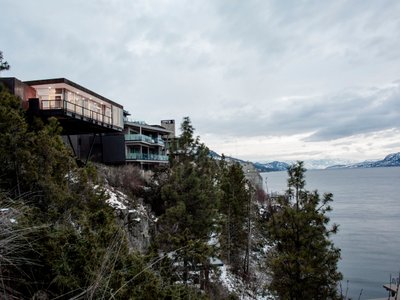
Alton Cliff House: A Harmonious Retreat by f2a Architecture in Lake Country, Canada
Alton Cliff House blends corten steel, prefabrication, and sustainable design, creating a luxurious, energy-efficient retreat perched on Canadian cliffs.
Similar Reads
You might also enjoy these articles


The Ken Roberts Memorial Delineation Competition (Krob)
As the most senior architectural drawing competition currently in operation anywhere in the world, it draws hundreds of entries each year, awarding the very best submissions in a series of medium-based categories.


Waterfront Redevelopment and Urban Revitalization in Mumbai: Forging a New Dawn for Darukhana
A transformative waterfront redevelopment project reimagining Darukhana’s shipbreaking heritage into an inclusive urban future.

OUT-OF-MAP: A Call for Postcards on Feminist Narratives of Public Space
Rhizoma Design and Research Lab invites artists, designers, architects, researchers, and students to reflect on how feminist perspectives can reshape public space. Selected works will be exhibited in Barcelona, October 2026. Submissions open until 15 April 2026.


Documentation Work on Buddhist Wooden Temple
Architectural syncretism and cultural hybridity: A comparative study of the Buddhist temples in Chattogram Hill tracks

Explore Architecture Competitions
Discover active competitions in this discipline




The International Standard for Design Portfolios


The Global Benchmark for Architecture Dissertation Awards


The Global Benchmark for Graduation Excellence


Challenge to reimagine the Iron Throne
Comments (0)
Please login or sign up to add comments
No comments yet. Be the first to comment!