

Gentil Carioca Gallery by Canoa Arquitetura: Adaptive Reuse Meets Contemporary Art in São Paulo
Adaptive reuse transforms compact heritage building into flexible, light-filled gallery, blending structural innovation, material warmth, and seamless indoor-outdoor exhibition spaces.


The Gentil Carioca Gallery, designed by Canoa Arquitetura, represents a thoughtful transformation of a compact urban structure into a vibrant contemporary art space in São Paulo. This adaptive reuse project balances preservation constraints, spatial innovation, and cost-efficient design strategies, redefining how small-scale galleries can function within dense urban environments.
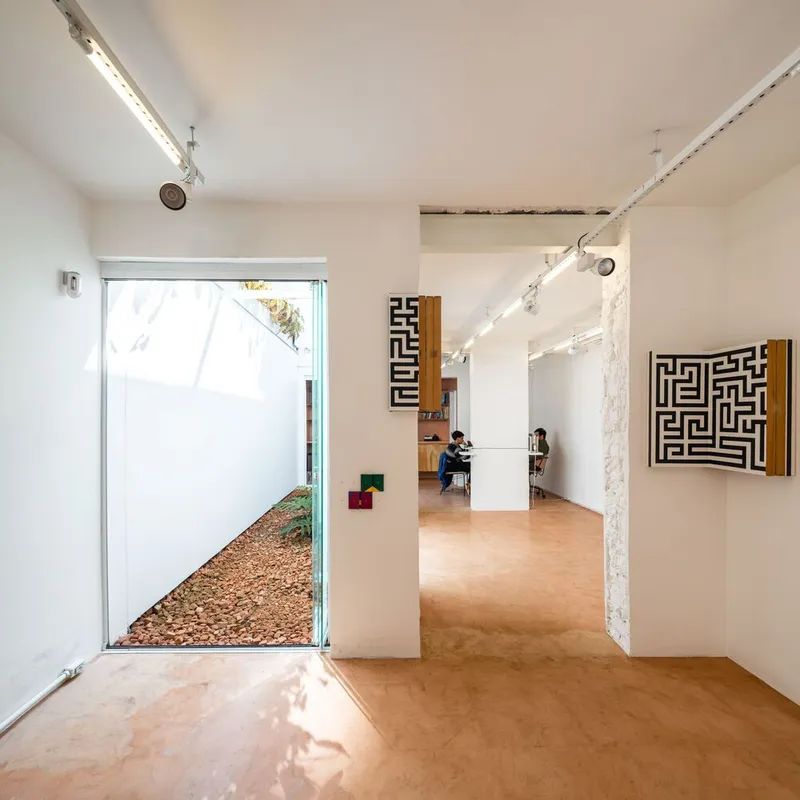
Expanding an Artistic Legacy
Originally rooted in Rio de Janeiro, the Gentil Carioca Gallery expanded its presence in 2021 by establishing a new exhibition venue in São Paulo. Located within a lively neighborhood near the Consolação Cemetery, the chosen site offered a unique blend of residential calm and local commercial activity: perfectly aligning with the gallery’s informal, dynamic, and community-driven identity.
The ground-floor connection to the public sidewalk enhances accessibility and engagement, allowing art to spill visually and physically into the urban fabric.
Architectural Challenges and Adaptive Strategy
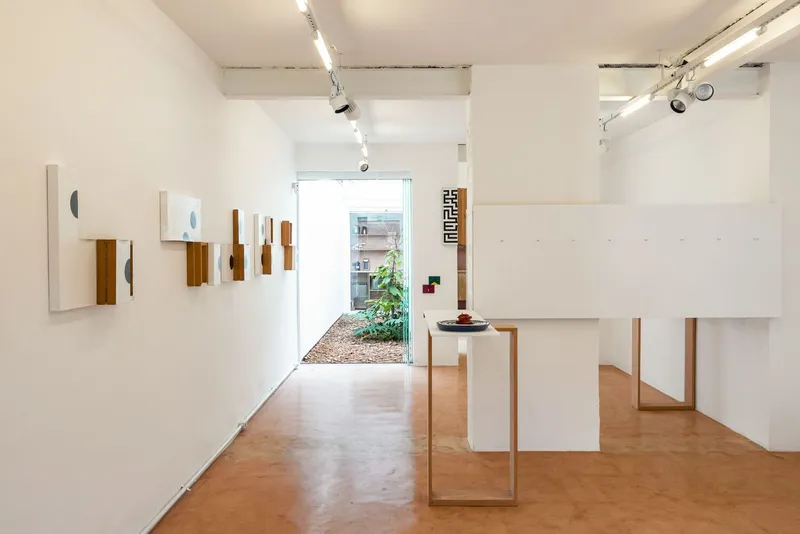
Working within a heritage-protected structure, the architects faced significant constraints. The building previously functioned as a segmented office space with poor lighting and limited ventilation. Additionally, the structural ceramic brick masonry system meant that many internal walls were load-bearing, restricting conventional demolition strategies.
To overcome these limitations, the design adopted two key approaches:
- Selective demolition of internal partitions
- Integration of steel “I” beams to redistribute structural loads
This strategy enabled the creation of larger, flexible exhibition spaces without compromising the building’s integrity. Retained wall fragments reveal raw brick textures, offering visitors a tactile connection to the building’s history and construction logic.
Reclaiming the Central Patio
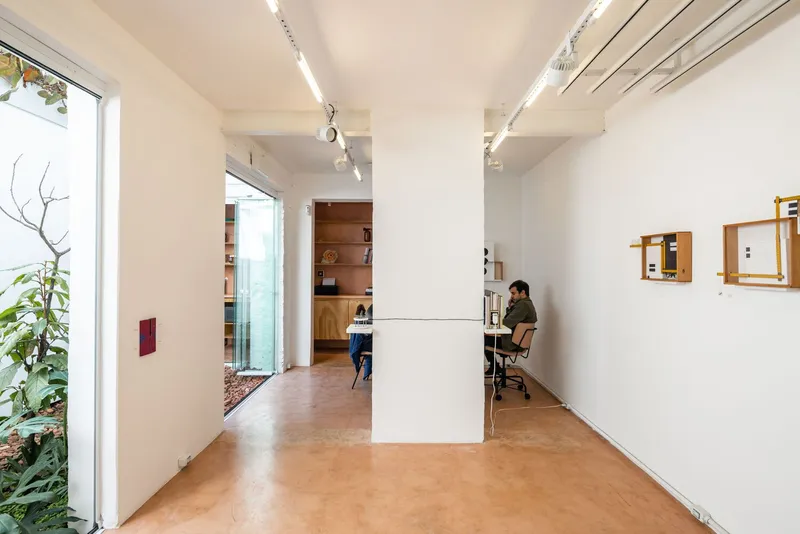
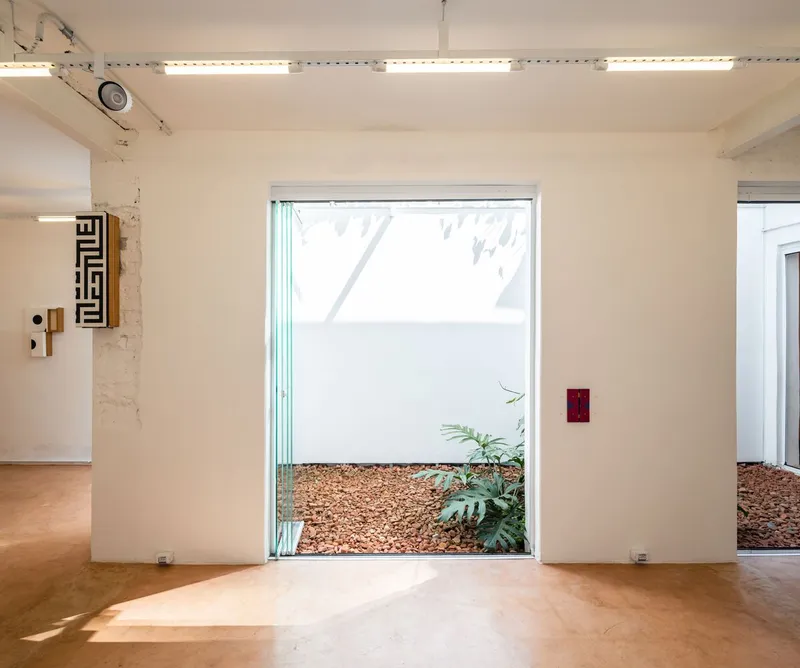
A defining move in the project was the restoration of the central patio to its original configuration. Previously occupied by service functions, the patio is now a crucial spatial and environmental asset.
- Enhances natural light and cross ventilation
- Extends exhibition areas into a semi-open environment
- Strengthens the indoor-outdoor spatial relationship
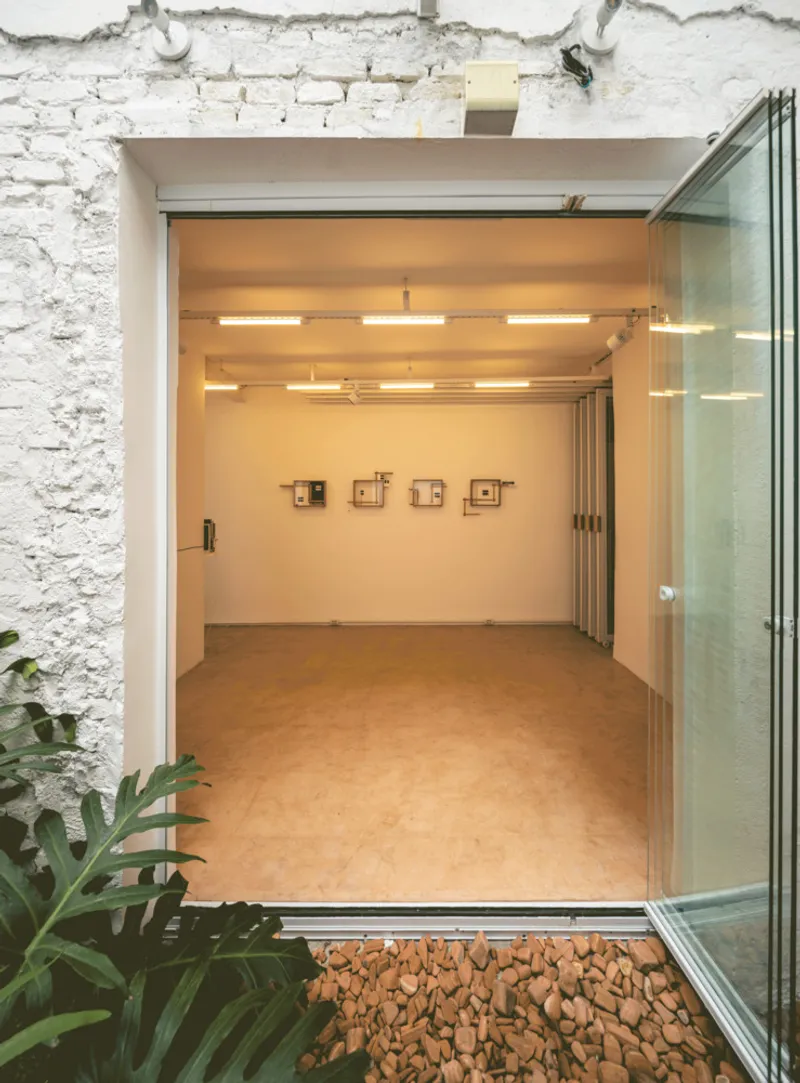
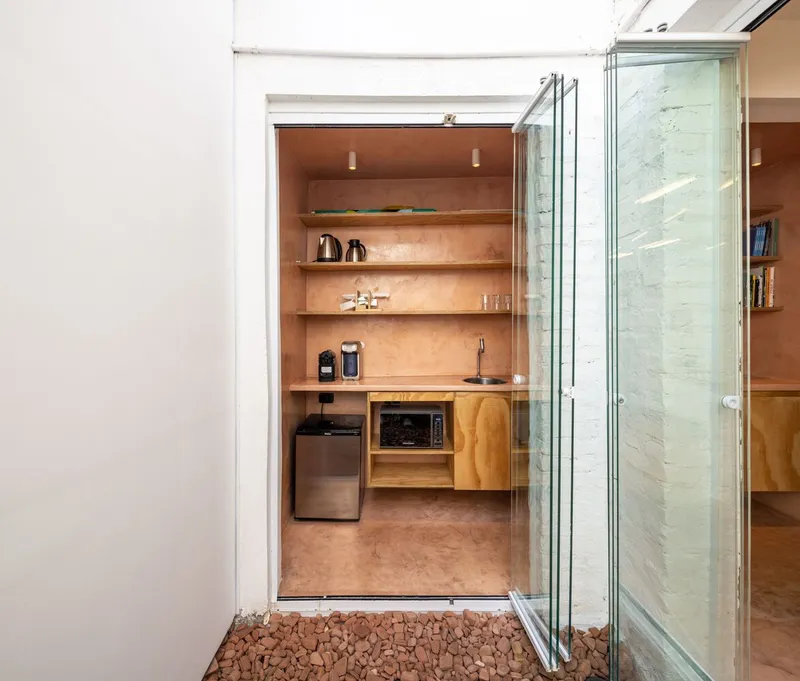
Large transparent glass panels with sliding and rotating mechanisms eliminate visual barriers, allowing seamless transitions between interior galleries and the patio. This solution is both cost-effective and widely adapted from local residential construction techniques.
Materiality and Spatial Identity
Material choices in the gallery reflect both practicality and conceptual depth:
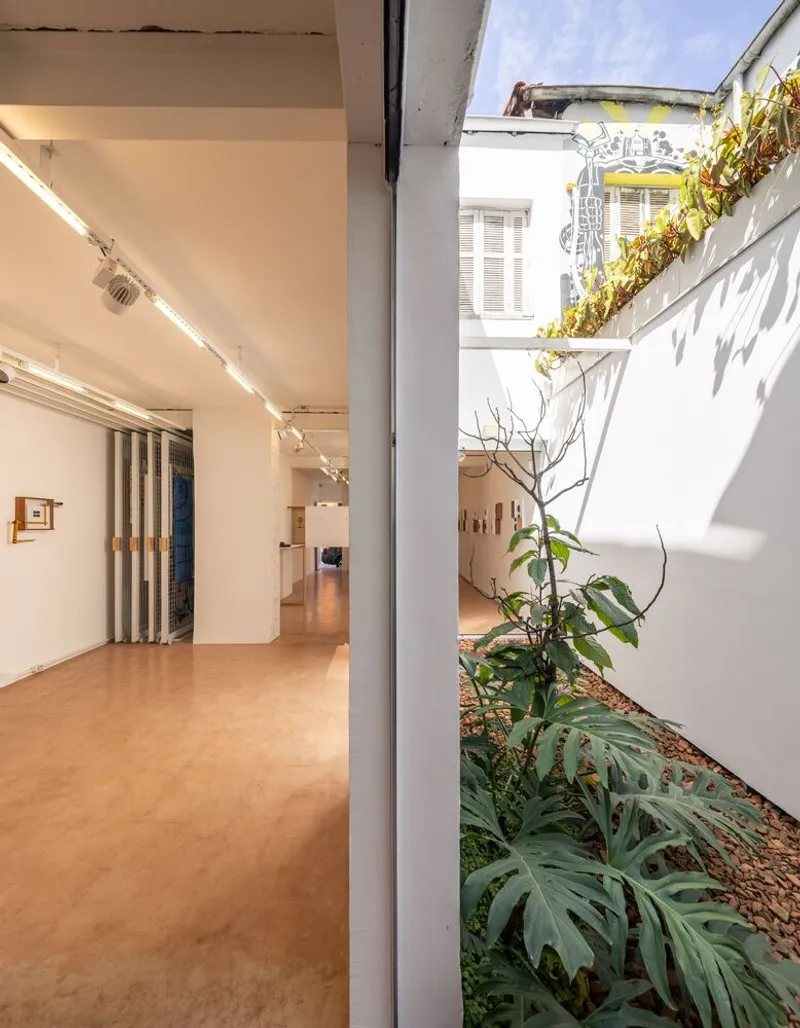
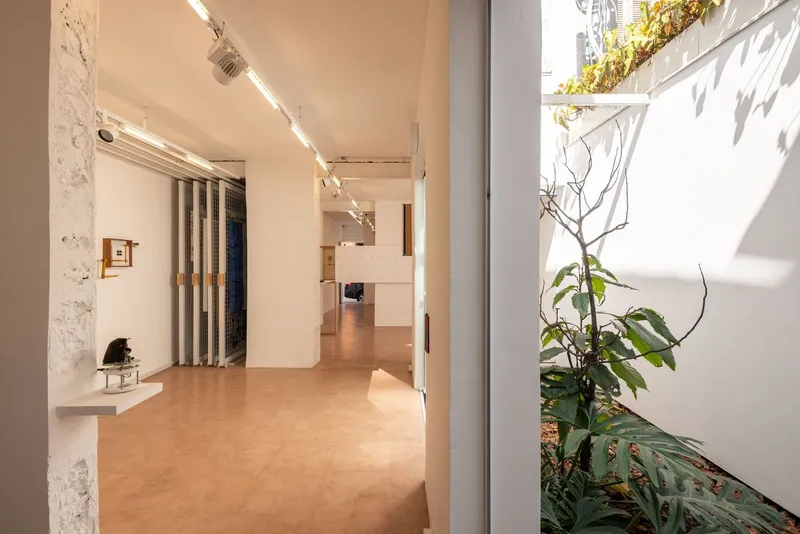
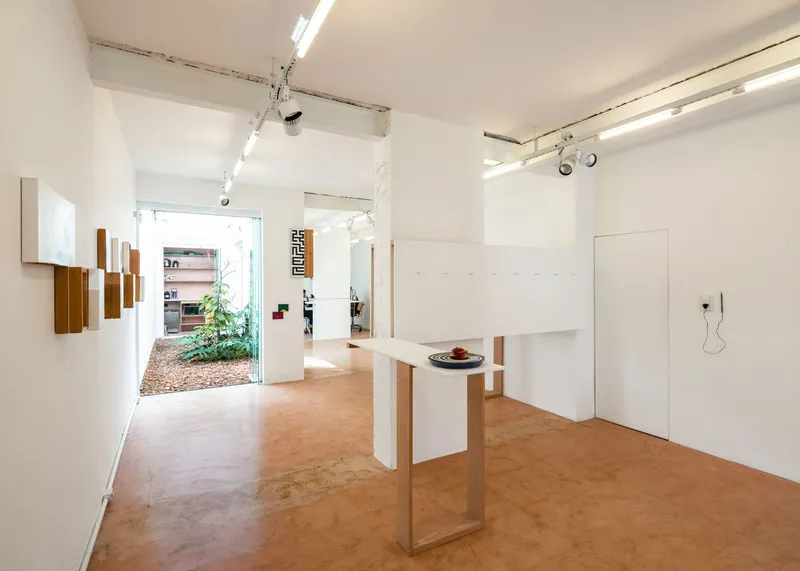
- Terracotta micro-cement flooring evokes earthy textures and continuity with the outdoor patio
- Embedded rose arenite pebbles reinforce a natural, grounded aesthetic
- Exposed brick surfaces highlight the building’s transformation narrative
The use of micro-cement also ensured fast execution and minimal demolition, aligning with budget constraints.
Flexible Exhibition and Support Spaces
The gallery’s layout integrates both public and functional zones efficiently:
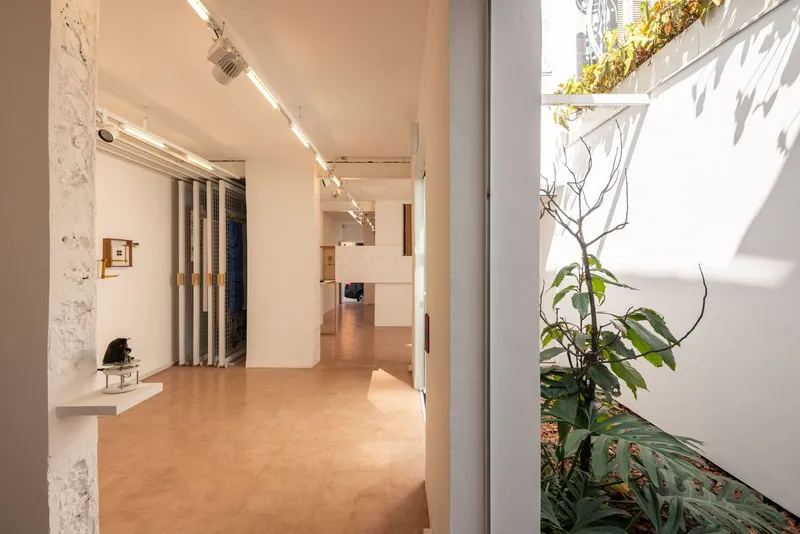
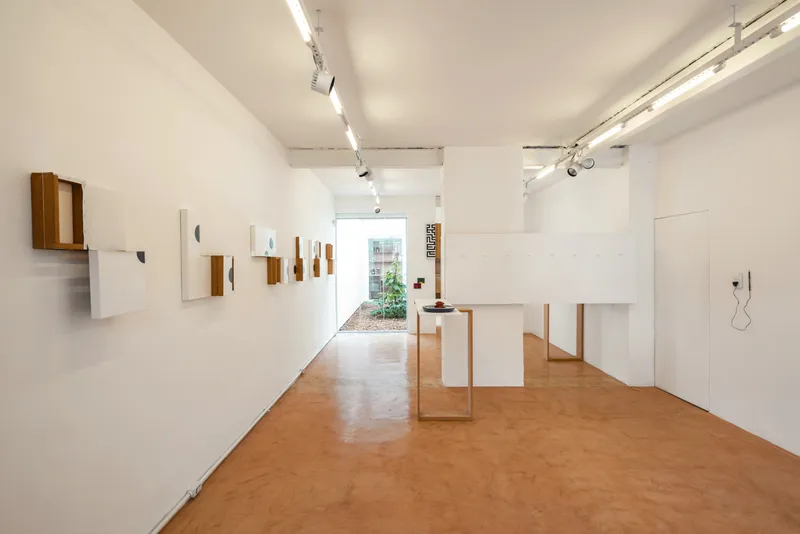
- A ceiling-suspended sliding art rack system increases storage and display capacity
- Support functions (cafeteria, restroom, library, administration) are organized along a compact rear strip
- A mobile reception desk adapts to different exhibition layouts, enhancing spatial flexibility
This modular approach allows the gallery to continuously evolve with each curated exhibition.
Lighting and Atmosphere
The lighting design follows a minimalist and adaptable strategy:
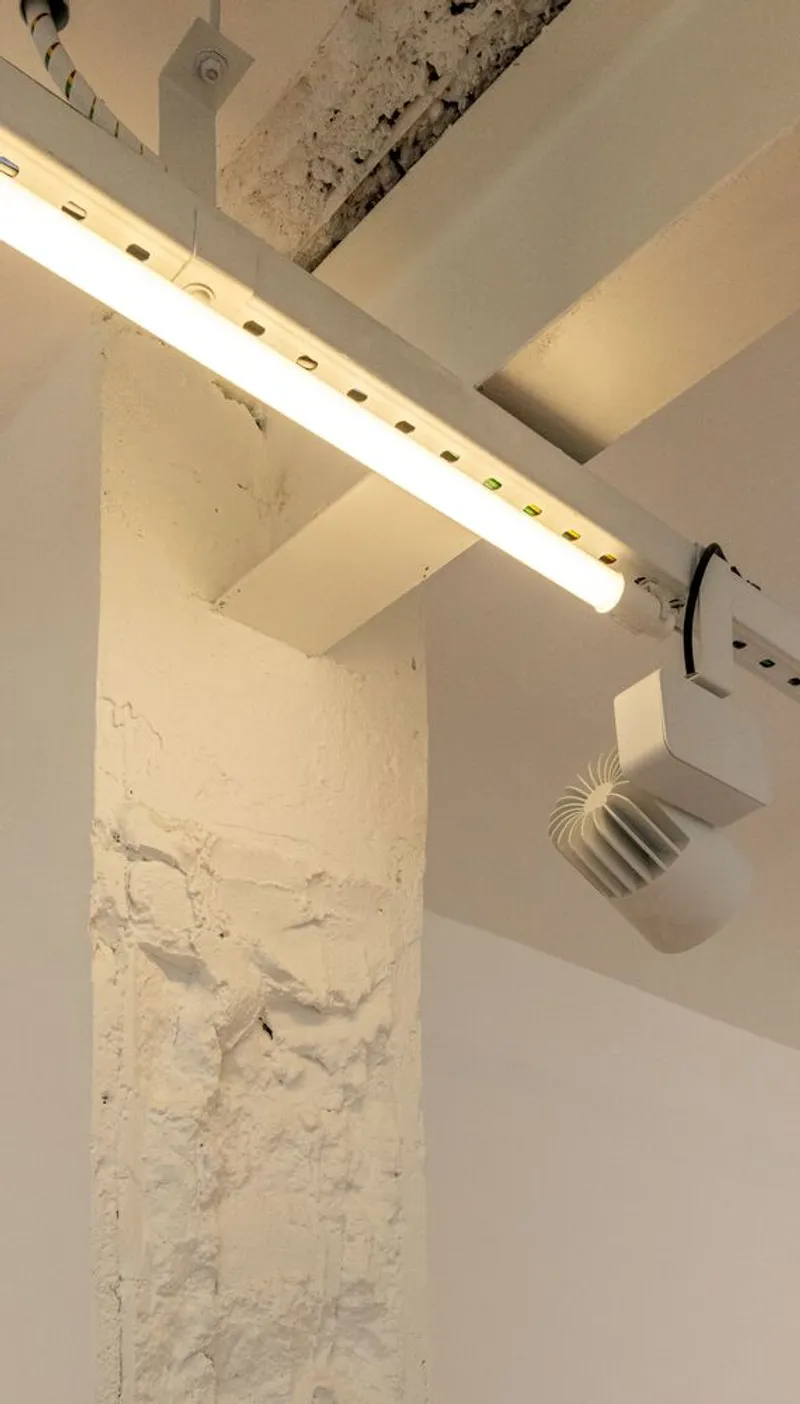
- Linear metal channels run across the ceiling
- Tubular fluorescent lights provide uniform illumination
- Adjustable spotlights allow curatorial control
This system ensures versatility, efficiency, and ease of reconfiguration, essential for contemporary exhibition design.
Landscape Integration
The outdoor space is subtly activated through landscape design, featuring a cupuaçu tree, a native Brazilian species. This addition not only enhances the sensory experience but also reinforces the project’s connection to local ecology and climate responsiveness.
The Gentil Carioca Gallery in São Paulo exemplifies how adaptive reuse, structural ingenuity, and minimal intervention can transform constrained spaces into dynamic cultural environments. By merging architecture, art, and urban context, Canoa Arquitetura delivers a project that is both functionally efficient and experientially rich.
All photographs are works of
Manuel Sá


Popular Articles
Popular articles from the community


ETEH Reworks the Shared Spaces of São Domingos School in Brazil Around Timber, Color and Hanging Plants
At São Domingos School in Brazil, 436 m² of hall, refectory and library are recast with timber joinery, a yellow and blue code and trailing greenery.

graciastudio Turns a Viewless Tijuana Lot Inward Around a Courtyard of Concrete, Timber and Trees
In Tijuana, Jorge Gracia's GA2 House stacks a timber-clad private floor over exposed concrete and replaces a missing view with a planted interior patio.


Opera on the Sea: Driftwood Logic Shapes a Timber Opera House on Estonia's Coast
Trevor Orgill's opera house translates the entangled drift of floating timber into a civic building where wood, water, and music converge.

FCC Arquitectura Expands a Portuguese Granite House with a Board-Marked Concrete Wing
In Portugal, JV House pairs a cleaned-up whitewashed and granite dwelling with a timber-shuttered concrete extension, courtyards and a garden pool.

Similar Reads
You might also enjoy these articles

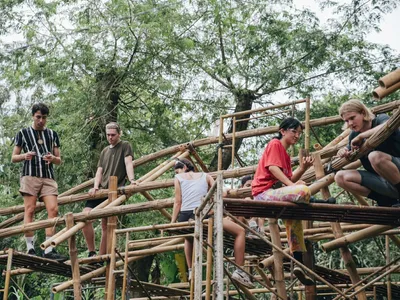
Bamboo Housing Challenge 2026: Design Affordable, Sustainable Homes Using Bamboo
An international design competition by Bamboo U and IBUKU inviting architects and designers to reimagine affordable housing using bamboo — with the winning design built full-scale in Bali.

Computational Design & Education: Beegraphy Design Awards Introduces 7th Category (Featuring Jiyun's Innovative Approach)
Dive into Beegraphy’s 7th Design Awards category, where computational design meets education to create immersive, interactive learning tools, inspired by Jiyun’s work.

From Parametric Lighting to Urban Furniture: Join the 2nd Workshop in Beegraphy’s Computational Design Series
Dive into Cutting-Edge Design Techniques and Practical Applications with Industry Experts

Last Call: Unleash Your Architectural Genius in SHAK's Kindergarten Design Competition
Urgent call for architects to join SHAK's kindergarten design competition before the looming deadline

Explore Architecture Competitions
Discover active competitions in this discipline

Challenge to reimagine the Iron Throne

Photograph architecture without architects

Illustrate the lost glory of Angkor Wat - Render Challenge

Design challenge to reuse E-waste
Comments (0)
Please login or sign up to add comments
No comments yet. Be the first to comment!