
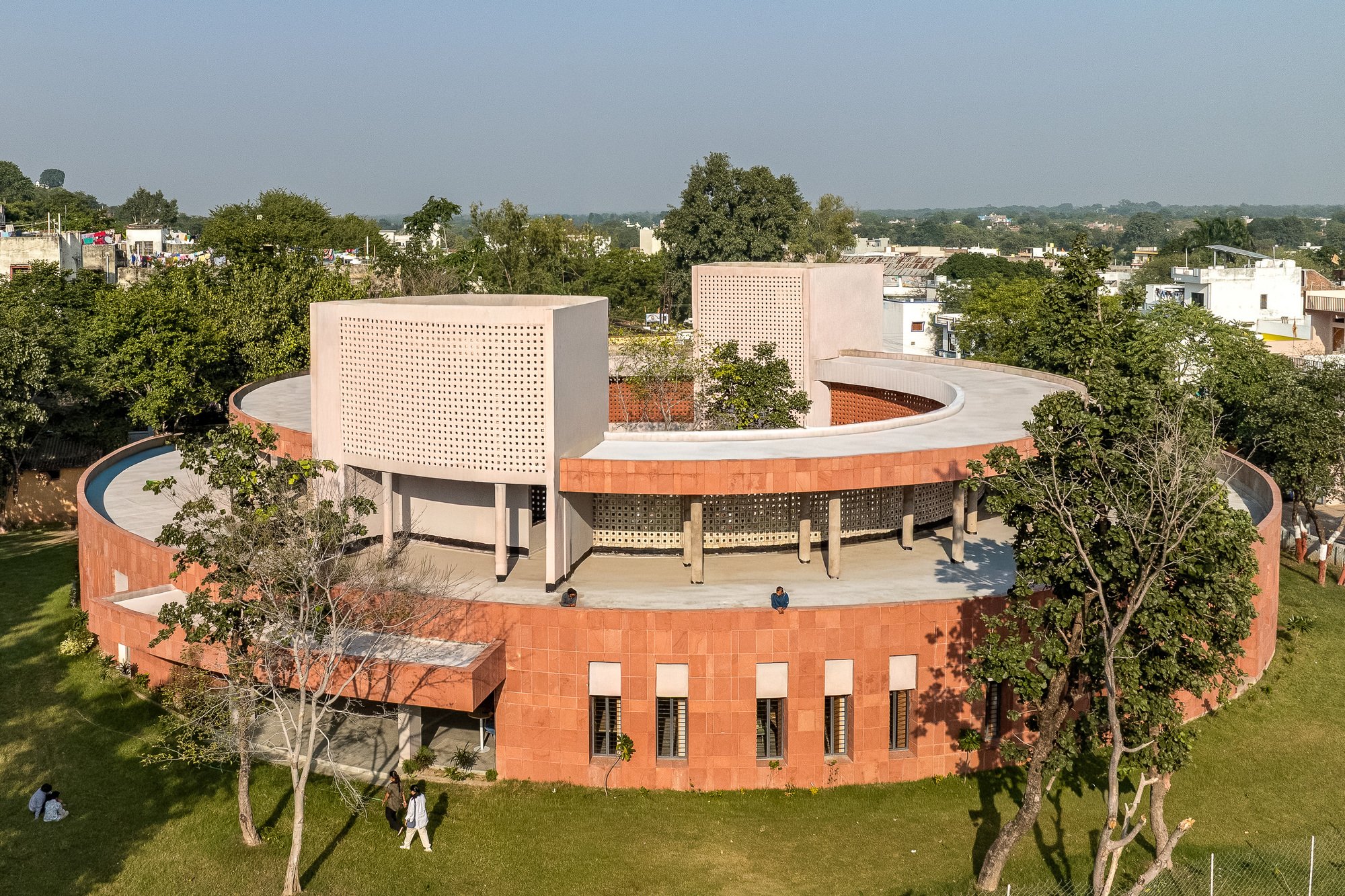
Granthalay Civic Library: A Circular Sanctuary for Learning and Community
Circular civic library with courtyard, local materials, and passive design, fostering education, community interaction, and climate-responsive architecture in Chhatarpur.

Located in Chhatarpur, Madhya Pradesh, Granthalay Civic Institution by Studio Infinity is envisioned as more than a conventional library: it is a civic landmark designed to nurture learning, inclusion, and community engagement. Commissioned by the Government of Madhya Pradesh, the project responds to a pressing need for accessible educational infrastructure in the region, serving a diverse spectrum of users including students, aspirants, senior citizens, and residents from nearby towns and villages.
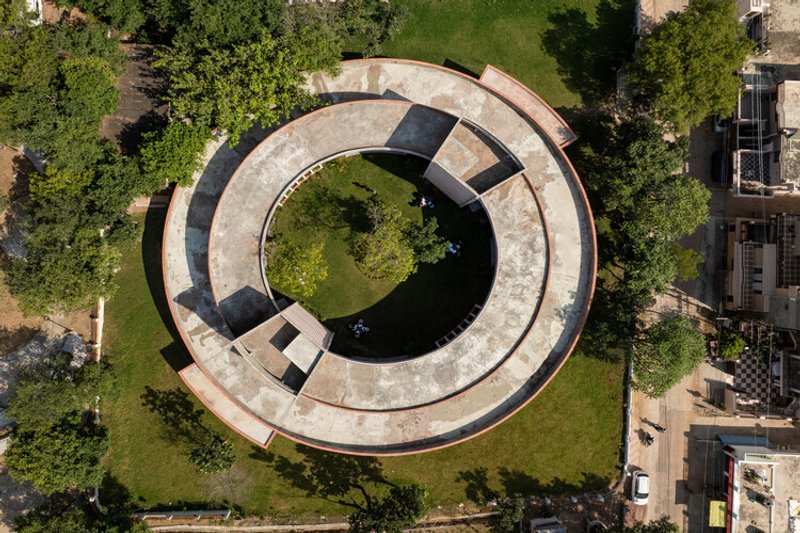
At its core, the project is guided by a simple yet powerful framework: People, Place, and Purpose. This triad informs every design decision, from spatial organization to material selection, ensuring that the building remains deeply rooted in its social and environmental context. The site, defined by roads on all four sides and shaped by natural features such as an adjacent hillock and existing trees, presents both opportunities and constraints. The design responds with clarity and confidence, establishing a strong civic identity while remaining sensitive to its surroundings.
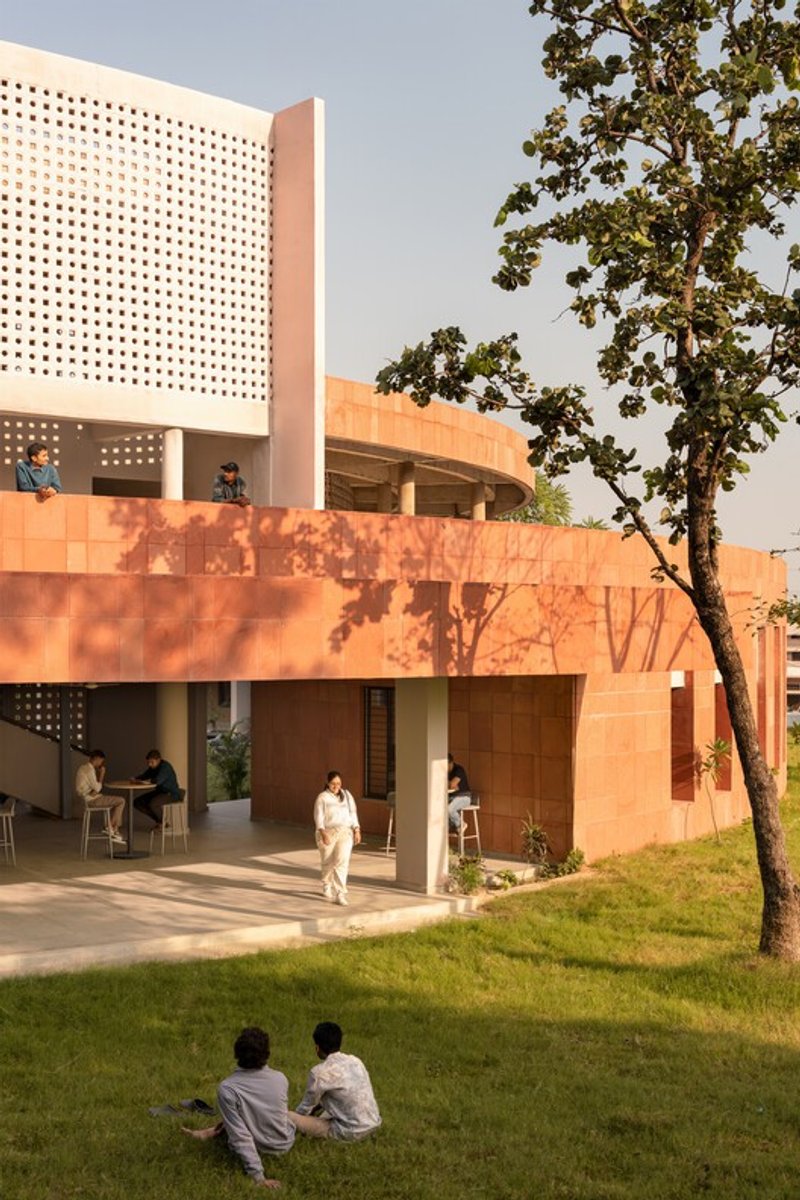
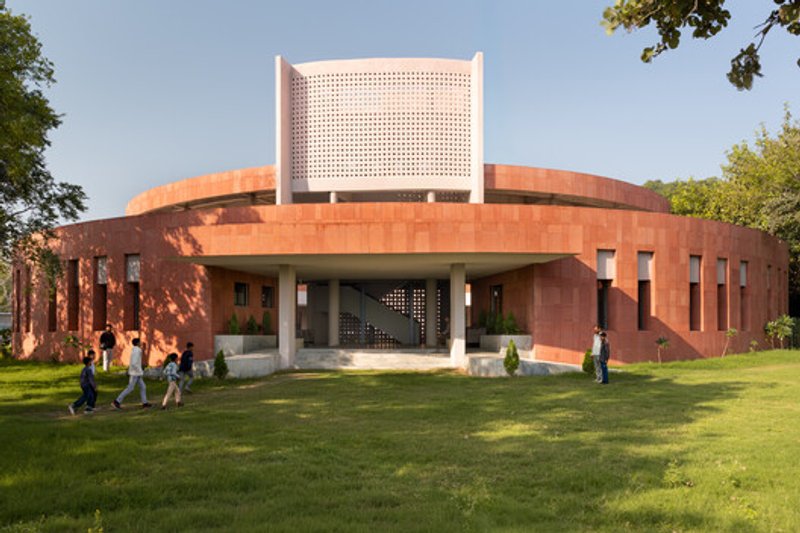
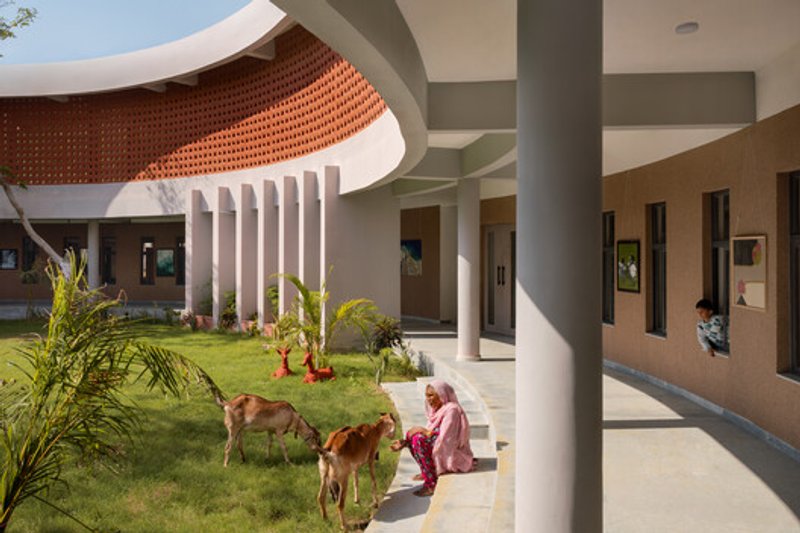
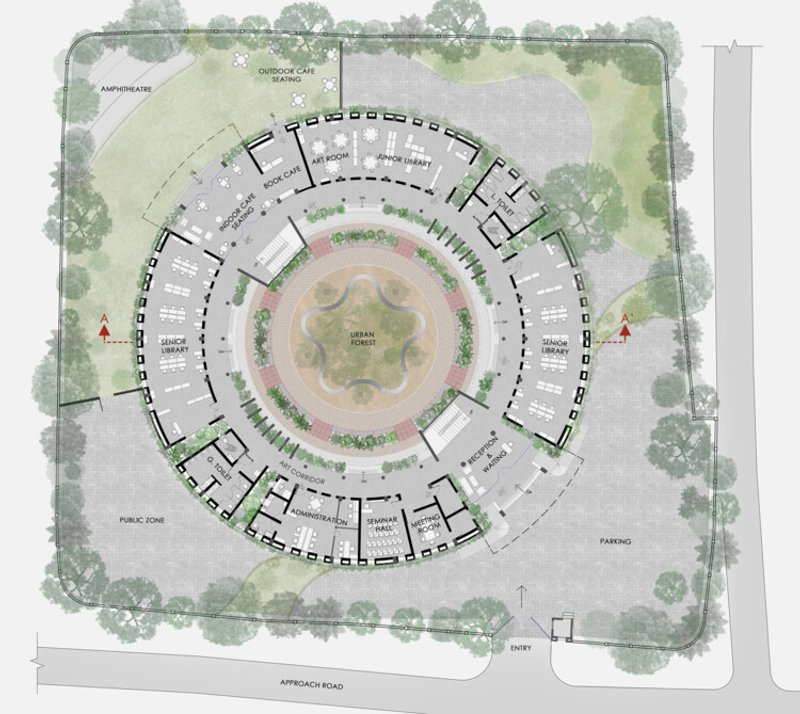
The building’s defining feature is its circular form, a geometry that emerges as a direct response to site conditions and functional requirements. This configuration allows for intuitive zoning and efficient circulation, while also creating a central courtyard that acts as the heart of the institution. This courtyard is not merely an open space; it is a social condenser where users gather, interact, and experience a shared sense of place.
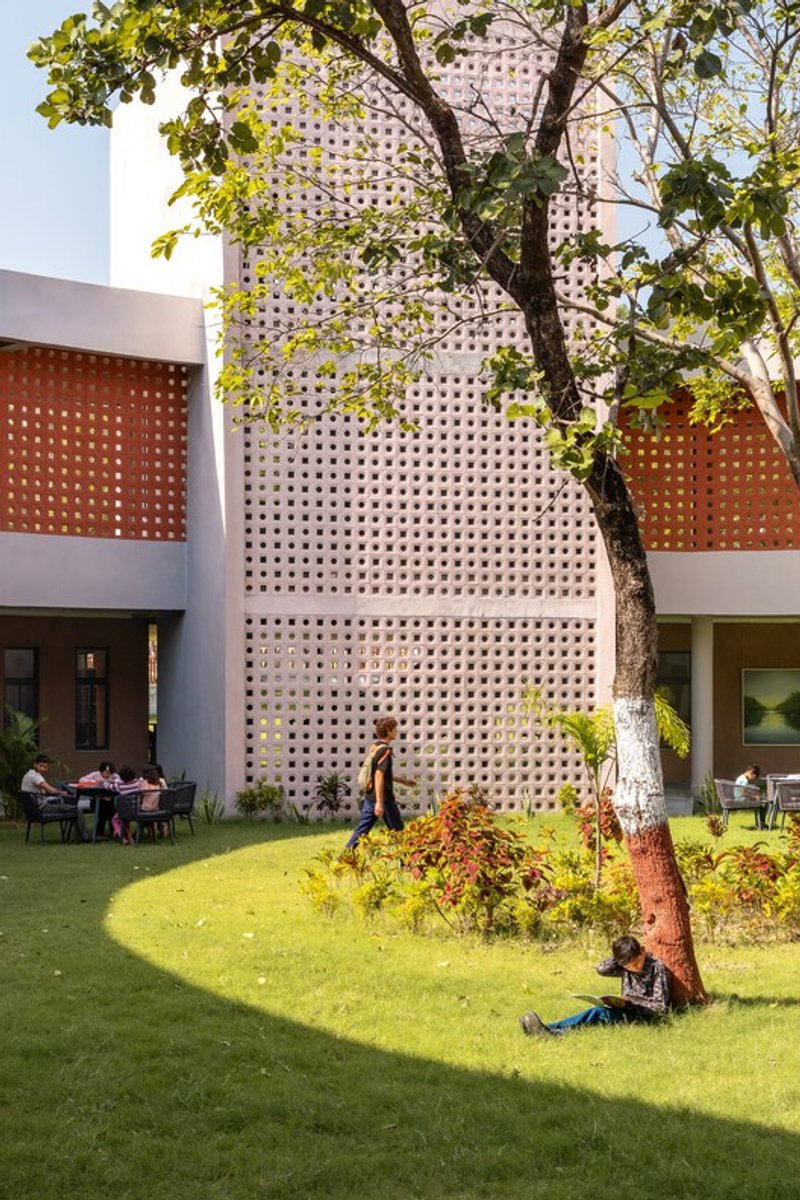
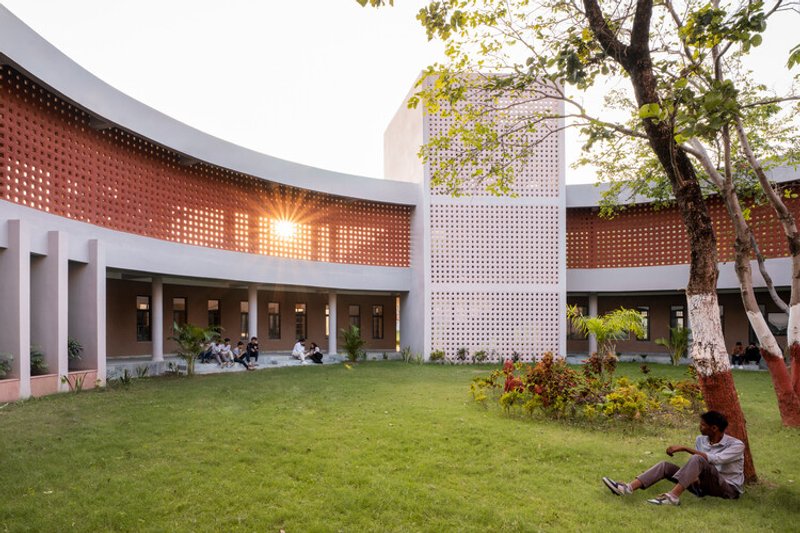
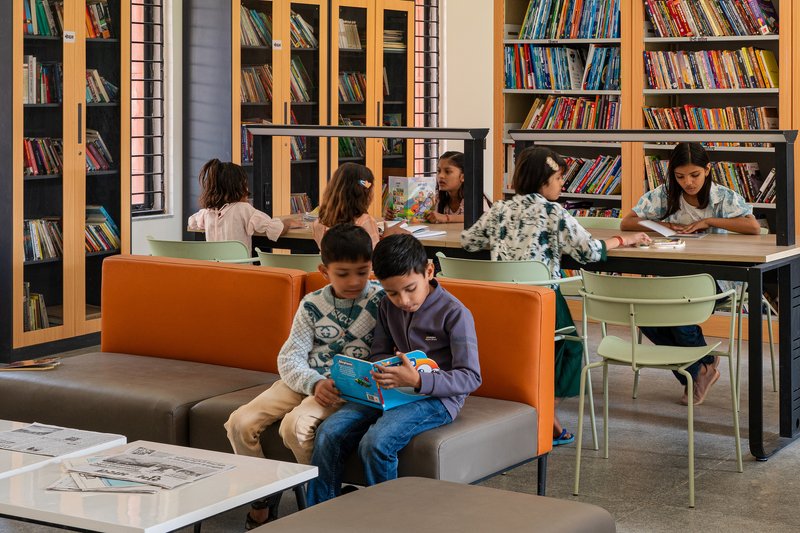
Internally, the program is carefully organized to accommodate users of different age groups and needs. Separate zones are designated for children, students, and general readers, ensuring both accessibility and comfort. Community spaces and administrative areas are seamlessly integrated, allowing the building to function as a multifaceted civic hub. Circulation paths are designed to be clear and intuitive, enabling smooth movement throughout the structure while maintaining visual connections to the central courtyard.
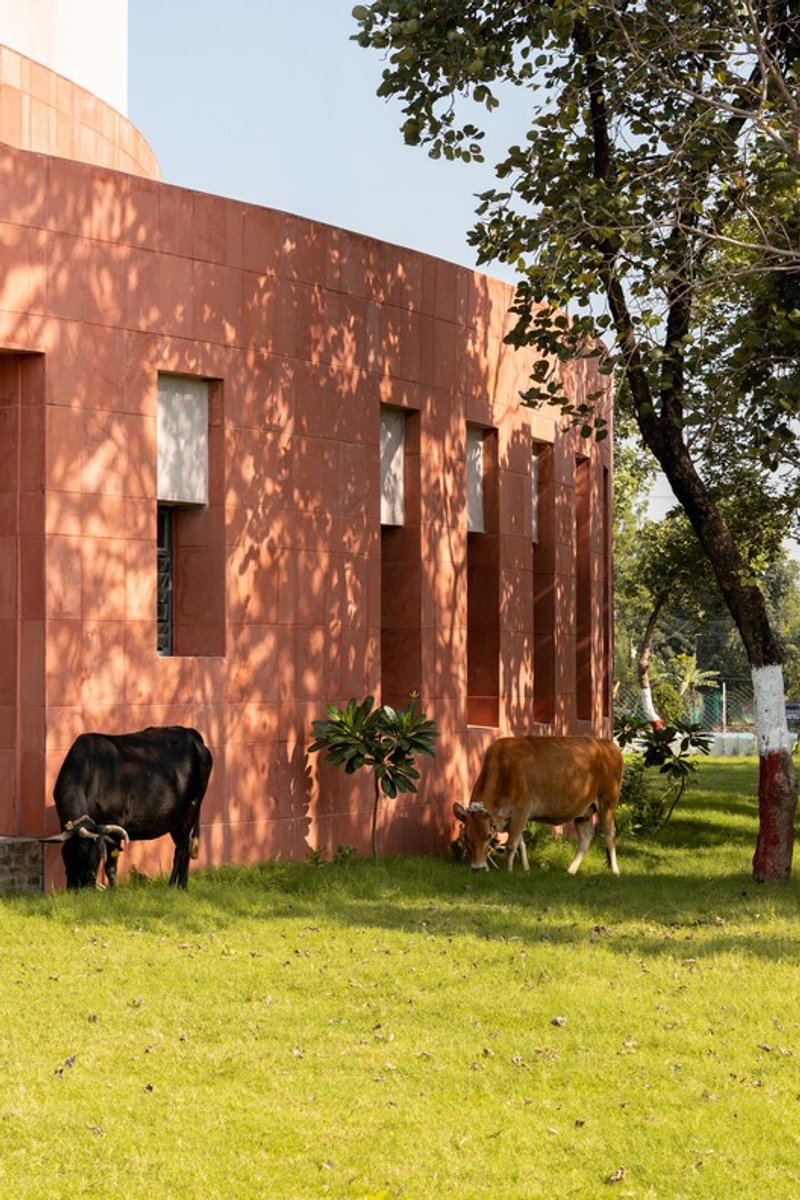
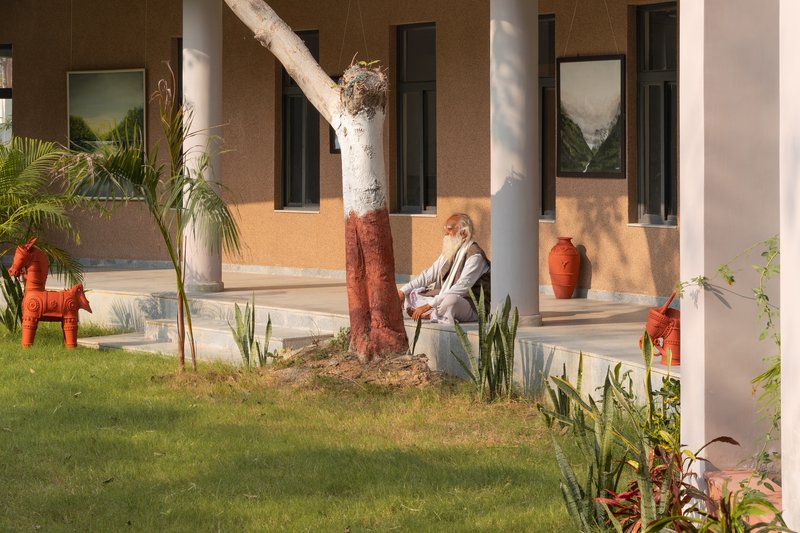
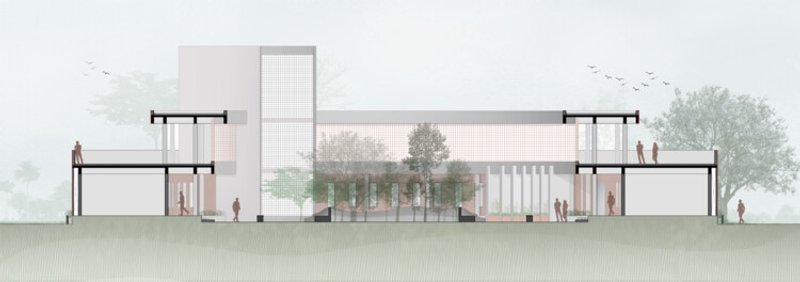
Materiality plays a crucial role in reinforcing the building’s identity and performance. The use of locally sourced red sandstone, brick, terracotta blocks, and perforated jali screens anchors the project within its regional context. These materials not only lend a tactile richness and cultural familiarity but also contribute to passive climate control. Shaded corridors, semi-open verandas, and filtered daylight reduce heat gain and enhance natural ventilation, ensuring comfort in the region’s hot climate.
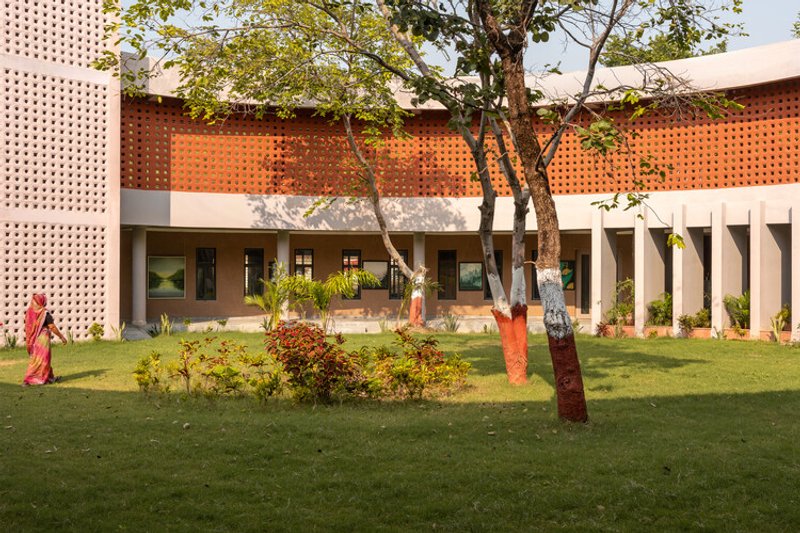
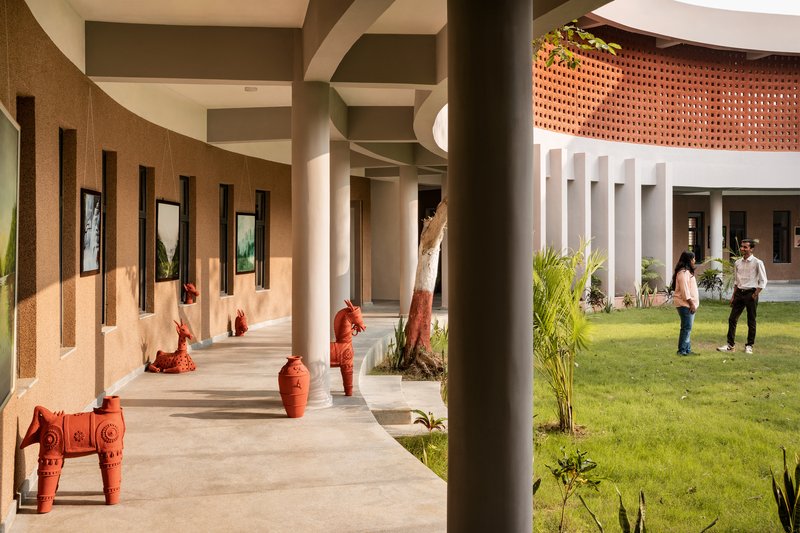
Despite being initially conceived as a multi-level structure, the building has been realized as a ground-floor development due to budget constraints. However, the design anticipates future growth. Structural systems and service provisions have been thoughtfully incorporated to allow vertical expansion without disrupting the existing architectural integrity. This forward-thinking approach ensures that the building can evolve alongside the needs of the community.
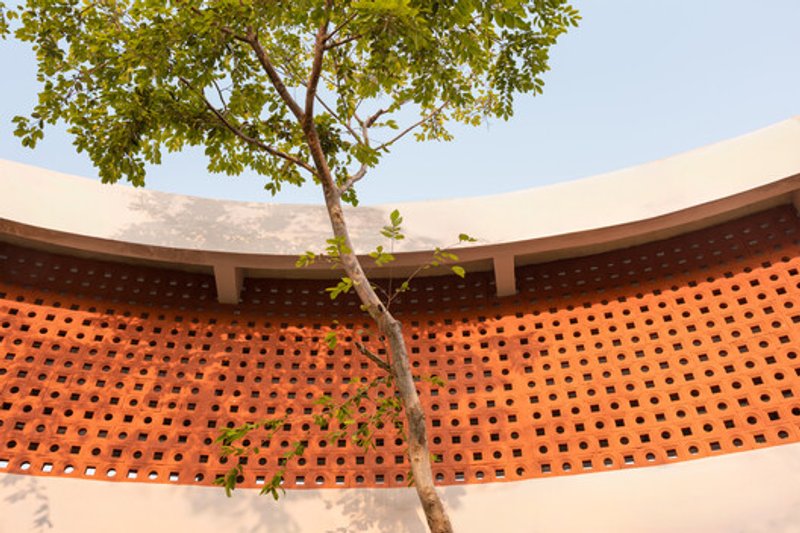
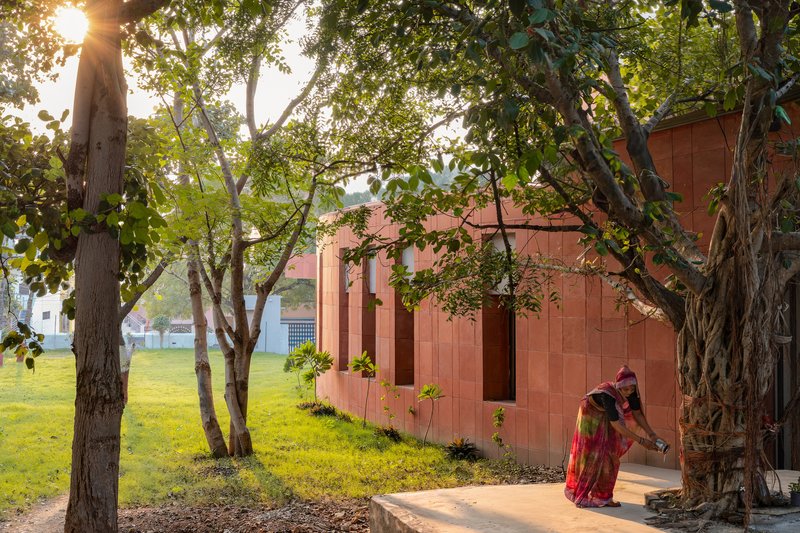
Sustainability is embedded in both design and strategy. The building is oriented to optimize daylight and airflow, minimizing reliance on artificial systems. Rainwater harvesting systems and provisions for future solar panel installations further reinforce its environmental responsiveness. The landscape design complements this approach by preserving existing vegetation, including a mature banyan tree that becomes a focal point within the campus.
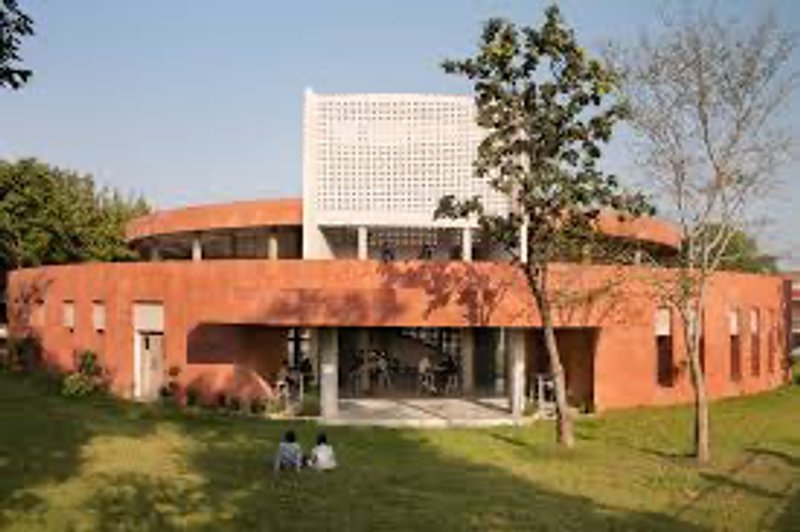
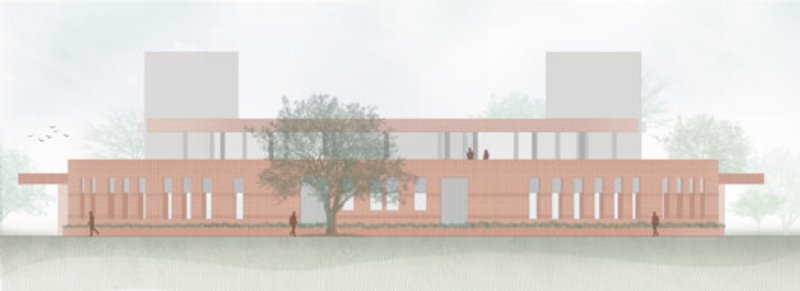
Constructed within the realities of public-sector processes and local labor conditions, the project demonstrates a high level of precision, particularly in executing its circular geometry. The result is a building that feels both grounded and contemporary, rooted in tradition yet forward-looking in its approach.
Ultimately, Granthalay stands as a quiet yet powerful civic intervention. It offers a space where education, community, and environment converge, an architecture that listens to its context and responds with humility and purpose. In doing so, it elevates the everyday experience of learning and contributes meaningfully to the social fabric of Chhatarpur.
All the Photographer are works of Pranit Bora Studio




Popular Articles
Popular articles from the community

Magic Box Office Barcelona Innovative Sustainable Workplace Design
Innovative sustainable office design featuring triangular form, ceramic façade, flexible interiors, natural light optimization, and creative workspace for modern work culture.
TGK Nirasaki Plant: A Smart Factory Blending Technology, Landscape, and Wellness
Smart factory in Japan blending IoT manufacturing, scenic trail design, natural ventilation, and landscape integration to enhance user experience and sustainability.

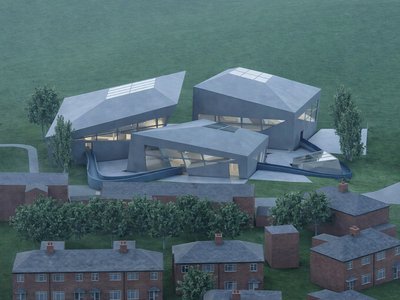
Filtering Space: A Gradual Spatial Experience
From urban intensity to spatial calm.
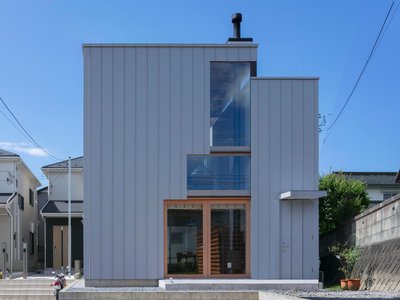
Split House: A Compact Urban Home Blending Privacy, Light, and Flexible Living in Japan
Compact Japanese home featuring DOMA space, flexible café potential, passive lighting, privacy zoning, and sustainable urban living design.


Similar Reads
You might also enjoy these articles

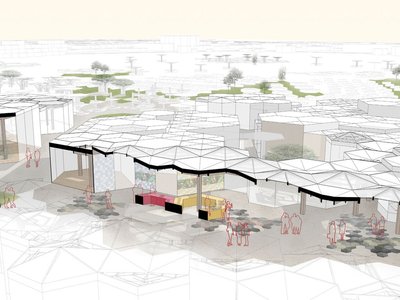
20 Most Popular Commercial Architecture Projects of 2025
From sustainable market concepts to heritage factories, the commercial buildings and proposals that drew the most attention on uni.xyz this year.
Free Architecture Competitions You Can Enter Right Now
No entry fees, real prizes. Here are the best free architecture competitions open for submissions in 2026.

Top 15 Architecture Competitions to Enter in 2026
From student-friendly idea competitions to prestigious international awards, here are the best architecture competitions open for entries in 2026. Updated regularly.

DIY & Engineering in Computational Design : Enter the BeeGraphy Design Awards
Showcase Your Creativity with Computational Design and Open Source Projects


Explore Architecture Competitions
Discover active competitions in this discipline




The International Standard for Design Portfolios


The Global Benchmark for Architecture Dissertation Awards


The Global Benchmark for Graduation Excellence


Challenge to design locus for the upliftment of human rights
Comments (0)
Please login or sign up to add comments
No comments yet. Be the first to comment!