

Hata Dome by Anastasiya Dudik: A Groundbreaking Concrete Dome House Design in California’s High Desert
A soulful concrete dome house design blending sculpture, sustainability, and solitude, handcrafted in California’s desert by Anastasiya Dudik.


Redefining the Concrete Dome House Design with Personal Vision
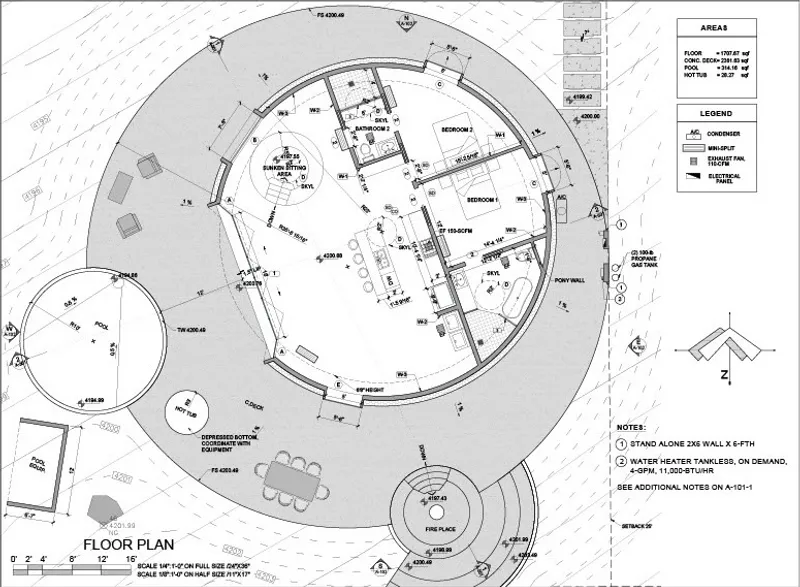
Set in the stark and stunning terrain of Pioneertown, California, Hata Dome by self-taught designer-builder Anastasiya Dudik is more than an architectural feat—it is a radical manifesto of individuality, resilience, and creative authorship. With no formal training in architecture or construction, Dudik has crafted a 1,707-square-foot monolithic structure that not only stands firm in one of the world’s most extreme climates but also softens the often-brutalist language of concrete through curvature, light, and deeply personal expression.
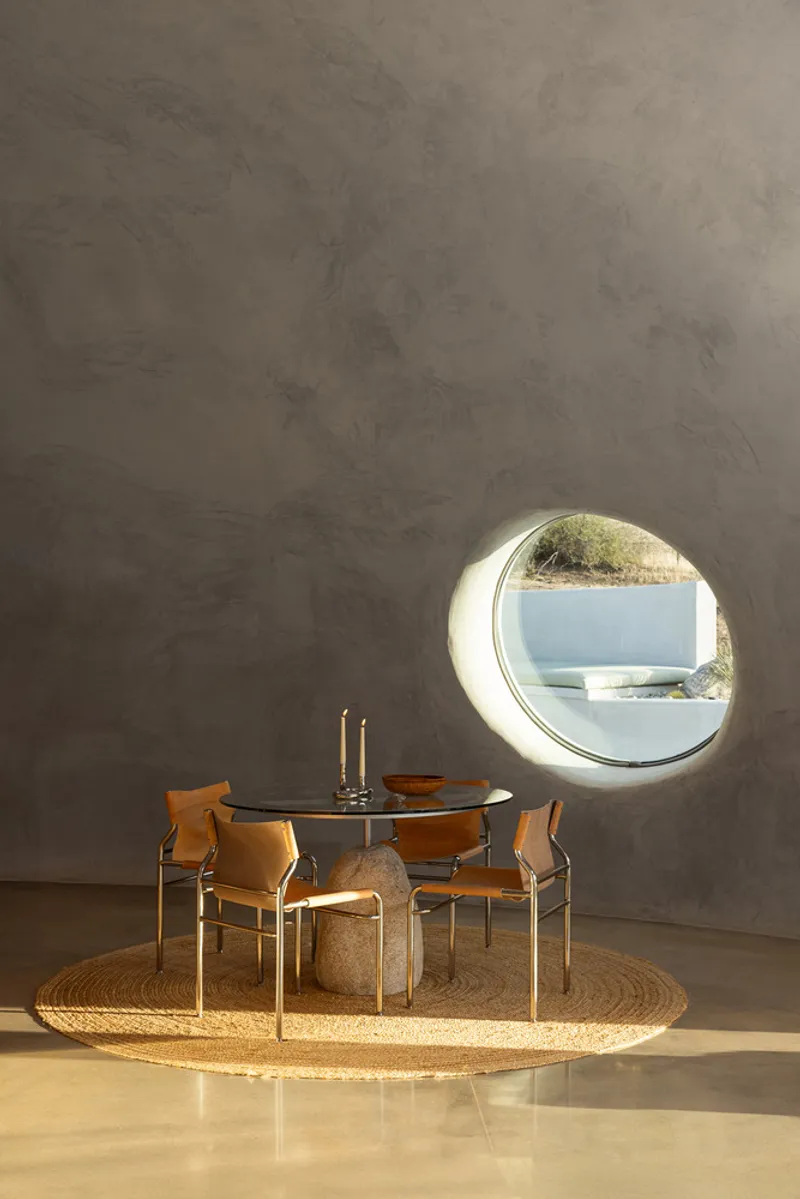

HATA is not just an example of sustainable living—it reimagines the concrete dome house design as a sculptural, sensory, and environmentally attuned space for the future.
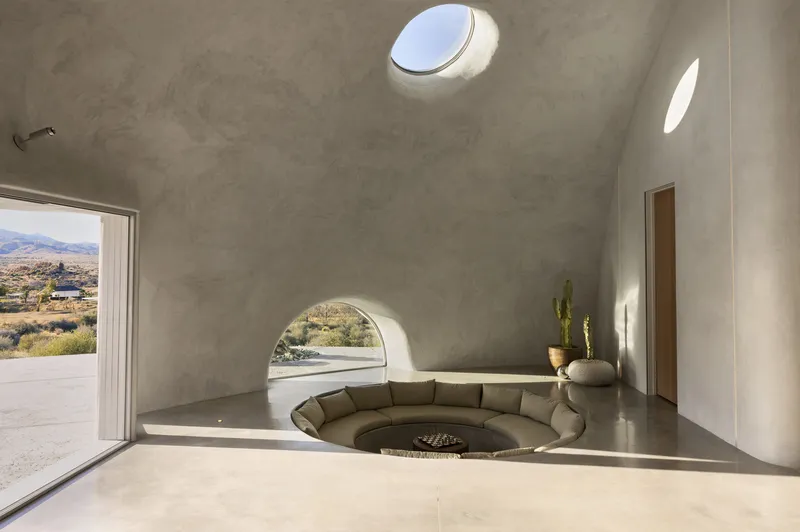
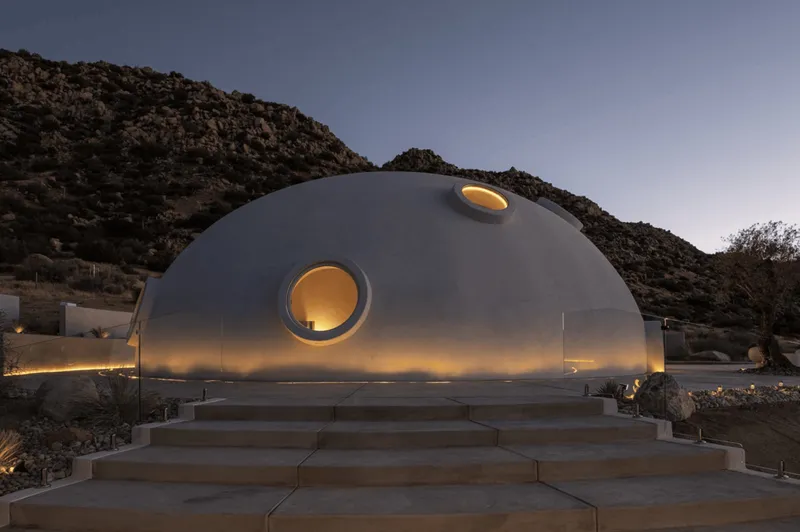
Sculptural Form in the High Desert
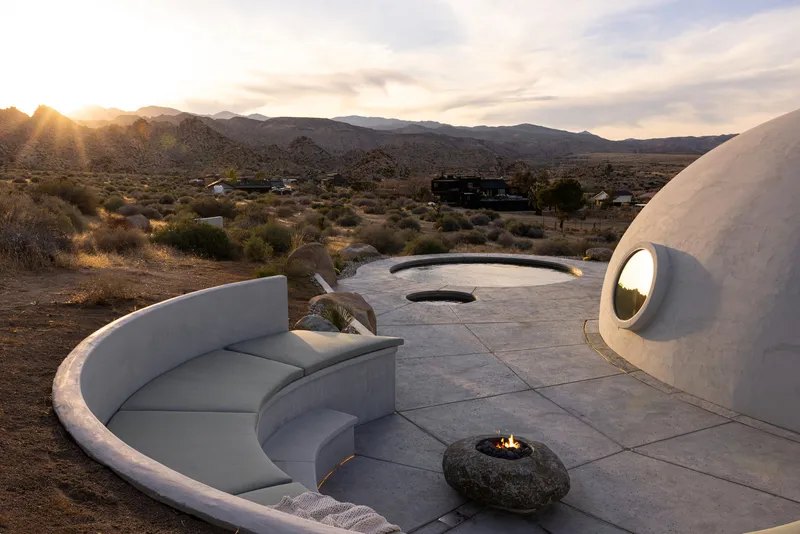
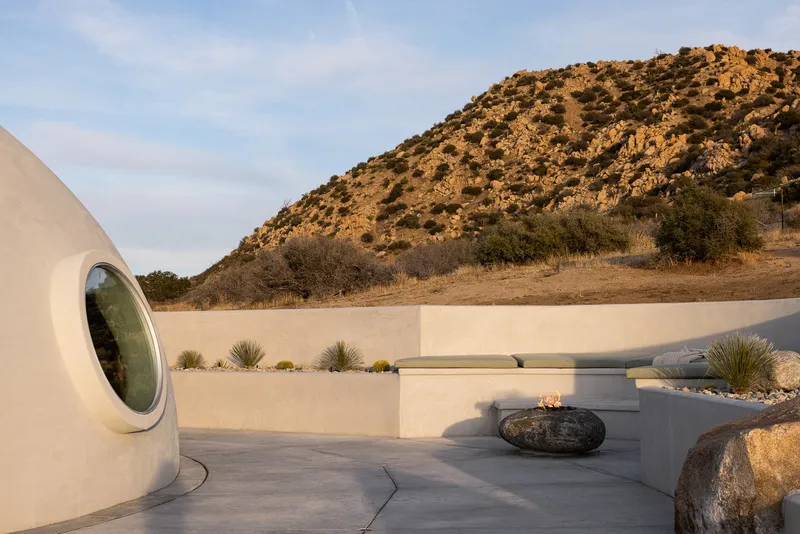
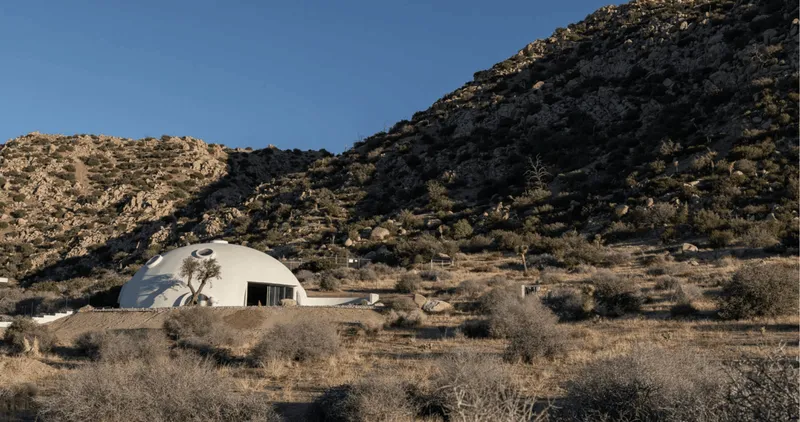
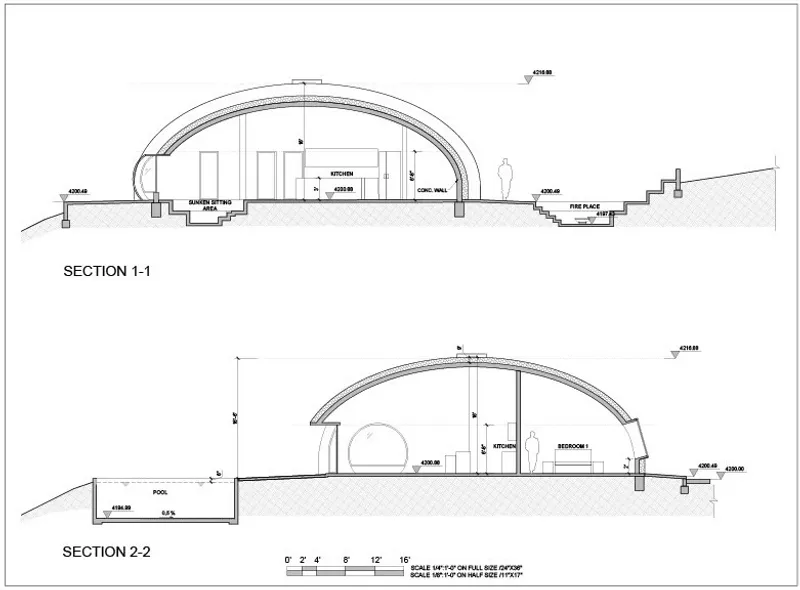
Nestled against the dramatic Sawtooth Mountains, the dome rises from the ground like a geological relic—timeless, grounded, and organic. Yet its form is undeniably contemporary, invoking curiosity and awe. The house was constructed using airform technology, rebar reinforcement, shotcrete, and stucco, a combination that ensures fire resistance, seismic durability, and optimal passive thermal performance for the arid desert climate.
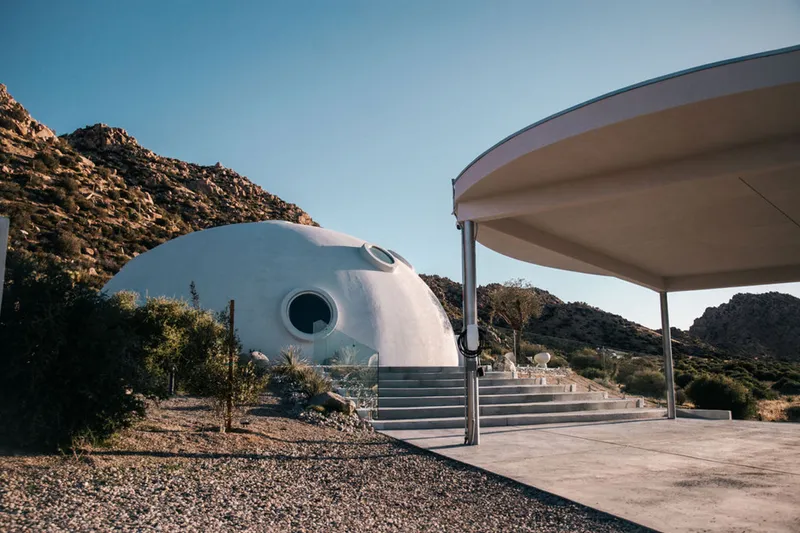
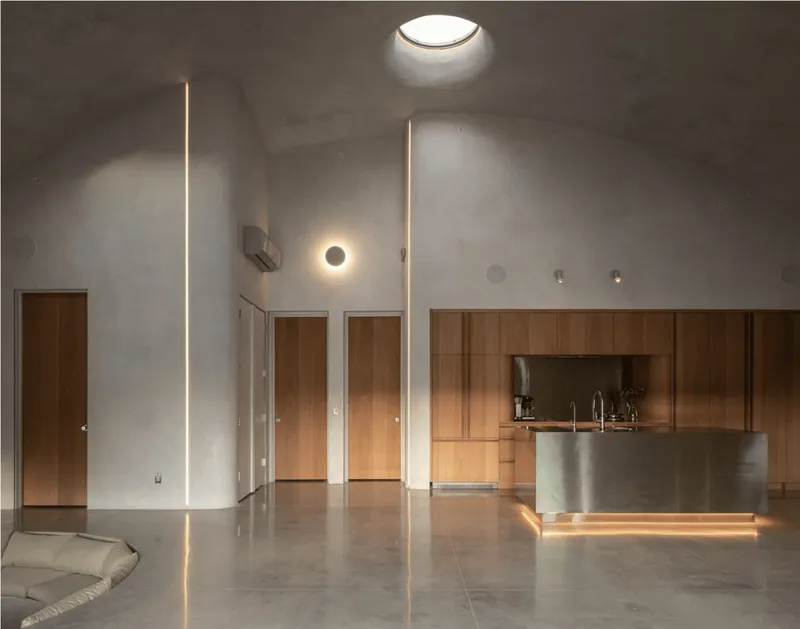
This form of dome construction—once seen as purely utilitarian—is transformed here into a meditative architectural experience that embraces both survival and beauty. Through the lens of concrete dome house design, HATA exemplifies how structure and art can merge to serve both human and environmental needs.
A Philosophy of Future Primitive Living
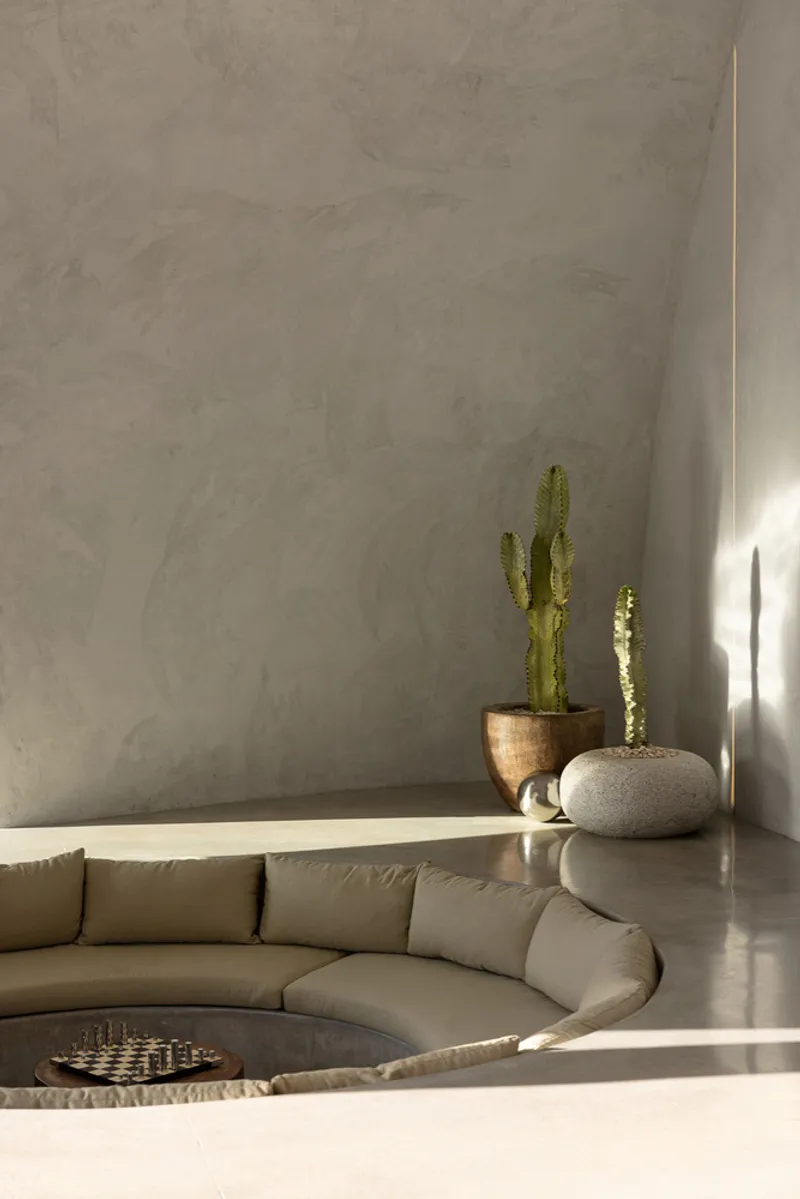
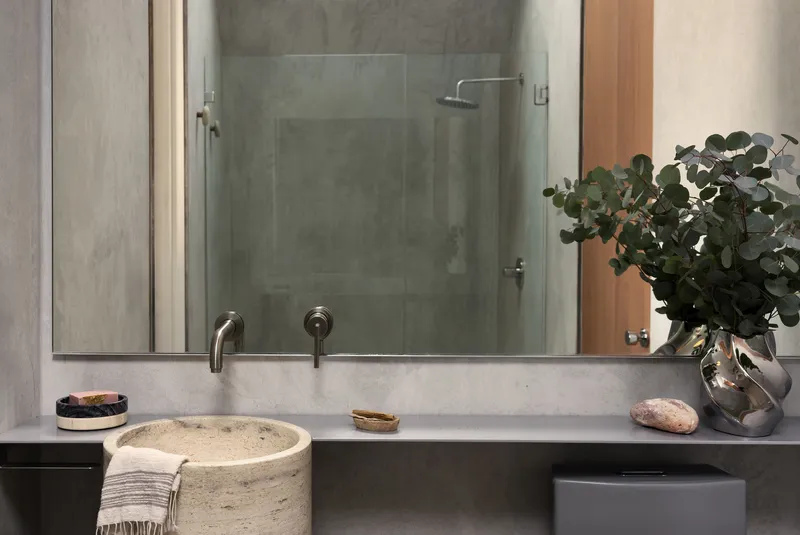
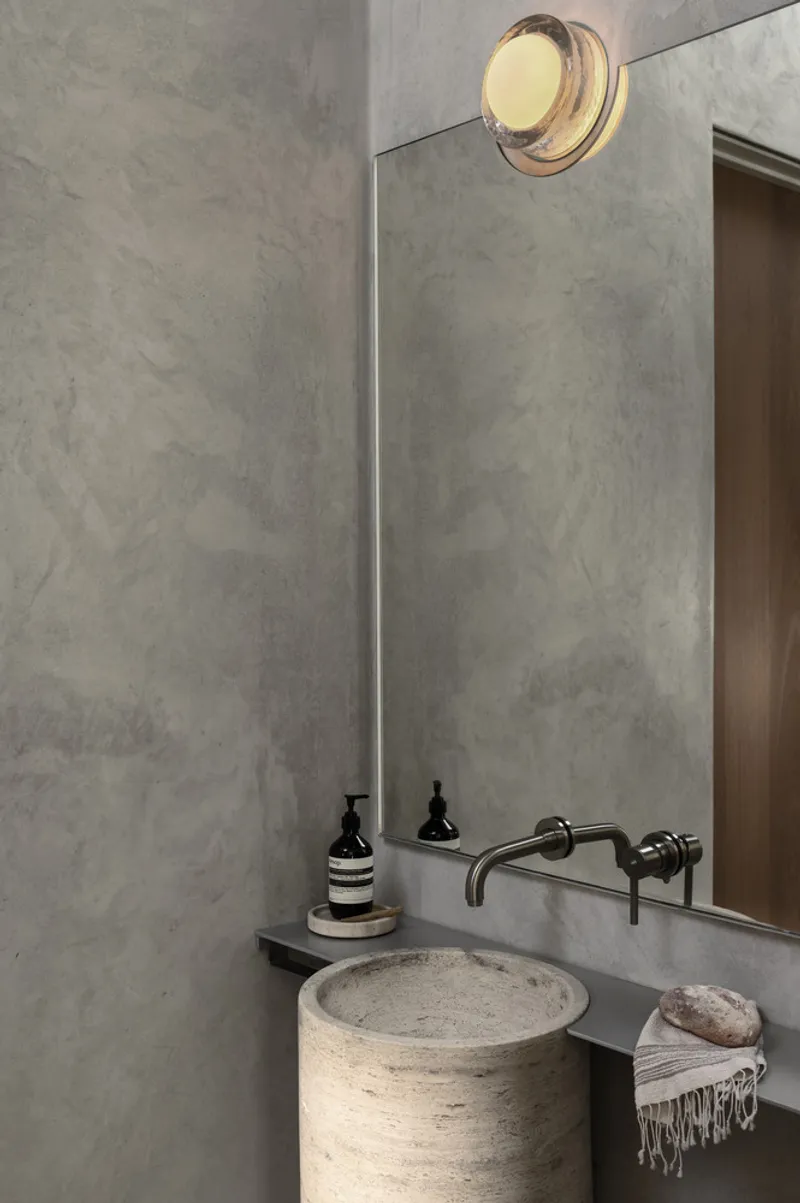
HATA is rooted in what Dudik calls “future primitive” design—a return to the elemental wisdom of ancestral architecture, yet fused with the demands of 21st-century off-grid living. Every decision, from material to layout, reflects a balance between the ancient and the futuristic. Thick concrete walls provide insulation and mass, while curved plaster surfaces gently diffuse natural light throughout the interior.
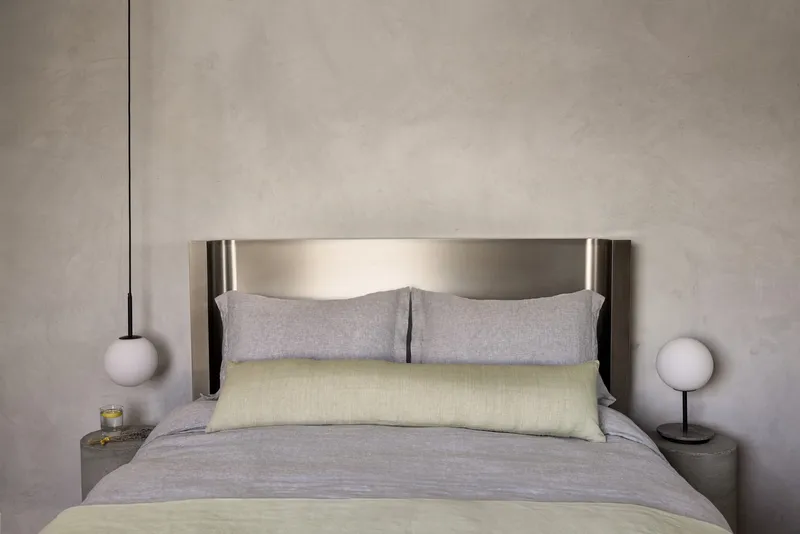

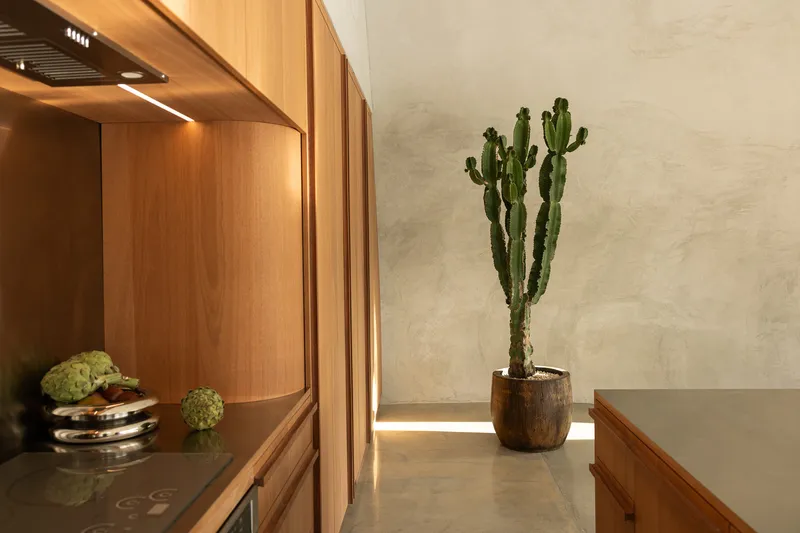
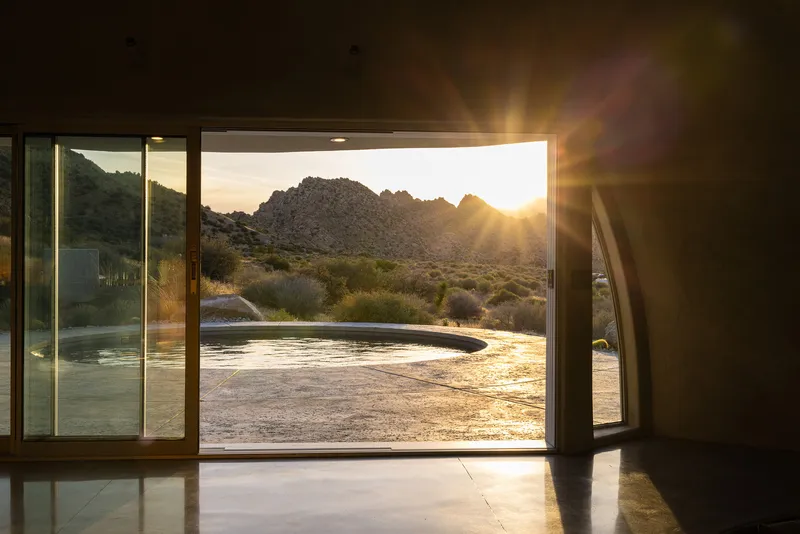
Inside, the architecture dissolves into its setting. Built-in furniture emerges from the structure as if carved by erosion. Boulders and site-specific elements are not hidden but integrated, celebrating a continuity between dwelling and landscape. The acoustics are quiet, the atmosphere reflective—creating a space more aligned with sanctuary than shelter.
A Brutalist Shell with a Soulful Core
While the exterior nods to Brutalism through its raw materiality and solidity, the emotional undercurrents are unmistakable. Dudik draws from the architecture of her Ukrainian childhood, reinterpreting concrete with warmth and intimacy. There is no aggression in the form; instead, it cradles. The shell may be strong, but it opens itself to experience—of light, time, silence, and solitude.
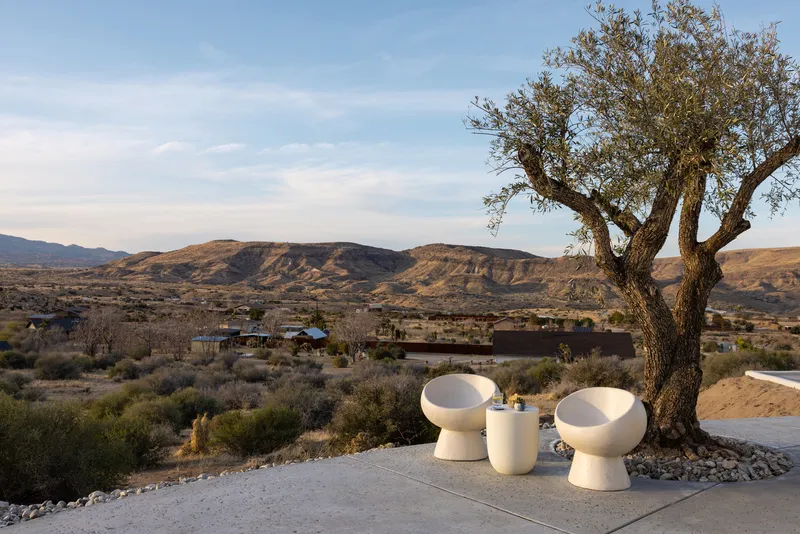
Rather than imposing upon the desert, HATA emerges as a natural extension of it. Its curves mirror the hills, its textures echo the rocks. And though it is highly specific in form and narrative, the dome offers a model that is adaptable across regions and contexts—marking a turning point in how we might think of concrete dome house design in the face of climate urgency and housing resilience.
One-Woman Architecture: Holistic Authorship in Practice
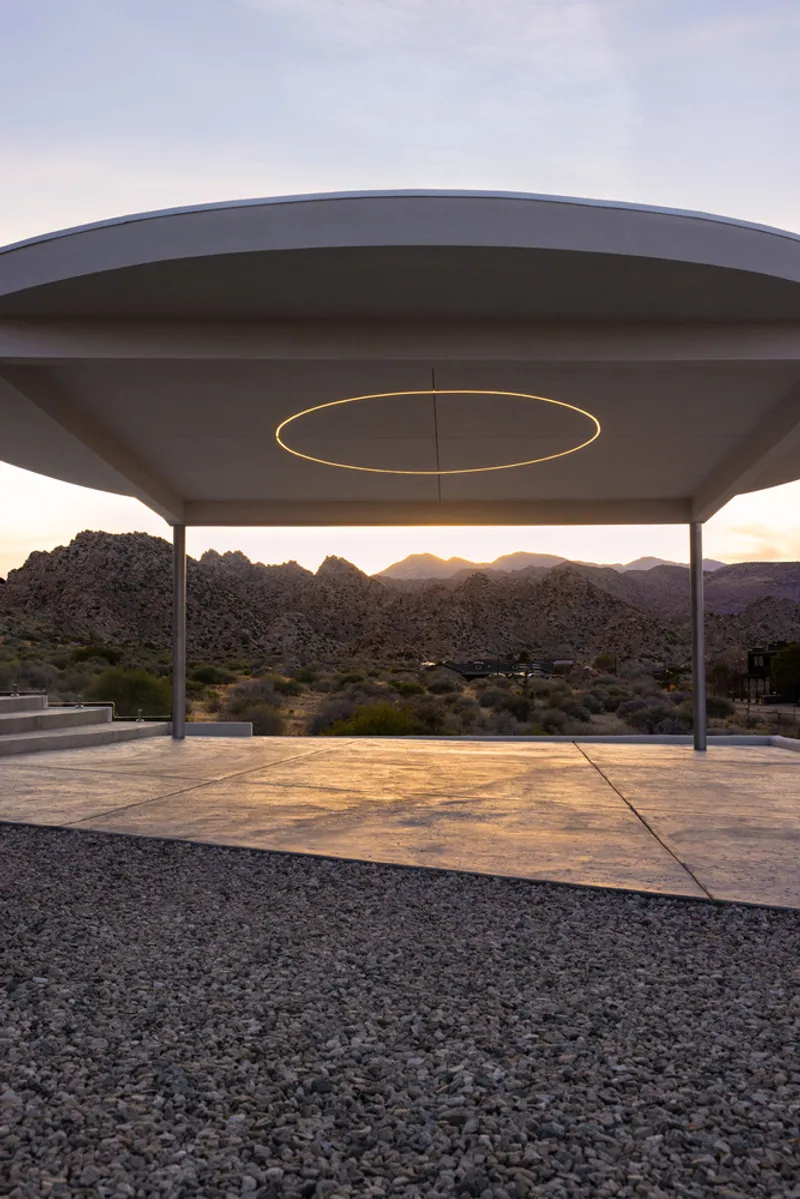
What makes HATA Dome truly extraordinary is the story behind it. Dudik, without the backing of an architecture studio or construction company, handled the design, engineering coordination, project management, and execution herself. Every element—from the structural envelope to the custom lighting and handcrafted finishes—reflects her singular vision. This level of authorship is rare and precious in a built world often dominated by teams and commercial agendas.
This project becomes not only an architectural object but also a statement about empowerment, intuition, and integrity in design. It challenges conventions, proves possibilities, and offers an open invitation to reimagine how architecture can be practiced—not just by institutions, but by individuals with vision and determination.
A New Archetype for Remote Living
HATA is not a prototype, yet it holds the DNA of one. It offers a scalable approach to off-grid, resilient, and emotionally rich architecture for remote settings. In a time of increasing environmental volatility, the house presents a way forward—one rooted in natural harmony, sustainable performance, and poetic space-making.

From its circular foundation to its vaulted shell and horizon-framing openings, HATA doesn’t just protect; it inspires. As the world seeks adaptable housing models that respond to both ecological and spiritual needs, concrete dome house design emerges as a critical language—and HATA is its most lyrical expression.
All photographs are works of Natasha Lee, Shannon Moss, Brandon Stanley



Popular Articles
Popular articles from the community


The Ocean Hive: Sustainable Architecture for a Self-Sufficient Civilization at Sea
The Ocean Hive imagines sustainable architecture at sea, where modular habitats, algae, wave power and ocean waste sustain a growing colony.

The Earth Pod: 3D Printed Homes for Resilient Refugee Communities
The Earth Pod reimagines refugee housing through 3D printed homes made from clay, combining resilience, self-sufficiency, and rapid shelter.

EW PARK: Sustainable Architecture Reimagines the Future of Urban Parking
EW PARK reimagines city parking as a modular wooden tower combining automation, solar energy, electric mobility, and adaptable urban design.

Riyadh For All: Intergenerational Urban Design for Active Aging in Rabat
Riyadh For All reimagines urban design in Rabat with intergenerational co-living, adaptive courtyards, and Moroccan cultural exchange today.

Similar Reads
You might also enjoy these articles

Bamboo Housing Challenge 2026: Design Affordable, Sustainable Homes Using Bamboo
An international design competition by Bamboo U and IBUKU inviting architects and designers to reimagine affordable housing using bamboo — with the winning design built full-scale in Bali.

Computational Design & Education: Beegraphy Design Awards Introduces 7th Category (Featuring Jiyun's Innovative Approach)
Dive into Beegraphy’s 7th Design Awards category, where computational design meets education to create immersive, interactive learning tools, inspired by Jiyun’s work.
From Parametric Lighting to Urban Furniture: Join the 2nd Workshop in Beegraphy’s Computational Design Series
Dive into Cutting-Edge Design Techniques and Practical Applications with Industry Experts

Last Call: Unleash Your Architectural Genius in SHAK's Kindergarten Design Competition
Urgent call for architects to join SHAK's kindergarten design competition before the looming deadline


Explore Architecture Competitions
Discover active competitions in this discipline



Challenge to reimagine the Iron Throne


Photograph architecture without architects


Illustrate the lost glory of Angkor Wat - Render Challenge


Design challenge to reuse E-waste
Comments (0)
Please login or sign up to add comments
No comments yet. Be the first to comment!