
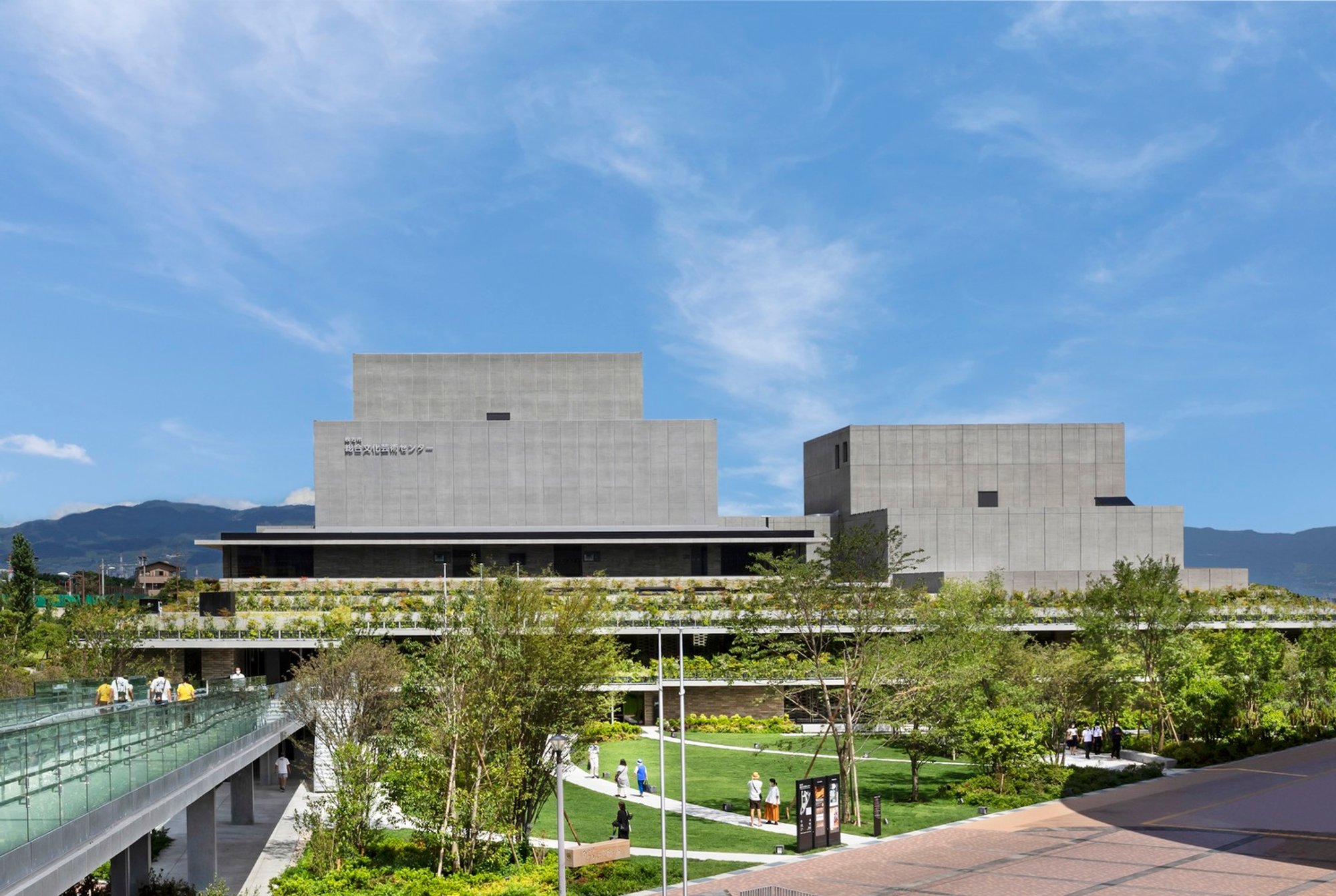
Hirakata Performing & Visual Arts Center by Nikken Sekkei
Hirakata Performing & Visual Arts Center by Nikken Sekkei blends culture, nature, and sustainability, offering acoustic excellence and vibrant community spaces.

A New Cultural Landmark in Hirakata City
Located just 30 minutes from Osaka and Kyoto, the Hirakata Performing & Visual Arts Center by Nikken Sekkei redefines the role of cultural architecture in Japan. Completed in 2021 and spanning 13,146 m², this contemporary performing arts and cultural hub is more than just a theater—it is a civic space where art, culture, community, and nature seamlessly converge.
With three performance halls, an art gallery, and a welcoming public plaza, the center has quickly become a cultural landmark cherished by the citizens of Hirakata. Its design carefully balances intimacy and openness, offering a modern venue for performances, exhibitions, and everyday community life.
Blending Architecture with Nature
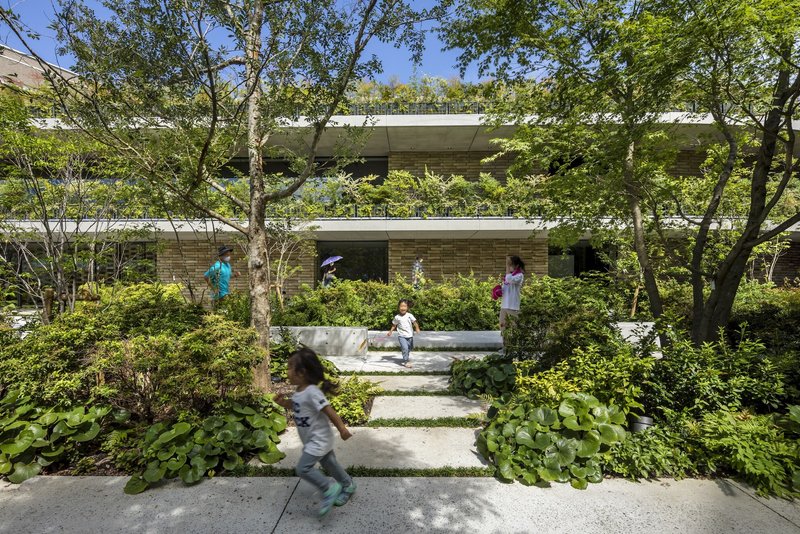
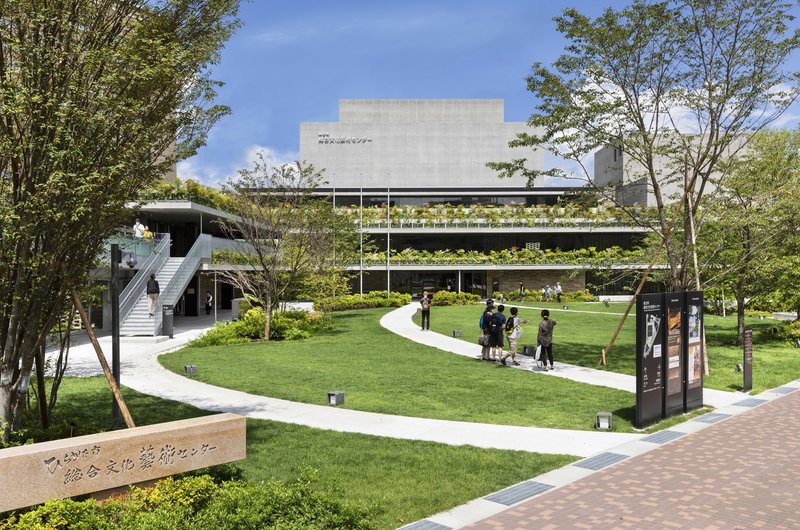
The architects envisioned a facility that feels both urban and organic. The plaza outside the building is designed as an inclusive gathering space with grassy lawns, shaded seating, and an outdoor stage. These features transform the center into a living cultural park where art extends beyond the walls.
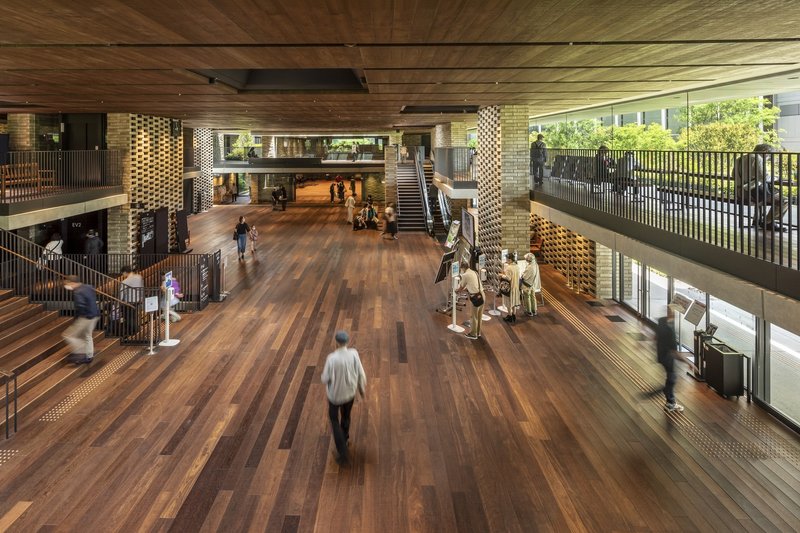
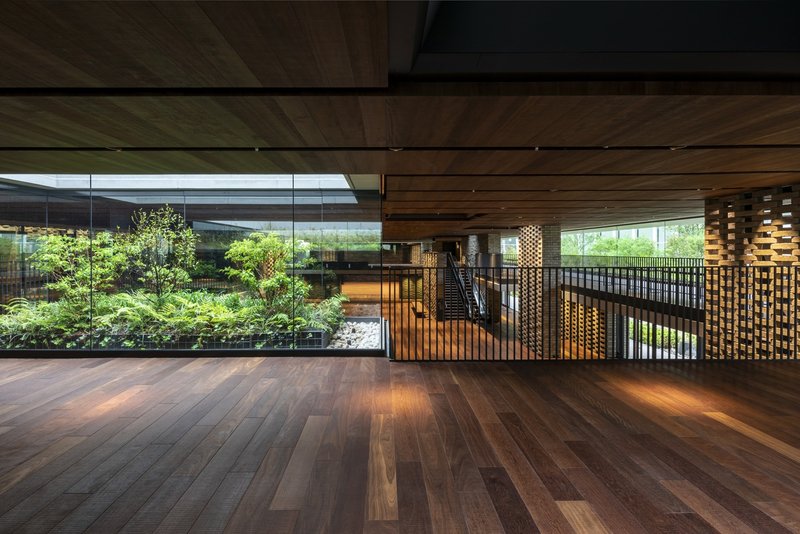
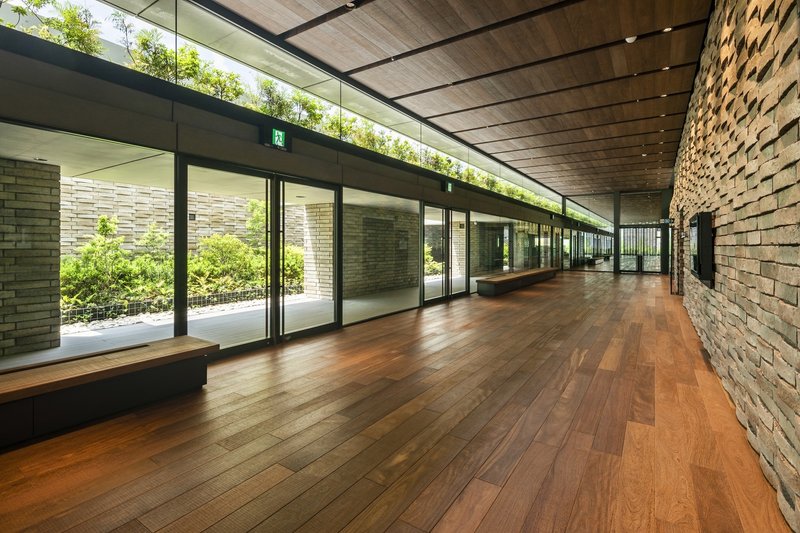
Inside, the use of courtyards and green eaves creates continuity between indoors and outdoors. Natural light, wooden finishes, and greenery give the spaces a human-centered atmosphere that fosters creativity and relaxation.
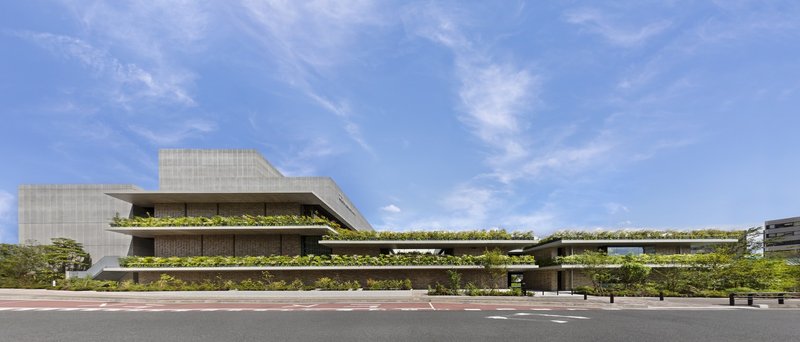
Compact yet Refined Spatial Experience
Unlike monumental cultural facilities, the Hirakata Center was designed to feel approachable and human-scaled.
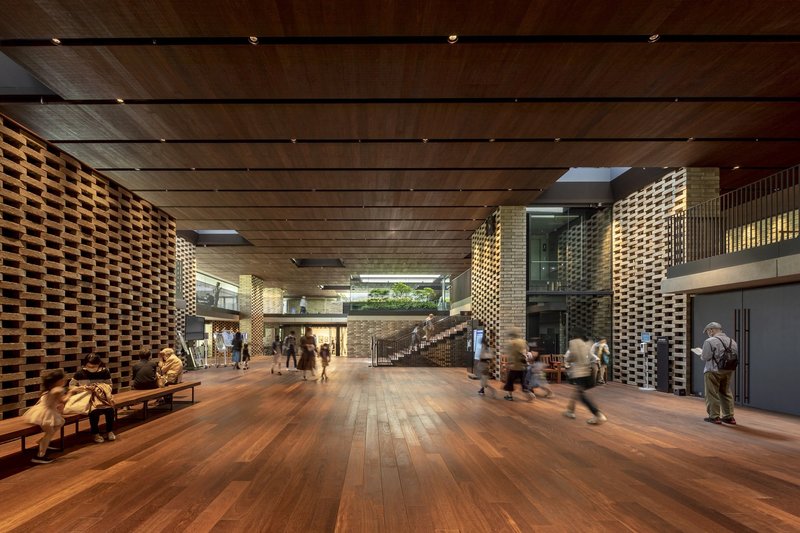
- The lobby and corridors are dimensioned for visibility, intimacy, and comfort.
- The compact height of the halls enhances the realism of performances, while ensuring visitors feel connected to both the stage and each other.
- The building’s low-profile exterior blends into its surrounding greenery, creating a sense of security and openness for all users.
Acoustic Excellence through Material Innovation
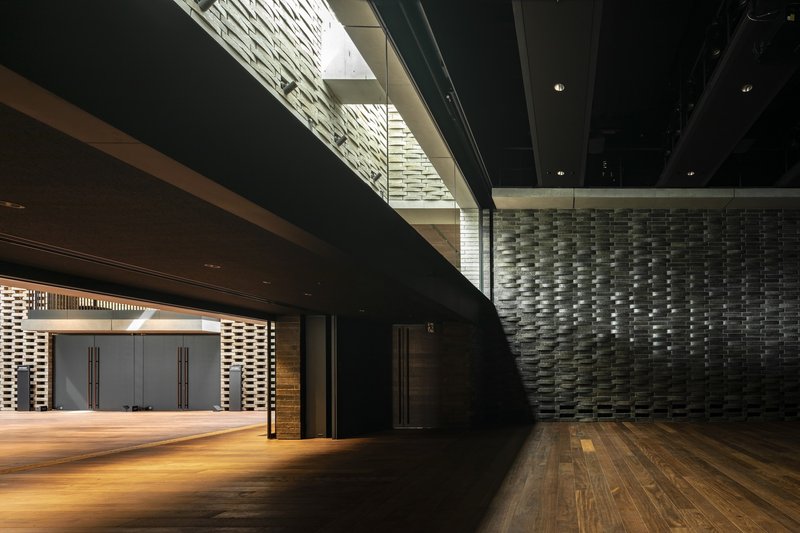
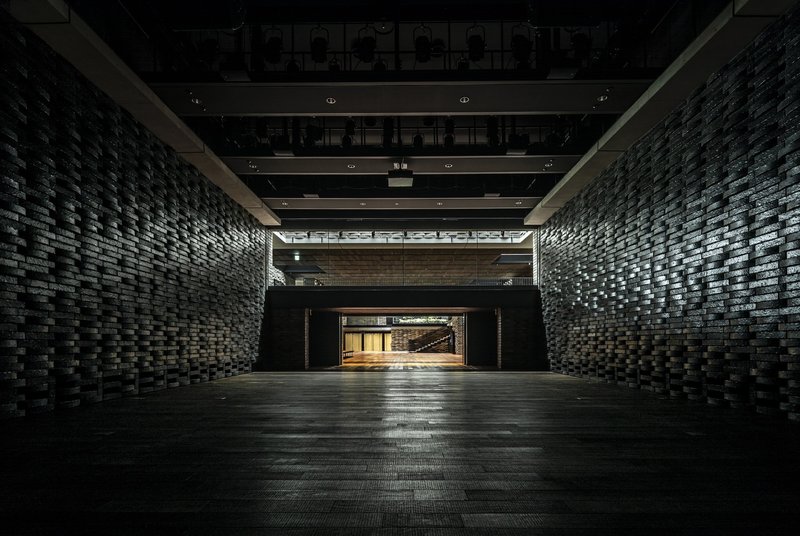
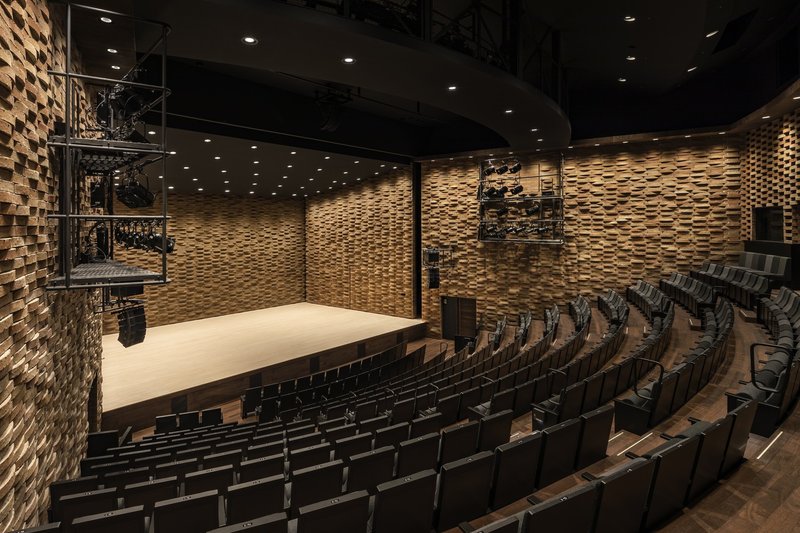
Acoustics were central to the project’s design. The halls employ custom-glazed brick in four variations, crafted not only for durability but also to diffuse and reflect sound effectively.
- The main hall features an eave-like reflective surface stretching from stage to seating, ensuring immersive resonance.
- The event hall uses textured brickwork to prevent echoes, while maintaining a refined visual appeal.
- Sound insulation strategies include double partitions, laminated glass, and vibration-isolation structures, ensuring performances are not disturbed by external noise or neighboring halls.
These innovations allow audiences to experience performances with rich, balanced, and natural acoustics.
Environmental Innovation: A First in Radiant Air Conditioning
The Hirakata Performing & Visual Arts Center is also a pioneer in sustainable architecture and energy efficiency. For the first time in a Japanese theater, radiant air conditioning was introduced. Radiator panels installed in seats, ceilings, and walls ensure uniform thermal comfort without uncomfortable drafts.
The system is powered by treated sewage water heat pumps and supplemented by rooftop solar panels. Additional sustainability features include:
- Energy storage systems for thermal water and efficient screw chillers.
- Emergency power backup using electric vehicle batteries.
- A design that earned the facility an “S” rating (Excellent) in the CASBEE environmental performance system.
Through these technologies, the center establishes itself as a benchmark for eco-conscious cultural architecture.
A Civic Space for the Future
The Hirakata Performing & Visual Arts Center is more than a building—it is a community stage, a green cultural park, and a sustainable architectural innovation. By merging art, performance, and environmental design, Nikken Sekkei has created a new urban landmark that enriches both the cultural and ecological life of Hirakata City.
All Photographs are works of Akira Ito



Popular Articles
Popular articles from the community

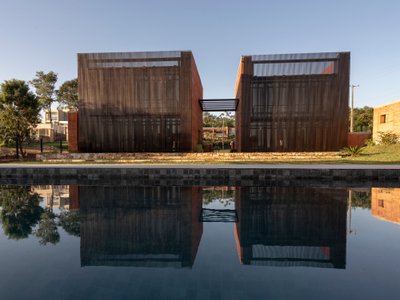
BAUEN Builds Two Rammed Earth Volumes in Paraguay Inspired by the Ovenbird's Nest
In San Bernardino, a house of compacted earth channels the instinct of a constructive bird to shelter life from the Paraguayan summer.
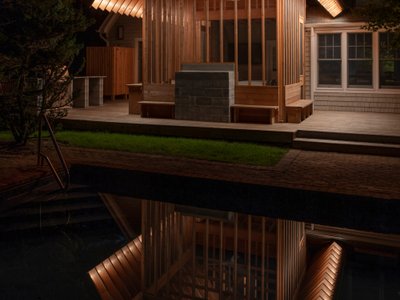
BLDUS Turns a 250-Square-Foot Screened Porch into a Pine Forest Temple in East Hampton
A gabled cedar pavilion mimics the rhythm of surrounding pines, anchoring a 1990s wooded home to its hollow in Long Island.
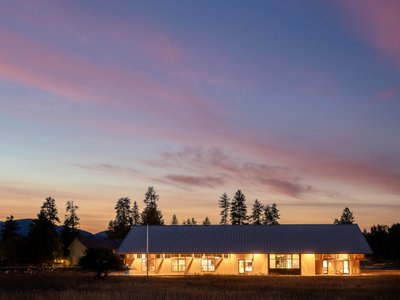
Johnston Architects Reimagines the Methow Valley Hay Barn as a Small-Town Library in Winthrop
A 7,300-square-foot timber library channels the region's agrarian vernacular to serve a rural Washington community of 400 year-round residents.
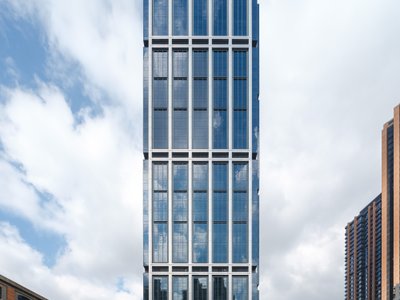
Foster + Partners Wraps a 200-Meter Shanghai Tower in Stainless Steel and Industrial Memory
The Suhe Centre Office Tower anchors a regenerated waterfront district in Shanghai with an all-steel structure that nods to local warehouse heritage.


Similar Reads
You might also enjoy these articles

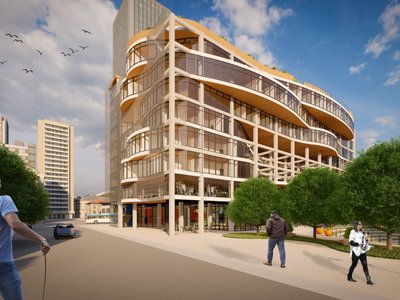
Olio Towers: A Mid-Rise for Performers That Fuses Housing, Rehearsal, and Stage
Located blocks from Houston's Theater District, this modular tower stacks living units around a central performance atrium.

Oasis: Modular Green Housing Carved into Dhaka's Urban Fabric
A shortlisted Plugin Housing entry reclaims unauthorized settlements in Dhaka with stepped concrete volumes, green roofs, and ventilation-driven design.

Black Hole: A Floating Megastructure for the Post-Physical Era
Emiliano Mazzarotto envisions a spherical, self-scaling arena where e-sports, digital hotels, and holographic stadiums replace traditional public space.
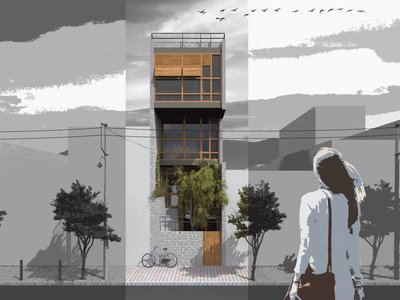
Compact & Sustainable Living in Piraeus: A Four-Level Family Home Built Around Light and Air
A narrow townhouse in one of Greece's densest port cities uses a central atrium and passive strategies to house three generations under one roof.


Explore Architecture Competitions
Discover active competitions in this discipline




The International Standard for Design Portfolios


The Global Benchmark for Architecture Dissertation Awards


The Global Benchmark for Graduation Excellence


Challenge to reimagine the Iron Throne
Comments (0)
Please login or sign up to add comments
No comments yet. Be the first to comment!