
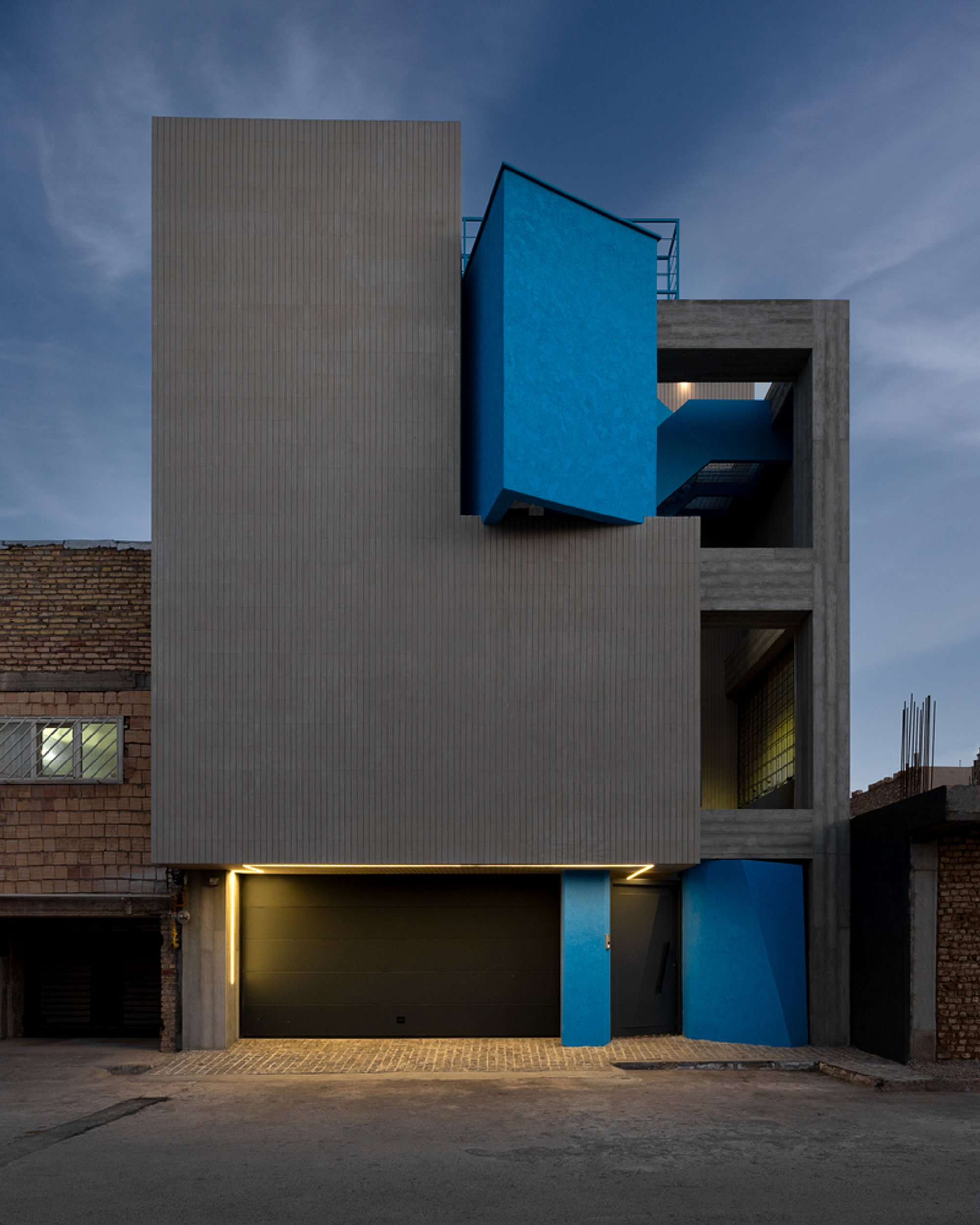
House Number 7 by Charang Architecture Studio – Innovative Private Living in Yazd
House Number 7 in Yazd by Charang Architecture Studio features a private courtyard, duplex layout, dynamic stairways, natural light, and tranquil spatial design.

House Number 7, designed by Charang Architecture Studio, is an innovative residential project in Yazd, Iran, representing the seventh exercise in a series aimed at creating unique spatial experiences in contemporary homes. Built on a compact 155-square-meter plot in a newly developing neighborhood, the house was commissioned by Mr. and Mrs. Hasani and their soon-to-arrive child. The surrounding area was largely undeveloped or under construction, giving the architects the opportunity to craft a design that responded thoughtfully to both the site and the lifestyle of its occupants.
A Duplex Designed for Modern Family Life
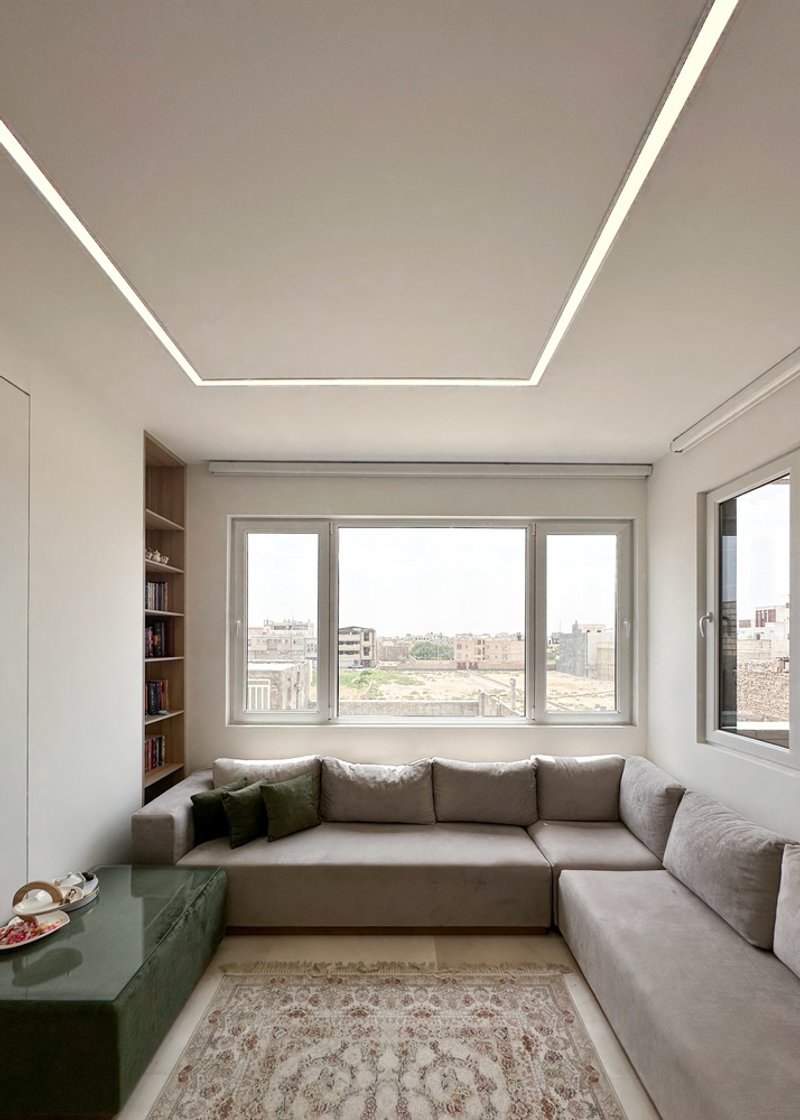
The residential design was driven by the client’s specific needs: a workspace, bedrooms for parents and children, and a dedicated room for the extended family, who frequently travel between Yazd and Tehran. This led to the creation of a duplex layout, carefully integrating both privacy and connectivity. While the clients requested large, light-filled windows, the architects had to balance natural illumination with privacy considerations, especially significant in Yazd, a city with strong cultural and religious norms.
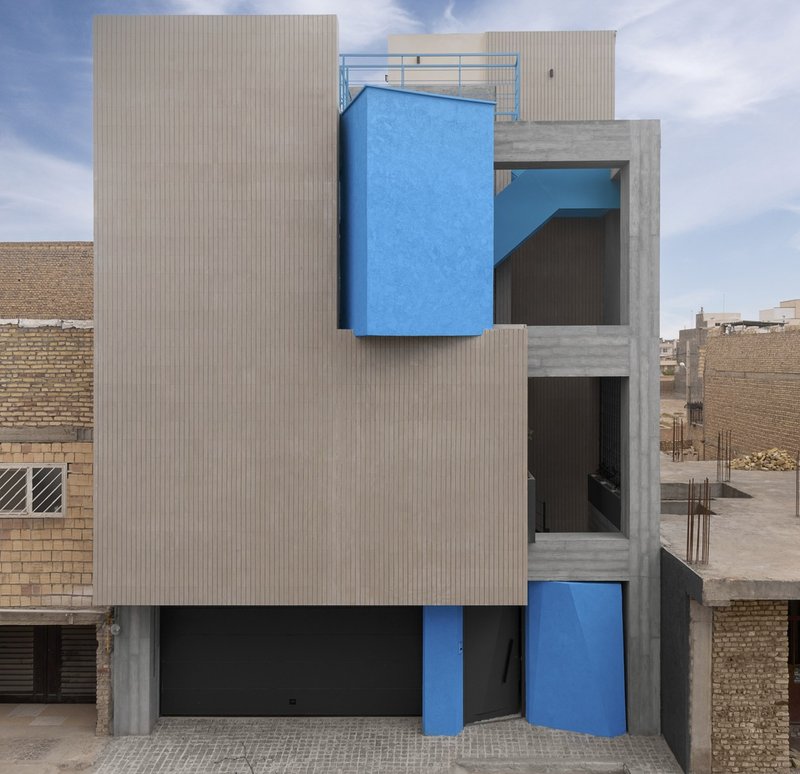
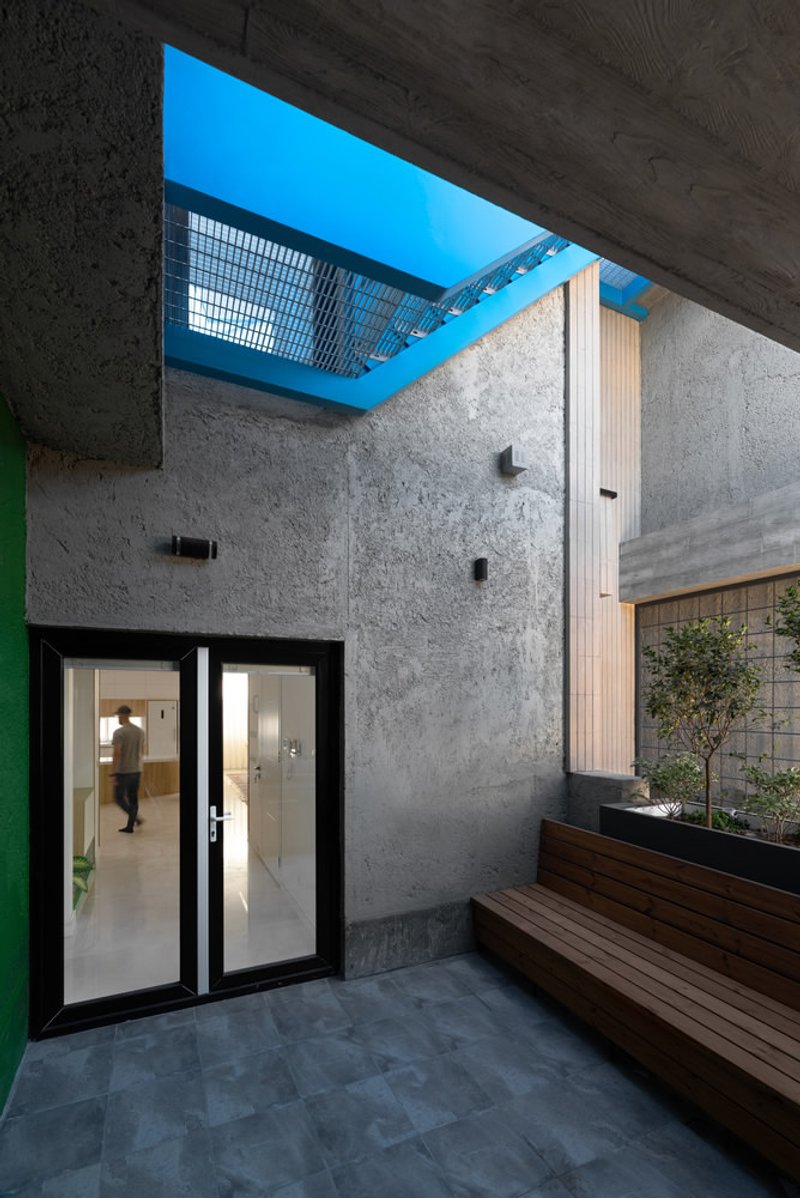
To address this, the design introduces a solid exterior facade that shields the interior from direct street views. Behind this facade lies a two-story central courtyard, with all primary openings facing inward. This courtyard not only preserves privacy but also serves as the focal point of the home, creating a serene, inward-looking spatial experience.
Spatial Exploration Through Movement and Light
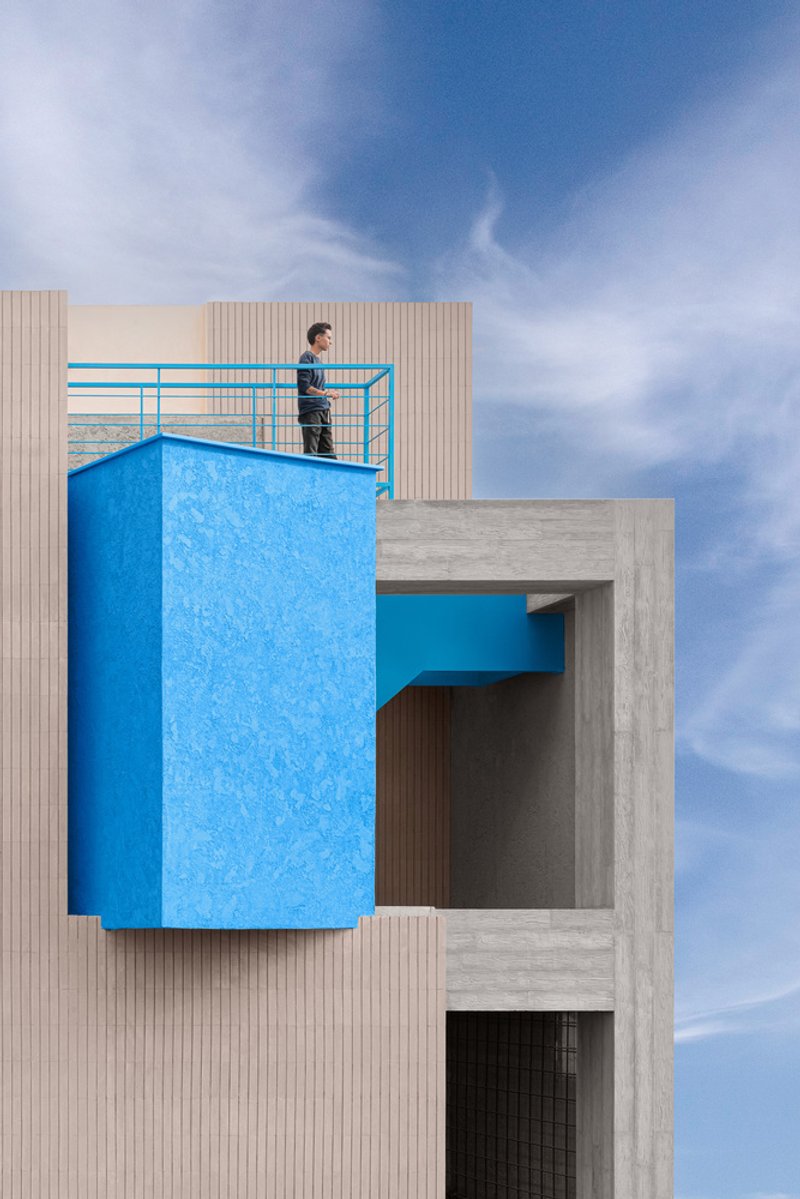
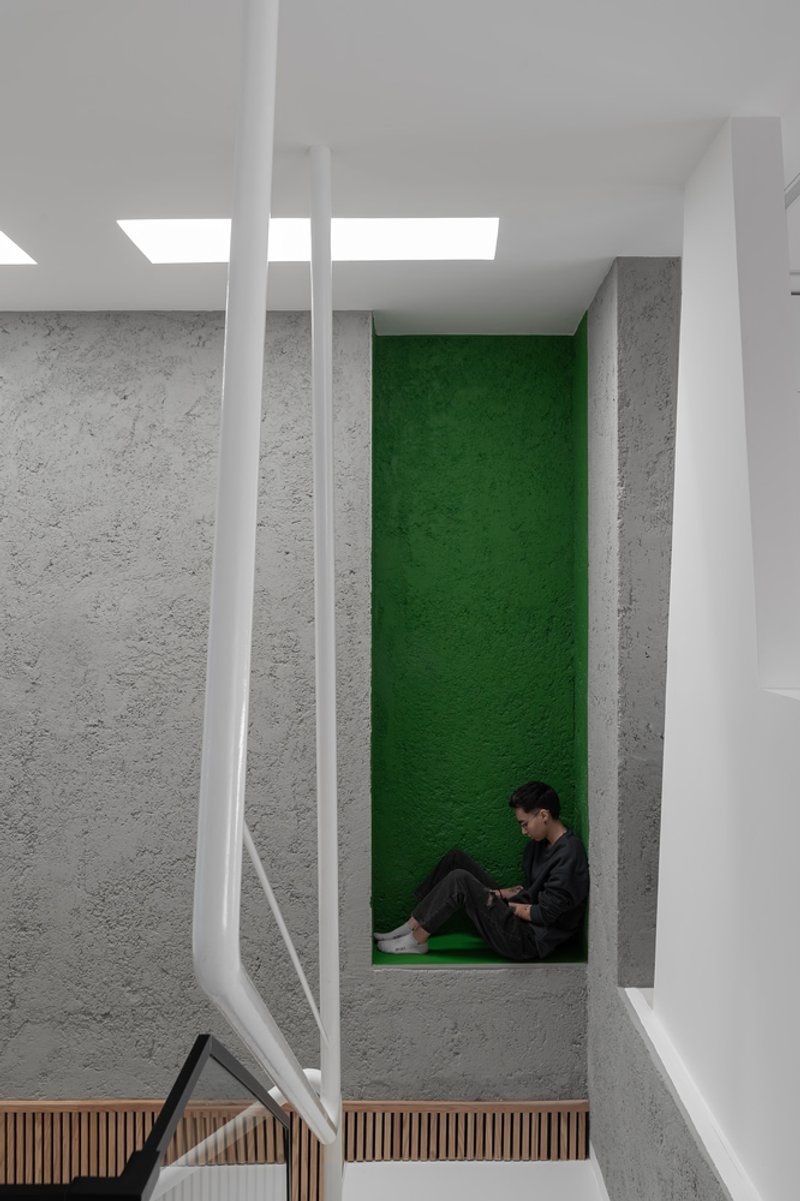
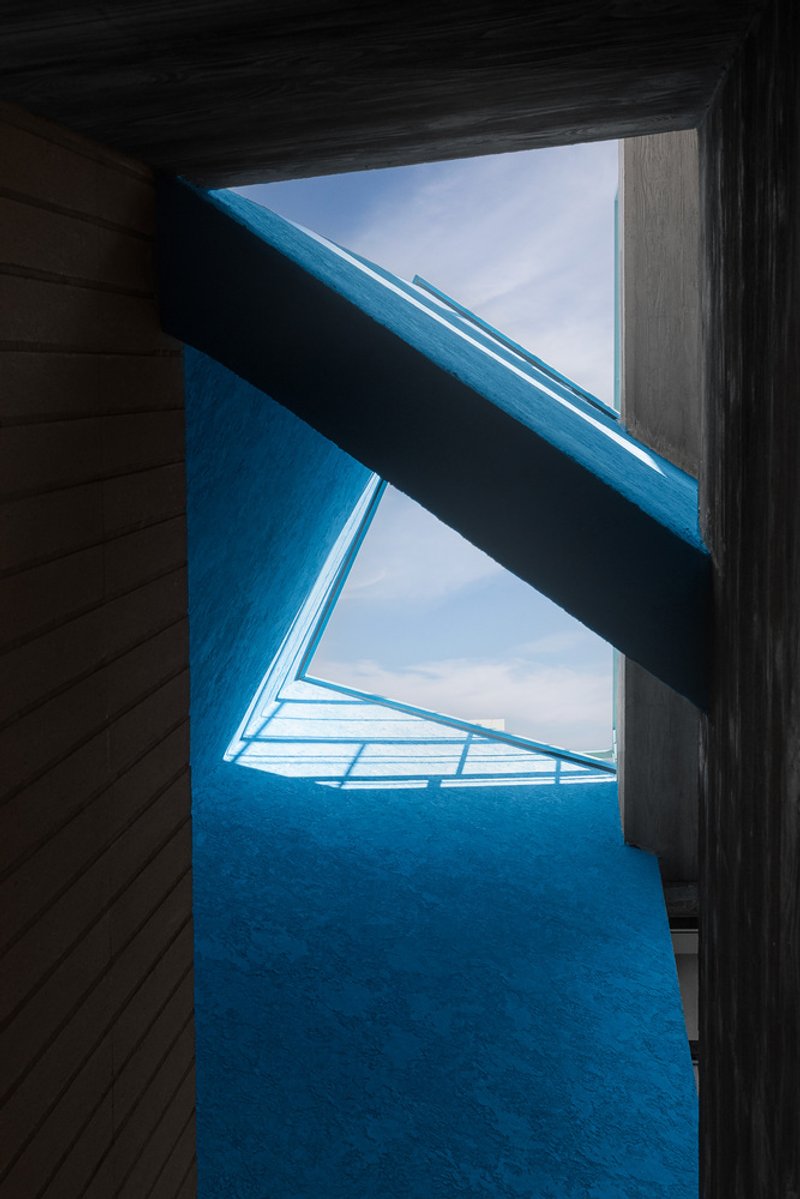
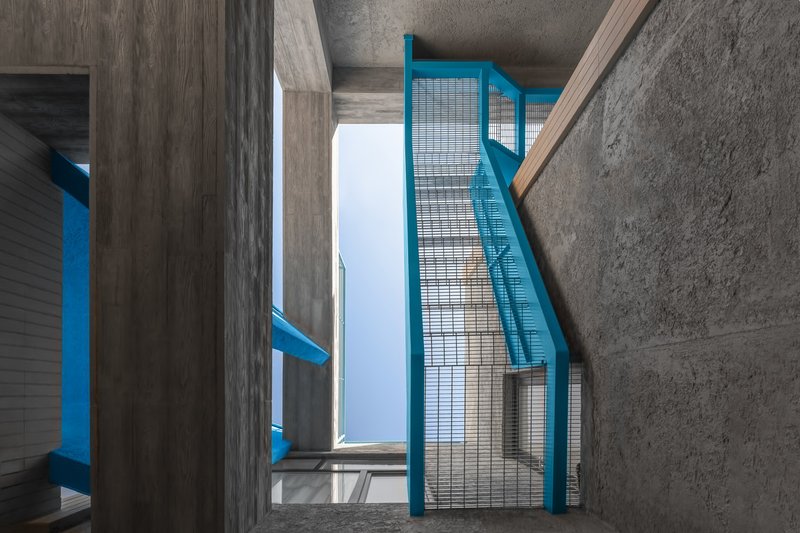
One of the defining features of House Number 7 is the dynamic circulation within the home. Expansive staircases, elevated bridges, and carefully orchestrated pathways connect multiple levels, including the rooftop, offering a continuous spatial journey. Light filters through the courtyards and interior voids, animating the home throughout the day. Each sequence—from the lower floor to the rooftop bridge—creates a playful and exploratory experience, redefining how residents engage with their environment.
The architect’s approach reflects an understanding of Yazd’s traditional fabric while addressing contemporary lifestyle needs. The home’s introversion is not a mere imitation of historic architecture; rather, it mirrors the lifestyle, cultural context, and ecological sensitivity of the neighborhood. It emphasizes tranquility, privacy, and harmony with the surrounding community.
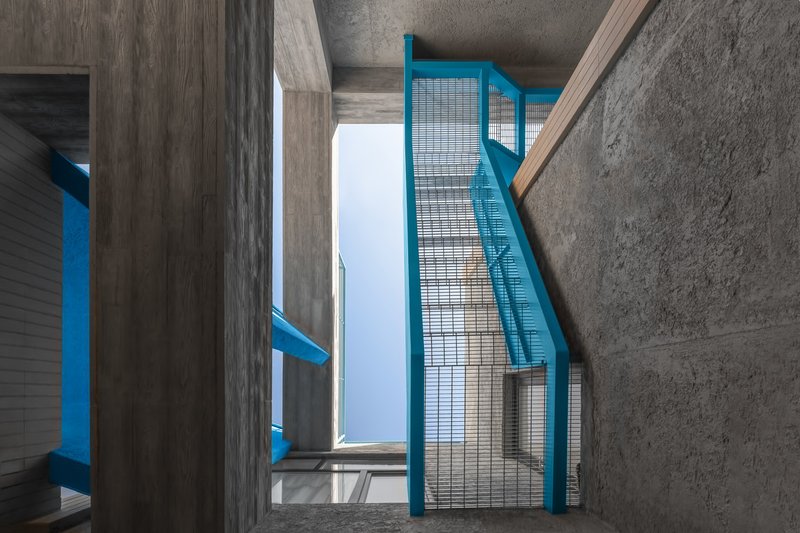
Thoughtful Use of Materials and Color
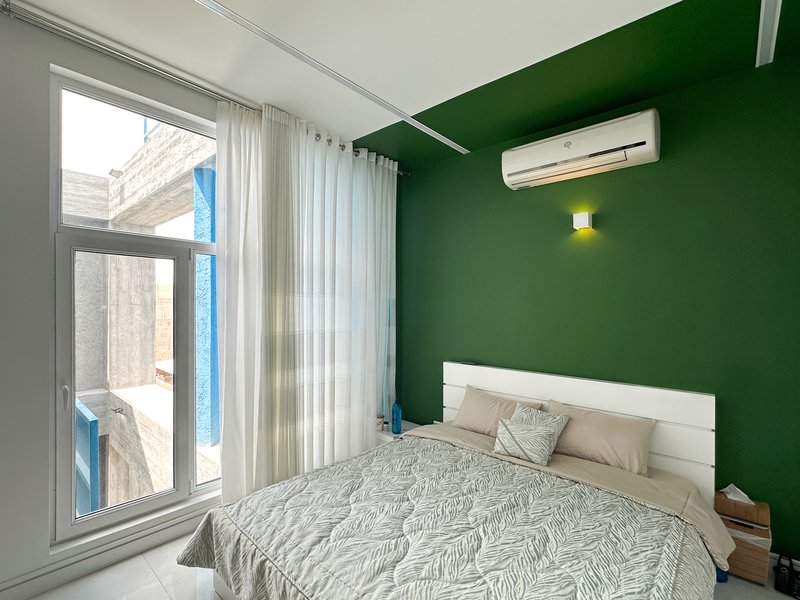
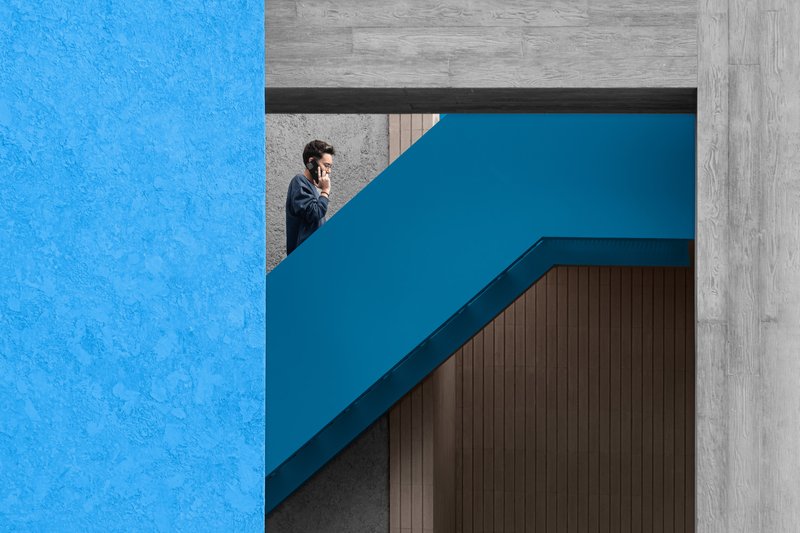
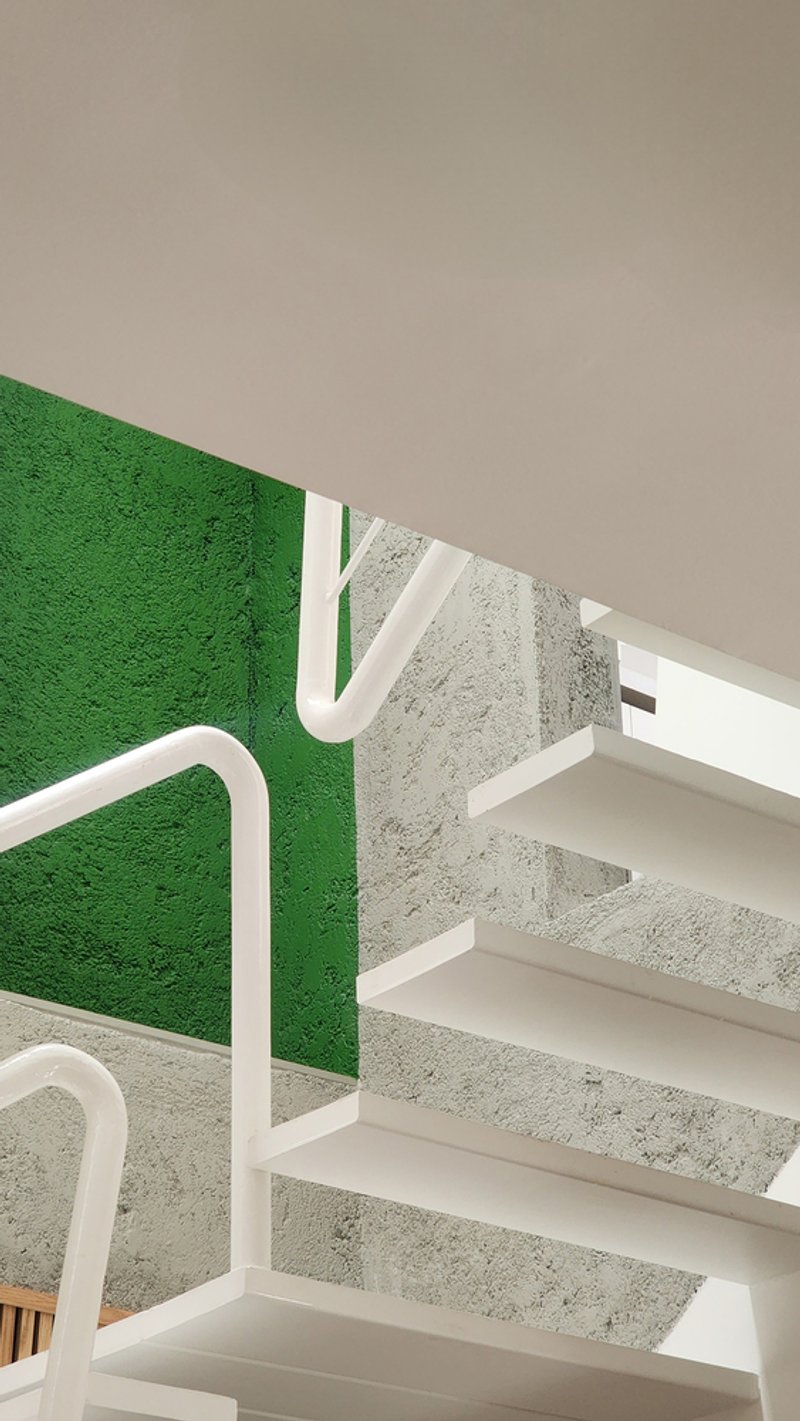
Economic considerations influenced material choices, leading to the use of simple, cost-effective materials such as cement. Its raw, unpolished application complements the home’s honest and functional aesthetic. Color is strategically employed to enhance the spatial journey: blue signifies seclusion, while green conveys tranquility, guiding inhabitants subtly through the home’s multiple layers of space.
All photographs are works of Khatereh Eshghi




Popular Articles
Popular articles from the community

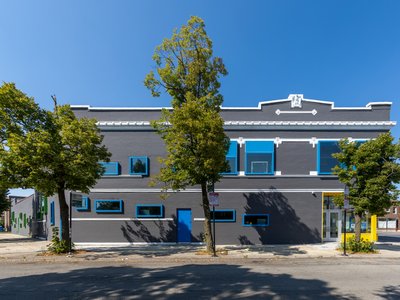
Gads Hill Early Learning Center by JGMA: Adaptive Reuse Shaping Community-Focused Educational Architecture
Adaptive reuse transforms fragmented structure into vibrant early learning center with playful façade, natural light, and community-focused sustainable design.


The Ken Roberts Memorial Delineation Competition (Krob)
As the most senior architectural drawing competition currently in operation anywhere in the world, it draws hundreds of entries each year, awarding the very best submissions in a series of medium-based categories.
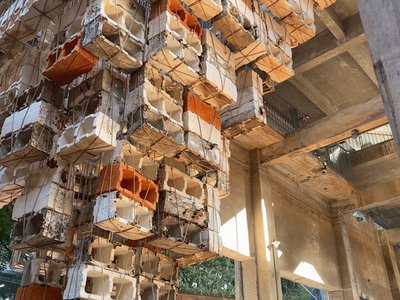
Inverted Architecture Installation by Studio Link-Arc: Exploring the Intersection of Architecture and Living Organisms
Inverted Architecture Installation by Studio Link-Arc blends mycelium, sustainability, inverted design, ecological cycles, and urban adaptive architecture in Shenzhen.
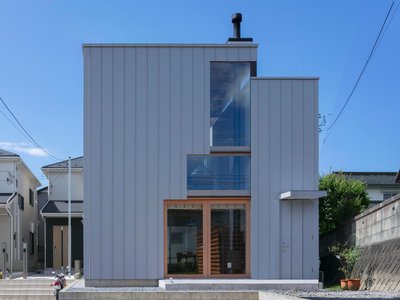
Split House: A Compact Urban Home Blending Privacy, Light, and Flexible Living in Japan
Compact Japanese home featuring DOMA space, flexible café potential, passive lighting, privacy zoning, and sustainable urban living design.


Similar Reads
You might also enjoy these articles
The Ken Roberts Memorial Delineation Competition (Krob)
As the most senior architectural drawing competition currently in operation anywhere in the world, it draws hundreds of entries each year, awarding the very best submissions in a series of medium-based categories.


Waterfront Redevelopment and Urban Revitalization in Mumbai: Forging a New Dawn for Darukhana
A transformative waterfront redevelopment project reimagining Darukhana’s shipbreaking heritage into an inclusive urban future.

OUT-OF-MAP: A Call for Postcards on Feminist Narratives of Public Space
Rhizoma Design and Research Lab invites artists, designers, architects, researchers, and students to reflect on how feminist perspectives can reshape public space. Selected works will be exhibited in Barcelona, October 2026. Submissions open until 15 April 2026.


Documentation Work on Buddhist Wooden Temple
Architectural syncretism and cultural hybridity: A comparative study of the Buddhist temples in Chattogram Hill tracks


Explore Architecture Competitions
Discover active competitions in this discipline




The International Standard for Design Portfolios


The Global Benchmark for Architecture Dissertation Awards


The Global Benchmark for Graduation Excellence


Challenge to reimagine the Iron Throne
Comments (0)
Please login or sign up to add comments
No comments yet. Be the first to comment!