
Innovative Public Spaces Architecture: The InterOculus Project by PAU
This article explores the InterOculus project by PAU, an innovative public space design revitalizing downtown Columbus through architecture.

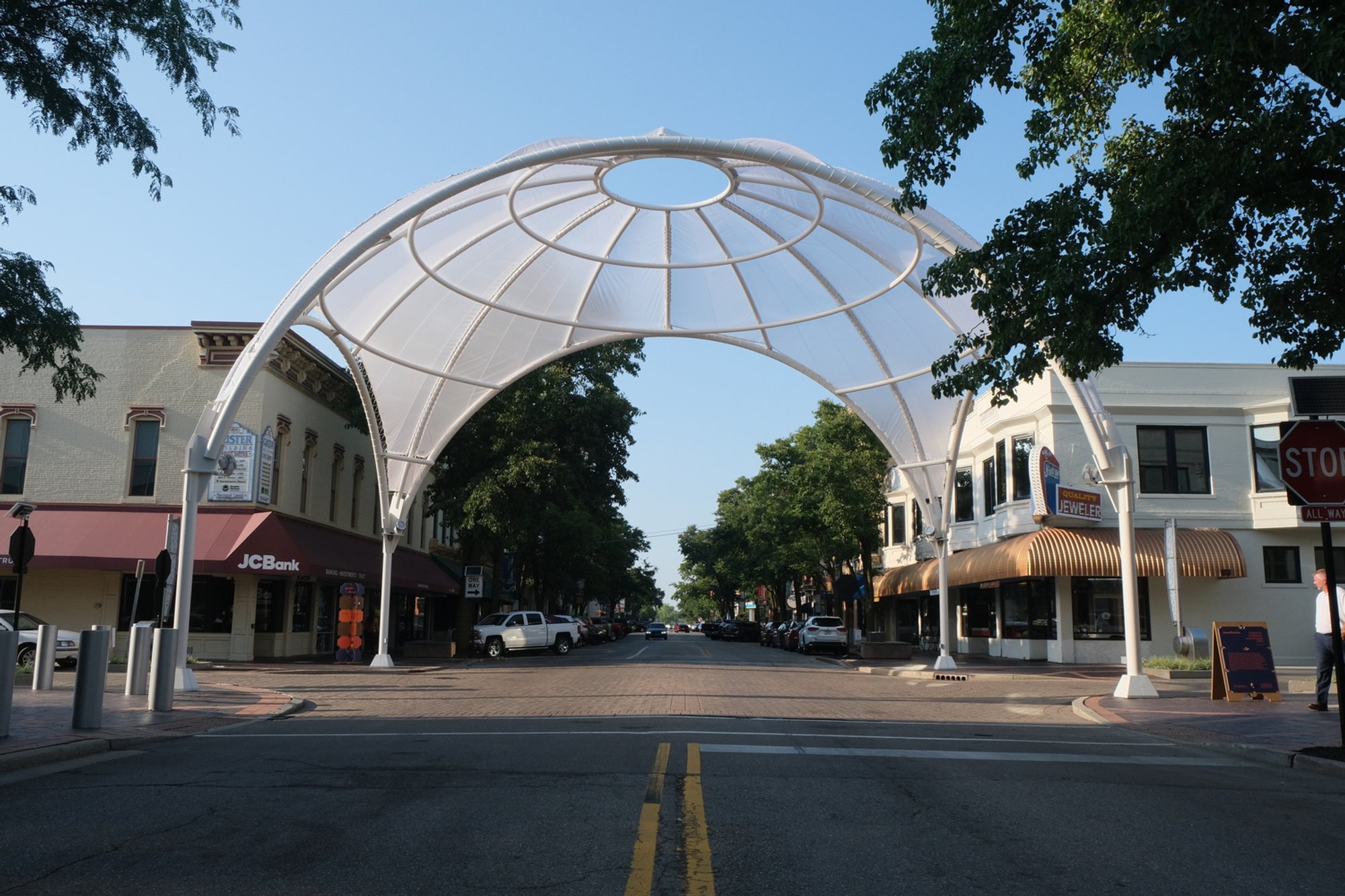
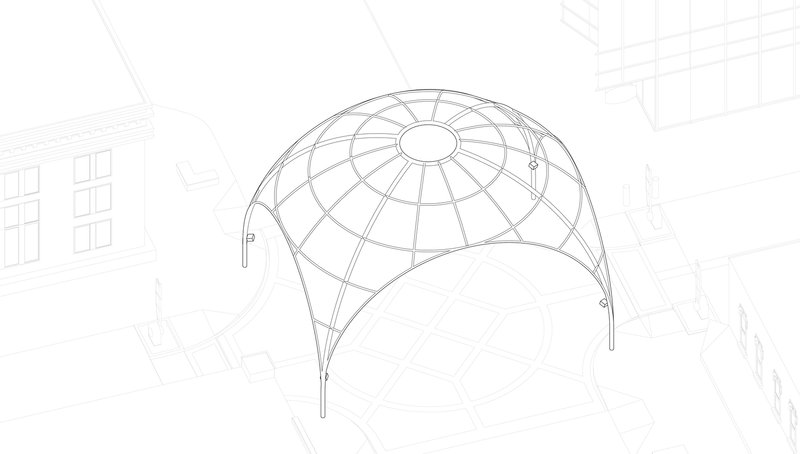
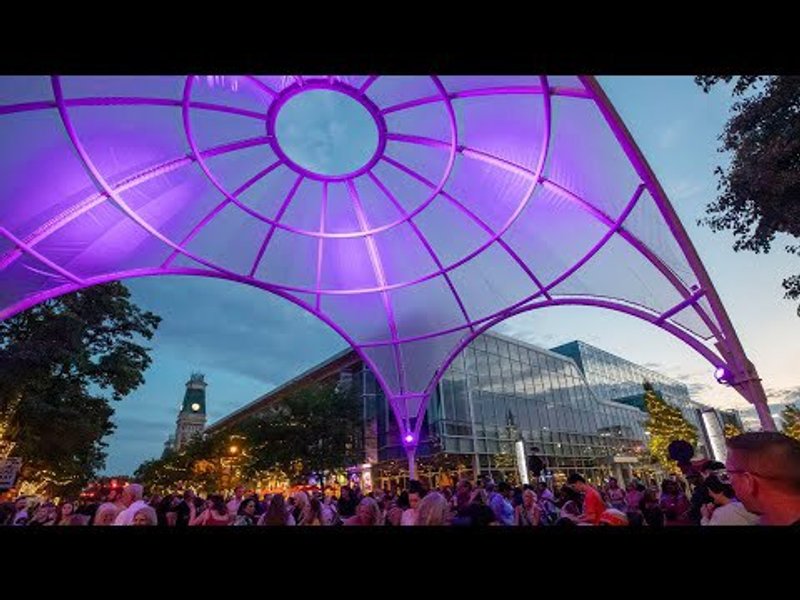
Public spaces serve as the heartbeats of urban areas, offering places for interaction, engagement, and cultural expression. With the evolving needs of urban dwellers, architects and urban planners are constantly challenged to innovate. The InterOculus project by Practice for Architecture and Urbanism (PAU) exemplifies how modern architecture can transform standard public spaces into vibrant, multifunctional community hubs.
The Vision Behind InterOculus
Background of the Project
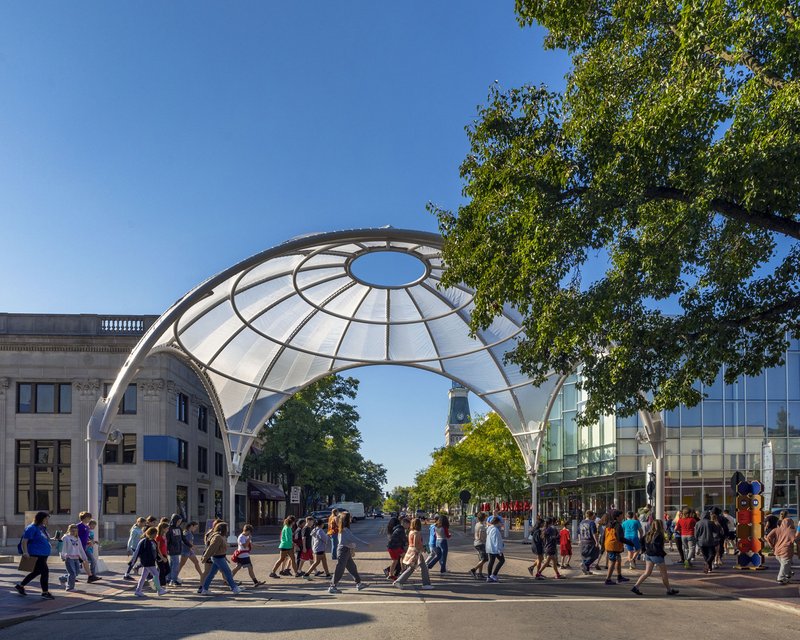
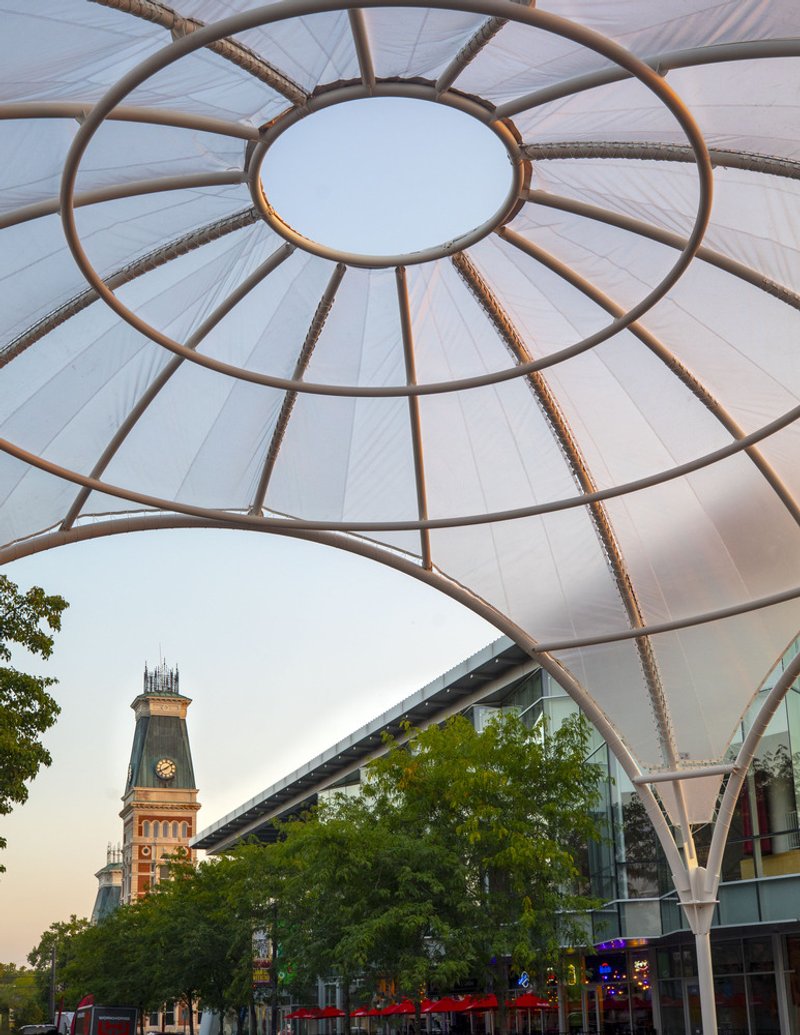
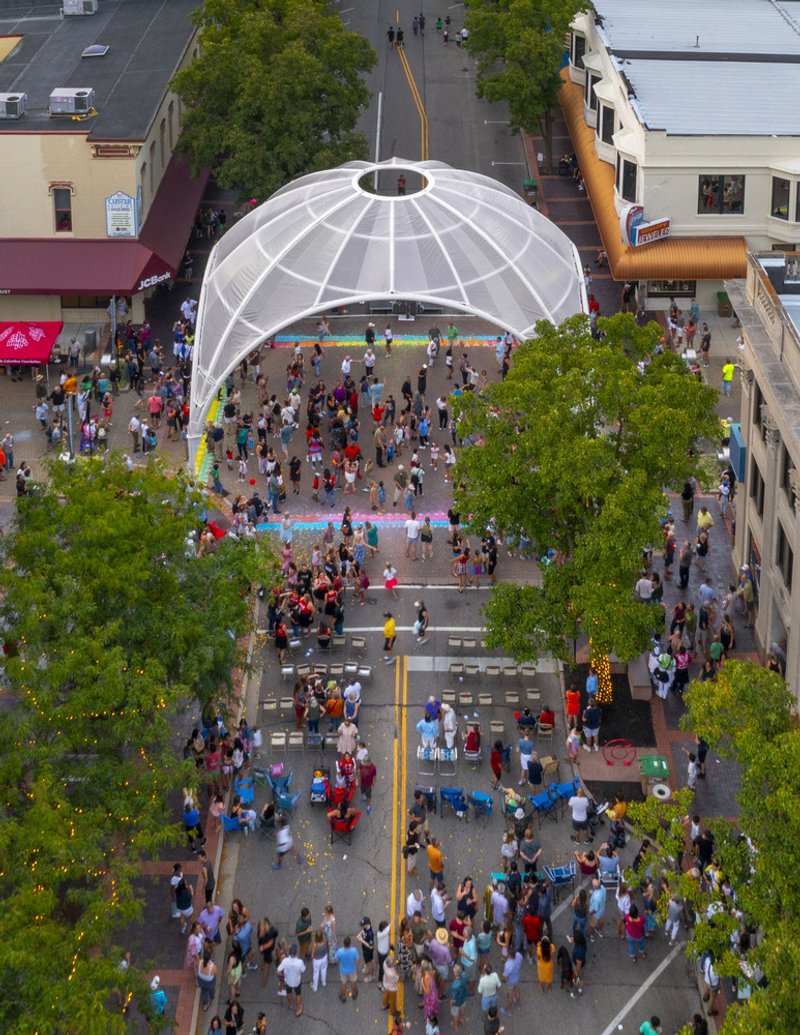
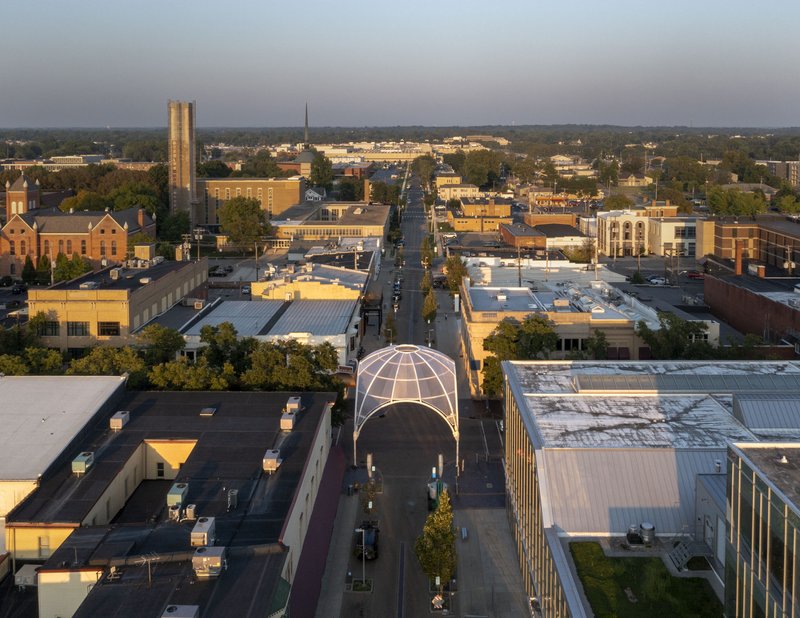
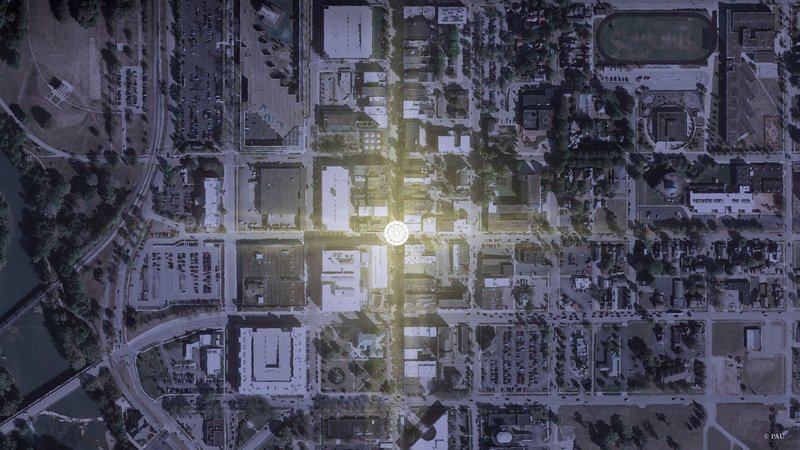
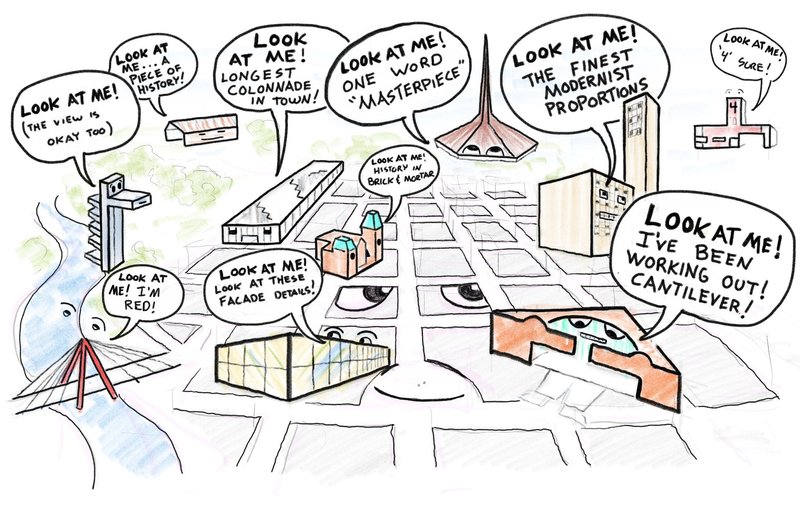
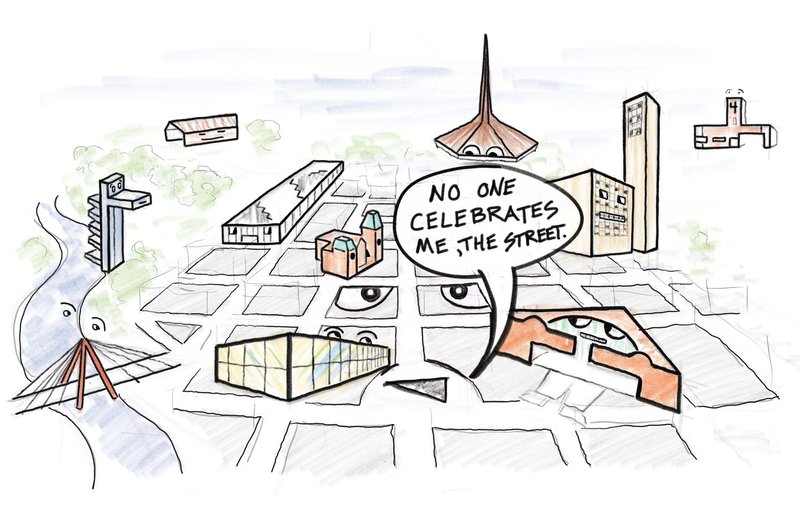
Selected as one of the Miller Prize recipients in 2023 under the theme "Public by Design," PAU was tasked to infuse life into the civic infrastructure of Columbus, Indiana. The project, situated at the bustling intersection of Washington and Fourth Streets, aimed to revitalize the downtown area and boost public interaction through architectural innovation.
Design Philosophy and Community Engagement
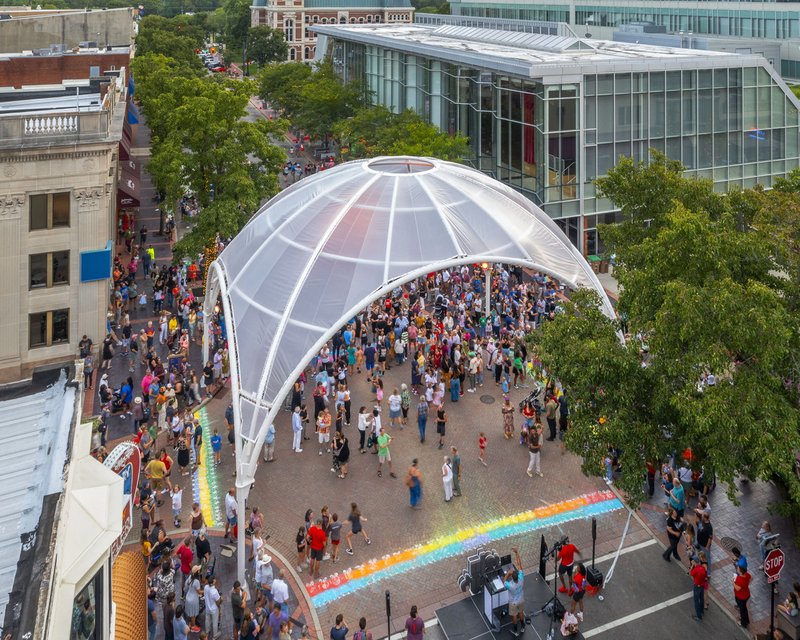
PAU's design philosophy integrates substantial community feedback, including insights from local residents, business owners, and students. This extensive engagement process ensures that the structures not only serve aesthetic purposes but also meet the practical needs of the community.
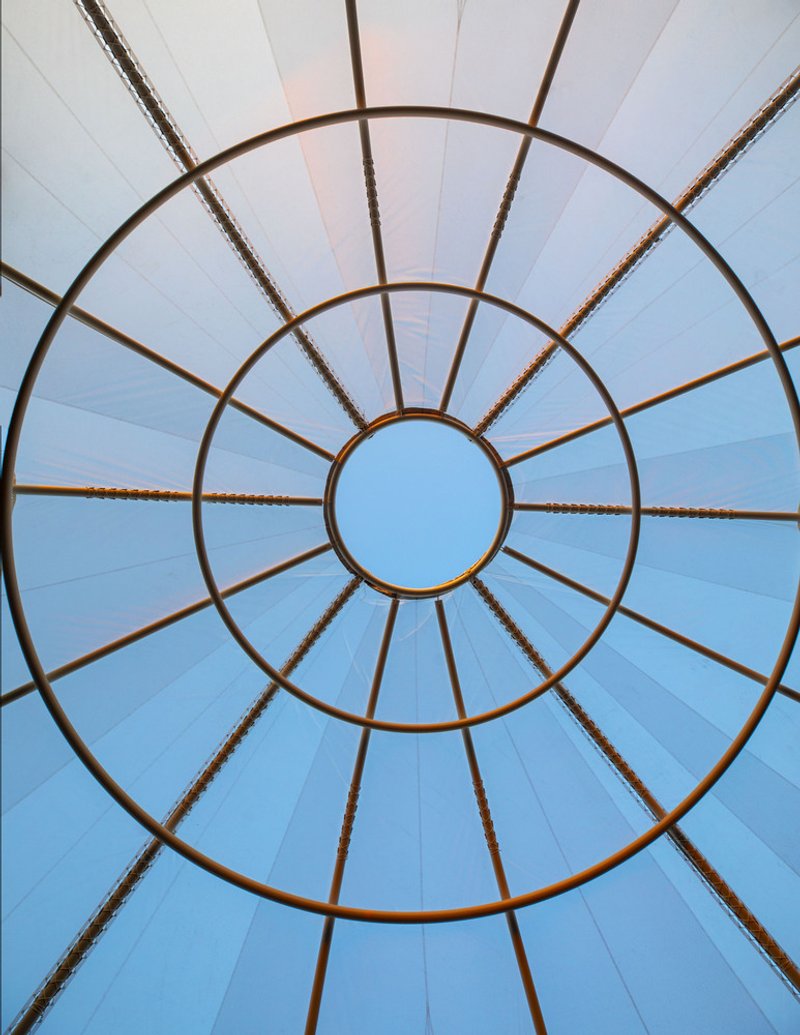
Architectural Features of InterOculus
Utilizing Existing Infrastructure
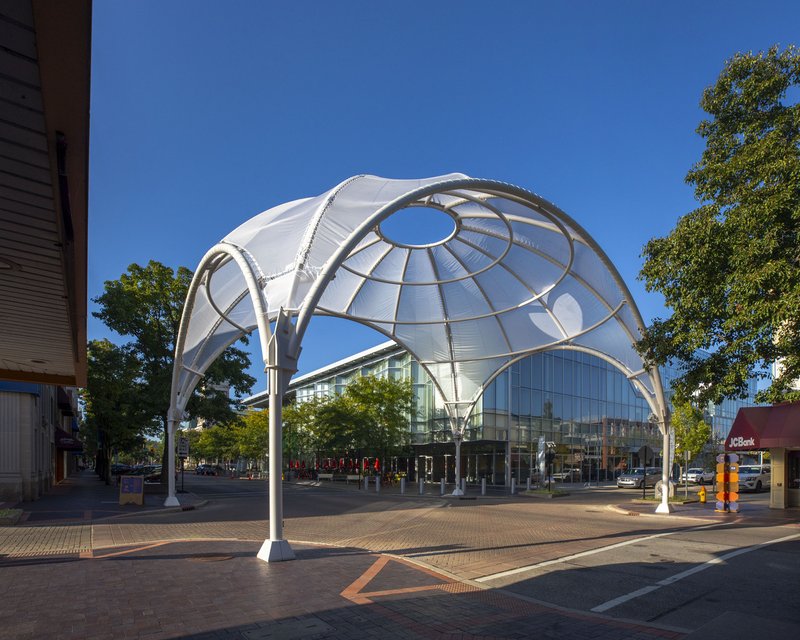
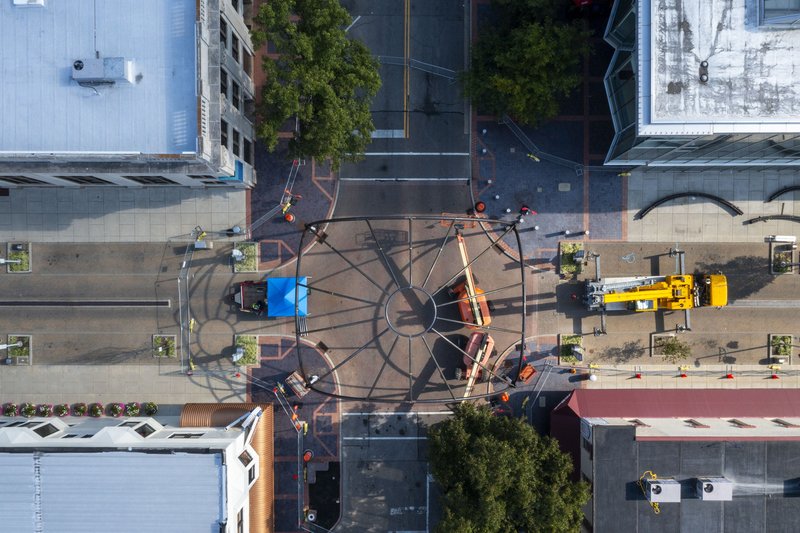
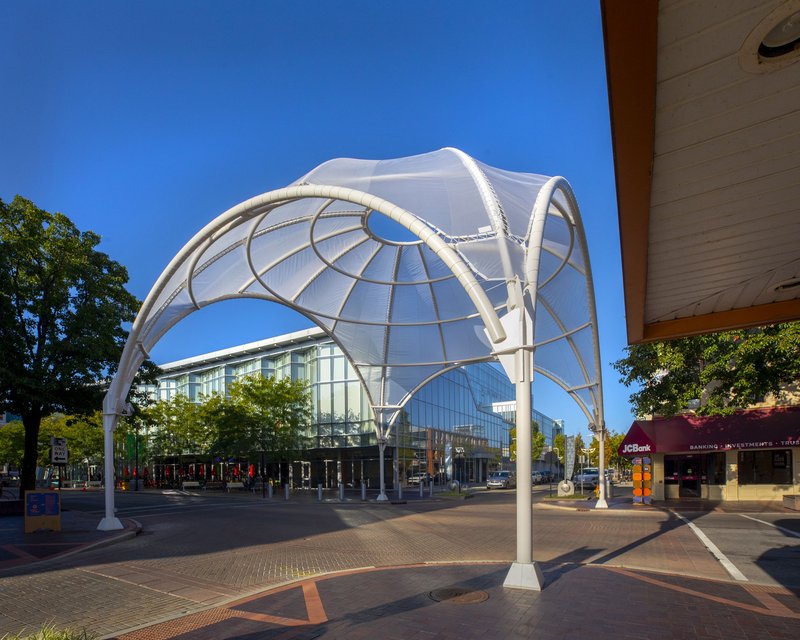
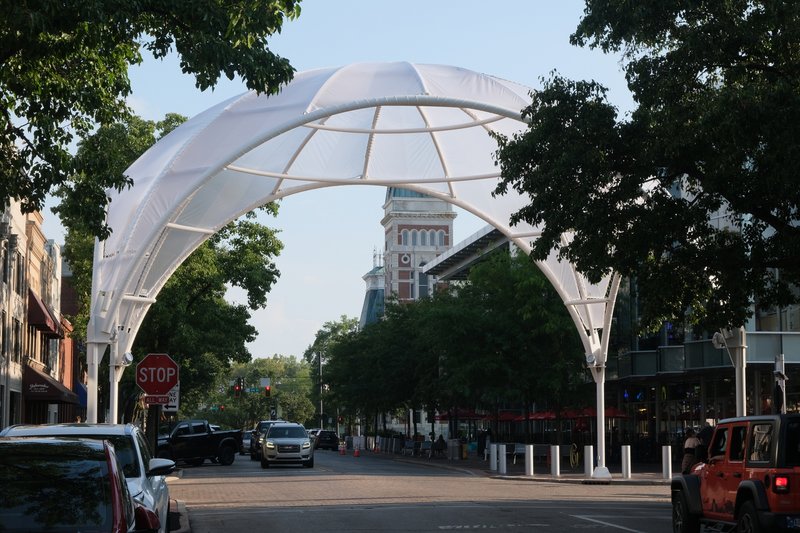
InterOculus creatively repurposes existing streetlight pole foundations, which minimizes construction costs and environmental impact. This approach exemplifies sustainable practices in modern urban design, emphasizing the reuse of infrastructure.
Design Inspiration and Cultural Significance
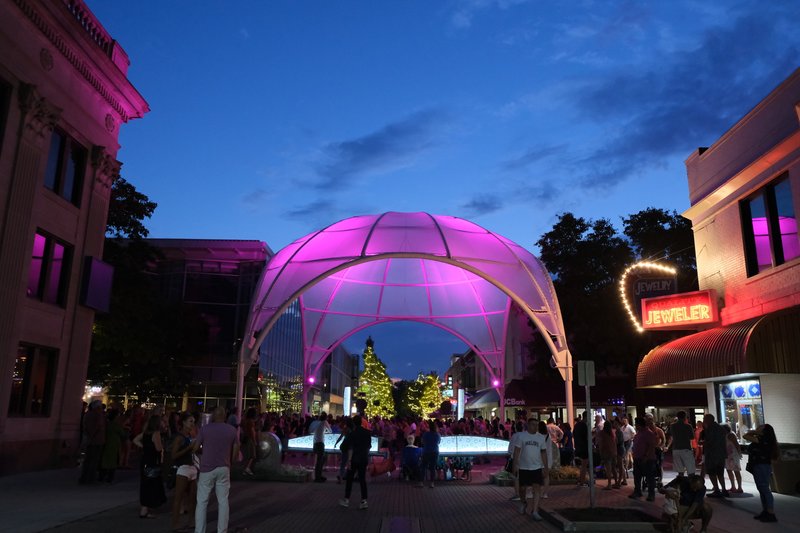
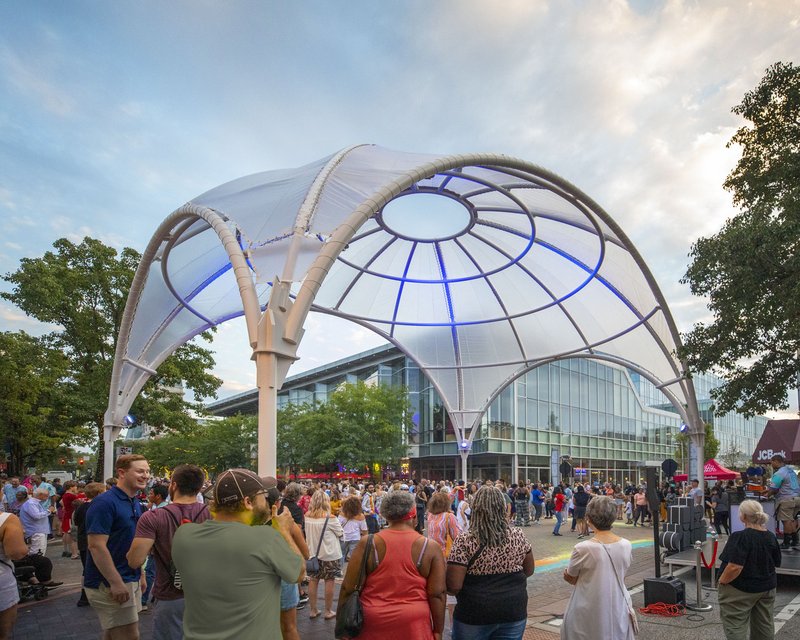
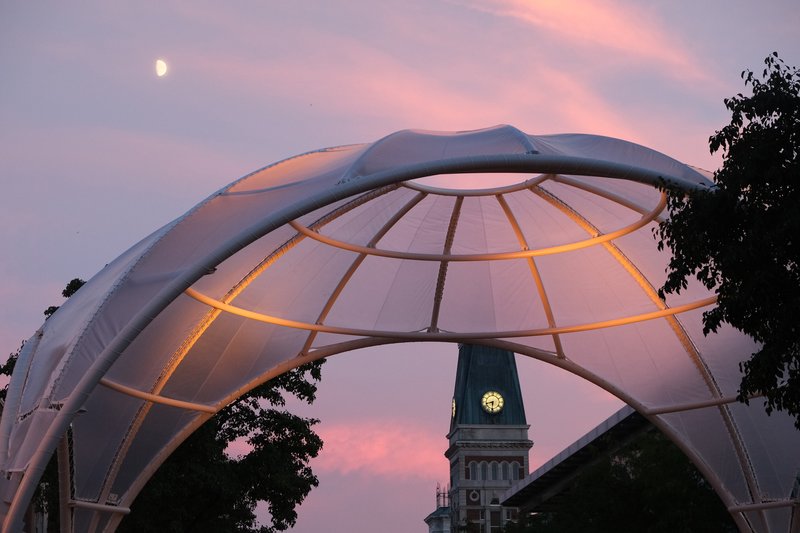
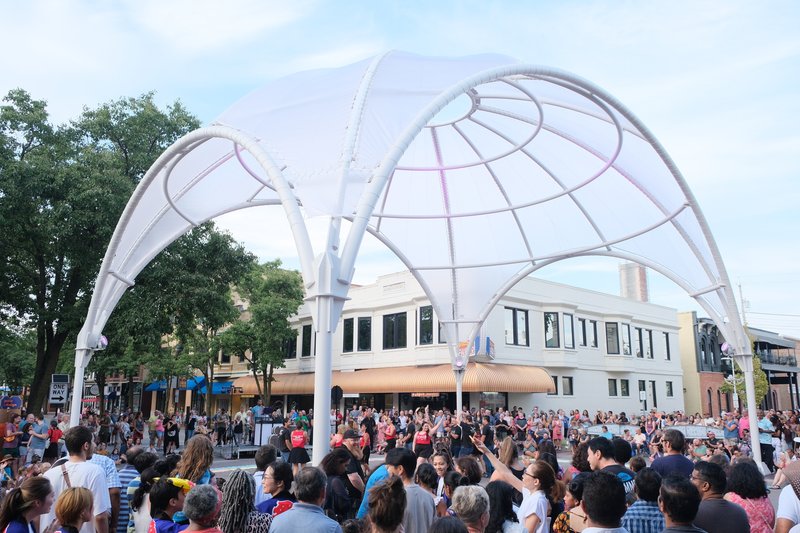
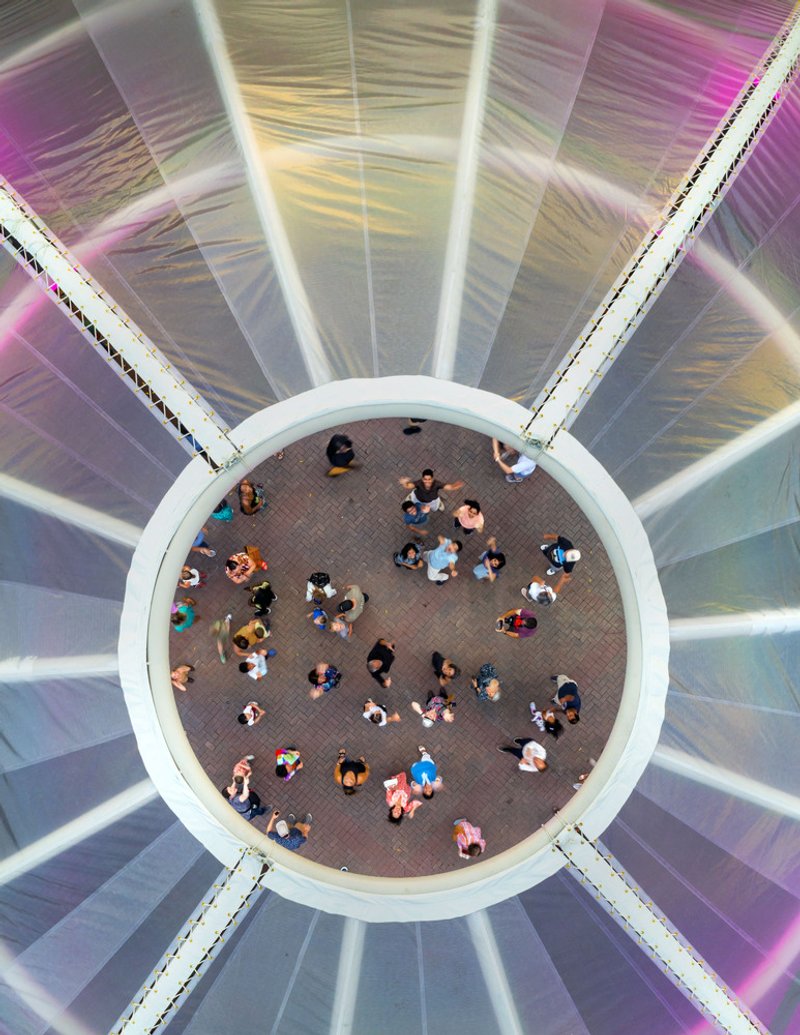
The canopy structure of InterOculus draws inspiration from diverse sources: the grandiosity of Rome’s Pantheon, the local culture reflected in the Indiana State Fair archway, and traditional elements from the Shawnee and Miami peoples. This blend of influences creates a space that is deeply rooted in both local heritage and universal design principles.
Impact of InterOculus on Columbus
Boosting Local Economy and Social Life
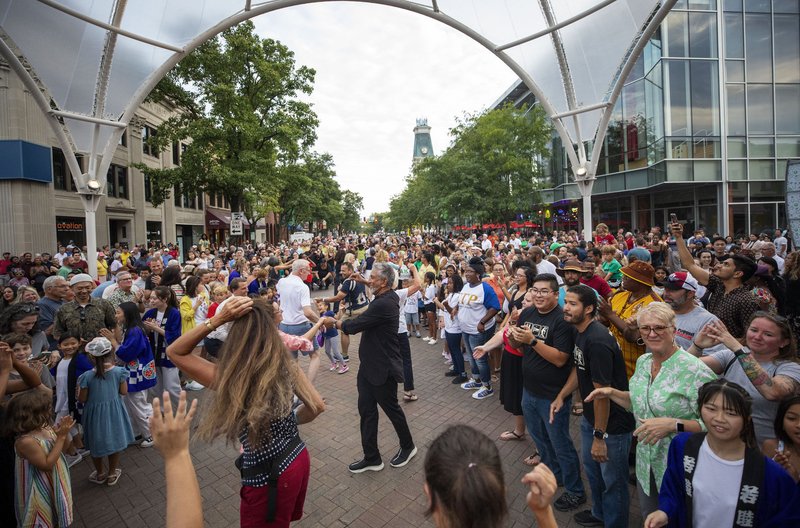
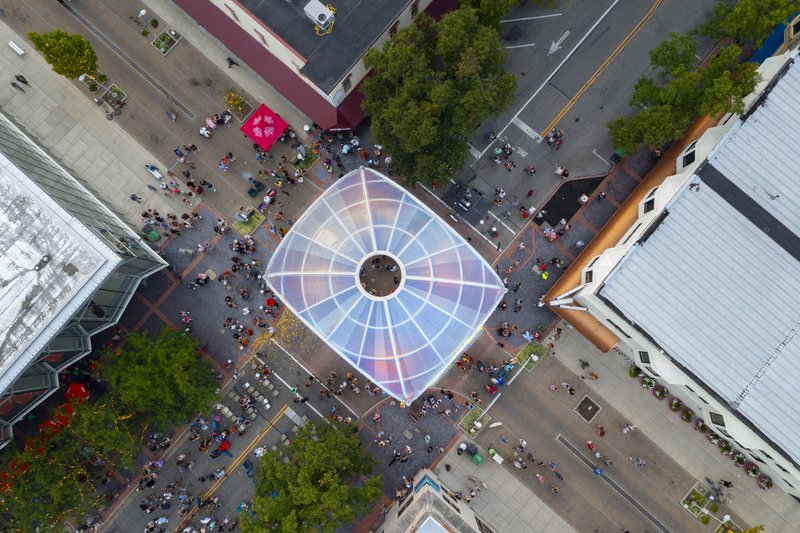
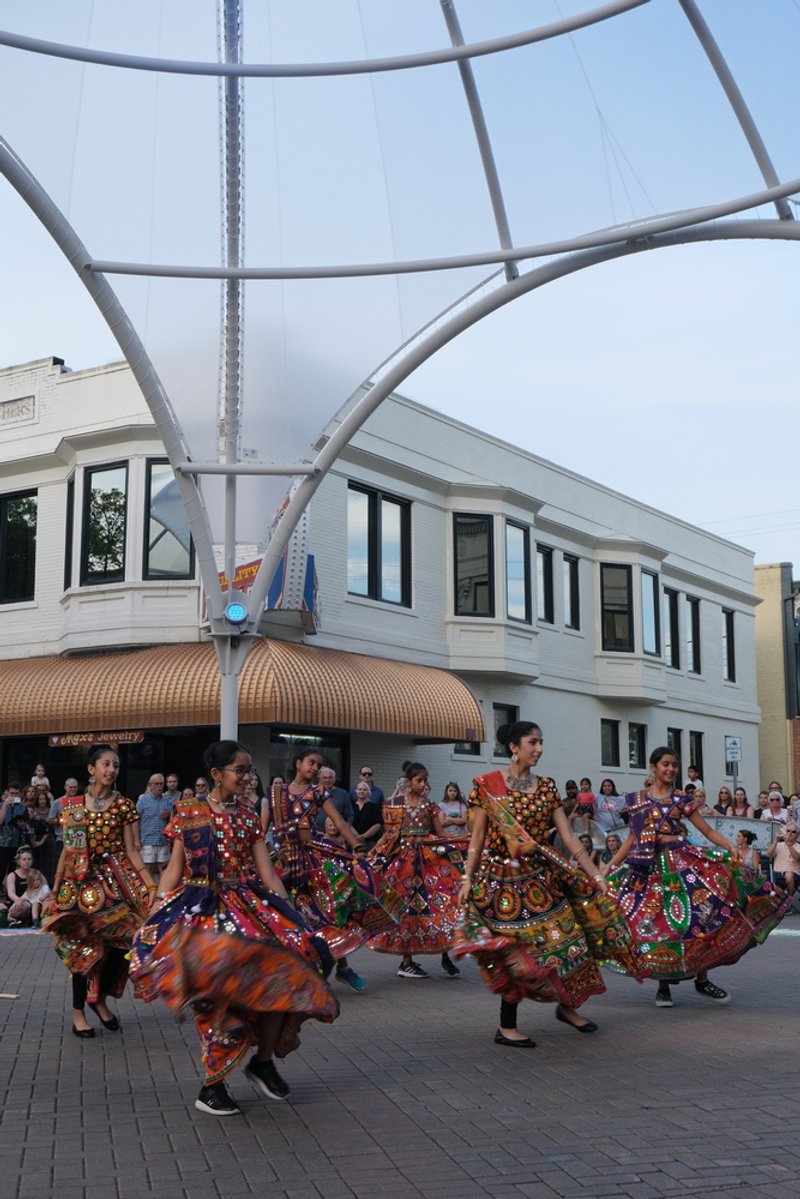
Since its inception, InterOculus has become a focal point in downtown Columbus, extending the activity beyond typical business hours and enhancing the local economy. The design invites people to linger, meet, and engage with the space and each other, fostering a sense of community and belonging.
Permanent Installation Request
Originally intended as a temporary installation, the overwhelming positive reception from the community has led to calls for making InterOculus a permanent fixture. This shift underscores the project's success in meeting its goals of enhancing civic engagement and enriching public life.
The Future of Public Space Design
The InterOculus project by PAU represents a forward-thinking approach to urban design, showcasing how architecture can transform public spaces into dynamic areas that support social interaction and community building. As cities continue to grow and evolve, the principles demonstrated by the InterOculus project will likely influence future developments in public space architecture across the globe.
All photographs are work of Hadley Fruits


Popular Articles
Popular articles from the community

Atelier Macri Concept Store Interior Design by CASE-REAL
Atelier Macri store features a "ko" counter, walnut wood details, cork displays, blending retail, gallery, and seamless customer experiences.


The Ken Roberts Memorial Delineation Competition (Krob)
As the most senior architectural drawing competition currently in operation anywhere in the world, it draws hundreds of entries each year, awarding the very best submissions in a series of medium-based categories.
Louis Malle Cinema: A Limestone Cultural Landmark Revitalizing Community Life in Prayssac
Limestone cinema extension with public forecourt, blending heritage and modern design to create flexible cultural spaces and strengthen community interaction.
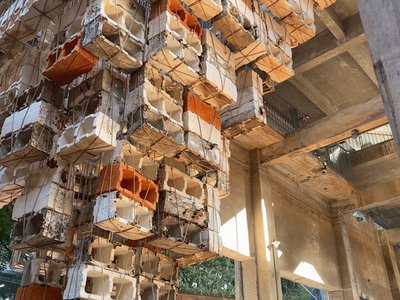
Inverted Architecture Installation by Studio Link-Arc: Exploring the Intersection of Architecture and Living Organisms
Inverted Architecture Installation by Studio Link-Arc blends mycelium, sustainability, inverted design, ecological cycles, and urban adaptive architecture in Shenzhen.

Similar Reads
You might also enjoy these articles
The Ken Roberts Memorial Delineation Competition (Krob)
As the most senior architectural drawing competition currently in operation anywhere in the world, it draws hundreds of entries each year, awarding the very best submissions in a series of medium-based categories.


Waterfront Redevelopment and Urban Revitalization in Mumbai: Forging a New Dawn for Darukhana
A transformative waterfront redevelopment project reimagining Darukhana’s shipbreaking heritage into an inclusive urban future.

OUT-OF-MAP: A Call for Postcards on Feminist Narratives of Public Space
Rhizoma Design and Research Lab invites artists, designers, architects, researchers, and students to reflect on how feminist perspectives can reshape public space. Selected works will be exhibited in Barcelona, October 2026. Submissions open until 15 April 2026.


Documentation Work on Buddhist Wooden Temple
Architectural syncretism and cultural hybridity: A comparative study of the Buddhist temples in Chattogram Hill tracks

Explore Architecture Competitions
Discover active competitions in this discipline




The International Standard for Design Portfolios


The Global Benchmark for Architecture Dissertation Awards


The Global Benchmark for Graduation Excellence

Challenge to design locus for the upliftment of human rights
Comments (0)
Please login or sign up to add comments
No comments yet. Be the first to comment!