

Interconnected: Automation and Architecture for Future Communities
A vision of automated, interconnected architecture where live, work, and play converge into dynamic community hubs of the future.

The project Interconnected by Jesse Martyn and James Simpson explores how automation, war, and social transformation shape the future of urban design. Positioned within the context of post-war recovery and the rise of machine automation, the proposal envisions a new architectural typology: centralized hubs where living, working, and recreation are seamlessly integrated. This vision contributes to the ongoing discourse of futuristic architecture, addressing the challenges of automation, labor transitions, and urban connectivity.
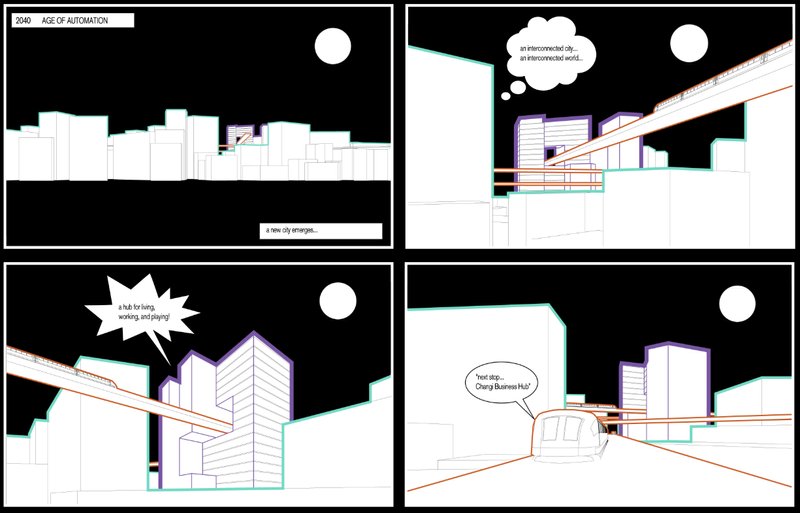

Evolution of the City: From Humans to Automation
The timeline begins in 2018 (Age of Humans) where automation technologies were still experimental. By 2028 (Second Machine Age), machines advanced enough to replace manual labor, driving precision and productivity in construction. However, this rise of automation also led to social unrest, culminating in the 2030 Anti-Intellectual War. This conflict fractured society, leaving millions displaced.
By 2035 (Post Anti-Intellectual War), the government initiated rebuilding efforts with advanced technologies, promising displaced workers jobs and housing. Finally, in 2040 (Age of Automation), rapid construction reshaped cities into vertical, interconnected hubs. These hubs became spaces where automation, production, commerce, and human life intertwined at unprecedented levels.
Centralized Community Hubs
The heart of Interconnected lies in its proposal for multi-functional community hubs. These hubs combine:
- Automation zones for production and machine-driven labor.
- Public and private spaces layered vertically for housing and recreation.
- Transport systems such as hyper-loops and elevated rail to connect hubs globally.
- Service economies where human jobs focus on relationships, creativity, and care sectors.
The design fosters efficiency and sustainability while addressing the societal divide caused by automation. Instead of isolating functions, it merges them, creating vibrant, round-the-clock spaces.


The Role of Architecture in Automation Utopia
The architectural language of Interconnected emphasizes adaptability. Buildings are no longer static; they are dynamic frameworks accommodating:
- Machine automation for labor-intensive tasks.
- Augmented intelligence with humans integrated into digital networks.
- Human service economies relying on social interaction.
- Live-work typologies eliminating commuting and emphasizing multifunctional homes.
This layered, interconnected urbanism reflects an architectural response to automation-driven societies, positioning design as a mediator between technology and humanity.
Living, Working, and Playing Together
Renderings of Interconnected highlight a futuristic city where:
- Skyscrapers double as housing, workspaces, and entertainment hubs.
- Elevated transport corridors connect nodes of activity seamlessly.
- Interior spaces shift from living rooms to workspaces to play zones within a single ecosystem.
The result is a 24-hour architecture where productivity, leisure, and community coexist without boundaries, reshaping the human experience of the city.
Interconnected presents a provocative vision for the future of futuristic architecture in the age of automation. By merging living, working, and recreation into centralized hubs, the project imagines a world where communities thrive on adaptability, interconnectivity, and machine-human collaboration. As automation continues to redefine urban life, architecture’s role will be to humanize technology while designing resilient, multifunctional spaces for the generations ahead.




Popular Articles
Popular articles from the community

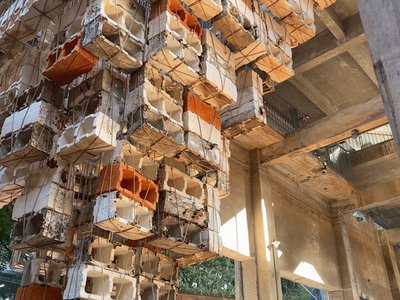
Inverted Architecture Installation by Studio Link-Arc: Exploring the Intersection of Architecture and Living Organisms
Inverted Architecture Installation by Studio Link-Arc blends mycelium, sustainability, inverted design, ecological cycles, and urban adaptive architecture in Shenzhen.

Free Architecture Competitions You Can Enter Right Now
No entry fees, real prizes. Here are the best free architecture competitions open for submissions in 2026.
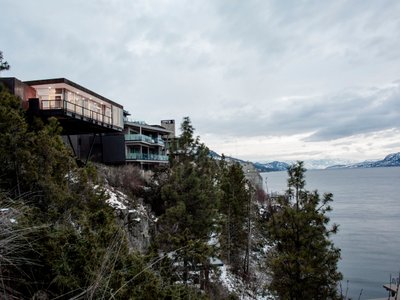
Alton Cliff House: A Harmonious Retreat by f2a Architecture in Lake Country, Canada
Alton Cliff House blends corten steel, prefabrication, and sustainable design, creating a luxurious, energy-efficient retreat perched on Canadian cliffs.
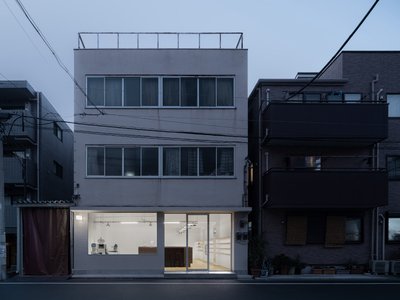
Atelier Macri Concept Store Interior Design by CASE-REAL
Atelier Macri store features a "ko" counter, walnut wood details, cork displays, blending retail, gallery, and seamless customer experiences.

Similar Reads
You might also enjoy these articles
Digital Façade Design for our cities’ urban fronts
Prima Facie - Result Story
Protecting avian biodiversity: Bird observatories to help spread awareness & save rare bird species.
Results for ‘Fly’ - Landscape design competition out now
Connecting with nature: Forest interpretation center in Australia's Wollemi National Park
‘Asatti’ - Landscape design competition - Result story


Explore Architecture Competitions
Discover active competitions in this discipline




The International Standard for Design Portfolios


The Global Benchmark for Architecture Dissertation Awards


The Global Benchmark for Graduation Excellence


Challenge to reimagine the Iron Throne
Comments (0)
Please login or sign up to add comments
No comments yet. Be the first to comment!