
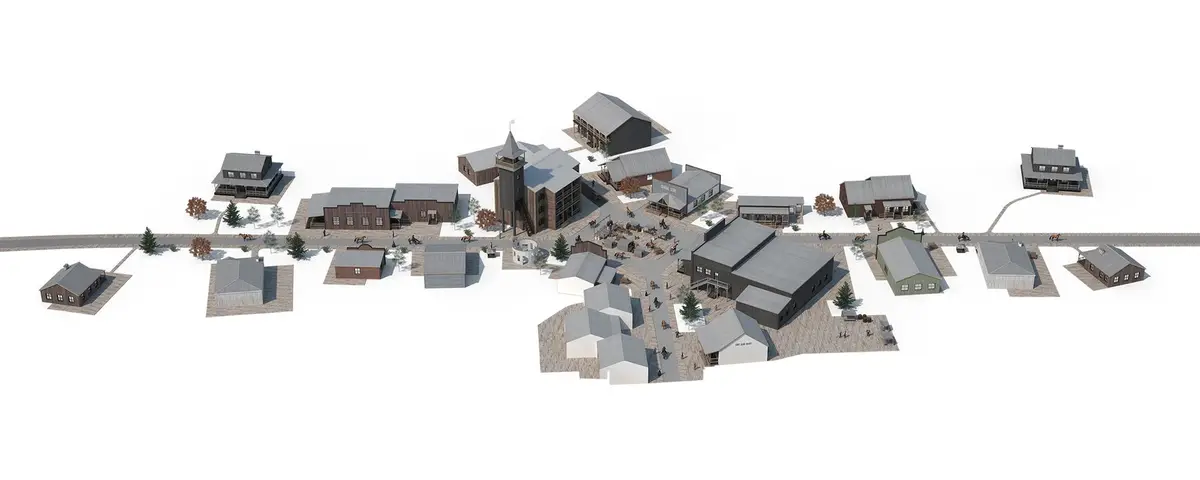
KONEY ISLAND: Redefining Architectural Zoning with the Island Method
Reimagining Architecture: Sustainable Designs for Equestrian Tourism and Community Growth


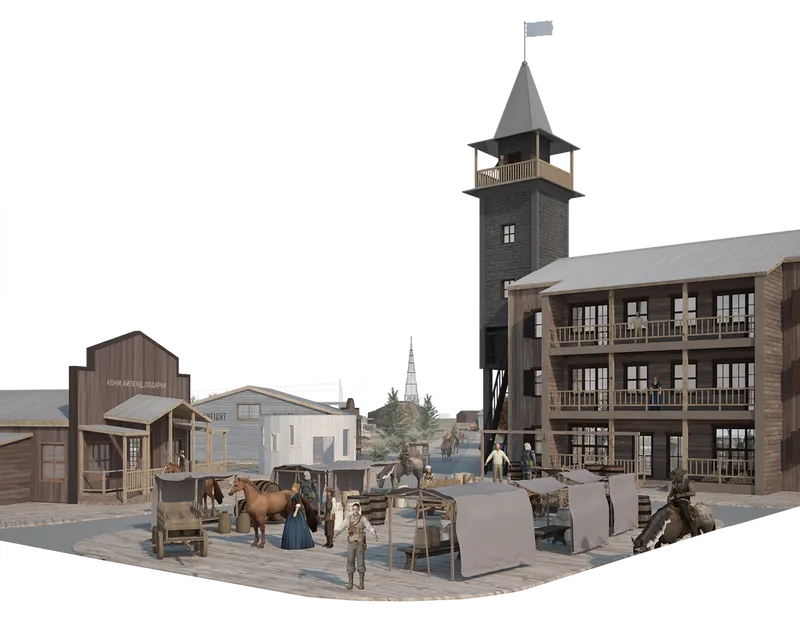
The Koney Island project stands as an innovative diploma endeavor, focusing on an equestrian and tourist complex with sustainable architectural principles. Designed by Ekaterina Sharygina, the project earned a spot as a shortlisted entry in the UnIATA '19 competition.
The "Island" Principle of Architectural Zoning
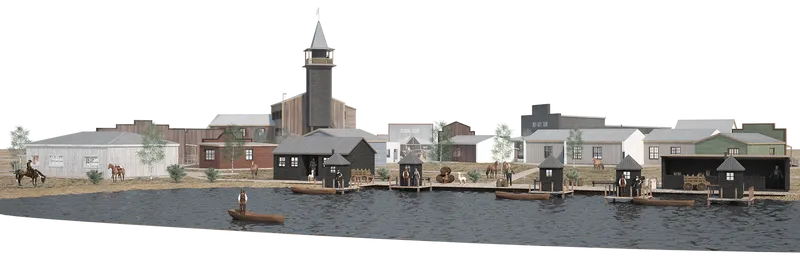
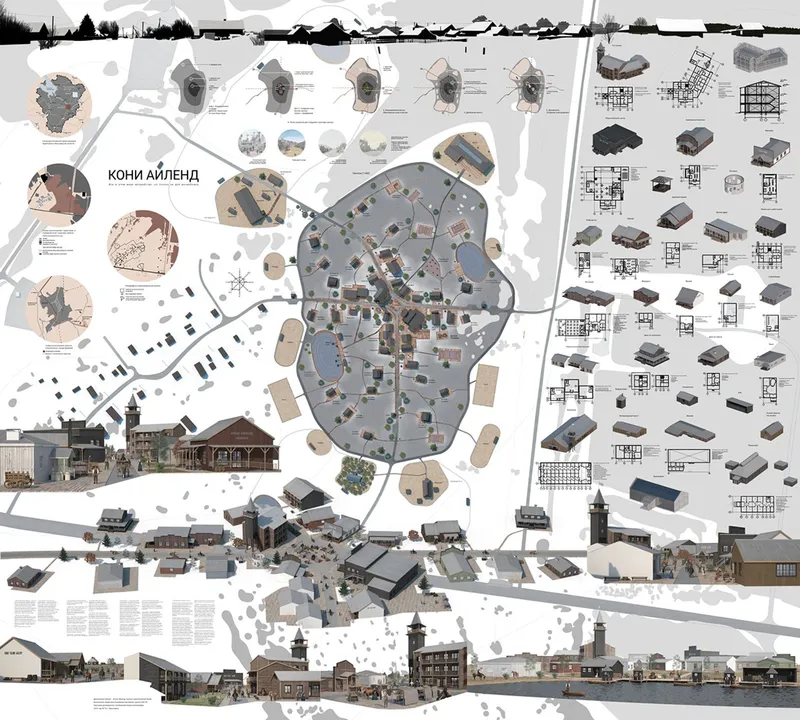
The project is centered on the "Island" zoning methodology, a pioneering approach that effectively divides large plots of land into three distinct functional zones:
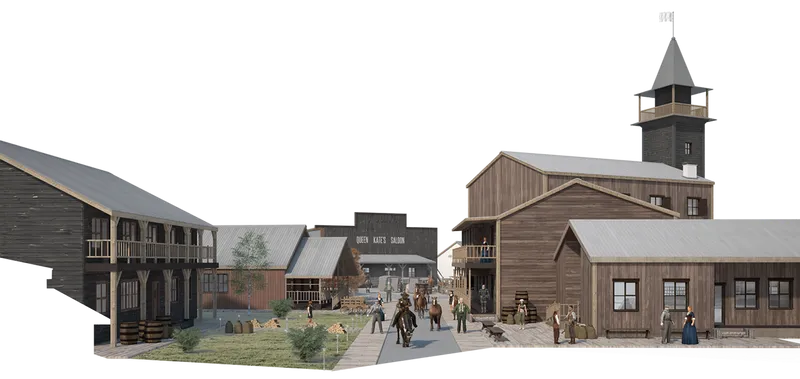
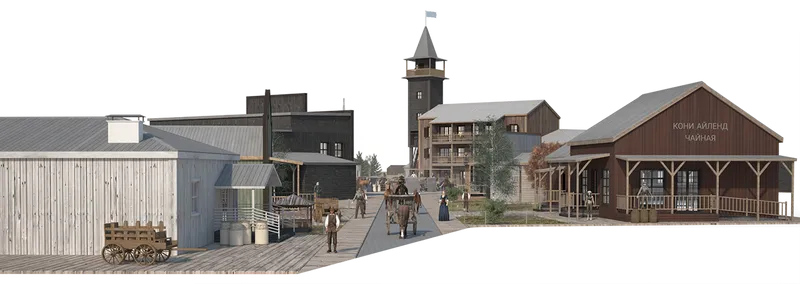
- The Center:The vibrant hub of the settlement, featuring public amenities such as hotels, restaurants, museums, and craft workshops. It serves as the cultural and social heart, fostering interactions among visitors and residents.
- The Buffer Zone:A transitional area that includes bathhouses, family houses, and children’s play areas. This zone ensures a seamless connection between the bustling center and the quieter periphery.
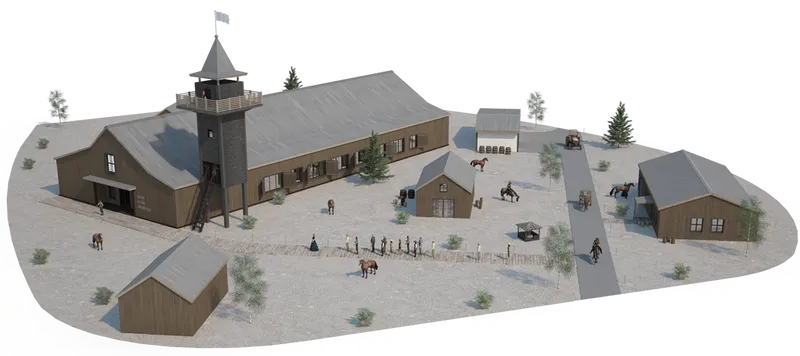
- The Periphery:A serene space dedicated to equestrian facilities, including horse stables, riding halls, and veterinary stations. This area blends functionality with tranquility, offering a retreat-like experience.
Design Features and Sustainable Innovation
The layout of Koney Island showcases a harmonious balance of tradition and modernity:
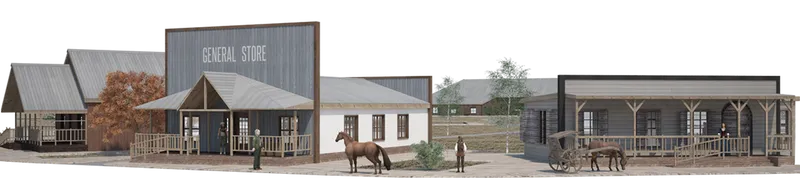
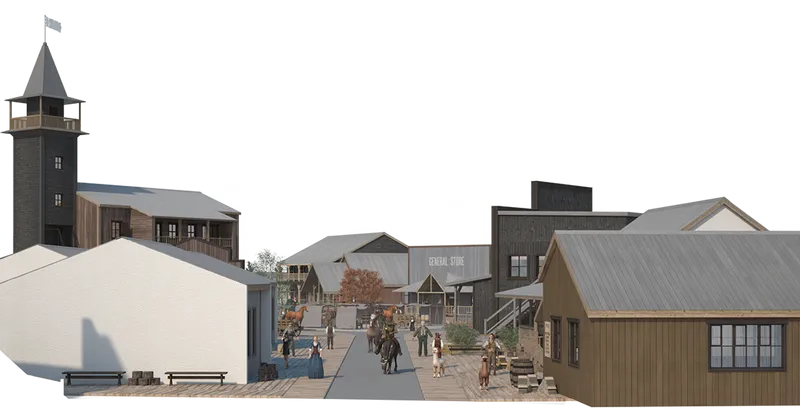
- Architectural Elements: Inspired by historical references like Wild West towns and traditional Russian villages, the structures embody rustic charm while meeting contemporary needs.
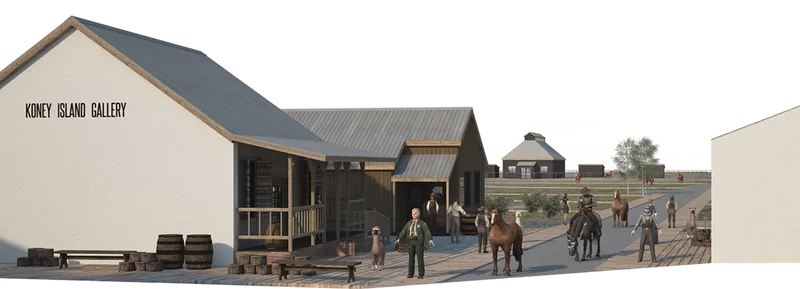
- Functional Diversity: From public centers and craft workshops to riding arenas and greenhouses, the project addresses diverse user requirements.
- Sustainability: The design incorporates eco-friendly materials and principles, aligning with global trends in sustainable architecture.
Key Structures in Koney Island
- Public Center: Queen Kate’s Saloon, a landmark fostering community engagement.
- Equestrian Facilities: Comprehensive spaces for horse training and care, promoting equestrian tourism.
- Residential Spaces: Thoughtfully designed homes ensuring comfort and connectivity.


Popular Articles
Popular articles from the community


Hill & Cross Opera: Sculptural Opera House Architecture Shaped by Tallinn’s Landscape and Identity
Hill & Cross Opera reimagines opera house architecture in Tallinn through its sculptural hill, civic plaza, glass wave and a luminous cross.

The Ocean Hive: Sustainable Architecture for a Self-Sufficient Civilization at Sea
The Ocean Hive imagines sustainable architecture at sea, where modular habitats, algae, wave power and ocean waste sustain a growing colony.

The Musturak Paradise: Senior Living Architecture for a Connected Future in Temara, Morocco
The Musturak Paradise reimagines senior living architecture in Temara via private homes, social spaces, culture, community, and shared care.

ALGAL REALM: A Bio-Integrated Lunar Habitat Design for Life Beyond Earth
ALGAL REALM reimagines lunar habitat design with algae-powered life support, 3D-printed regolith, and vertical living for a lunar future.

Similar Reads
You might also enjoy these articles

Eco Chapel: A Green Architecture Pavilion Designed in Symbiosis with the Forest
Eco Chapel uses green architecture to weave prayer, learning and reuse into a forest pavilion shaped by modular hexagonal canopies for life.
Kaffeebühnen: Coffee Shop Architecture Designed as a Civic Stage Between Vienna’s City and Park
Kaffeebühnen turns coffee shop architecture into a civic stage, linking Vienna’s park edge, urban life, warm timber yards, and coffee craft.
Healing Façade: Sustainable Architecture for Reforestation, Community, and Sacred Ecology in Ethiopia
Healing Façade reimagines sustainable architecture as a living wall that restores soil, catches water and renews Ethiopia's forest churches.


Urban Forest: A Vertical Ecosystem for 5,000 Workers in Singapore's Changi Business Park
Radially stacked pods and layered green decks turn a 7-acre plot into 47 acres of ecological workspace projected for 2040.

Explore Conservation Architecture Competitions
Discover active competitions in this discipline

Challenge to visualize a collision of the future and past

Challenge to visualize future spaces of waste

Challenge to visualize slums of 2080

Challenge to illustrate the change you wish in architecture
Comments (0)
Please login or sign up to add comments
No comments yet. Be the first to comment!