
Kysuce Museum Exhibition in Čadca by Kilo and Honc: A Minimalist Spatial Narrative of History and Discovery
Minimalist museum exhibition in Čadca uses fluid layout, natural light, and subtle materials to enhance historical storytelling and visitor exploration.


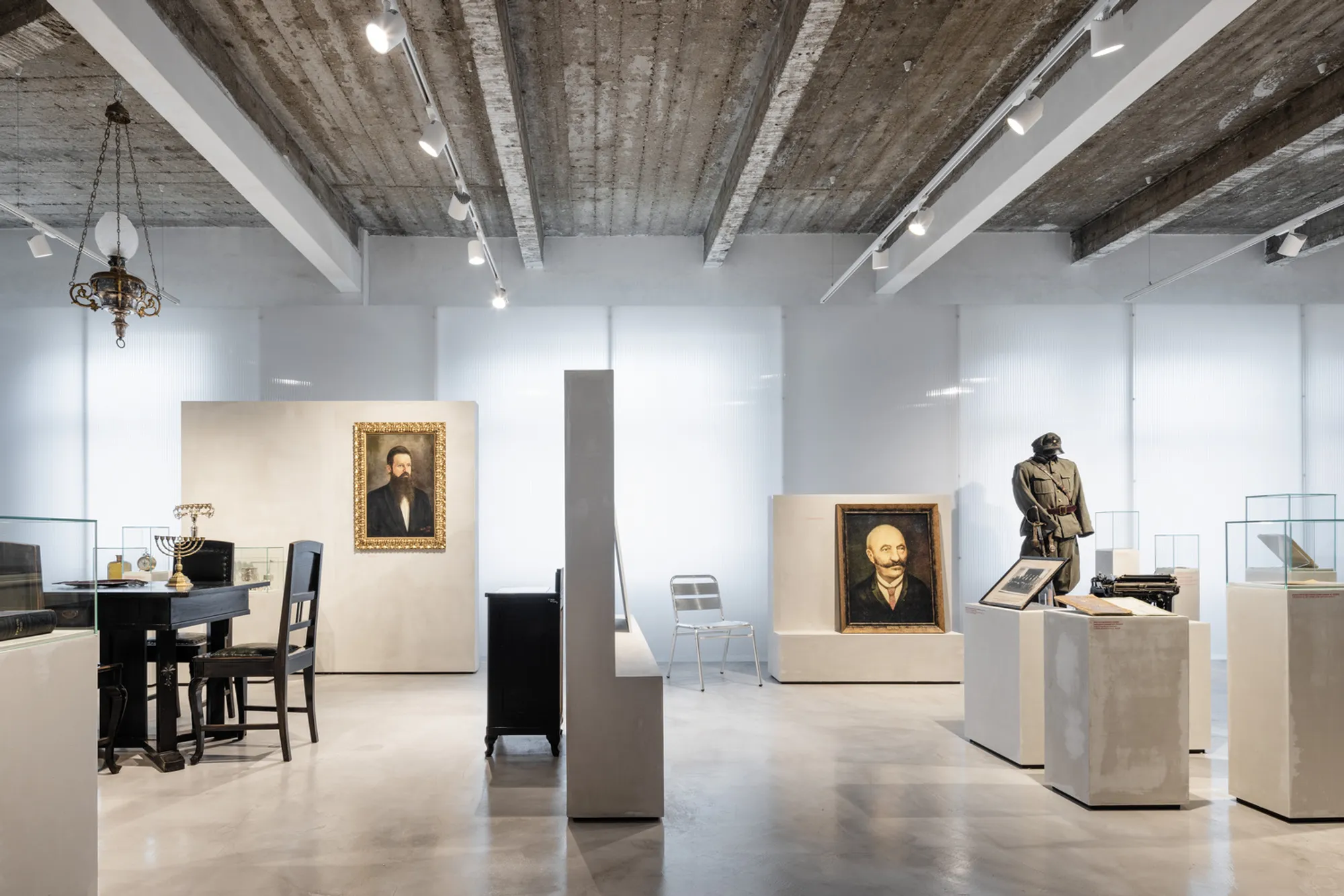
The Kysuce Museum Exhibition in Čadca, Slovakia, designed by Kilo / Honc, redefines how historical storytelling unfolds through space. Completed in 2022 and spanning 115 square meters, this permanent exhibition titled “History of Čadca and Surroundings” transforms a traditional museum environment into an immersive, fluid, and exploratory architectural experience.

Spatial Concept: A Fluid Entrance into History
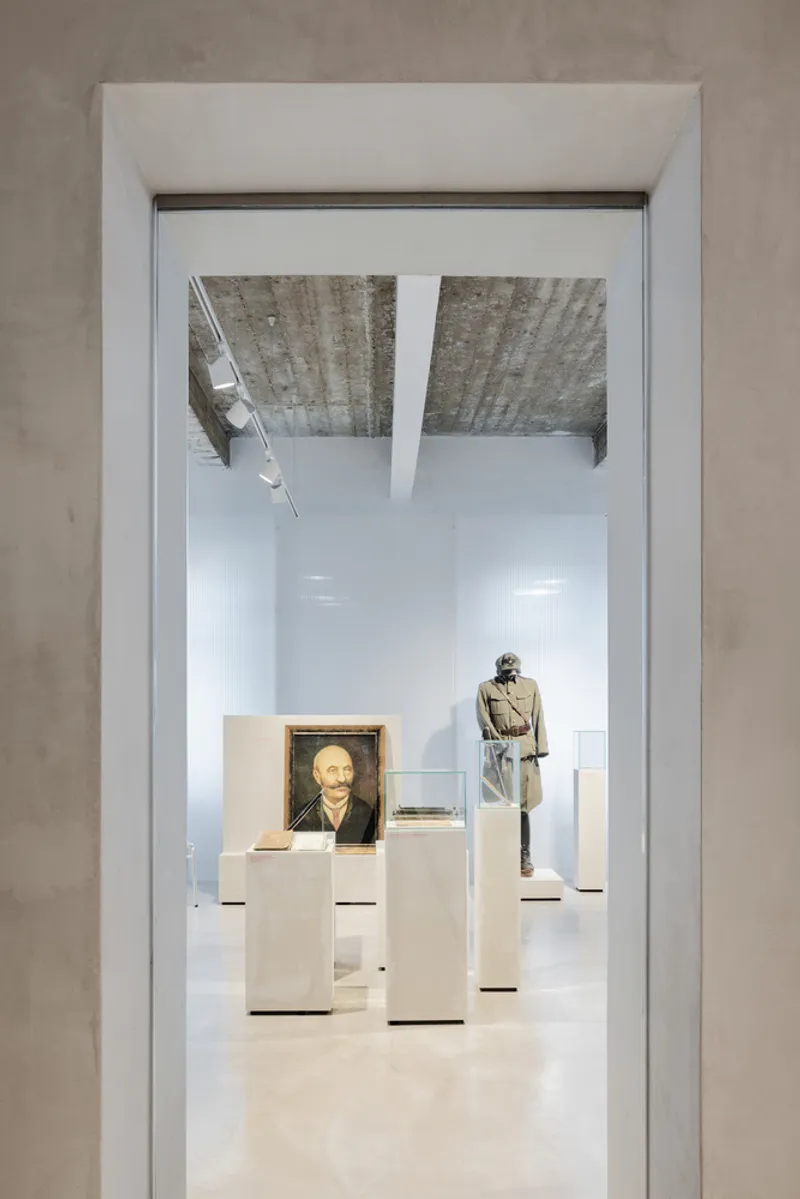
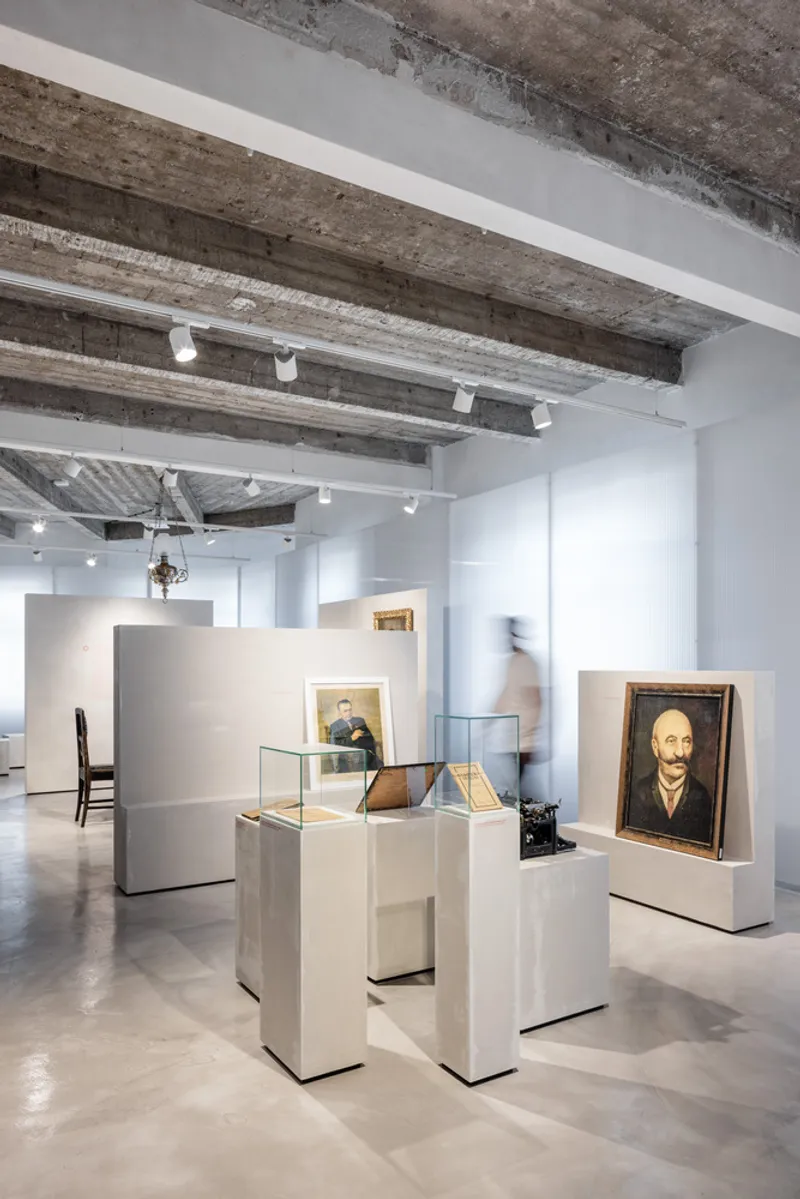
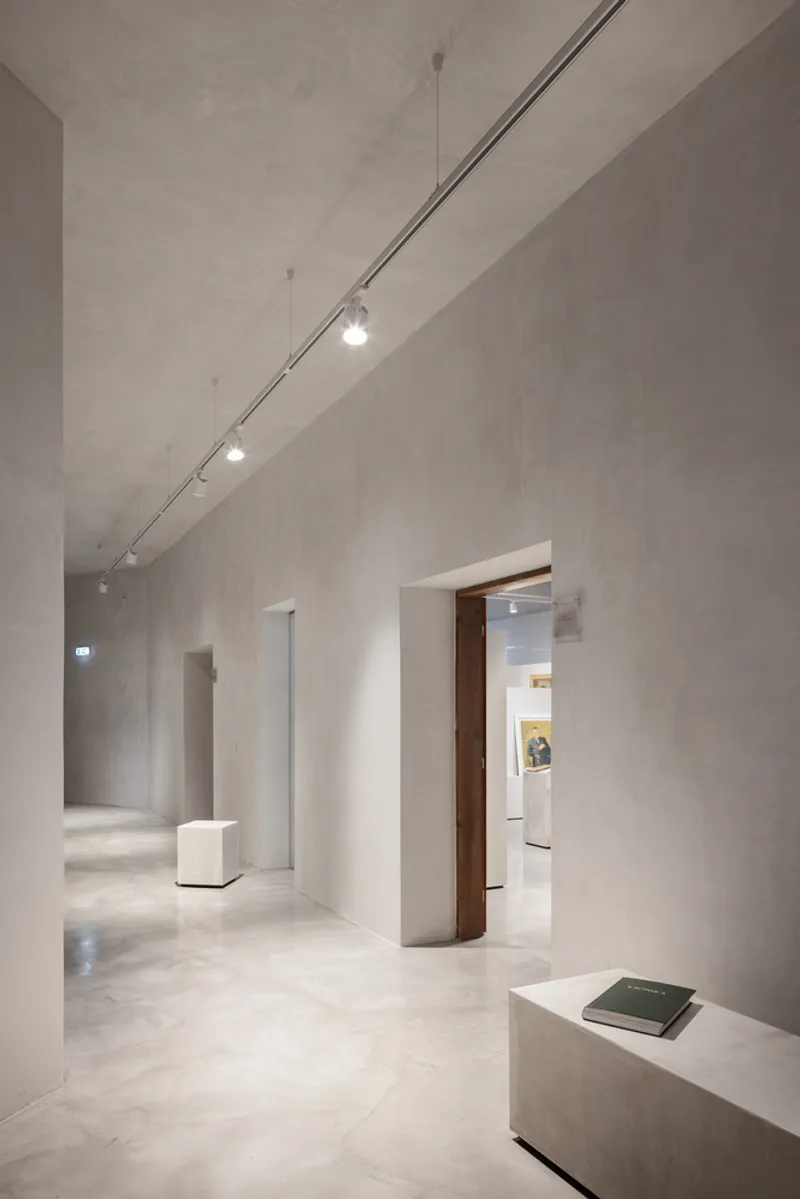
Located on the second floor of the museum, the exhibition begins not with a conventional corridor but with a transitional foreground space. This threshold blurs the boundary between entry and exhibition, inviting visitors into a continuous spatial narrative. Natural light filters through a newly introduced window and open doorway, offering glimpses into the exhibition beyond and creating a sense of anticipation.
The seamless flooring enhances this continuity, guiding visitors organically from one area to another. This design strategy reflects contemporary museum architecture trends, where movement, curiosity, and spatial storytelling take precedence over rigid layouts.
Minimalist Design That Elevates Historical Artifacts
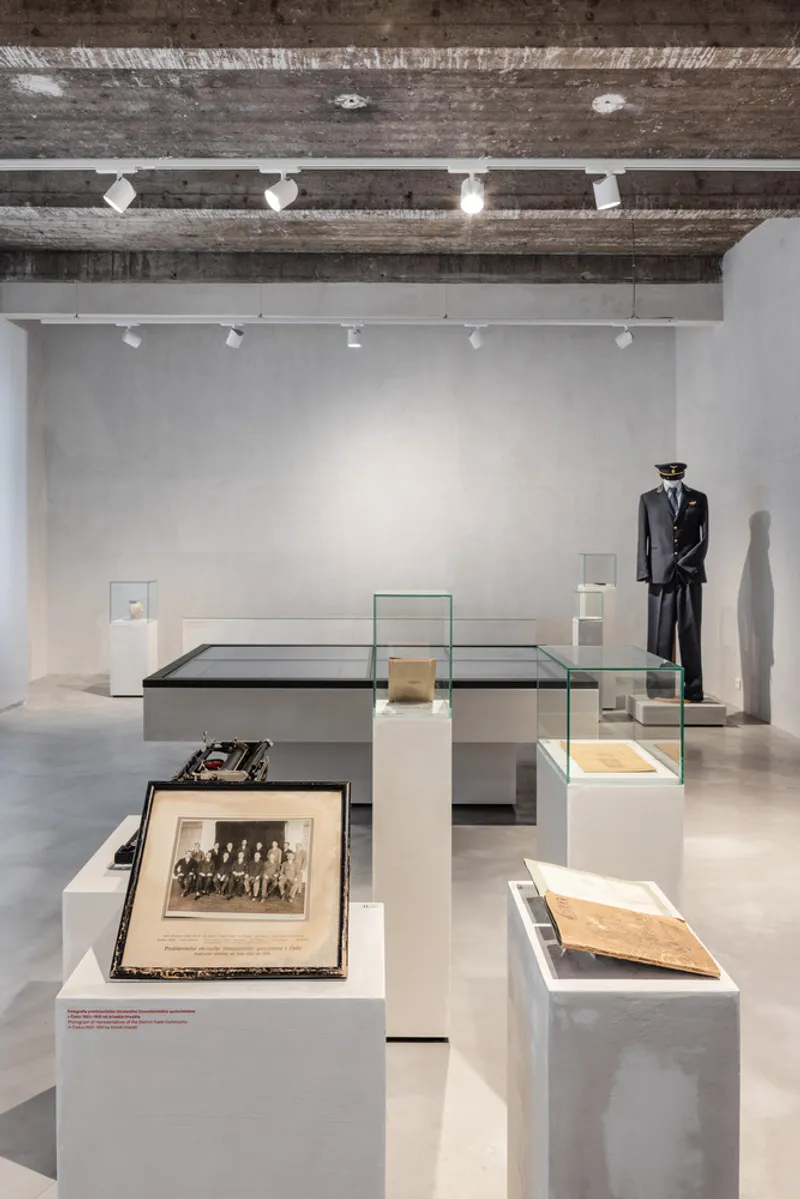
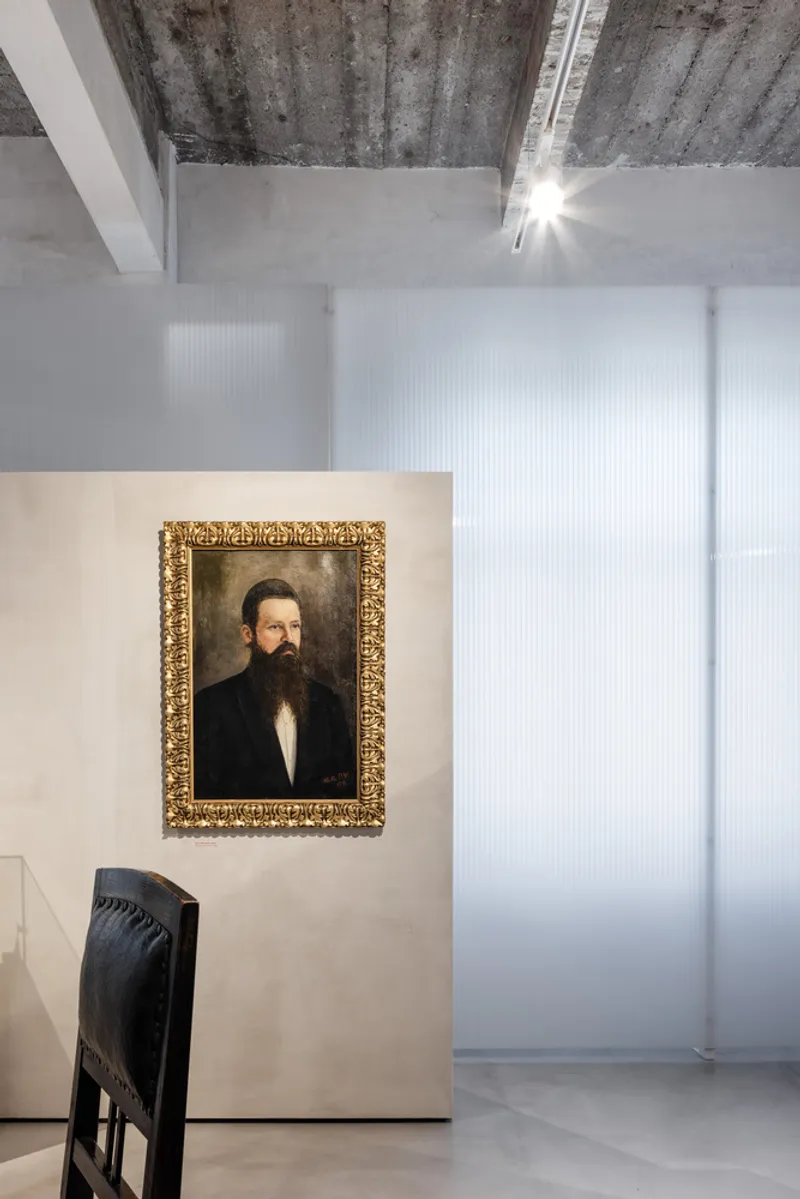
A defining feature of the Kysuce Museum Exhibition is its restrained material palette and tectonic clarity. The architects deliberately minimized material expression to ensure that the focus remains on the artifacts, historical objects, and artworks. Rather than competing with the exhibits, the architecture acts as a quiet backdrop: subtle, neutral, and respectful.
This approach aligns with minimalist exhibition design principles, where architecture supports content rather than overshadowing it. There is no hierarchy imposed by size or display method; instead, each exhibit is given equal importance through thoughtful spatial definition.

A Dynamic and Open Exhibition Layout
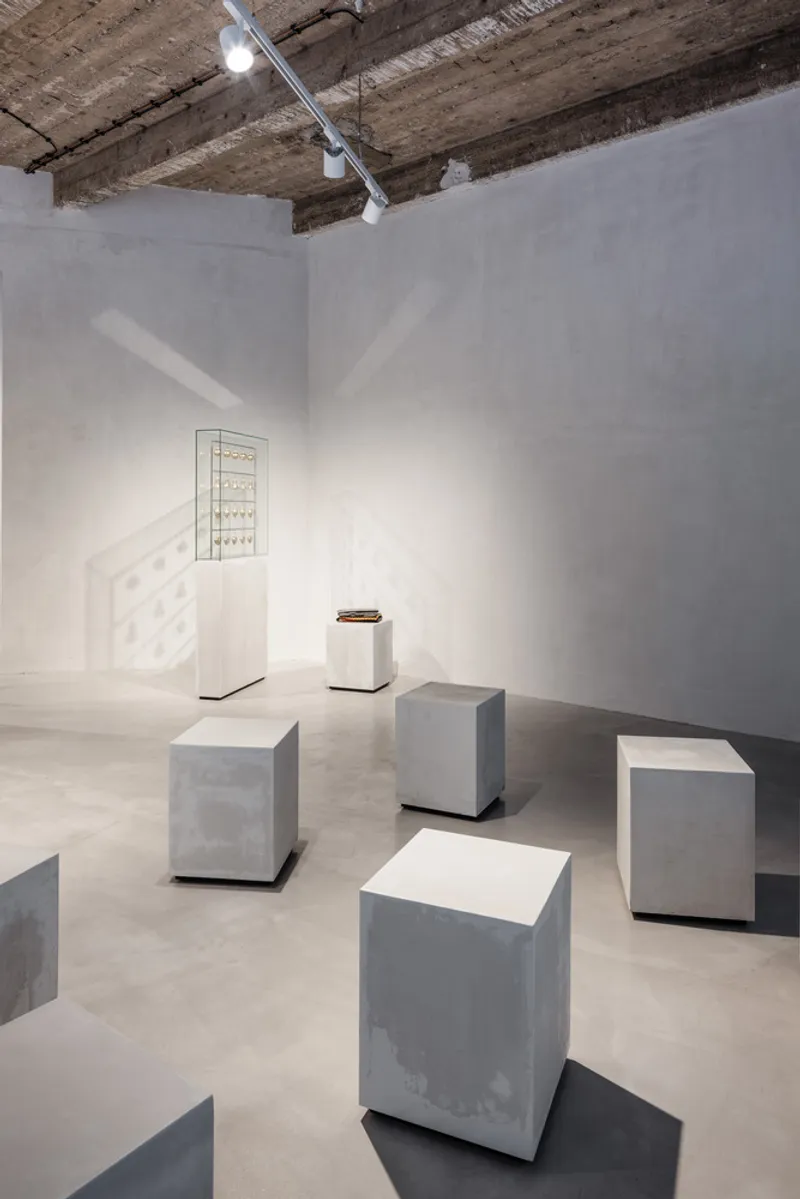
The layout introduces a sense of unpredictability and discovery. Visitors are encouraged to explore freely, with no fixed path dictating their journey. Corners unfold into new scenes, and each turn reveals unexpected narratives, enhancing engagement and curiosity.
This “miniature landscape” of exhibits allows for multiple trajectories, offering visitors the freedom to interpret the exhibition in their own way. Such flexibility is a hallmark of interactive museum design, where user experience becomes central to spatial planning.
Light, Transparency, and Atmosphere
Natural daylight plays a crucial role in shaping the exhibition’s ambiance. Polycarbonate panels diffuse sunlight, creating a soft, blurred connection between interior and exterior. This filtering effect enhances intimacy while maintaining a subtle awareness of the outside world.
The result is a calm and contemplative environment where visitors can engage deeply with the historical content. The interplay of light and material reinforces the emotional and sensory experience, making the exhibition both visually and atmospherically compelling.
Redefining Contemporary Museum Architecture
The Kysuce Museum Exhibition exemplifies how small-scale interventions can have a significant impact on spatial storytelling. By combining adaptive reuse strategies, minimalist design, and visitor-centered planning, Kilo / Honc have created a museum environment that is both modern and deeply rooted in local history.
This project highlights the evolving role of museums as dynamic cultural spaces: places not only for preservation but also for exploration, interaction, and discovery.


All photographs are works of
Matej Hakár




Popular Articles
Popular articles from the community


Riyadh For All: Intergenerational Urban Design for Active Aging in Rabat
Riyadh For All reimagines urban design in Rabat with intergenerational co-living, adaptive courtyards, and Moroccan cultural exchange today.

The Earth Pod: 3D Printed Homes for Resilient Refugee Communities
The Earth Pod reimagines refugee housing through 3D printed homes made from clay, combining resilience, self-sufficiency, and rapid shelter.

Hill & Cross Opera: Sculptural Opera House Architecture Shaped by Tallinn’s Landscape and Identity
Hill & Cross Opera reimagines opera house architecture in Tallinn through its sculptural hill, civic plaza, glass wave and a luminous cross.

Conexión: Biophilic Design Reimagines High-Rise Living in Hong Kong
Conexión reimagines high-rise living in Hong Kong through biophilic design, green facades, shared spaces, daylight, water and nature within.

Similar Reads
You might also enjoy these articles

Bamboo Housing Challenge 2026: Design Affordable, Sustainable Homes Using Bamboo
An international design competition by Bamboo U and IBUKU inviting architects and designers to reimagine affordable housing using bamboo — with the winning design built full-scale in Bali.

Computational Design & Education: Beegraphy Design Awards Introduces 7th Category (Featuring Jiyun's Innovative Approach)
Dive into Beegraphy’s 7th Design Awards category, where computational design meets education to create immersive, interactive learning tools, inspired by Jiyun’s work.
From Parametric Lighting to Urban Furniture: Join the 2nd Workshop in Beegraphy’s Computational Design Series
Dive into Cutting-Edge Design Techniques and Practical Applications with Industry Experts

Last Call: Unleash Your Architectural Genius in SHAK's Kindergarten Design Competition
Urgent call for architects to join SHAK's kindergarten design competition before the looming deadline


Explore Interior Design Competitions
Discover active competitions in this discipline


Challenge to design luxury tourism on rails


Challenge to reimagine the Iron Throne


Photograph architecture without architects


VR headsets Storefront design competition
Comments (0)
Please login or sign up to add comments
No comments yet. Be the first to comment!