

Lintel House by Palafito Arquitectura: A Monumental Concrete Landscape in Chía, Colombia
Lintel House blends monolithic concrete structure with sculpted earth forms, creating a monumental yet intimate home rooted in Colombian landscape.


Architects: Palafito Arquitectura
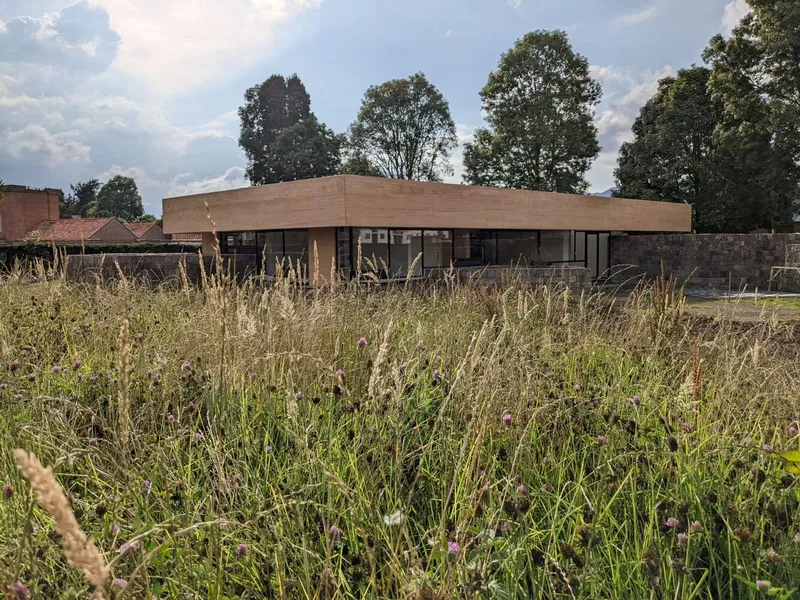
A Monumental Home that Blends Architecture and Earthwork
Located in the quiet suburban outskirts of Chía, Colombia, Lintel House by Palafito Arquitectura is a bold architectural response to a flat, uninspiring plot lacking expansive views. Rather than seeking drama in the surroundings, the architects crafted an internalized landscape—a spatial narrative grounded in material expression, structural innovation, and earthbound tactility.
The house was conceived as a landscape architecture intervention as much as a residence. The design reimagines the suburban dwelling through a topographical strategy: a series of sculpted earth mounds—formed from the site's own soil—anchor the project and offer an illusion of ruins upon which the modern structure seems to grow.
Disguising a Large Program through Landscape
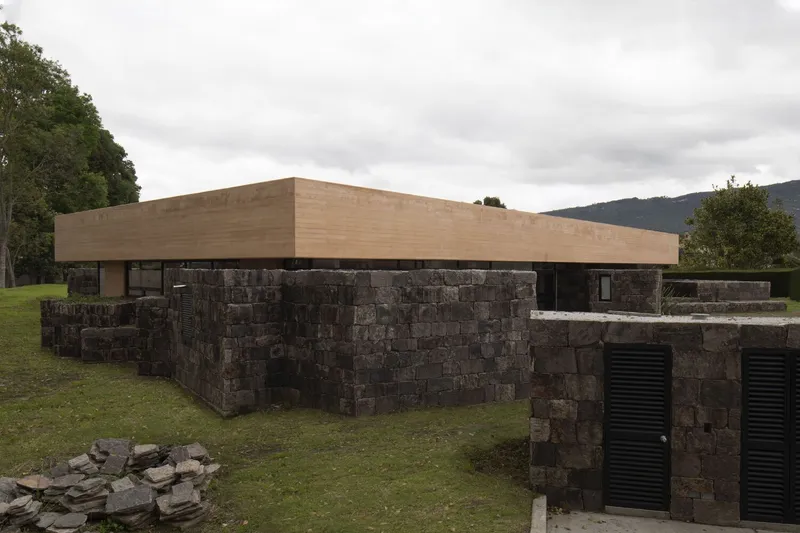
Despite its expansive program—six bedrooms, private bathrooms, and multiple studies—Casa Dintel achieves a surprisingly discreet profile. The design intelligently disguises its size through a fragmented composition embedded in the artificial topography. These soil dunes merge seamlessly with volumes of rustic stone, creating a sense of continuity between built form and landscape.
The central concept is rooted in the lintel—not only structurally but conceptually. The massive overhead slab, acting as both roof and structural chassis, creates a single monolithic form that shelters the house in a single gesture.
Structural Ingenuity: Concrete as Craft
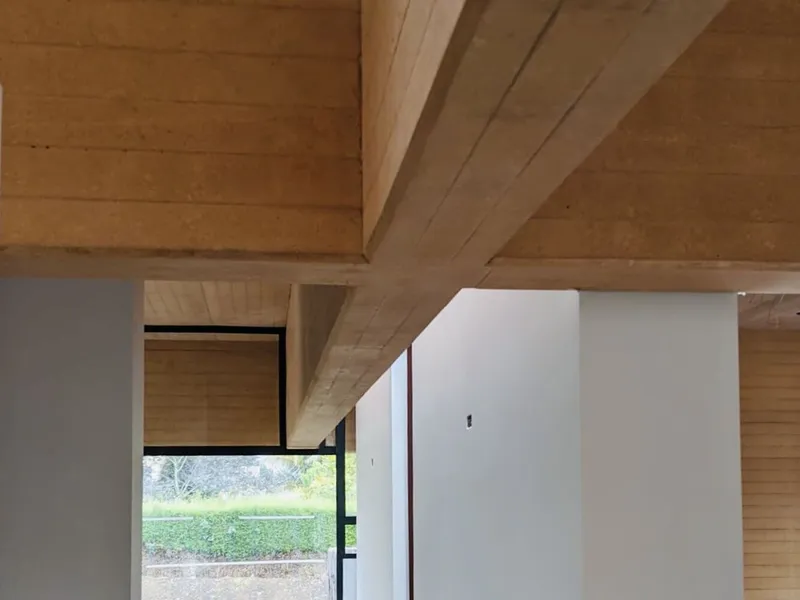
At the heart of this architectural feat is an extraordinary use of cast-in-place concrete. The client, a skilled concrete engineer, collaborated closely with the architects to realize a monolithic structure without construction joints. This bold move transformed the house into a single, void-filled concrete mass supported by just eight slender columns, invoking a sense of hovering tectonic presence.
The system is reminiscent of a giant lightened slab, where massive beams double as inhabitable spaces—creating voids, frames, and volumes that serve both structural and spatial functions. The exposed beams become the literal and figurative "lintels" from which the house takes its name.
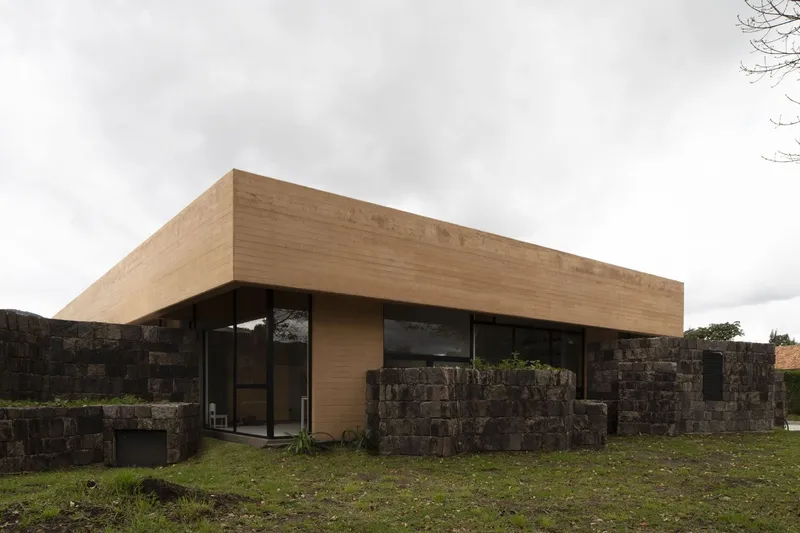
Concrete Customization: Material as Palette
The project involved an intense material research process to develop the precise concrete tone and texture. Conducted in a professional concrete lab, the process experimented with over 16 pigment combinations and 3 sand types, altering ratios to the second decimal to attain the exact hue. The final mix used self-compacting concrete with shrinkage control, macro synthetic fiber (4 kg/m³) to reduce cracking, and an anti-foaming additive to achieve a smooth, bubble-free surface.
In a remarkable feat of engineering, the roof slab and all hanging beams were poured in a single day, ensuring material consistency and eliminating construction joints—underscoring the precision and ambition behind the build.
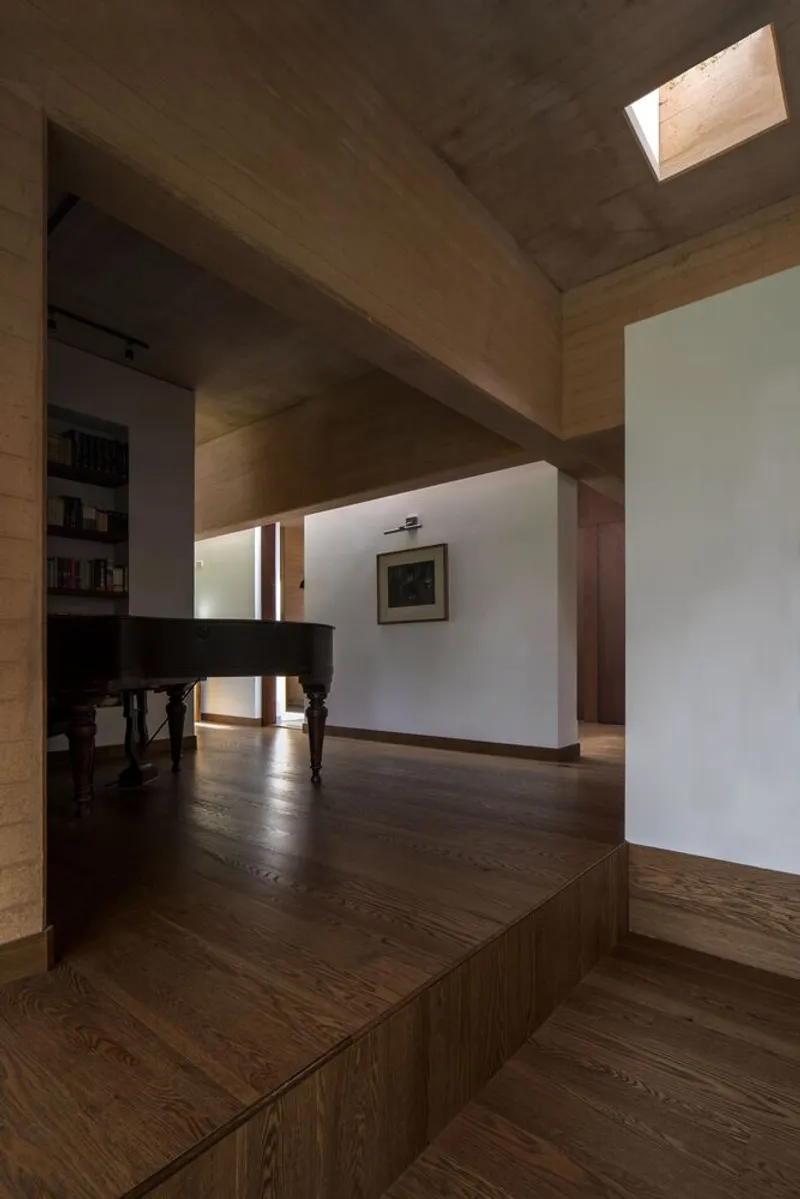

A Sensory and Spatial Experience
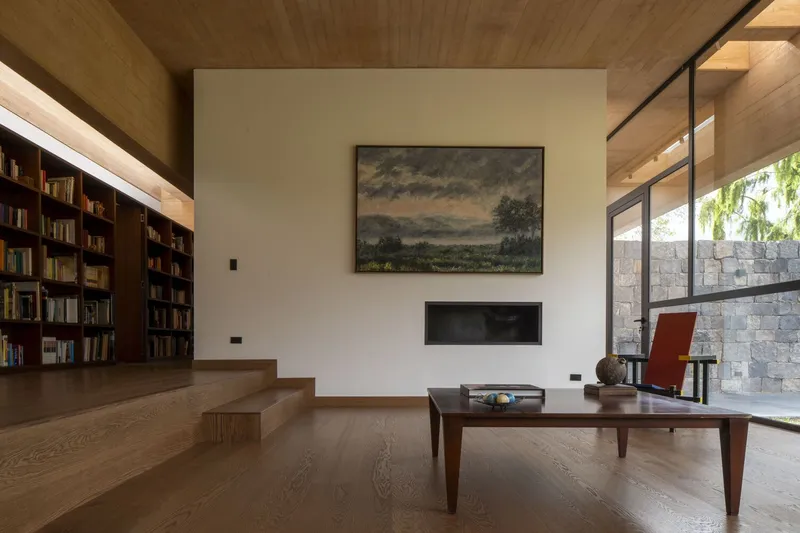
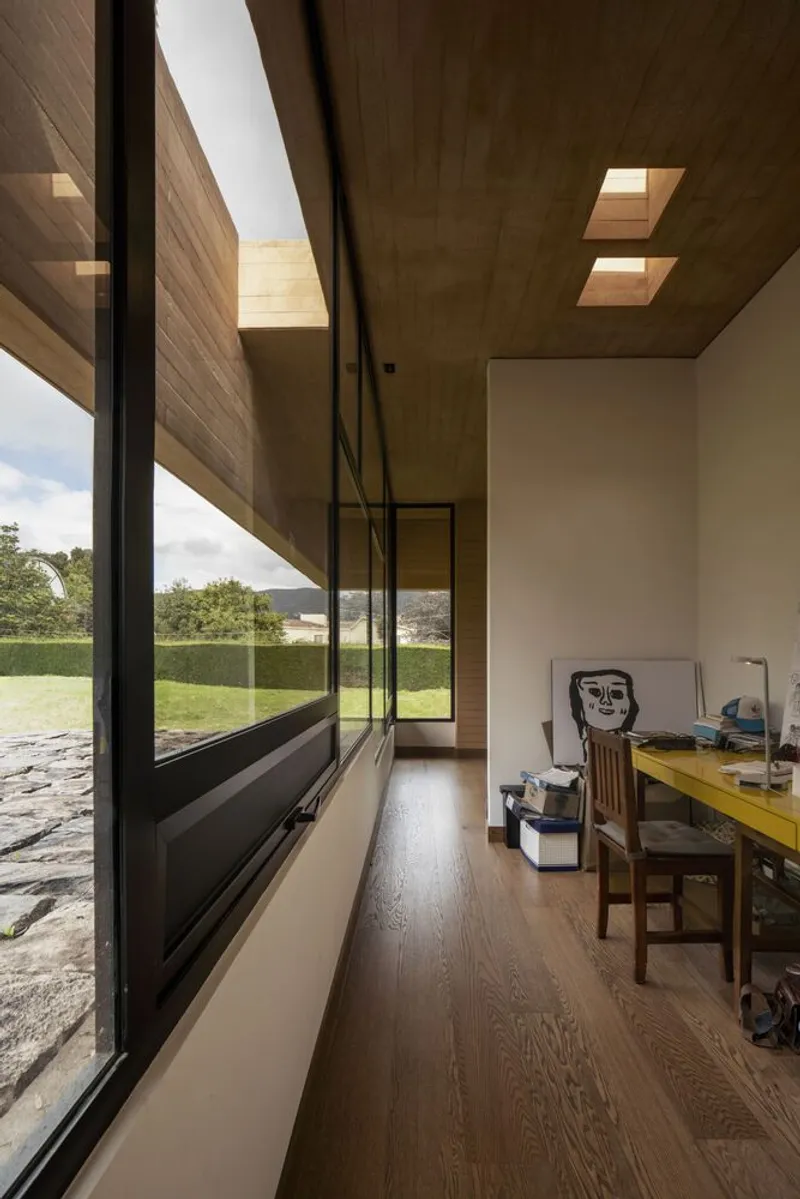
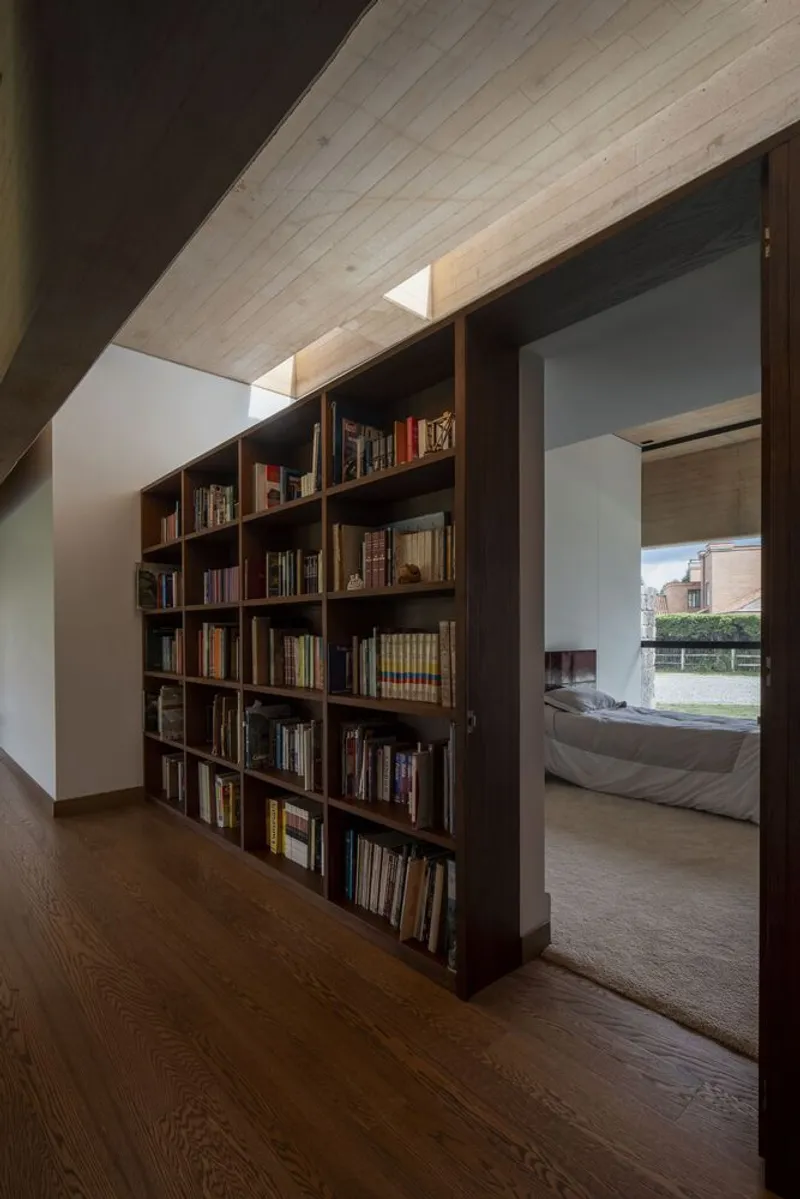
Inside, the house is a study in raw elegance and textural honesty. Natural light filters through concrete frames, animating the interiors throughout the day. Wooden furnishings, open shelving, and stone accents bring warmth to the otherwise monumental material palette. The balance between the brutal and the serene evokes an almost monastic spatiality, reinforcing the project’s meditative quality.
All photographs are works of Santiago Beaume




Popular Articles
Popular articles from the community


Hill & Cross Opera: Sculptural Opera House Architecture Shaped by Tallinn’s Landscape and Identity
Hill & Cross Opera reimagines opera house architecture in Tallinn through its sculptural hill, civic plaza, glass wave and a luminous cross.
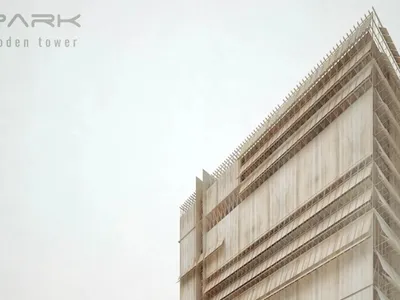
EW PARK: Sustainable Architecture Reimagines the Future of Urban Parking
EW PARK reimagines city parking as a modular wooden tower combining automation, solar energy, electric mobility, and adaptable urban design.

Co-Life: Senior Housing Design That Reconnects Older Adults With the City
Co-Life reimagines senior housing design through healing gardens, shared streets, workshops, and a sustainable community across generations.

The Earth Pod: 3D Printed Homes for Resilient Refugee Communities
The Earth Pod reimagines refugee housing through 3D printed homes made from clay, combining resilience, self-sufficiency, and rapid shelter.


Similar Reads
You might also enjoy these articles


Hodi-Mandai Geram
Project Function: Preservation and revitalization of the Intangible heritage and socio-spatial identity of the Hodi by Housing, Cultural Memory Center, Sacred Grove, landscape, local tourism economy


Olio Towers: A Mid-Rise for Performers That Fuses Housing, Rehearsal, and Stage
Located blocks from Houston's Theater District, this modular tower stacks living units around a central performance atrium.

Oasis: Modular Green Housing Carved into Dhaka's Urban Fabric
A shortlisted Plugin Housing entry reclaims unauthorized settlements in Dhaka with stepped concrete volumes, green roofs, and ventilation-driven design.

Black Hole: A Floating Megastructure for the Post-Physical Era
Emiliano Mazzarotto envisions a spherical, self-scaling arena where e-sports, digital hotels, and holographic stadiums replace traditional public space.


Explore Architecture Competitions
Discover active competitions in this discipline



Challenge to reimagine the Iron Throne


Photograph architecture without architects


Illustrate the lost glory of Angkor Wat - Render Challenge


Design challenge to reuse E-waste
Comments (0)
Please login or sign up to add comments
No comments yet. Be the first to comment!