

Lua House by Arquitetura Nacional: A Perfect Blend of Comfort and Elegance
Lua House blends modern architecture with nature, offering year-round comfort, seamless indoor-outdoor connection, and sustainable design for family leisure.


Tranquility Meets Sophistication
Lua House, designed by Arquitetura Nacional, is a stunning vacation retreat located along the serene shores of a lake in a gated community in Rio Grande do Sul, Brazil. The primary goal of the project was to create a space that serves as a peaceful getaway for an extended family, offering comfort and relaxation throughout the year. Whether it’s summer or winter, Lua House provides an inviting atmosphere for all generations — grandparents, children, and grandchildren alike.

Architectural Concept: Dual-Level Elegance
The architectural design of Lua House is characterized by a two-story volumetric structure that balances functionality and aesthetics.
• Ground Floor: A 20x20m square plan, featuring a grid of glued laminated wooden beams that organize and define the internal spaces. This floor accommodates the social and service areas, with the service volume housed in an independent, lower block that creates a negative space in relation to the main grid.
• Upper Floor: Designed for privacy, the upper floor contains the private quarters and is strategically set back to form a balcony that overlooks the tranquil lake. The setback ensures that the living spaces maintain a strong visual connection with nature, blending seamlessly with the surrounding environment.


Seamless Indoor-Outdoor Connection
A key highlight of Lua House is its seamless connection between indoor and outdoor spaces. The living areas and swimming pool are located at the rear of the plot, directly facing the condominium’s lake. Large glass openings create an effortless transition between the interiors and the balcony, allowing natural light to flood the space and offering panoramic views of the water and surrounding greenery.
To enhance privacy, the glass panels can be folded and accumulated at the ends, ensuring flexible space usage. This thoughtful design not only enhances visual continuity but also encourages interaction with the outdoor environment, making Lua House a perfect oasis for relaxation.


Materiality and Aesthetic Appeal
Externally, Lua House embraces monochromatic elegance. Its surfaces are clad with a white metallic coating that alternates between opaque finishes for privacy and perforated finishes for areas requiring ventilation and natural light. This minimalist aesthetic creates an ethereal ambiance that contrasts beautifully with the vibrant colors and textures of the natural surroundings.
Internally, the wooden beam grid dominates the ceiling, serving as both a structural and aesthetic element. The fixed compositional elements, including walls, cabinets, and lighting fixtures, align harmoniously with this grid, creating a sense of rhythm and continuity throughout the space.


Natural Light and Central Skylight
A distinctive feature of Lua House is its central core, illuminated by a large skylight that allows natural light to permeate the interiors. Translucent glass panels surrounding this core further diffuse the light, ensuring that even the peripheral spaces receive ample illumination. This design not only enhances the visual appeal of the house but also reduces the need for artificial lighting, contributing to the sustainability of the building.
Thoughtful Interior Design: Balance and Functionality
The interior design reflects a delicate balance of soft colors and rich textures, creating an ambiance of lightness and fluidity. The decision to leave the wooden beam structure exposed adds warmth and character to the space, while irregular stone flooring provides a natural and organic feel.
To maintain the visual integrity of the ceiling, air conditioning units are discreetly embedded within the joinery and walls, ensuring that the ceiling structure remains unaltered. This careful attention to detail ensures that the interiors are both visually pleasing and functionally efficient.


Sustainability and Environmental Consciousness
Lua House is designed with sustainability in mind, integrating passive design techniques that optimize natural ventilation and daylighting. The use of locally sourced materials, such as wood and stone, not only reduces the building’s carbon footprint but also ensures a harmonious relationship with the surrounding environment. The perforated metallic facade aids in thermal regulation, further enhancing the comfort of the indoor spaces.

A Space for Leisure and Togetherness
Lua House is more than just a vacation home — it is a sanctuary where family bonds are nurtured and cherished. Its versatile design accommodates various activities, from quiet moments of reflection by the lake to vibrant family gatherings on the balcony. Every element of the house, from its material palette to its spatial organization, is meticulously designed to create an environment that fosters joy, relaxation, and meaningful connections.


All photographs are works of Pedro Kok


Popular Articles
Popular articles from the community

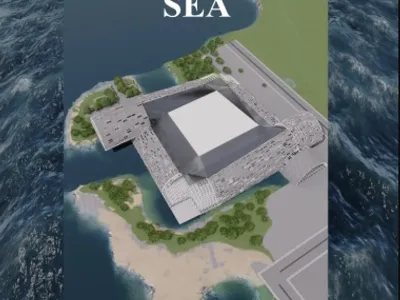
Opera on the Sea: Driftwood Logic Shapes a Timber Opera House on Estonia's Coast
Trevor Orgill's opera house translates the entangled drift of floating timber into a civic building where wood, water, and music converge.
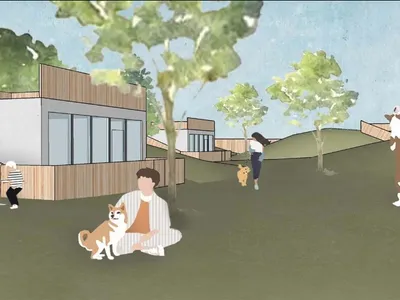
Temporary Home for Dogs: A Reversed Zoo Rethinks Animal Shelter Architecture
In Bucharest, a sinuous corridor and freed landscape flip the logic of containment, designing a shelter that works to make itself unnecessary.
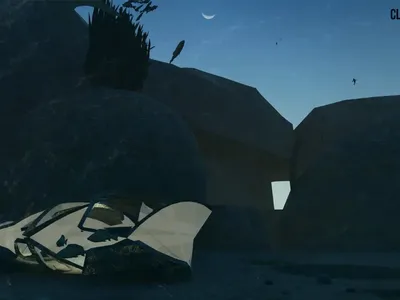
Cloaked Colonization: A Mobile Underwater Habitat That Moves Like a Fish
Micah Abaya's shortlisted EHC Pacific entry reimagines ocean settlement as a dispersed network of self-sustaining architectural organisms.
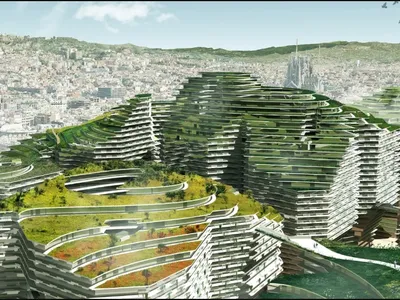
Manzana Morphosis: Stretching Barcelona's Grid into a Living Landscape for 2050
A radical reworking of the Eixample manzana turns density into a tool for generous public space, vertical ecology, and environmental performance.

Similar Reads
You might also enjoy these articles

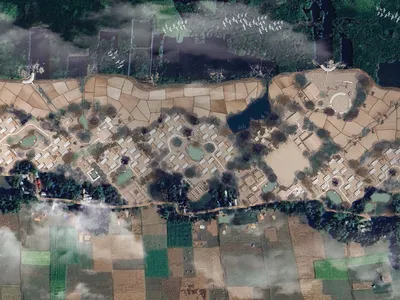
Hodi-Mandai Geram
Project Function: Preservation and revitalization of the Intangible heritage and socio-spatial identity of the Hodi by Housing, Cultural Memory Center, Sacred Grove, landscape, local tourism economy

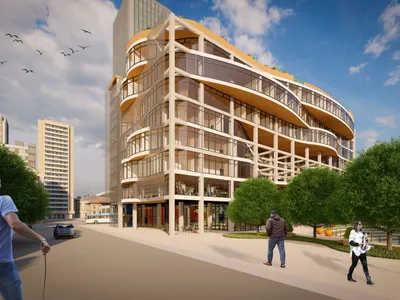
Olio Towers: A Mid-Rise for Performers That Fuses Housing, Rehearsal, and Stage
Located blocks from Houston's Theater District, this modular tower stacks living units around a central performance atrium.
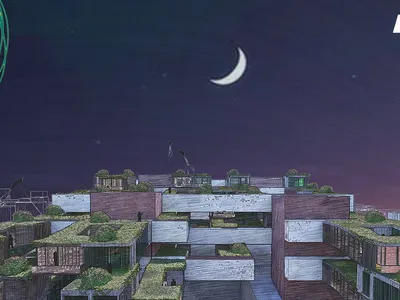
Oasis: Modular Green Housing Carved into Dhaka's Urban Fabric
A shortlisted Plugin Housing entry reclaims unauthorized settlements in Dhaka with stepped concrete volumes, green roofs, and ventilation-driven design.

Black Hole: A Floating Megastructure for the Post-Physical Era
Emiliano Mazzarotto envisions a spherical, self-scaling arena where e-sports, digital hotels, and holographic stadiums replace traditional public space.

Explore Architecture Competitions
Discover active competitions in this discipline

Challenge to reimagine the Iron Throne

Photograph architecture without architects

Illustrate the lost glory of Angkor Wat - Render Challenge

Design challenge to reuse E-waste
Comments (0)
Please login or sign up to add comments
No comments yet. Be the first to comment!