

M. Sironi Academy of Fine Arts by LERUA Studio — A Contemporary Cultural Landmark in Sassari
Redeveloped art academy in Sassari blending historic structures with contemporary volumes, open courtyards, and light-filled collaborative spaces, fostering community, culture, and creativity.


Located in the heart of Sassari, Italy, the redevelopment of the Mario Sironi Academy of Fine Arts by LERUA Studio Associato di Architettura stands as a renewed symbol of architectural clarity, civic identity, and educational innovation. Completed in 2025, the 1,888 m² project transforms an existing urban complex into a welcoming, permeable, and community-focused campus, strengthening the relationship between the academy and the city.
This is not a simple restoration — it is a strategic cultural and spatial reactivation. LERUA Studio carefully redefines building volumes, circulation networks, and public areas to create a cohesive, accessible, and future-ready academic hub, blending historic respect with contemporary clarity.
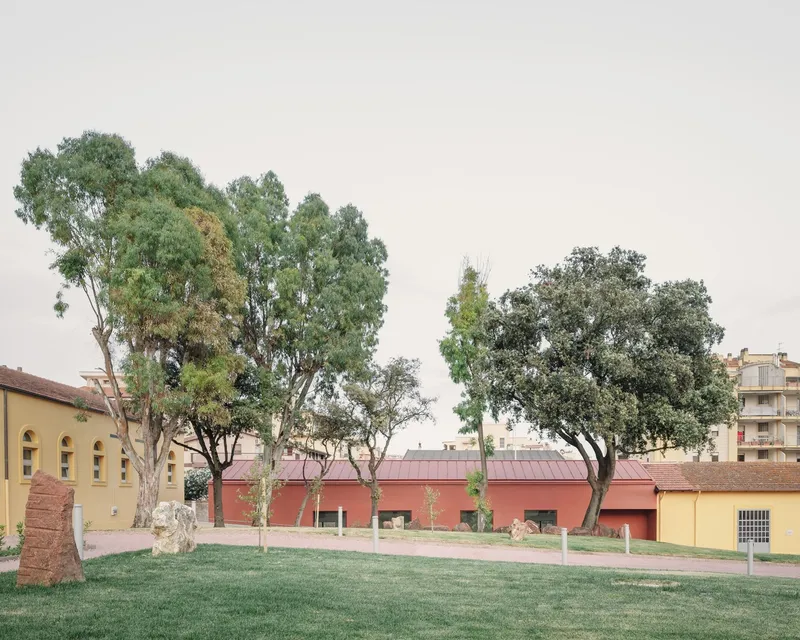
Reinterpreting Existing Architecture in a Contemporary Key
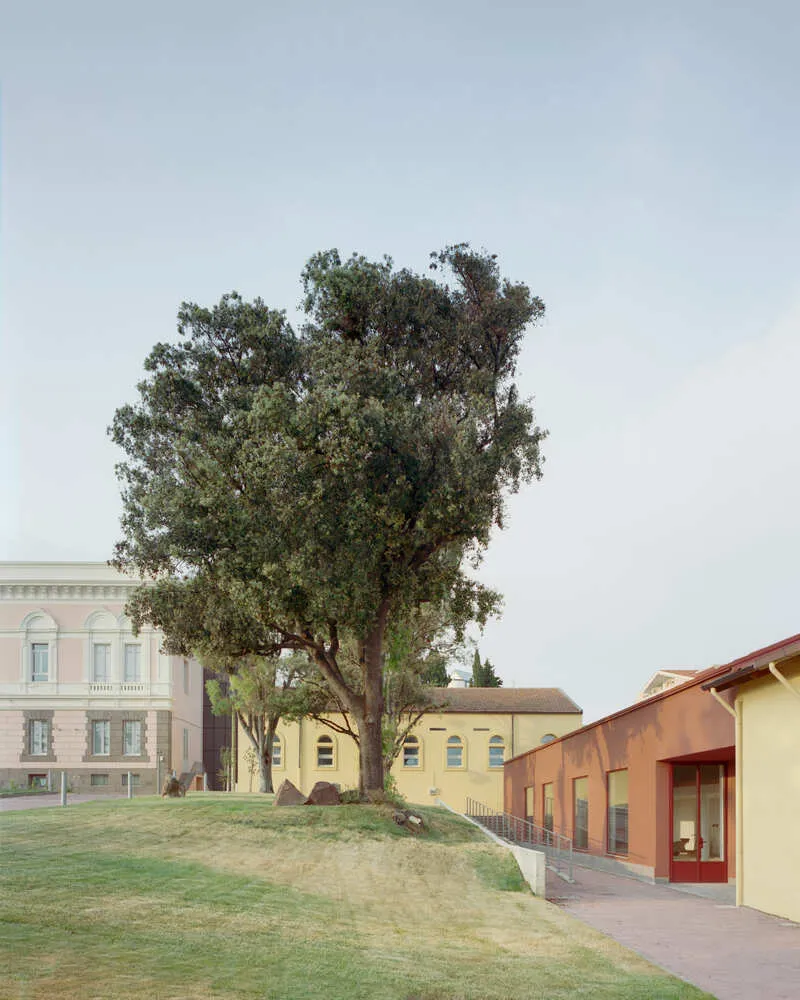
The project integrates multiple pre-existing buildings and an undefined open courtyard into a unified architectural system. Through subtle interventions, material coherence, and a renewed spatial hierarchy, the design enhances the legibility and character of the academy.
Key moves include:
- Facade restoration to recover historic identity
- New window systems improving natural light and thermal comfort
- Upgraded technical and mechanical systems for sustainability and energy efficiency
- Reconfigured interior circulation strengthening visual and functional connections
LERUA Studio prioritizes open, fluid, and light-filled spaces, elevating the user experience while honoring the site’s cultural legacy.
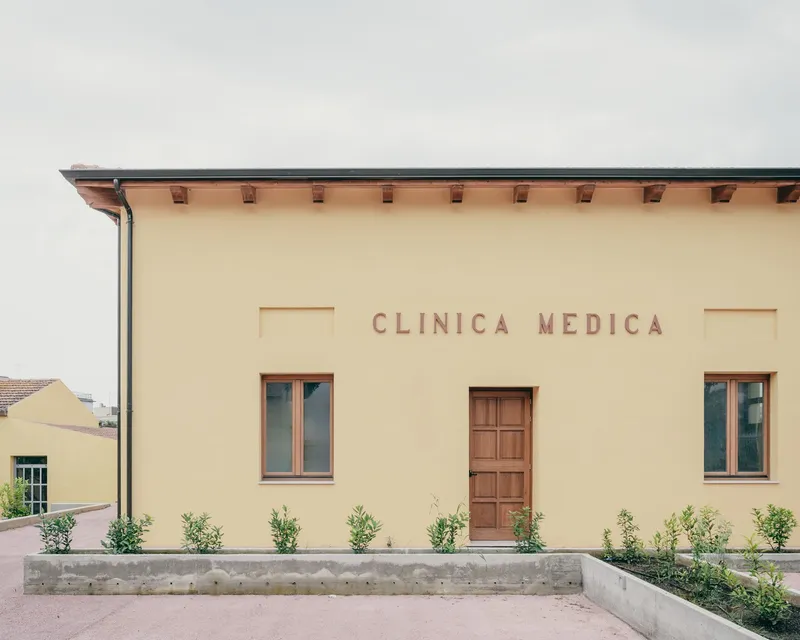
The Former Medical Clinic: From Closed Structure to Civic Interior
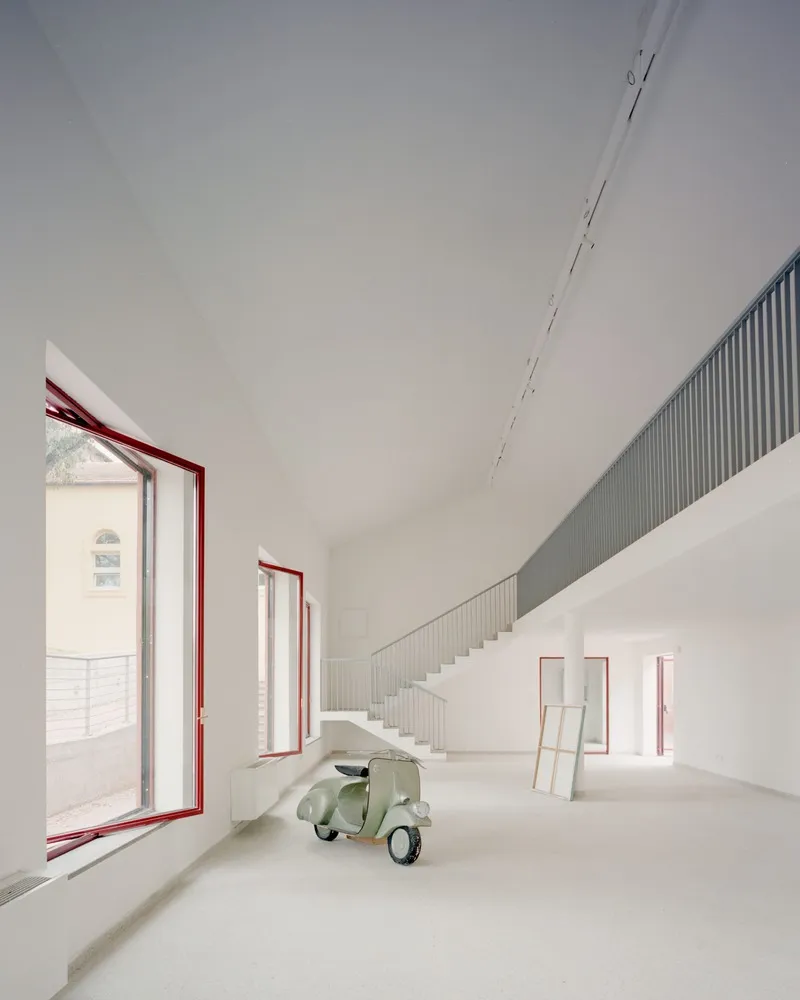
A central component of the transformation is the redesign of the former medical facility. Once introverted and isolated, it now functions as a dynamic vertical space defined by double-height volumes, reception areas, collaborative workspaces, and communal zones.
The intervention transforms the building into a living cultural organism — a place where verticality, transparency, and spatial rhythm encourage interaction, creativity, and collective learning.
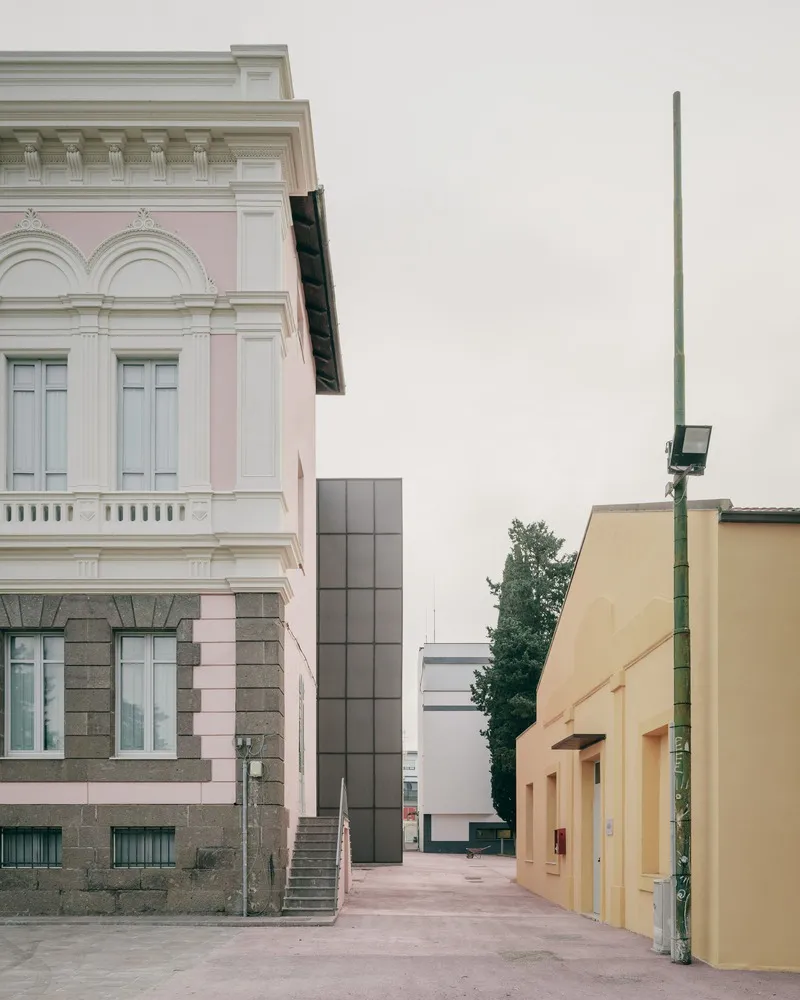
Engraving Pavilion: A Contemporary Architectural Dialogue
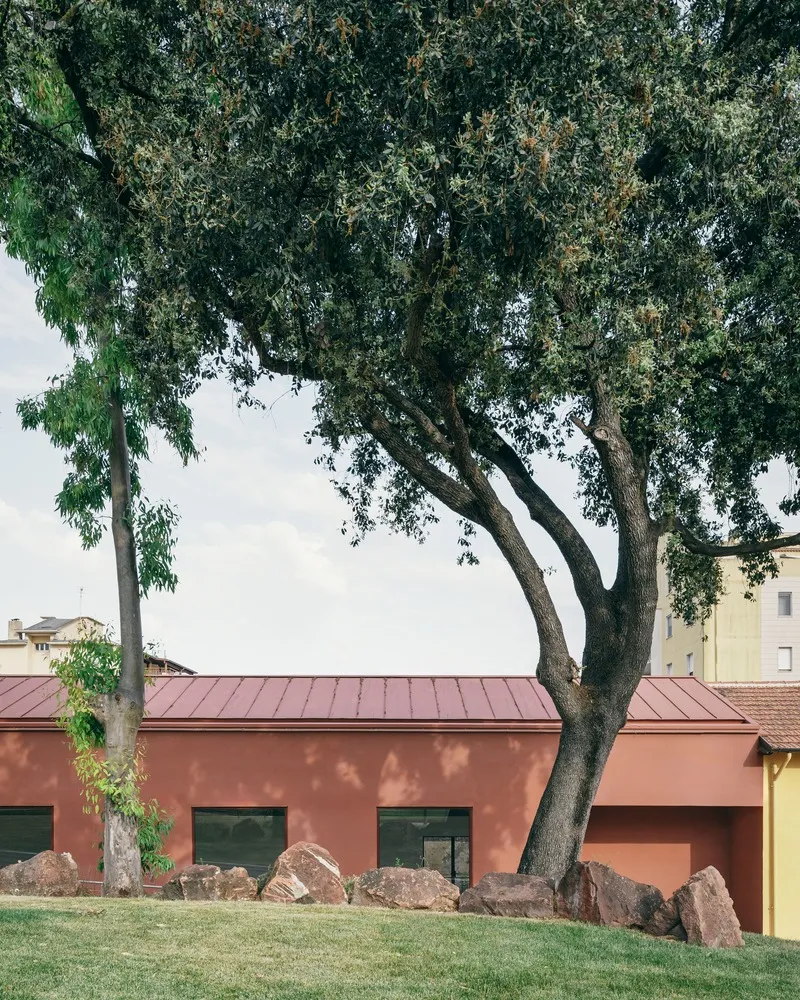
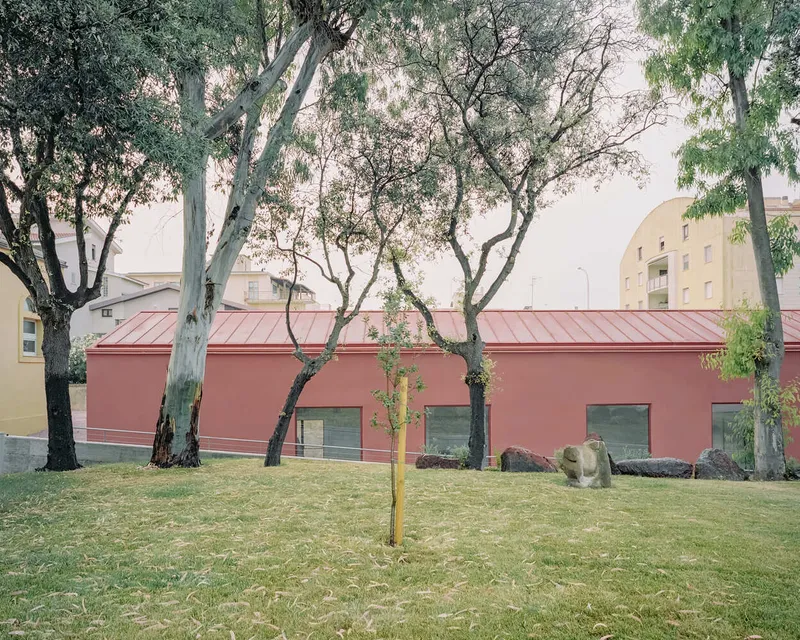
Adjacent to the historic structures, the Engraving Pavilion expands through the introduction of a new brick-red volume. The addition:
- Respects contextual geometries and materials
- Expresses a confident contemporary identity
- Maintains chromatic harmony while declaring its era
Rather than mimicry, the approach emphasizes architectural continuity through contrast, showcasing how heritage and new design can coexist gracefully.
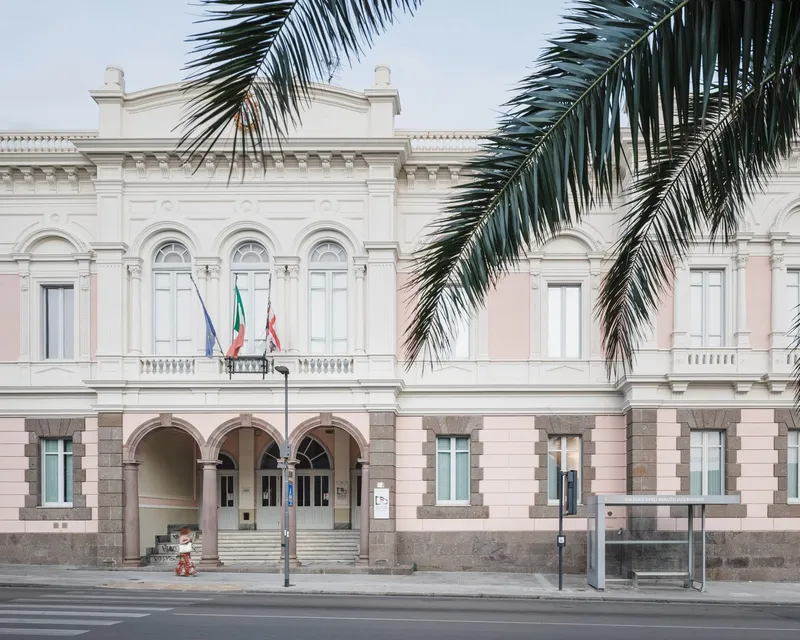
Courtyards & Landscapes as Cultural Connectors
Outdoor spaces play a vital role in redefining the Academy’s urban presence. A network of pathways, themed gardens, and landscaped study areas blurs the line between university and city, offering:
- Areas for rest, meeting, and creative exchange
- Green pockets encouraging reflection and outdoor learning
- Public permeability that strengthens the Academy’s civic role
Nature becomes a design tool, enhancing porosity, human scale, and environmental well-being.
A Model for Cultural and Educational Redevelopment
With a balanced architectural language, sensitive material palette, and commitment to sustainability, accessibility, and collective value, the new M. Sironi Academy of Fine Arts sets a benchmark for urban academic regeneration in Italy.
LERUA Studio’s intervention demonstrates how existing buildings can evolve into timeless, socially engaged, and inspiring cultural environments — where history and contemporary life meet, and where the city and its creative community grow together.
Project Details
| Category | Information |
|---|---|
| Project Name | M. Sironi Academy of Fine Arts |
| Location | Sassari, Italy |
| Architecture Studio | LERUA Studio Associato di Architettura |
| Program | Educational, University, Arts Campus |
| Area | 1,888 m² |
| Completion Year | 2025 |
| Photography | Aldo Amoretti |
| Key Materials / Manufacturers | Secco Sistemi, Amonn, Diasen, Fassa Bortolo, MARAZZI, PREFA, Schindler, Marini |
All photographs are works of Aldo Amoretti




Popular Articles
Popular articles from the community

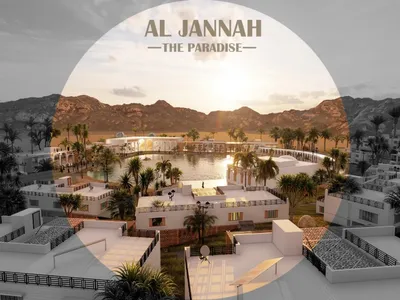
AL-JANNAH: Sustainable Architecture and Permaculture for Afghan Widows
AL-JANNAH uses sustainable architecture and permaculture to create resilient oasis of housing, learning, work and renewal for Afghan widows.

Hill & Cross Opera: Sculptural Opera House Architecture Shaped by Tallinn’s Landscape and Identity
Hill & Cross Opera reimagines opera house architecture in Tallinn through its sculptural hill, civic plaza, glass wave and a luminous cross.

Riyadh For All: Intergenerational Urban Design for Active Aging in Rabat
Riyadh For All reimagines urban design in Rabat with intergenerational co-living, adaptive courtyards, and Moroccan cultural exchange today.

The Ocean Hive: Sustainable Architecture for a Self-Sufficient Civilization at Sea
The Ocean Hive imagines sustainable architecture at sea, where modular habitats, algae, wave power and ocean waste sustain a growing colony.


Similar Reads
You might also enjoy these articles


Hodi-Mandai Geram
Project Function: Preservation and revitalization of the Intangible heritage and socio-spatial identity of the Hodi by Housing, Cultural Memory Center, Sacred Grove, landscape, local tourism economy


Olio Towers: A Mid-Rise for Performers That Fuses Housing, Rehearsal, and Stage
Located blocks from Houston's Theater District, this modular tower stacks living units around a central performance atrium.

Oasis: Modular Green Housing Carved into Dhaka's Urban Fabric
A shortlisted Plugin Housing entry reclaims unauthorized settlements in Dhaka with stepped concrete volumes, green roofs, and ventilation-driven design.

Black Hole: A Floating Megastructure for the Post-Physical Era
Emiliano Mazzarotto envisions a spherical, self-scaling arena where e-sports, digital hotels, and holographic stadiums replace traditional public space.


Explore School of Design and Arts Competitions
Discover active competitions in this discipline



Challenge to design public laboratory


Challenge to reimagine the Iron Throne


Photograph architecture without architects


Illustrate the lost glory of Angkor Wat - Render Challenge
Comments (0)
Please login or sign up to add comments
No comments yet. Be the first to comment!