
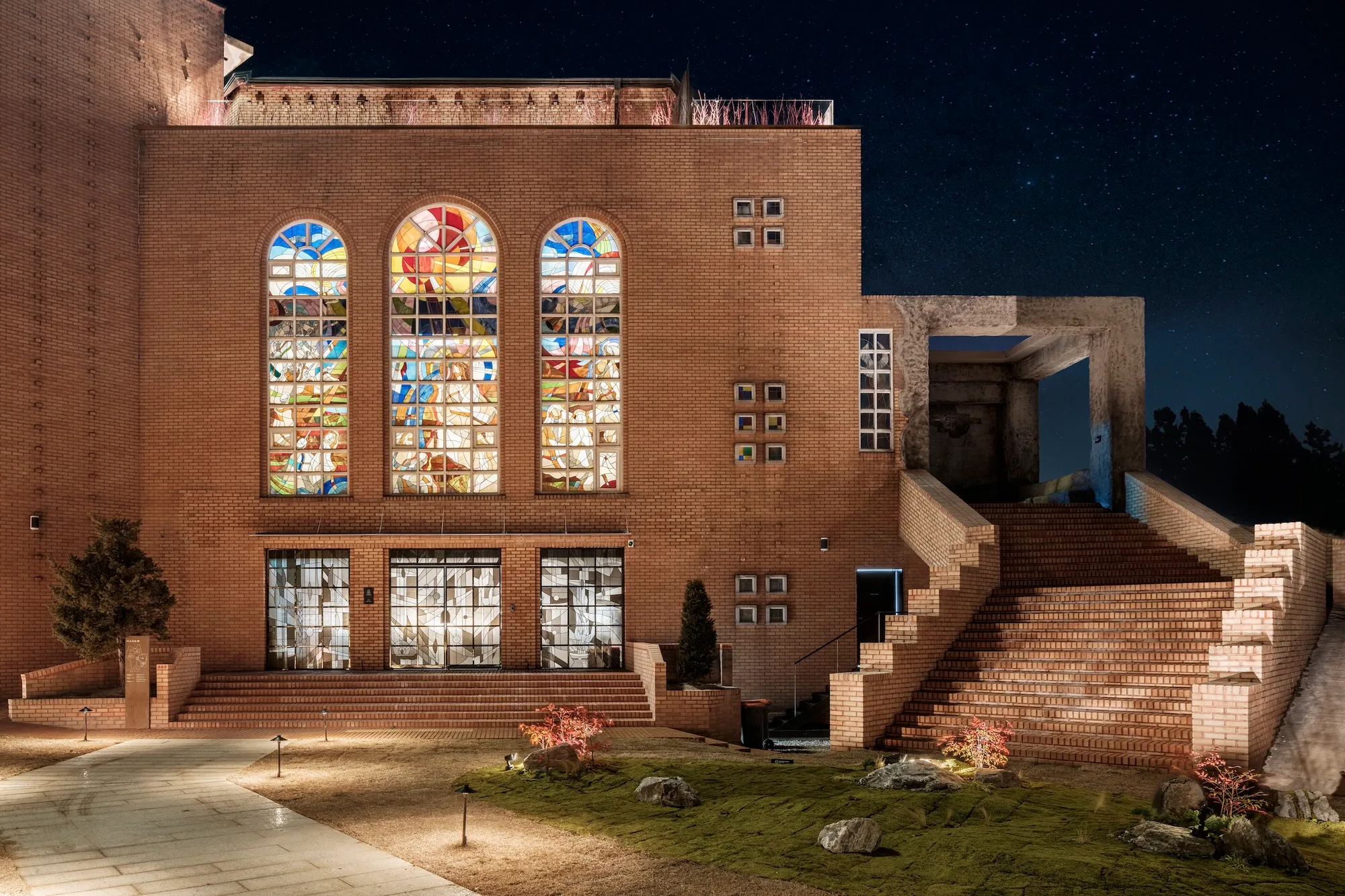
MADE LIM Café: A Cultural Regeneration Project by NONE SPACE
MADE LIM Café by NONE SPACE transforms a 120-year-old church in South Korea into a cultural, forest-inspired café preserving history.


Introduction
The MADE LIM Café, designed by NONE SPACE, is a remarkable example of adaptive reuse architecture that transforms a 120-year-old church into a vibrant cultural and commercial space. Completed in 2022, the café occupies 1,570 square meters in Jung-gu, South Korea, and celebrates the layers of history, memory, and nature embedded in the original building.
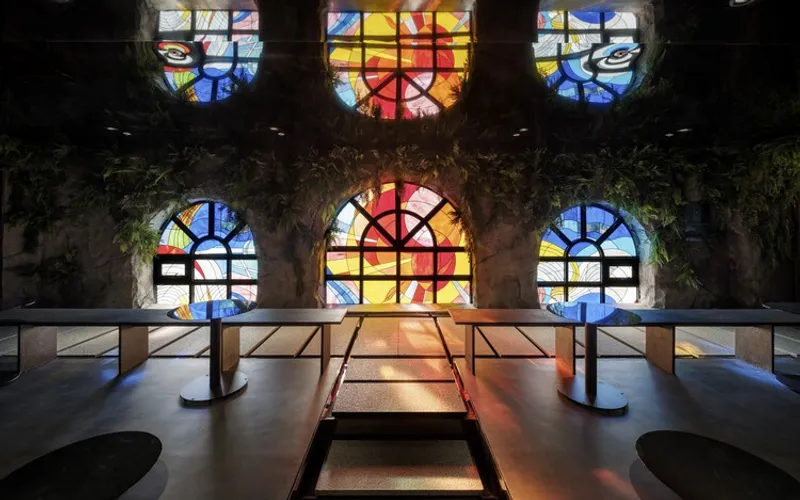
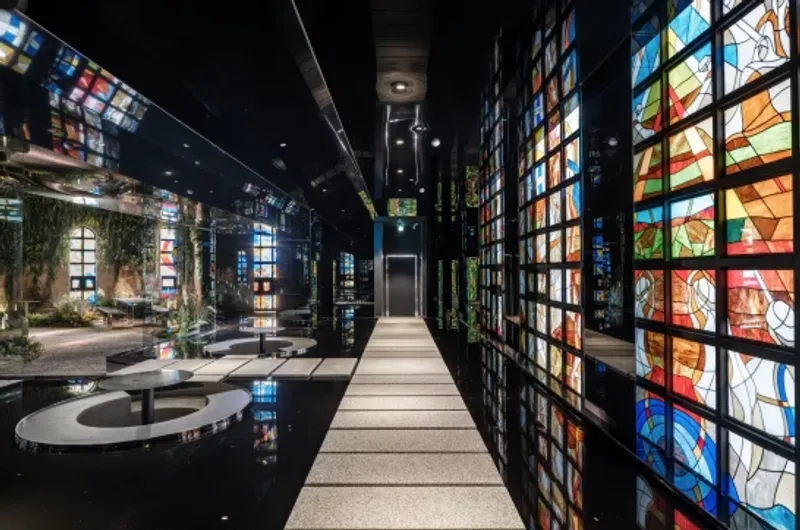
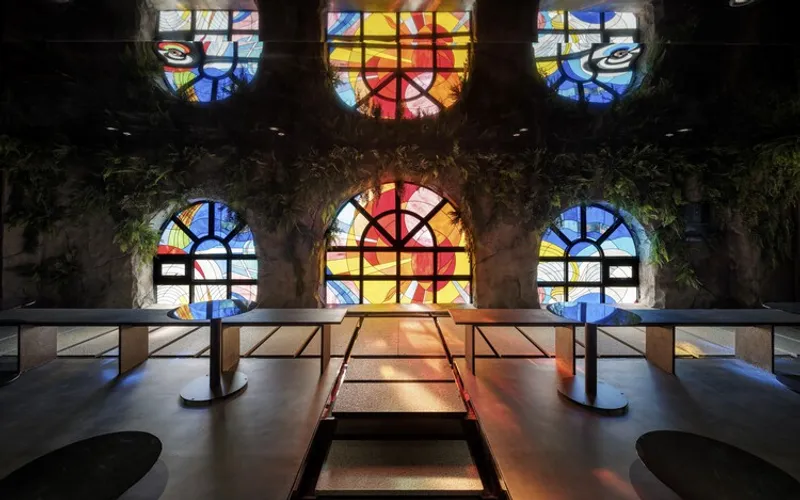
Rather than erasing the past, the architects preserved heritage elements such as bricks, stained glass, and auditorium structures, creating a dialogue between old and new while honoring the building’s architectural and cultural legacy.
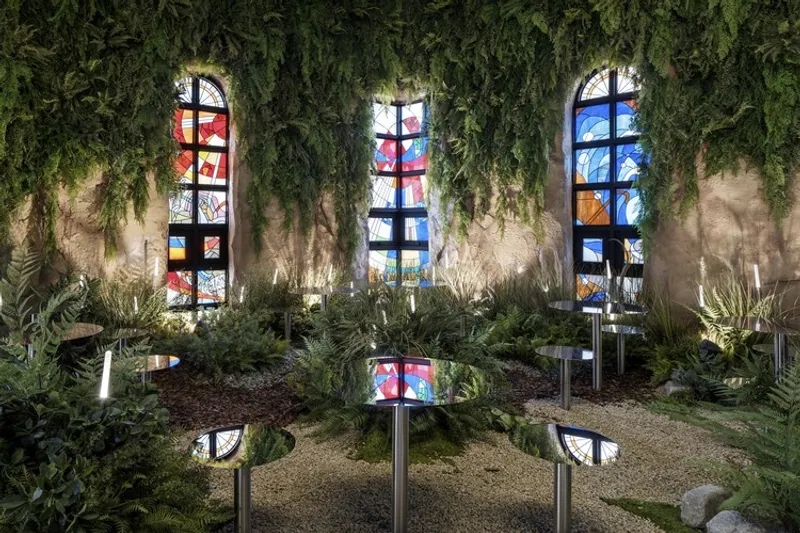
Concept: Embracing Time and Memory
The design philosophy prioritizes the accumulated time and historical value of the church, transforming it into a cultural forest space that embodies the brand story of Made Forest (“MADE 林”). The café encourages visitors to reconnect with nature and enjoy restorative experiences, aligning with the concept of May-Dream, a philosophy that emphasizes human longing for nature and calm.
This approach creates a regeneration architecture project, where history, culture, and contemporary use coexist harmoniously.
Spatial Composition
The café is organized into several key zones, each responding to the original building’s structure and contemporary functional requirements:
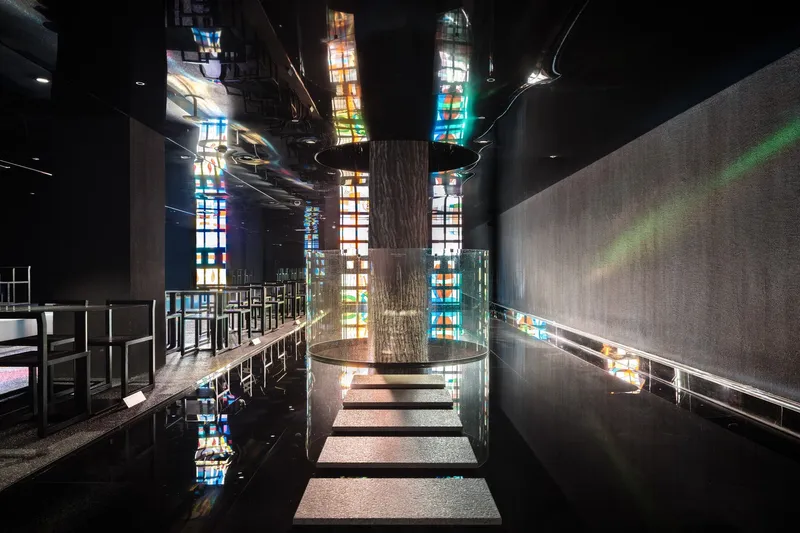
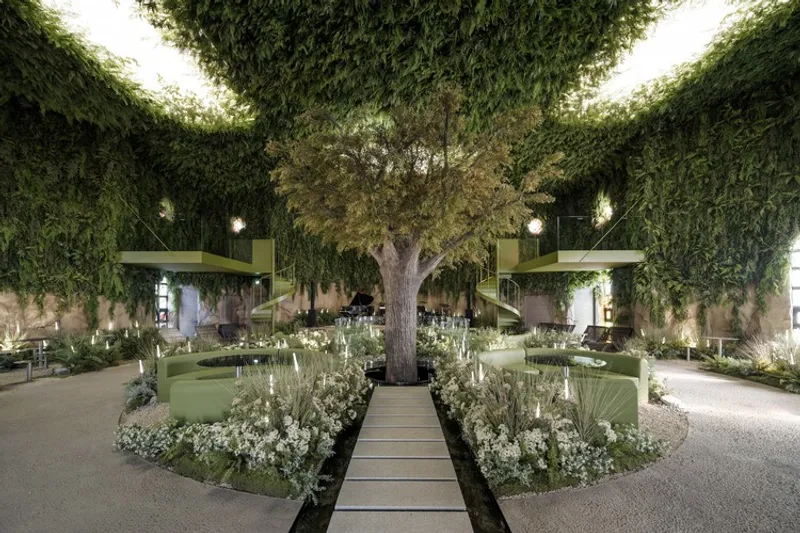
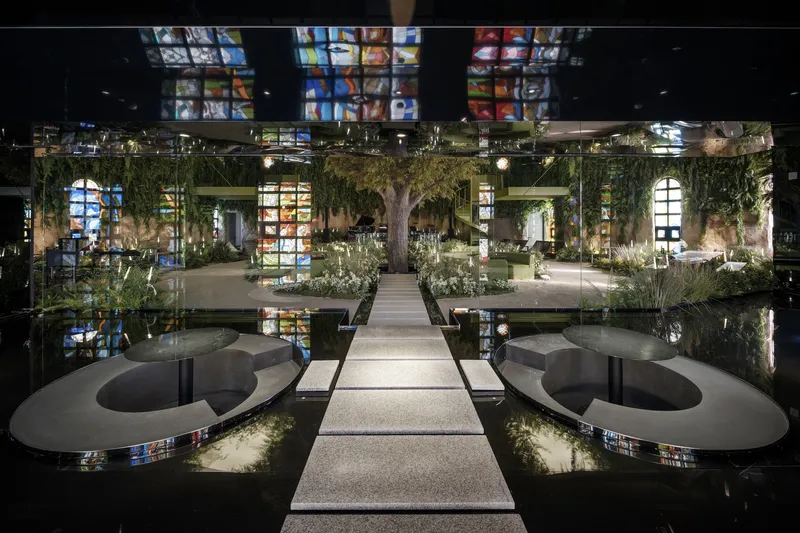
- Forest Hall (Main Hall): Houses the bakery, dining areas, and performance hall, offering communal experiences while preserving the church’s grandeur.
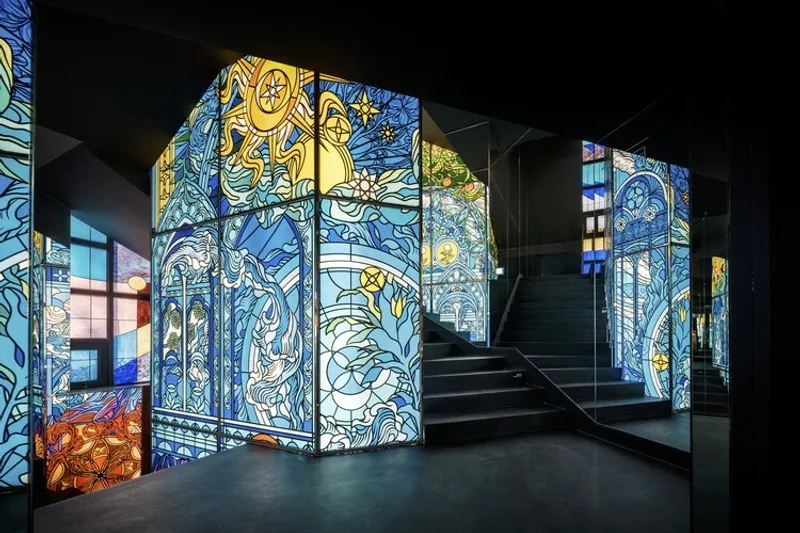
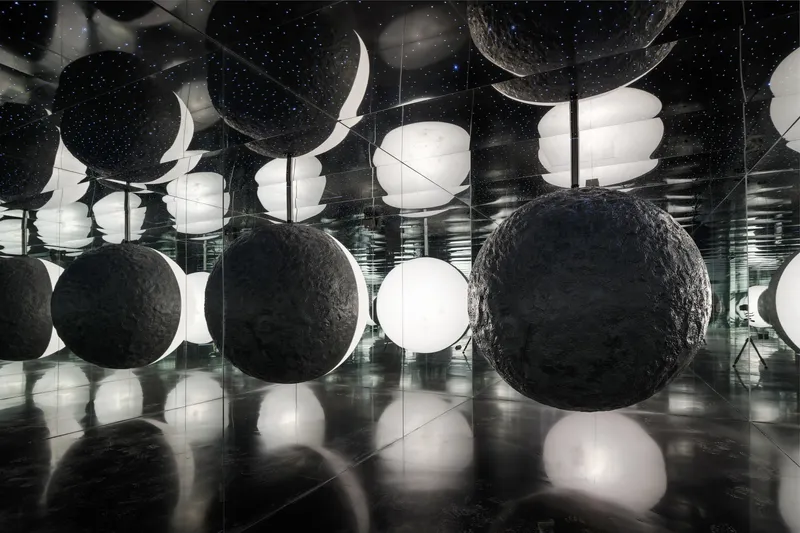
- Detached Forest House (Private House) and Heritage Hall (Dharma Hall): Contain experiential exhibition spaces, emphasizing cultural storytelling and interaction.
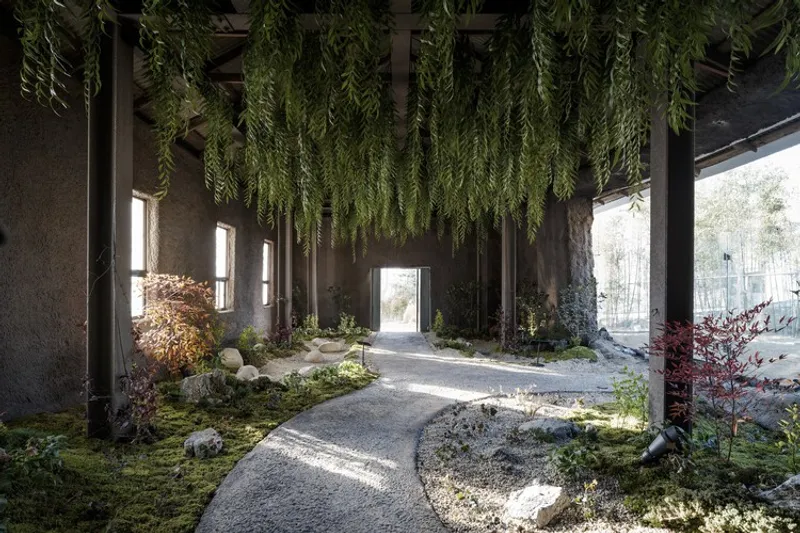
- Courtyards and Gardens: Interspersed throughout, these voids connect indoor and outdoor spaces, creating a sense of openness and serenity.
The project maintains the historic fabric of the church, using existing materials economically and sustainably while transforming them into immersive and functional spaces.
Materiality and Atmosphere
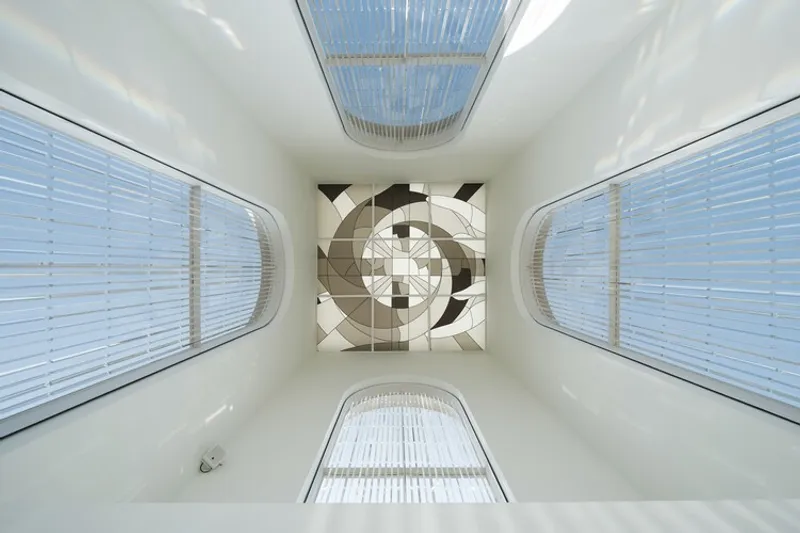
Preserved elements like stained glass windows, wooden beams, and brick walls retain the church’s character, while modern interventions enhance comfort, circulation, and functionality. The combination of light, texture, and natural materials ensures a warm and inviting atmosphere, encouraging guests to linger, relax, and explore.
Cultural and Environmental Significance
MADE LIM Café exemplifies how adaptive reuse can balance heritage preservation, cultural engagement, and sustainability. By celebrating layers of memory, the project connects visitors to collective history, creating a space where past and present coexist.
It also serves as a model for regeneration architecture, showing how old buildings can be revitalized without erasing their story, contributing to urban culture, and supporting environmental responsibility.
The MADE LIM Café by NONE SPACE demonstrates that architecture can be a bridge between time, culture, and nature. Through thoughtful restoration, spatial innovation, and brand storytelling, it transforms a historical church into a dynamic cultural hub that welcomes the present while honoring the past.
All the photographs are works of Haneol Kim



Popular Articles
Popular articles from the community


Riyadh For All: Intergenerational Urban Design for Active Aging in Rabat
Riyadh For All reimagines urban design in Rabat with intergenerational co-living, adaptive courtyards, and Moroccan cultural exchange today.

The Earth Pod: 3D Printed Homes for Resilient Refugee Communities
The Earth Pod reimagines refugee housing through 3D printed homes made from clay, combining resilience, self-sufficiency, and rapid shelter.

Co-life: Sustainable Architecture for Age-Friendly Community Living
Co-life reimagines sustainable architecture for seniors through courtyards, rammed earth, shared gardens, and spaces designed for belonging.

Lunar Spiral: Space Architecture Shaped by the Mathematics of the Universe
Lunar Spiral reimagines space architecture through Fibonacci geometry, lunar regolith, levitating habitats, and self-sustaining Moon living.

Similar Reads
You might also enjoy these articles


Hodi-Mandai Geram
Project Function: Preservation and revitalization of the Intangible heritage and socio-spatial identity of the Hodi by Housing, Cultural Memory Center, Sacred Grove, landscape, local tourism economy


Olio Towers: A Mid-Rise for Performers That Fuses Housing, Rehearsal, and Stage
Located blocks from Houston's Theater District, this modular tower stacks living units around a central performance atrium.

Oasis: Modular Green Housing Carved into Dhaka's Urban Fabric
A shortlisted Plugin Housing entry reclaims unauthorized settlements in Dhaka with stepped concrete volumes, green roofs, and ventilation-driven design.

Black Hole: A Floating Megastructure for the Post-Physical Era
Emiliano Mazzarotto envisions a spherical, self-scaling arena where e-sports, digital hotels, and holographic stadiums replace traditional public space.


Explore Cultural Architecture Competitions
Discover active competitions in this discipline



Challenge to reimagine the Iron Throne


Photograph architecture without architects


Illustrate the lost glory of Angkor Wat - Render Challenge

Bring back Drive In's
Comments (0)
Please login or sign up to add comments
No comments yet. Be the first to comment!