
Mama Minka House: A Masterpiece of Wabi-Sabi Architecture in Bali
A serene Balinese villa embodying Wabi-Sabi architecture, seamlessly blending minimalism, craftsmanship, and nature for mindful living.


Introduction to Mama Minka House
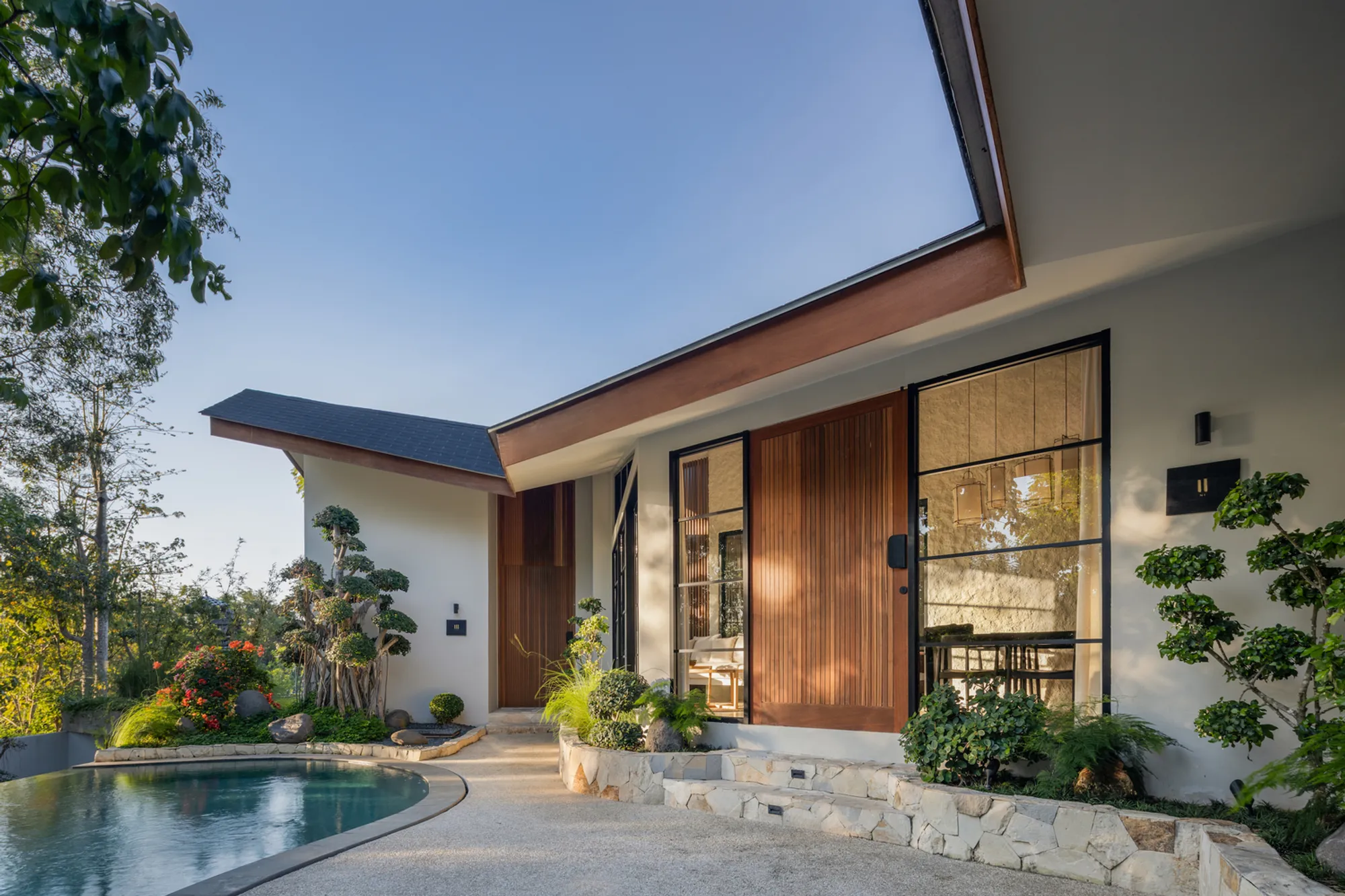
Nestled in the lush forests of Uluwatu, Bali, Mama Minka House by Atelier Generations Vasudeva Design is an exquisite example of Wabi-Sabi architecture. Designed as a compact yet profoundly meaningful retreat, the villa embodies simplicity, elegance, and a deep connection to nature, drawing inspiration from timeless Japanese aesthetics.
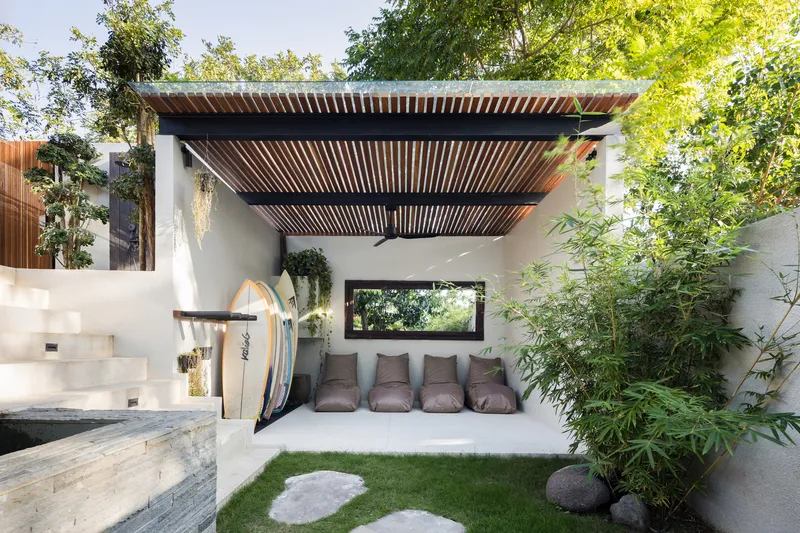
Wabi-Sabi Architecture Meets Balinese Landscape
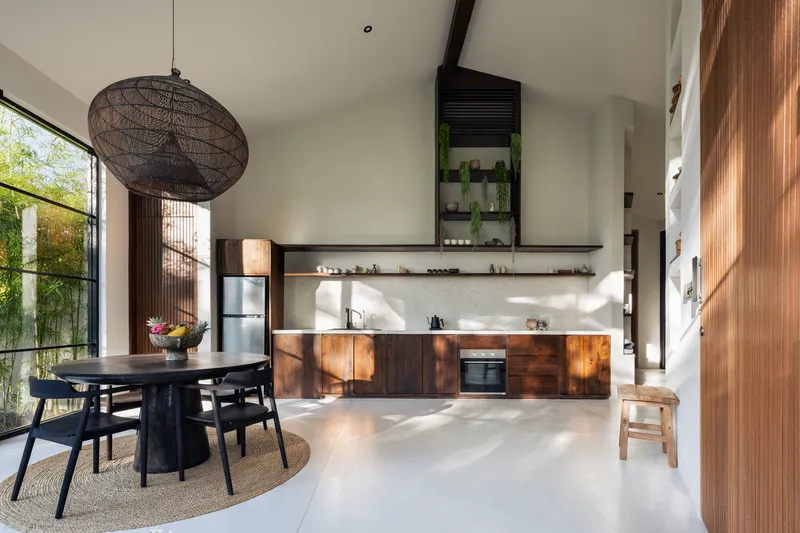
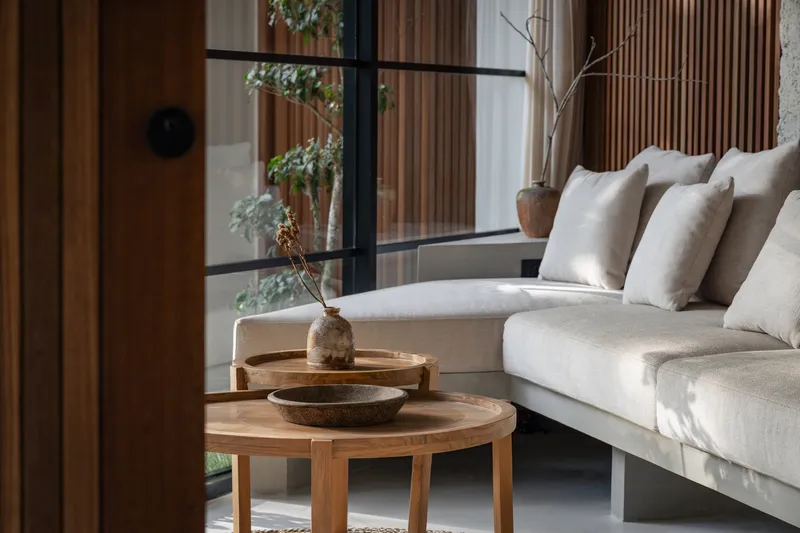
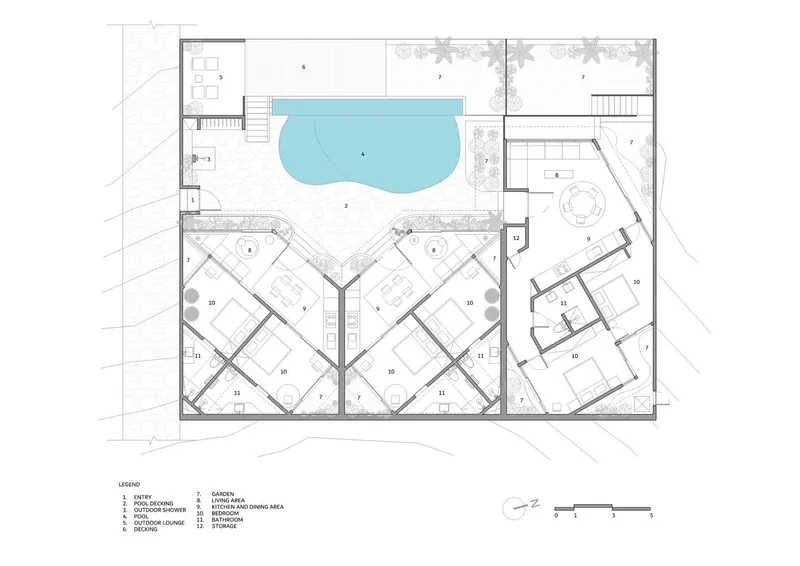
The heart of Mama Minka House lies in its seamless integration of architecture and nature. Guided by the Wabi-Sabi philosophy, which celebrates imperfection, impermanence, and the beauty of natural materials, the villa invites residents to slow down and connect with their surroundings. Set within 202 square meters, Mama Minka features two bedrooms with private bathrooms, an intimate living room, and an elegant dining area, all designed to reflect the purity and tranquility of Wabi-Sabi architecture.
A Thoughtfully Designed Layout
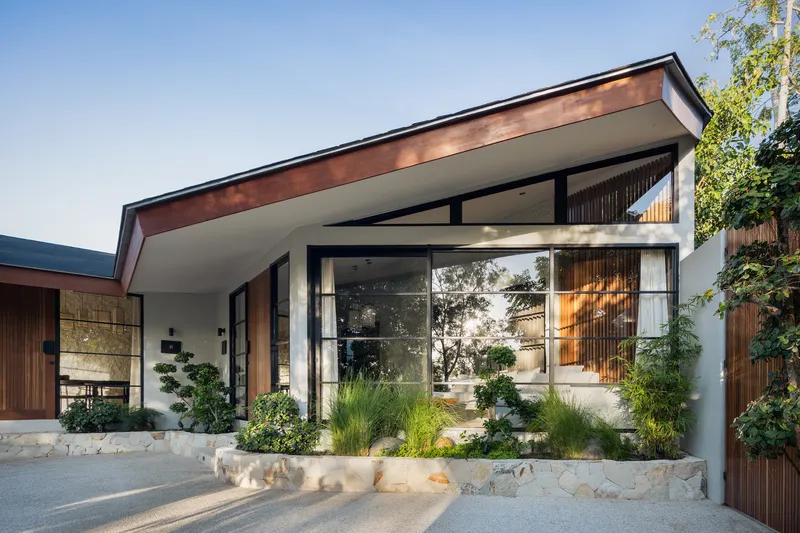
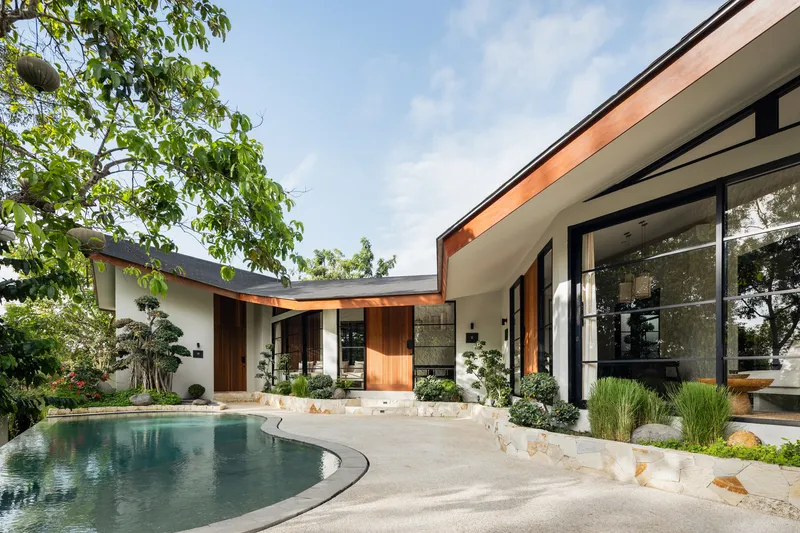
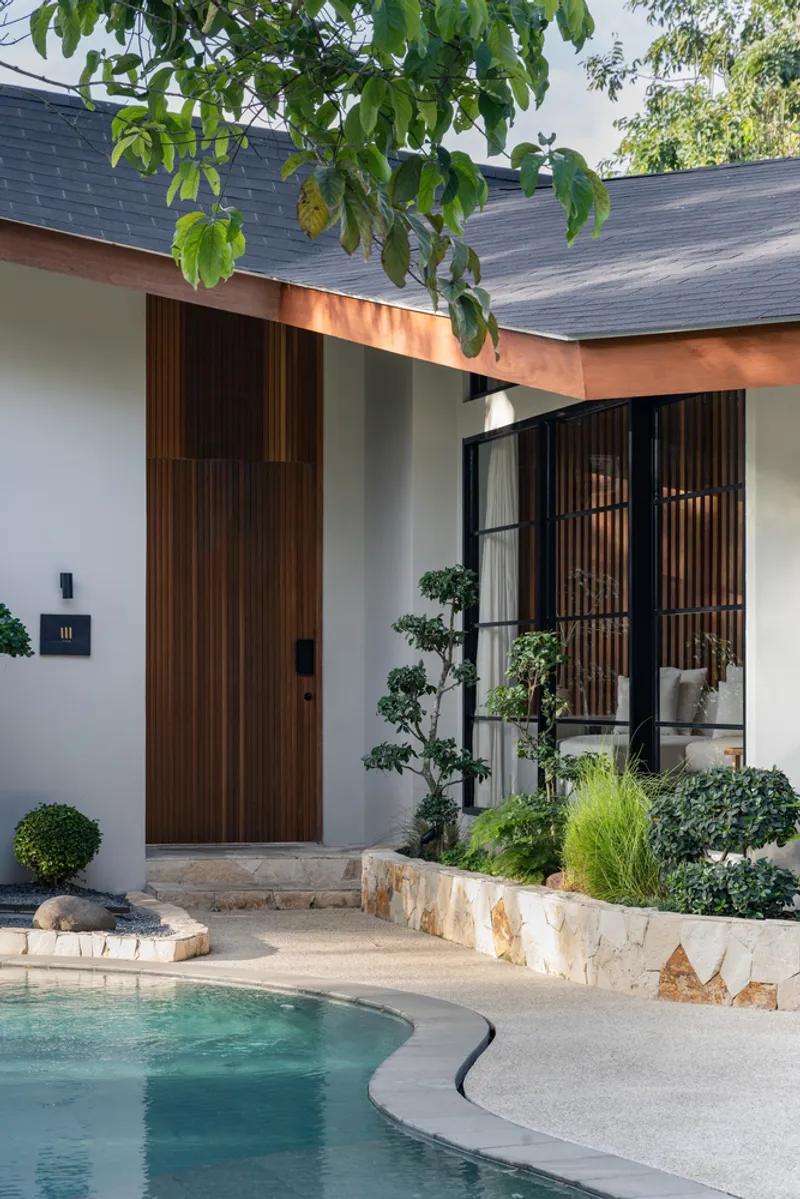
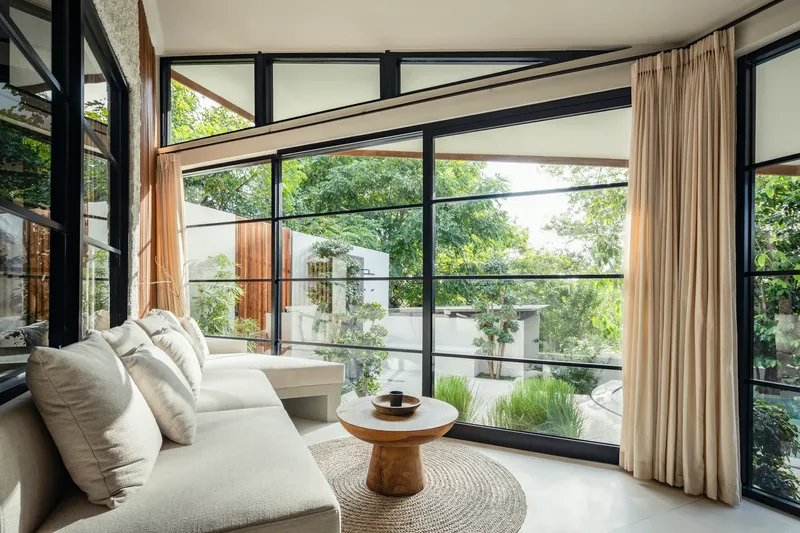
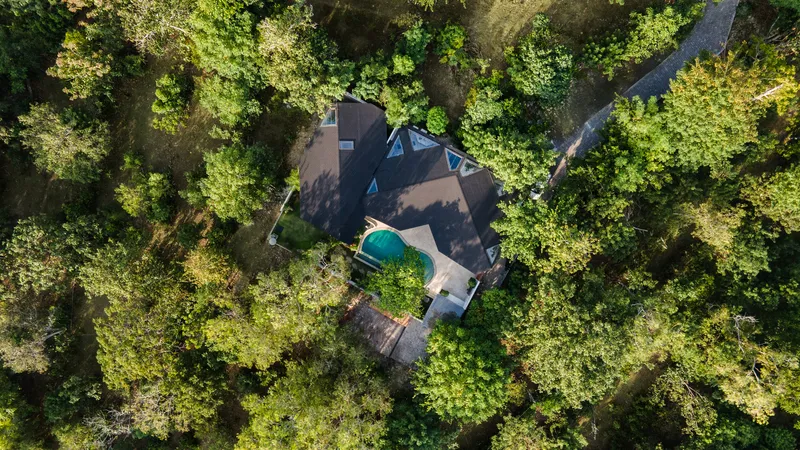
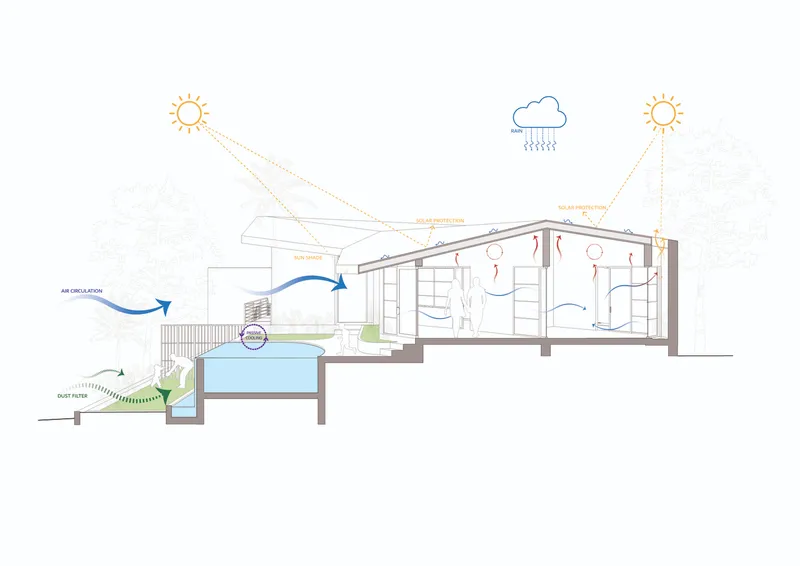
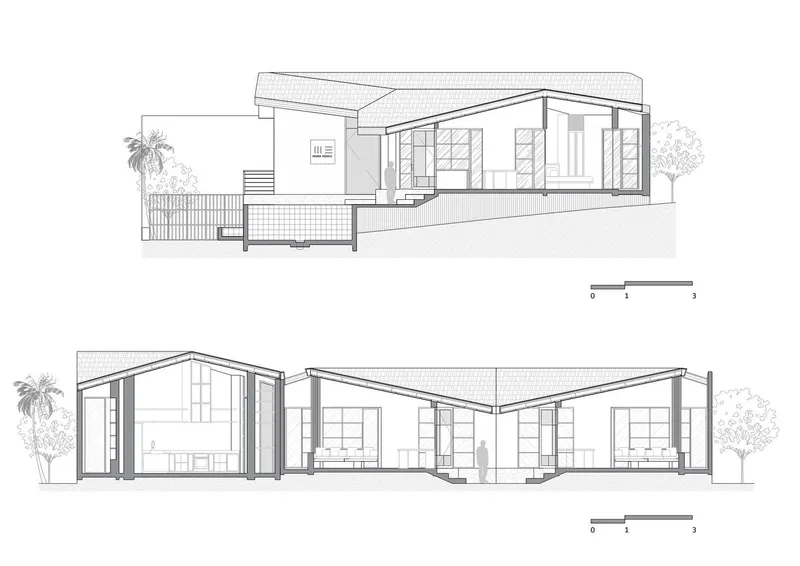
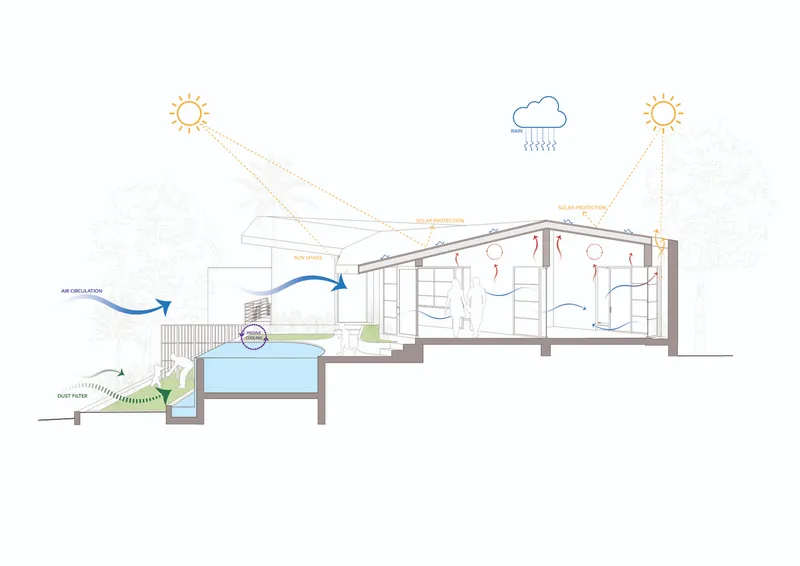
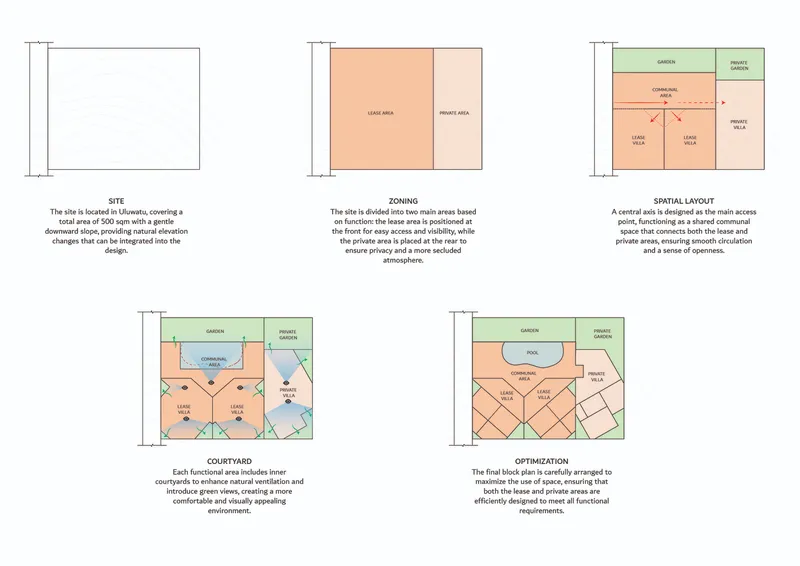
The villa’s layout is compact yet highly functional, with three access points from the left, center, and right, ensuring privacy without compromising flow. This intuitive organization allows occupants to navigate the space with ease. The interplay of solid walls and open voids is carefully crafted to bring in natural light, fresh air, and breathtaking views of the surrounding forest, creating an atmosphere of calm and serenity.
The Signature Flip Roof Design
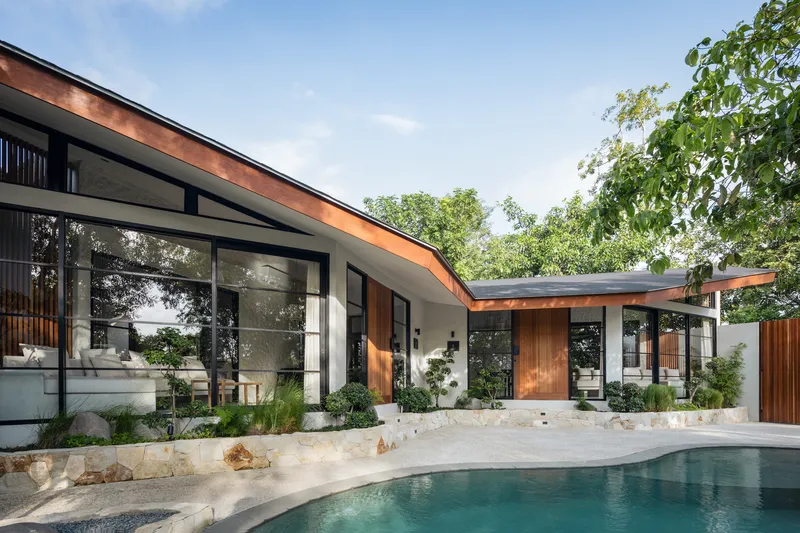
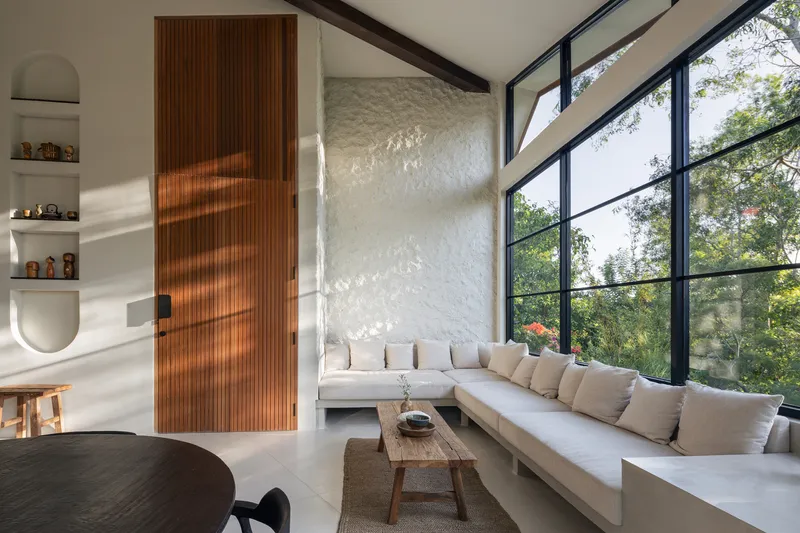
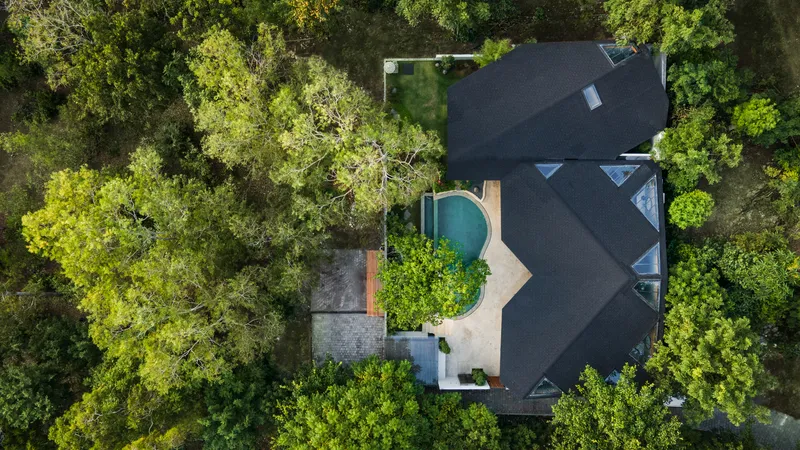
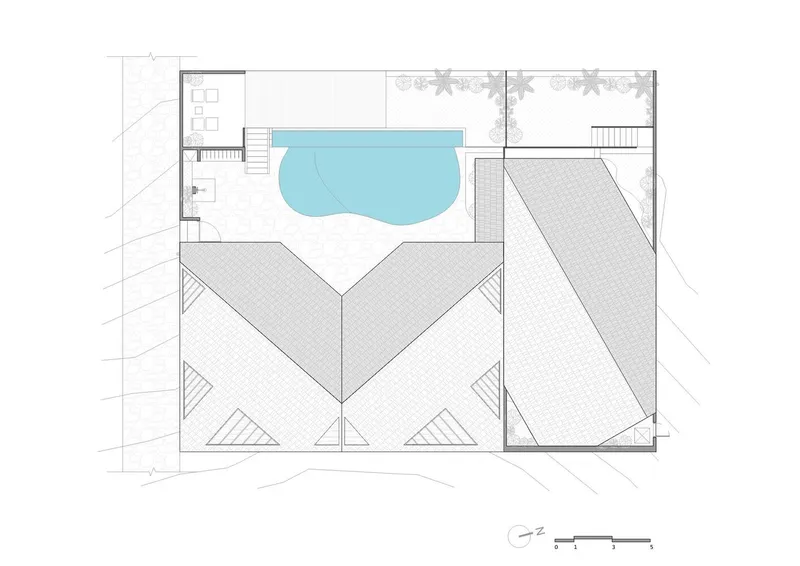
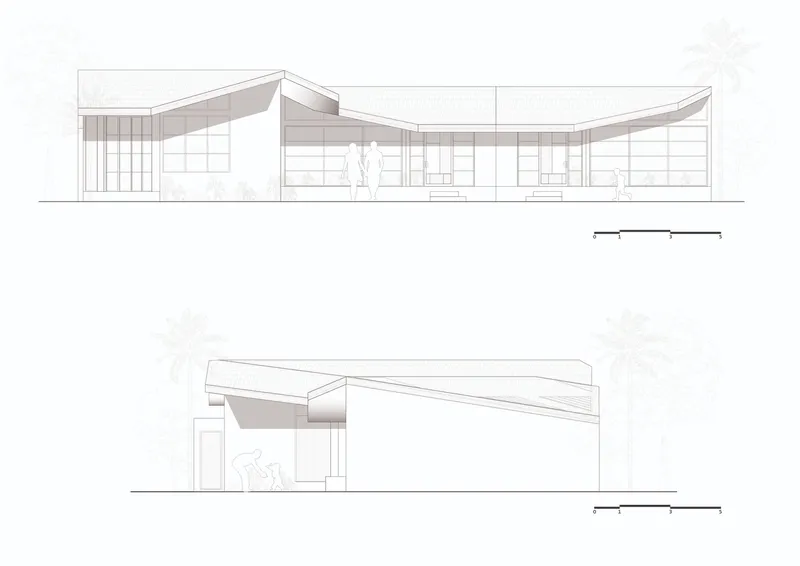
One of Mama Minka House’s most captivating features is its sculptural flip roof, a design inspired by the art of origami. Unlike conventional pitched roofs, this angled and folded structure creates varying ceiling heights, casting dynamic shadows throughout the interiors. The flip roof not only enhances the spatial experience but also strengthens the villa’s dialogue with nature, echoing the contours of the surrounding landscape.
A Material Palette That Celebrates Imperfection
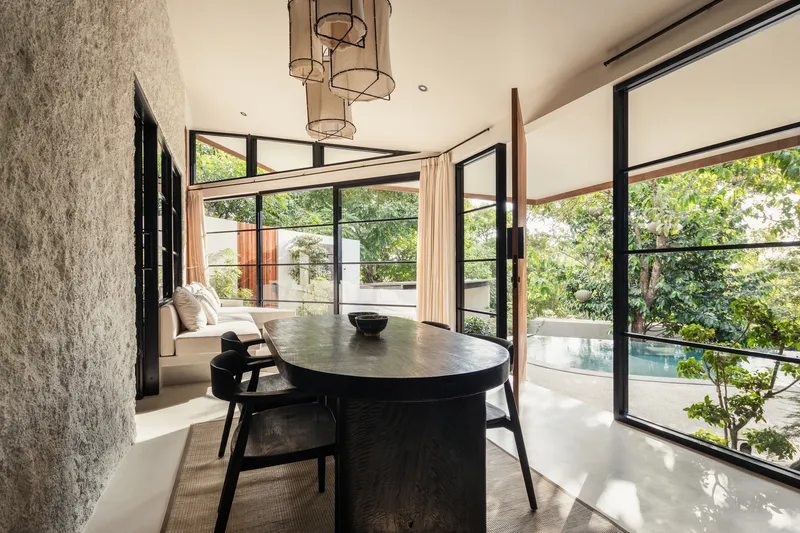
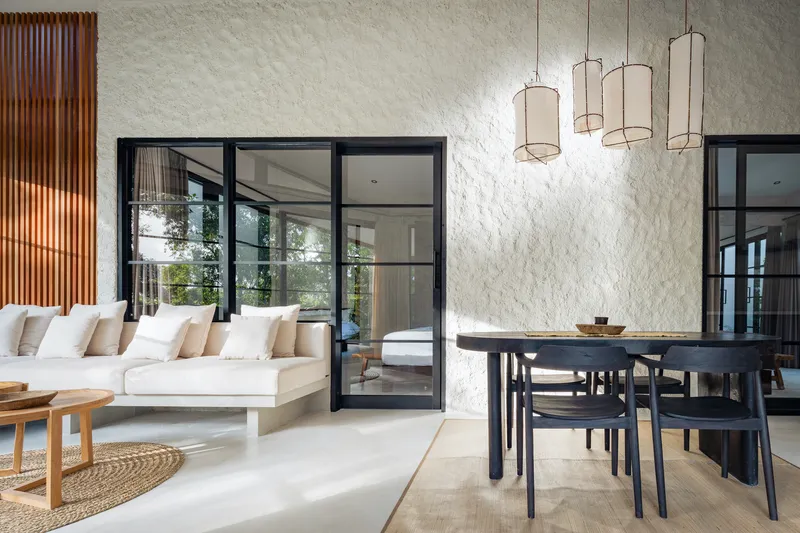
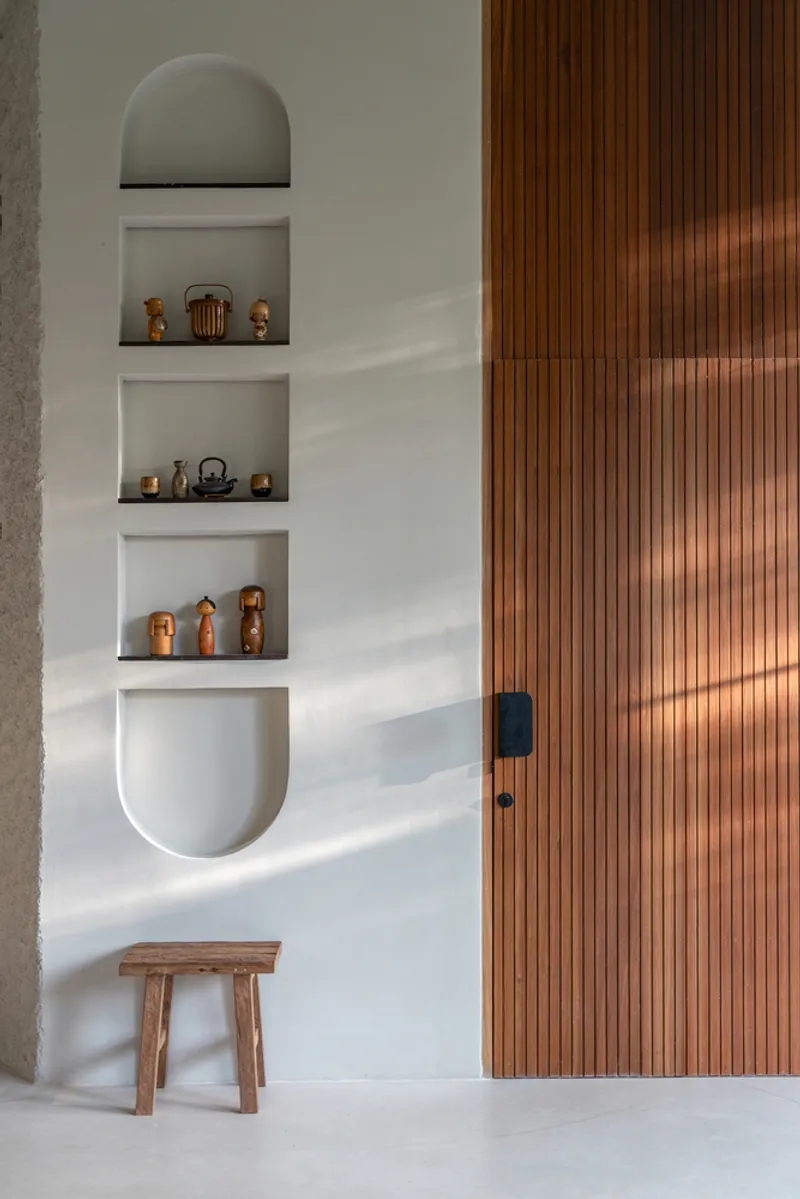
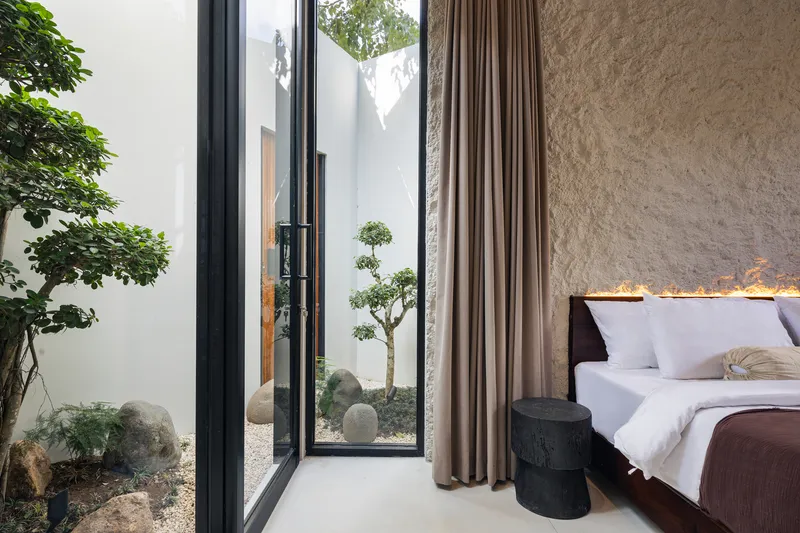
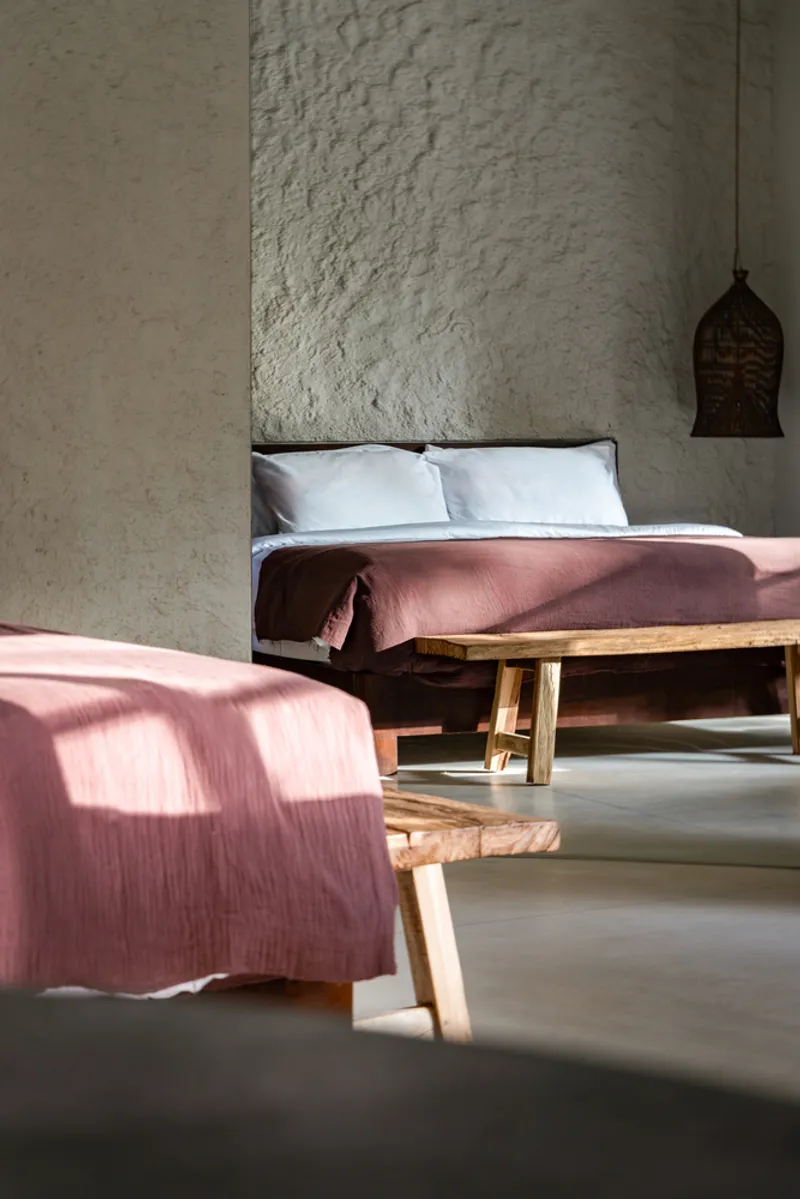
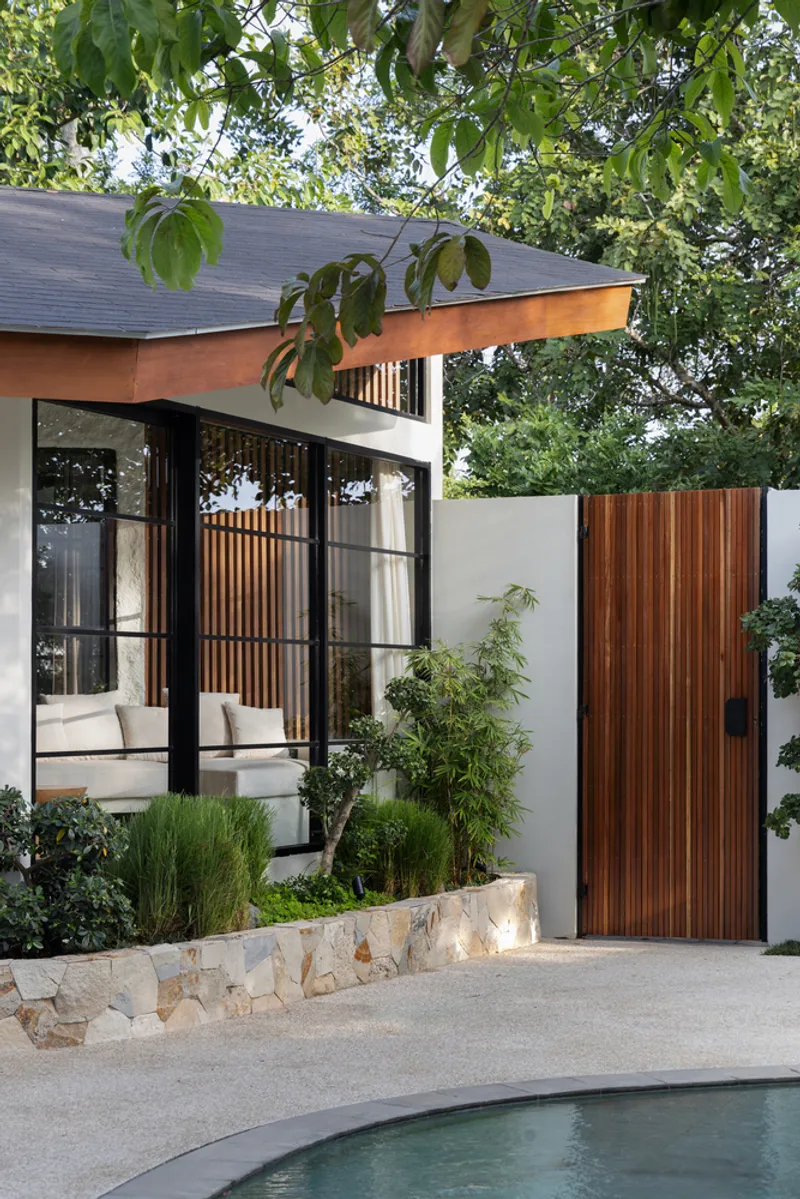
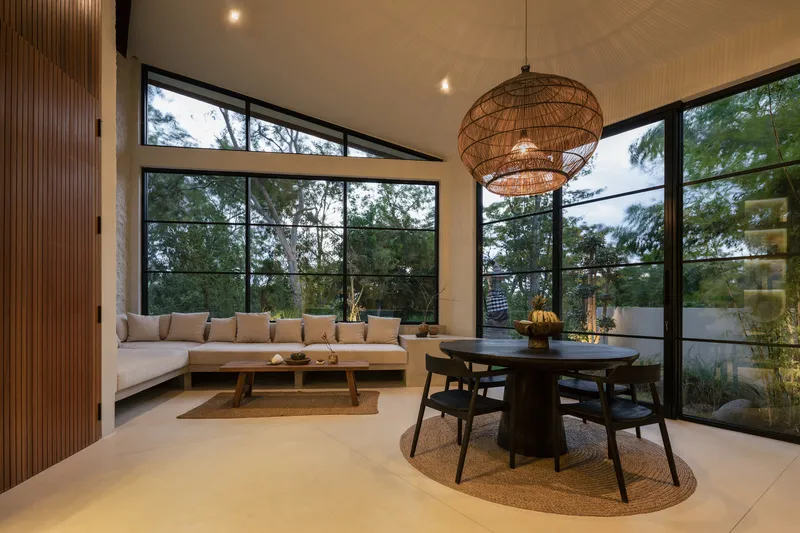
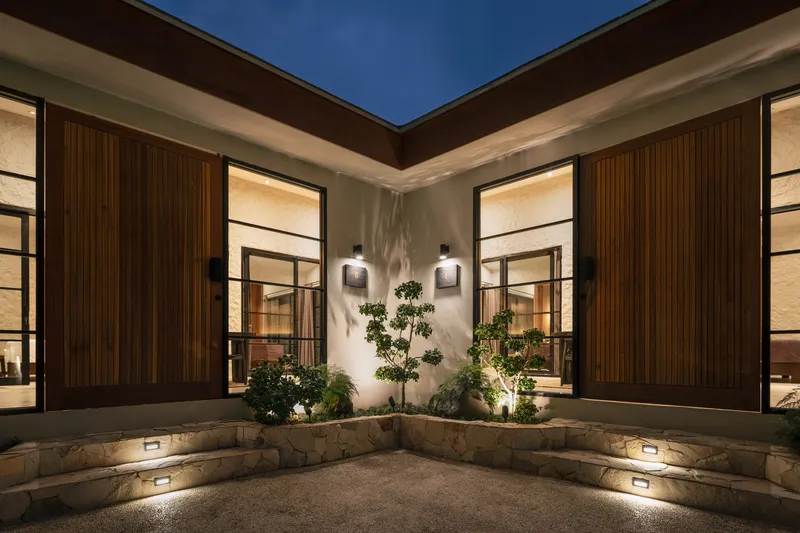
The choice of materials at Mama Minka House reflects a deep respect for craftsmanship and time-honored techniques. Cream-toned coarse plaster walls reveal the marks of the artisan’s hand, while deep black furniture pieces introduce a striking contrast. Natural materials such as stone, wood, and woven elements contribute to a tactile and authentic atmosphere, reinforcing the principles of Wabi-Sabi architecture.
Seamless Indoor-Outdoor Connection
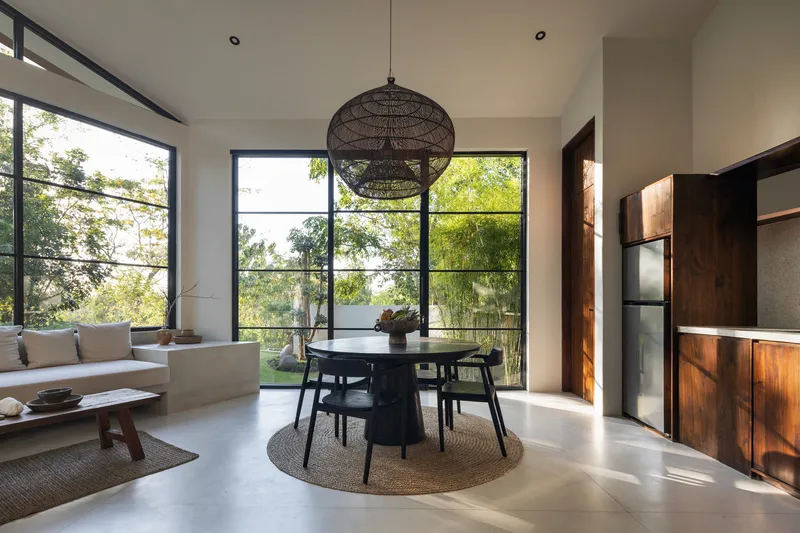
Mama Minka House blurs the lines between interior and exterior with curated Japanese gardens and carefully framed views. The diagonal layout maximizes openness and fluidity, allowing nature to become part of daily living. Each room is positioned to capture the beauty of its surroundings, turning every window into a living canvas of greenery and light.
Roofing Material for Function and Form
The asphalt roofing material was thoughtfully selected to complement the flip roof design. Its durability and adaptability ensure that the unique geometry of the roof remains both visually stunning and practical, providing protection from the elements while maintaining a cohesive architectural language.
A Sanctuary of Slow Living
More than just a villa, Mama Minka is a sanctuary for mindful living. It invites guests to embrace simplicity, appreciate the passage of time, and reconnect with the rhythms of nature. The villa stands as a testament to the timeless appeal of Wabi-Sabi architecture, offering a poetic and grounded alternative to fast-paced contemporary life.
Mama Minka House by Atelier Generations Vasudeva Design is a brilliant example of Wabi-Sabi architecture in Bali, where minimalism meets craftsmanship, and nature becomes an integral part of design. Through its thoughtful layout, sculptural roof, and authentic material palette, the villa offers a soulful retreat that honors imperfection, celebrates simplicity, and inspires connection with the natural world.
All the photographs are works of Indra Wiras




Popular Articles
Popular articles from the community


Co-Life: Senior Housing Design That Reconnects Older Adults With the City
Co-Life reimagines senior housing design through healing gardens, shared streets, workshops, and a sustainable community across generations.

The Musturak Paradise: Senior Living Architecture for a Connected Future in Temara, Morocco
The Musturak Paradise reimagines senior living architecture in Temara via private homes, social spaces, culture, community, and shared care.

Play: Fragments of Their World
Familiar architecture becomes modular playground design, creating safe spaces where displaced children can learn, connect, imagine and play.

Lunar Spiral: Space Architecture Shaped by the Mathematics of the Universe
Lunar Spiral reimagines space architecture through Fibonacci geometry, lunar regolith, levitating habitats, and self-sustaining Moon living.


Similar Reads
You might also enjoy these articles

Bamboo Housing Challenge 2026: Design Affordable, Sustainable Homes Using Bamboo
An international design competition by Bamboo U and IBUKU inviting architects and designers to reimagine affordable housing using bamboo — with the winning design built full-scale in Bali.
Computational Design & Education: Beegraphy Design Awards Introduces 7th Category (Featuring Jiyun's Innovative Approach)
Dive into Beegraphy’s 7th Design Awards category, where computational design meets education to create immersive, interactive learning tools, inspired by Jiyun’s work.
From Parametric Lighting to Urban Furniture: Join the 2nd Workshop in Beegraphy’s Computational Design Series
Dive into Cutting-Edge Design Techniques and Practical Applications with Industry Experts

Last Call: Unleash Your Architectural Genius in SHAK's Kindergarten Design Competition
Urgent call for architects to join SHAK's kindergarten design competition before the looming deadline

Explore Bali Competitions
Discover active competitions in this discipline



Challenge to reimagine the Iron Throne


Photograph architecture without architects


Illustrate the lost glory of Angkor Wat - Render Challenge


Design challenge to reuse E-waste
Comments (0)
Please login or sign up to add comments
No comments yet. Be the first to comment!