

Modern Farmhouse Renovation: Settler's House Conversion by Kloepfel Zeimer Architekten
A minimalist farmhouse renovation in Germany blends exposed brick, timber, and clay to create a crafted, sustainable rural retreat.


A Rural Transformation Rooted in Craft and Simplicity
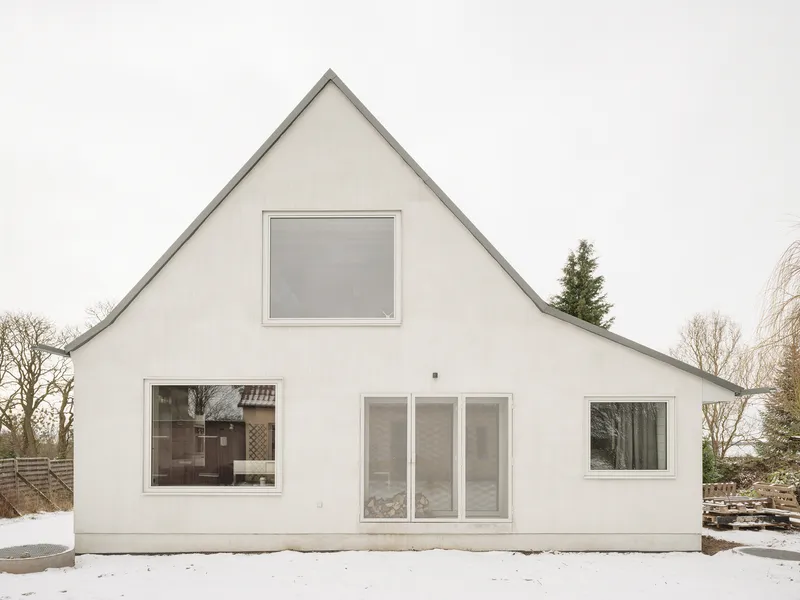
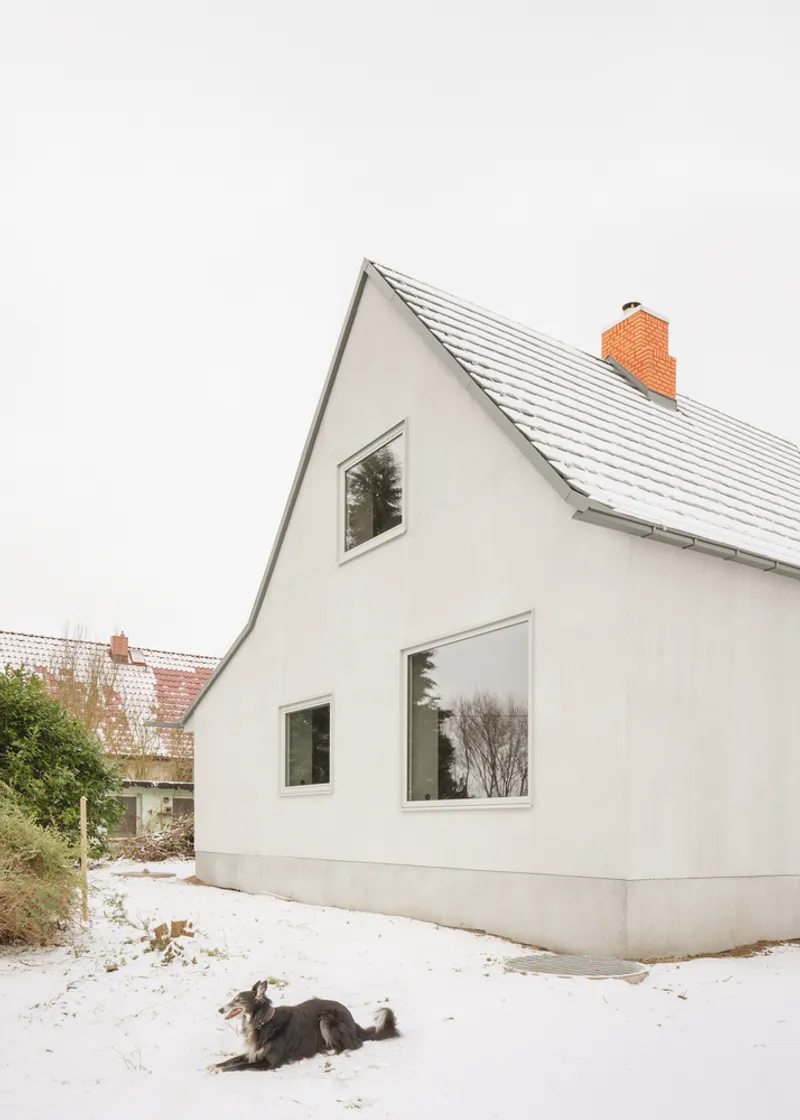
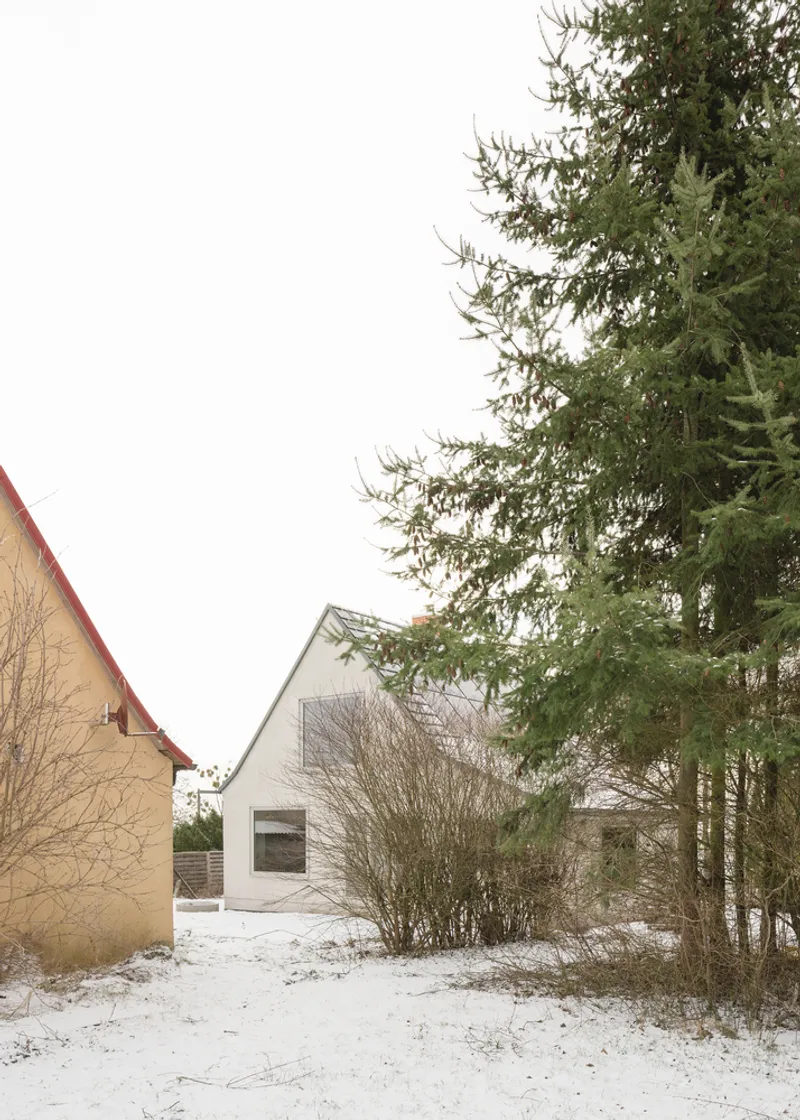
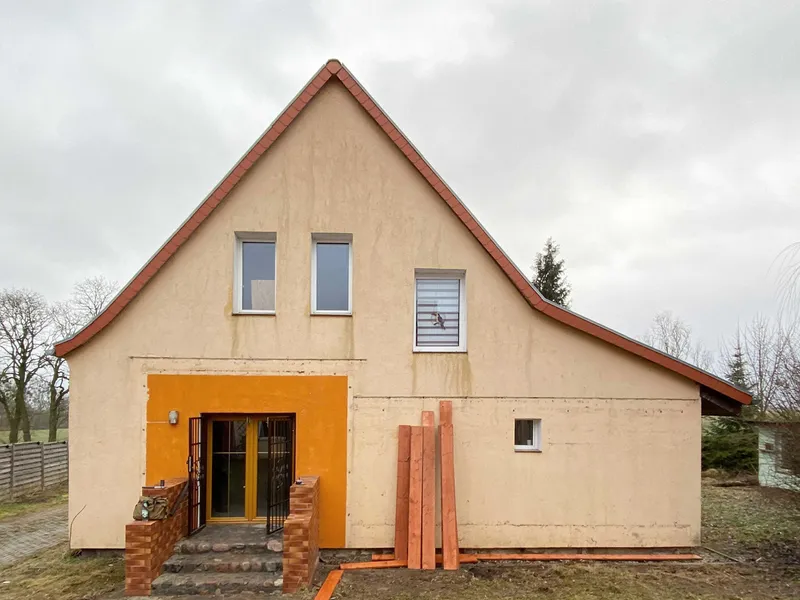
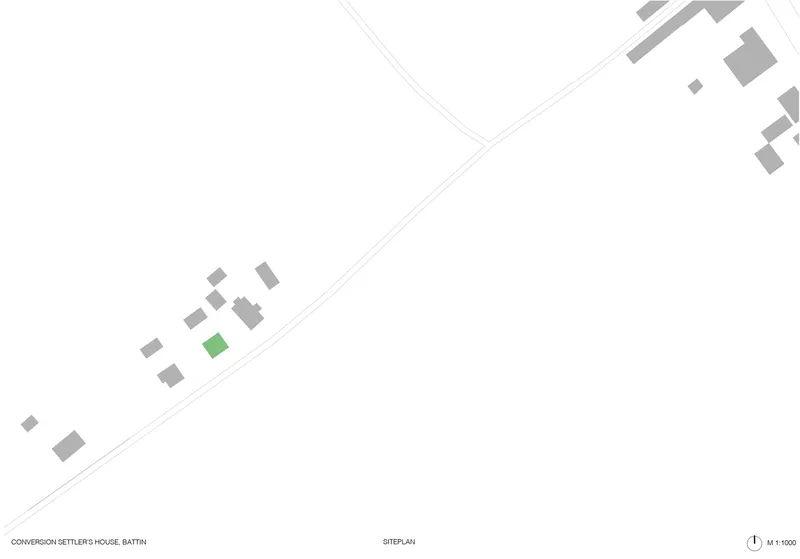
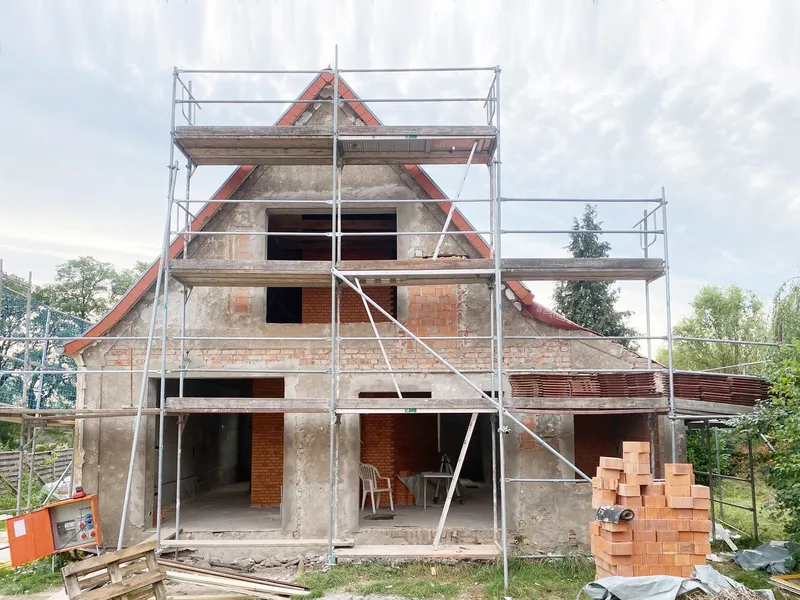
Located in the quiet village of Brüssow, Germany—150 kilometers northeast of Berlin—Kloepfel Zeimer Architekten have reimagined a modest 1950s settler’s house as a refined modern farmhouse renovation. This 135-square-meter transformation, completed in 2025, exemplifies how subtle interventions and minimal materials can yield powerful spatial reconfigurations and enduring architectural character.
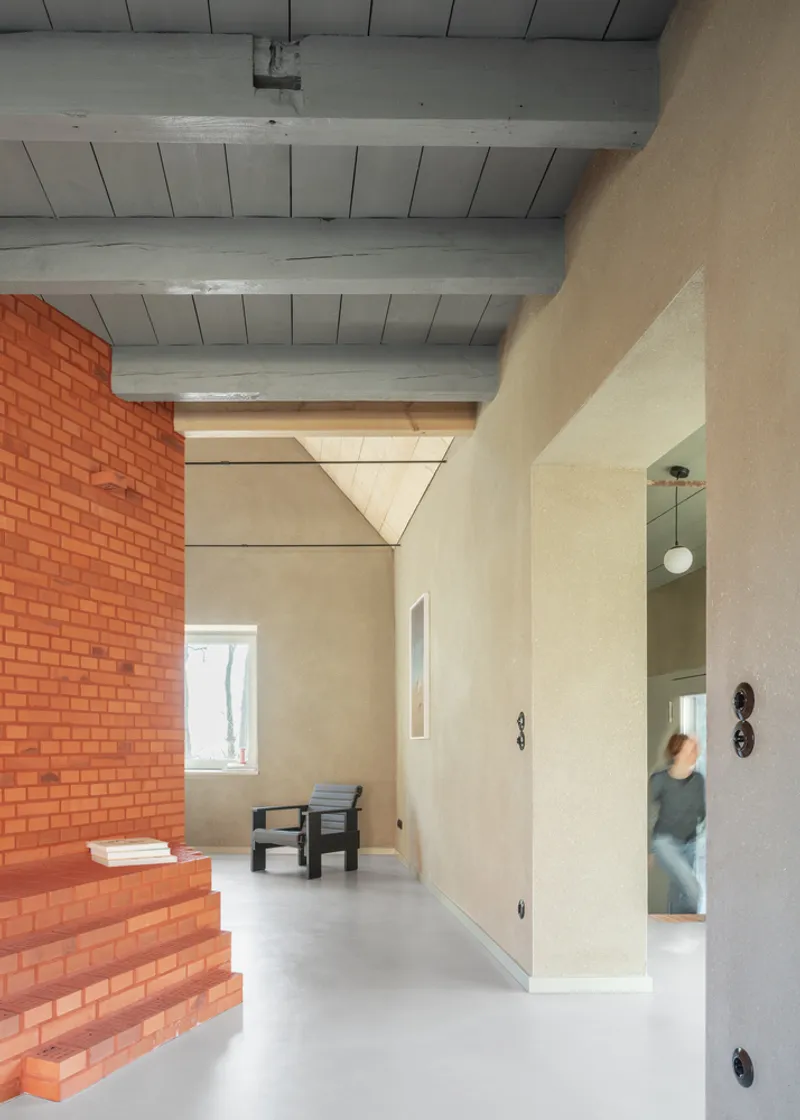
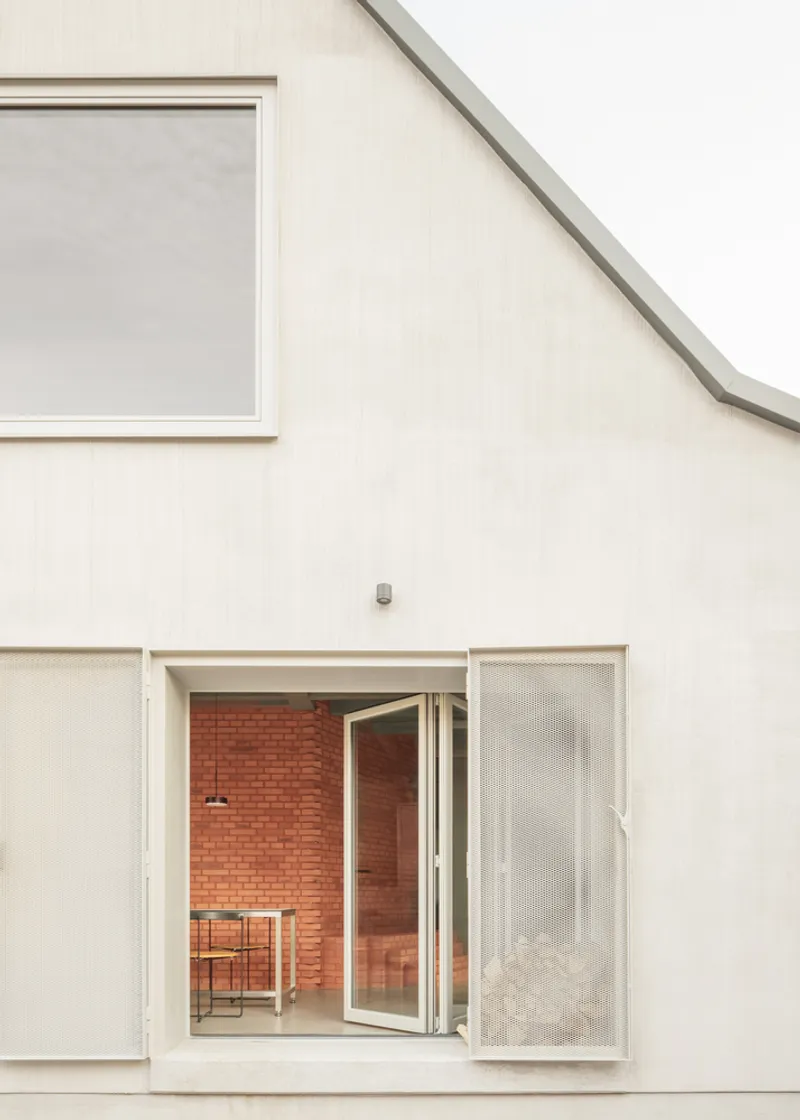
The project focuses entirely on the house’s interior, transforming a once conventional two-story residence into a sculptural and open dwelling that serves as a country retreat for a young family. The design language is simple yet masterfully detailed, balancing rural modesty with architectural clarity.
A Sculptural Heart Anchored in Brick and Timber
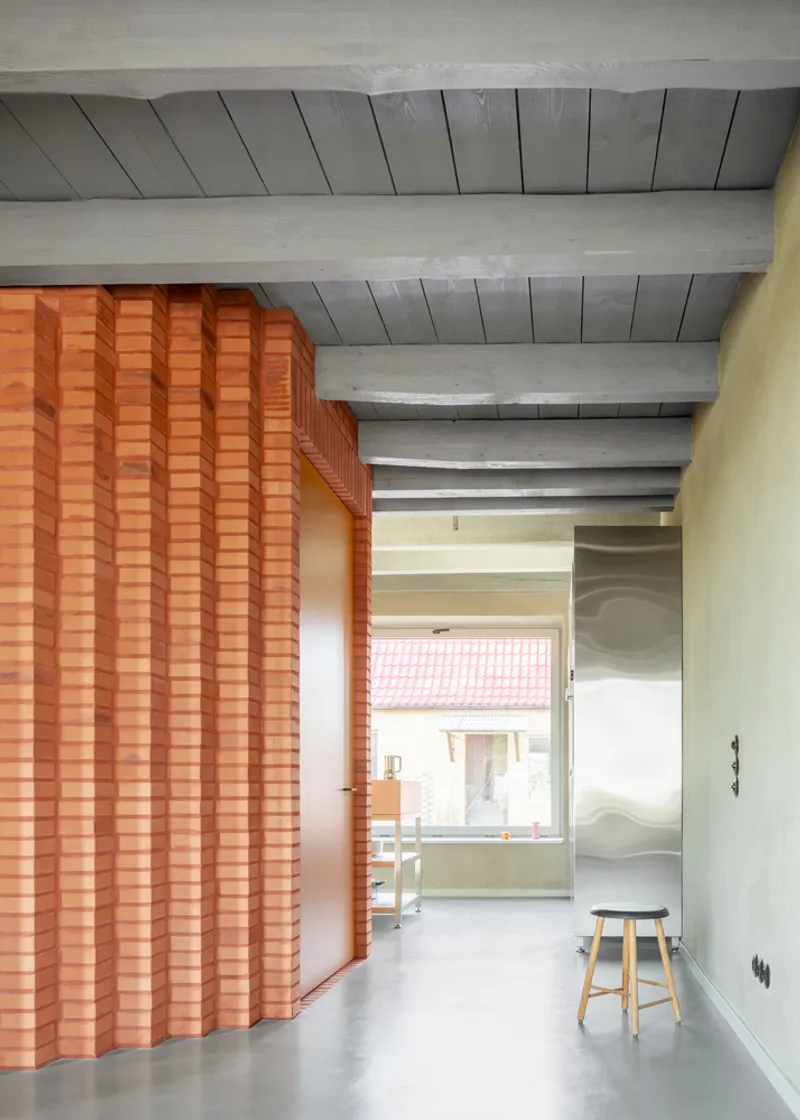
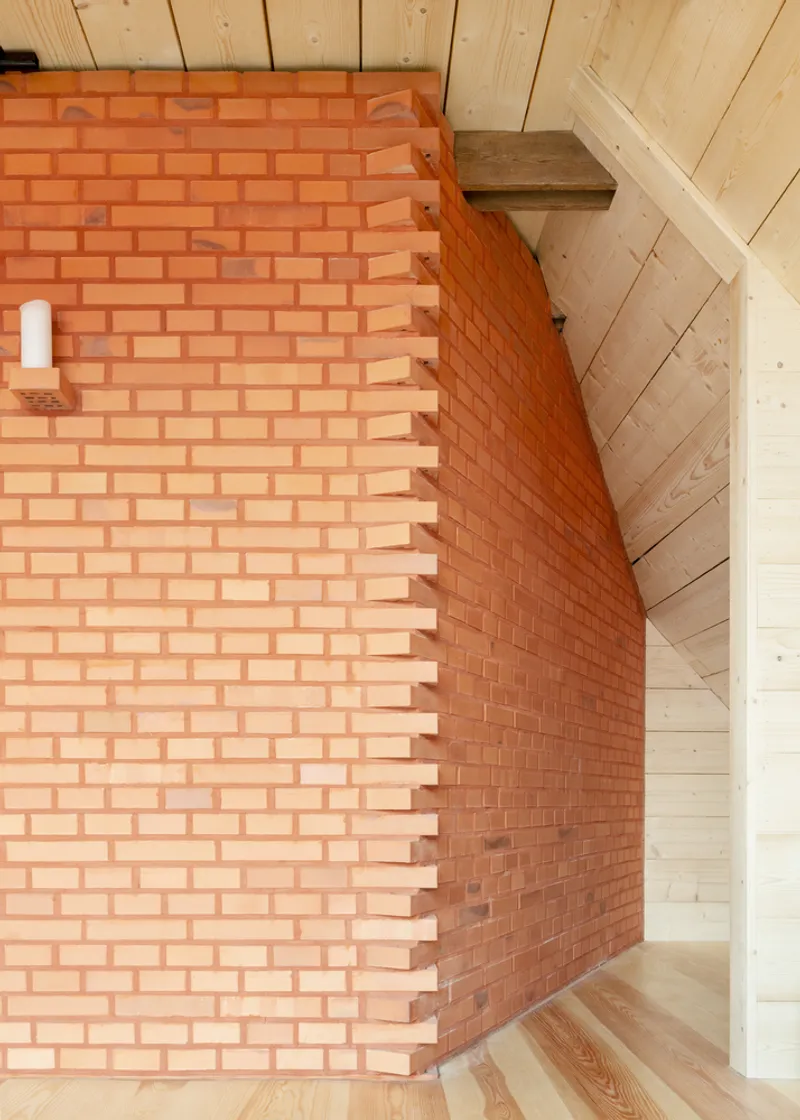
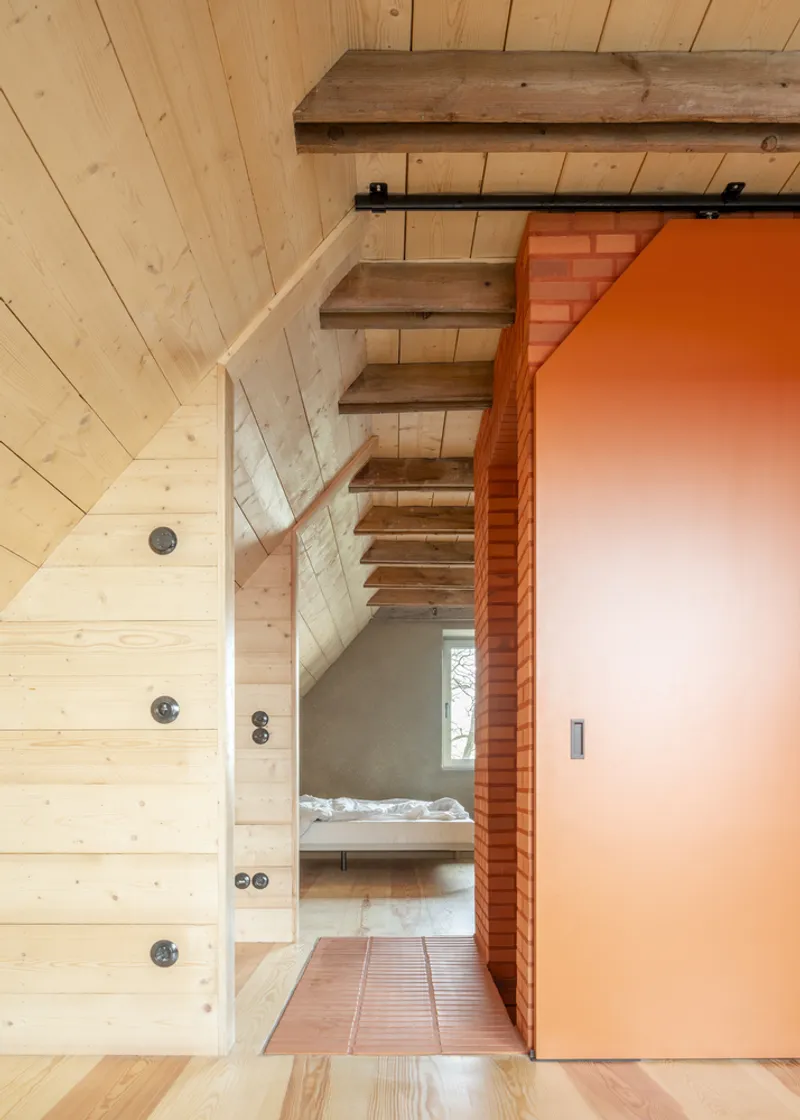
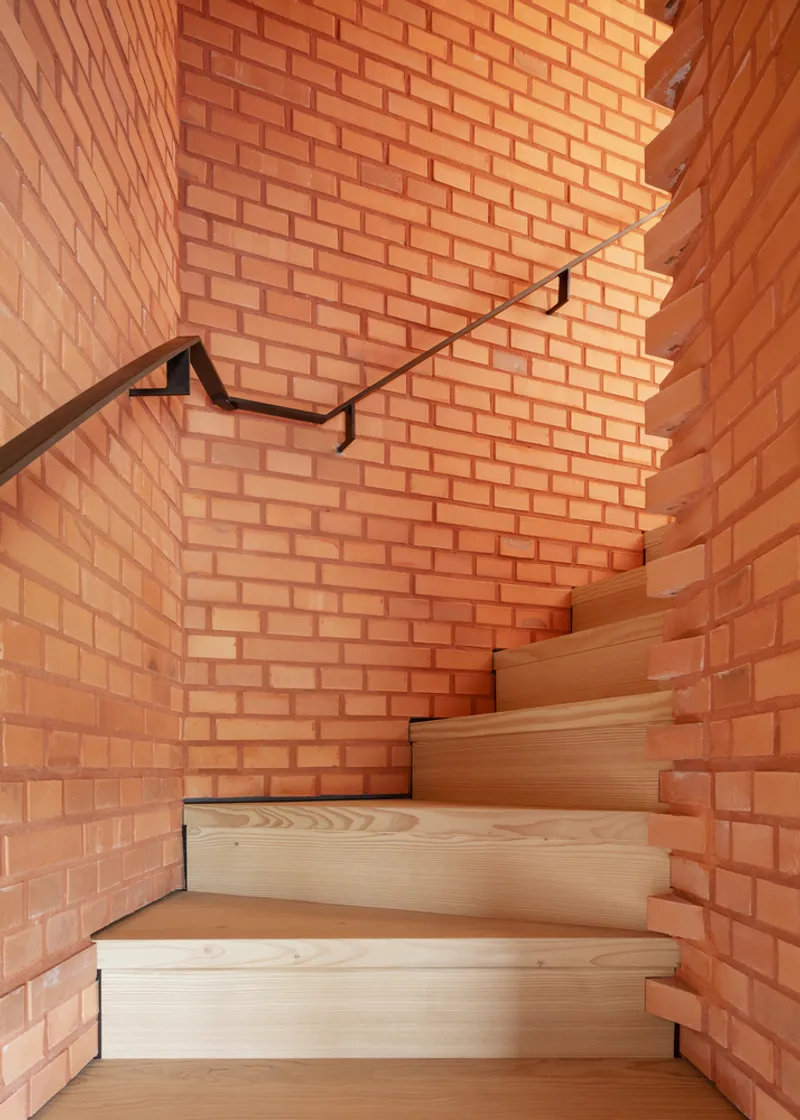
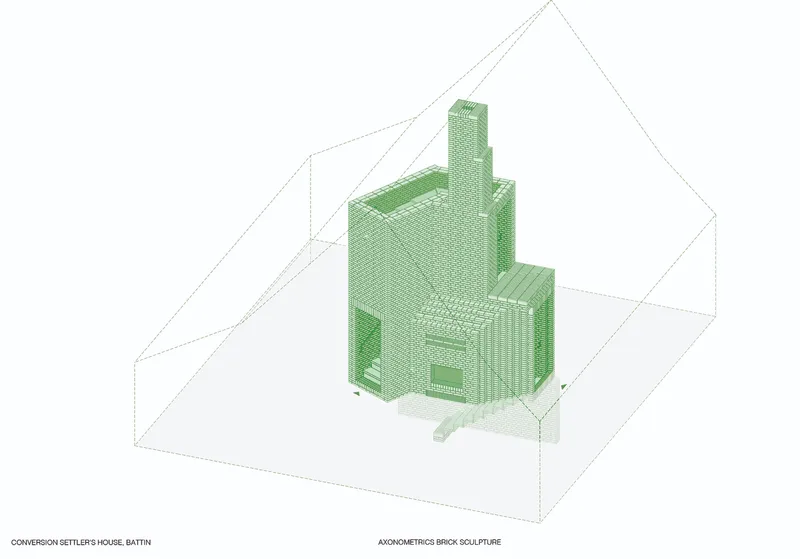
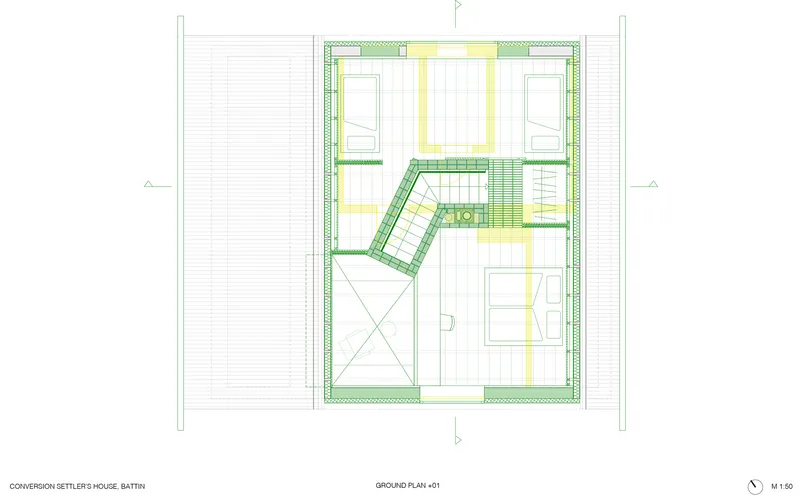
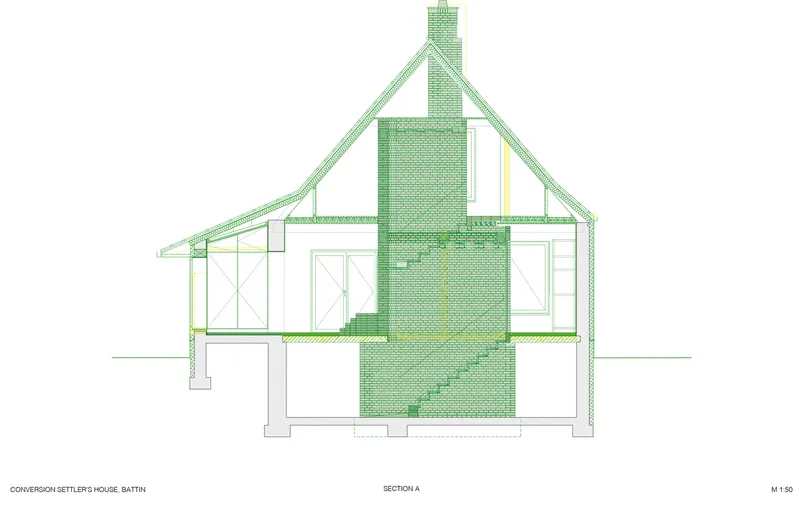
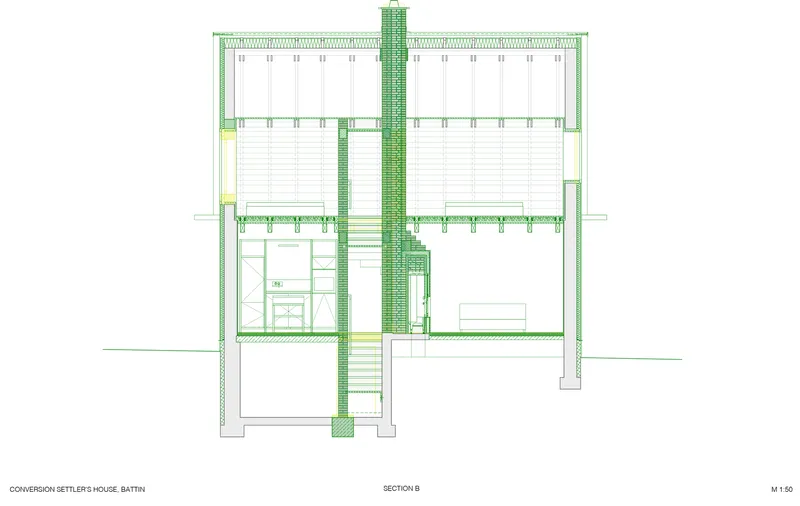
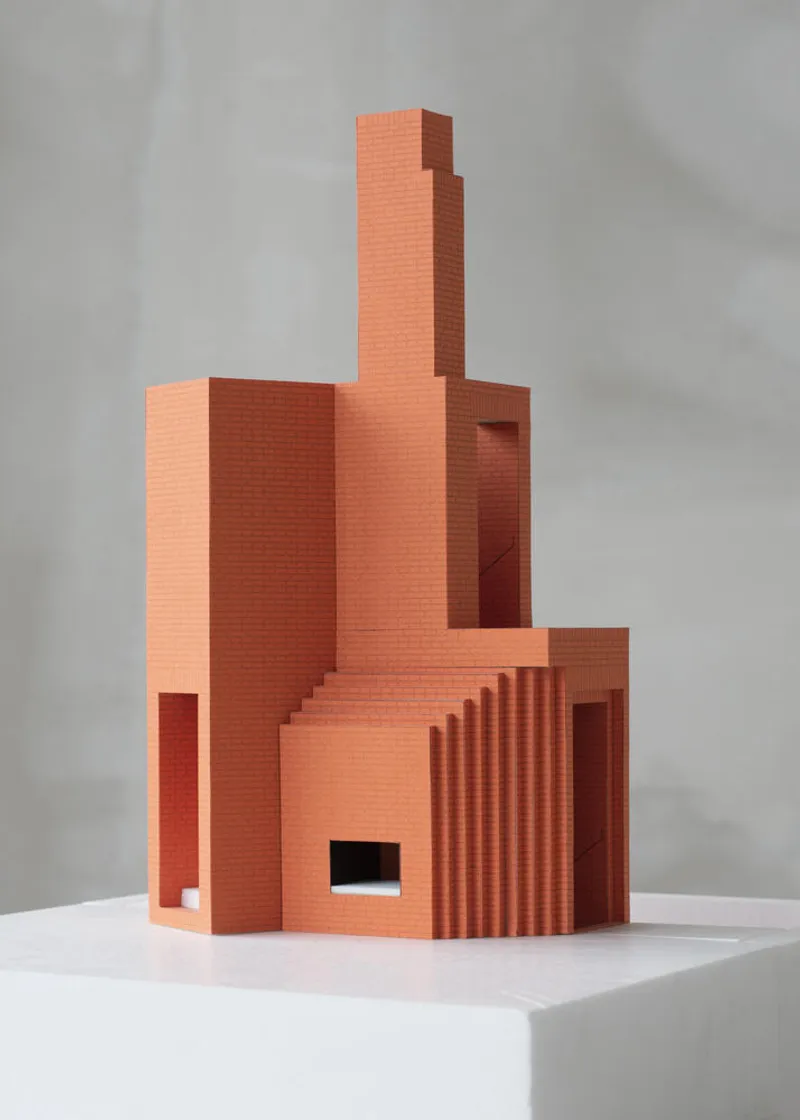
At the center of the renovation lies a sculptural room insert—a commanding brick structure that integrates a staircase and a fireplace. More than a functional element, this insert is the architectural core of the home, guiding circulation and anchoring surrounding living spaces. The brickwork is executed with striking precision, its jointing rhythmically following the slope of the integrated wooden staircase.
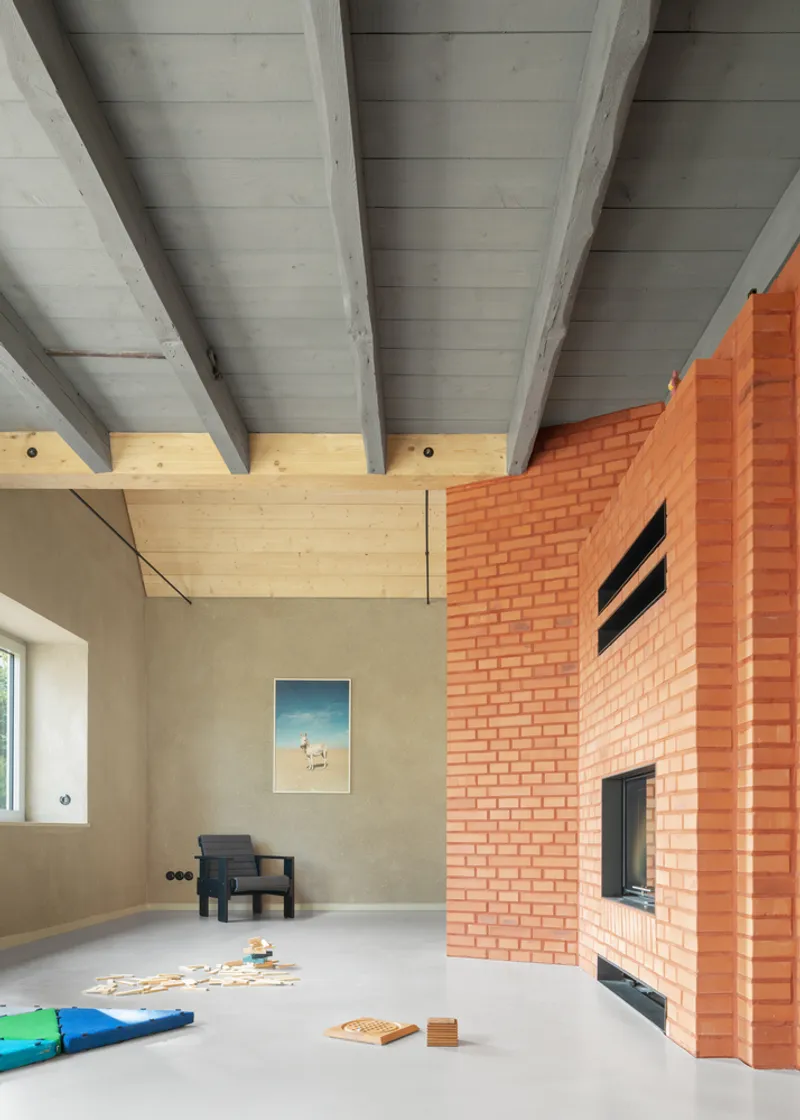
This design strategy transforms the interior into a fluid sequence of spaces arranged around a solid mass, where the sculptural form reflects and responds to the movement and visual connections within the house. The carefully crafted brick contrasts elegantly with the surrounding timber elements, reinforcing the tactile quality of this modern farmhouse renovation.
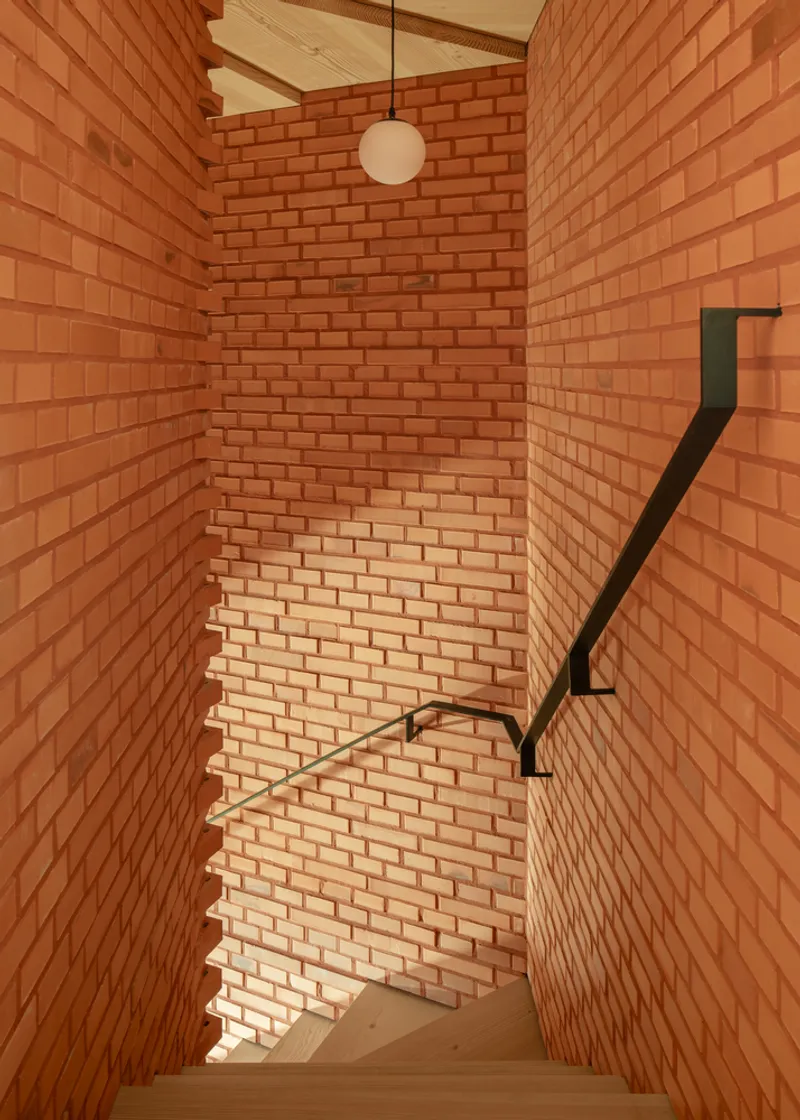
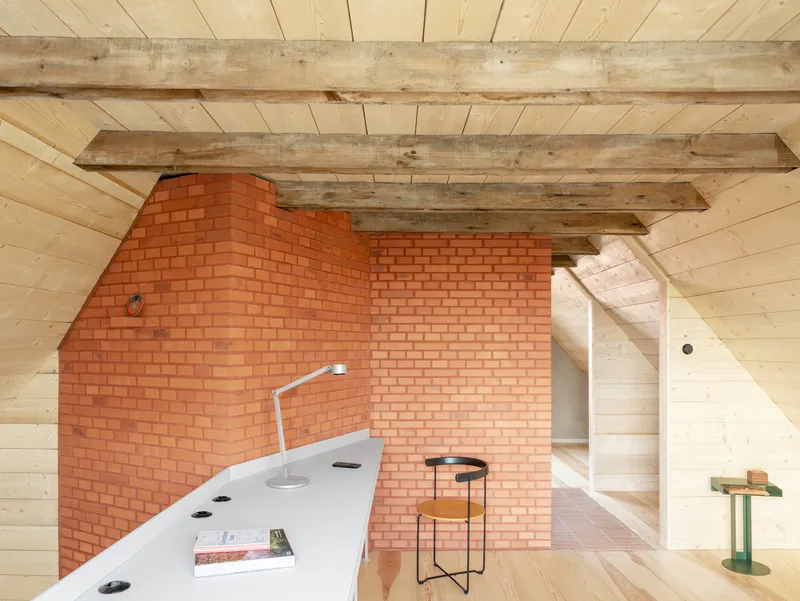
Sustainable Strategies Through Simplicity and Permanence
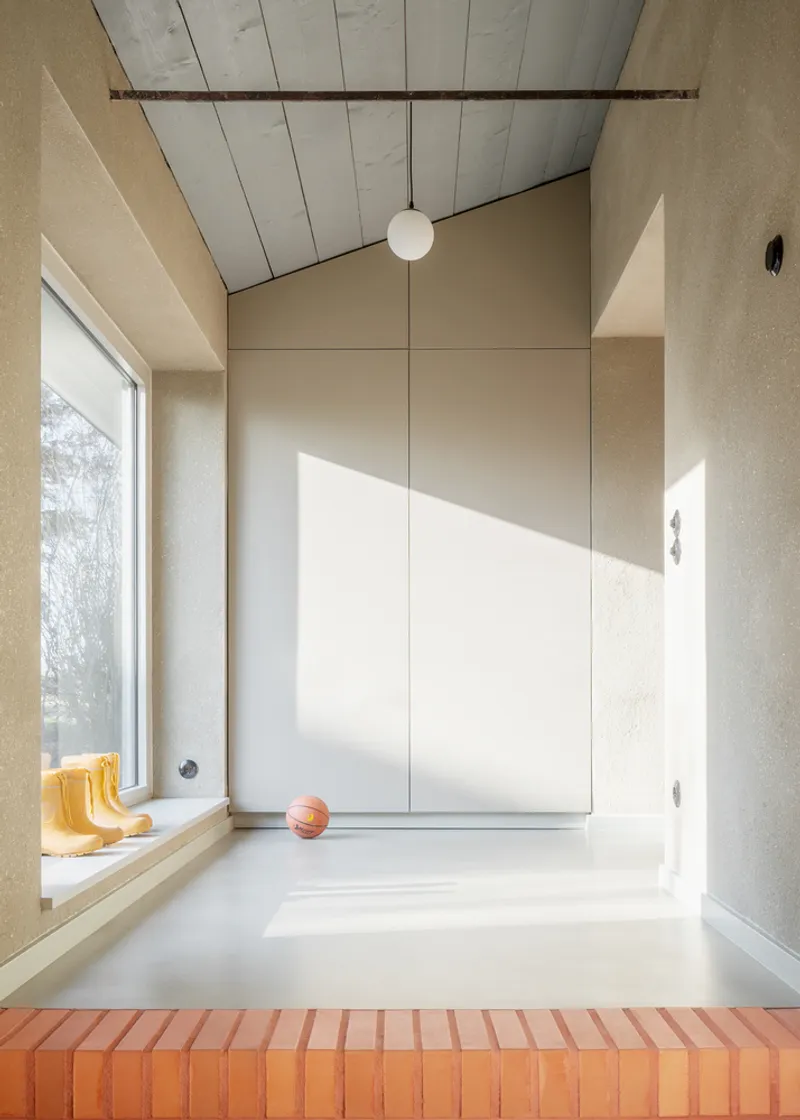
The project demonstrates how sustainable architecture does not always rely on technological complexity. Sustainability here is achieved through the use of few, long-lasting materials—primarily brick, timber, and clay plaster. This reduced palette allows for a high level of craftsmanship and ensures the longevity of the interventions.
The design also avoids mechanical cooling by employing architectural responses to climate. Perforated, powder-coated steel shutters provide natural ventilation and a sense of connection to the outdoors, enhancing the rural living experience. These elements enable comfortable night cooling during summer without any active systems.
Interplay of Old and New in a Contemporary Rural Setting
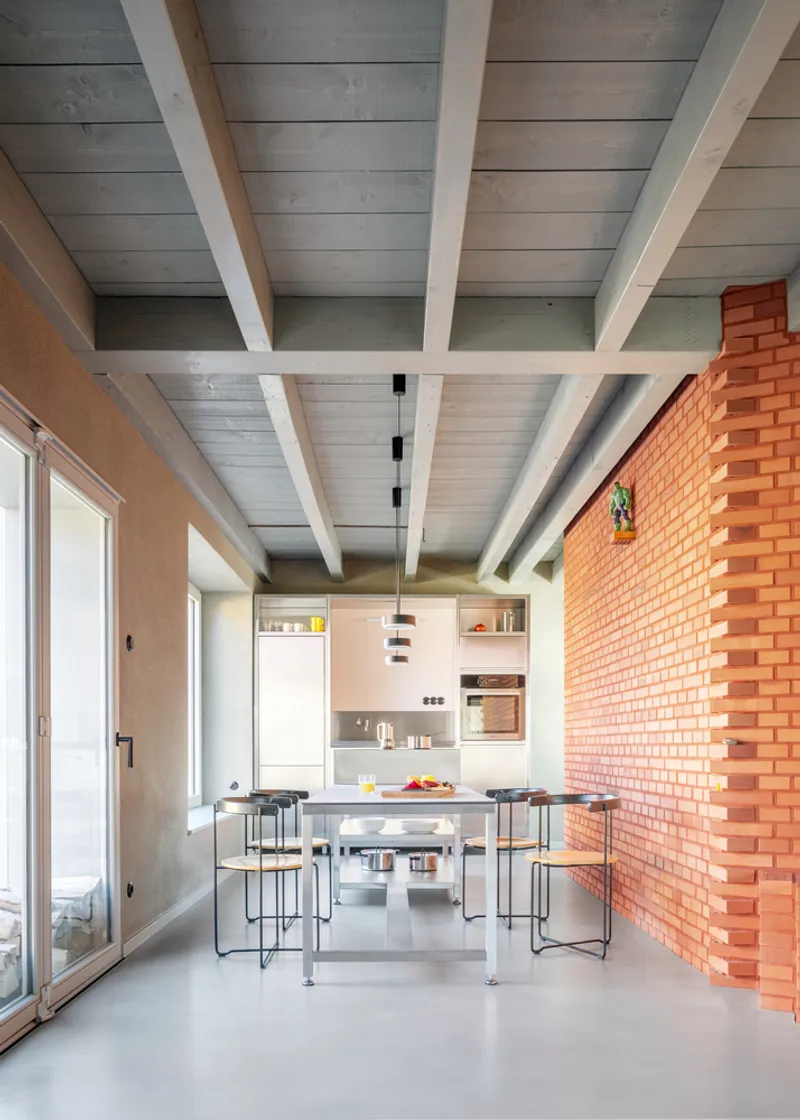
The atmosphere of the interior is shaped by the tension and harmony between original structural elements and new insertions. Existing clay-plastered walls, exposed beams, and historical timber constructions are preserved and paired with sleek new additions, including minimalist kitchen furniture with stainless steel framing and bold color contrasts.
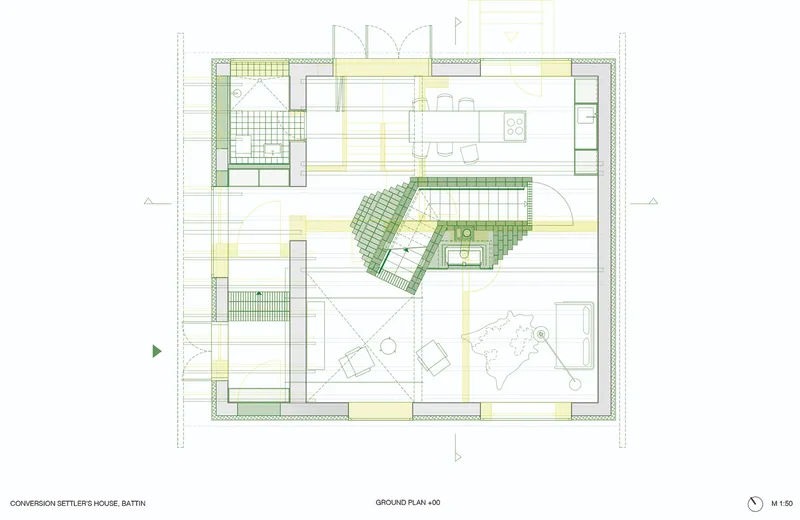
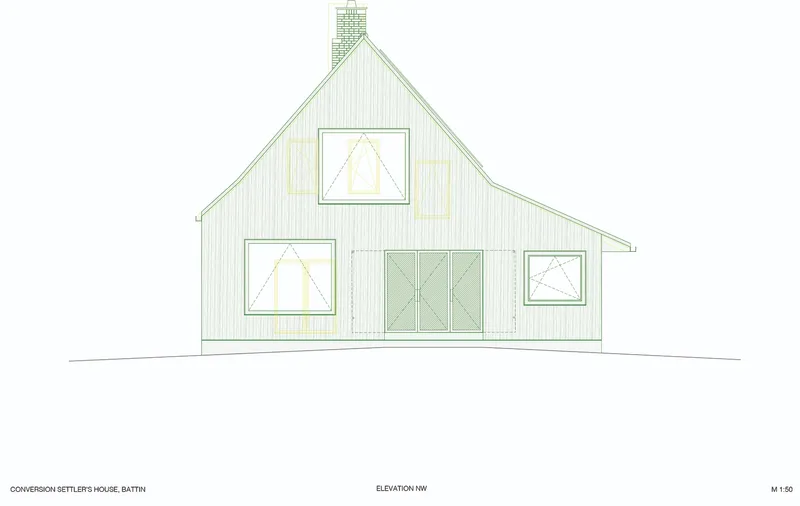
The architectural approach is one of continuity, not disruption. The open spatial matrix that unfolds around the central brick structure allows rooms to blend into one another, creating flexibility and flow. Enlarged façade openings frame views of the surrounding landscape, reconnecting the home to its rural context.
Modern Farmhouse Renovation as Contemporary Craft
This conversion exemplifies a new kind of modern farmhouse renovation—one that respects the vernacular while enhancing it through precision and thoughtful design. The project’s architectural strength lies not in scale or spectacle, but in the control of material, light, and proportion.
Kloepfel Zeimer Architekten’s intervention proves that even the humblest rural homes can be transformed into expressive, contemporary living environments. This is a house that embraces its past while confidently looking to the future—a living space crafted to endure, adapt, and inspire.
All Photographs are works of Schnepp Renou


Popular Articles
Popular articles from the community


graciastudio Turns a Viewless Tijuana Lot Inward Around a Courtyard of Concrete, Timber and Trees
In Tijuana, Jorge Gracia's GA2 House stacks a timber-clad private floor over exposed concrete and replaces a missing view with a planted interior patio.

Cube Design Draws an Ecological Corridor Between Two Shenzhen Hills with the Nankai Building
Beside Shenzhen's container docks, the Nankai Building pairs stacked balconies with a climbing green screen to connect two hillsides across its height.

David Ortega Stacks a Two-Story Mexico City Penthouse Around a Steel Stair and a Pergola-Shaded Roof Terrace
In Colonia Roma, a 300 m² penthouse uses oak joinery, a planted steel stair and a slatted roof pergola to make a new-build apartment feel like a house.


The Amber Palace Opera: A Geological Fiction Surfaces on Tallinn's Baltic Waterfront
Pierre Brillard reimagines a Baltic legend as a public landscape, opera house, and waterfront promenade rooted in Tallinn's coastal identity.

Similar Reads
You might also enjoy these articles
Cube Design Draws an Ecological Corridor Between Two Shenzhen Hills with the Nankai Building
Beside Shenzhen's container docks, the Nankai Building pairs stacked balconies with a climbing green screen to connect two hillsides across its height.

Praksis A and Studio Sted Bend a Red Timber Cabin Across the Granite of Norway's Southern Coast
On the southern Norwegian coast, a 105 m² cabin follows the rock on slender posts, pairing red cladding outside with pine, brick and plywood within.
David Ortega Stacks a Two-Story Mexico City Penthouse Around a Steel Stair and a Pergola-Shaded Roof Terrace
In Colonia Roma, a 300 m² penthouse uses oak joinery, a planted steel stair and a slatted roof pergola to make a new-build apartment feel like a house.

PARALELA and LB2 Thread a Public Walkway Through the Base of a Las Condes Residential Tower
In Las Condes, Santiago, the Hamlet Building gives its fenceless ground floor to a 70-metre wooded passage linking two streets and the metro.

Explore Exposed Brick Competitions
Discover active competitions in this discipline

Challenge to reimagine the Iron Throne

Photograph architecture without architects

Illustrate the lost glory of Angkor Wat - Render Challenge

Design challenge to reuse E-waste
Comments (0)
Please login or sign up to add comments
No comments yet. Be the first to comment!