
Modern Restaurant Design: A Look Inside Hay Sushi by Odami
Hay Sushi Restaurant in Toronto blends industrial design with refined materials, offering an intimate and sophisticated dining experience.


Located just steps away from Toronto's bustling Yonge and Sheppard intersection, Hay Sushi is a modern neighborhood eatery offering elevated Japanese cuisine in a relaxed dining atmosphere. For its new location, Odami Architects was tasked with reimagining the restaurant’s Spring Garden space, doubling its previous capacity while maintaining the core essence of its brand. The design translates the quiet confidence of the restaurant’s menu into a sophisticated interior that balances warmth, comfort, and a sense of familiarity.
Reclaiming the Industrial Space
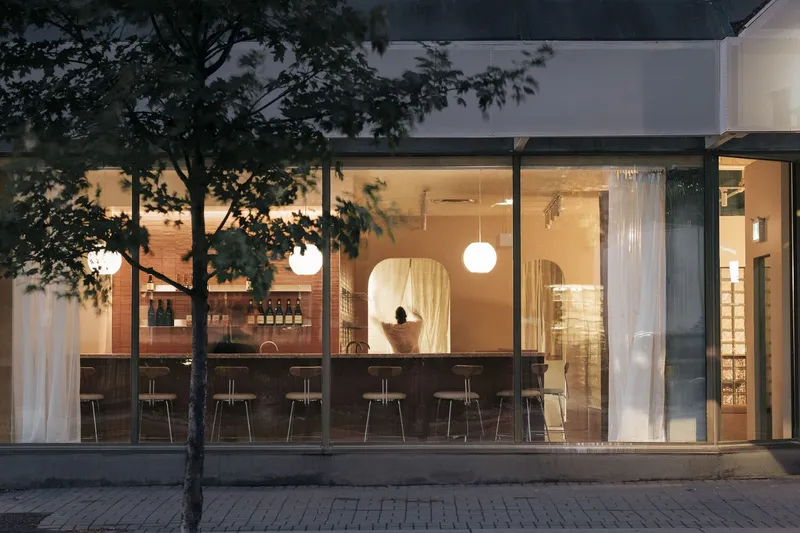
Hay Sushi’s new 2,500-square-foot site is located in the ground-floor podium of a 1990s residential tower. Over the years, DIY renovations had obscured its inherent street presence and spatial qualities. Odami stripped away these layers to uncover the original industrial structure of the space, characterized by the heaviness of concrete and an abundance of natural light, thanks to restored floor-to-ceiling windows. The design embraces this raw, built environment, combining it with material layers that bring both comfort and surprise.
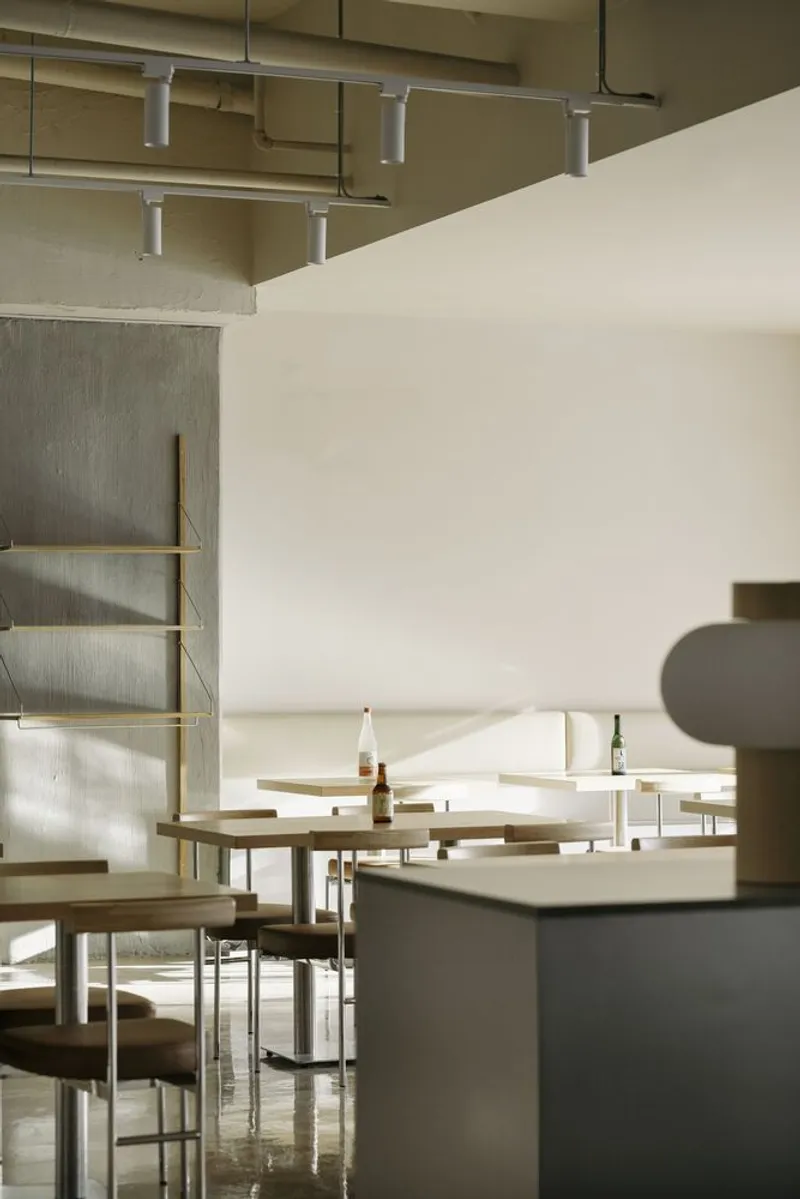
Design Elements: Materials and Geometry
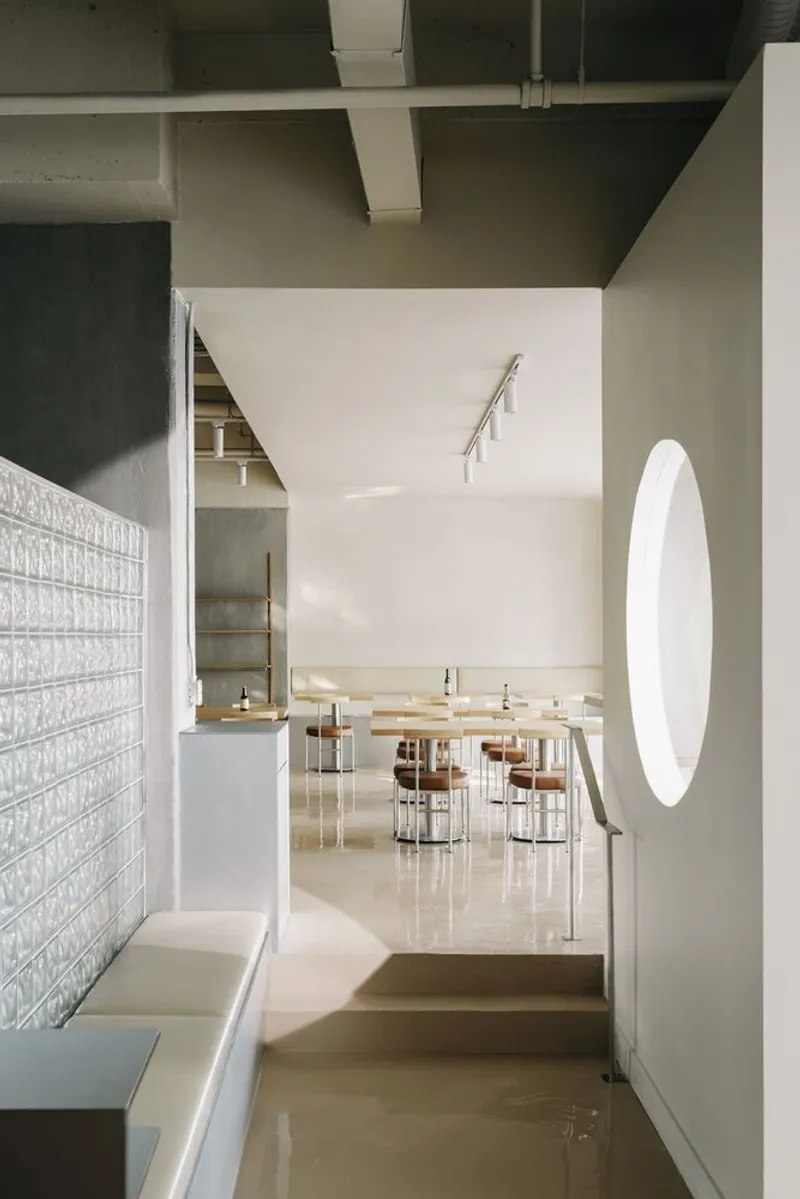
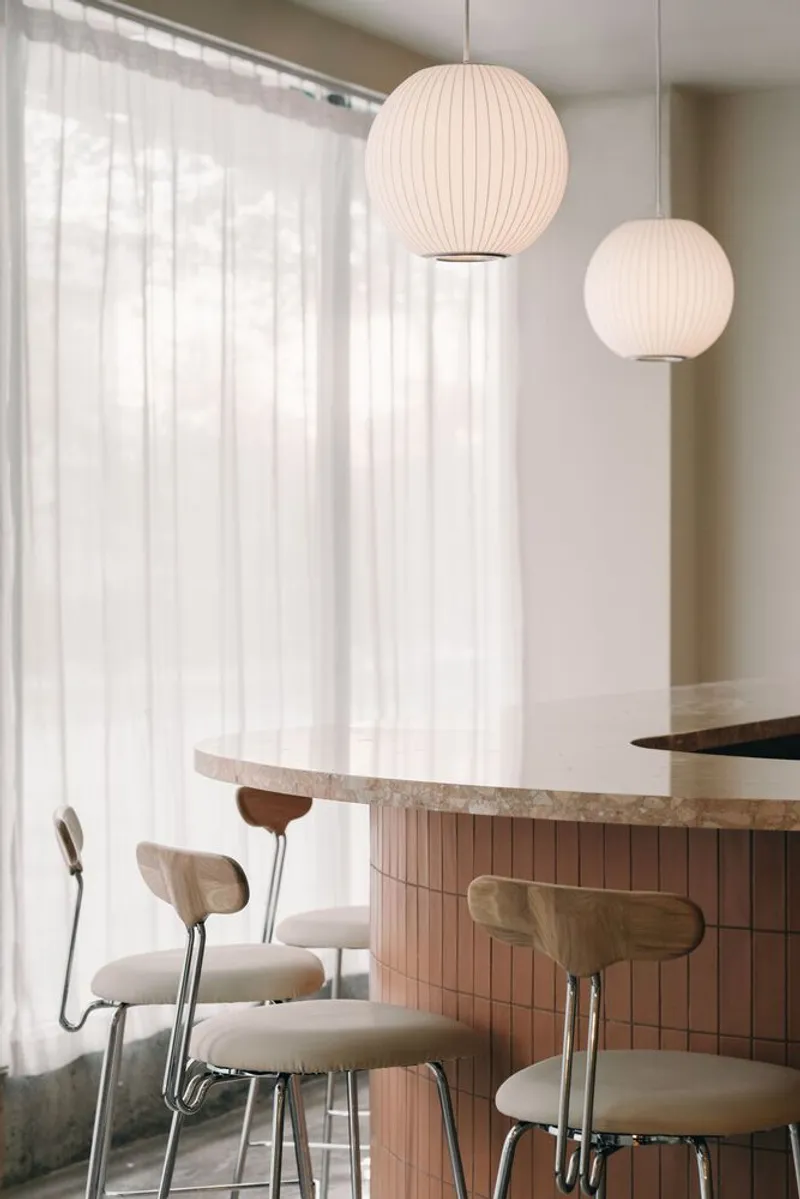
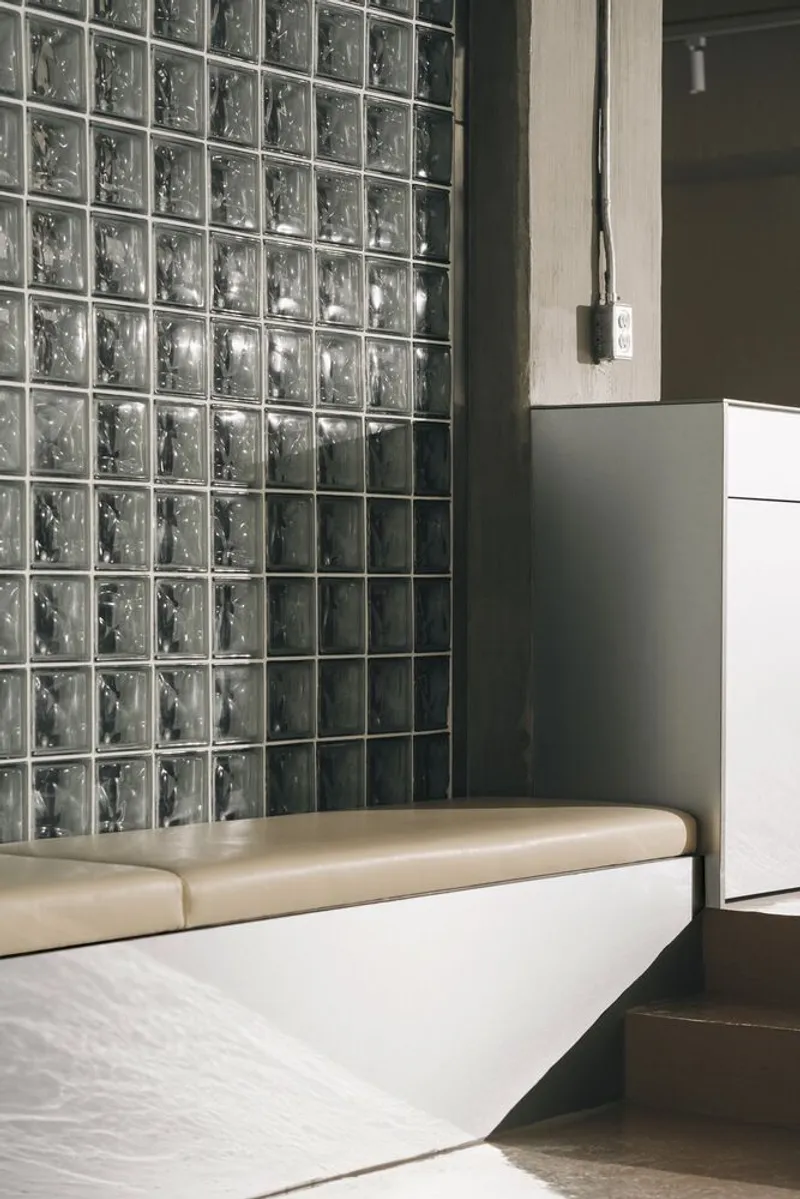
The design philosophy of Hay Sushi merges the space’s industrial roots with a refined, inviting atmosphere. A warm palette of terracotta-colored tiles, sand-toned leather, and white oak furniture softens the heavy concrete structure. The strong, square geometry of the columns and beams interacts with circular reveals, subtly arched doorways, and glowing sphere pendants. The rounded cocktail bar further emphasizes the contrast between solidity and fluidity. Transparent and reflective materials, such as glass blocks, high-gloss epoxy flooring, and stainless steel millwork, are incorporated to create light, texture, and movement across the space, enhancing the industrial backdrop.
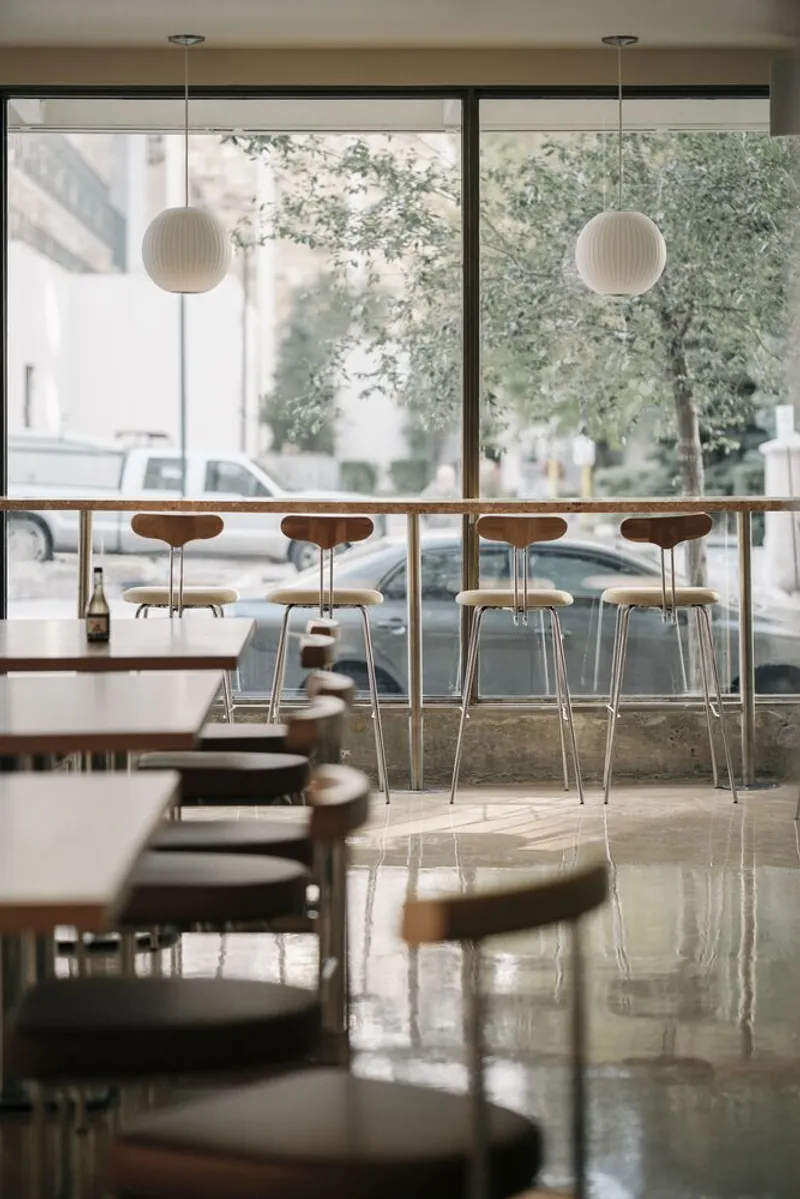

Creating a Flexible, Comfortable Dining Experience
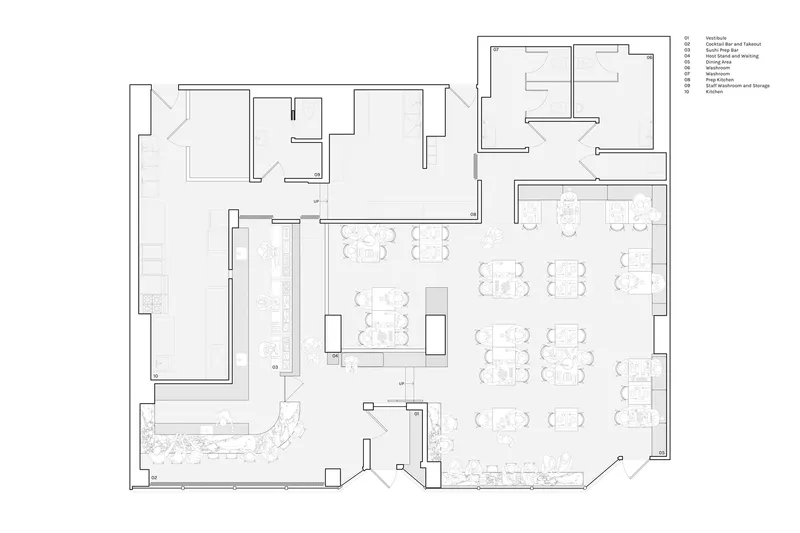
The expansive layout of Hay Sushi incorporates subtle architectural interventions to create flexibility and ease of navigation. The raised dining room features exposed ceilings, creating a lofty, expansive atmosphere. The lowered canopy and dinner bar at the street level break this scale, drawing customers’ attention and enhancing the sense of intimacy. Cream-colored banquettes and floors recede into the walls, visually elevating two central glass-block partitions, which serve as both a focal point and a divider for the service area.
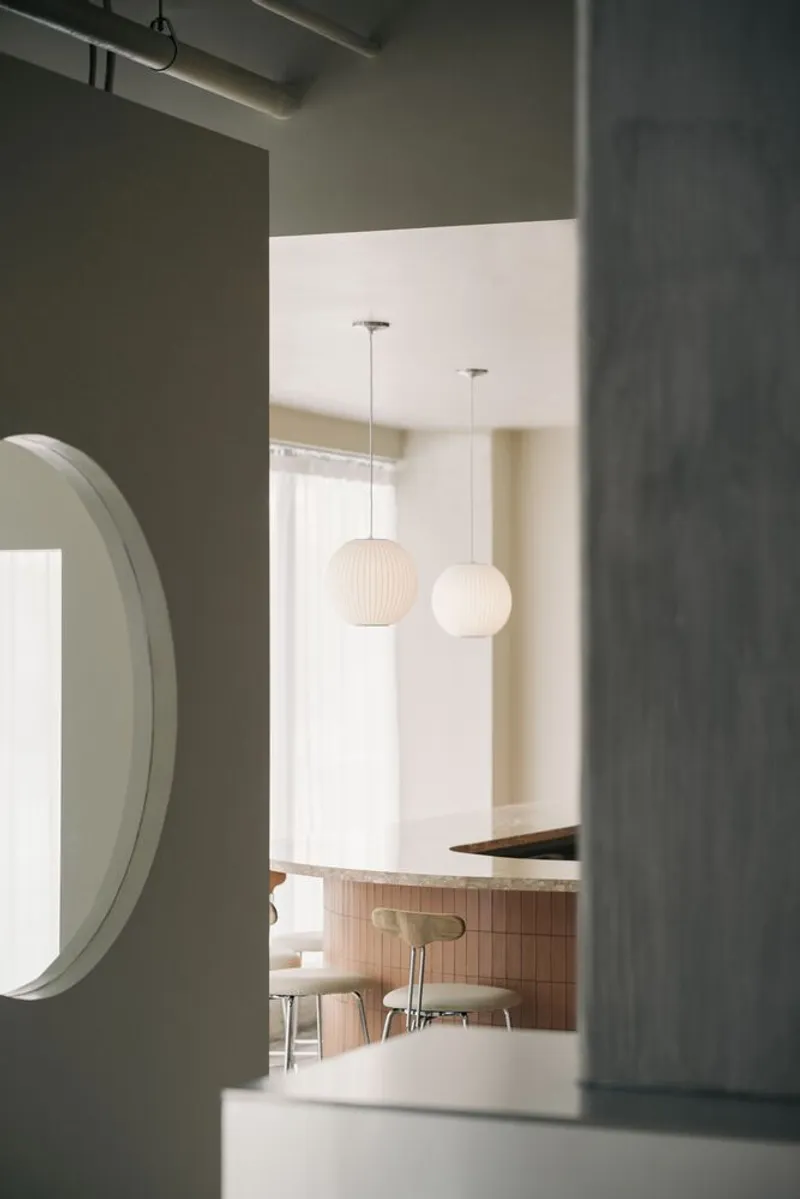
A seamless transition from the high-traffic entryway leads to the curved cocktail bar, which is wrapped in flecked marble and textured porcelain tiles. This bar provides a generous yet intimate arrival point for guests, offering a welcoming atmosphere. Behind it, a sushi prep area serves as the heart of the restaurant, with the chef-activated space on display for customers to observe the preparation of their meal.
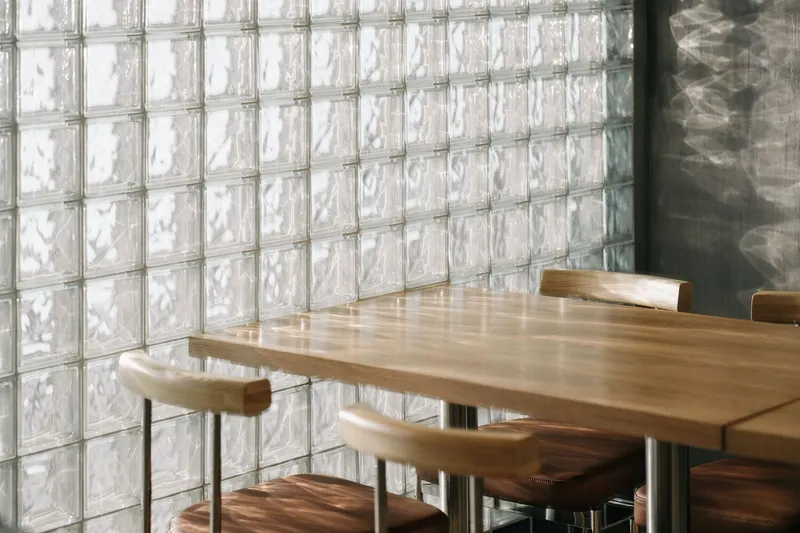
A Dialogue Between Old and New
Odami’s design at Hay Sushi is marked by a commitment to contextually sensitive design and urban renewal. The architectural gestures, though subtle, create an honest and poignant dialogue with the space's original industrial elements. This approach demonstrates the power of simplicity and restraint, proving that sometimes the quietest interventions can make the most significant impact.
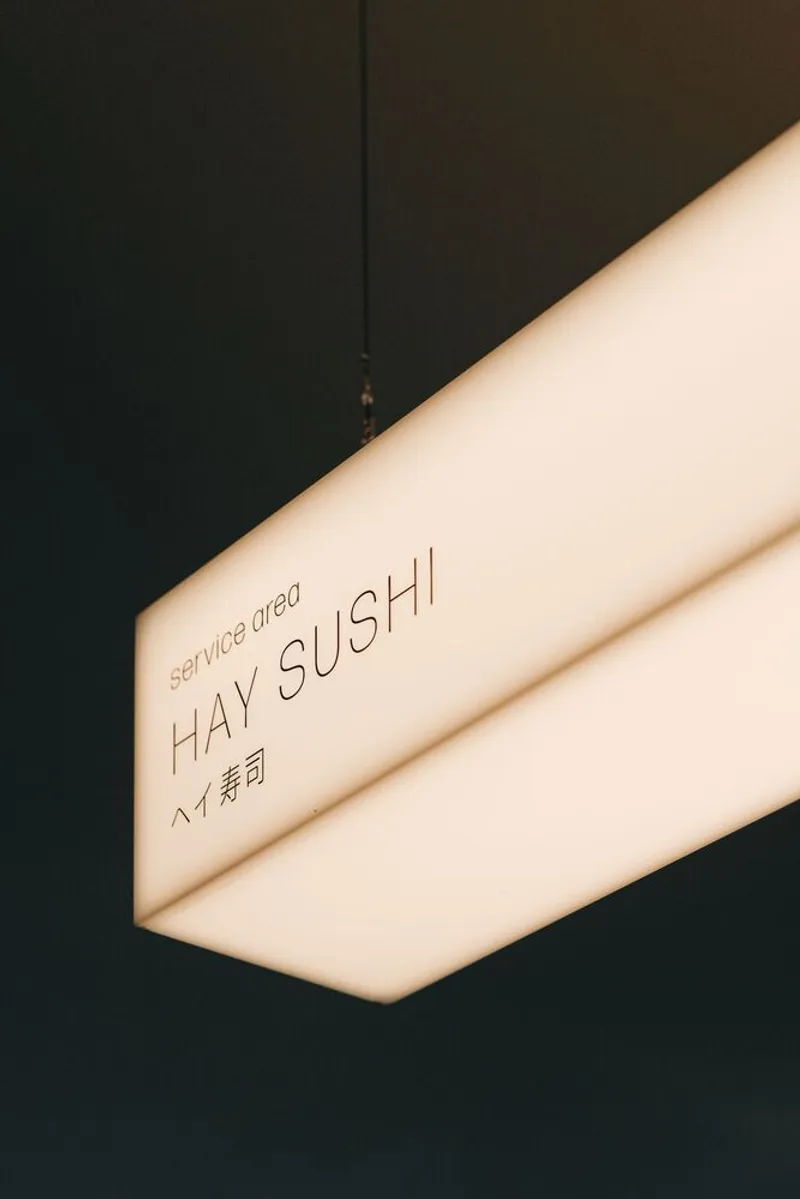
The design of Hay Sushi by Odami Architects perfectly balances modern aesthetics with the restaurant's established brand identity. The raw, industrial elements are juxtaposed with sophisticated finishes, creating a space that is both visually dynamic and comfortable for diners. The restaurant’s layout emphasizes flexibility, intimacy, and warmth, making it an ideal setting for enjoying high-quality Japanese cuisine in a contemporary, inviting environment.
All Photographs are work of Kurtis Chen




Popular Articles
Popular articles from the community

EW PARK: Sustainable Architecture Reimagines the Future of Urban Parking
EW PARK reimagines city parking as a modular wooden tower combining automation, solar energy, electric mobility, and adaptable urban design.

The Ocean Hive: Sustainable Architecture for a Self-Sufficient Civilization at Sea
The Ocean Hive imagines sustainable architecture at sea, where modular habitats, algae, wave power and ocean waste sustain a growing colony.

The Musturak Paradise: Senior Living Architecture for a Connected Future in Temara, Morocco
The Musturak Paradise reimagines senior living architecture in Temara via private homes, social spaces, culture, community, and shared care.

AL-JANNAH: Sustainable Architecture and Permaculture for Afghan Widows
AL-JANNAH uses sustainable architecture and permaculture to create resilient oasis of housing, learning, work and renewal for Afghan widows.


Similar Reads
You might also enjoy these articles


Hodi-Mandai Geram
Project Function: Preservation and revitalization of the Intangible heritage and socio-spatial identity of the Hodi by Housing, Cultural Memory Center, Sacred Grove, landscape, local tourism economy


Olio Towers: A Mid-Rise for Performers That Fuses Housing, Rehearsal, and Stage
Located blocks from Houston's Theater District, this modular tower stacks living units around a central performance atrium.

Oasis: Modular Green Housing Carved into Dhaka's Urban Fabric
A shortlisted Plugin Housing entry reclaims unauthorized settlements in Dhaka with stepped concrete volumes, green roofs, and ventilation-driven design.

Black Hole: A Floating Megastructure for the Post-Physical Era
Emiliano Mazzarotto envisions a spherical, self-scaling arena where e-sports, digital hotels, and holographic stadiums replace traditional public space.


Explore Architecture Competitions
Discover active competitions in this discipline



Challenge to reimagine the Iron Throne


Photograph architecture without architects


Illustrate the lost glory of Angkor Wat - Render Challenge


Design challenge to reuse E-waste
Comments (0)
Please login or sign up to add comments
No comments yet. Be the first to comment!