
FGMF Suspends a Cumaru Wood Volume Over a Glass Pavilion in São Paulo's Tropical Suburbs
A 22-meter steel truss and four concrete porticos defy gravity in Barueri, creating a floating upper floor wrapped in Brazilian hardwood.


The conventional Brazilian sobrado, a multi-story urban house type found across São Paulo's metropolitan sprawl, rarely aspires to structural spectacle. It stacks rooms, separates floors, and gets on with the business of sheltering a family. FGMF's Cumaru House in Barueri takes that familiar program and recasts it through a single provocative move: hanging the entire bedroom level off a hybrid concrete-and-steel frame so that the ground floor dissolves into glass, garden, and water. The result is a 1,275 m² residence on a tight 731 m² corner plot that feels twice its footprint, because you can see straight through it.
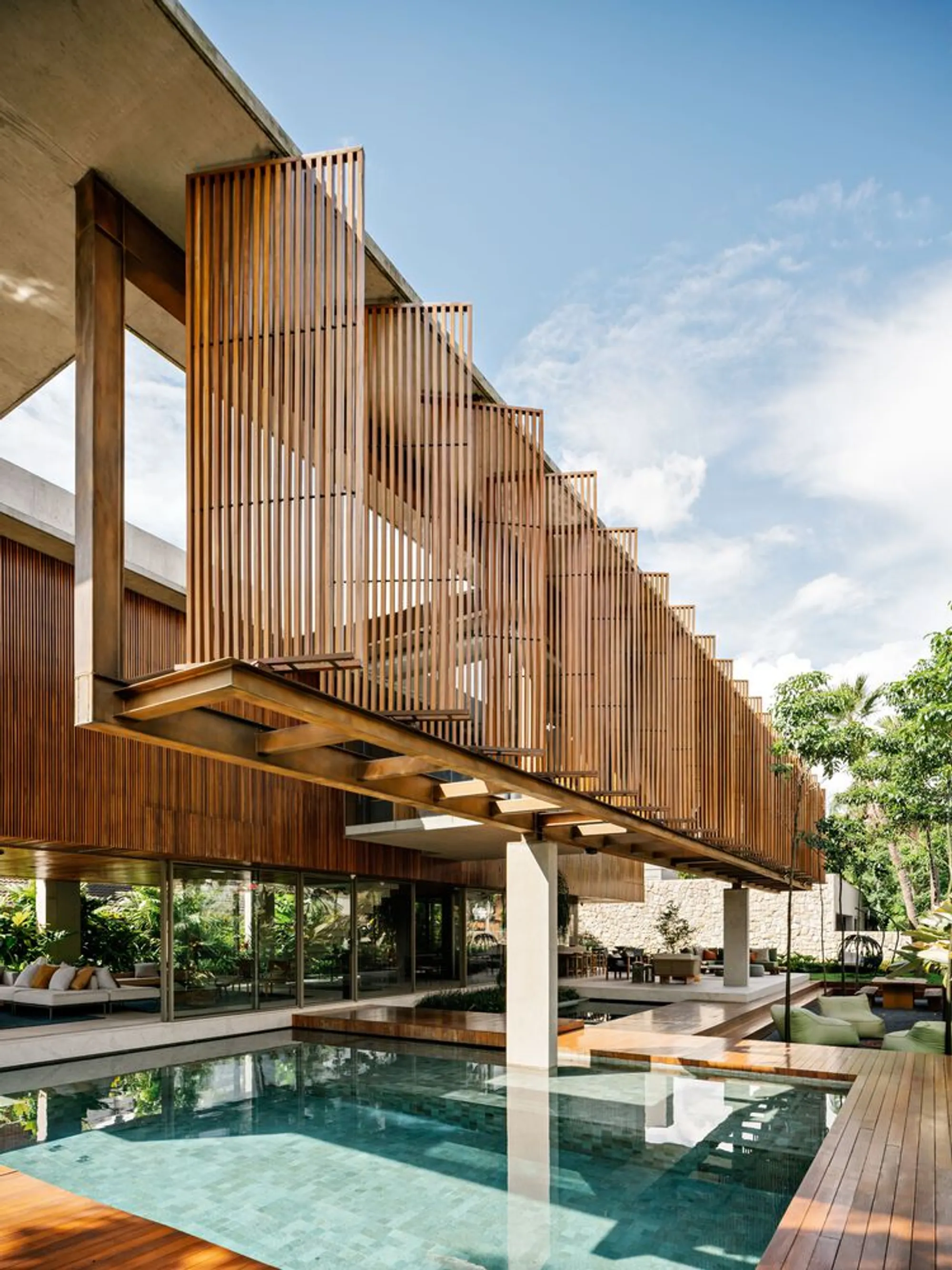
What makes this house worth studying is not the tropical mood, though that is handled well, but the structural logic that generates everything else. Four porticos suspend the upper volume. On one side, four concrete pillars do the heavy lifting. On the other, a single 22-meter-long steel truss spans between just two pillars, carrying four concrete beams that support the roof slab. That truss is the whole trick: it clears enough space below to shelter a double-height balcony and part of the infinity pool, turning what could be a closed basement-plus-two-story box into an open-air pavilion crowned by a timber-clad loft.
The Floating Volume
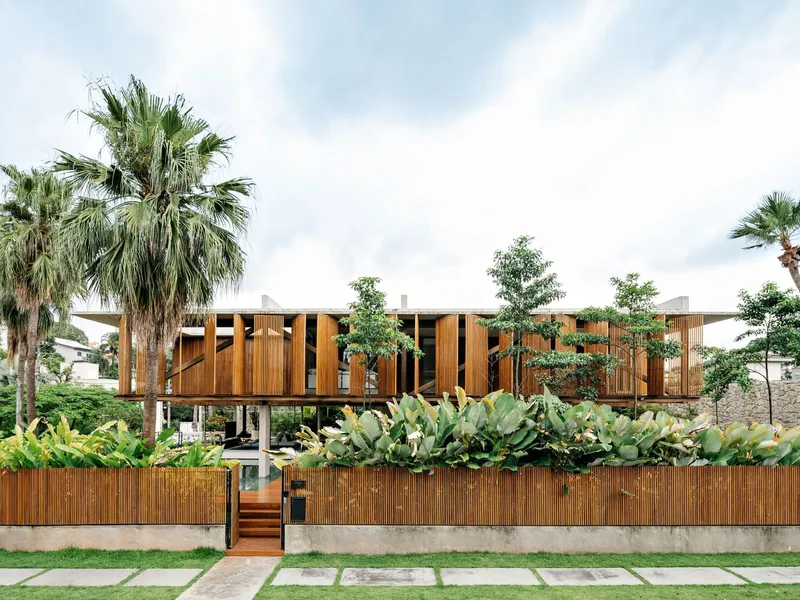
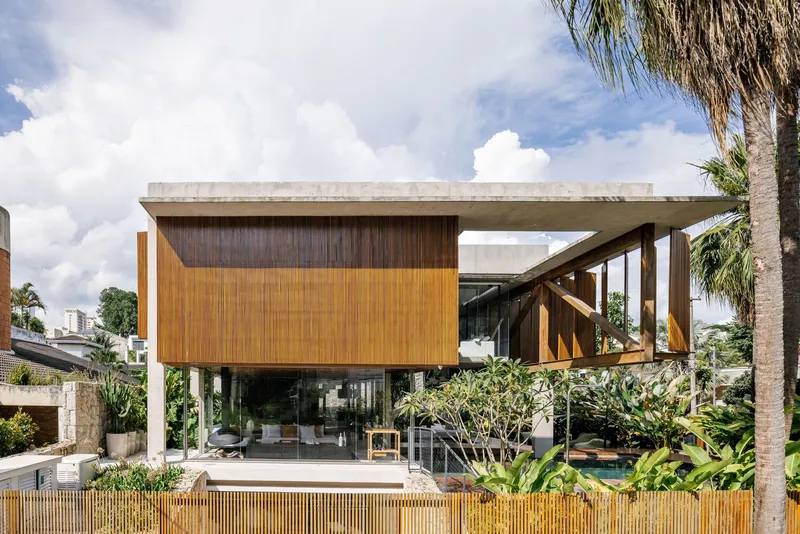

From the street, the house reads as a dark timber box levitating above a concrete plinth. The cumaru cladding, a dense Brazilian hardwood prized for its weather resistance, wraps the upper floor in tight vertical slats that give the mass a textile quality. Below, raw concrete pillars and beams are left exposed, their weight visually counterbalancing the apparent weightlessness above. The cantilever at the stairway end pushes the illusion further, projecting the upper volume beyond its supports and daring gravity to intervene.
FGMF treats the rusted steel of the truss not as a structural secret to be hidden but as an honest expression of force. The oxidized finish rhymes with the warm tones of the cumaru, creating a material palette where every element ages in the same chromatic register. Concrete stays grey, wood and steel darken together, and the house will only look more unified over time.
Glass Ground, Green Threshold


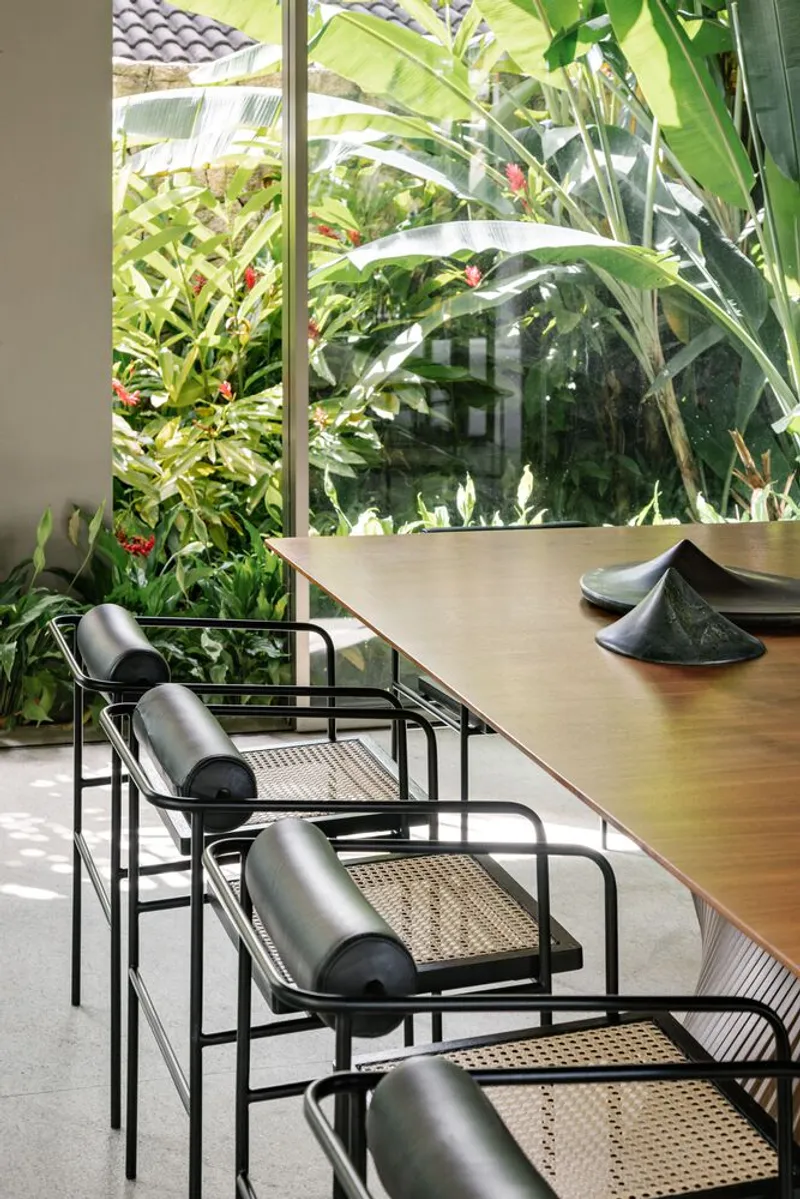
Because the upper floor is structurally independent, the ground level is free to be almost entirely glass. Floor-to-ceiling panels separate living rooms from planted beds by nothing more than a pane, and in several areas those panels slide open to erase even that distinction. The effect is not generic "indoor-outdoor living" but something more specific: a corridor where a slatted timber ceiling hovers over concrete steps flanked by banana palms, or a dining room where black cane chairs face a wall of tropical vegetation so close you could touch it from the table.
FGMF does not merely place the house next to a garden; it routes the landscape through the building. Planted beds puncture the plan at intervals, and the vegetation sometimes pushes against the glass enclosure with an energy that suggests the house is negotiating with nature rather than commanding it. The slatted ceilings filter daylight into striped patterns that shift with the sun, reinforcing the sense that this is an architecture calibrated to time and season.
Pool Deck as Structural Theater

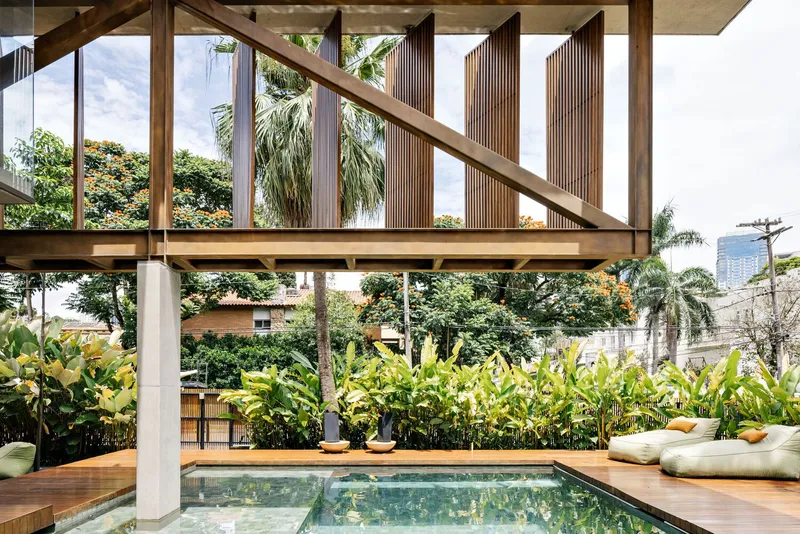
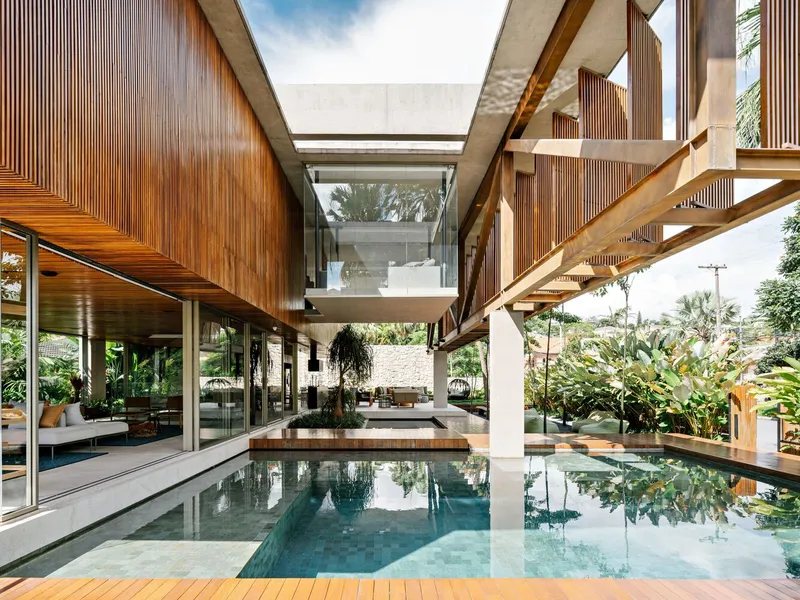
The swimming pool is positioned directly beneath the cantilevered upper floor, which means the 22-meter truss doubles as a shade structure. Movable cumaru louvers, mounted on the underside of the overhang, allow residents to dial in the amount of sunlight reaching the deck. When closed, they form a continuous timber ceiling over the water; when open, they break the light into controlled slices. It is passive climate management disguised as luxury.
The infinity edge faces the valley beyond, connecting the pool visually to the hilltop panorama that Barueri's topography provides. Lounge chairs sit on a timber deck that extends the cumaru palette down to ground level, and planted beds frame the far end with palms. The concrete bridge linking the two halves of the upper volume appears overhead like a spine, reinforcing the structural reading from below.
Cumaru as Identity
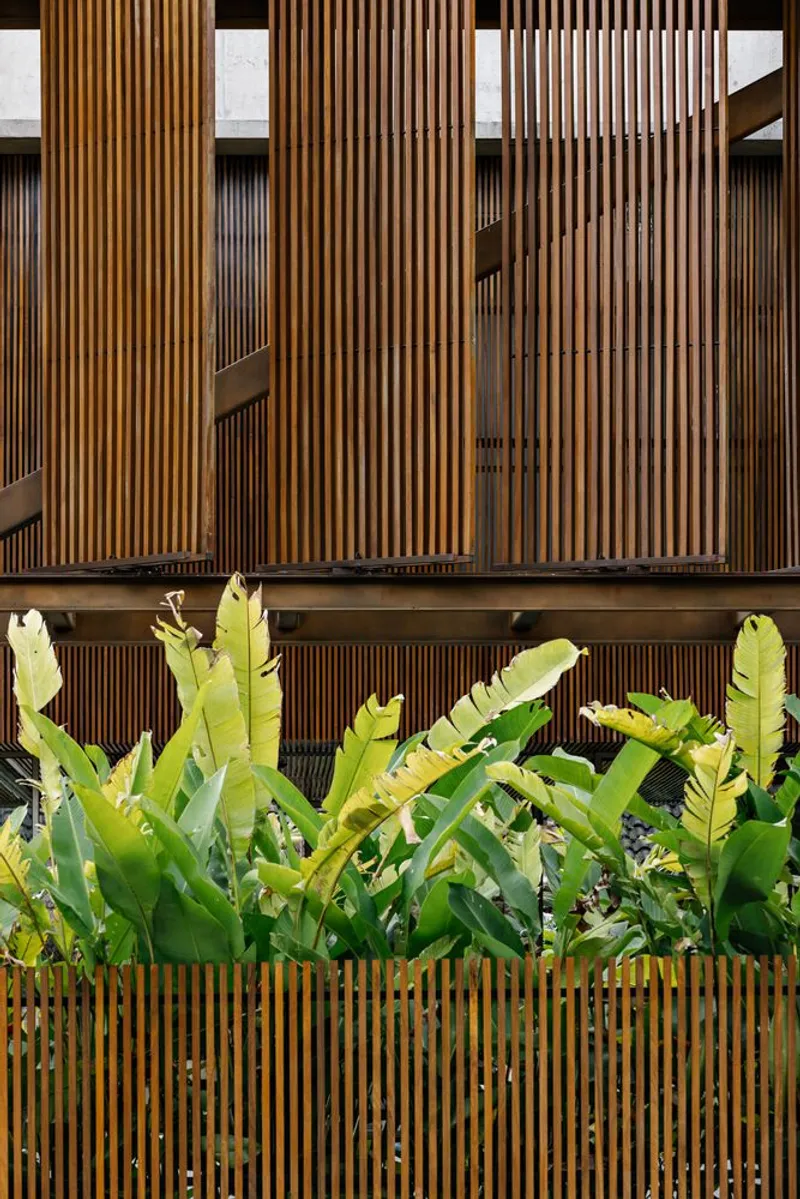
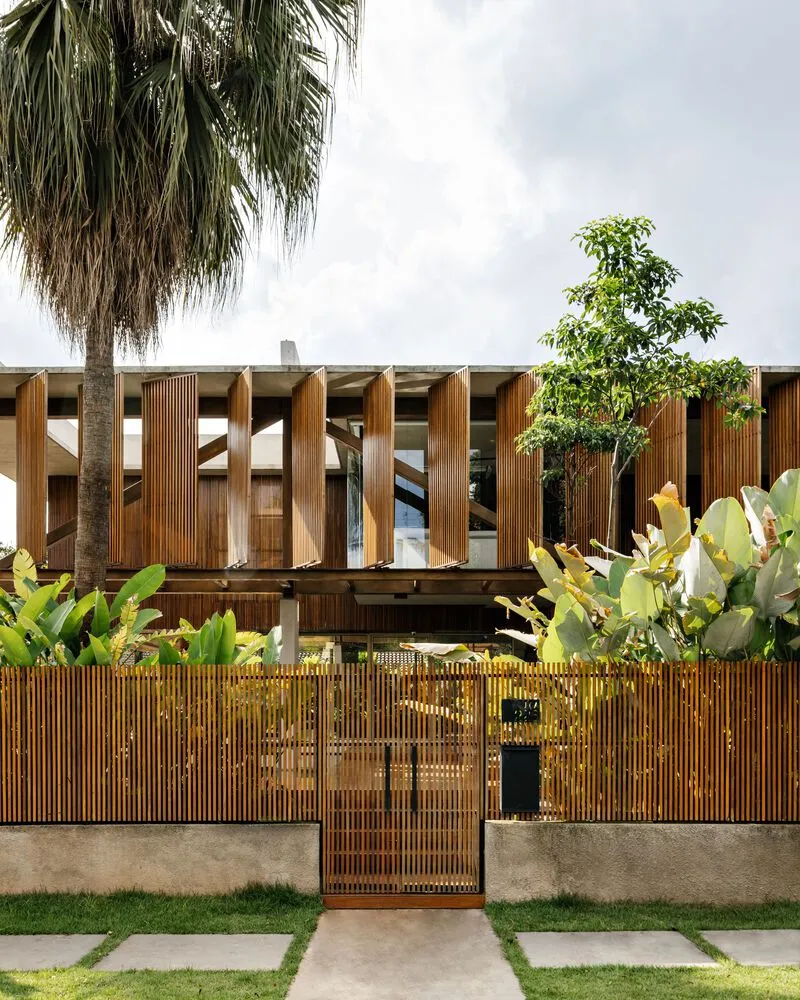

Naming a house after its primary cladding material is a statement of intent. Cumaru wood appears at every scale here: as the vertical screen wrapping the upper floor, as the slatted gate and fence along the street, as louvers over the pool, as ceiling panels, and as integrated planter boxes filled with banana palms. FGMF has pushed a single material through enough formal variations that it reads as a unifying system rather than a finish.
The street facade is particularly effective. A slatted timber fence continues the rhythm of the upper-floor screen, so the boundary between house and site is legible but never opaque. Cacti and palms in the foreground add another layer of vertical texture that echoes the wood slats. This is urban frontage that is simultaneously private and generous, offering glimpses of the architecture to passersby without compromising the interior experience.
Interior Details and Material Contrasts
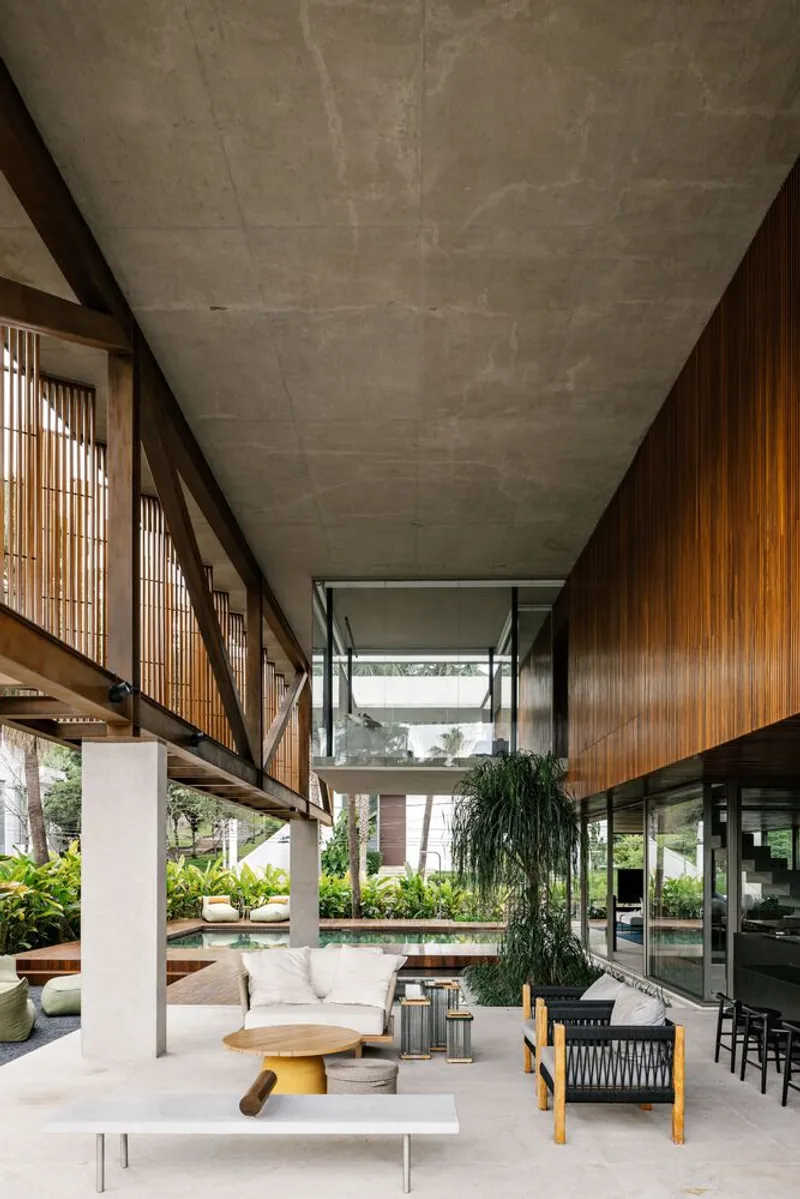


Inside, the exposed concrete ceiling beams announce the structural logic overhead. The living area pairs that raw concrete with timber screen walls and full-height glazing, a trio of materials that recurs throughout the house. FGMF keeps the interior palette restrained so that the landscape does the decorating. When your walls are transparent, every chair faces a garden.
Smaller moments reveal care in the detailing. A powder room wraps itself in chequered grey stone tile and introduces a floating green terrazzo vanity, a material shift that feels deliberate rather than decorative. The open-tread staircase descending to the pool deck is another precise gesture: its transparency lets banana leaves and palms fill the visual frame even as you move between levels. These are not luxury finishes for their own sake but choices that reinforce the house's core idea of permeability.
Plans and Drawings
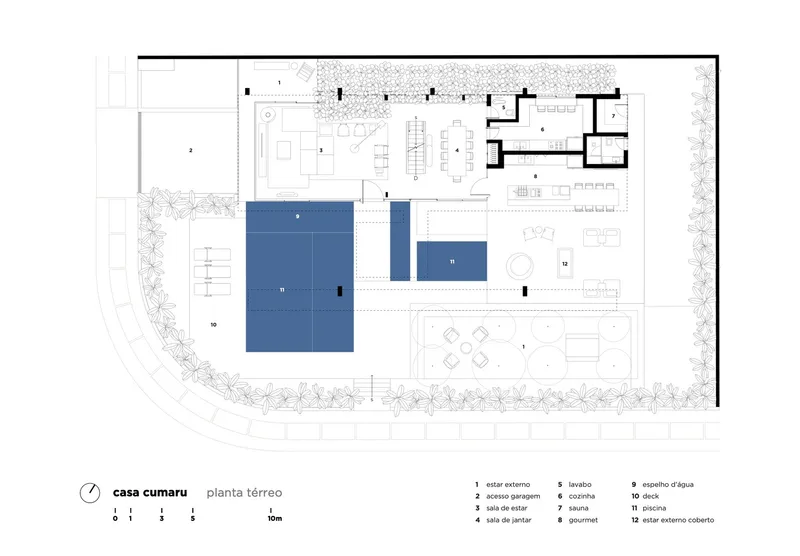

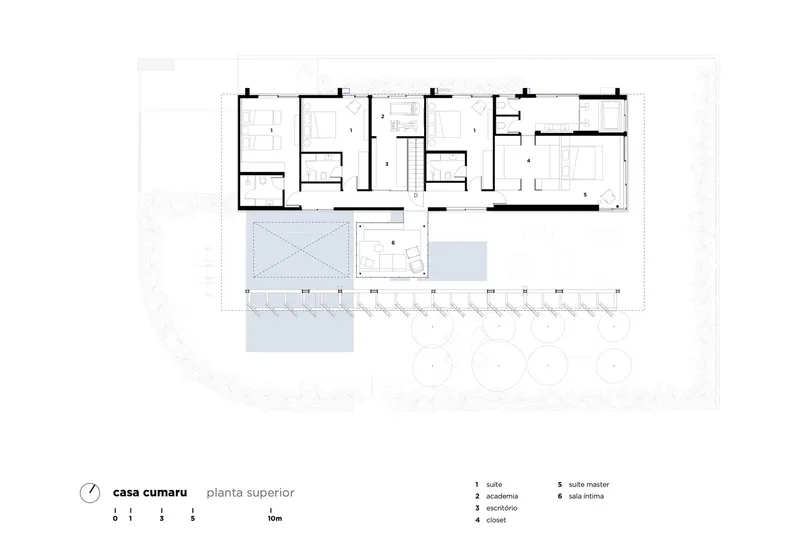


The plans reveal the three-level organization clearly. The basement tucks a garage, laundry, and service rooms into the hillside along a curved site boundary. The ground floor spreads social spaces around the pool and planted courtyards, with no corridor separating living, dining, and veranda: one flows into the next. The upper level groups four suites, an office, and a home theater around a central stair, with a rooftop terrace above.
The exploded axonometric is the most instructive drawing. It separates the four levels vertically and shows how the trees on the ground floor occupy the voids left by the structural frame. You can read the 22-meter truss as the spine of the whole composition, with program branching outward from it. The companion axonometric of the ground-floor courtyard with pool captures the spatial generosity that the structure makes possible: figures lounging beneath a canopy of wood, concrete, and sky.
Why This Project Matters
Cumaru House matters because it demonstrates that structural ambition and domestic warmth are not in opposition. The 22-meter truss is an engineering move that belongs in a civic building, yet here it serves the entirely personal goal of shading a swimming pool and opening a living room to the sky. FGMF has taken the familiar sobrado typology and asked a simple question: what happens when you remove the walls from the ground floor and hang everything above? The answer is a house that breathes, that changes with the weather, and that treats landscape not as backdrop but as co-author.
For architects working in tropical climates, the project offers a clear lesson in passive strategy made visible. The movable cumaru louvers, the green roof, the water recycling system, and the total integration of planted areas are not add-ons but consequences of the structural and spatial concept. When the bones of a building are right, sustainability follows from design logic rather than from checklists. That is the real accomplishment here: a house where every ethical decision is also a spatial one.
Cumaru House by FGMF, Barueri, São Paulo, Brazil. 1,275 m². Completed 2020. Photography by Fran Parente.
About the Studio
Share Your Own Work on uni.xyz
If projects like this are the kind of work you want to make, uni.xyz is a place to publish your own, find collaborators, and enter design competitions.




Popular Articles
Popular articles from the community


The Musturak Paradise: Senior Living Architecture for a Connected Future in Temara, Morocco
The Musturak Paradise reimagines senior living architecture in Temara via private homes, social spaces, culture, community, and shared care.

The Earth Pod: 3D Printed Homes for Resilient Refugee Communities
The Earth Pod reimagines refugee housing through 3D printed homes made from clay, combining resilience, self-sufficiency, and rapid shelter.
EW PARK: Sustainable Architecture Reimagines the Future of Urban Parking
EW PARK reimagines city parking as a modular wooden tower combining automation, solar energy, electric mobility, and adaptable urban design.

Riyadh For All: Intergenerational Urban Design for Active Aging in Rabat
Riyadh For All reimagines urban design in Rabat with intergenerational co-living, adaptive courtyards, and Moroccan cultural exchange today.


Similar Reads
You might also enjoy these articles

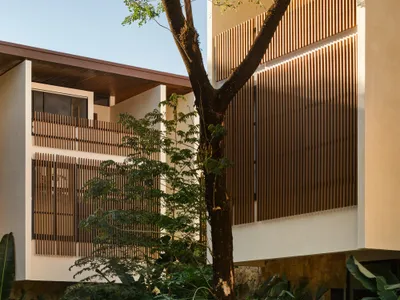
FAMM Arquitectura Organizes Ten Villas Around Courtyards and Jungle in Nosara, Costa Rica
El Molino pairs two elongated volumes with deep overhangs and timber louvers to build a compact coastal community five minutes from the beach.
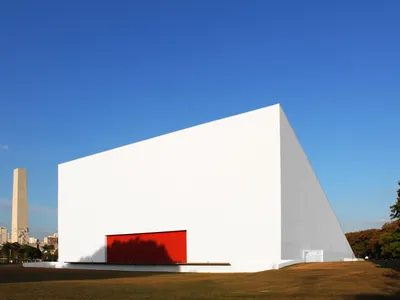
Oscar Niemeyer's Ibirapuera Park Pavilions Define São Paulo's Cultural Identity in Concrete and Curve
A constellation of modernist volumes set within São Paulo's most important urban park, conceived for the city's 400th anniversary in 1954.
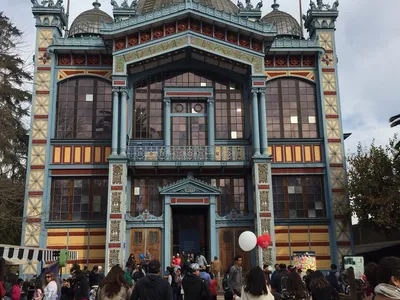
How Henri Picq's 1889 Paris Pavilion Traveled 11,000 Kilometers to Become Santiago's Artequín Museum
A prefabricated iron and glass pavilion built for the Paris Universal Exposition found a second life as a children's art museum in Chile.
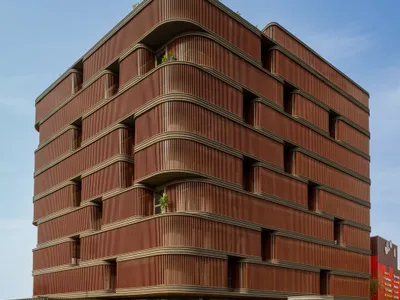
Sanjay Puri Architects Wraps a Jaipur Office Tower in Capsule-Shaped Green Buffers
A nine-level climate-responsive workplace near Jaipur Airport uses stacked planter terraces and aluminium screens to fight 40°C heat.


Explore Architecture Competitions
Discover active competitions in this discipline



Challenge to reimagine the Iron Throne


Photograph architecture without architects


Illustrate the lost glory of Angkor Wat - Render Challenge


Design challenge to reuse E-waste
Comments (0)
Please login or sign up to add comments
No comments yet. Be the first to comment!