
Modular Retail Space Design: A New Approach by Neda Mirani
The article showcases Neda Mirani's design of the Famous Clothing Store, highlighting modular, flexible retail space solutions in Ramsar, Iran.

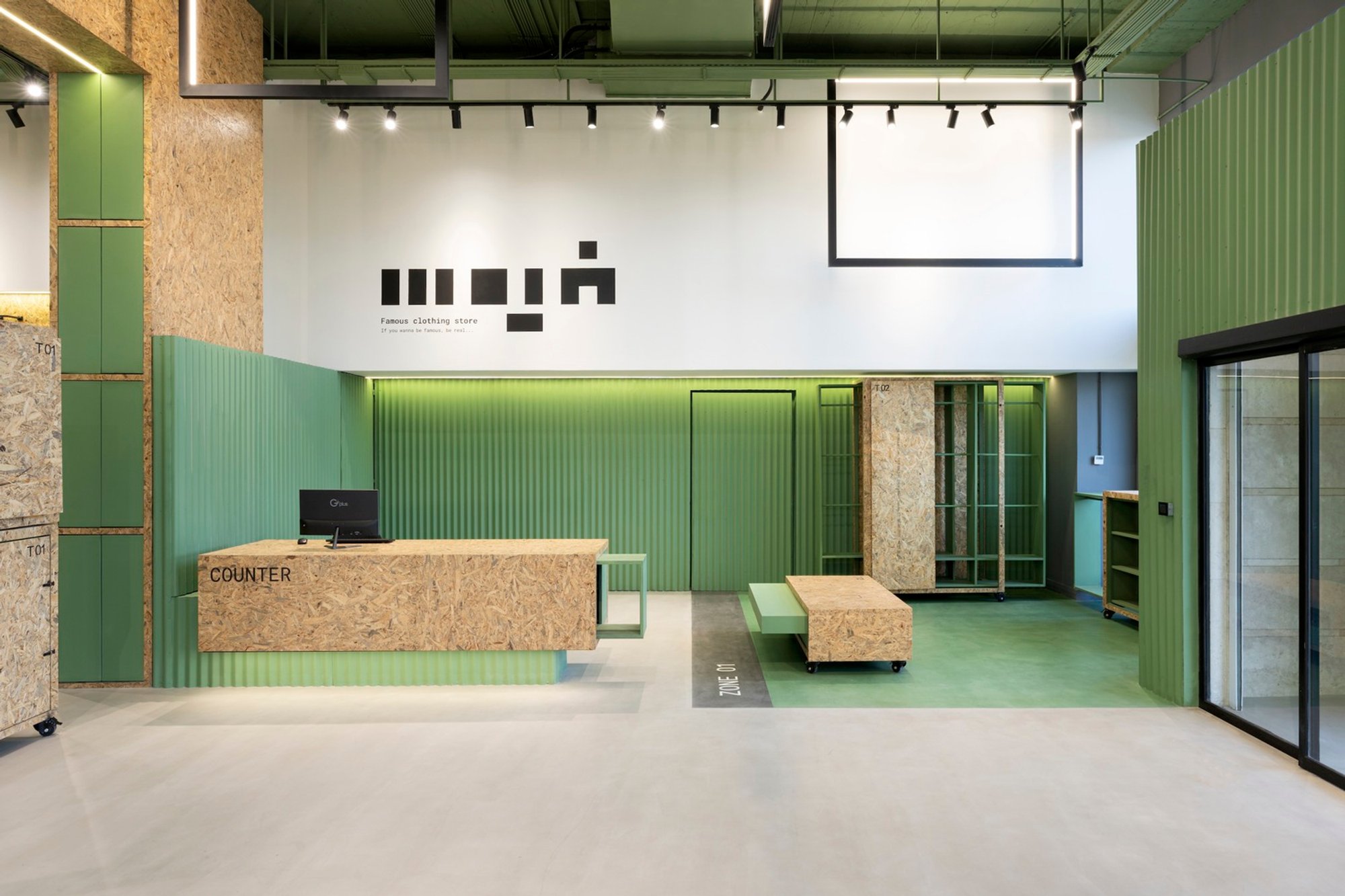
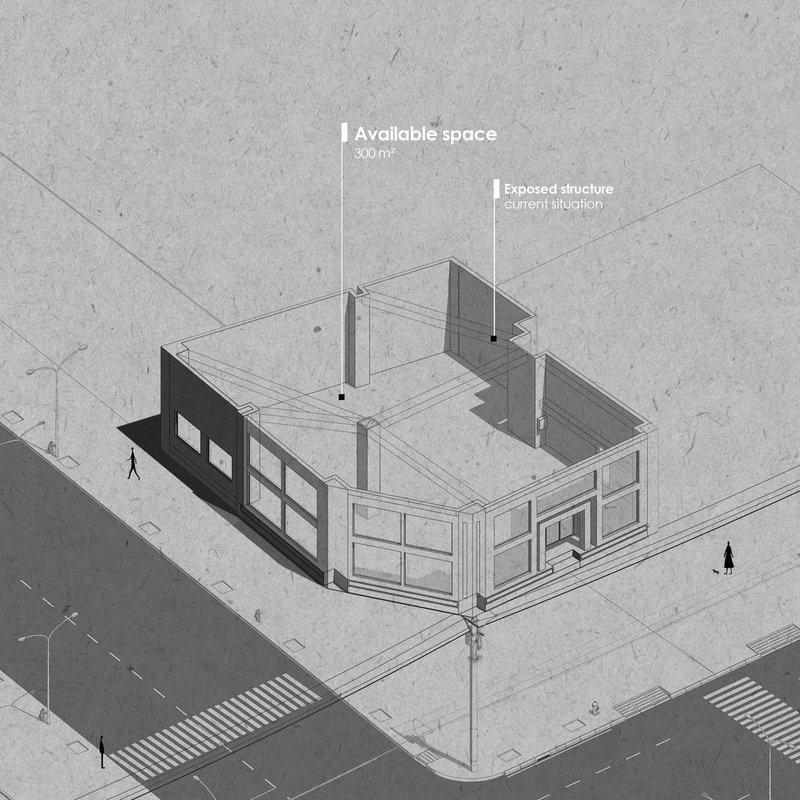
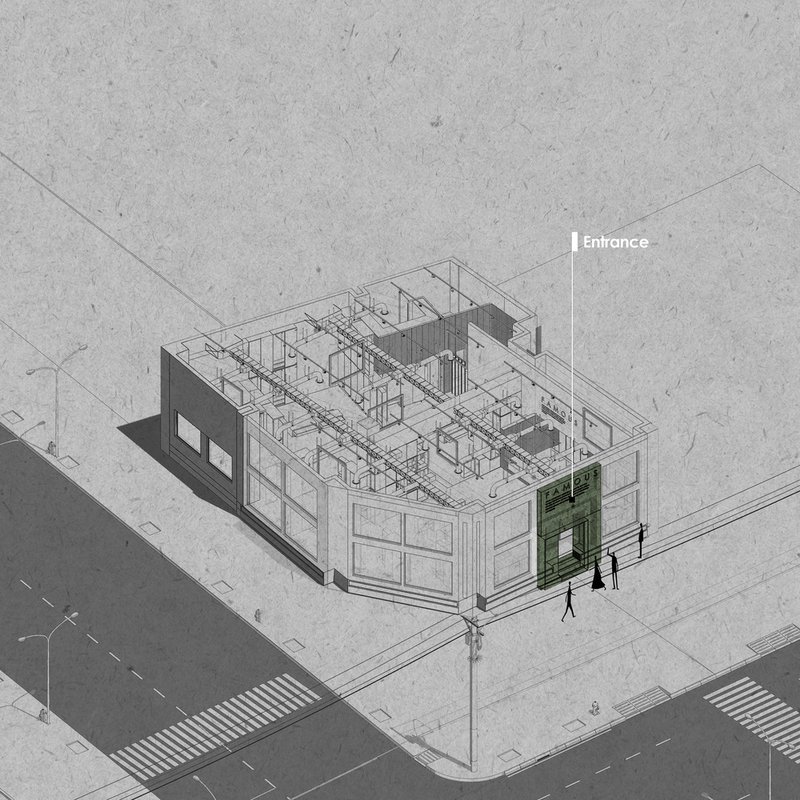
The concept of modular retail space design has been gaining traction in the world of architecture and interior design. The Famous Clothing Store, designed by Neda Mirani in Ramsar, Iran, serves as a prime example of this innovative approach. Spanning an area of 300 m², this project exemplifies flexibility and adaptability in retail design.
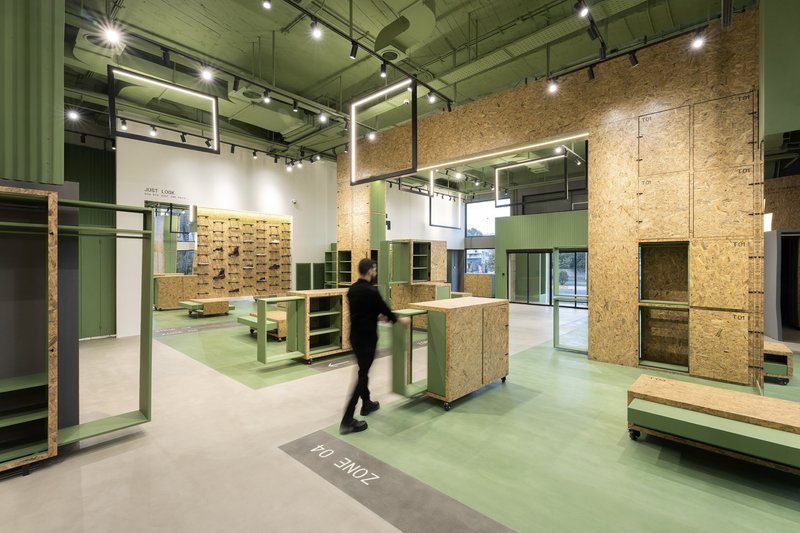
The Concept Behind Famous Clothing Store
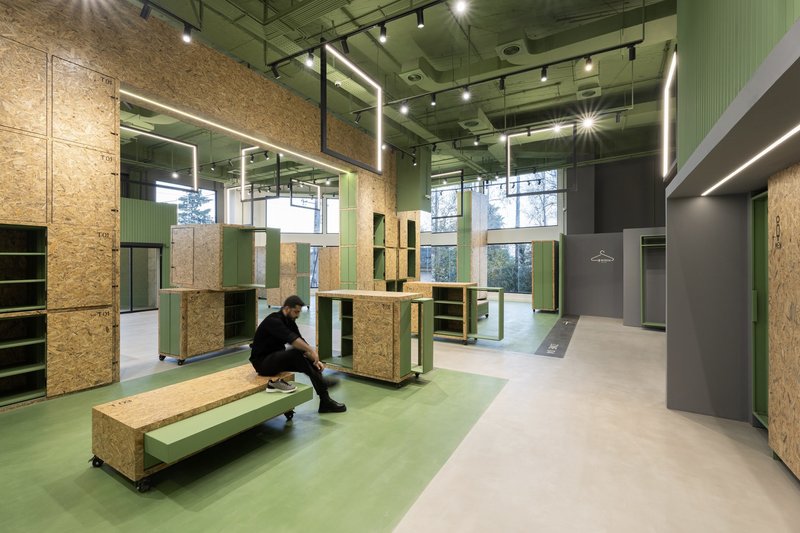
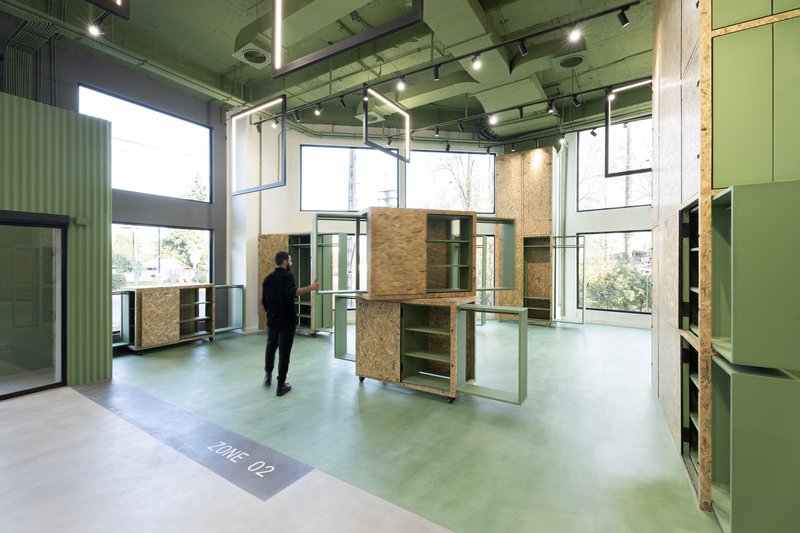
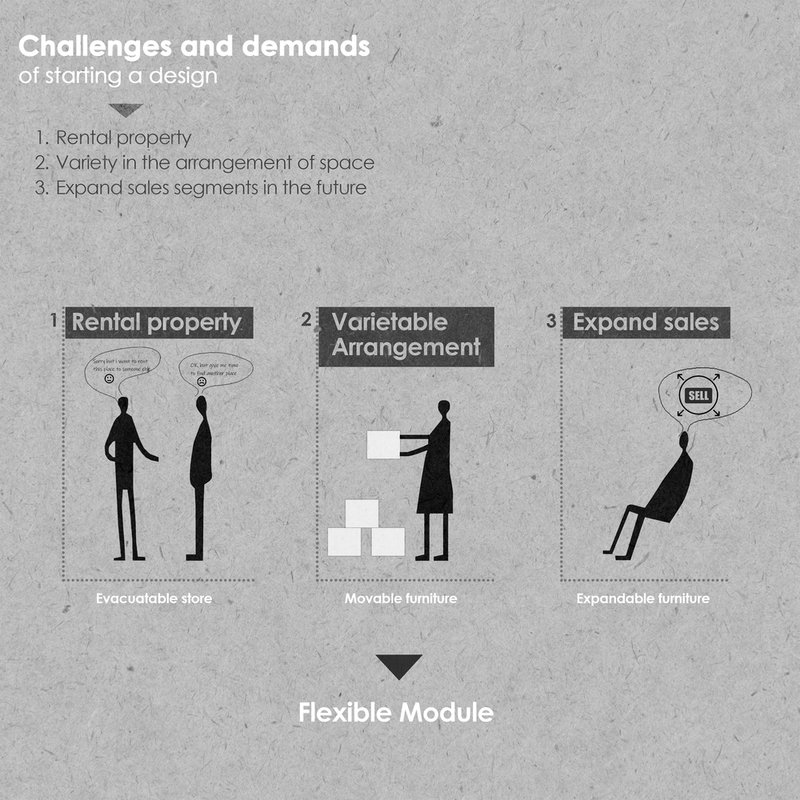
The Famous Clothing Store showcases a unique design influenced by the need for a flexible layout due to the rental nature of the property and the potential for future expansion. Architect Neda Mirani introduced a dynamic and adaptable design approach, focusing on modular elements that offer versatility and a refreshing shopping experience.
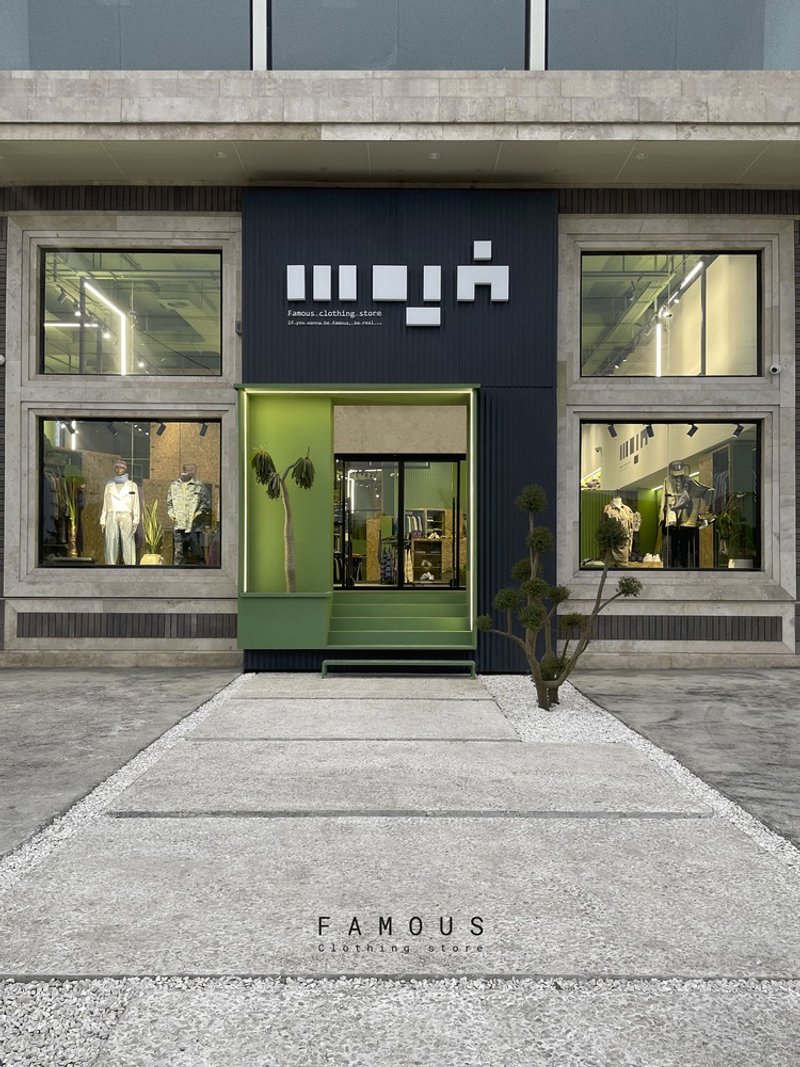
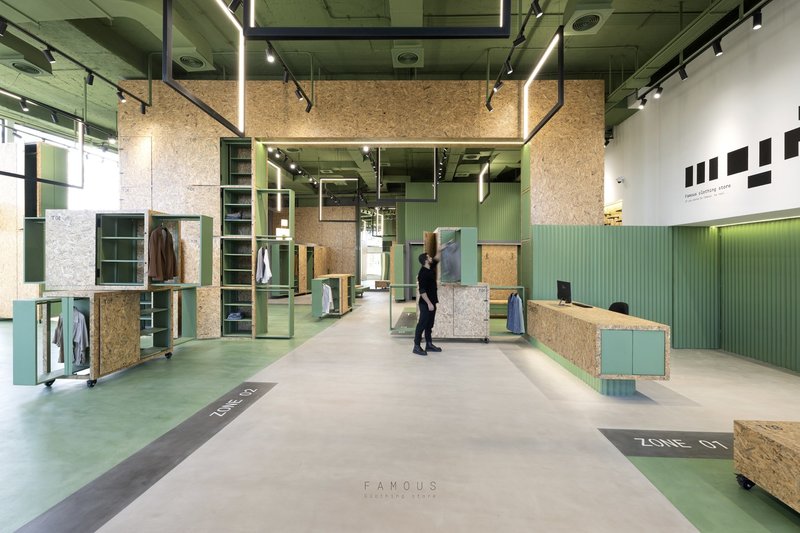
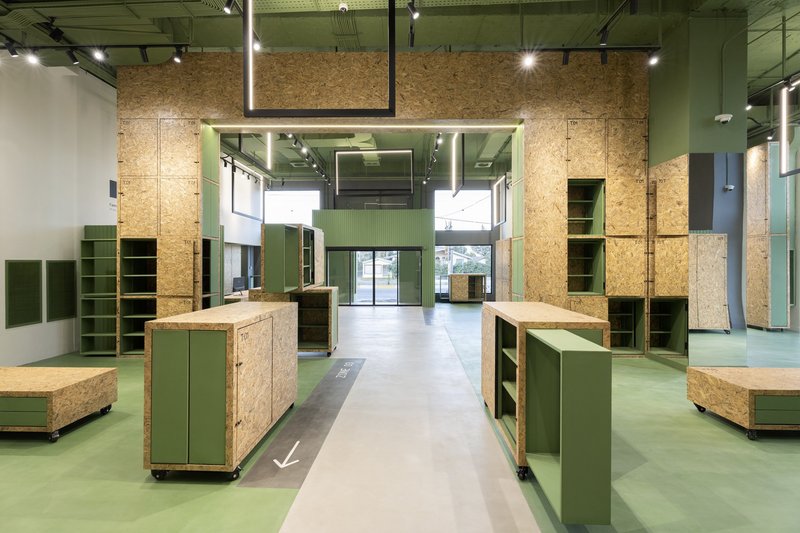
The Flexibility of Design Modules
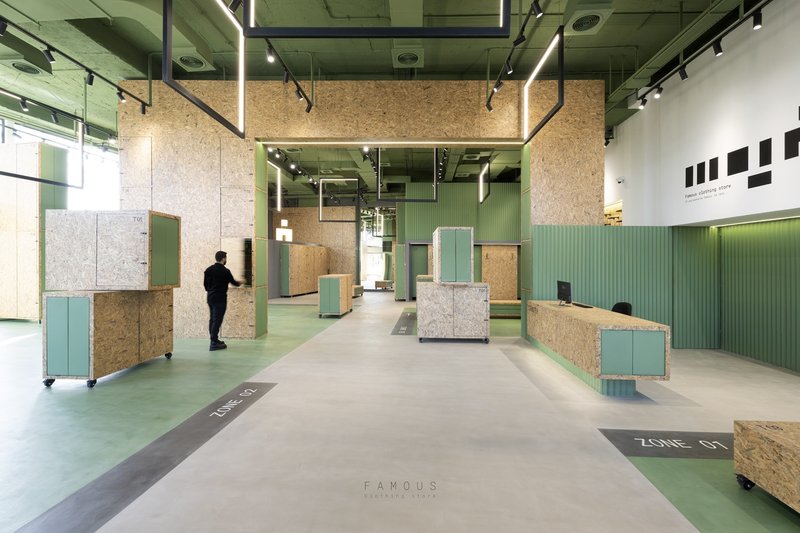
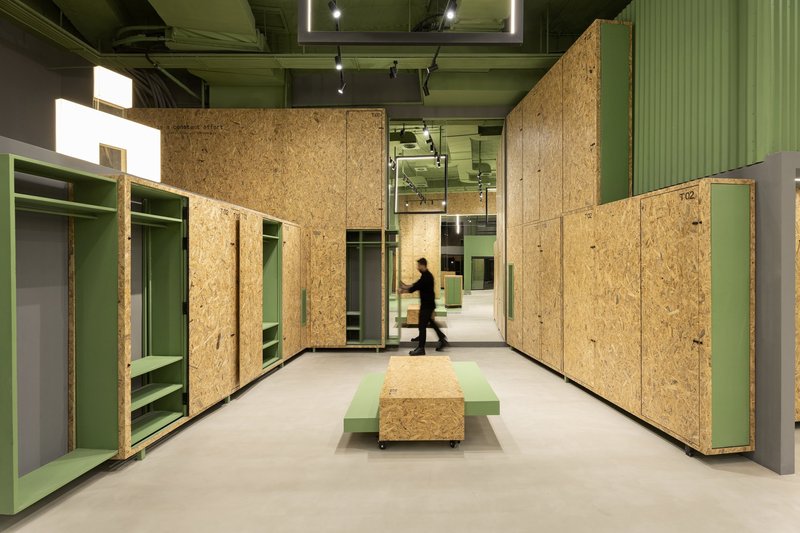
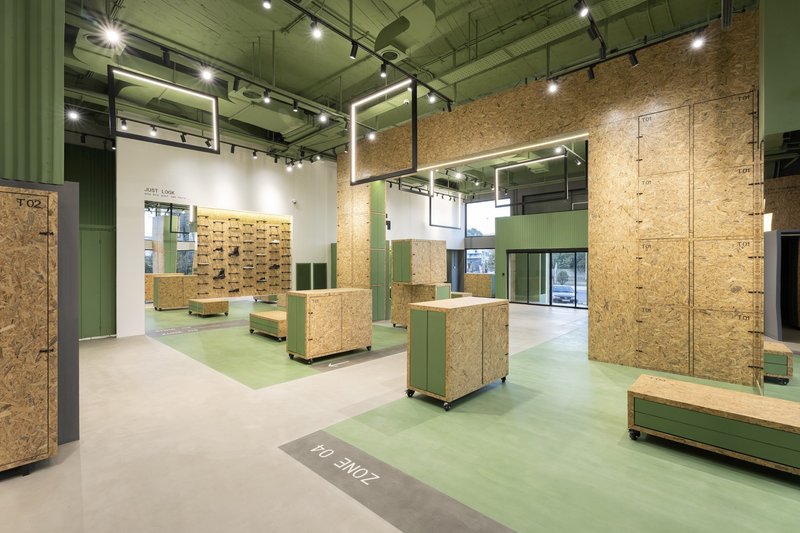
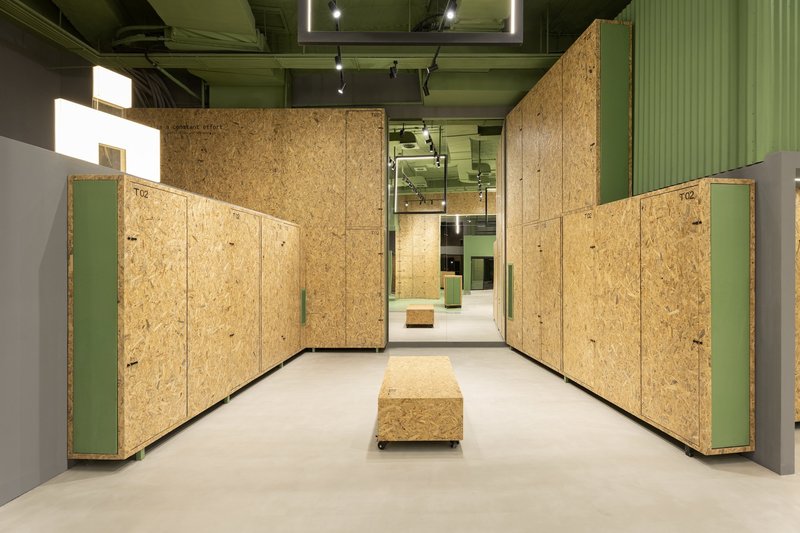
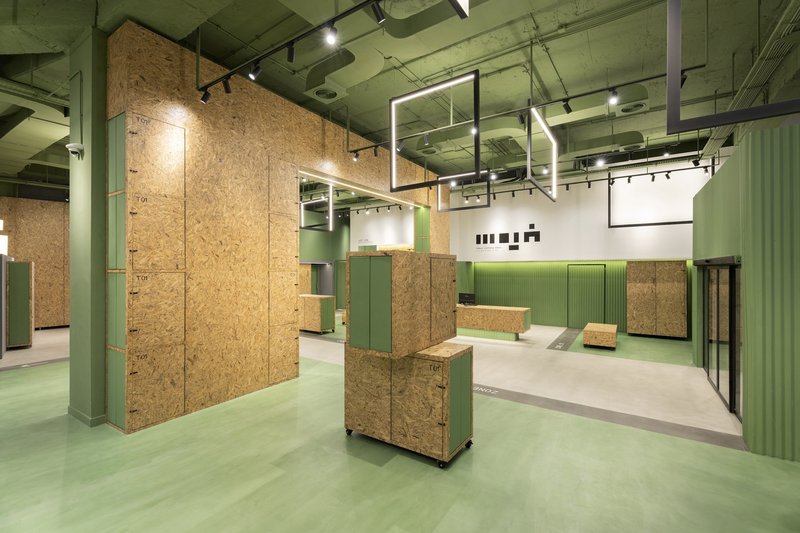
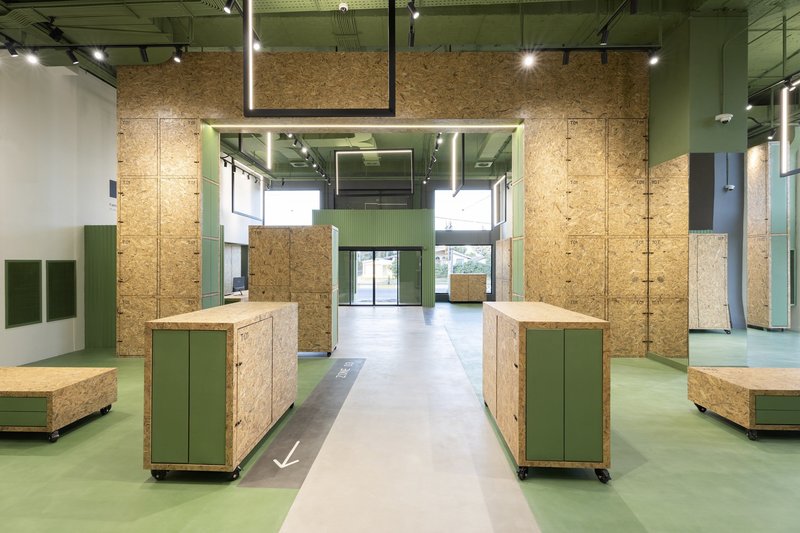
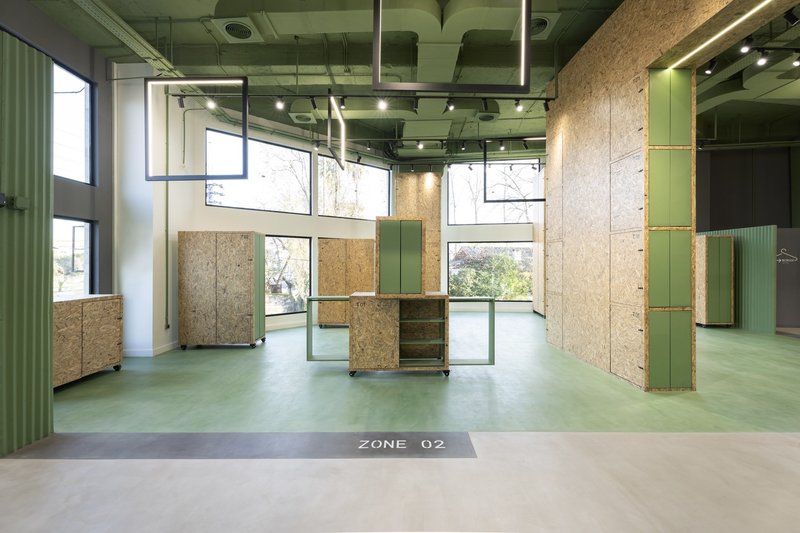
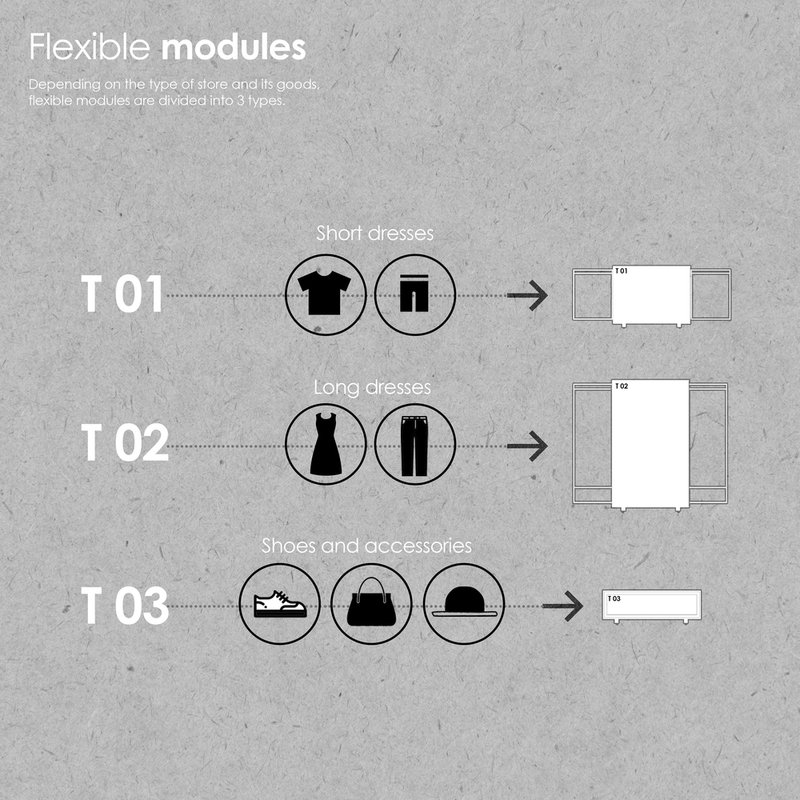
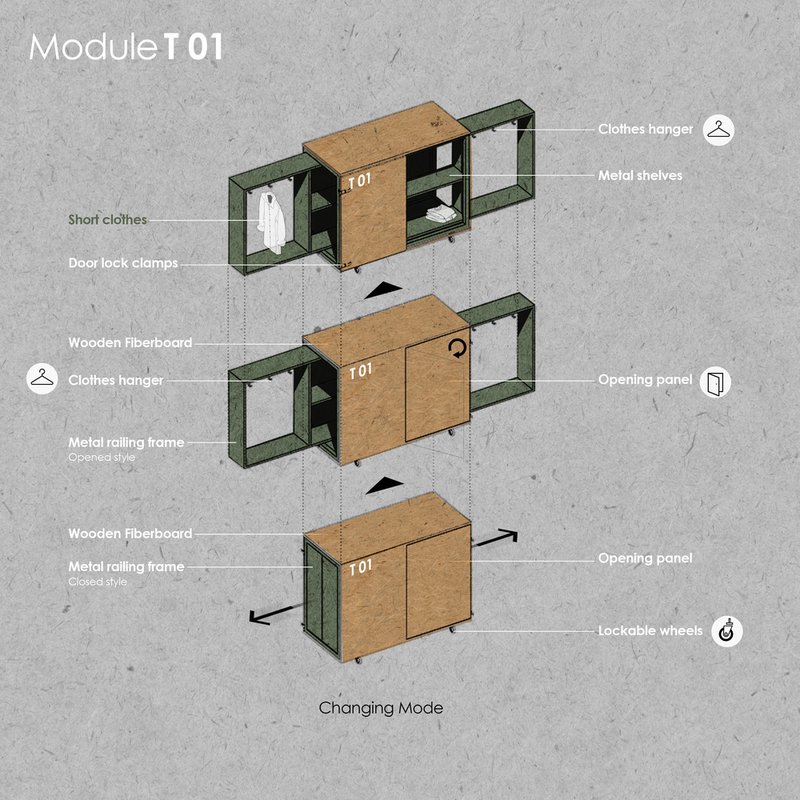
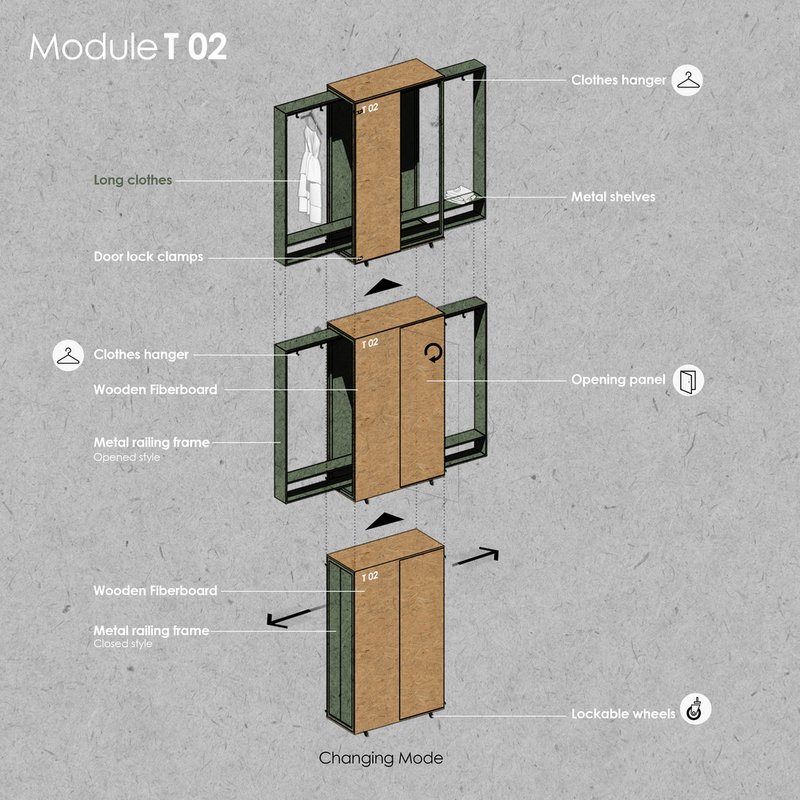
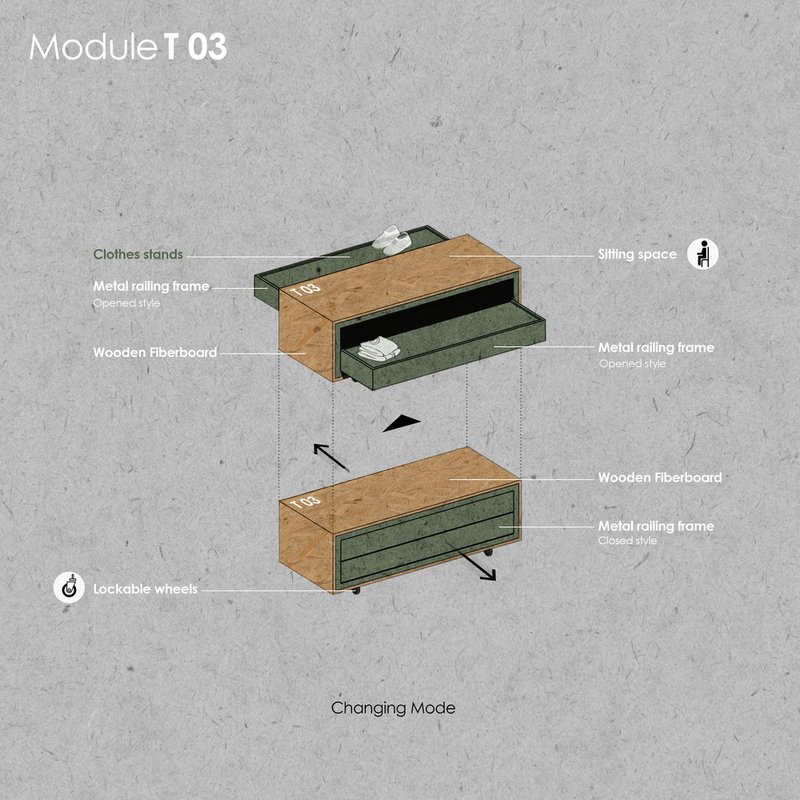
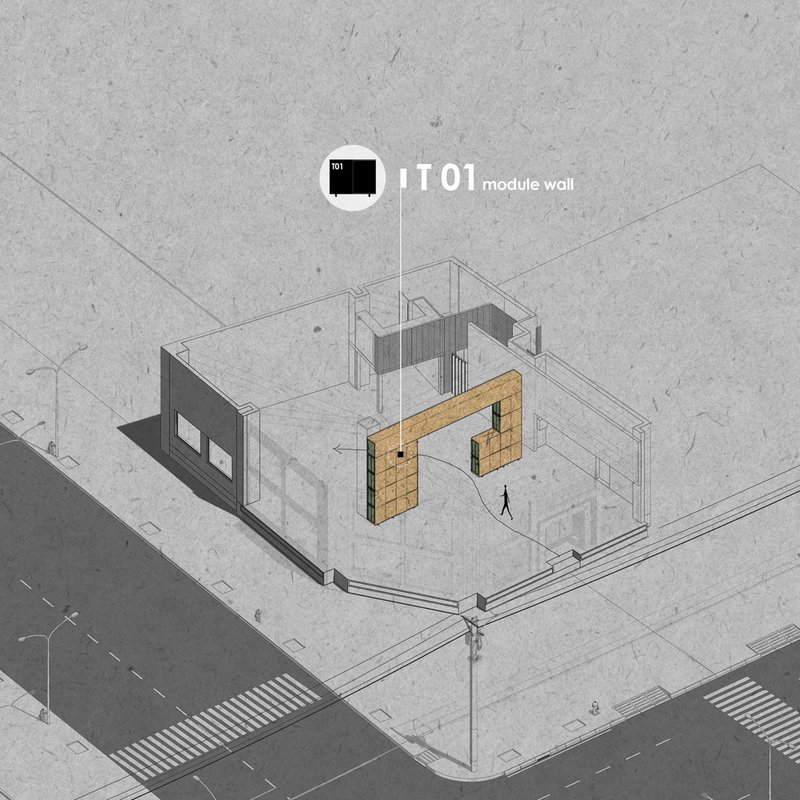
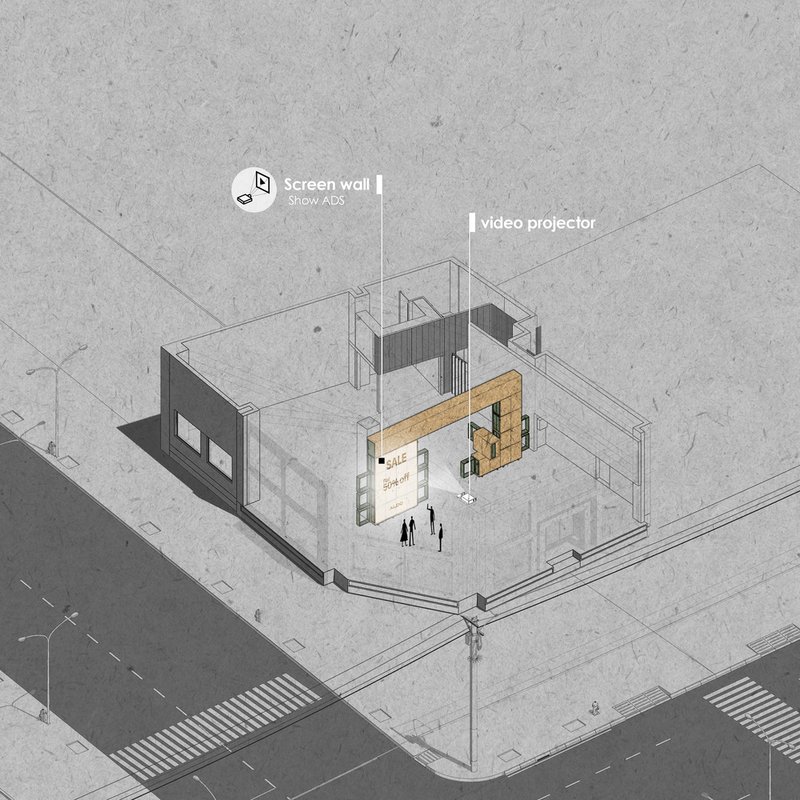
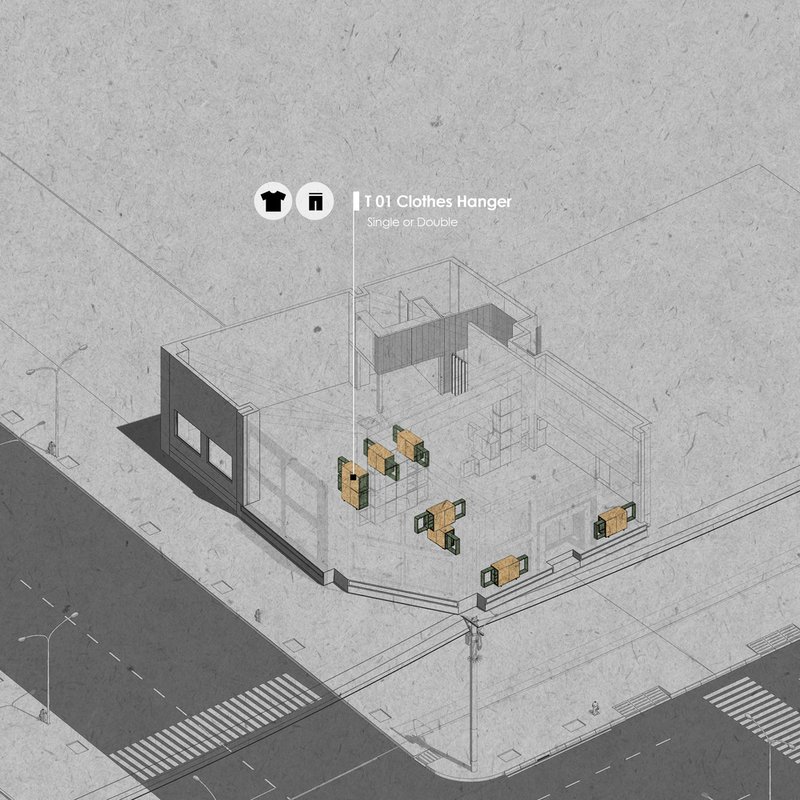
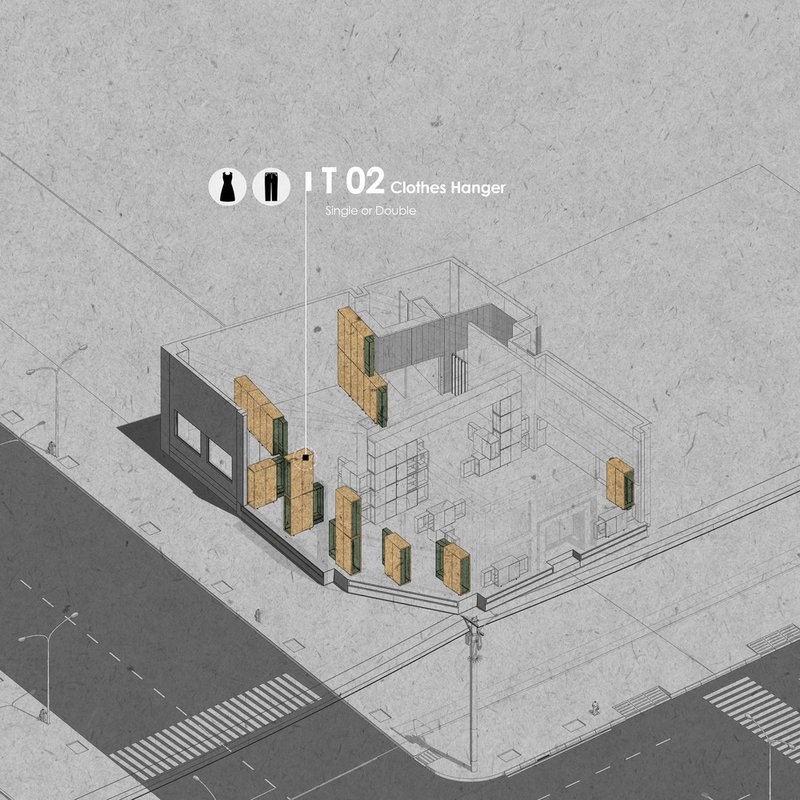
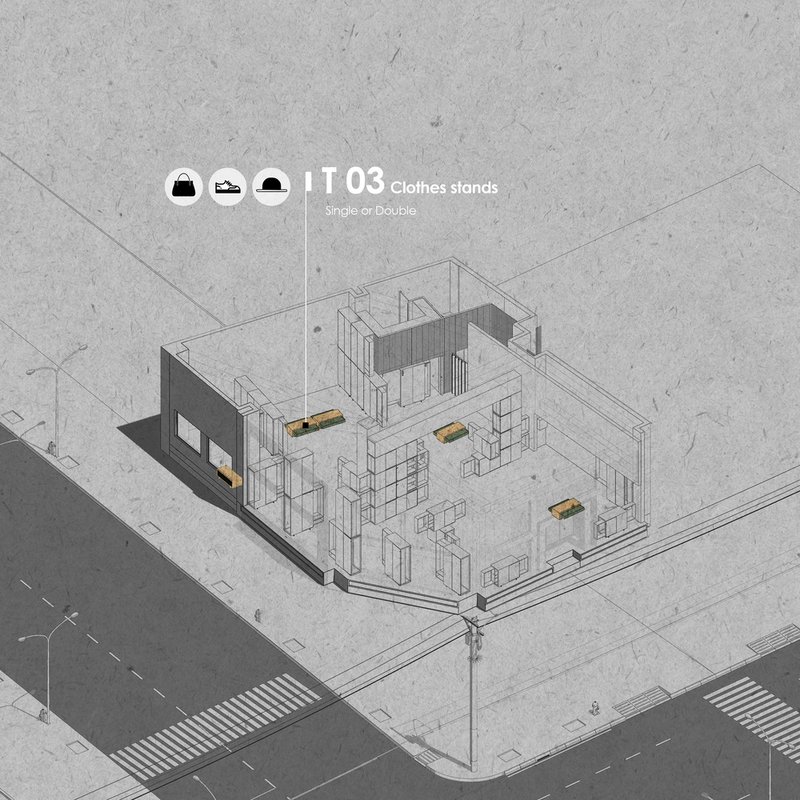
The core of the store's design lies in its three movable modules: T01, T02, and T03. These elements are designed to support various uses, allowing for easy reconfiguration, reproduction, and relocation. The flexibility offered by these modules caters to the ever-changing needs of retail environments, providing different visual experiences for customers.
Material Selection and Brand Identity
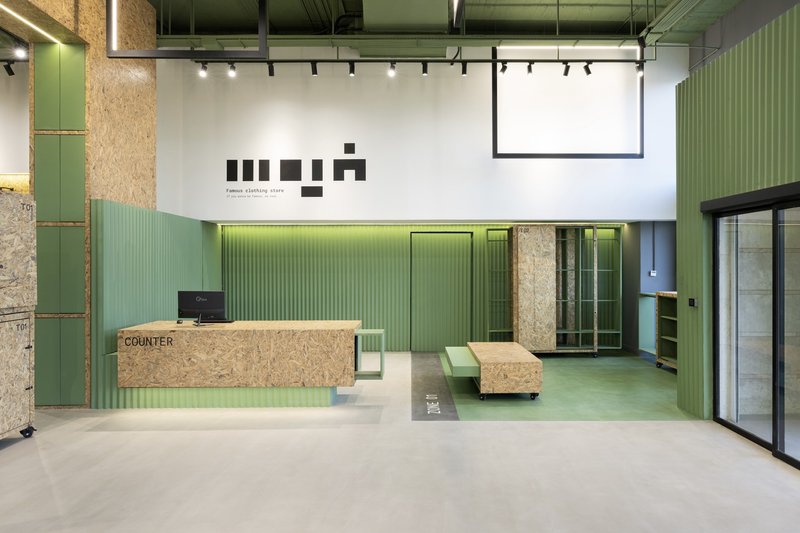
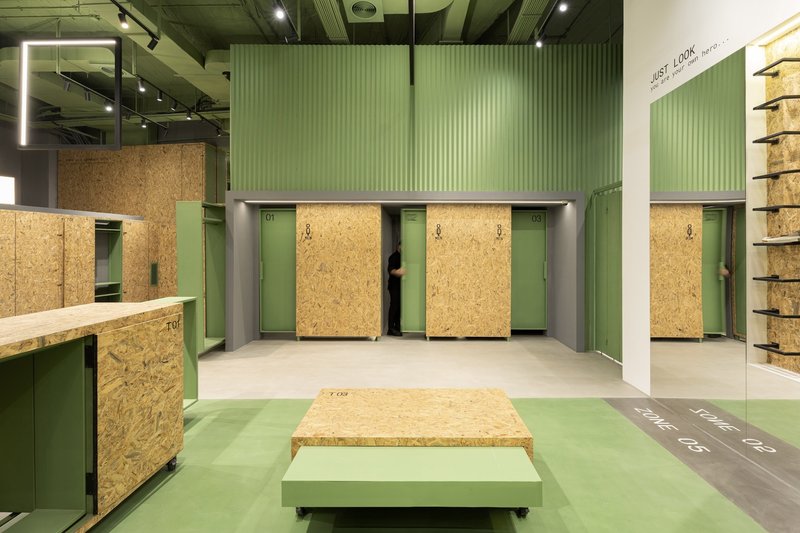
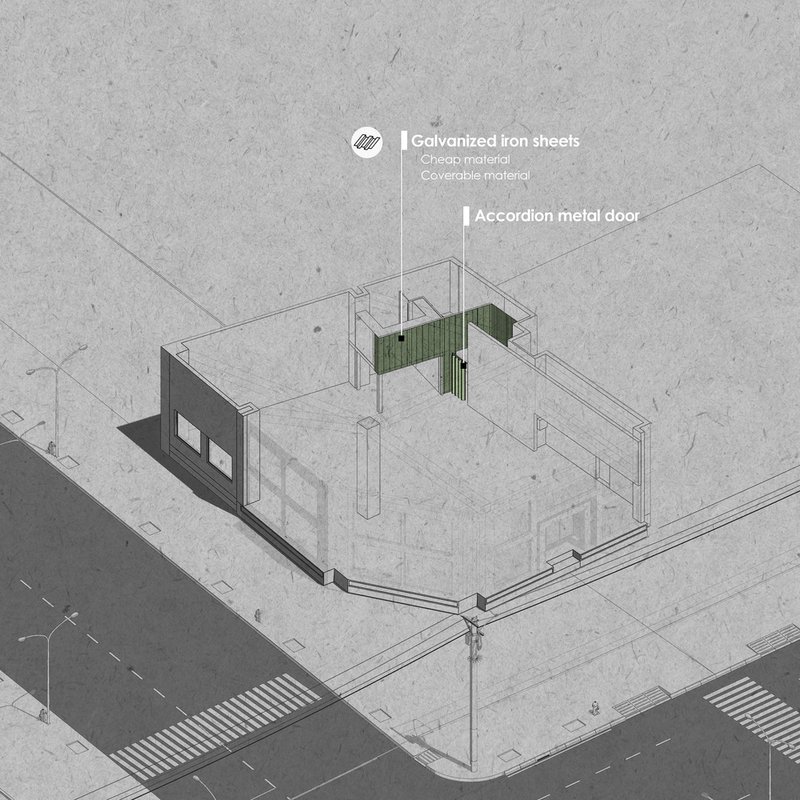
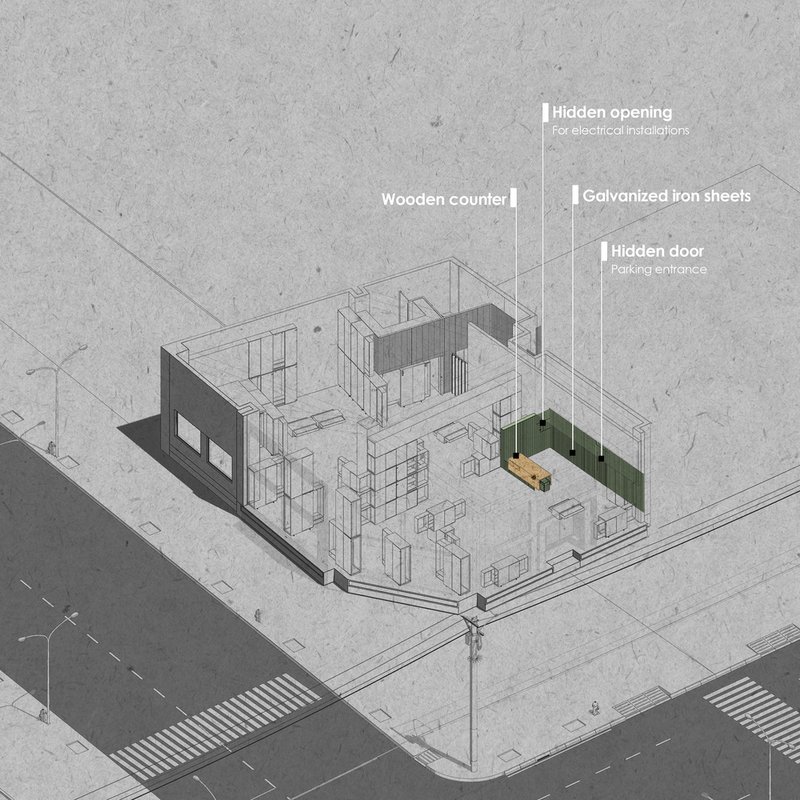
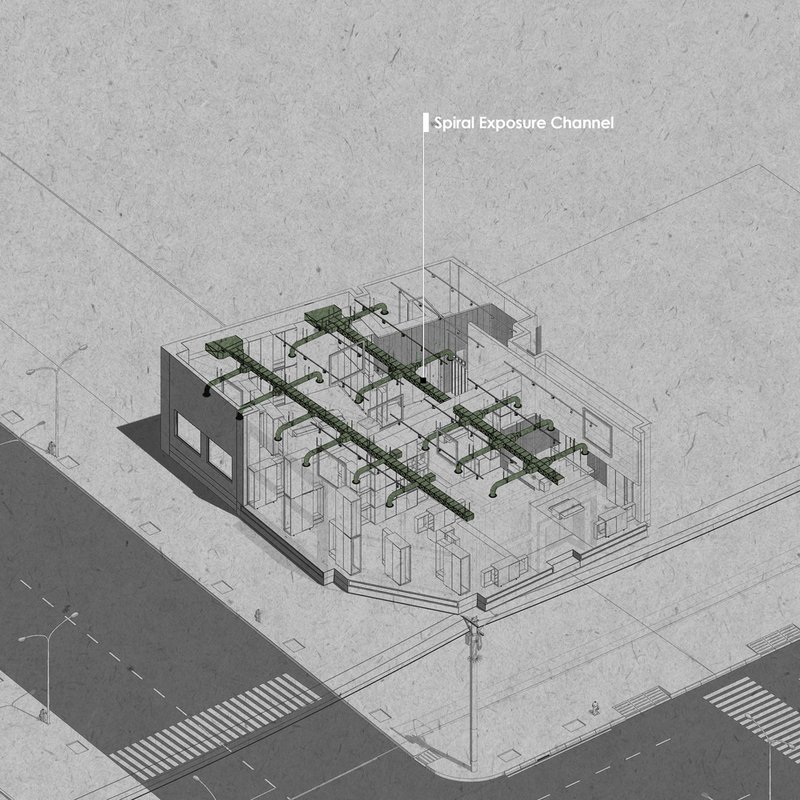
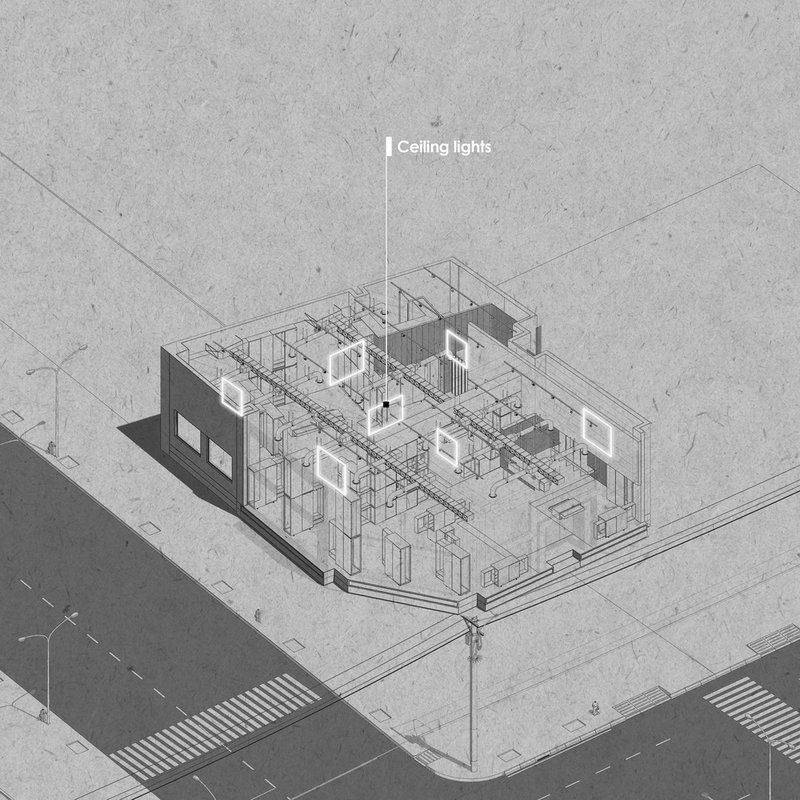
Mirani’s design utilizes OSB material for the modules, offering a cost-effective yet aesthetically pleasing solution. The contrast between the natural wood texture of the OSB and the green-painted metal frames establishes a distinctive brand identity. The decision to expose facilities and ceiling structures enhances the space's coordination and industrial feel.
Enhancing Customer Experience through Design
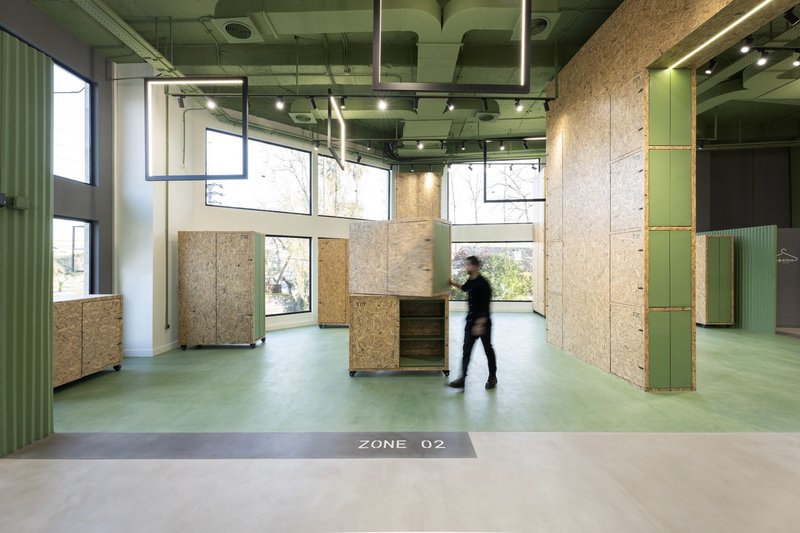
The modular design extends beyond mere functionality. It aims to create a diverse and engaging environment for customers, with easily changeable layouts and dedicated areas for product display. The inclusion of pull-out frames in the modules adds another layer of utility and design sophistication.
Integrating Functional Spaces
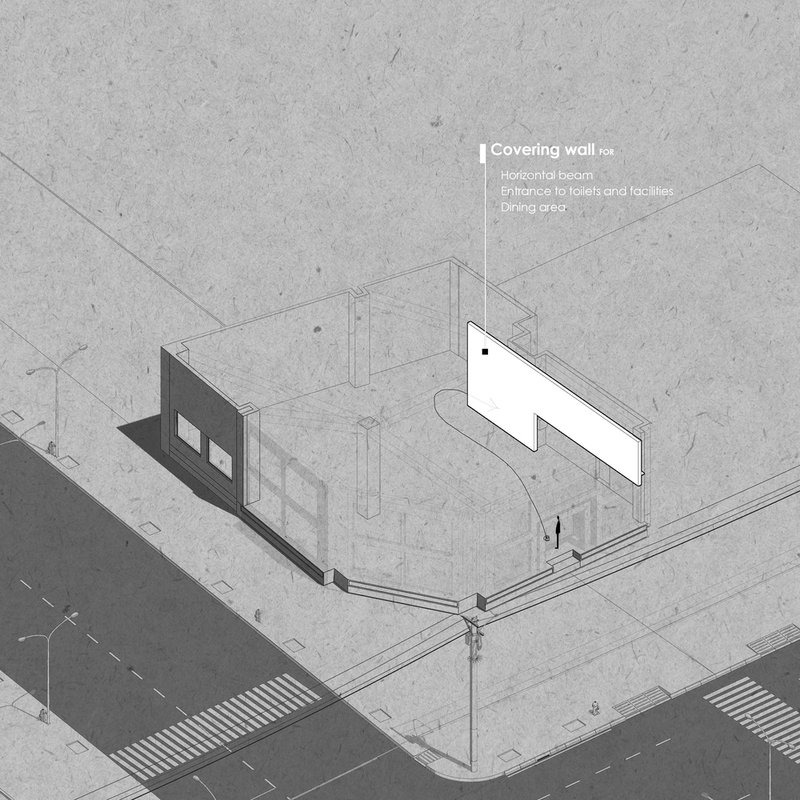
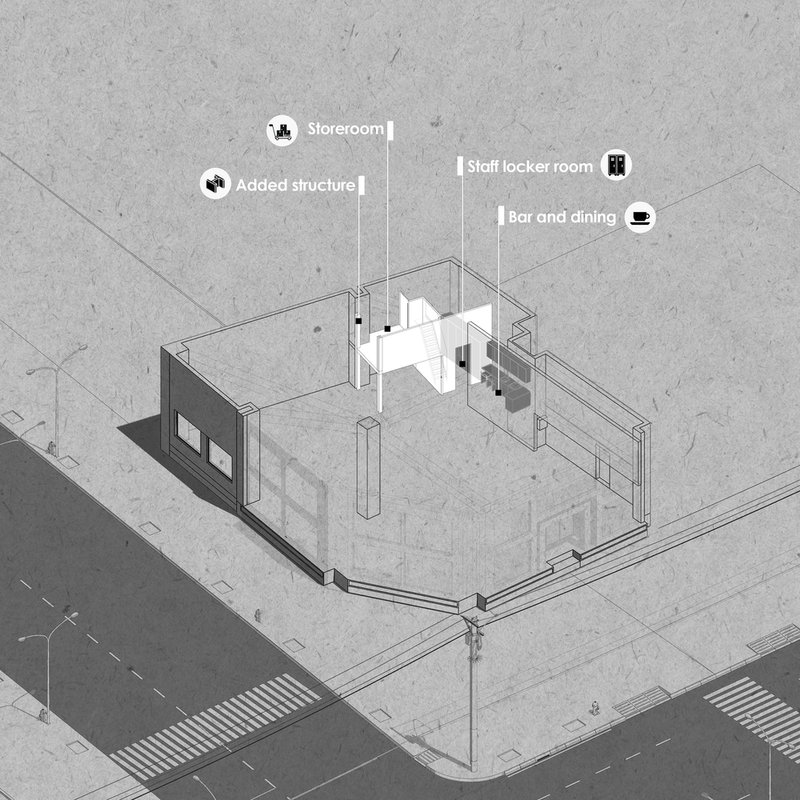
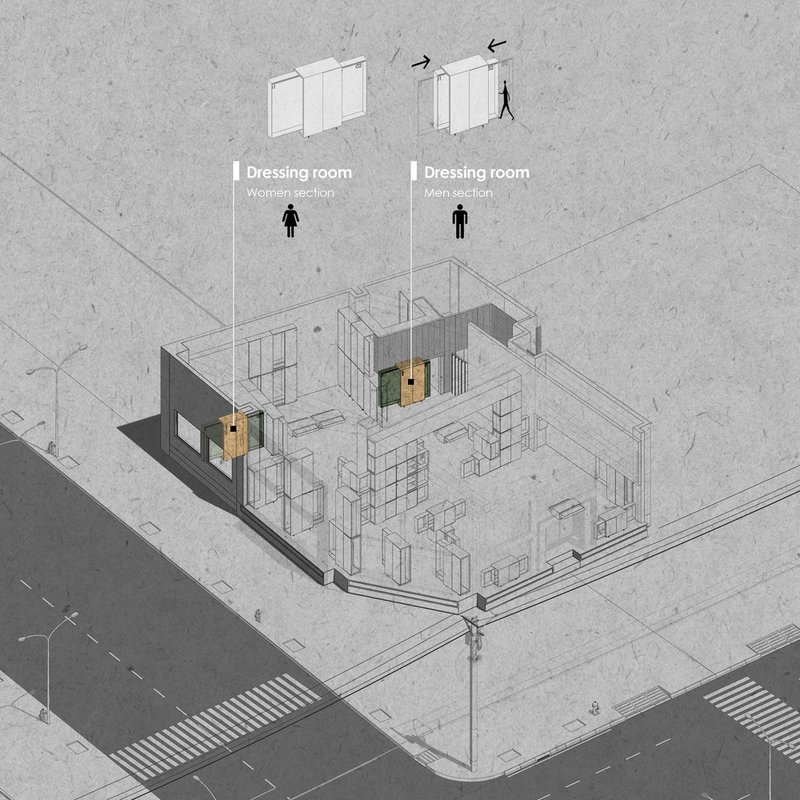
The design of the Famous Clothing Store also considers the needs of the staff and the operational aspects of retail. A fitting area, storage space, dining area, kitchenette, and restroom are seamlessly integrated into the layout, ensuring convenience and efficiency while maintaining aesthetic coherence.
The Future of Retail Design
Neda Mirani’s Famous Clothing Store in Ramsar, Iran, is a testament to the potential of modular retail space design. This approach not only meets the practical demands of a retail setting but also enhances the shopping experience through thoughtful, adaptable design elements. As retail continues to evolve, the principles of modularity, flexibility, and customer engagement are set to define the future of retail space design.
All photographs are work of Benyamin Jahanshahi



Popular Articles
Popular articles from the community

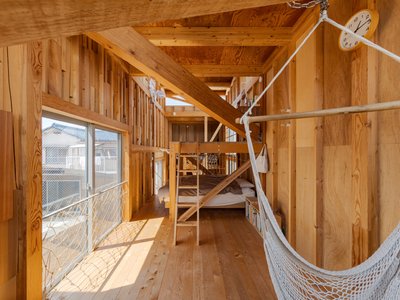
1-1 Architects Builds a Nagoya House and Office from Decades of Stockpiled Timber
A 69-square-meter tower in dense residential Nagoya transforms surplus lumber into a home and workplace for a construction company.

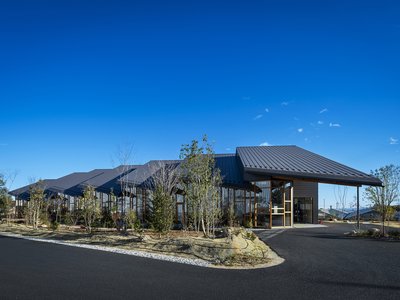
20 Most Popular Office Building Projects of 2025
From biophilic workspaces in India to net-positive energy offices in New Delhi, 20 office building projects that defined architecture in 2025.
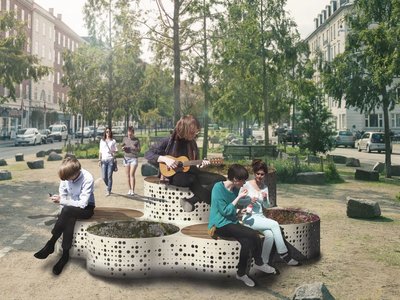
20 Most Popular Furniture Design Projects of 2025
Modular street systems, parametric benches, and insect hotels: the furniture design projects that captivated architects on uni.xyz in 2025.
Paco Oria Estudio Rebuilds a 1949 Valencian Town House Around Timber, Terracotta, and a New Interior Patio
In Godella, Spain, a semi-detached house from the postwar era is stripped to its party walls and rebuilt with wood and ceramics.


Similar Reads
You might also enjoy these articles

Bamboo Housing Challenge 2026: Design Affordable, Sustainable Homes Using Bamboo
An international design competition by Bamboo U and IBUKU inviting architects and designers to reimagine affordable housing using bamboo — with the winning design built full-scale in Bali.

Computational Design & Education: Beegraphy Design Awards Introduces 7th Category (Featuring Jiyun's Innovative Approach)
Dive into Beegraphy’s 7th Design Awards category, where computational design meets education to create immersive, interactive learning tools, inspired by Jiyun’s work.

From Parametric Lighting to Urban Furniture: Join the 2nd Workshop in Beegraphy’s Computational Design Series
Dive into Cutting-Edge Design Techniques and Practical Applications with Industry Experts

Introducing Sphere by UNI: Pioneering a New Era in AEC Industry
Unlocking Global Potential with BIM and Agile Management


Explore Architecture Competitions
Discover active competitions in this discipline




The International Standard for Design Portfolios


The Global Benchmark for Architecture Dissertation Awards


The Global Benchmark for Graduation Excellence


Challenge to reimagine the Iron Throne
Comments (0)
Please login or sign up to add comments
No comments yet. Be the first to comment!