
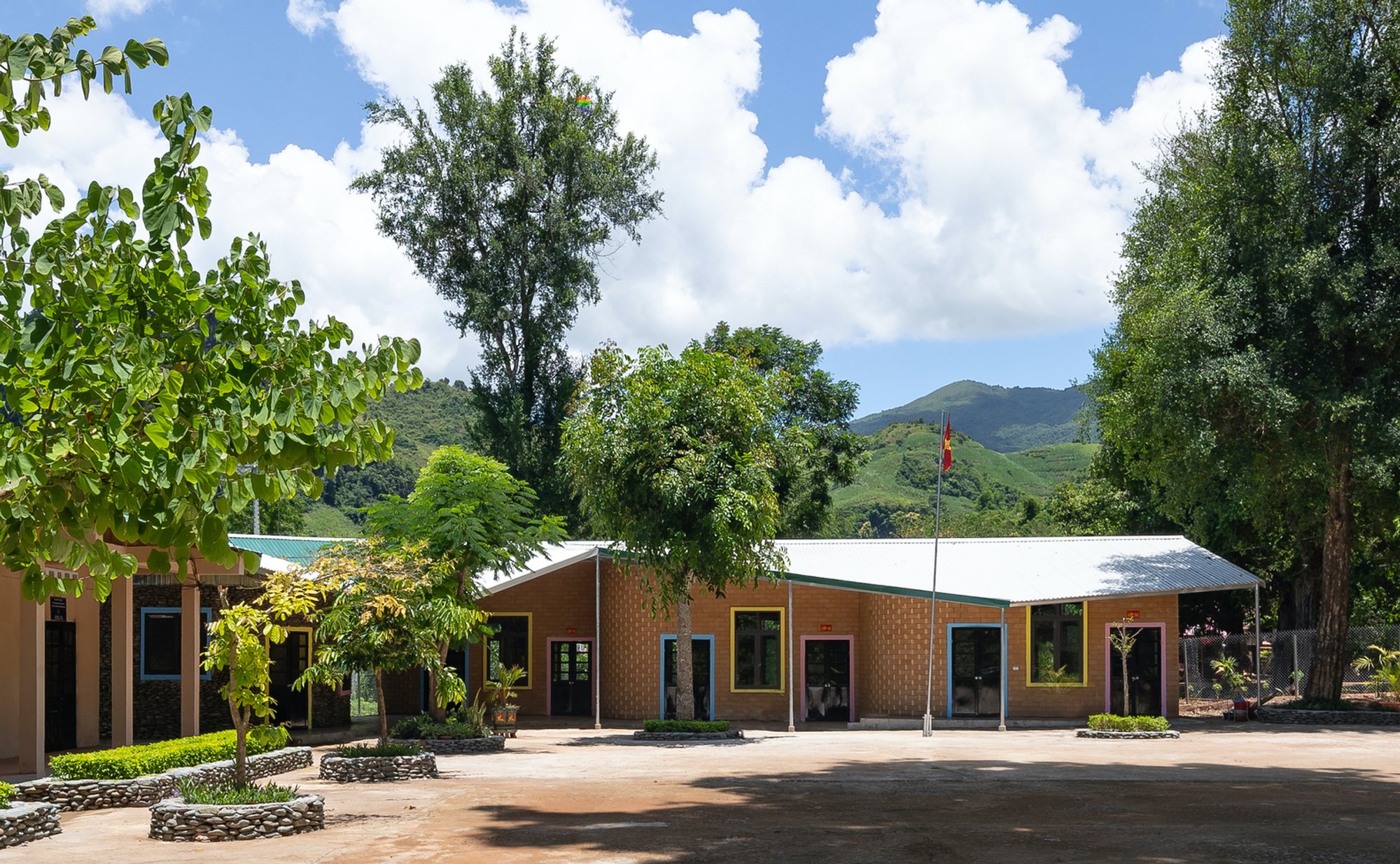
Na Pan School: A Model of Sustainable School Architecture in Vietnam
Na Pan School showcases sustainable school architecture, integrating local materials, community participation, and cultural heritage to transform rural education in Vietnam.

A Community-Driven Transformation
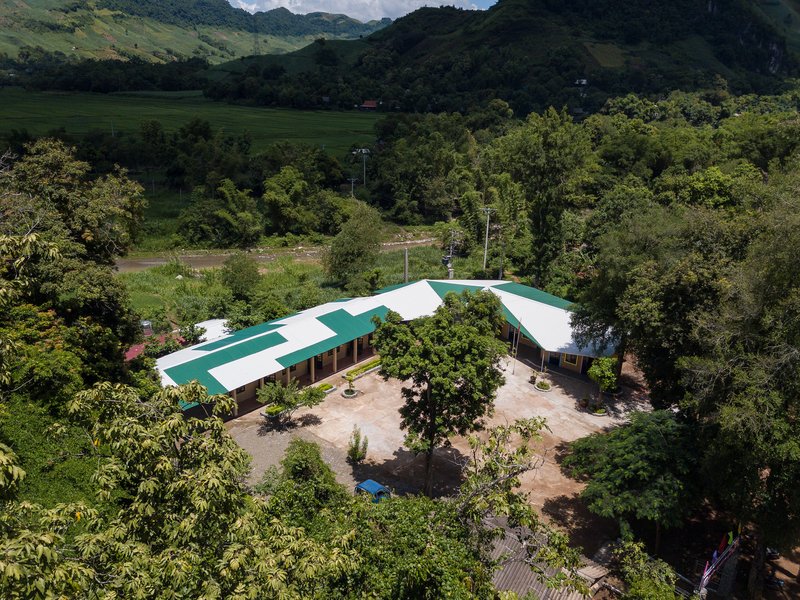
Nestled at the foot of Pa Han Mountain in Vietnam, Na Pan School exemplifies sustainable school architecture that integrates local culture, natural materials, and community participation. Designed by 1+1>2 Architects, this innovative learning space serves 204 students across six classes, blending modern educational needs with traditional construction techniques. Surrounded by the Nam Vat Stream and expansive rice fields, the school is a harmonious addition to its rural landscape.
Revitalizing an Aging Educational Infrastructure
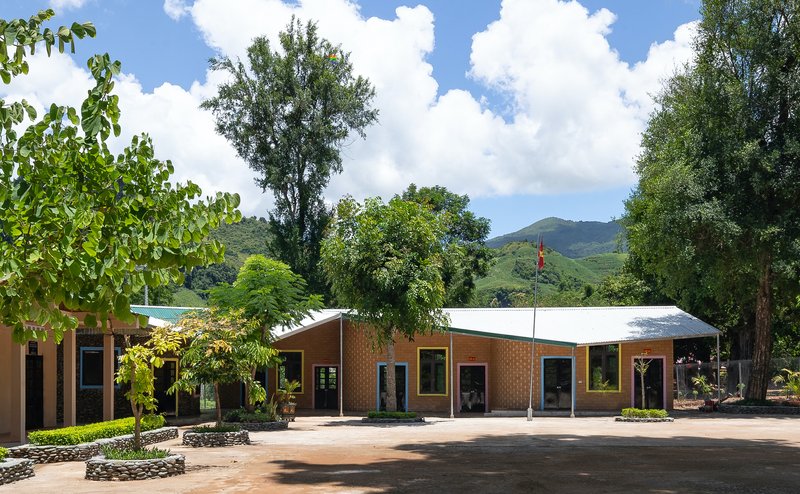
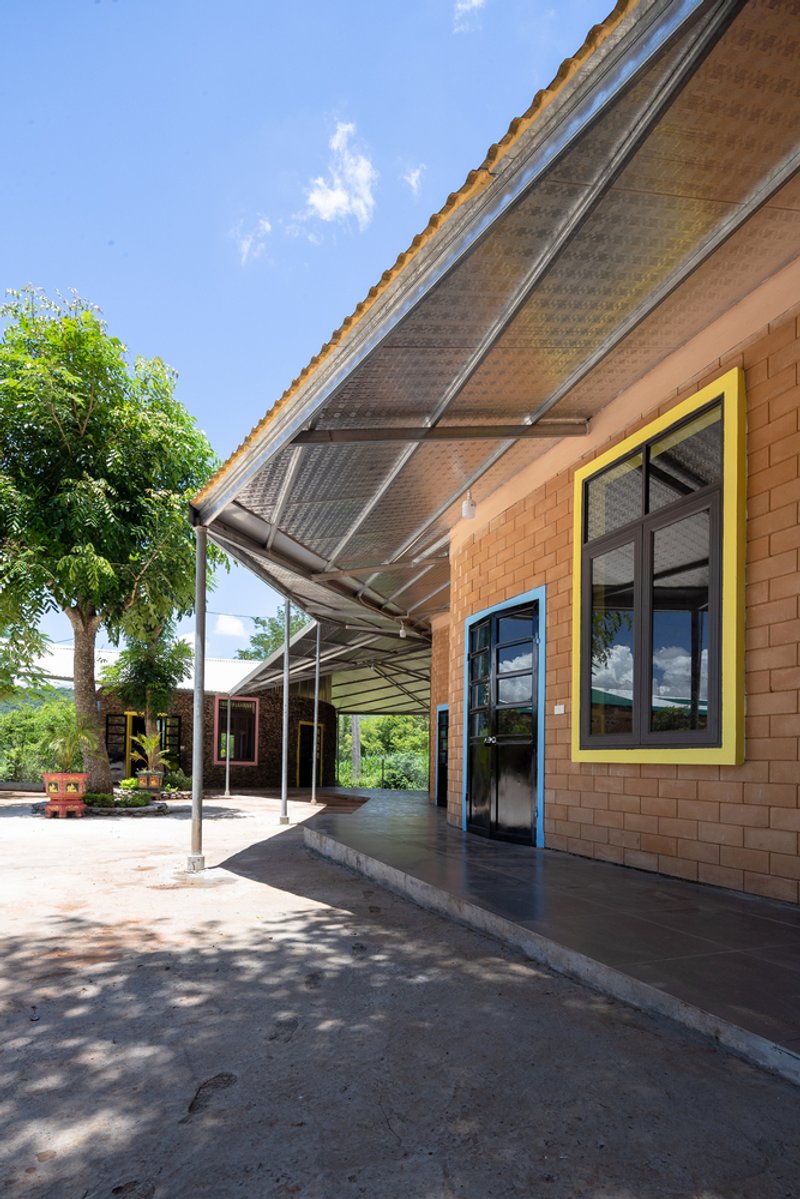
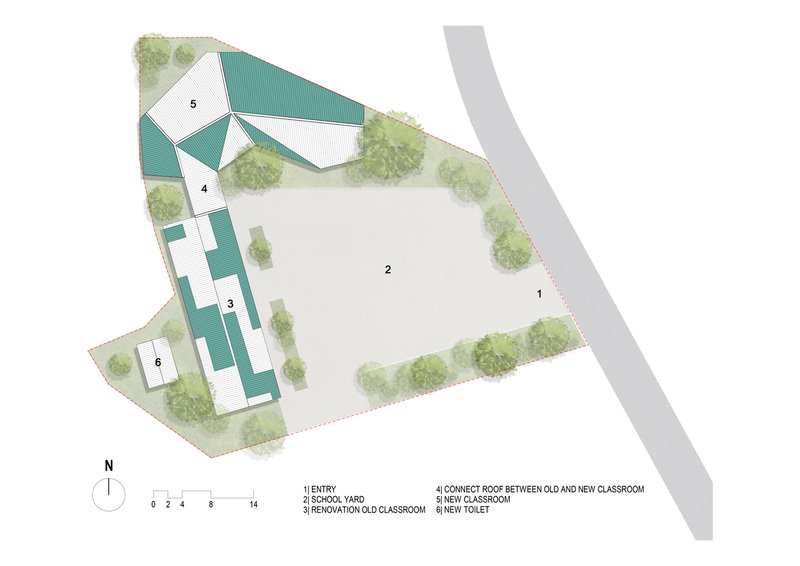
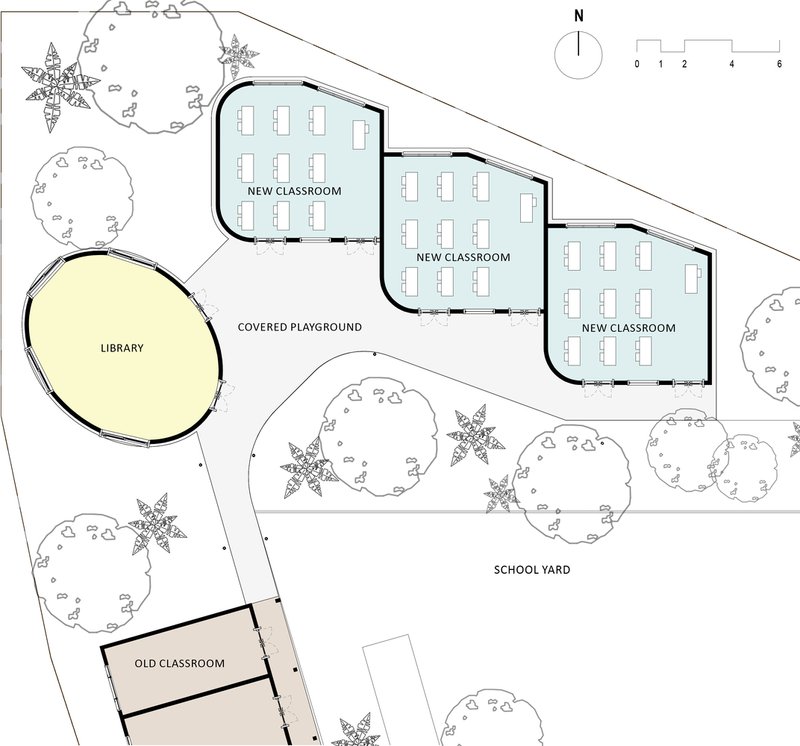
Before its renovation, Na Pan School struggled with inadequate facilities, consisting of deteriorated classrooms and makeshift structures made from wood and earthen walls. The challenge was unifying three distinct buildings—a nearly 30-year-old wooden structure, a 20-year-old brick building, and a newly constructed block funded by the VNHelp Foundation—into a cohesive, functional, and inspiring learning environment.
Natural Light and Cultural Inspirations
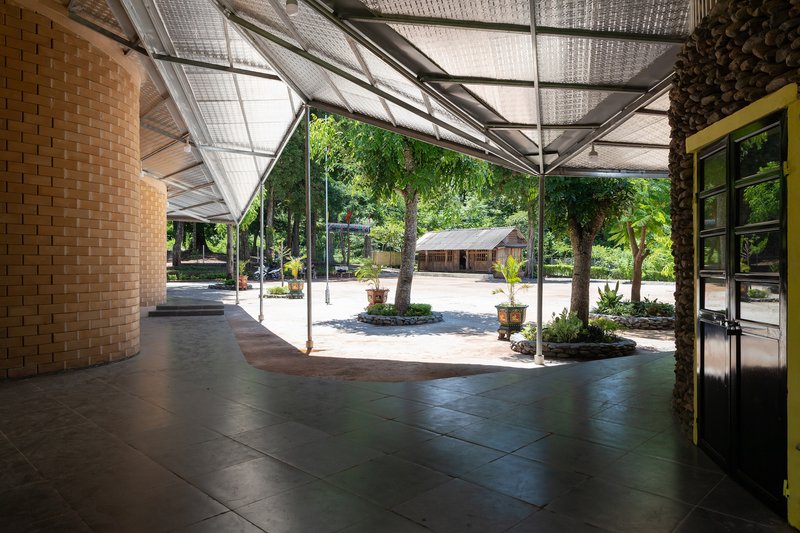
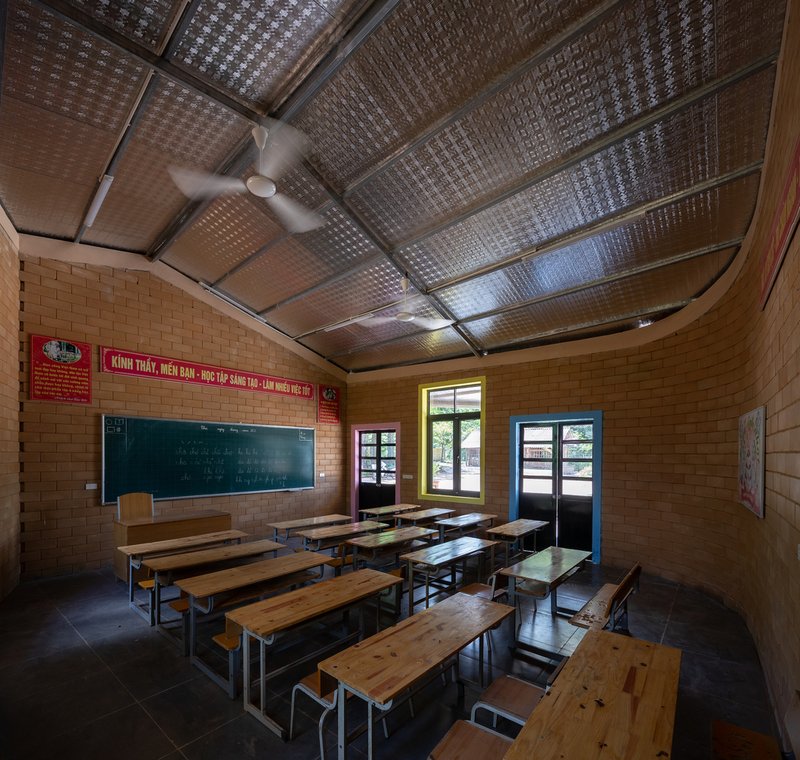
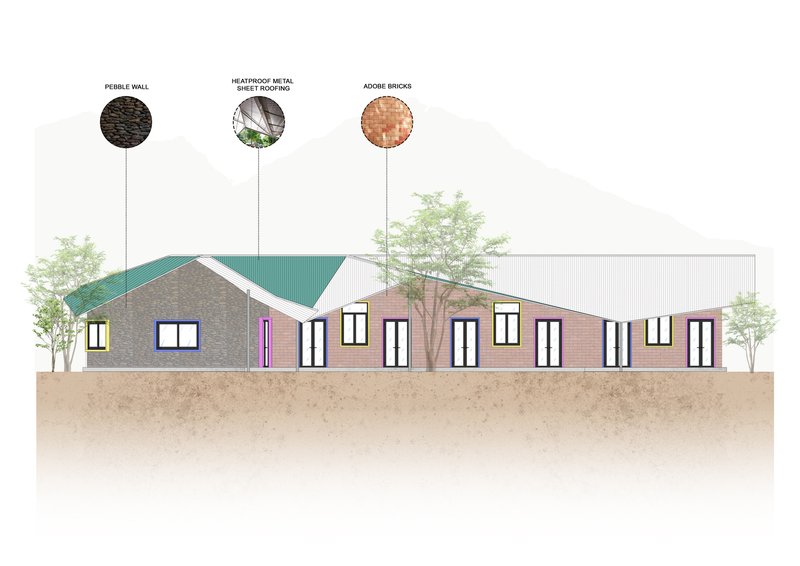
The redesigned school prioritizes natural lighting through a rhythmic arrangement of windows, reflecting the elegance of the traditional "Piêu scarf" dance. This thoughtful integration of local aesthetics enhances the connection between students and their heritage while creating a bright and airy interior environment. The open layout allows students to engage with the surrounding landscape, reinforcing a sense of place and belonging.
Traditional Materials for Modern Learning Spaces
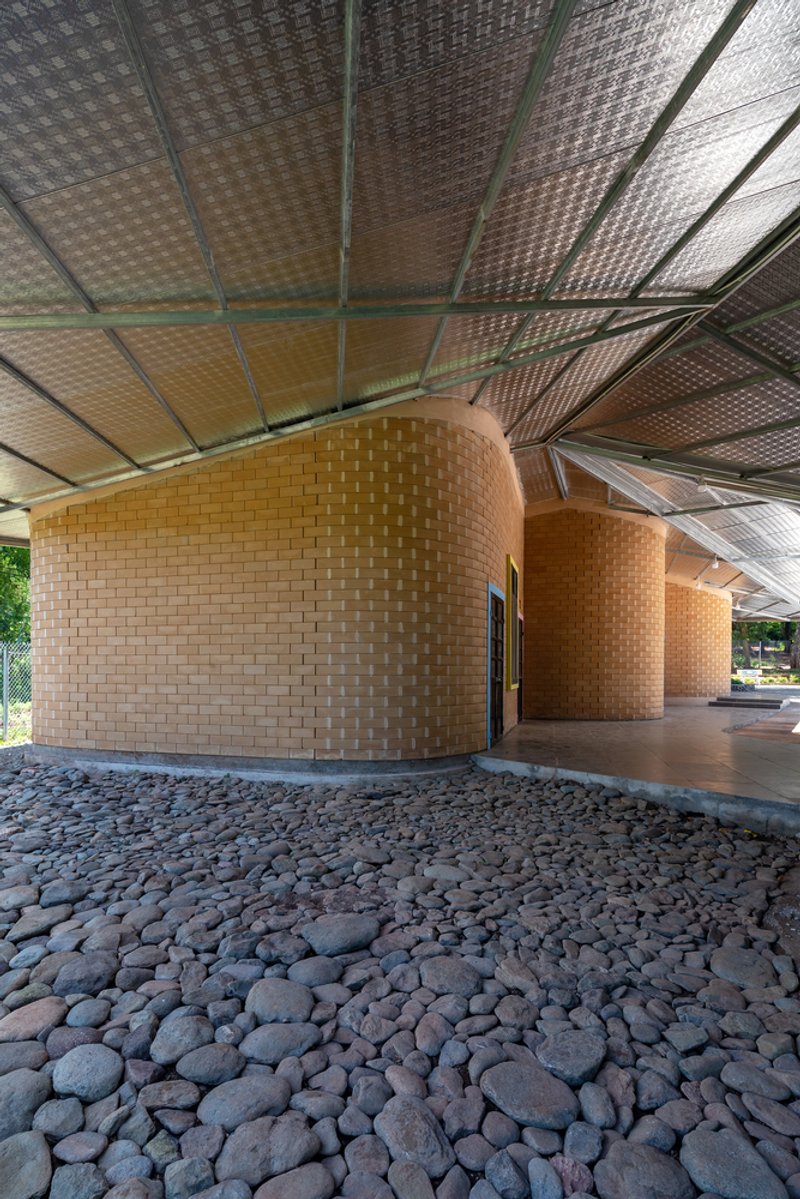
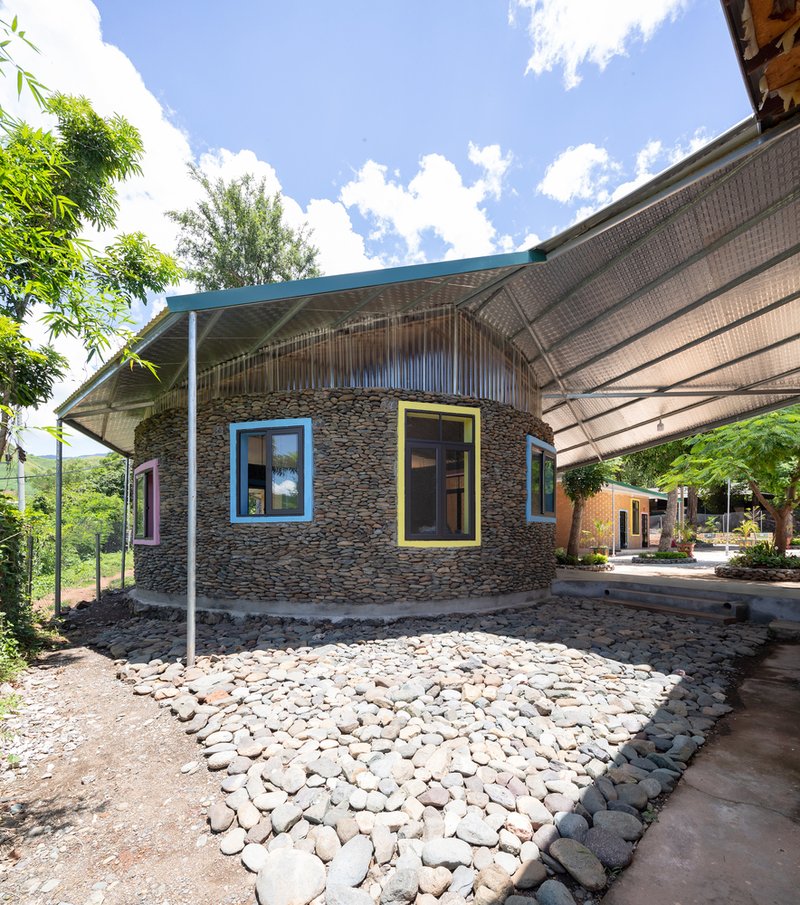
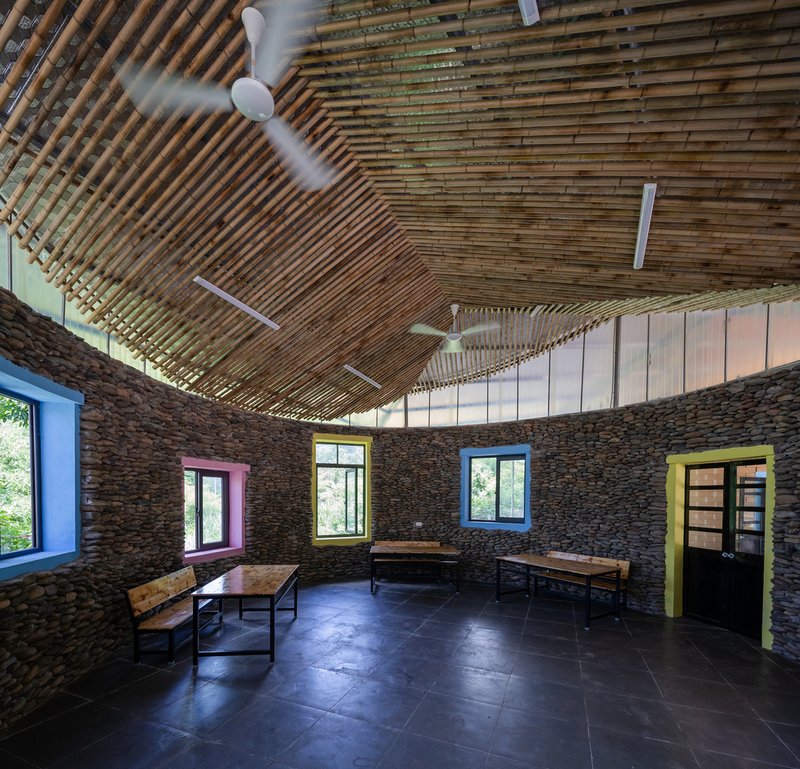
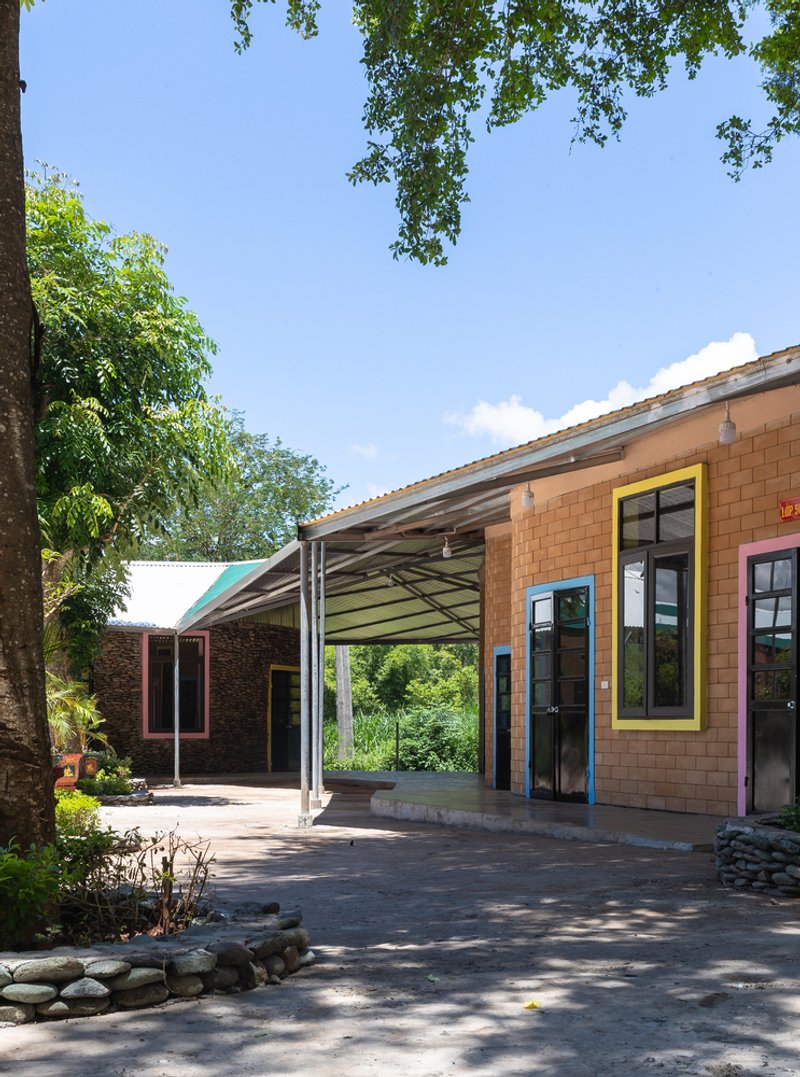
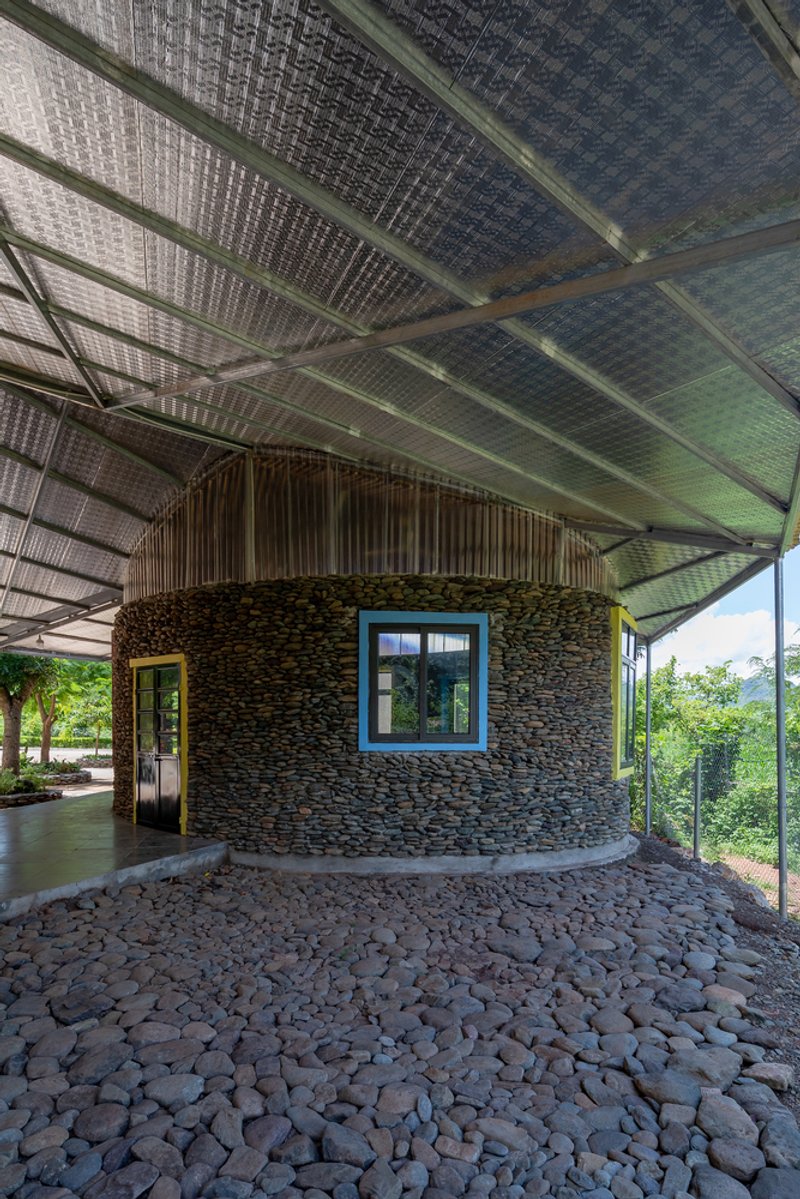
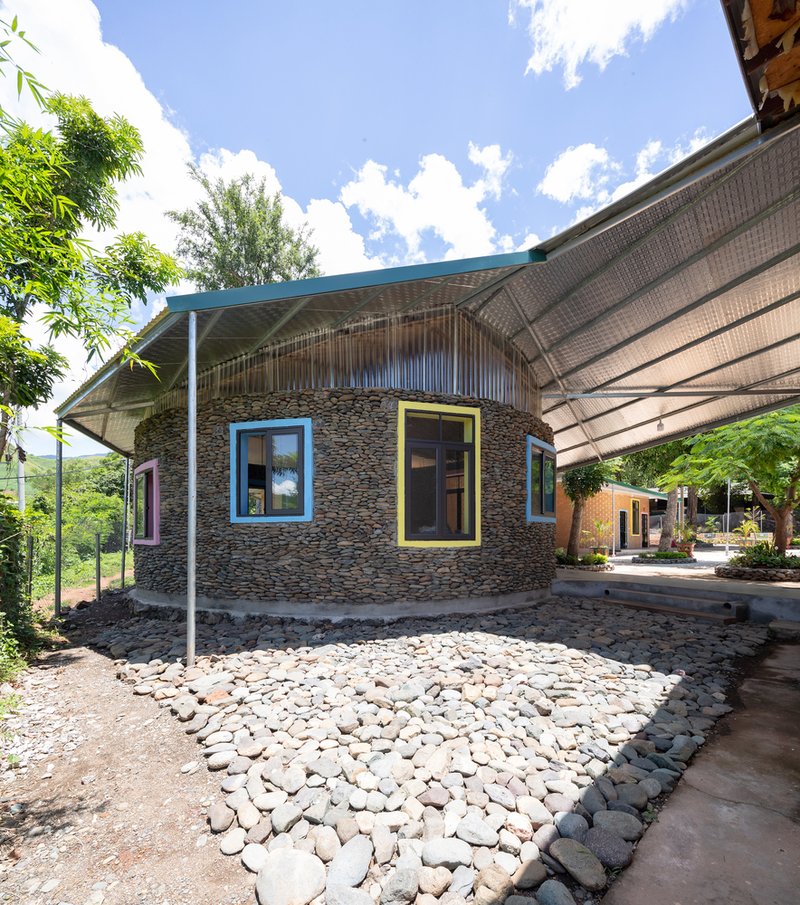
The newly constructed block features soft, curved lines and adobe bricks, reminiscent of traditional lowland pottery kilns. A circular multi-functional room, built with river stones hand-collected by the villagers, bridges the gap between the old and new structures. This space serves as a communal hub, symbolizing the collaboration between the school and the local community.
A Collective Effort for Educational Growth
The transformation of Na Pan School was a collective endeavor, completed in just four months with the active participation of nearly 300 households. Villagers contributed more than 3,000 working days, each carrying 30 pebbles from the river, ultimately collecting 80,000 stones to build the multi-functional room, courtyard, and decorative features. This grassroots effort not only improved the school's infrastructure but also instilled a new appreciation for education within the community.
Redefining Education Through Architecture
Na Pan School goes beyond being a place of learning; it stands as a symbol of how sustainable school architecture can reshape communities. By embracing local materials, cultural heritage, and community-driven construction, the project highlights the power of architecture to foster educational growth and social transformation. It serves as a model for future school designs in rural areas, demonstrating that investing in education is as vital as any other necessity for a thriving community.




Popular Articles
Popular articles from the community

An Miên Lumière Cafe by xưởng xép, Ho Chi Minh City, Vietnam
An industrial-inspired café where layered steel and warm light create a dynamic, immersive environment shaped by reflection, depth, and perception.
Inverted Architecture Installation by Studio Link-Arc: Exploring the Intersection of Architecture and Living Organisms
Inverted Architecture Installation by Studio Link-Arc blends mycelium, sustainability, inverted design, ecological cycles, and urban adaptive architecture in Shenzhen.
Flamboyant House by Juliana Camargo + Prumo Projetos
Modern Brazilian house integrating existing tree, pool, and volumes with glass, wood, and transitional spaces blending interior, exterior, and landscape seamlessly.
Solar Steam: A Climate-Responsive Architecture That Redefines the Monument
A climate-responsive memorial architecture that transforms heat, decay, and time into a living system reflecting humanity’s ecological impact.

Similar Reads
You might also enjoy these articles

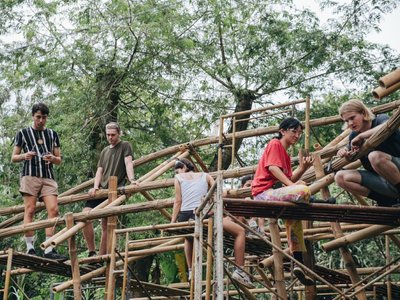
Bamboo Housing Challenge 2026: Design Affordable, Sustainable Homes Using Bamboo
An international design competition by Bamboo U and IBUKU inviting architects and designers to reimagine affordable housing using bamboo — with the winning design built full-scale in Bali.
Computational Design & Education: Beegraphy Design Awards Introduces 7th Category (Featuring Jiyun's Innovative Approach)
Dive into Beegraphy’s 7th Design Awards category, where computational design meets education to create immersive, interactive learning tools, inspired by Jiyun’s work.
From Parametric Lighting to Urban Furniture: Join the 2nd Workshop in Beegraphy’s Computational Design Series
Dive into Cutting-Edge Design Techniques and Practical Applications with Industry Experts

Introducing Sphere by UNI: Pioneering a New Era in AEC Industry
Unlocking Global Potential with BIM and Agile Management


Explore Architecture Competitions
Discover active competitions in this discipline




The International Standard for Design Portfolios


The Global Benchmark for Architecture Dissertation Awards


The Global Benchmark for Graduation Excellence


Challenge to design public laboratory
Comments (0)
Please login or sign up to add comments
No comments yet. Be the first to comment!