
Nursing Home Architecture: The Sara Weill-Raynal Facility by Avenier Cornejo
The Sara Weill-Raynal Nursing Home redefines nursing home architecture by prioritizing resident well-being, sustainability, and human-centered design in Paris.


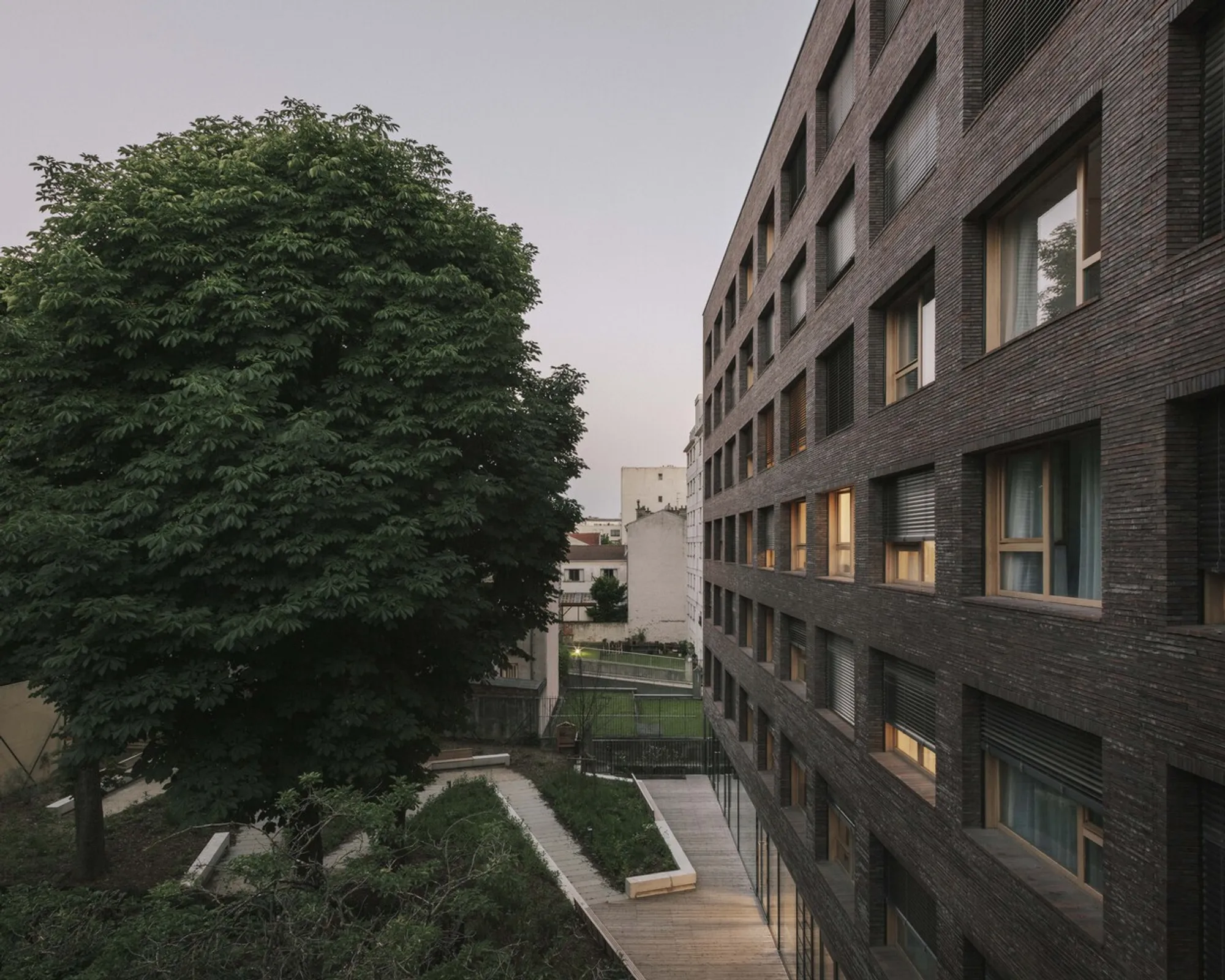
The reconstruction and extension of the Belleville Sara Weill-Raynal Nursing Home in Paris, designed by Avenier Cornejo Architectes, exemplifies the evolution of nursing home architecture. By integrating contemporary design principles with functional enhancements, the project offers a renewed vision for elderly care facilities. Situated in the 20th arrondissement, the nursing home underwent a five-year transformation, prioritizing resident well-being, environmental sustainability, and urban cohesion.


Urban Integration and Structural Expansion
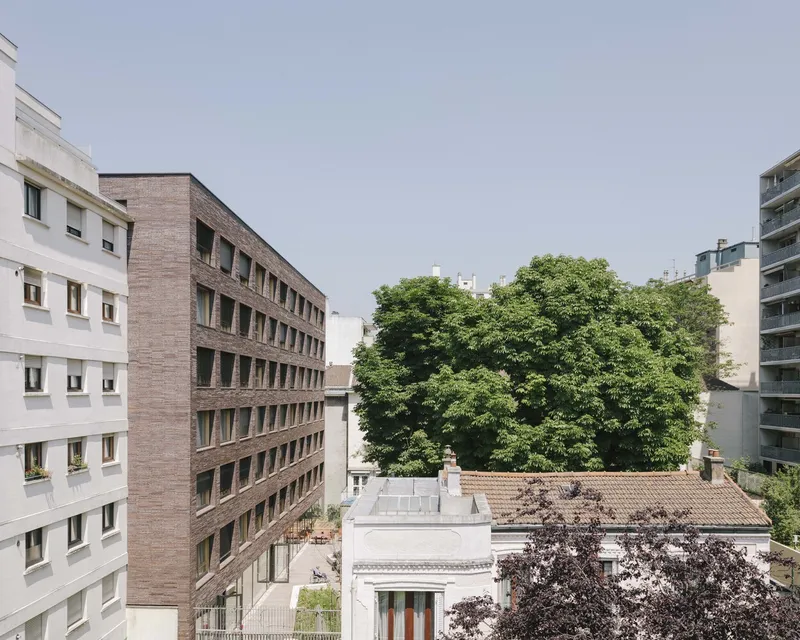
The project required balancing architectural modernity with urban continuity. Positioned within a dense Parisian neighborhood, the design respects its surroundings by aligning with adjacent buildings while incorporating setbacks to comply with zoning regulations. The expansion added 460 square meters of space, increasing the number of rooms from 89 to 94.
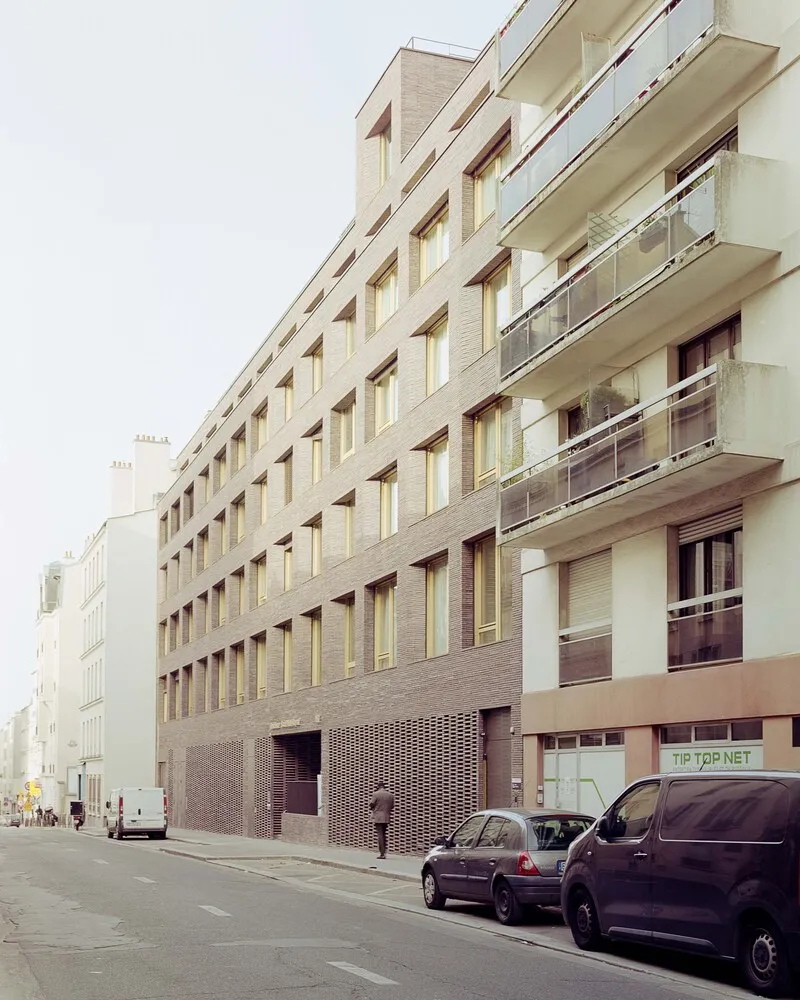

Avenier Cornejo approached the structural modifications with economic frugality, preserving much of the original framework while integrating an independent extension. By maintaining portions of the existing foundation, the architects minimized material waste and embraced a sustainable approach to construction.


Human-Centered Interior Design
Central to the nursing home’s transformation was the emphasis on human-centric design. The new layout fosters a homelike atmosphere, with communal dining areas serving as social hubs. These spaces, open to circulation paths, encourage engagement among residents while ensuring accessibility for staff.

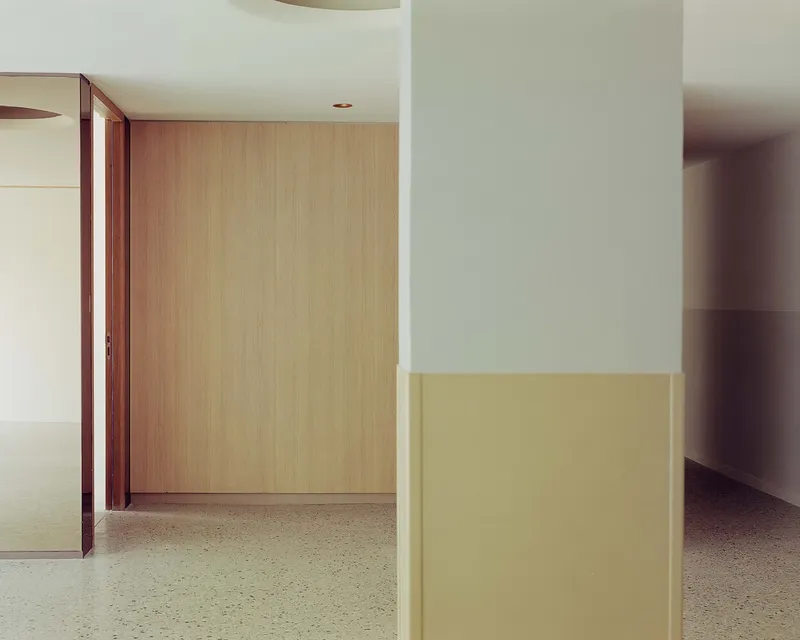
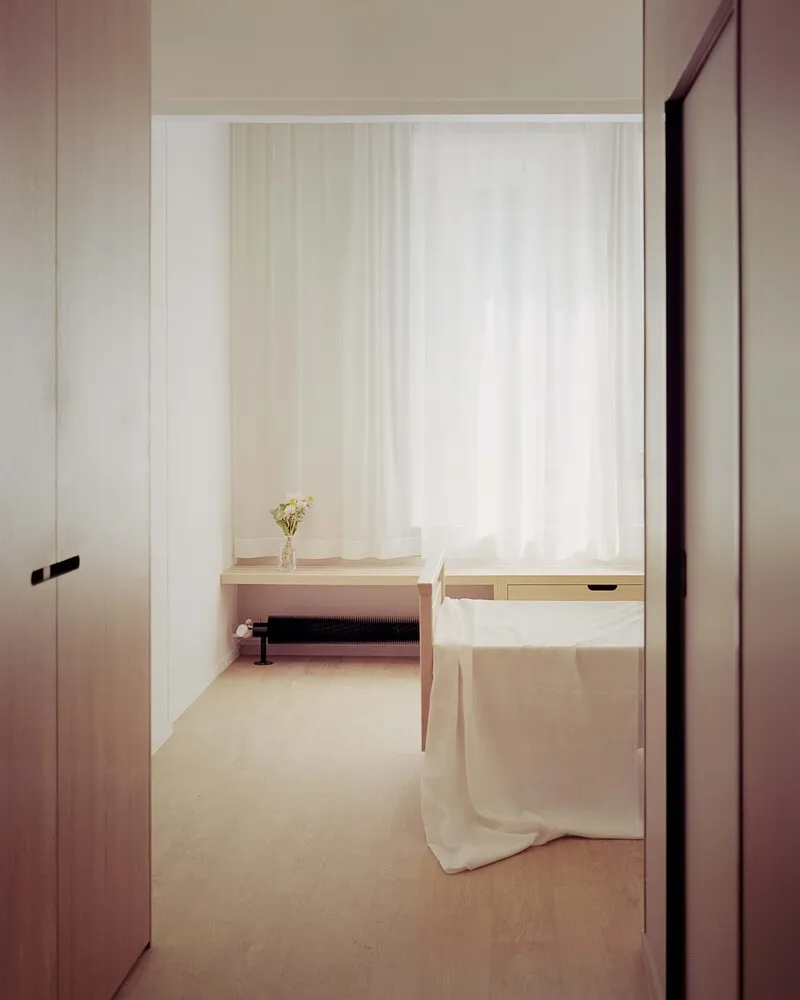
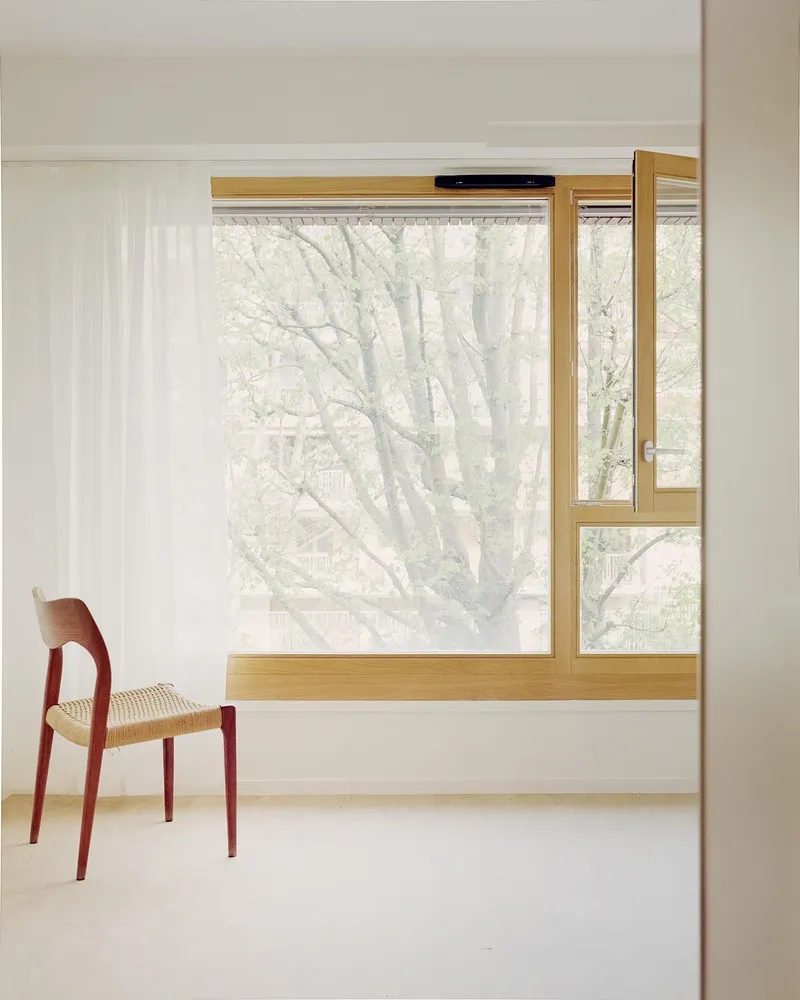
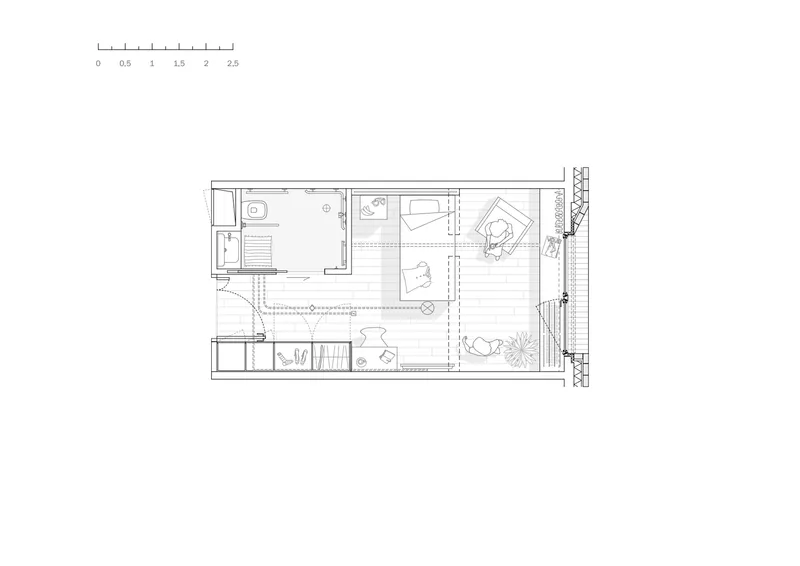
Resident rooms have been reimagined as private living spaces, incorporating natural wood paneling, thoughtfully selected floor coverings, and calming color schemes. Large windows, equipped with sunshades, introduce ample daylight while preserving privacy. The interior promotes autonomy and comfort, facilitating both independent and assisted living.

Material Selection and Architectural Expression
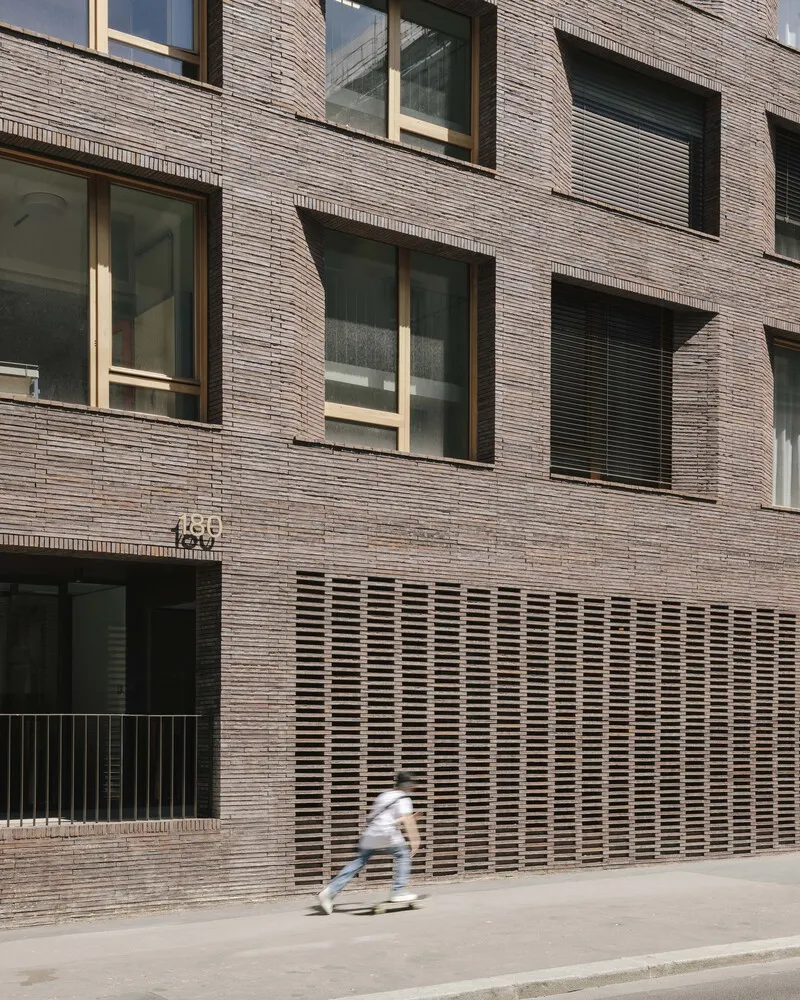
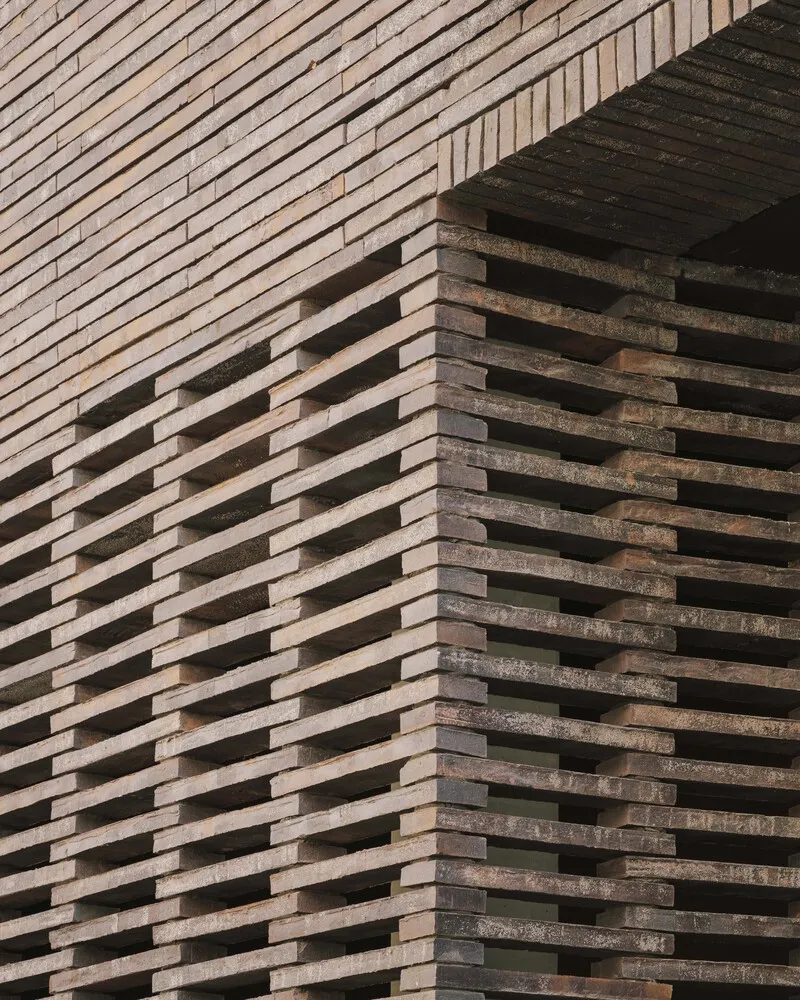
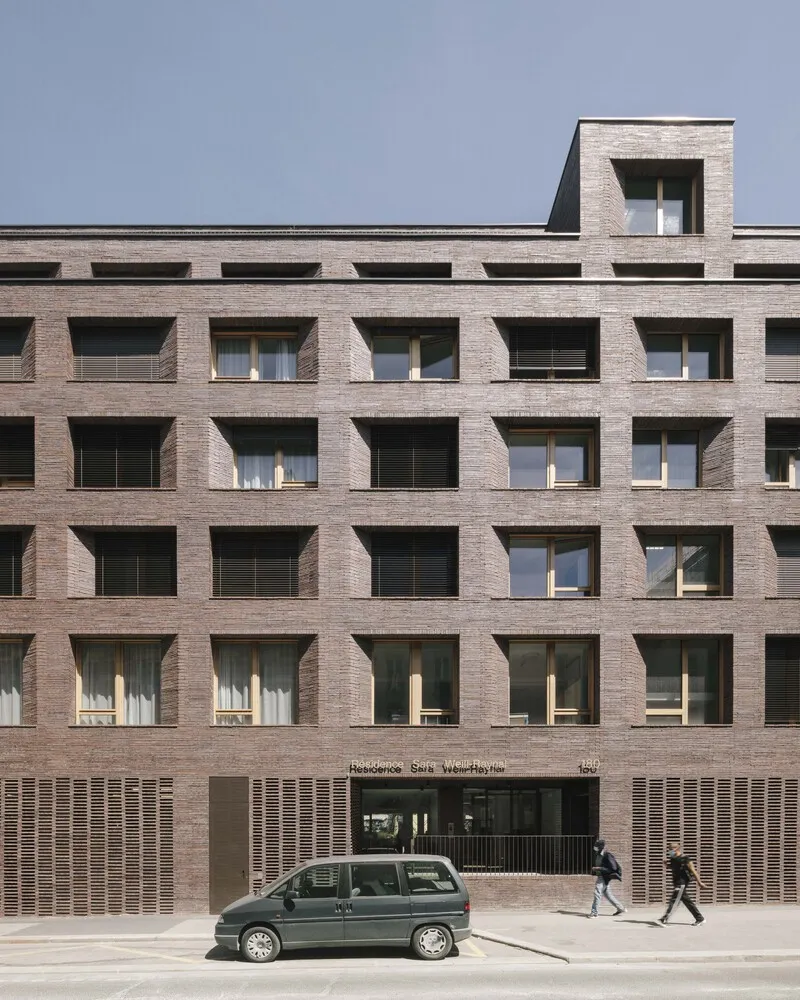
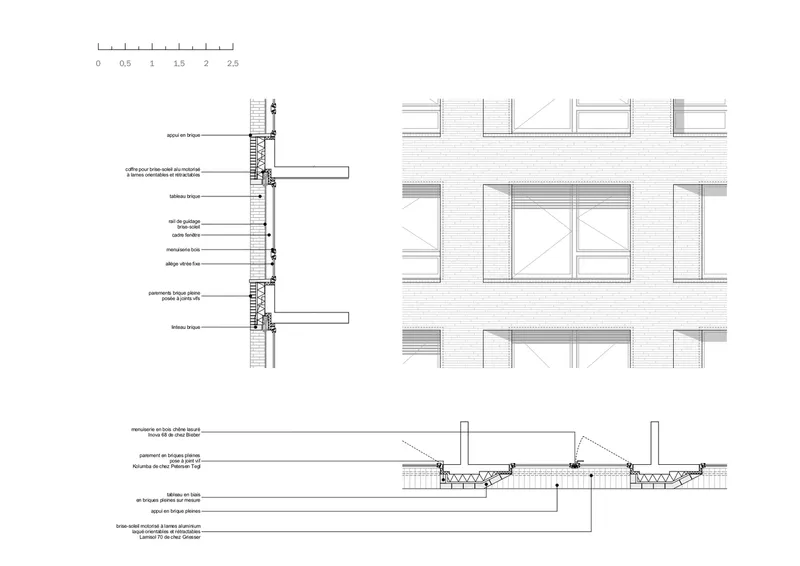
The architects selected Kolumba bricks, a material known for its durability and aesthetic appeal, to craft a façade that blends seamlessly with the existing urban fabric. Originally developed by Peter Zumthor for the Kolumba Museum, these bricks provide texture and depth to the nursing home’s exterior.
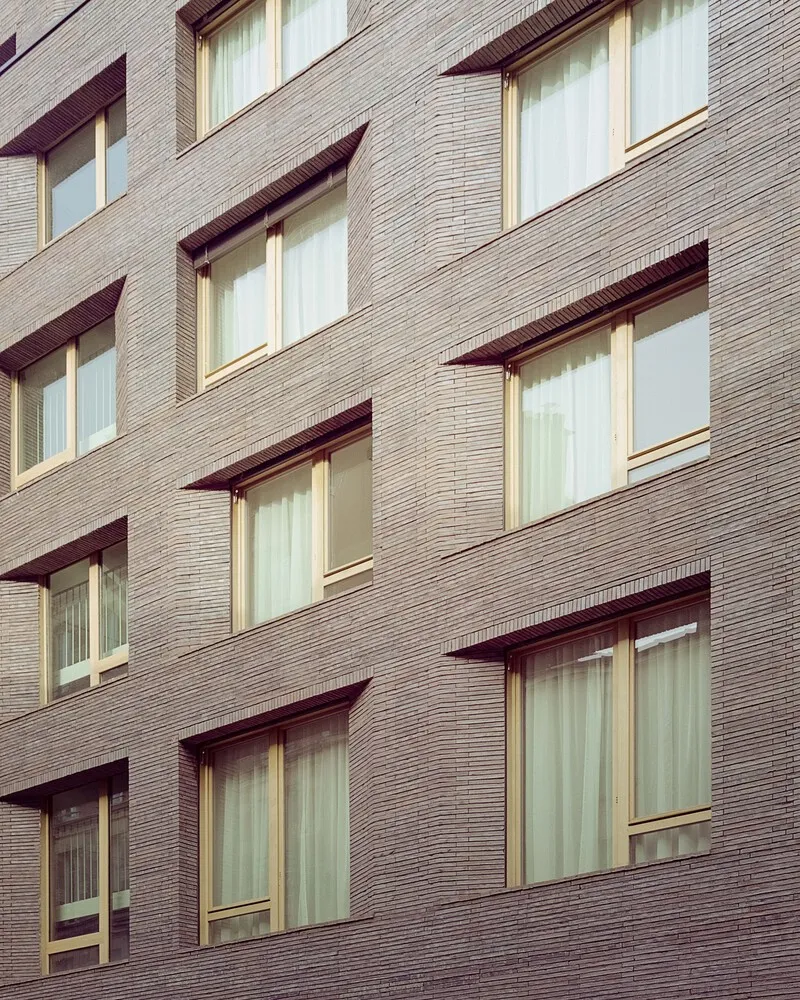


The interplay between brick mashrabiya screens and large openings creates a dynamic relationship between interior and exterior. This careful modulation of transparency allows residents to maintain a visual connection with the city while experiencing a sense of enclosure and security.


Sustainability and Energy Efficiency
Certified as a haute qualité environnementale (HQE) and bâtiment basse consommation (BBC) facility, the nursing home meets rigorous sustainability standards. The renovation emphasizes energy efficiency, incorporating insulation strategies, passive solar design, and optimized ventilation systems.


The redesign of resident rooms includes private en-suite bathrooms, enhancing accessibility and hygiene. The inclusion of sustainable materials and thoughtful spatial organization contributes to an environment that prioritizes long-term well-being.

Outdoor Spaces and Therapeutic Gardens
The integration of nature into the facility enhances the quality of life for residents. A sheltered garden, planted with mature trees and accessible walking paths, offers a serene retreat from the urban environment. Designed with mobility in mind, the garden features resting areas furnished with wide benches, allowing residents to move at their own pace while enjoying the outdoors.


The architectural dialogue between the built environment and landscaped areas creates a holistic experience, reinforcing the importance of sensory stimulation in elderly care. The garden serves as both a place for relaxation and a therapeutic space that encourages movement and social interaction.

The Sara Weill-Raynal Nursing Home by Avenier Cornejo Architectes sets a new standard for nursing home architecture. By blending contemporary aesthetics with functional upgrades, the project redefines elderly living spaces, ensuring dignity, comfort, and sustainability. Through thoughtful material choices, environmental consciousness, and human-centered design, the facility represents a progressive approach to care architecture, demonstrating that nursing homes can be both beautiful and deeply functional.

All Photographs are works of Charly Broyez, Simone Bossi




Popular Articles
Popular articles from the community


Conexión: Biophilic Design Reimagines High-Rise Living in Hong Kong
Conexión reimagines high-rise living in Hong Kong through biophilic design, green facades, shared spaces, daylight, water and nature within.

Riyadh For All: Intergenerational Urban Design for Active Aging in Rabat
Riyadh For All reimagines urban design in Rabat with intergenerational co-living, adaptive courtyards, and Moroccan cultural exchange today.

Lunar Spiral: Space Architecture Shaped by the Mathematics of the Universe
Lunar Spiral reimagines space architecture through Fibonacci geometry, lunar regolith, levitating habitats, and self-sustaining Moon living.

Play: Fragments of Their World
Familiar architecture becomes modular playground design, creating safe spaces where displaced children can learn, connect, imagine and play.


Similar Reads
You might also enjoy these articles


Bamboo Housing Challenge 2026: Design Affordable, Sustainable Homes Using Bamboo
An international design competition by Bamboo U and IBUKU inviting architects and designers to reimagine affordable housing using bamboo — with the winning design built full-scale in Bali.

Computational Design & Education: Beegraphy Design Awards Introduces 7th Category (Featuring Jiyun's Innovative Approach)
Dive into Beegraphy’s 7th Design Awards category, where computational design meets education to create immersive, interactive learning tools, inspired by Jiyun’s work.

From Parametric Lighting to Urban Furniture: Join the 2nd Workshop in Beegraphy’s Computational Design Series
Dive into Cutting-Edge Design Techniques and Practical Applications with Industry Experts

Last Call: Unleash Your Architectural Genius in SHAK's Kindergarten Design Competition
Urgent call for architects to join SHAK's kindergarten design competition before the looming deadline


Explore Ageing-Well Design Competitions
Discover active competitions in this discipline



Challenge to reimagine the Iron Throne


Photograph architecture without architects


Illustrate the lost glory of Angkor Wat - Render Challenge


Design challenge to reuse E-waste
Comments (0)
Please login or sign up to add comments
No comments yet. Be the first to comment!