
Nyrenstone Estate by Alexis Dornier
A topography-driven hillside residence in Lombok, using circular geometry to shape communal living, movement, and panoramic engagement with the landscape.


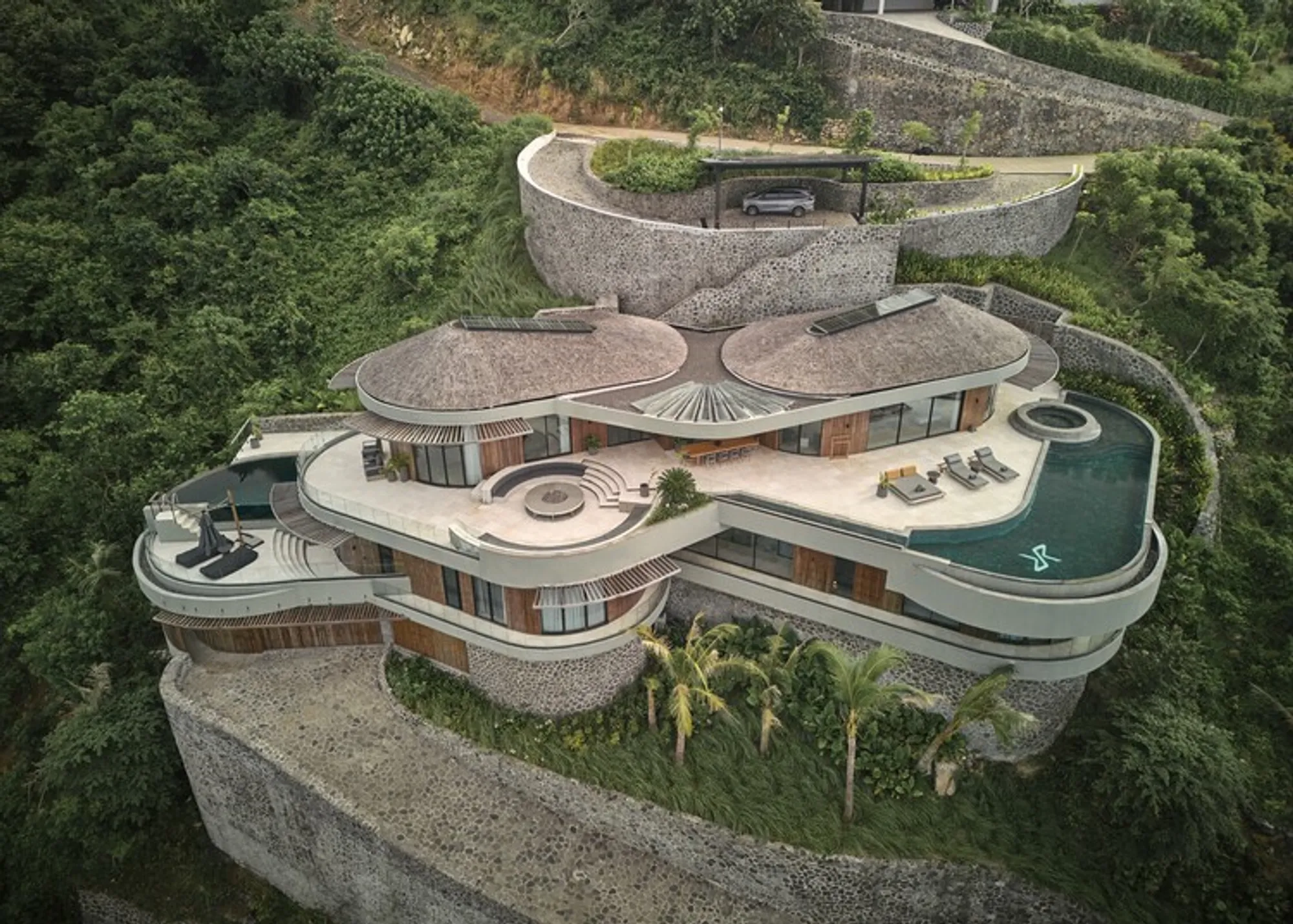
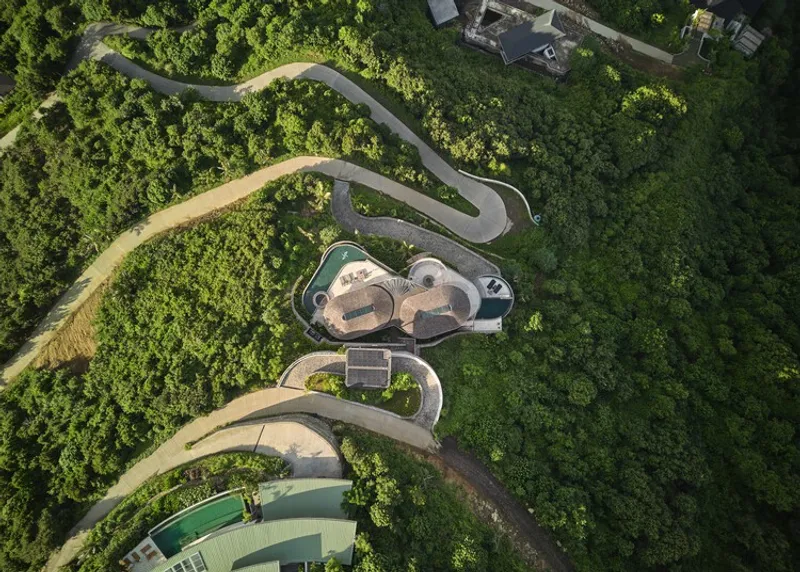
Set on one of the steepest plots within Tampah Hills in South Lombok, Nyrenstone Estate is a house shaped decisively by land rather than convention. Designed by Alexis Dornier, the 1,117 m² residence interprets topography through a disciplined geometry of circles and tangents, allowing architecture, movement, and landscape to unfold as a continuous sequence.
Architecture Shaped by the Slope
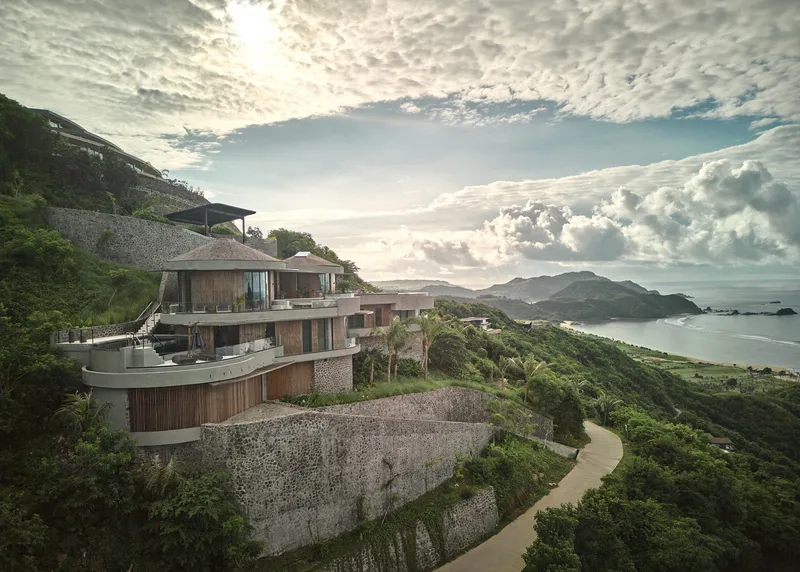
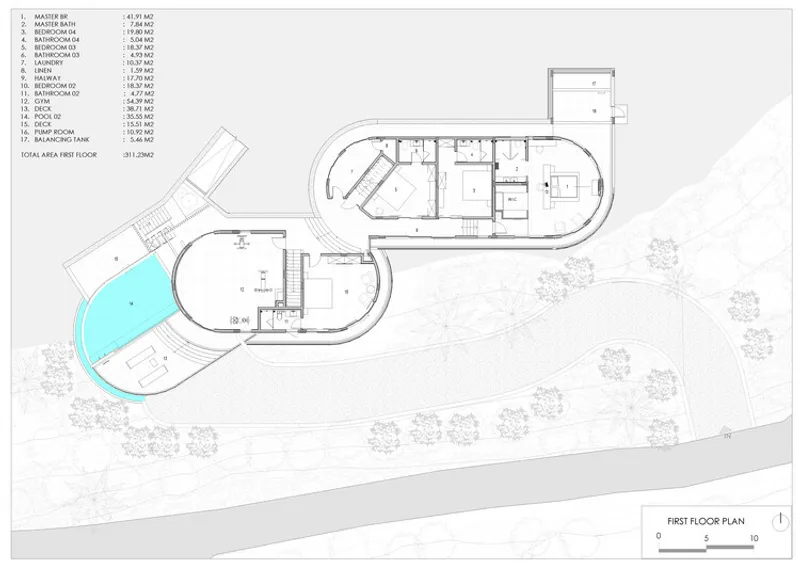
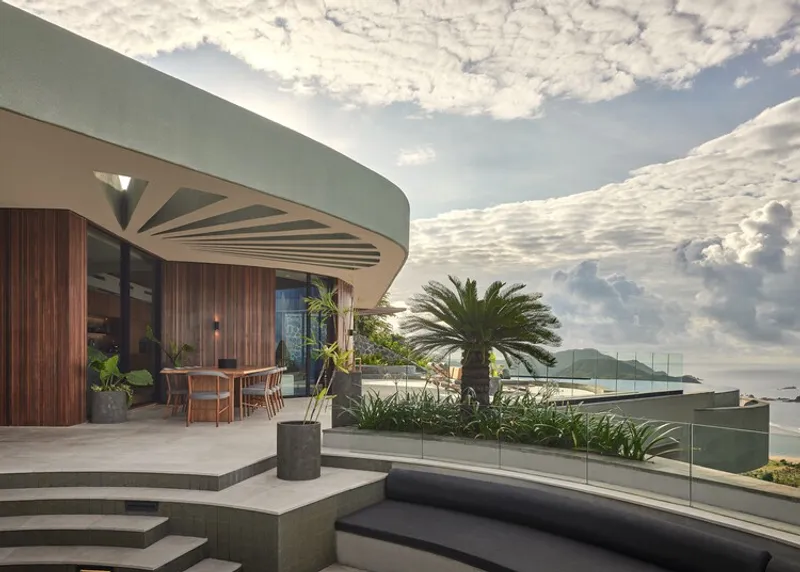
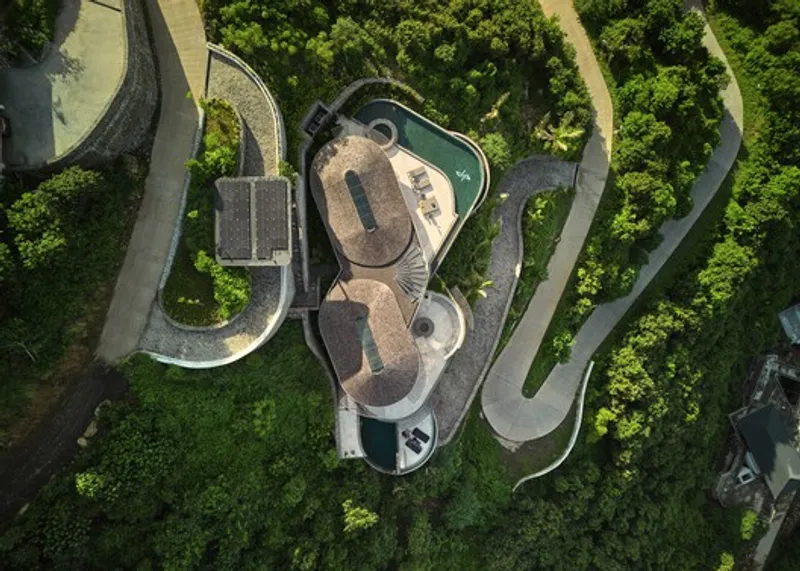
Rather than resisting the site’s dramatic incline, the house steps downward with the terrain, cascading toward the coastline below. The composition unfolds as a series of descending circular forms, echoing the curvature of the bay and allowing the building to feel less placed on the land than grown from it.
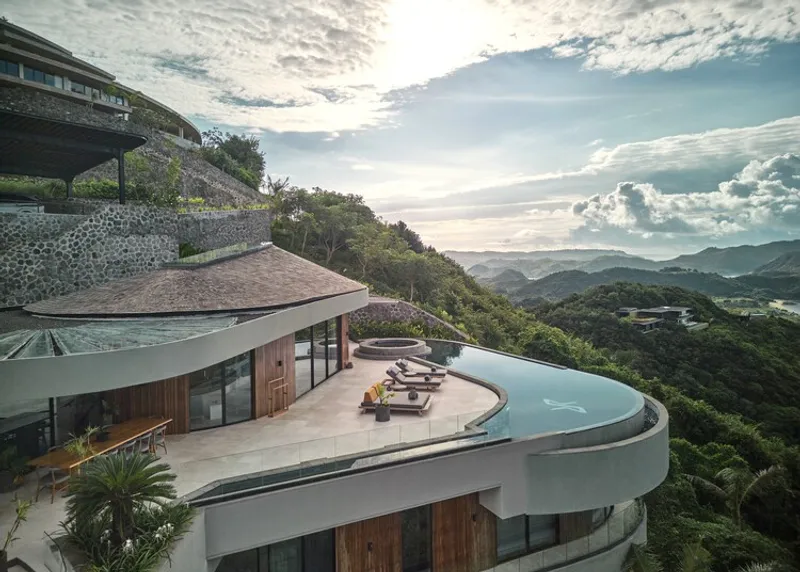
This terraced progression establishes a gradual spatial rhythm—each level offering a new relationship to the horizon, light, and landscape.
Circular Geometry as Social Structure
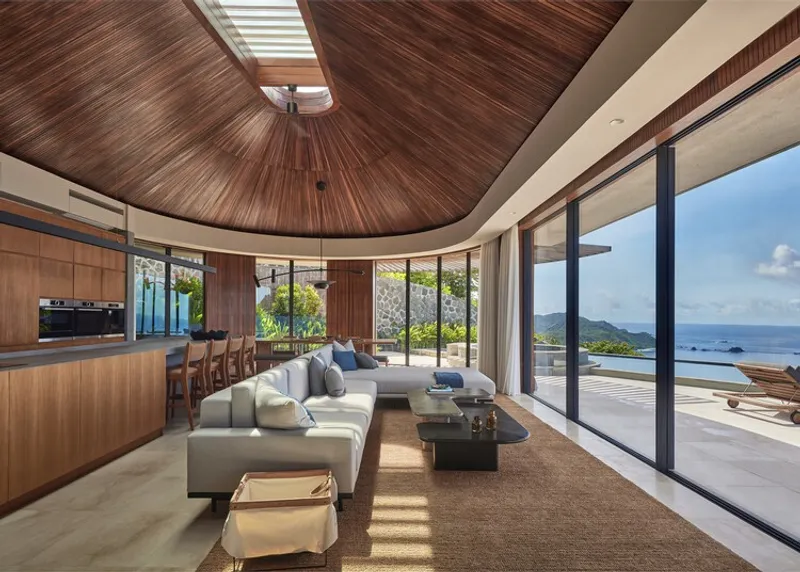
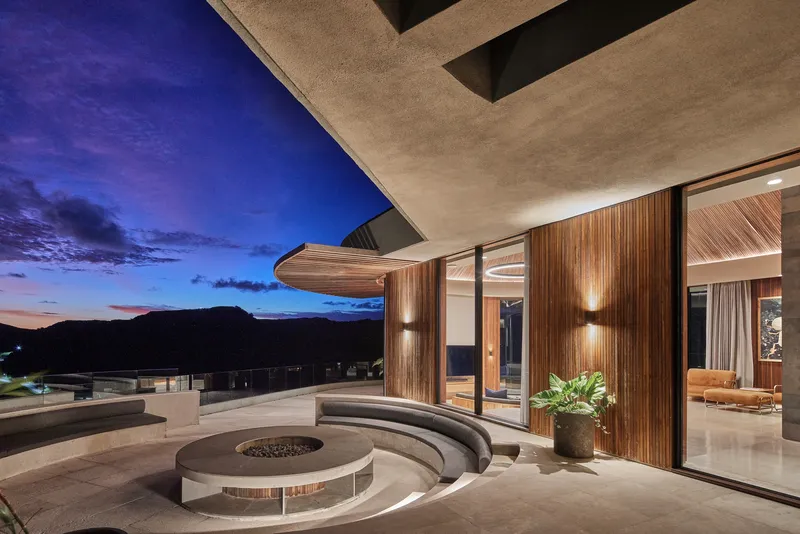
The plan is organized around circular communal spaces—lounges, dining areas, and fireplaces—where shared life naturally gathers. These round volumes form the symbolic and spatial heart of the house, reinforcing ideas of togetherness and continuity.
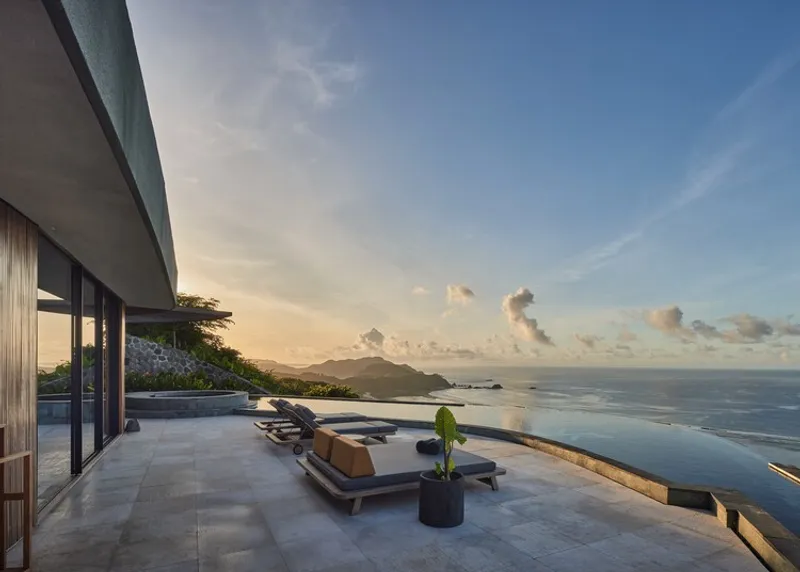
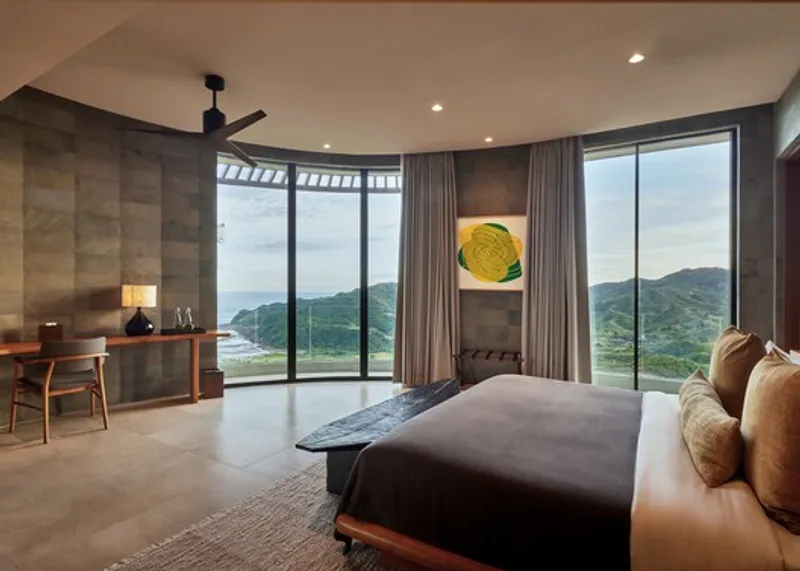
From these centers, more linear private wings extend outward to accommodate two families, creating a balance between collective and individual living. At the highest point of the estate, a circular yoga platform crowns the composition, offering unobstructed views across the sea and reinforcing the vertical narrative of ascent and release.
Movement, Views, and Flow
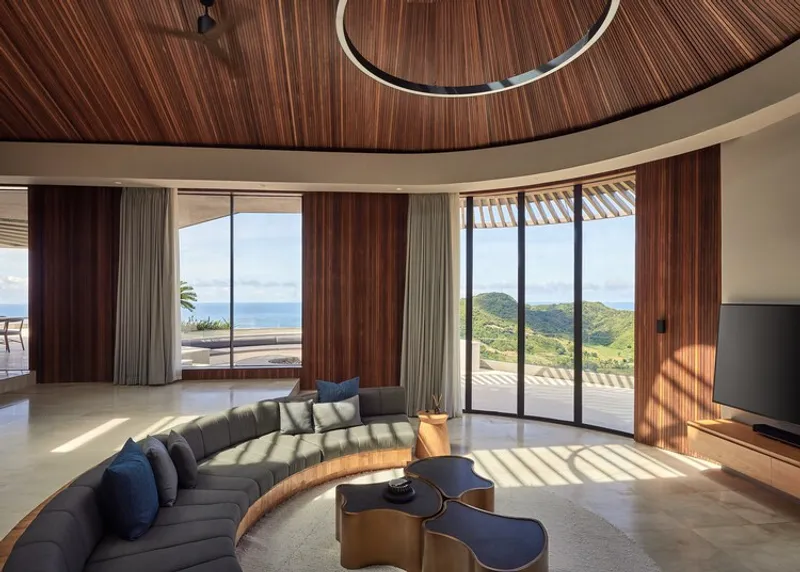
The circular motif is not merely formal but experiential. It softens circulation, encouraging slower, intuitive movement through the house while avoiding rigid hierarchies. Transitions between spaces are guided by curvature rather than walls, allowing views to unfold gradually as one moves through the interior.
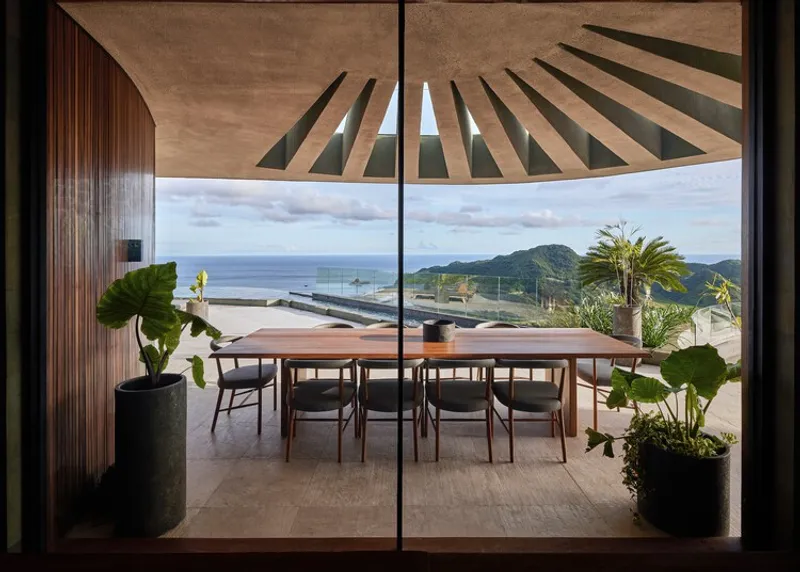
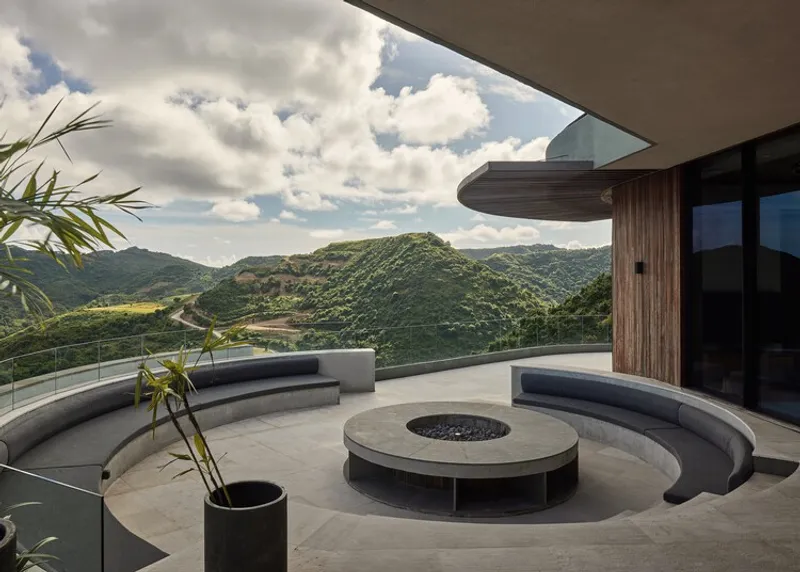
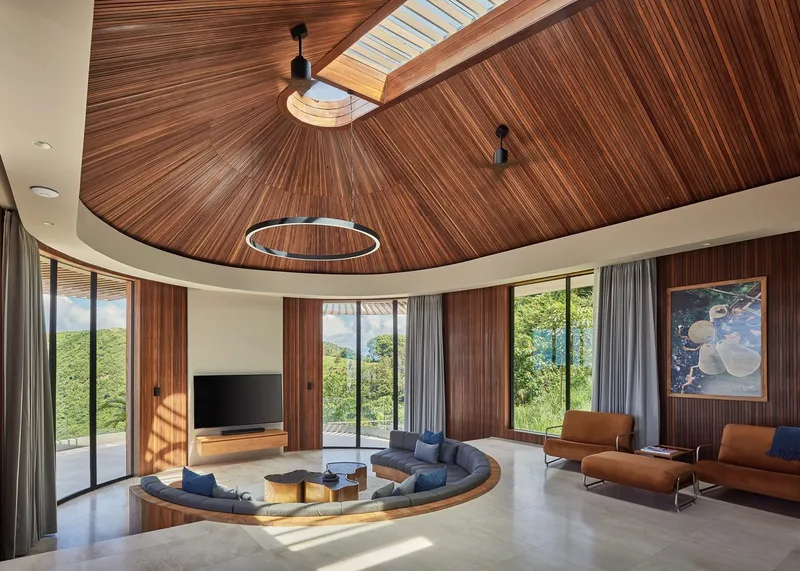
This approach recalls the work of John Lautner, particularly in how roofs extend to frame the horizon and how geometry anchors space without restricting flow. The architecture does not compete with the landscape but carefully frames it, revealing shifting perspectives throughout the day.
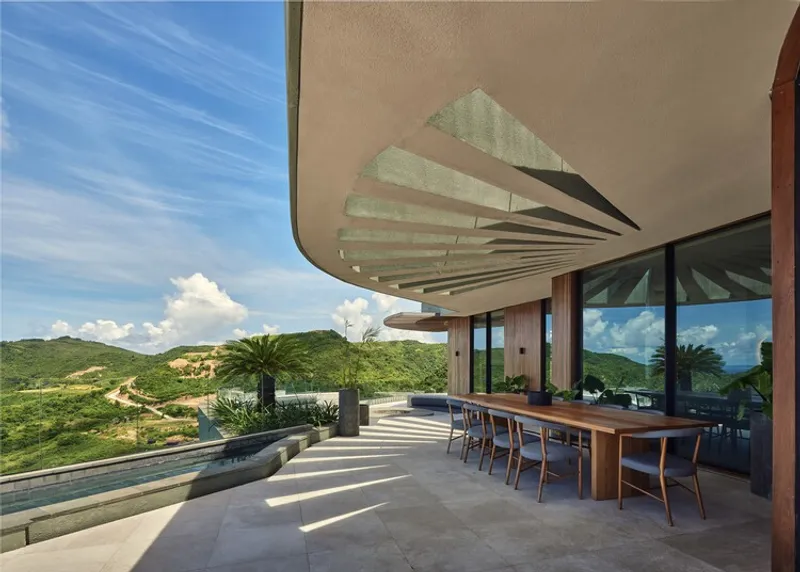
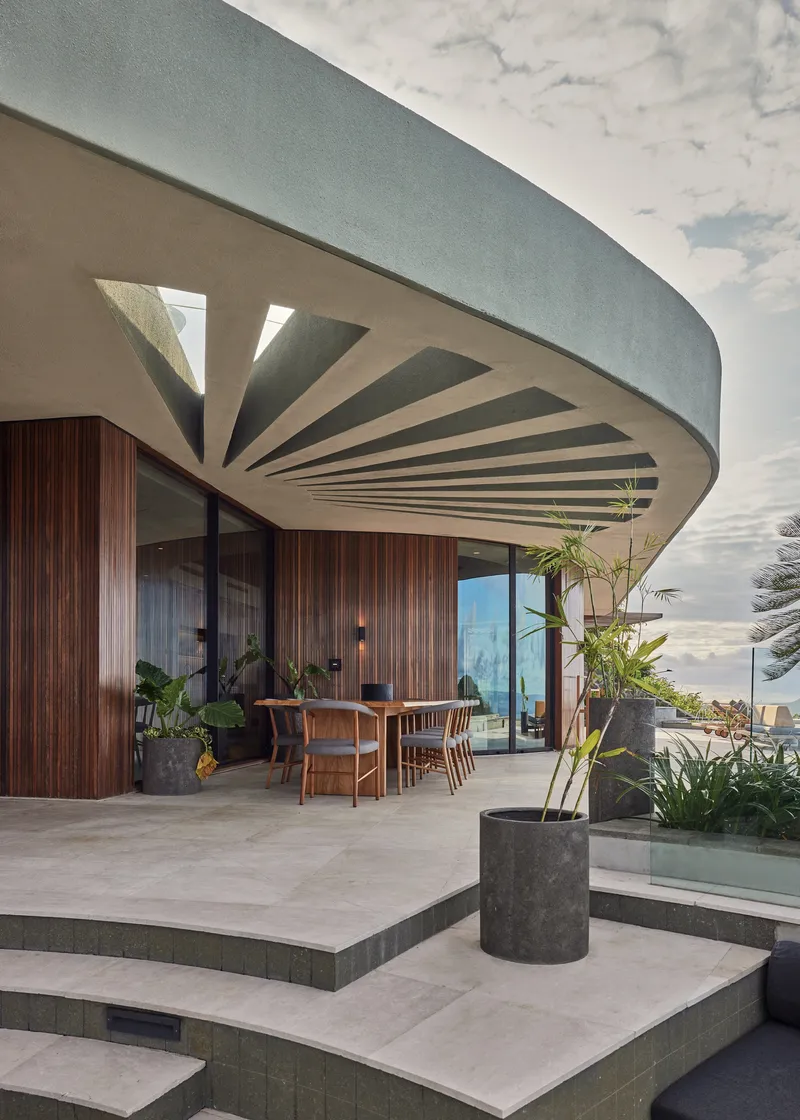
Material Restraint and Landscape Integration
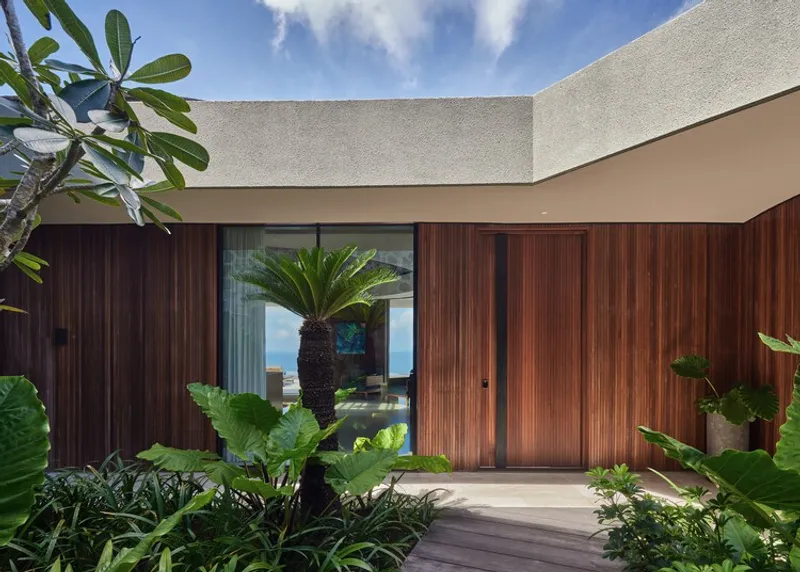
Materiality remains deliberately calm. Warm teak ceilings, off-white walls, and pale Palimanan stone floors establish a restrained palette that allows form and landscape to take precedence. Rather than emphasizing contrast, materials reinforce continuity—helping the building visually recede into its surroundings even as its silhouette remains legible from afar.
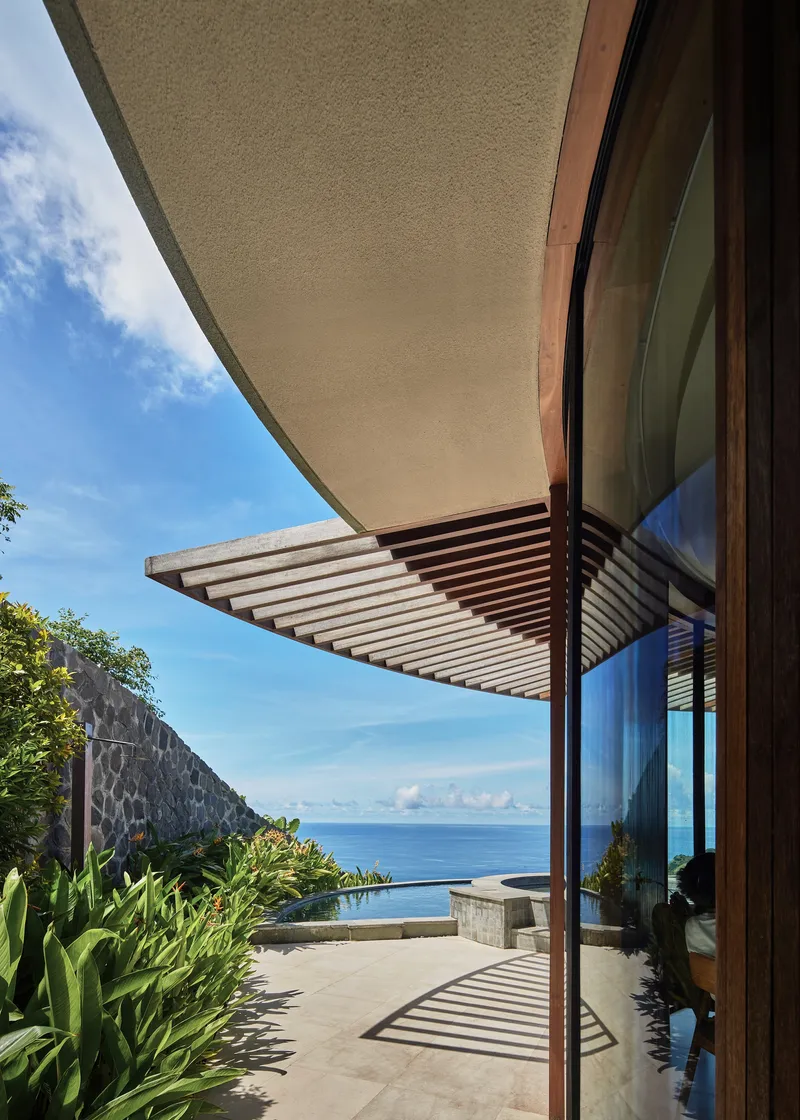
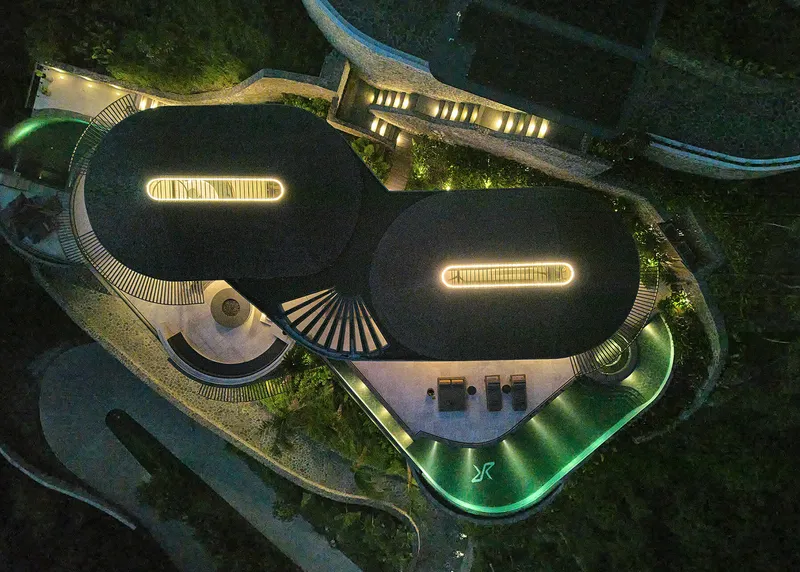
This consistency strengthens the project’s quiet confidence: sculptural without spectacle, expressive without excess.
A Measured Presence
Nyrenstone Estate aligns with the broader philosophy of the Tampah Hills masterplan—architecture as a responsive participant rather than a dominant object. The house achieves its identity through logic: topography, orientation, geometry, and movement.
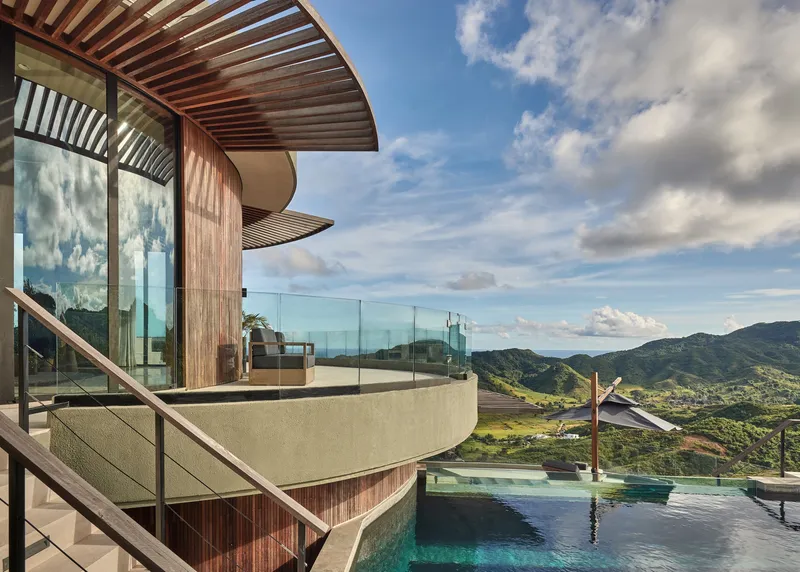
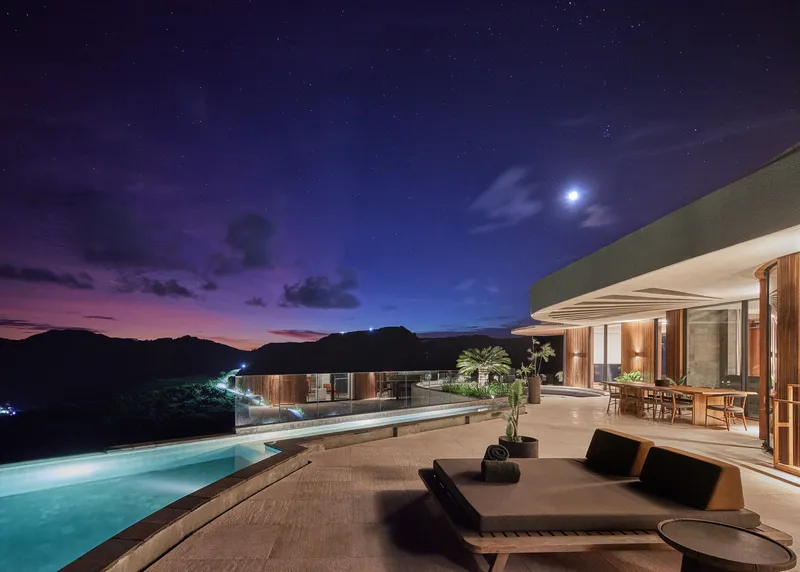
The result is a residence that is at once precise and relaxed, rooted in place yet open to the horizon—an architectural composition where form follows land, and experience follows form.
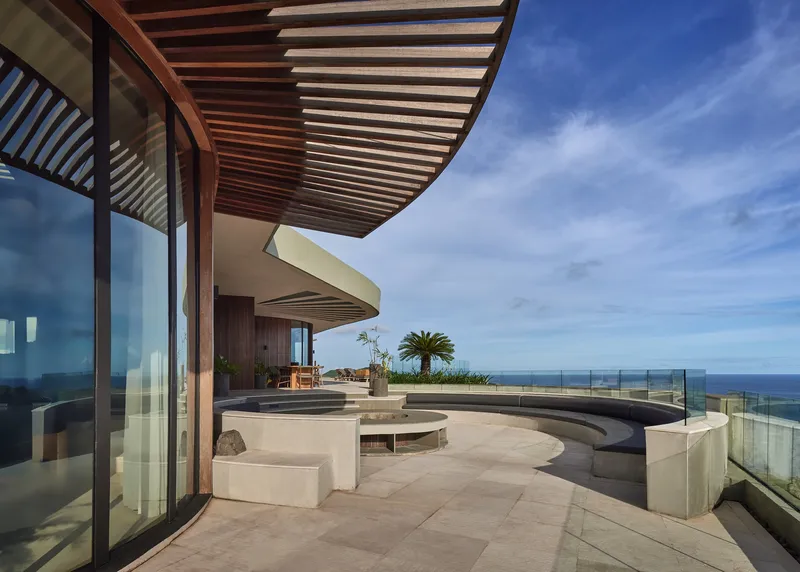
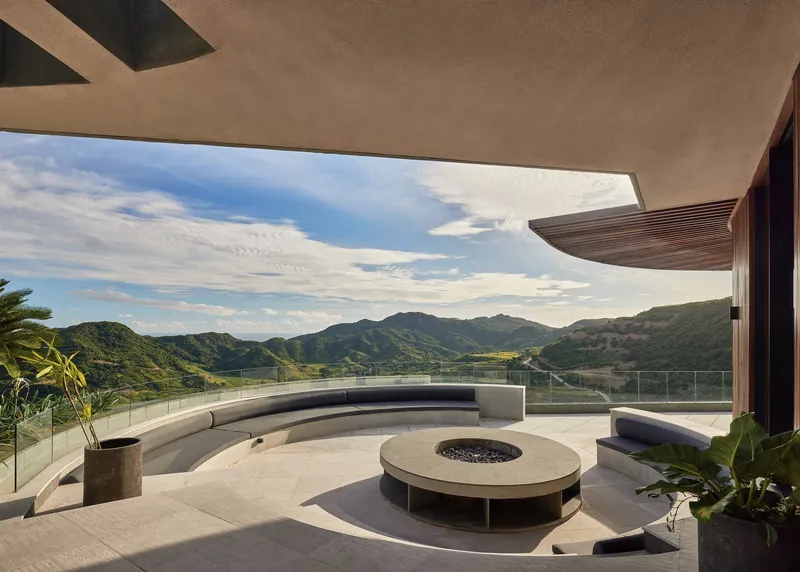
All the Photographs are works of KIE




Popular Articles
Popular articles from the community


Co-Life: Senior Housing Design That Reconnects Older Adults With the City
Co-Life reimagines senior housing design through healing gardens, shared streets, workshops, and a sustainable community across generations.

Conexión: Biophilic Design Reimagines High-Rise Living in Hong Kong
Conexión reimagines high-rise living in Hong Kong through biophilic design, green facades, shared spaces, daylight, water and nature within.

Hill & Cross Opera: Sculptural Opera House Architecture Shaped by Tallinn’s Landscape and Identity
Hill & Cross Opera reimagines opera house architecture in Tallinn through its sculptural hill, civic plaza, glass wave and a luminous cross.

The Ocean Hive: Sustainable Architecture for a Self-Sufficient Civilization at Sea
The Ocean Hive imagines sustainable architecture at sea, where modular habitats, algae, wave power and ocean waste sustain a growing colony.


Similar Reads
You might also enjoy these articles


Hodi-Mandai Geram
Project Function: Preservation and revitalization of the Intangible heritage and socio-spatial identity of the Hodi by Housing, Cultural Memory Center, Sacred Grove, landscape, local tourism economy


Olio Towers: A Mid-Rise for Performers That Fuses Housing, Rehearsal, and Stage
Located blocks from Houston's Theater District, this modular tower stacks living units around a central performance atrium.

Oasis: Modular Green Housing Carved into Dhaka's Urban Fabric
A shortlisted Plugin Housing entry reclaims unauthorized settlements in Dhaka with stepped concrete volumes, green roofs, and ventilation-driven design.

Black Hole: A Floating Megastructure for the Post-Physical Era
Emiliano Mazzarotto envisions a spherical, self-scaling arena where e-sports, digital hotels, and holographic stadiums replace traditional public space.

Explore Architecture Competitions
Discover active competitions in this discipline



Challenge to reimagine the Iron Throne


Photograph architecture without architects


Illustrate the lost glory of Angkor Wat - Render Challenge


Design challenge to reuse E-waste
Comments (0)
Please login or sign up to add comments
No comments yet. Be the first to comment!