
Osler House Renovation: Reframing a Mid-Century Home Through Craft, Light, and Landscape
Mid-century house renovation preserving cedar structure, enhancing light, materials, and landscape connection with modern upgrades, terrace, and pool integration.


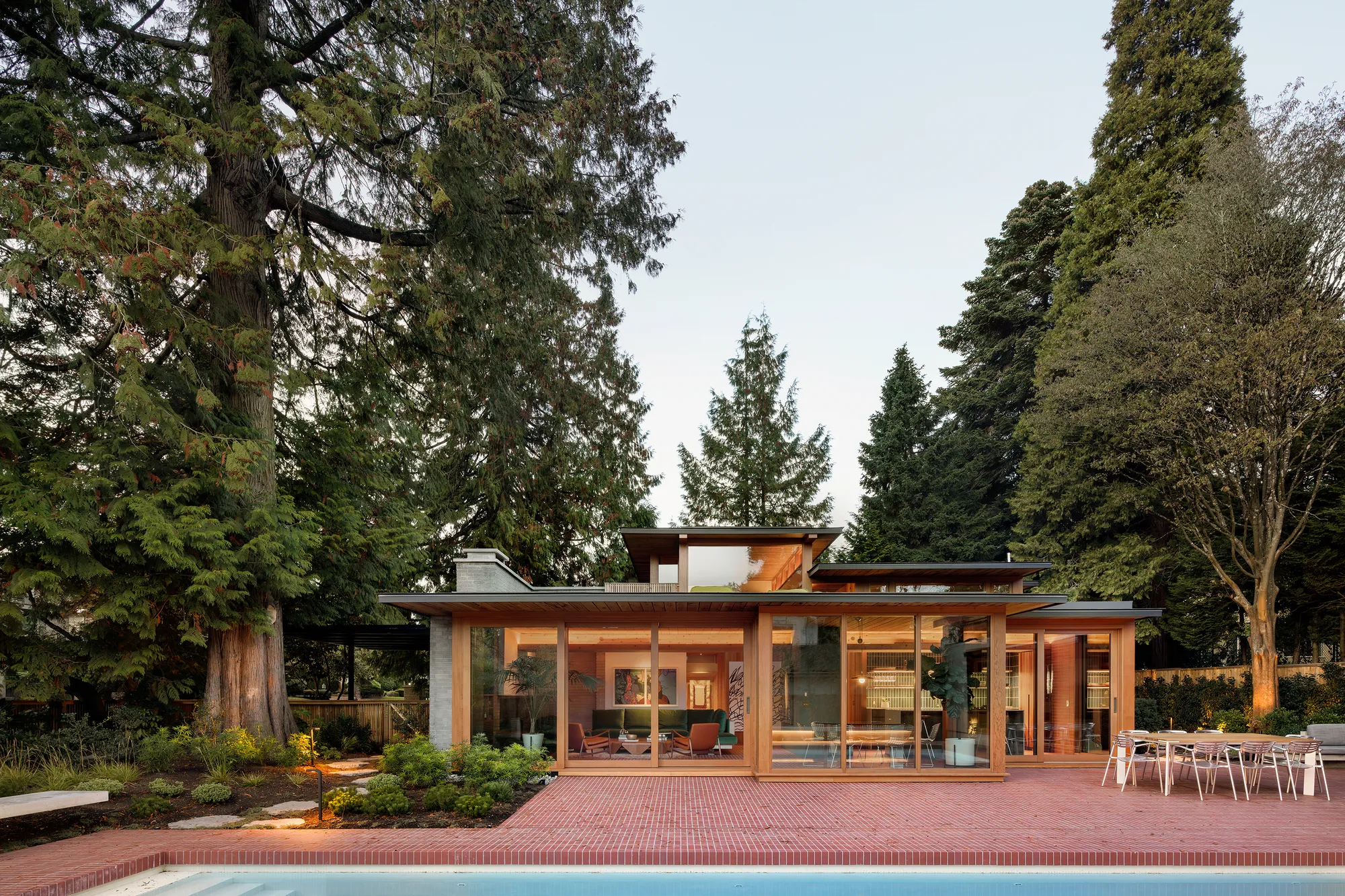
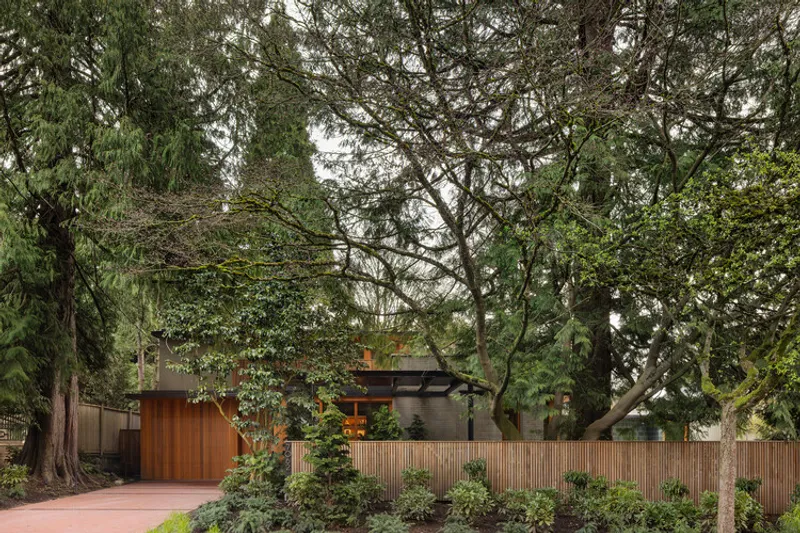
Located in a gently sloping neighborhood of Vancouver, Canada, Osler House by Scott and Scott Architects is a sensitive renovation and reconstruction of a mid-century residence originally designed in 1952 and later modified in 1982 by architect Ron Thom. Set beneath a dense canopy of cedars, maples, and dogwoods, the house represents one of the few remaining bungalow-scale homes in an area increasingly dominated by larger developments. The project seeks not only to preserve this architectural legacy but also to adapt it for contemporary living through thoughtful intervention and material continuity.
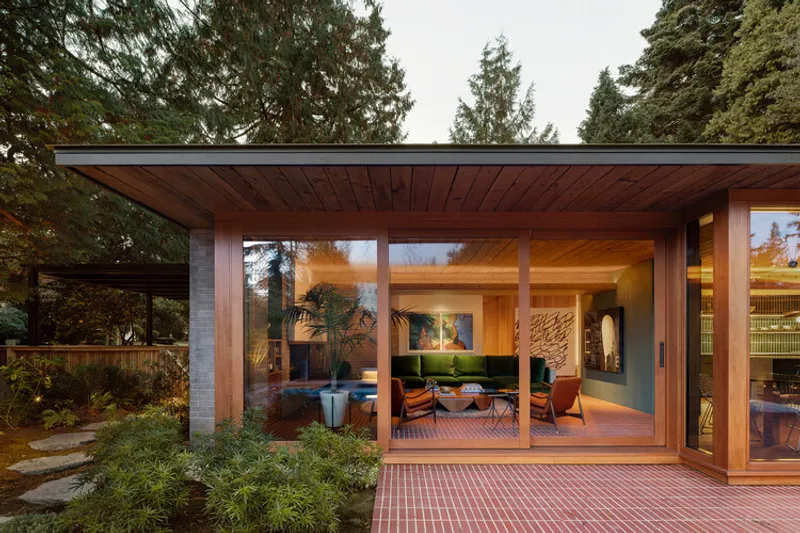
The renovation involves a comprehensive frame-up reconstruction of the 240 m² home, addressing critical structural, seismic, and thermal upgrades while retaining the essential character of the original design. Key elements such as the cedar roof decking, the defining concrete brick hearth, and the overall spatial organization have been carefully preserved, ensuring that the spirit of the mid-century architecture remains intact.

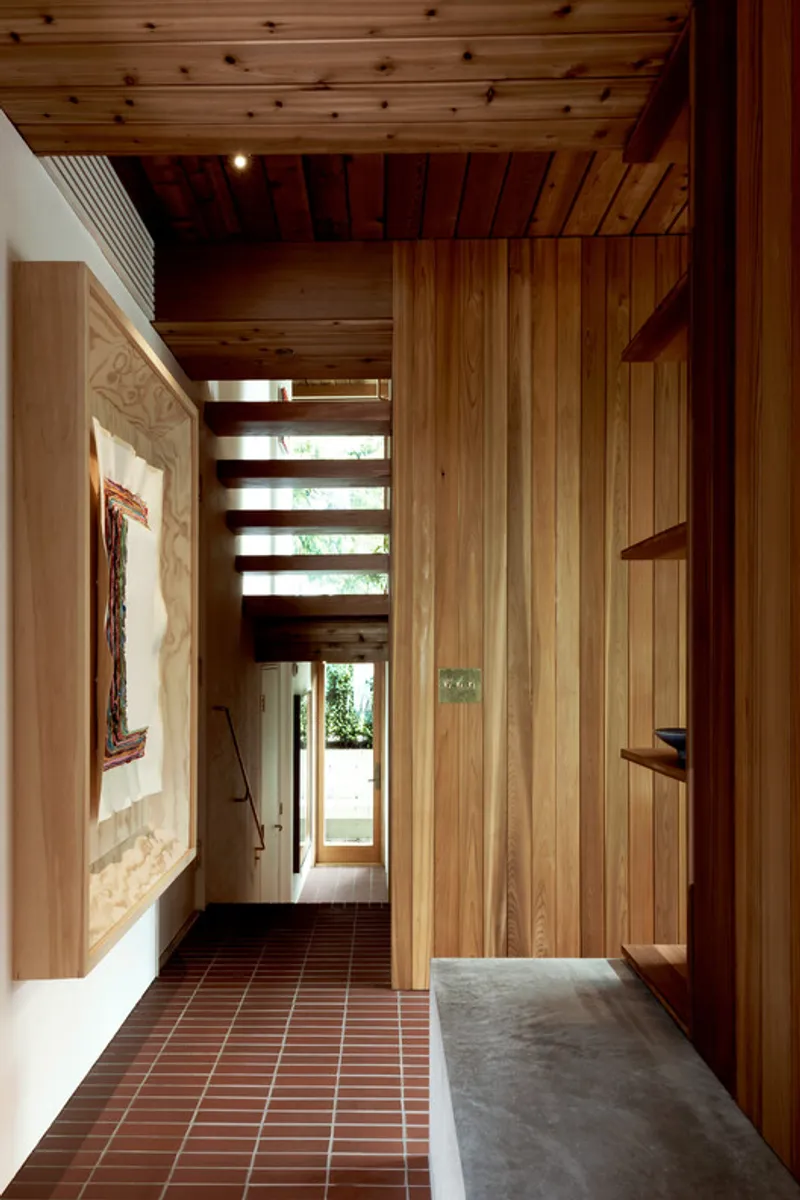
At the same time, the architects introduced a series of strategic modifications to enhance functionality and spatial clarity. The staircase, previously reconfigured in the 1980s, has been redesigned once again to improve daylight penetration into the entry and establish a more direct connection between the lower level and the surrounding landscape. This intervention not only improves circulation but also reinforces the relationship between interior spaces and the exterior environment.
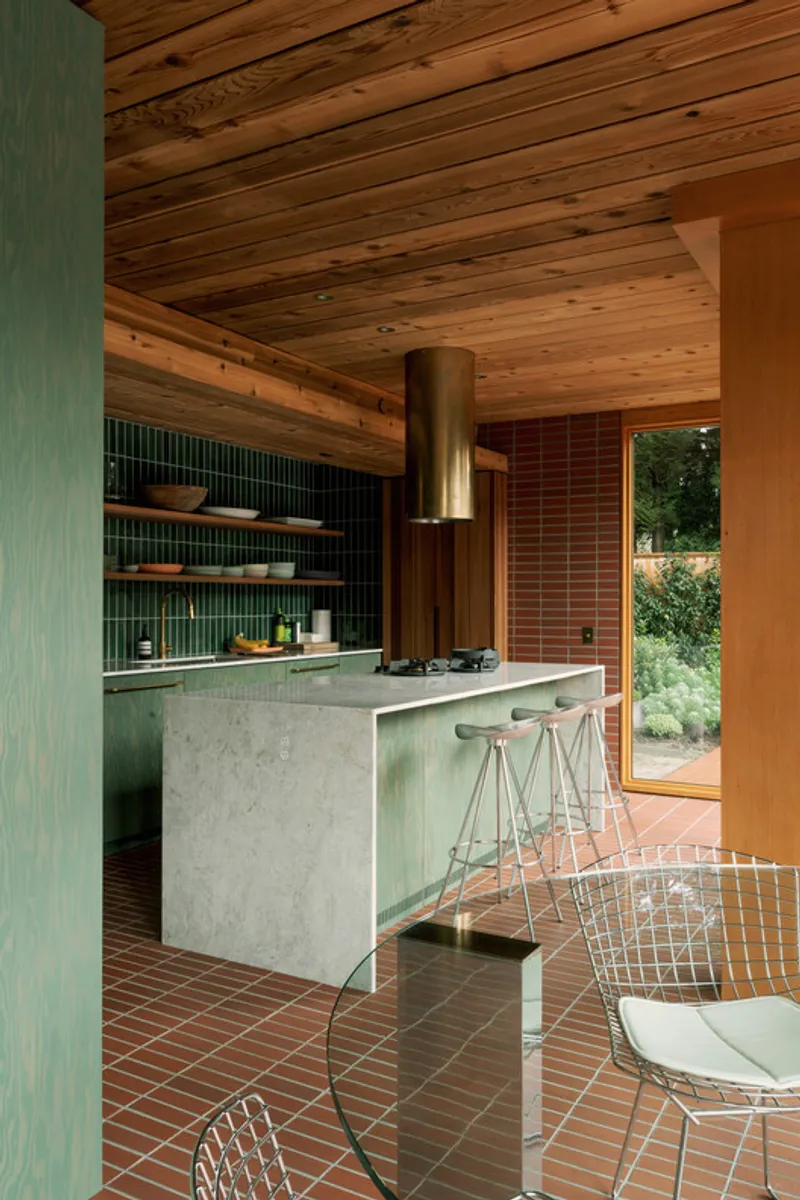
The reorganization of bedrooms and washrooms reflects contemporary lifestyle needs, while new joinery systems introduce efficiency and cohesion throughout the home. Storage is consolidated into precisely crafted Douglas fir plywood cabinet blocks, allowing living spaces to remain open and uncluttered while maintaining a high degree of functionality.
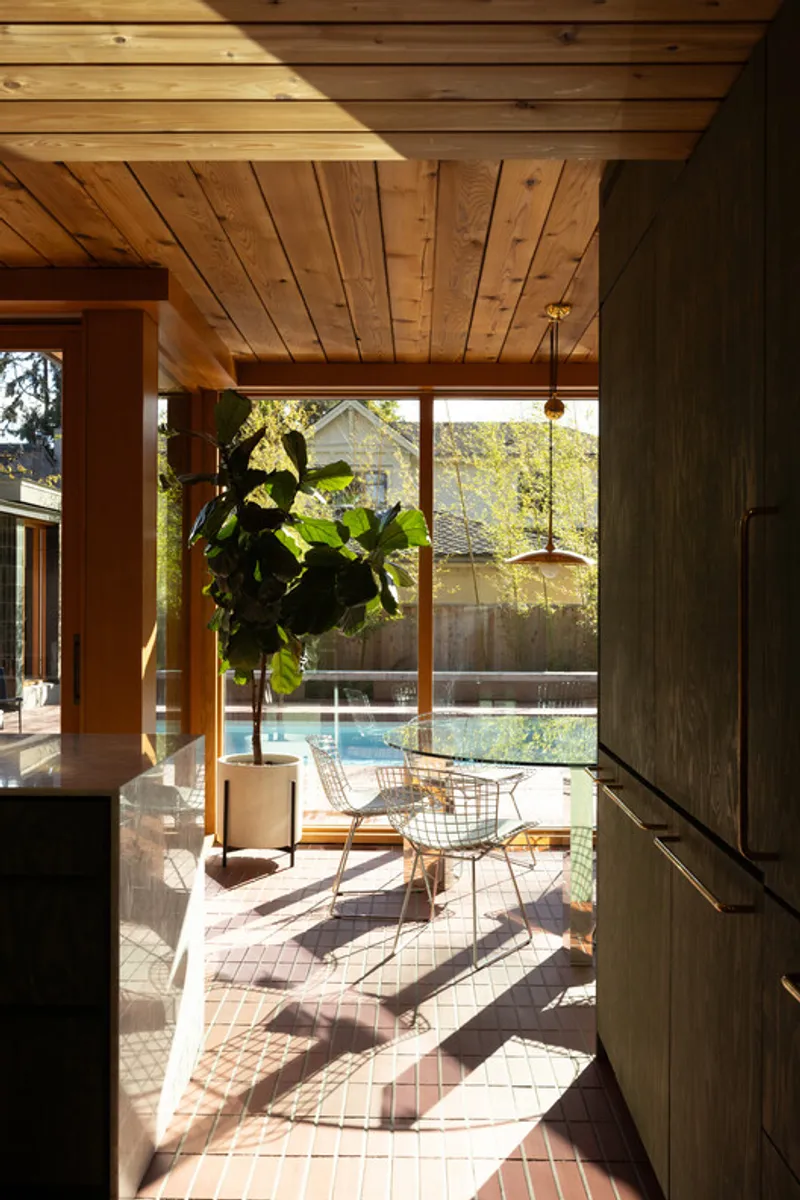

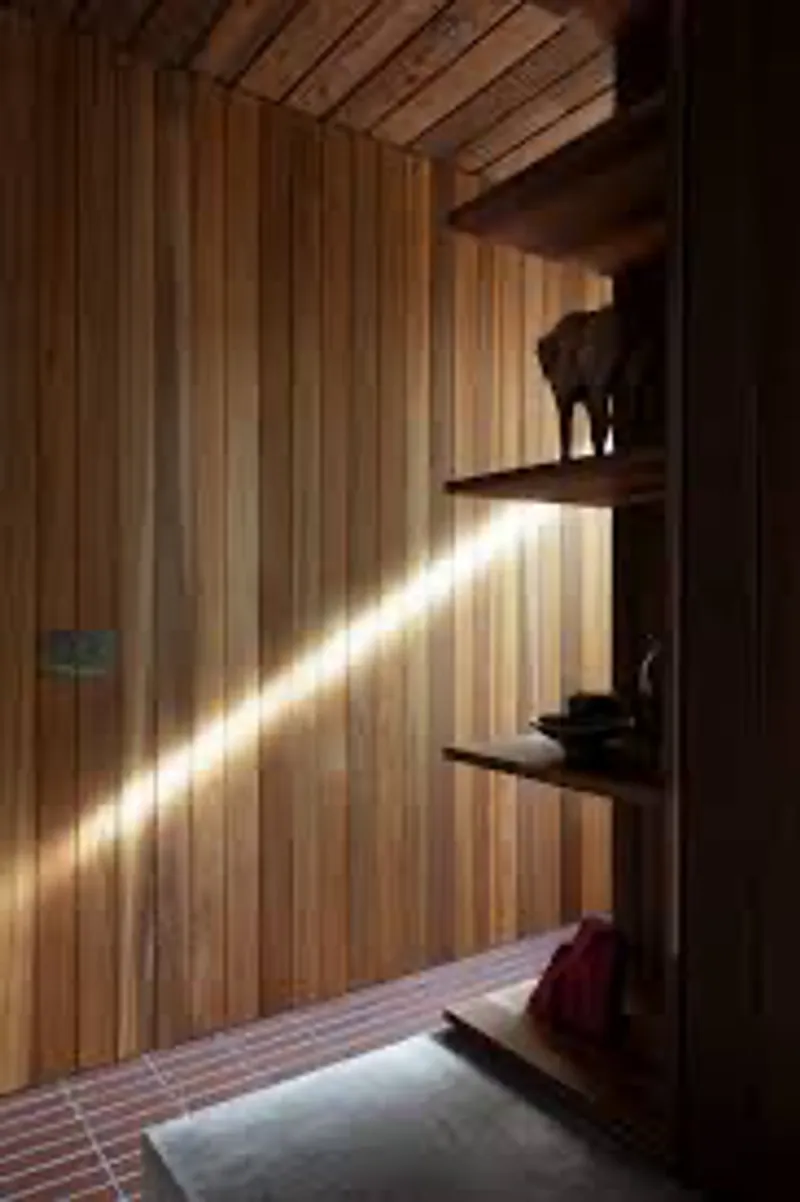
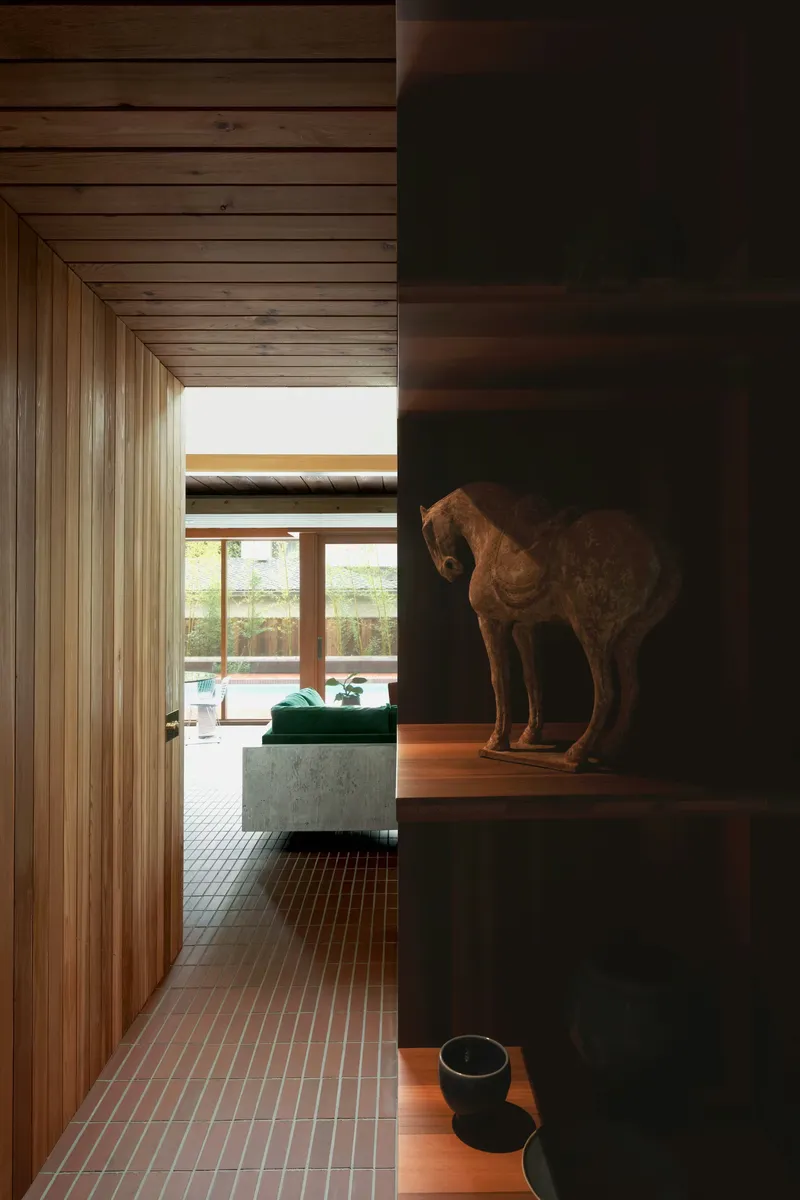
Materiality plays a central role in bridging past and present. The design draws heavily from the original palette of cedar, fir, and concrete brick, reinforcing a sense of continuity with the house’s history. Local wood craftsmanship is celebrated through the use of Douglas fir windows, cedar shelving, and end-grain wood flooring on the upper level. The lower and main floors are finished with radiant brick tiles, which extend seamlessly to the exterior terrace, blurring the boundary between inside and outside.
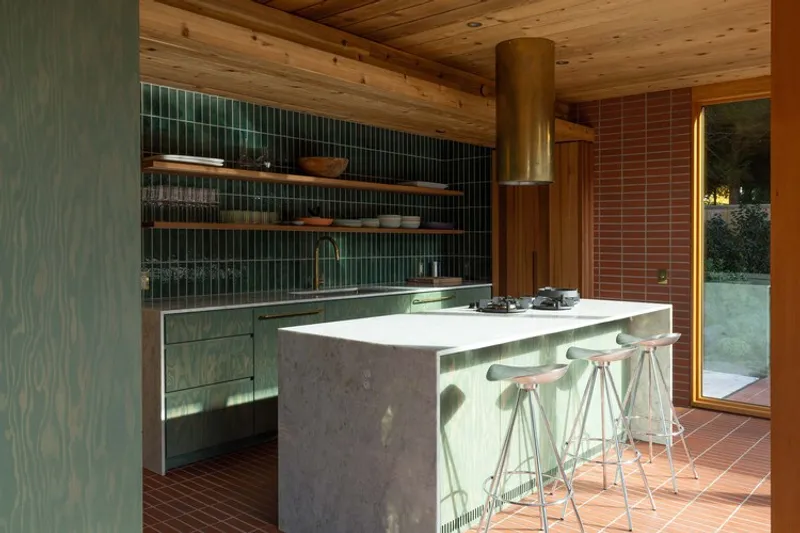
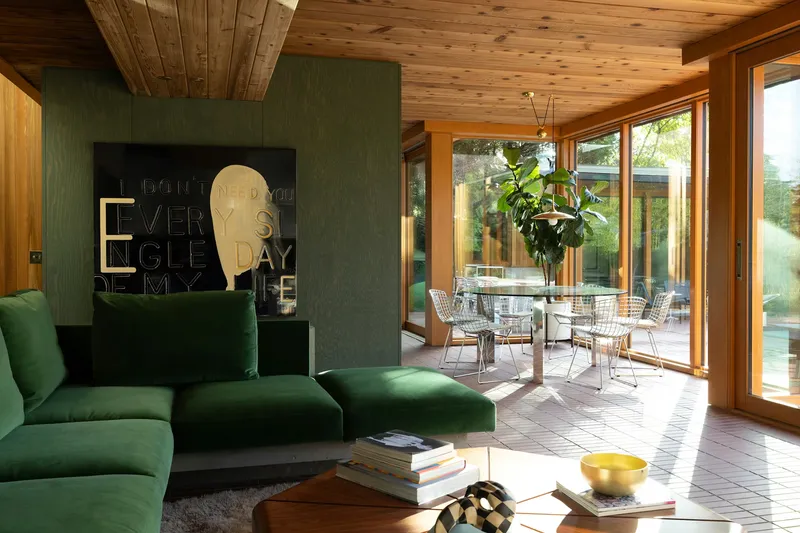
One of the most significant transformations lies in the enhancement of the home’s connection to its natural surroundings. Enlarged multi-panel window openings frame views of the mature tree canopy while opening the interior to a newly introduced southern terrace and swimming pool. These interventions allow light to penetrate deeper into the home and create a stronger dialogue between architecture and landscape.
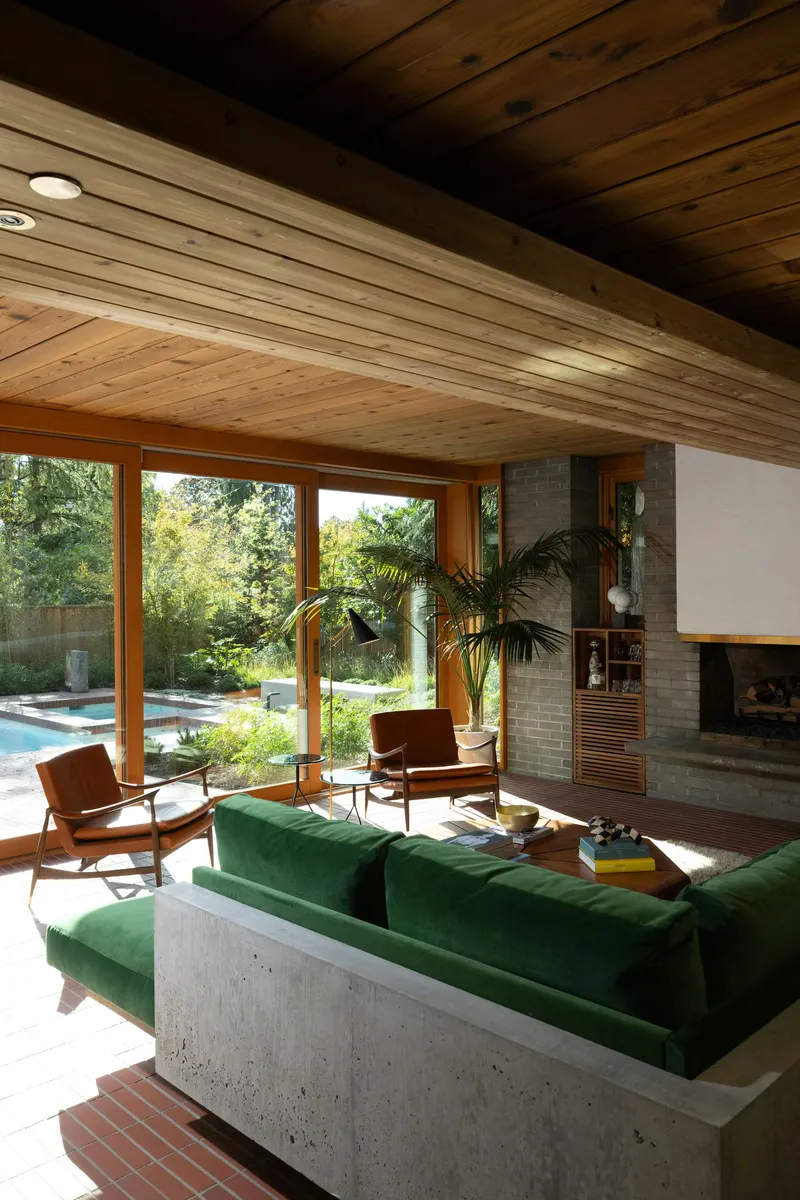
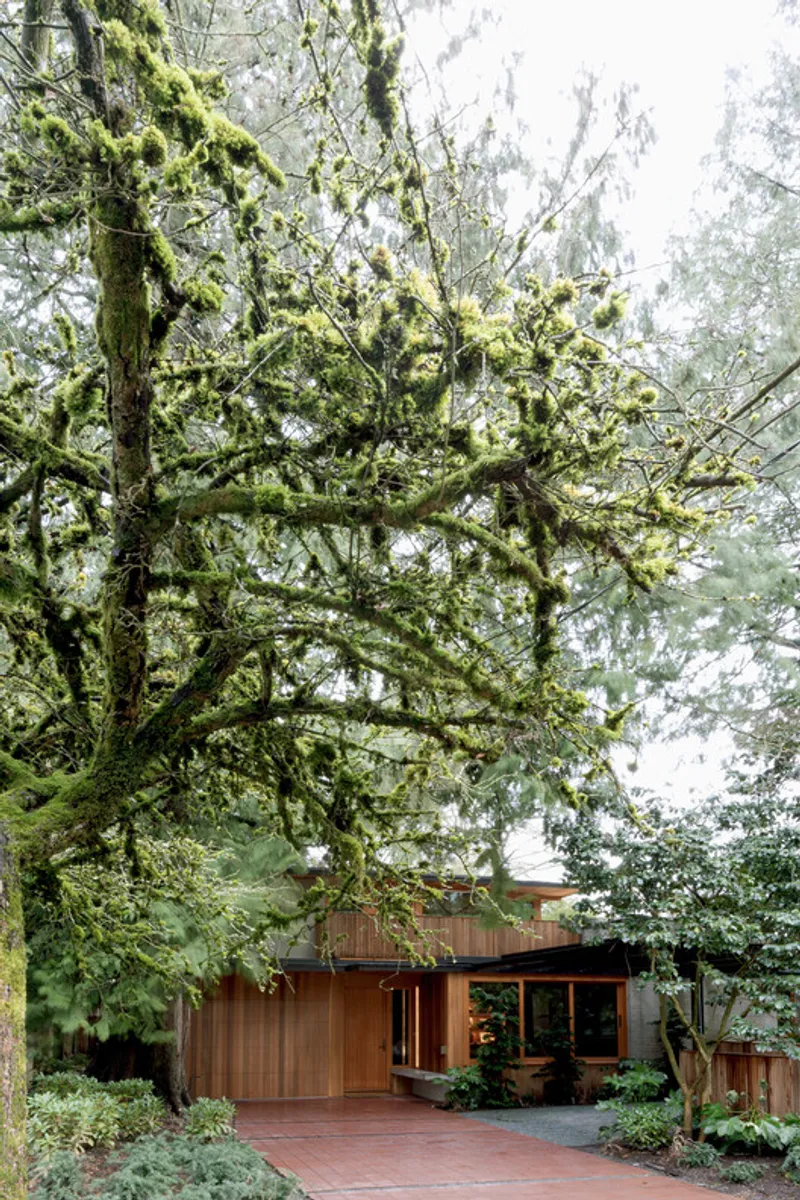
The living room hearth, a central element of the original design, is extended into an inglenook featuring a cantilevered concrete sofa. This addition provides integrated seating while preserving the openness of the space. The use of concrete continues outdoors, where additional seating elements, benches and sofas, create cohesive transitions between interior and exterior living areas.

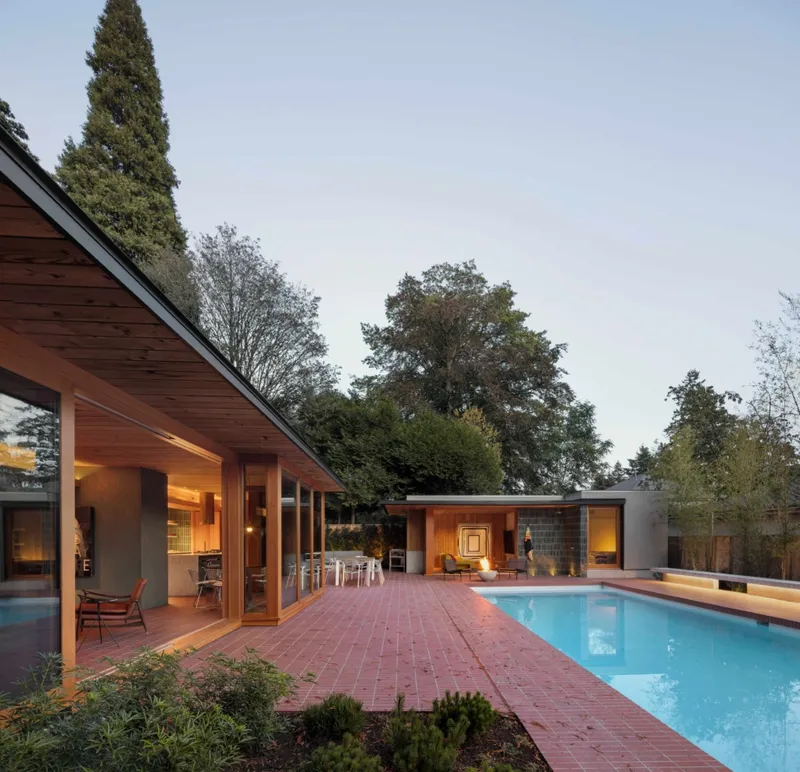
The walls are finished with painted burlapped plasterboard, offering a subtle textured backdrop for the client’s art collection. This restrained approach allows materials, light, and craftsmanship to take precedence, reinforcing the quiet elegance of the design.
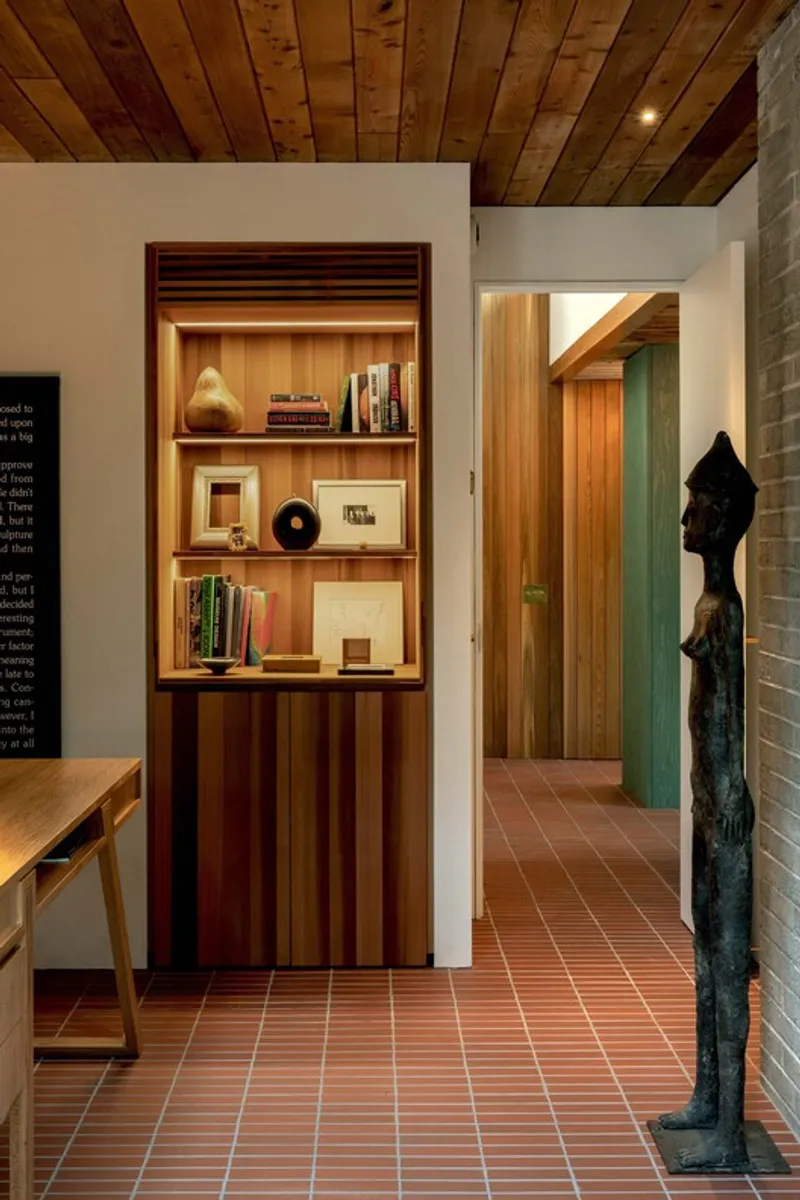
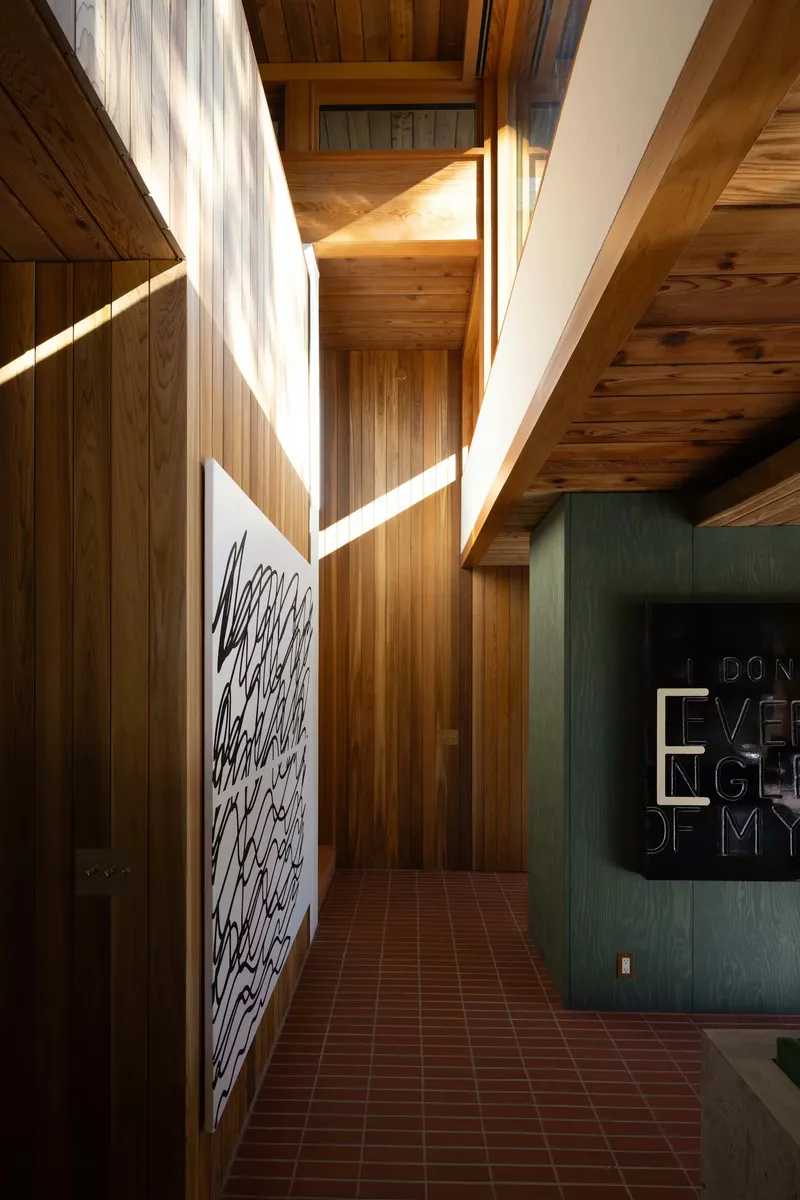
Beyond aesthetics, the project is rooted in performance and longevity. Structural reinforcements and thermal improvements ensure that the house meets contemporary standards, while the careful selection of materials supports durability and aging over time. The result is a home that feels both timeless and renewed, anchored in its history yet fully adapted to present-day living.

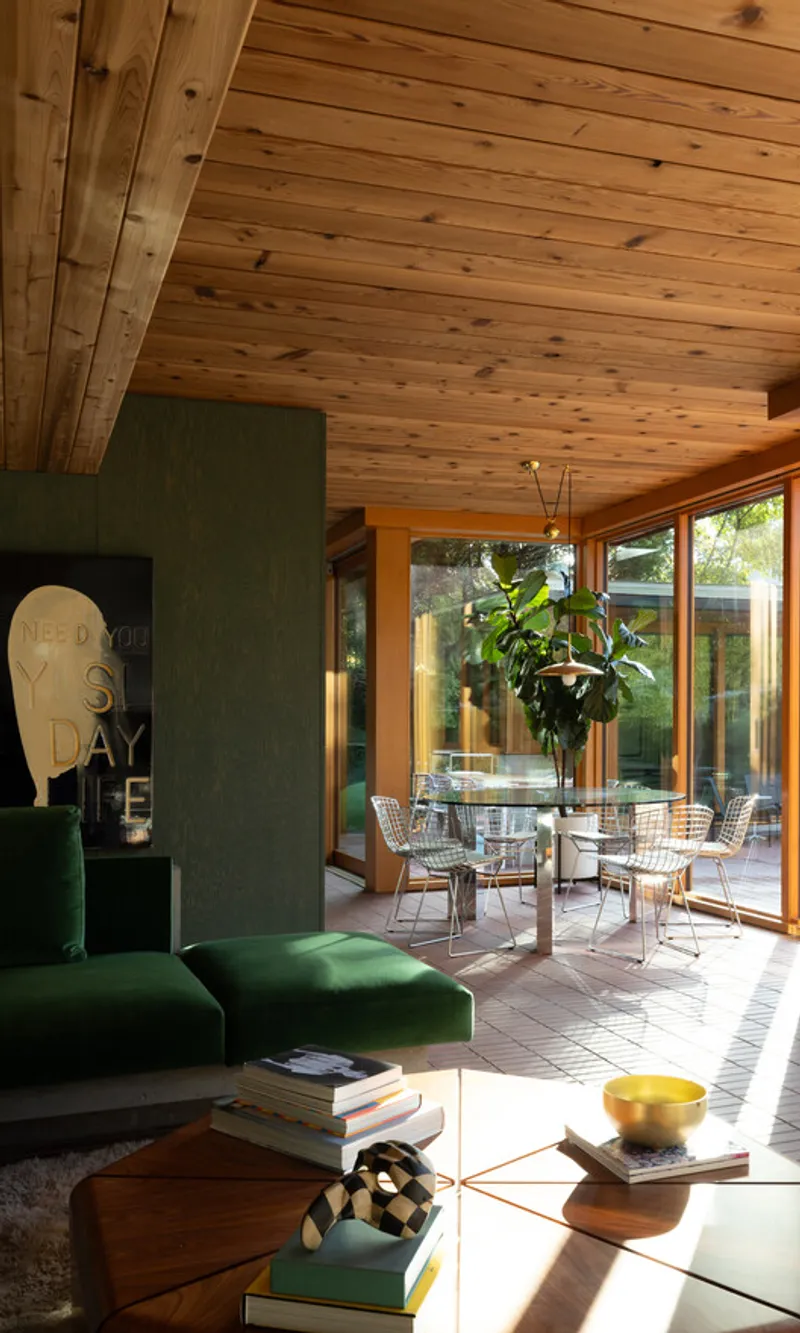
Ultimately, Osler House is an exercise in architectural stewardship. It demonstrates how careful preservation, thoughtful intervention, and respect for material heritage can transform an aging structure into a refined and enduring living environment. Rather than replacing the past, the project builds upon it, allowing the house to continue evolving while maintaining its original identity.
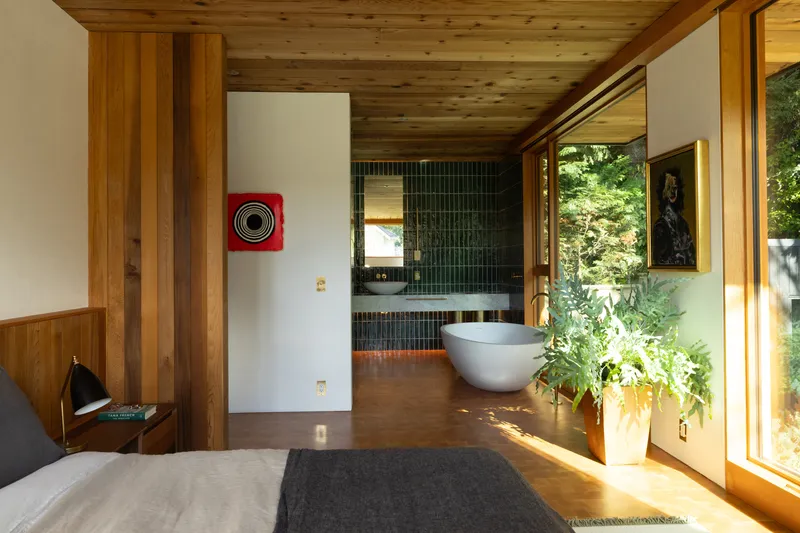
All the Photographs are works of Ema Peter Photography, Scott & Scott Architects, Olivia Bull




Popular Articles
Popular articles from the community

EW PARK: Sustainable Architecture Reimagines the Future of Urban Parking
EW PARK reimagines city parking as a modular wooden tower combining automation, solar energy, electric mobility, and adaptable urban design.

The Earth Pod: 3D Printed Homes for Resilient Refugee Communities
The Earth Pod reimagines refugee housing through 3D printed homes made from clay, combining resilience, self-sufficiency, and rapid shelter.

The Musturak Paradise: Senior Living Architecture for a Connected Future in Temara, Morocco
The Musturak Paradise reimagines senior living architecture in Temara via private homes, social spaces, culture, community, and shared care.

Co-life: Sustainable Architecture for Age-Friendly Community Living
Co-life reimagines sustainable architecture for seniors through courtyards, rammed earth, shared gardens, and spaces designed for belonging.


Similar Reads
You might also enjoy these articles


FAMM Arquitectura Organizes Ten Villas Around Courtyards and Jungle in Nosara, Costa Rica
El Molino pairs two elongated volumes with deep overhangs and timber louvers to build a compact coastal community five minutes from the beach.

Oscar Niemeyer's Ibirapuera Park Pavilions Define São Paulo's Cultural Identity in Concrete and Curve
A constellation of modernist volumes set within São Paulo's most important urban park, conceived for the city's 400th anniversary in 1954.
How Henri Picq's 1889 Paris Pavilion Traveled 11,000 Kilometers to Become Santiago's Artequín Museum
A prefabricated iron and glass pavilion built for the Paris Universal Exposition found a second life as a children's art museum in Chile.

Sanjay Puri Architects Wraps a Jaipur Office Tower in Capsule-Shaped Green Buffers
A nine-level climate-responsive workplace near Jaipur Airport uses stacked planter terraces and aluminium screens to fight 40°C heat.


Explore Architecture Competitions
Discover active competitions in this discipline



Challenge to reimagine the Iron Throne


Photograph architecture without architects


Illustrate the lost glory of Angkor Wat - Render Challenge


Design challenge to reuse E-waste
Comments (0)
Please login or sign up to add comments
No comments yet. Be the first to comment!