
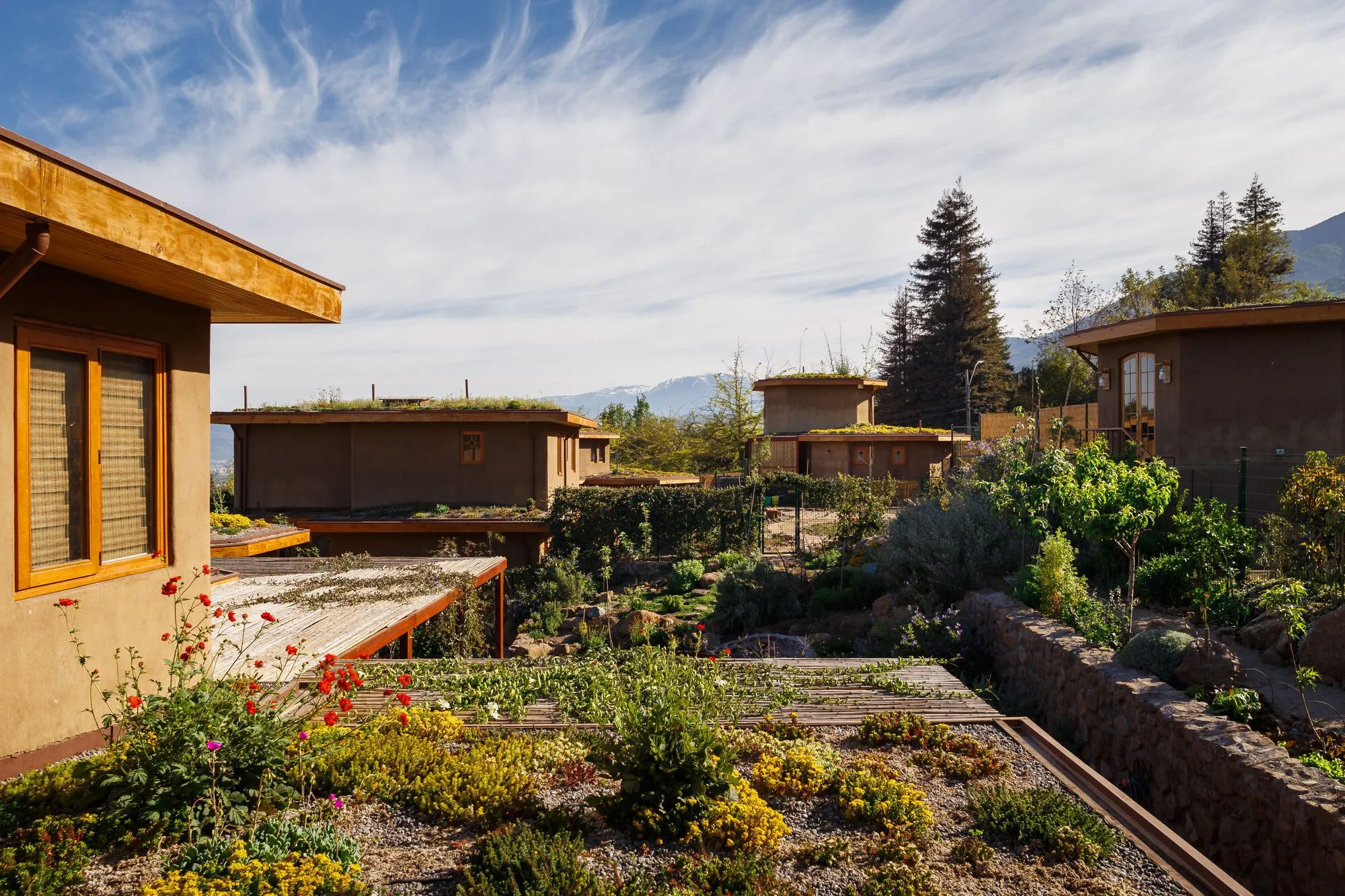
Panal Sustainable Regenerative Condominium by AYMA Arquitectura y Medio Ambiente LTDA
Panal Condominium in Santiago by AYMA integrates green roofs, rainwater reuse, and regenerative design, fostering sustainable living and ecological biodiversity.


A Regenerative Approach to Urban Living in Santiago
The Panal Sustainable Regenerative Condominium, designed by AYMA Arquitectura y Medio Ambiente LTDA, represents a pioneering model of sustainable architecture in Santiago, Chile. Built on the hillside with expansive views of both the Andes Mountains and the city of Santiago, the project is more than a residential complex—it is a living system designed to regenerate the natural environment while promoting community well-being.
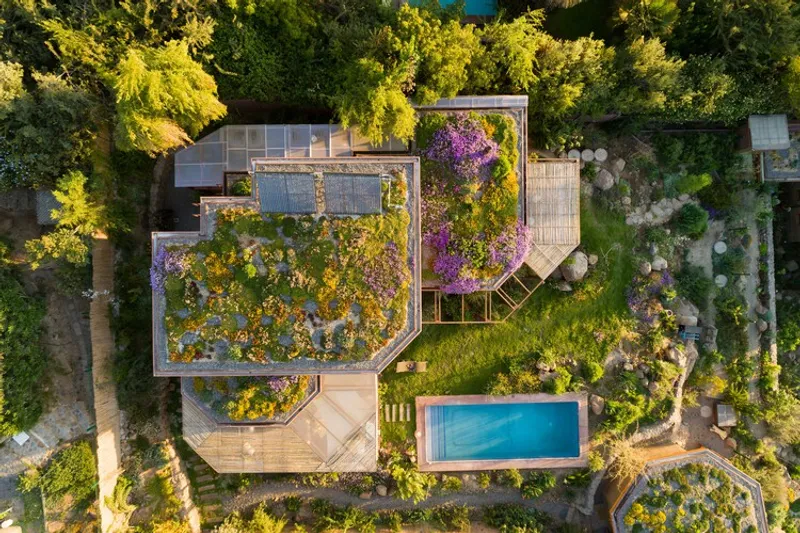
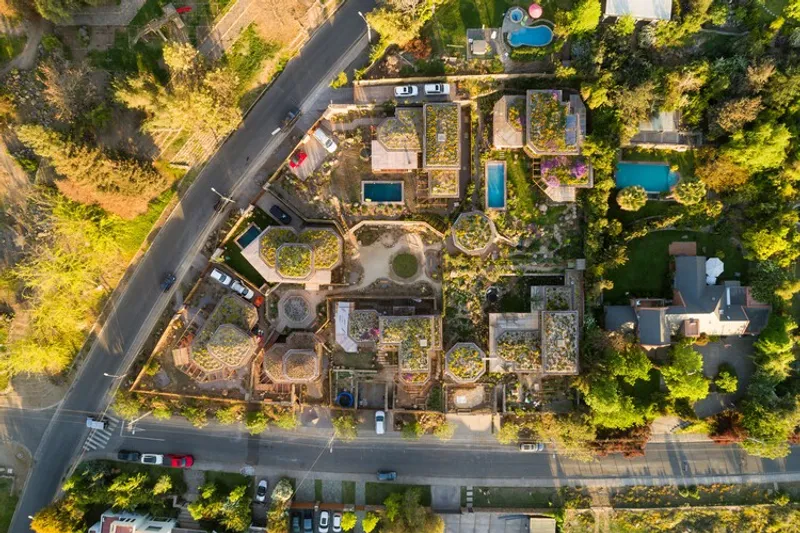
Developed through a sponge-type micro-neighborhood master plan, Panal incorporates seven mixed-use units that accommodate homes, workshops, offices, and showrooms. This thoughtful integration of functions reduces commuting times, fosters local economic activity, and enhances residents’ overall quality of life.
Integrating Architecture with Nature
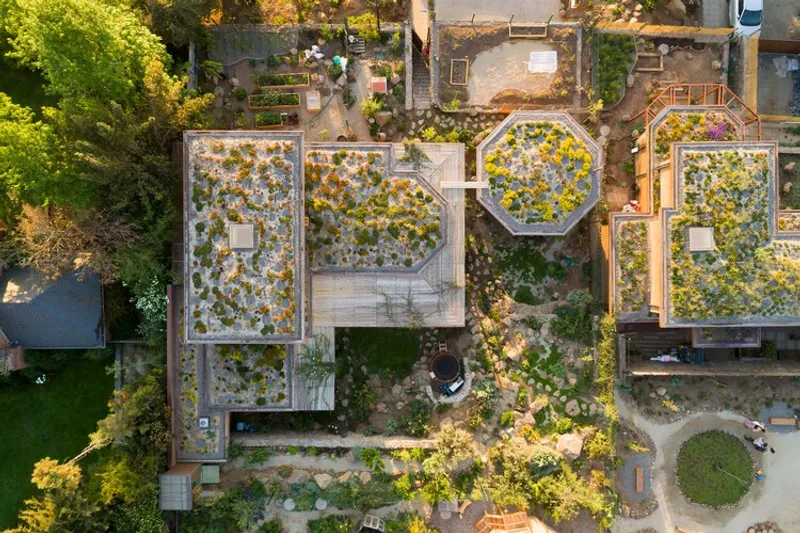
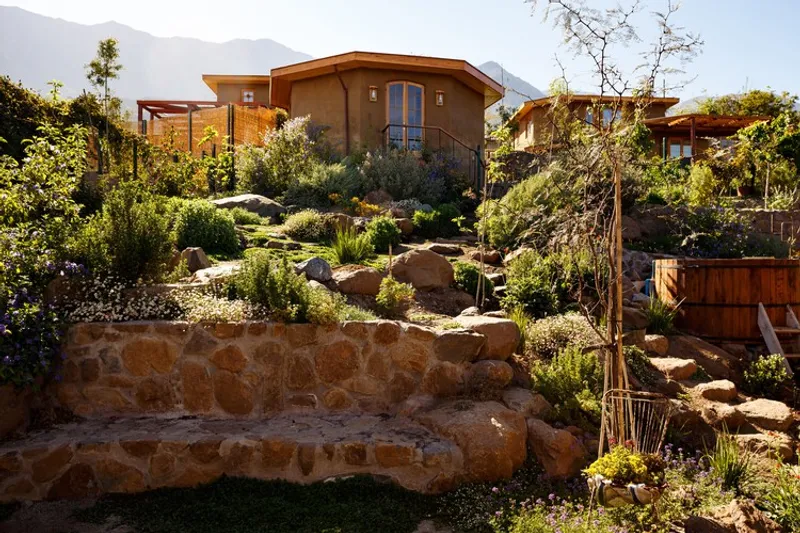
The architectural design adapts to the hillside’s natural slope, with each unit uniquely positioned to maximize daylight, ventilation, and views. The northwest gardens and grills create lively social spaces, while the stone walls, made from on-site excavations, provide both land containment and a natural aesthetic.
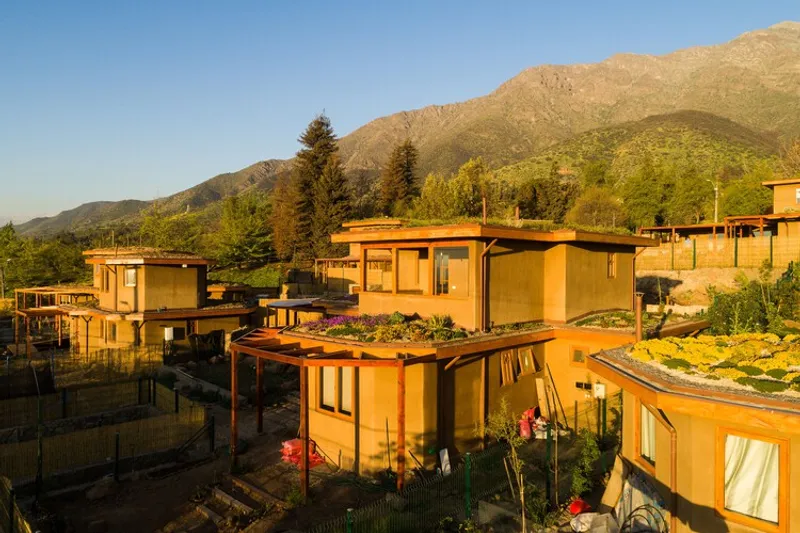
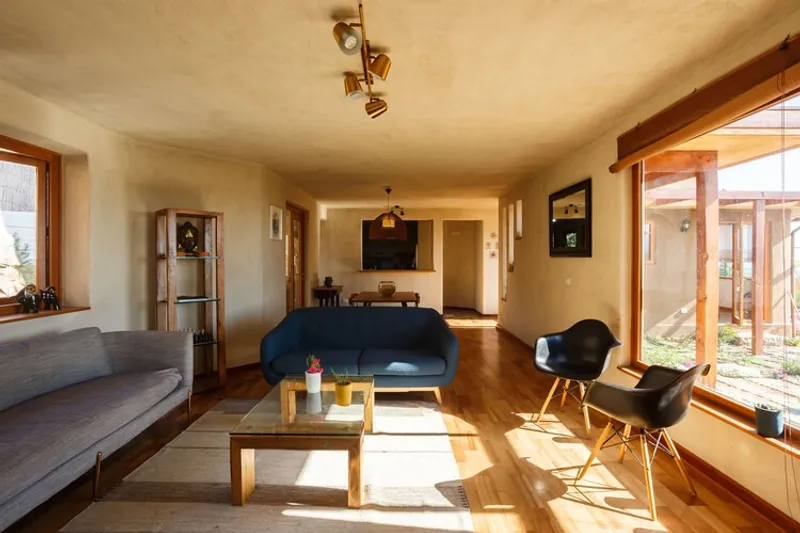
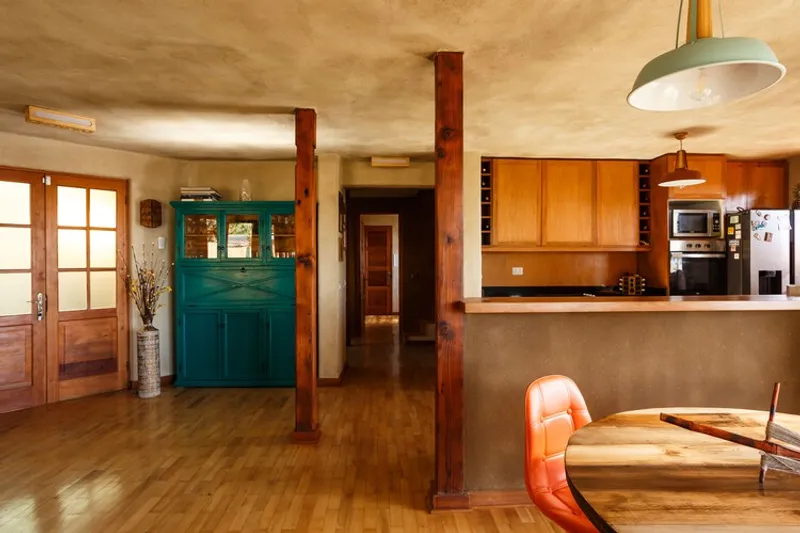
Panal embraces bioclimatic principles through strategic façade openings, passive shading, and the use of quincha construction, a traditional earth-based system that improves thermal performance. This results in interior spaces that maintain a stable temperature range between 15°–20°C, reducing the need for artificial climate control and cutting energy consumption by 80%.
100% Absorbent Surfaces and Water Regeneration
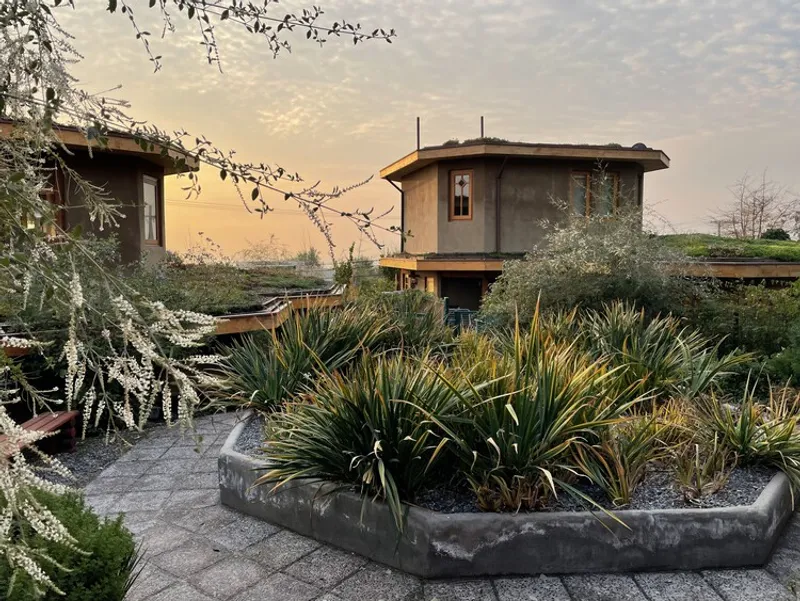
Sustainability in Panal goes beyond energy efficiency. The project introduces percolating pavements, regenerative native gardens, and extensive green roofs, ensuring that 100% of its surfaces are water-absorbent. This system naturally captures rainwater and restores it to the earth.
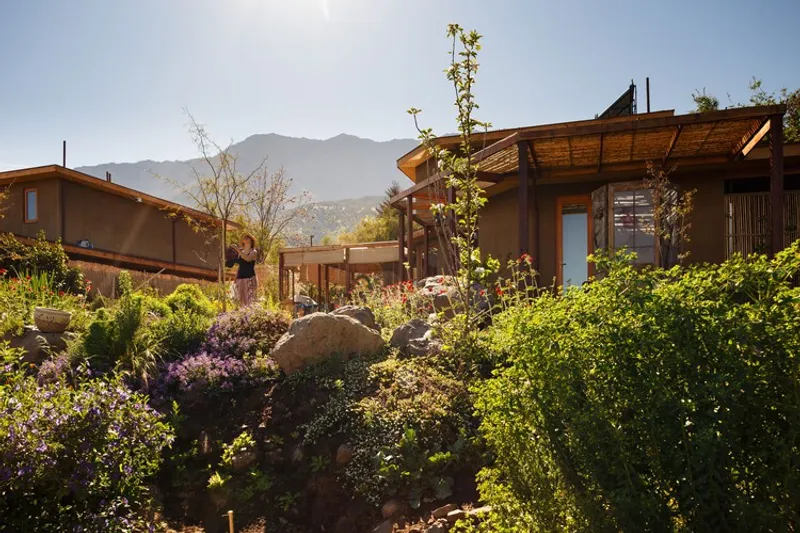
A central plaza connects the community while housing a wetland-type wastewater treatment plant. Treated water is reused for irrigating gardens, green roofs, and common areas, reducing overall water consumption by 80%. Furthermore, green areas cover 90% of the site, forming an ecological corridor that extends the Arboretum Park and supports local biodiversity.
Social Engagement and Conscious Construction
Panal was not only built for sustainability—it was also built with community education in mind. During the construction phase, free workshops were organized to teach children about eco-friendly building practices, fostering awareness about the importance of sustainable living.
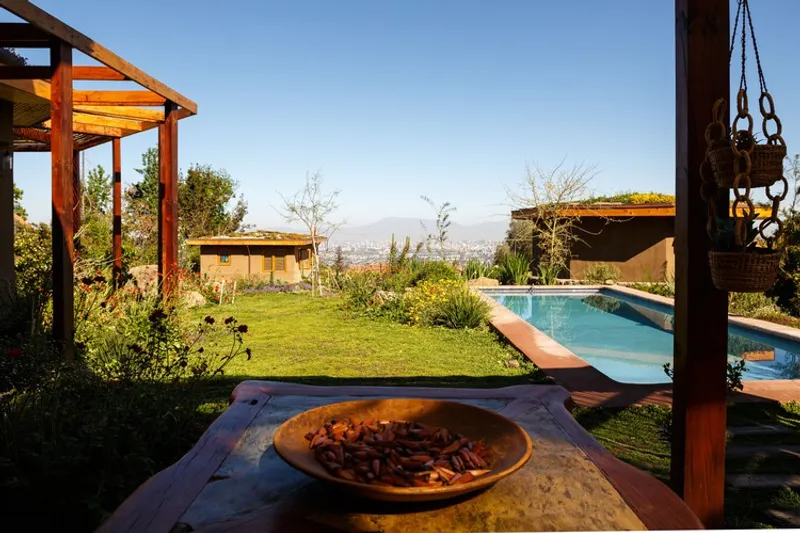
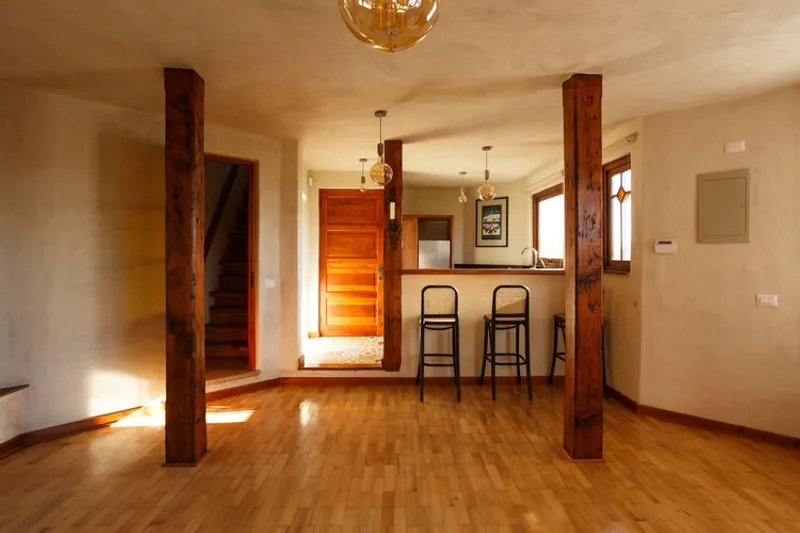
The use of natural, locally sourced materials, such as earth from excavations for plaster and insulation, ensures a minimal carbon footprint. Combined with deciduous shade, native vegetation, and green roofs, the project harmonizes with its environment and returns ecological value to the land it occupies.
Aligned with Global Sustainability Goals
The Panal Condominium reflects a holistic approach to architecture by aligning with 11 of the 17 United Nations Sustainable Development Goals (SDGs). Through its regenerative design, reduced carbon footprint, and emphasis on water and energy efficiency, it stands as a model for future housing developments in Latin America and beyond.
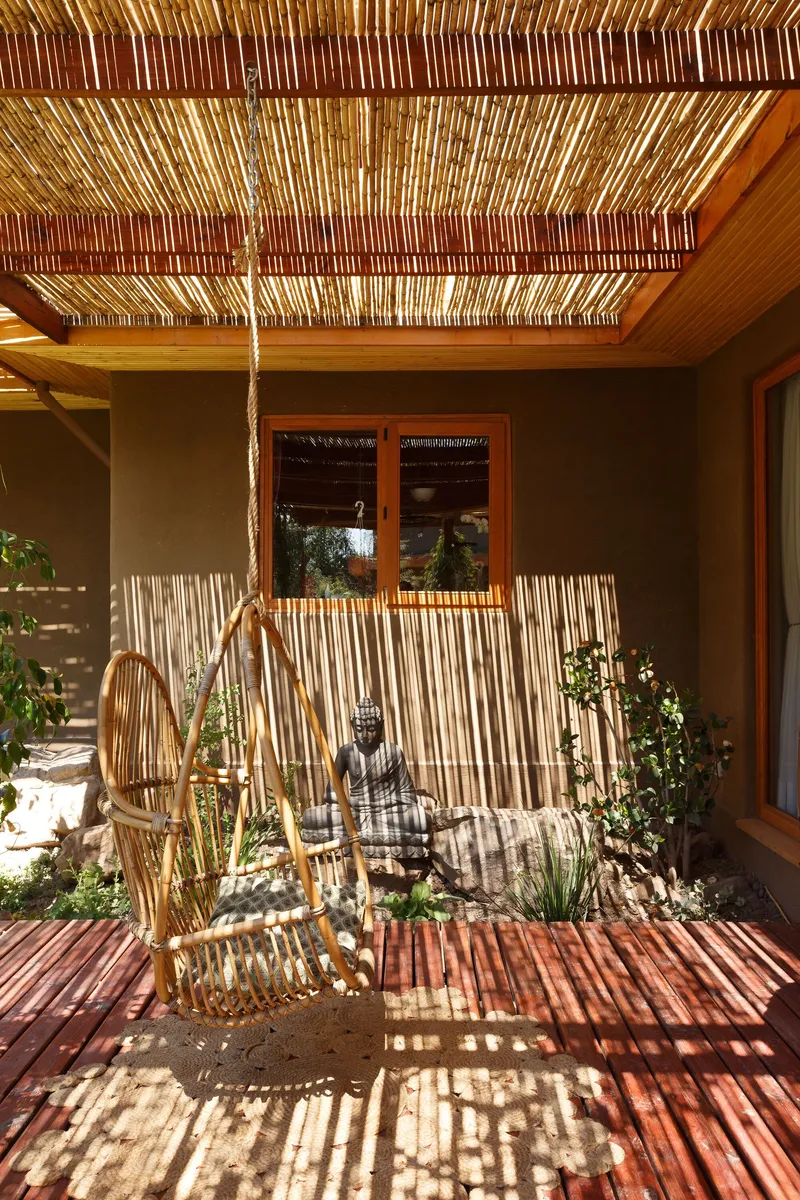
All the photographs are works of Pablo Blanco Barros




Popular Articles
Popular articles from the community

EW PARK: Sustainable Architecture Reimagines the Future of Urban Parking
EW PARK reimagines city parking as a modular wooden tower combining automation, solar energy, electric mobility, and adaptable urban design.
AL-JANNAH: Sustainable Architecture and Permaculture for Afghan Widows
AL-JANNAH uses sustainable architecture and permaculture to create resilient oasis of housing, learning, work and renewal for Afghan widows.

Riyadh For All: Intergenerational Urban Design for Active Aging in Rabat
Riyadh For All reimagines urban design in Rabat with intergenerational co-living, adaptive courtyards, and Moroccan cultural exchange today.

Hill & Cross Opera: Sculptural Opera House Architecture Shaped by Tallinn’s Landscape and Identity
Hill & Cross Opera reimagines opera house architecture in Tallinn through its sculptural hill, civic plaza, glass wave and a luminous cross.


Similar Reads
You might also enjoy these articles


Hodi-Mandai Geram
Project Function: Preservation and revitalization of the Intangible heritage and socio-spatial identity of the Hodi by Housing, Cultural Memory Center, Sacred Grove, landscape, local tourism economy


Olio Towers: A Mid-Rise for Performers That Fuses Housing, Rehearsal, and Stage
Located blocks from Houston's Theater District, this modular tower stacks living units around a central performance atrium.

Oasis: Modular Green Housing Carved into Dhaka's Urban Fabric
A shortlisted Plugin Housing entry reclaims unauthorized settlements in Dhaka with stepped concrete volumes, green roofs, and ventilation-driven design.

Black Hole: A Floating Megastructure for the Post-Physical Era
Emiliano Mazzarotto envisions a spherical, self-scaling arena where e-sports, digital hotels, and holographic stadiums replace traditional public space.


Explore Sustainable Living Competitions
Discover active competitions in this discipline



Challenge to reimagine the Iron Throne


Photograph architecture without architects


Illustrate the lost glory of Angkor Wat - Render Challenge


Design challenge to reuse E-waste
Comments (0)
Please login or sign up to add comments
No comments yet. Be the first to comment!