

Pedestrian Bridge Design Over the Fareja Bridge by Rómulo Neto Arquitetos
A contemporary pedestrian bridge design in Portugal unites history and functionality by honoring ruins through modern architecture.


Revitalizing a Historic Crossing with Modern Pedestrian Bridge Design
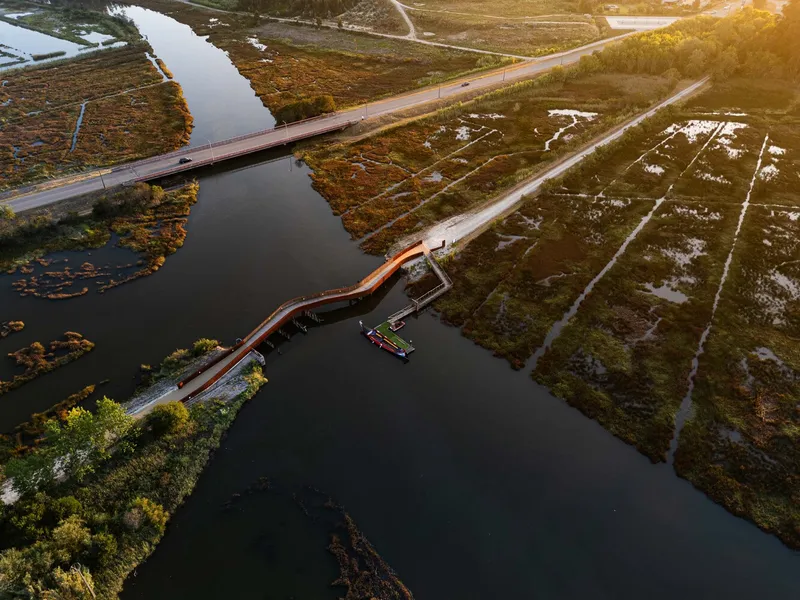
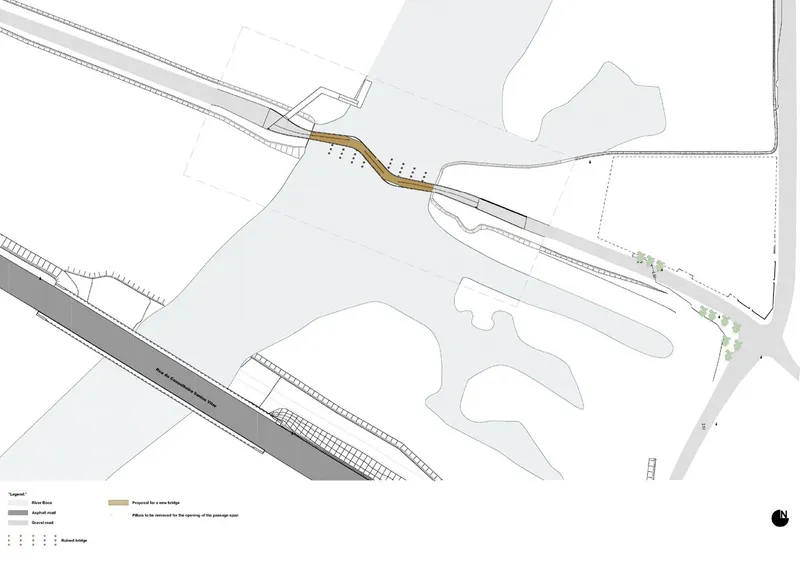
In the heart of Vagos, Aveiro, Portugal, the new pedestrian and cycling bridge designed by Rómulo Neto Arquitetos stands as a contemporary response to a deeply historical site. Commissioned by the local government, the project reimagines the crossing between the banks of Vagos and Sousa, where the ruins of the original bridge—dating back to June 27, 1855—still linger. This modern intervention not only reconnects the two banks but also commemorates the old structure, blending design innovation with historical sensitivity.

A Museum Bridge Preserving Memory
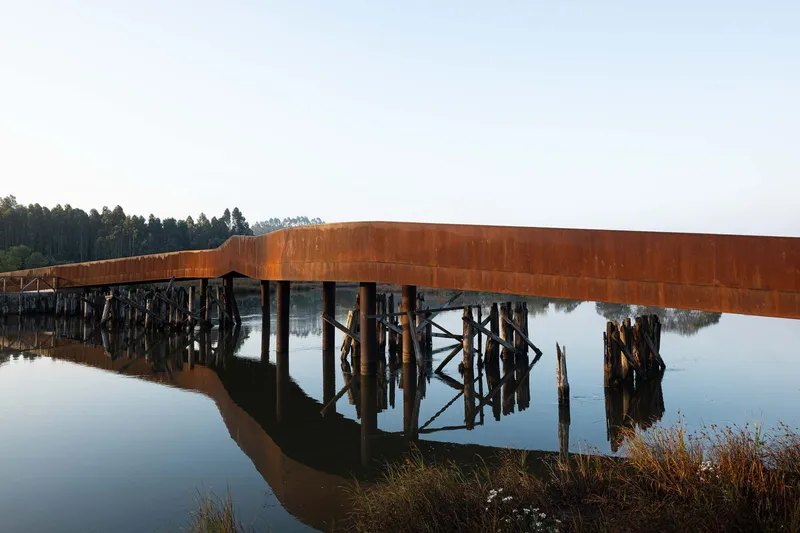
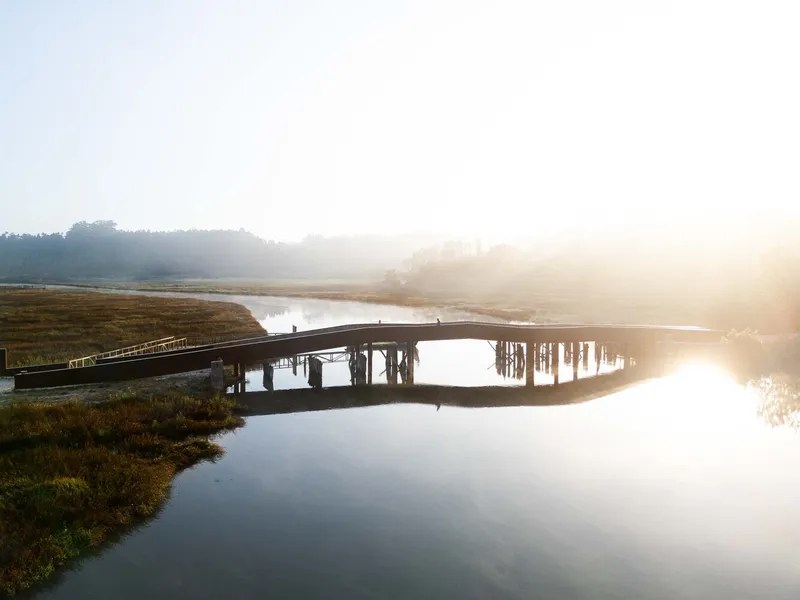
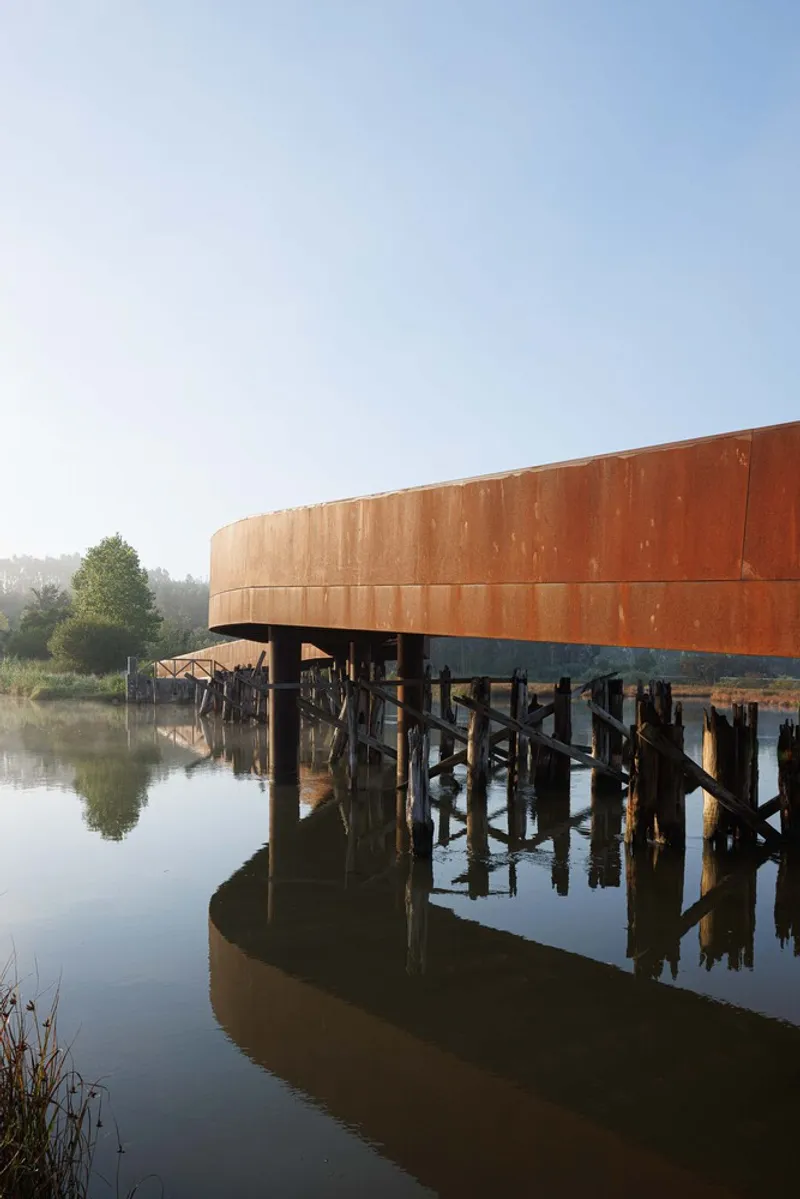
The primary concept guiding the pedestrian bridge design was to create a "museum bridge"—a structure that visually and experientially celebrates the past while looking to the future. The ruins of the original bridge, though deteriorating, remain an integral part of the local cultural landscape. The new crossing was therefore imagined as both a respectful neighbor and an autonomous architectural element. Even if the old bridge were to disappear completely, this new structure would continue to carry forward its memory and significance.
Integrating Form and Function
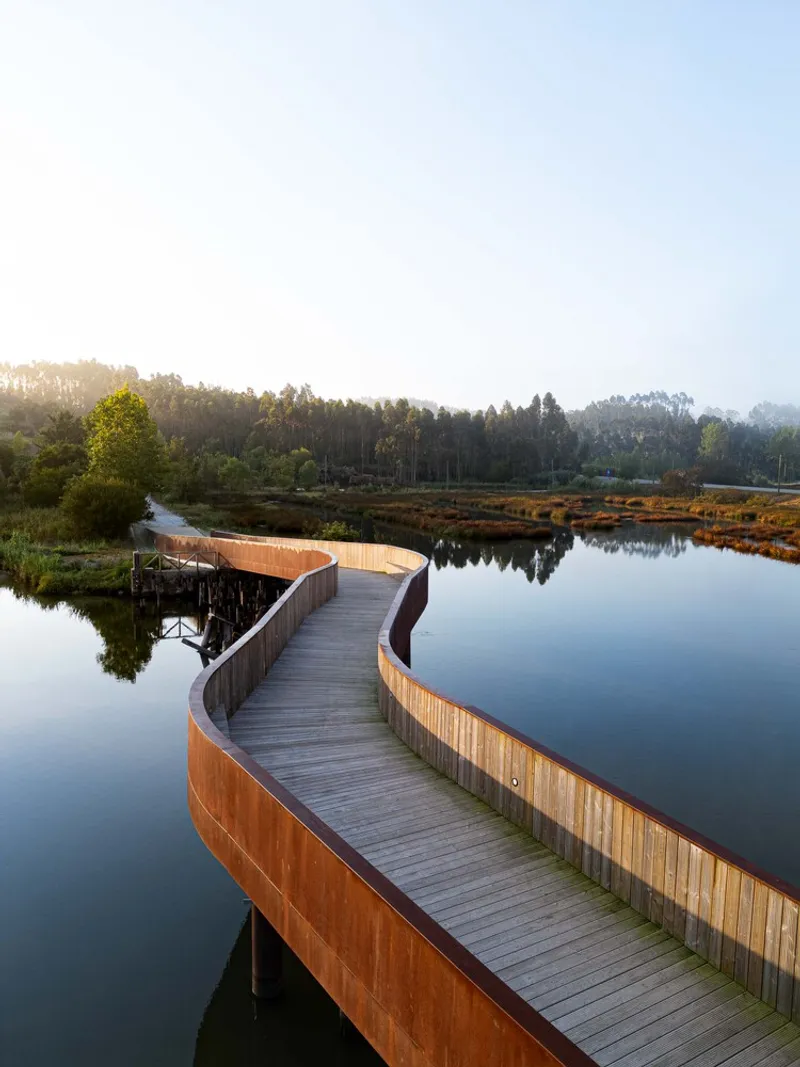
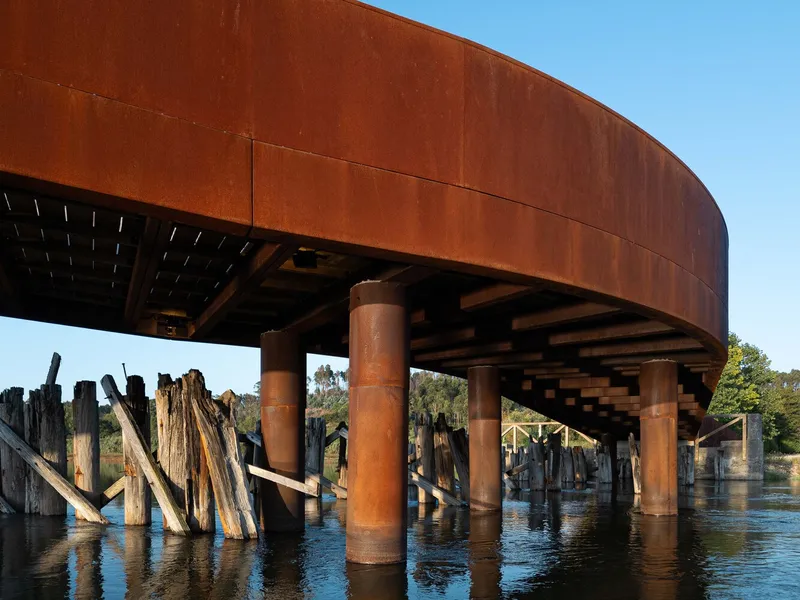
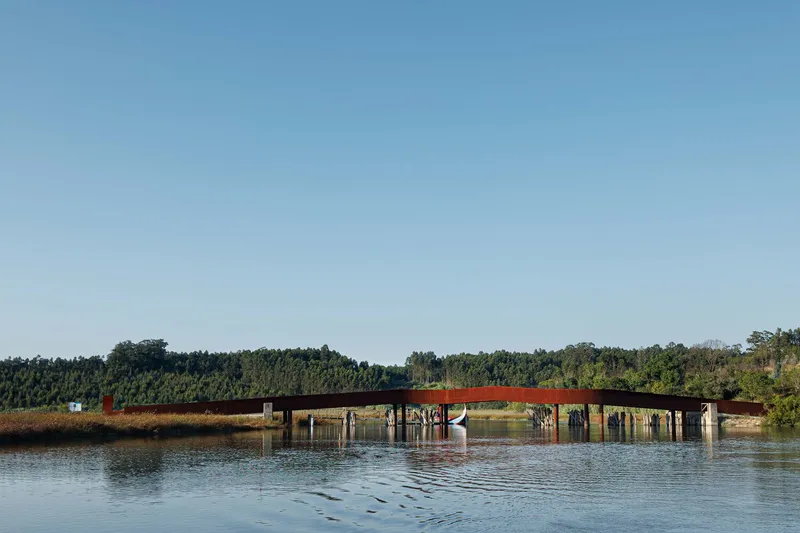
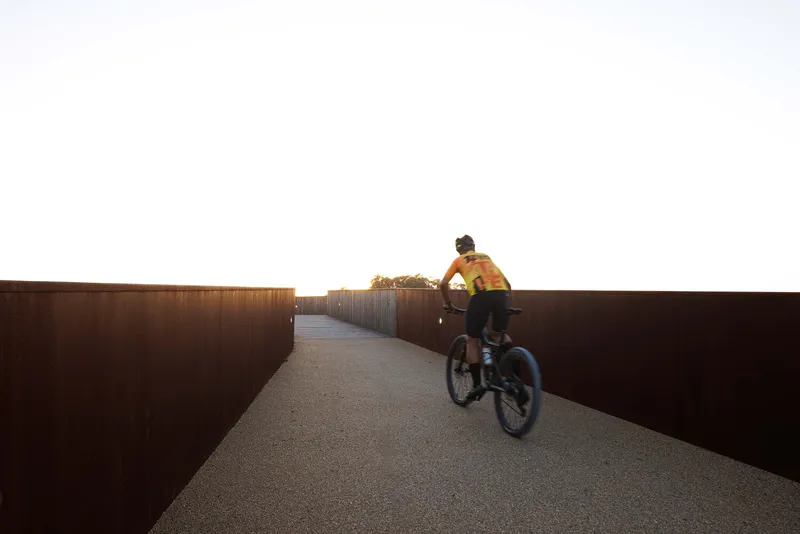
The design of the bridge introduces a flowing curve and counter-curve path, offering continuous visual access to the ruins throughout the crossing. This spatial configuration ensures a unique user experience, where both pedestrians and cyclists are subtly guided through an architectural narrative that reveals the past at every step.

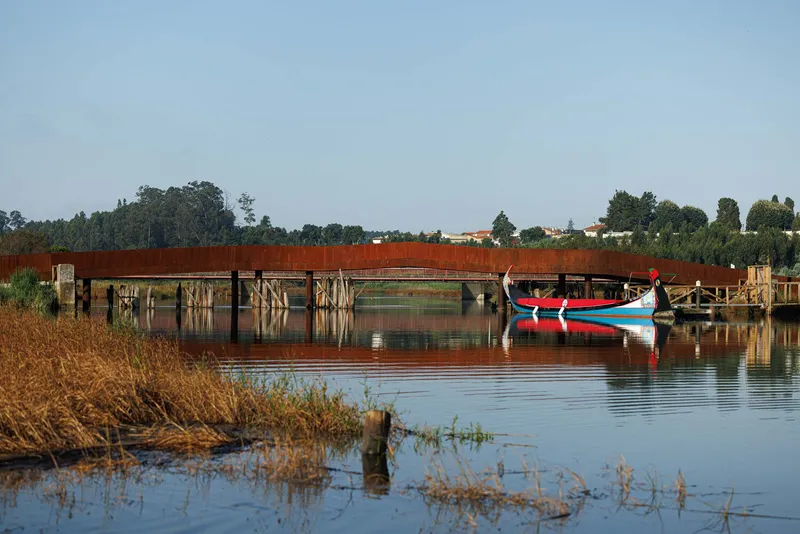
The route beneath and across the new structure offers unobstructed views of the ruin, allowing the site to function not just as a transportation link but as a journey through history. This approach transforms the utilitarian into something poetic—architecture as both infrastructure and interpretation.

Materiality and Environmental Harmony
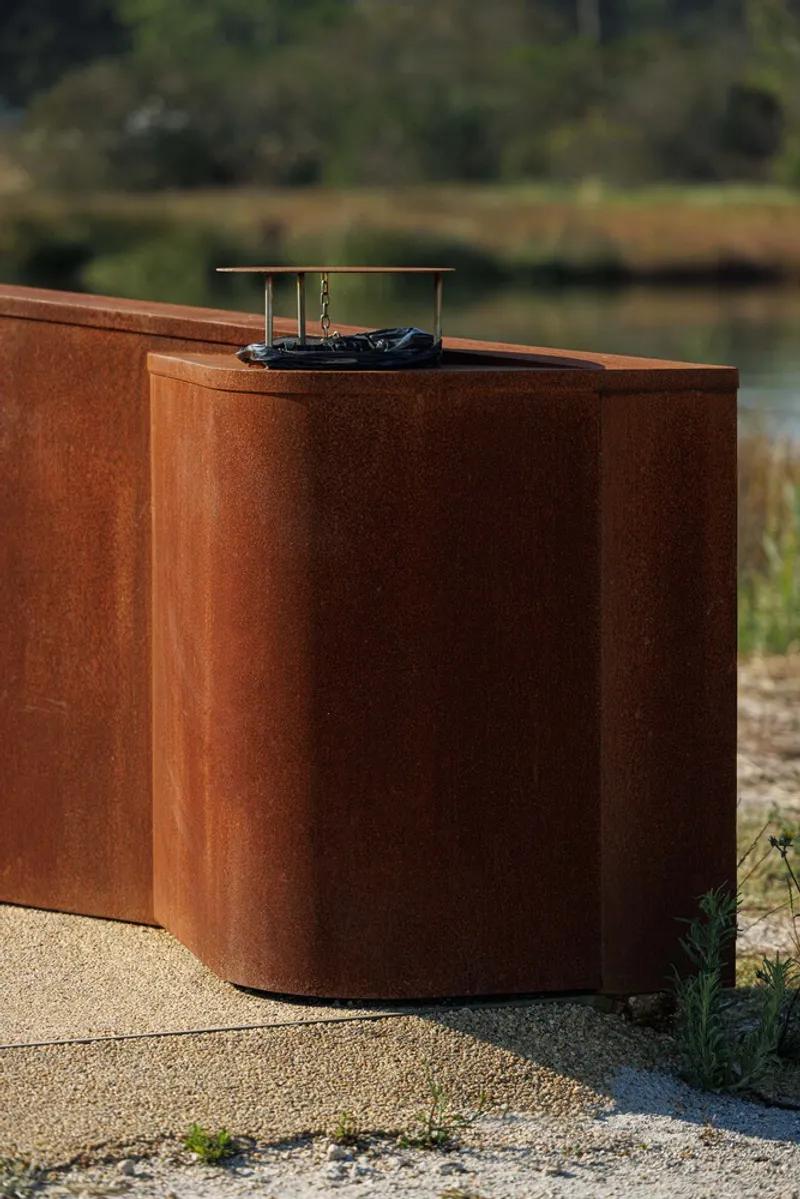
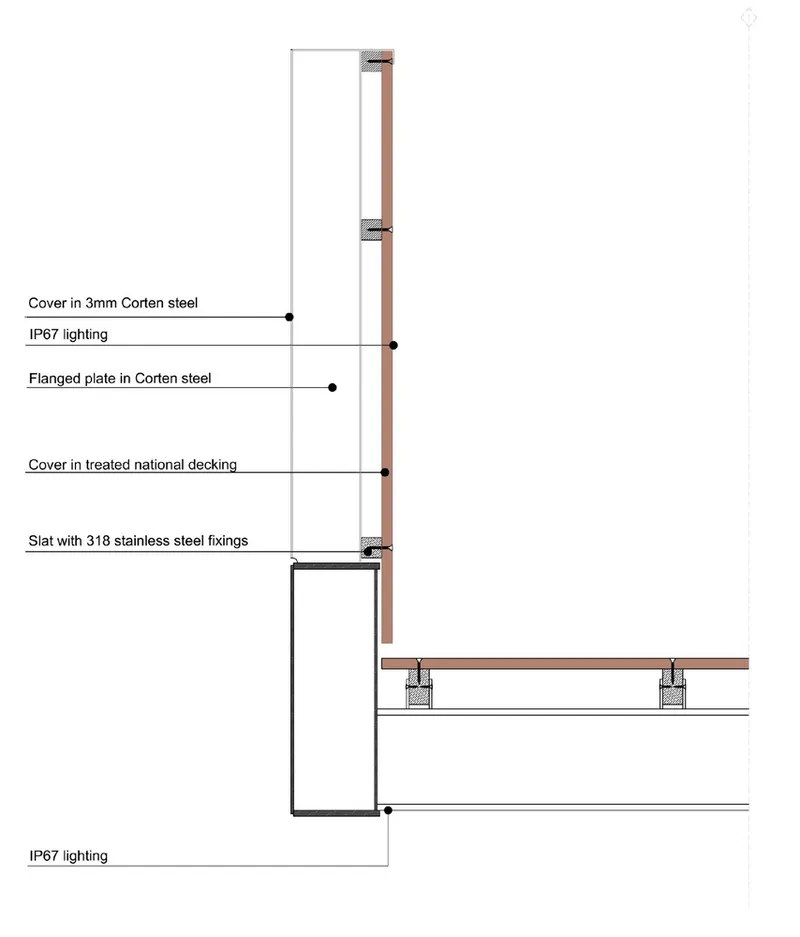
In terms of material selection, the pedestrian bridge design emphasizes harmony with the natural and historical context. Corten steel and wood were chosen for their earthy tones and textures, ensuring that the structure ages gracefully while blending with the surrounding environment.
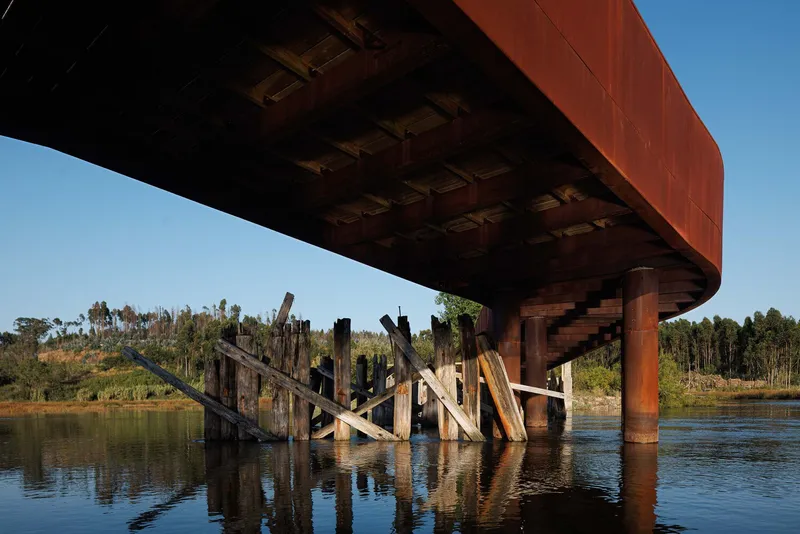

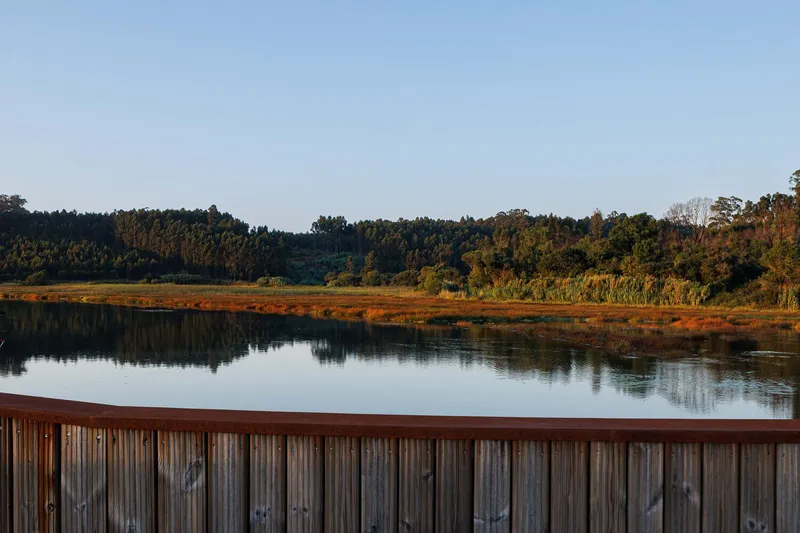
The organic shape of the bridge, inspired by the undulating forms of the marine landscape, minimizes visual disruption and reinforces the idea of a quiet, respectful presence. Even in the eventual absence of the original ruin, the bridge will continue to serve as a thoughtful insertion into the landscape.

Economical Innovation
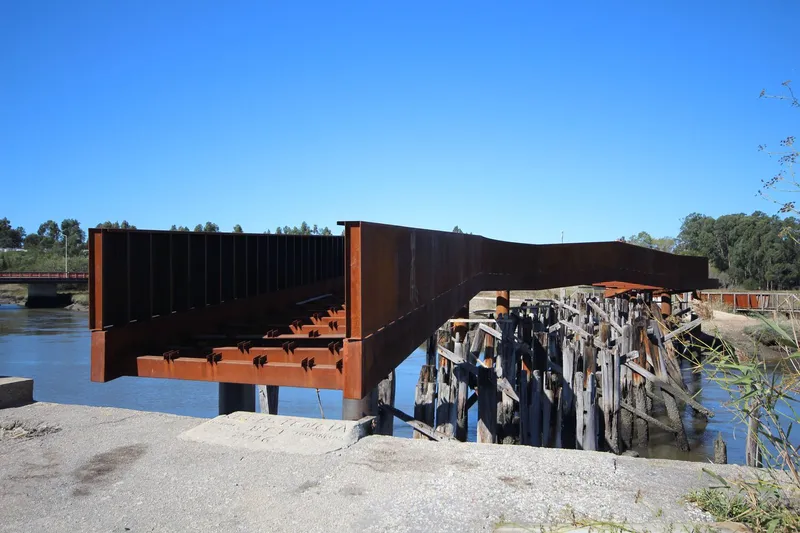
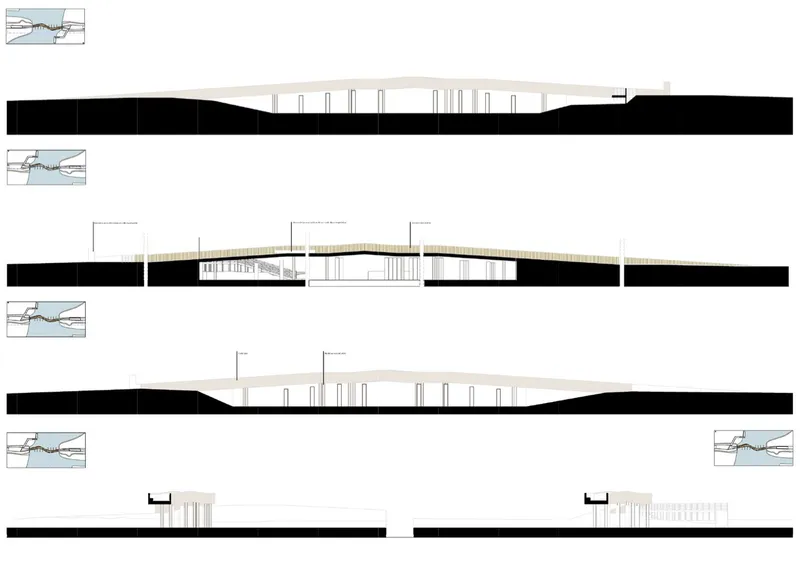
Conscious of a strict budget of €180,000 + VAT, the design had to strike a balance between aesthetics, function, and economic feasibility. The bridge was strategically divided into five segments, each under 14 meters in length. This segmentation allowed for straightforward transportation and on-site assembly, reducing costs and logistical complexities.

A minimum width of 2.5 meters was maintained, ensuring that the structure comfortably supports both pedestrian and cyclist traffic without compromising spatial experience.

Creating Spaces of Pause and Contemplation
At the transition points of the bridge’s ramps, the design incorporates flat, leisure zones complete with benches and open areas. These nodes serve as rest stops, viewpoints, and social spaces—encouraging users to slow down, fish, converse, or simply admire the landscape.

These contemplative spaces reinforce the identity of the bridge as more than a mere connector; it is a destination in itself, designed for pause, perspective, and interaction.

Enduring Design for the Future
The pedestrian bridge design ensures long-term relevance and independence from the historical ruin. While it honors and responds to the old bridge, its own structural integrity, sculptural form, and material palette guarantee that it will remain functional, engaging, and contextually meaningful for decades to come.
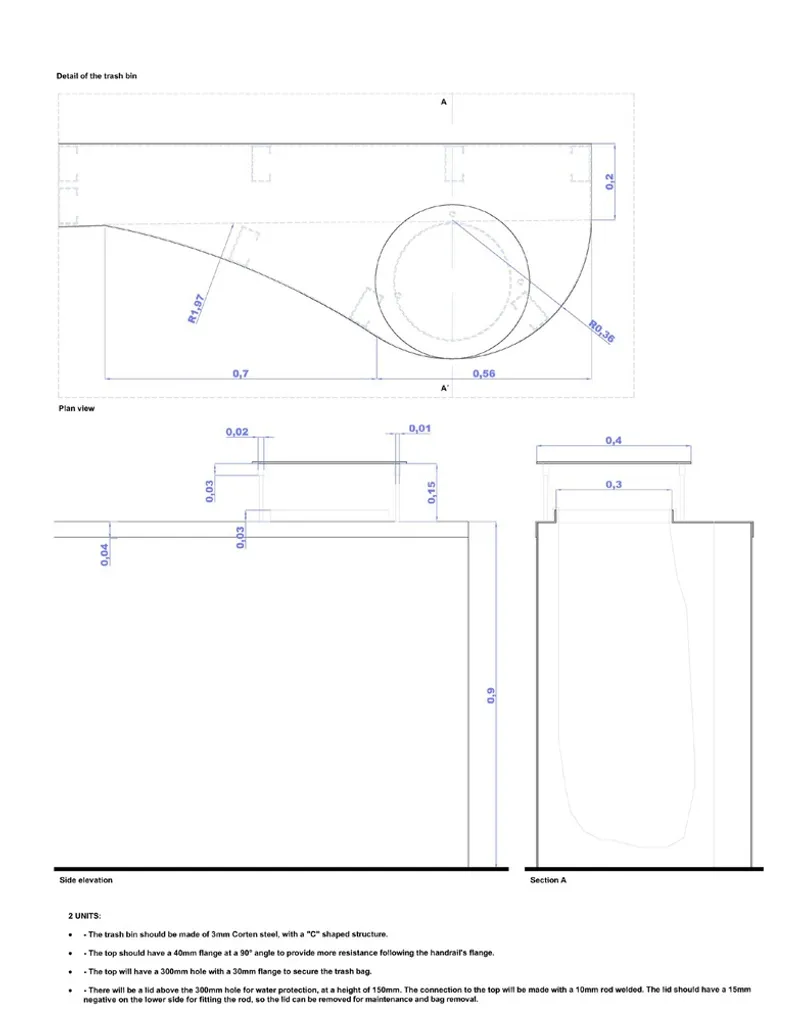
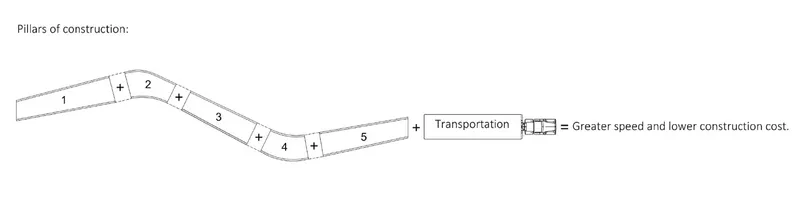
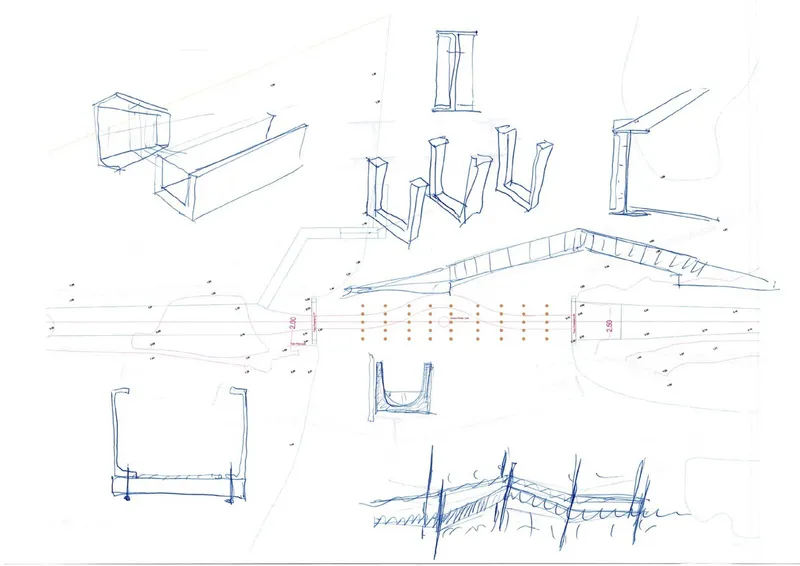
In this way, Rómulo Neto Arquitetos has created a new architectural landmark—one that gracefully negotiates between past and future, permanence and decay, infrastructure and art.



Popular Articles
Popular articles from the community


Architekt Andreas Gruber Scatters 23 Dark Timber Chalets Across a South Tyrolean Forest Edge
In Molini di Tures, Amonti Chalets breaks a resort into a hamlet of gabled timber houses, with parking, storage and services pushed into the slope.

LT2A and OPEN Architectes Thread a Brick and Glass High School Through a Wooded Belgian Campus
In Braine-l'Alleud, a 3,000 m² wing for Collège Cardinal Mercier pairs pale brick with a glazed colonnade, deferring to a small chapel and a dense wood.

David Macias Steps a Doorless Stone and Plaster House Down a Tropical Colombian Hillside
In the humid hills of Colombia, Threshold House replaces the front door with an open void and terraces its 850 m² down the slope instead of fighting it.

U.GA Architects Wraps an Oval Rooftop Pool in Curved Board-Formed Concrete on Busan's Jeollidan-gil
In Busan's Jeonpo-dong, a 454 m² mixed-use block stacks a neighborhood facility, guest rooms and an oval rooftop pool inside spiraling concrete walls.

Similar Reads
You might also enjoy these articles

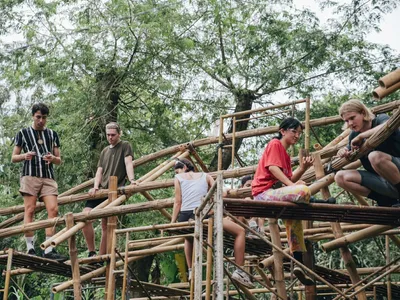
Bamboo Housing Challenge 2026: Design Affordable, Sustainable Homes Using Bamboo
An international design competition by Bamboo U and IBUKU inviting architects and designers to reimagine affordable housing using bamboo — with the winning design built full-scale in Bali.

Computational Design & Education: Beegraphy Design Awards Introduces 7th Category (Featuring Jiyun's Innovative Approach)
Dive into Beegraphy’s 7th Design Awards category, where computational design meets education to create immersive, interactive learning tools, inspired by Jiyun’s work.
From Parametric Lighting to Urban Furniture: Join the 2nd Workshop in Beegraphy’s Computational Design Series
Dive into Cutting-Edge Design Techniques and Practical Applications with Industry Experts

Last Call: Unleash Your Architectural Genius in SHAK's Kindergarten Design Competition
Urgent call for architects to join SHAK's kindergarten design competition before the looming deadline

Explore Pedestrian Bridge Competitions
Discover active competitions in this discipline

Challenge to reimagine the Iron Throne

Photograph architecture without architects

Illustrate the lost glory of Angkor Wat - Render Challenge

Design challenge to reuse E-waste
Comments (0)
Please login or sign up to add comments
No comments yet. Be the first to comment!