
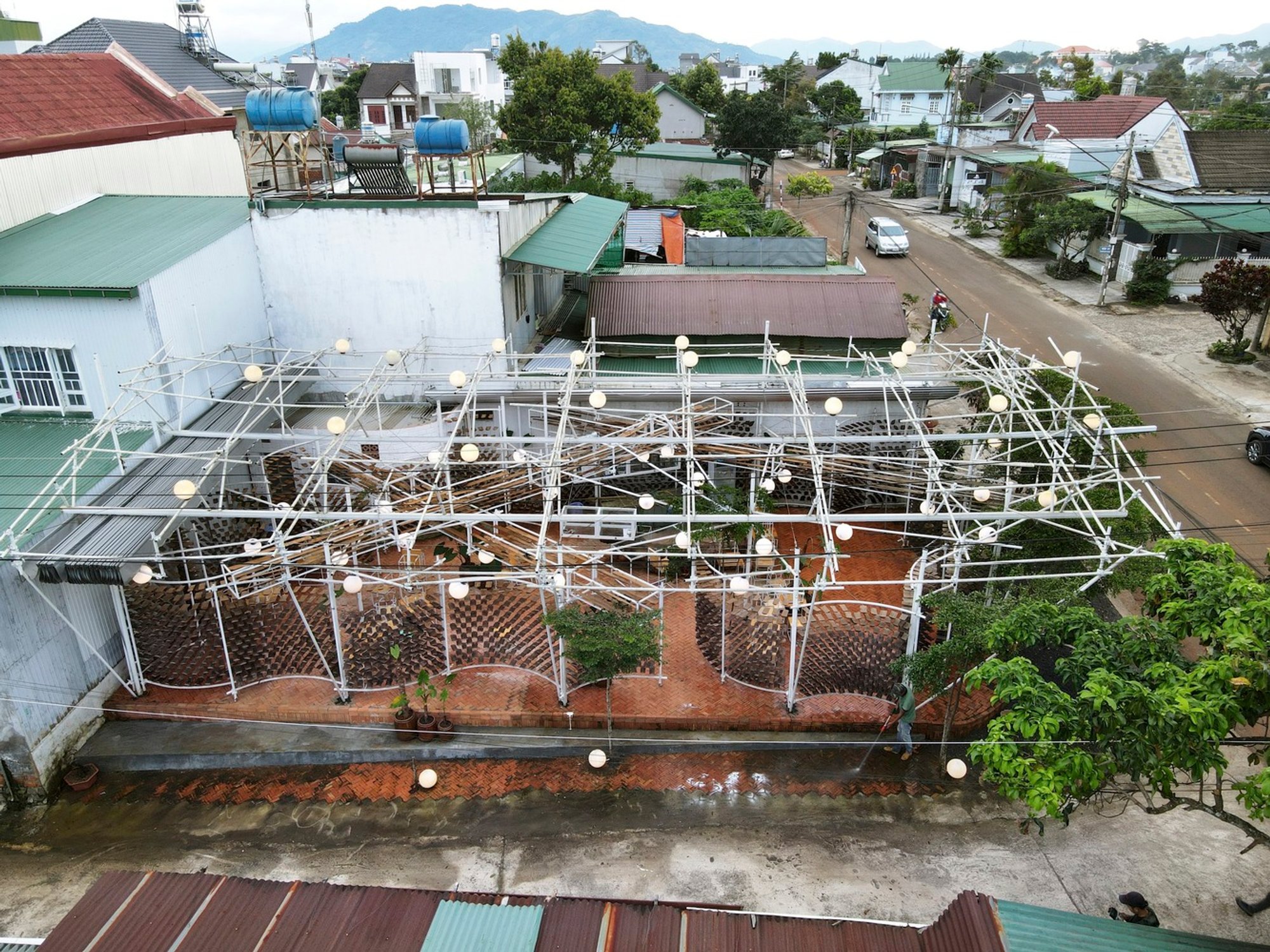
Pick Tea by The Bloom: A Flexible and Sustainable Tea Shop Design in Bảo Lộc, Vietnam
Compact modular tea shop with flexible steel structure, retractable roof, and dynamic facade responding to climate, culture, and evolving urban use.

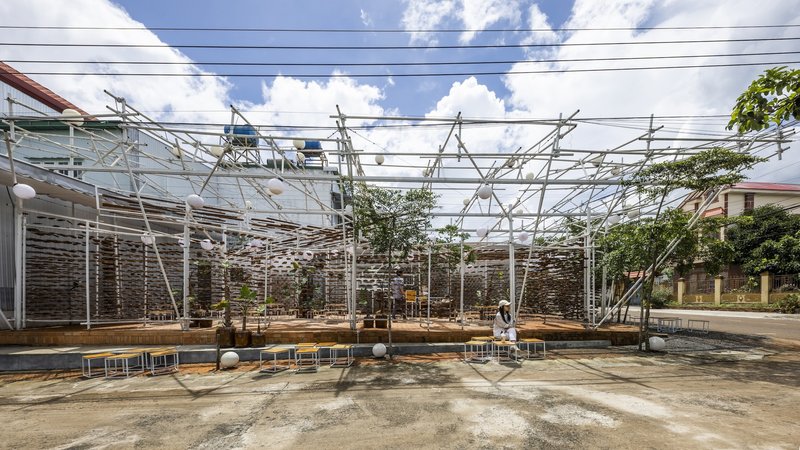
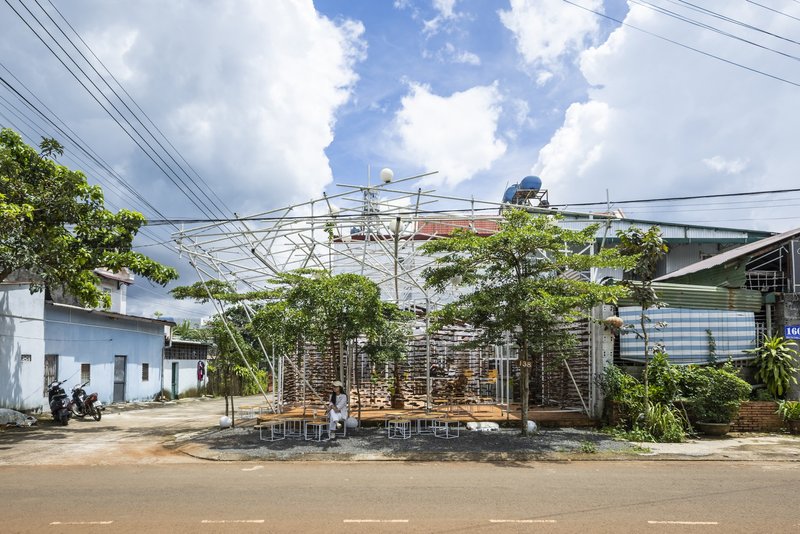
Located in the tea-rich landscape of Bảo Lộc, Pick Tea by The Bloom redefines compact commercial architecture through adaptability, lightweight construction, and experiential design. Completed in 2023, this 200 m² milk tea shop reflects a thoughtful response to the region’s thriving tea culture while embracing modular architecture principles that prioritize flexibility and sustainability.
Contextual Design Inspired by Local Tea Culture
Bảo Lộc is widely recognized for its tea plantations and growing café culture, making it an ideal setting for an innovative milk tea shop. The design concept for Pick Tea draws from this cultural context, offering a contemporary space that resonates with local identity while standing out through its dynamic architectural language. The project, led by architect Dinh Anh Tuan, emphasizes openness, interaction, and visual lightness.
Modular Architecture and Flexible Construction
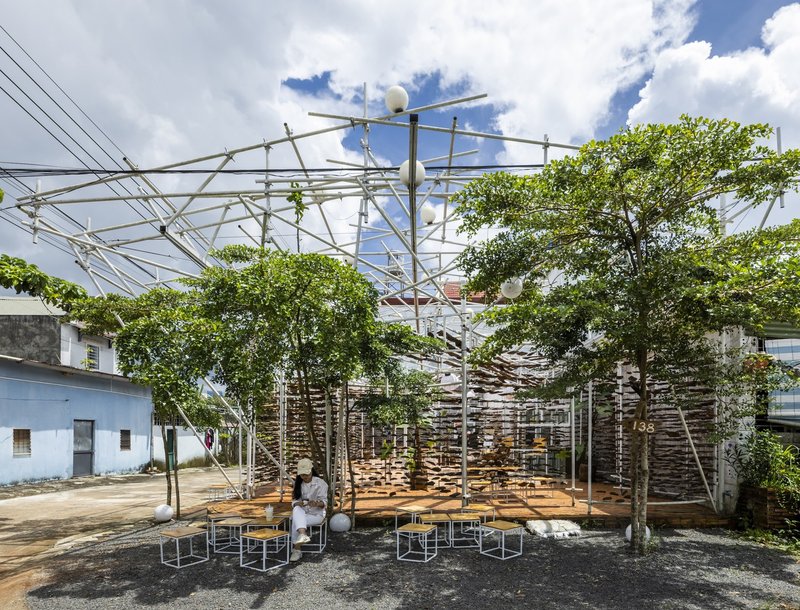
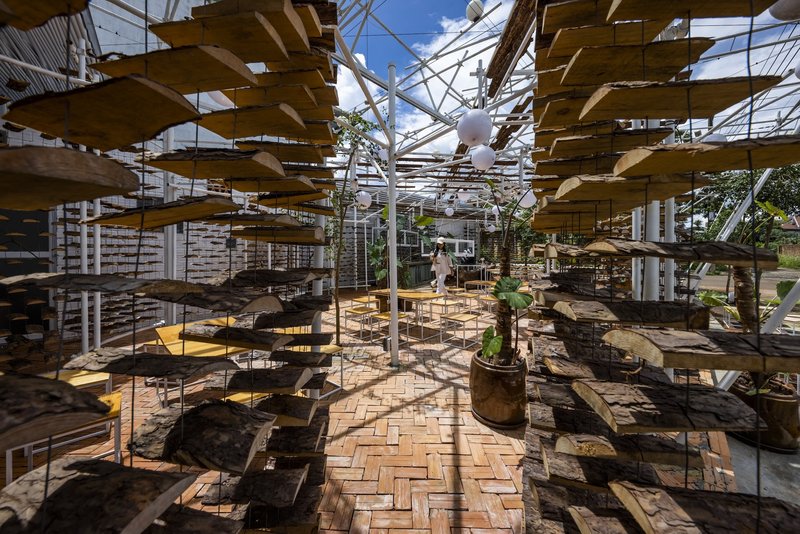
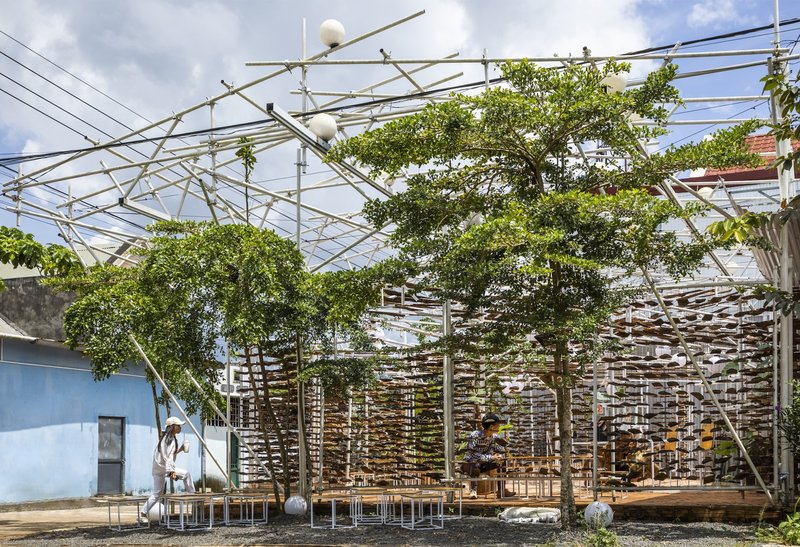
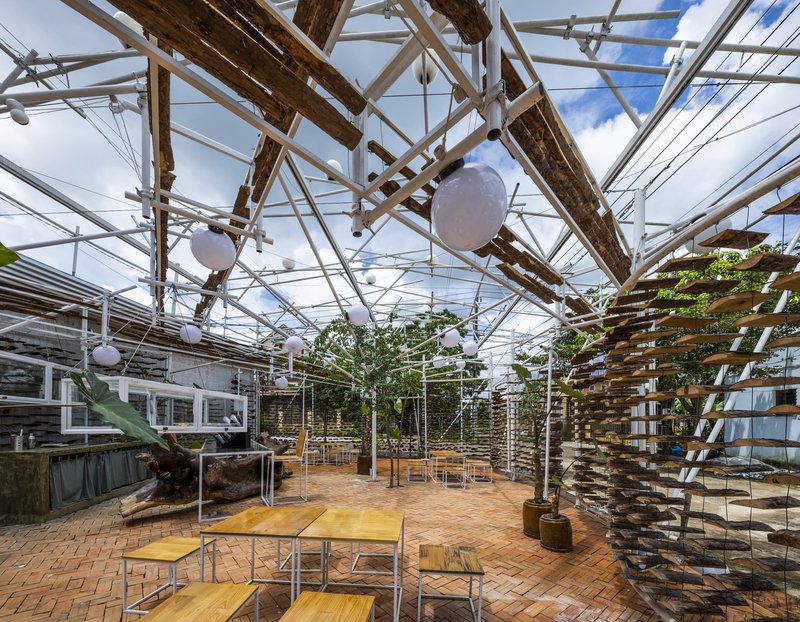
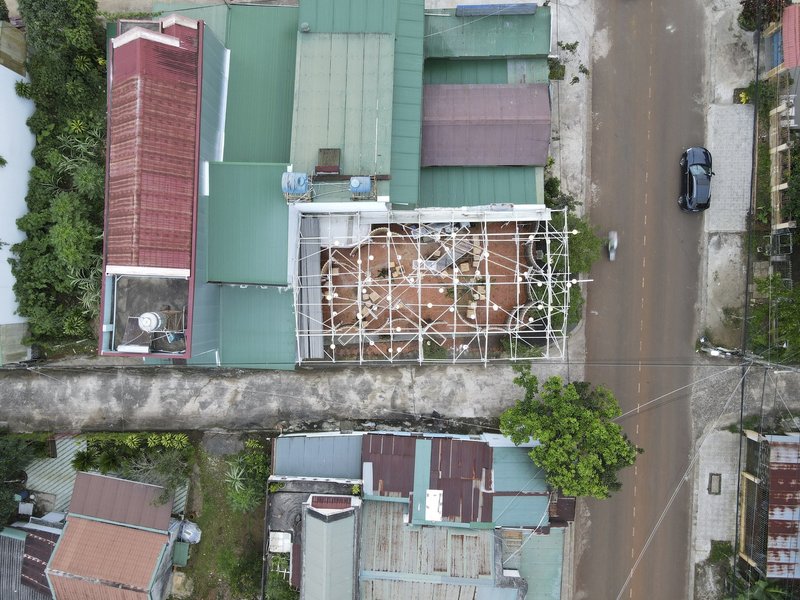
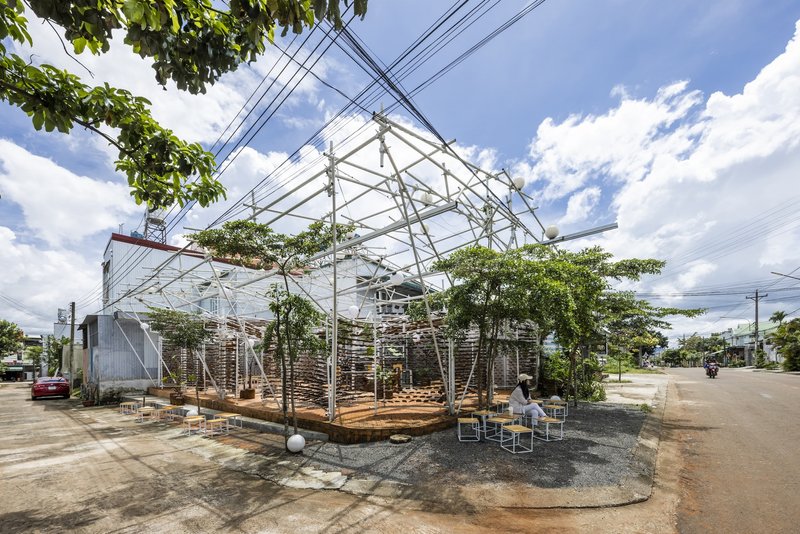
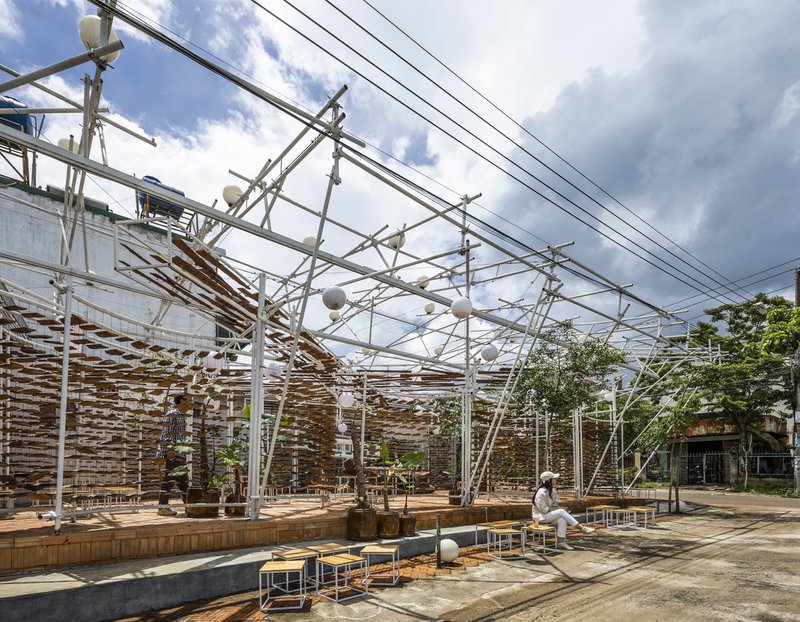
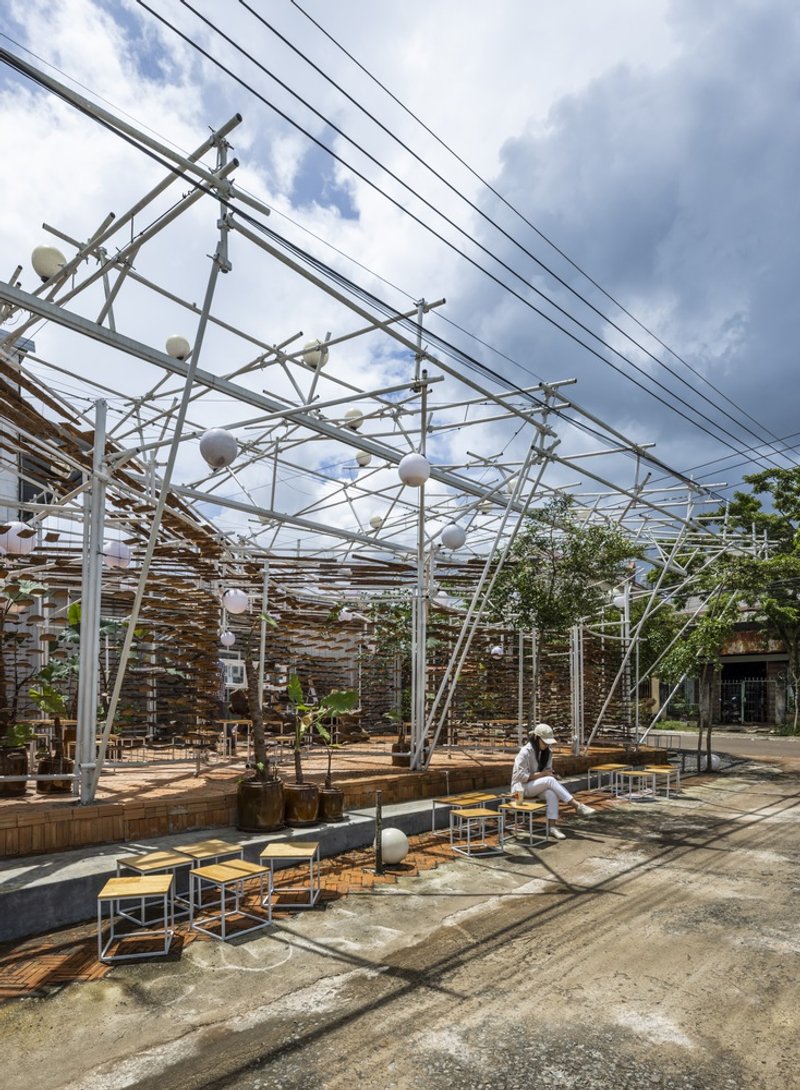
One of the defining features of Pick Tea is its modular steel frame system, designed for easy assembly and disassembly. Built on an empty urban lot, the structure was conceived as a temporary yet durable installation that can be adapted or relocated as needed. The iron framework incorporates rotating shackle joints, allowing adjustments in height and spatial configuration without compromising structural integrity.
This approach highlights a growing trend in adaptive reuse and circular construction, where buildings are designed not only for present use but also for future transformation. The lightweight steel skeleton ensures minimal environmental impact while enabling rapid construction and potential reuse.
Dynamic Facade and Interactive Elements
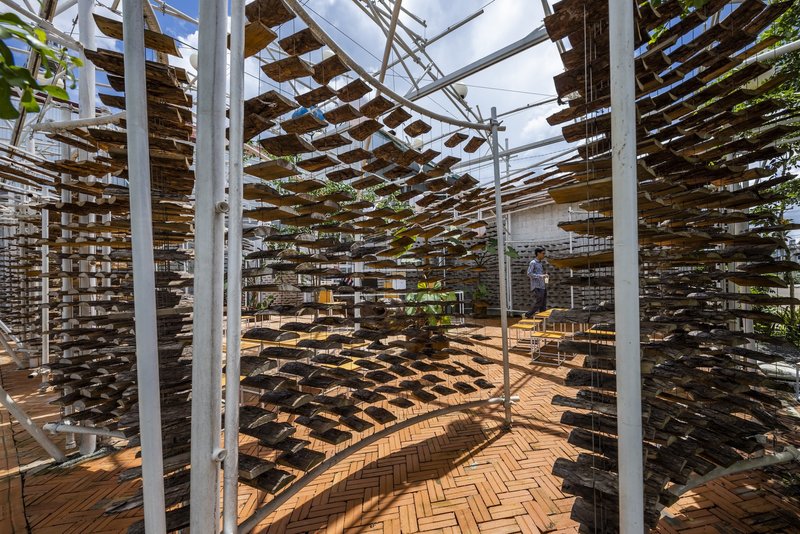
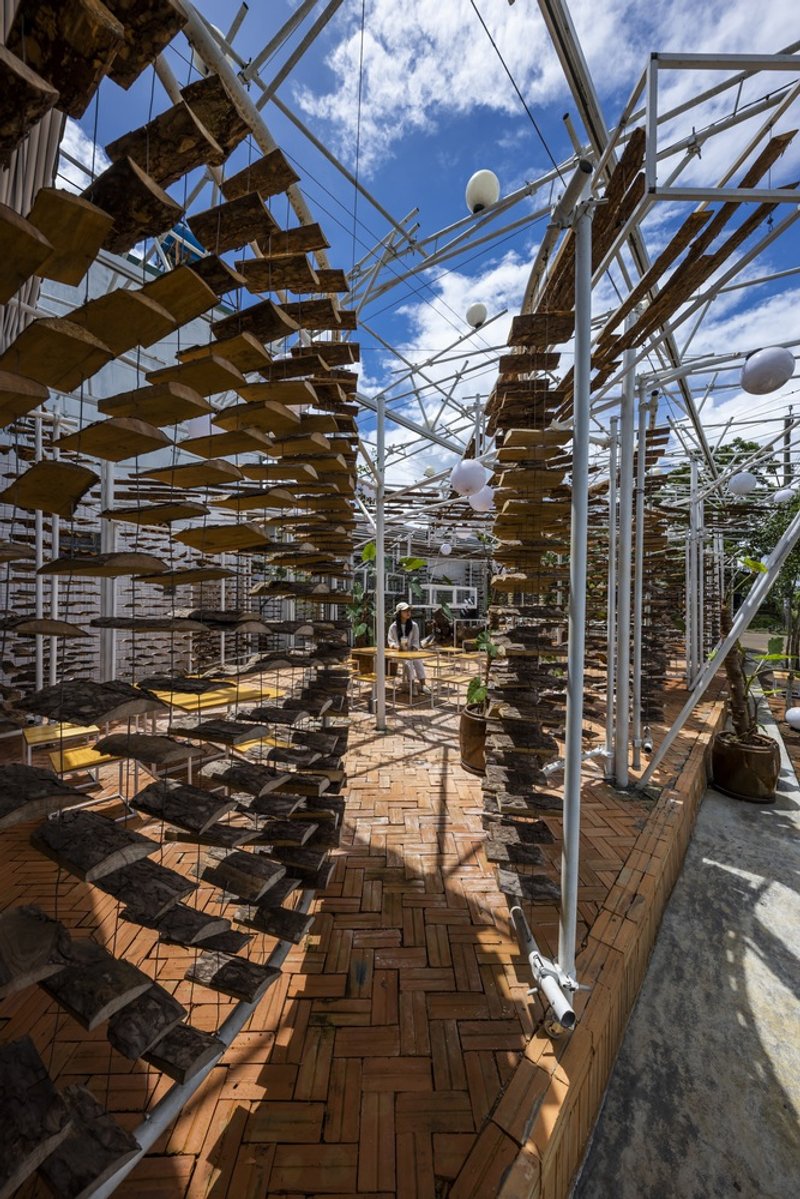
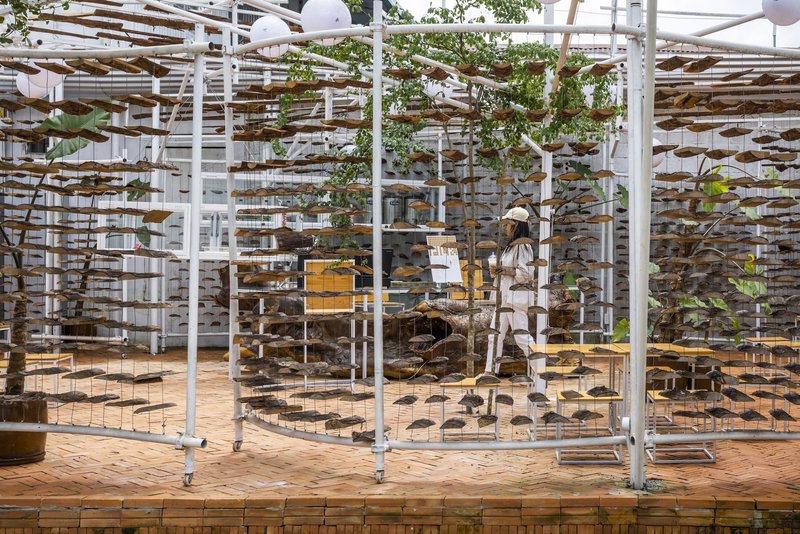
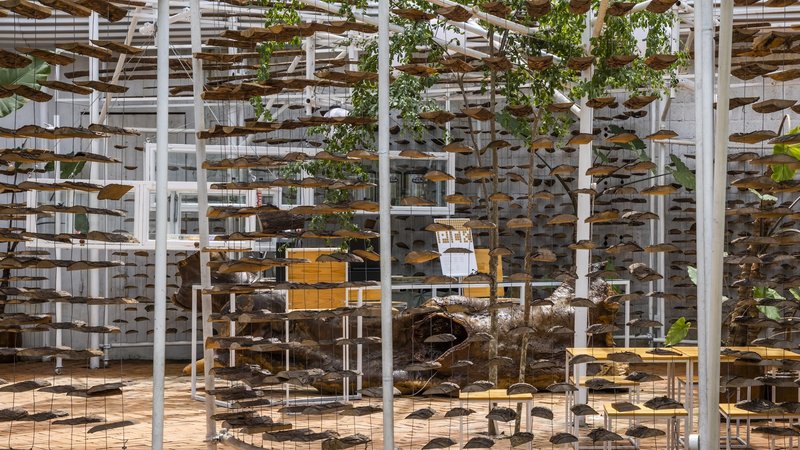
The facade design introduces a unique blend of steel cables and pine wood, creating a semi-transparent envelope that balances security with openness. The door system, mounted on wheels, allows panels to pivot and shift angles effortlessly. This kinetic feature enhances user interaction, transforming the shop’s appearance throughout the day while improving ventilation and accessibility.
Retractable Roof and Climate Responsiveness
A standout architectural feature is the adjustable roof system, elevated above the steel frame. This retractable element provides protection from Bảo Lộc’s tropical climate, shielding the interior from rain and harsh sunlight. At the same time, it can be opened to create an immersive outdoor experience, connecting visitors with the sky and surrounding environment.
This climate-responsive strategy not only improves comfort but also reduces reliance on artificial cooling, reinforcing the project’s sustainable design ethos.
Interior Experience and Spatial Efficiency
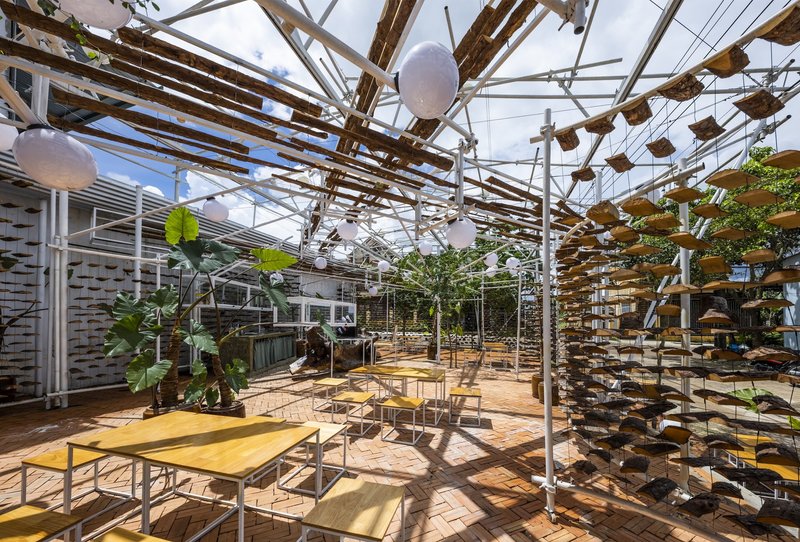
Inside, the exposed steel beams and minimal material palette create a raw yet inviting atmosphere. The spatial layout maximizes efficiency within a compact footprint, ensuring smooth circulation and functional zoning. The interplay of light, shadow, and structure enhances the sensory experience, making the small café feel expansive and engaging.
A Model for Contemporary Small-Scale Commercial Architecture
Pick Tea by The Bloom exemplifies how small-scale architecture can achieve big impact through innovation and thoughtful design. By combining modular construction, adaptable systems, and climate-sensitive features, the project offers a blueprint for future cafés and retail spaces in rapidly evolving urban environments.
All photographs are works of
Hiroyuki Oki




Popular Articles
Popular articles from the community


Solar Steam: A Climate-Responsive Architecture That Redefines the Monument
A climate-responsive memorial architecture that transforms heat, decay, and time into a living system reflecting humanity’s ecological impact.
On the Brooks House by Monsoon Collective – A Contemporary Kerala Home Rooted in Tradition
Kerala home blending tradition and modernity with water-inspired design, brick architecture, courtyard planning, and sustainable rainwater harvesting strategies.
Flamboyant House by Juliana Camargo + Prumo Projetos
Modern Brazilian house integrating existing tree, pool, and volumes with glass, wood, and transitional spaces blending interior, exterior, and landscape seamlessly.
Louis Malle Cinema: A Limestone Cultural Landmark Revitalizing Community Life in Prayssac
Limestone cinema extension with public forecourt, blending heritage and modern design to create flexible cultural spaces and strengthen community interaction.


Similar Reads
You might also enjoy these articles


Top 15 Architecture Competitions to Enter in 2026
From student-friendly idea competitions to prestigious international awards, here are the best architecture competitions open for entries in 2026. Updated regularly.

DIY & Engineering in Computational Design : Enter the BeeGraphy Design Awards
Showcase Your Creativity with Computational Design and Open Source Projects
Innovative Design Solutions: Award-Winning Projects from Recent Architecture Competitions
Exploring award-winning architectural projects shaping the future of design, sustainability, and community.



Explore Architecture Competitions
Discover active competitions in this discipline




The International Standard for Design Portfolios


The Global Benchmark for Architecture Dissertation Awards


The Global Benchmark for Graduation Excellence


Challenge to reimagine the Iron Throne
Comments (0)
Please login or sign up to add comments
No comments yet. Be the first to comment!