
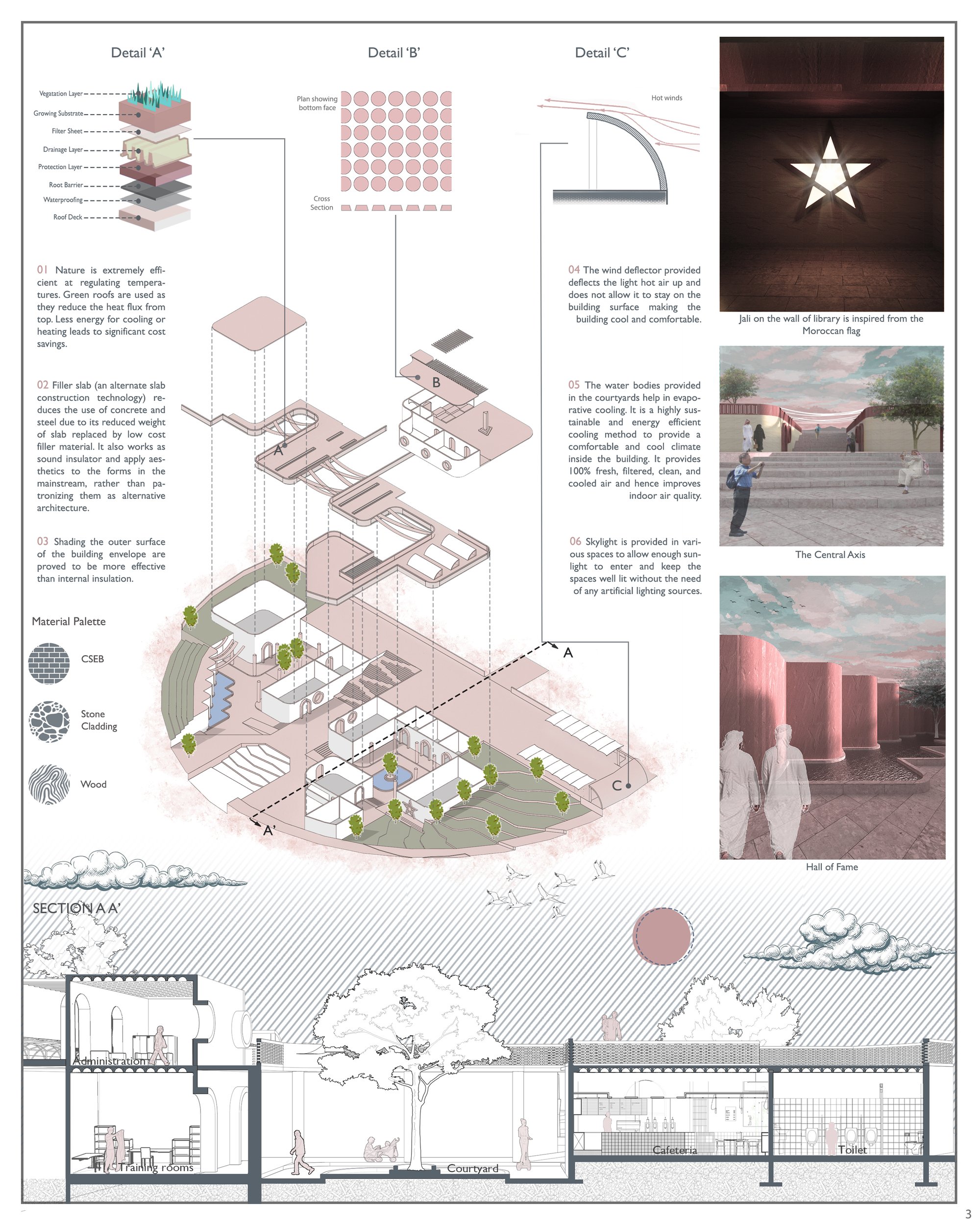
20 Most Popular Public Building Projects of 2025
The top 20 public building projects on uni.xyz in 2025, ranked by reader engagement, from cultural centers to civic hubs.

Public buildings carry the weight of collective aspiration. They are where communities gather, learn, heal, and mark the passage of time. On uni.xyz, the public building category draws some of the most ambitious design thinking from students and emerging architects across the world, and in 2025 that tradition held strong.
The twenty projects listed here are ranked by reader engagement: a combined measure of views, likes, and comments recorded on uni.xyz throughout 2025. Every entry is a conceptual proposal, the kind of thinking that seeds the future of civic architecture. Some tackle desert heat, others wrestle with urban density; some reimagine hospice care, others ask what a park can mean in a city that has forgotten how to slow down.
We have grouped them by program type to make it easier to read across the category. Each project links directly to its full page on uni.xyz so you can explore drawings, diagrams, and the designers behind the work.
Cultural Centers and Community Hubs
1. THE SAND LAKE CULTURAL CENTER
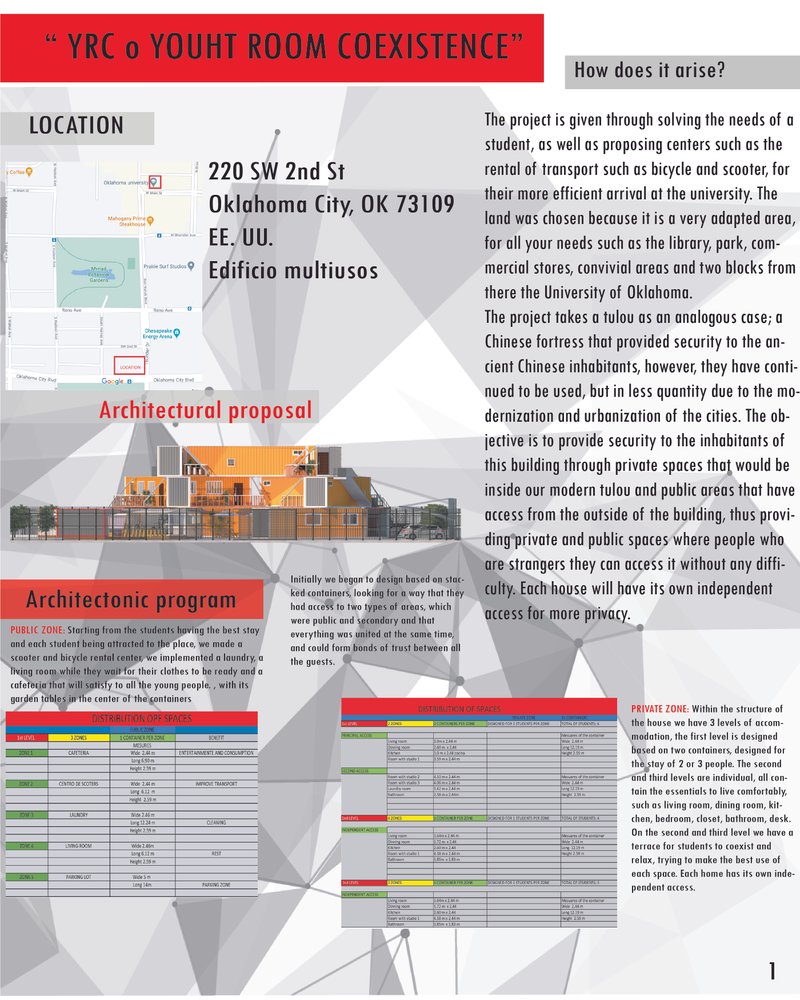
Set against the landscape of the Moroccan sand lake, this cultural center proposes a built dialogue between architecture, nature, and the people who pass through. The design prioritizes permeable boundaries, letting natural light and desert air define interior character rather than imposing an artificial climate. With 2,188 views and 98 likes, it was one of the most-read public building projects of the year.
Designers: zeinab ghasemi, faezeh hosseini, sahar rahimifar, Sajjad Yazdani
2. Shirakawa-go Cultural Centre
The isolated UNESCO-listed village of Shirakawa-go in Japan provided both the brief and the aesthetic language for this cultural centre proposal. The design draws directly from the gassho-zukuri farmhouse tradition, with its steeply pitched roofs built to shed heavy mountain snow. Rather than mimicking vernacular form, the project finds a contemporary grammar rooted in the same material logic and communal spirit.
Designers: Muhammad Joefrizal, Nadim Mourad
3. M'awee Cultural Center
The title translates loosely as "a place to return," and the project earns it. This Moroccan cultural center concept rethinks how public architecture can express belonging, designing a series of layered spatial sequences that echo the medina's organic growth. Its strong engagement numbers reflect how personal and atmospheric its presentation felt to readers.
Designers: Hamid kaboli, Ali Moradi, mahsa yazdani, Siamak Zandi
4. Gurfa Social Production Center
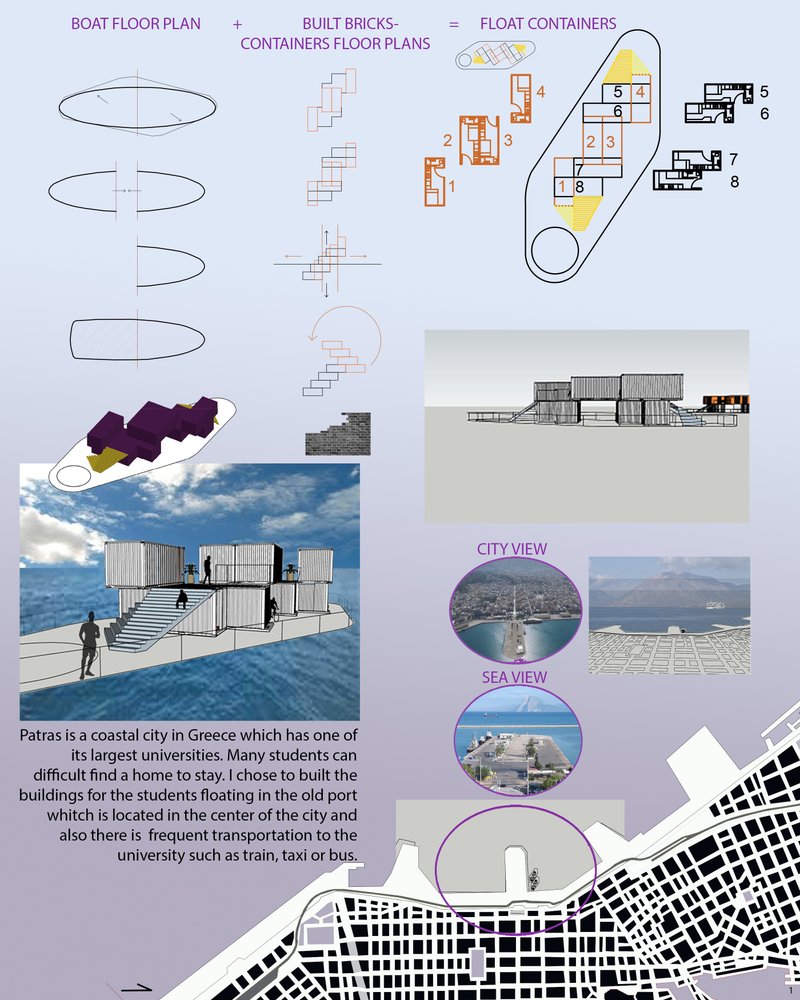
Gurfa is designed as a breathing complex: flexible spaces open to rearrangement so that today's cultural traditions and tomorrow's unknowns are equally welcome. The proposal challenges the fixed-program model of conventional civic buildings, arguing instead for architectural infrastructure that hosts rather than dictates. It is the kind of project that makes the jury and the casual reader stop and reconsider the defaults.
Designers: Yusuf Alperen Bayır, Zeynep Demirci
5. Archeology of Knowledge
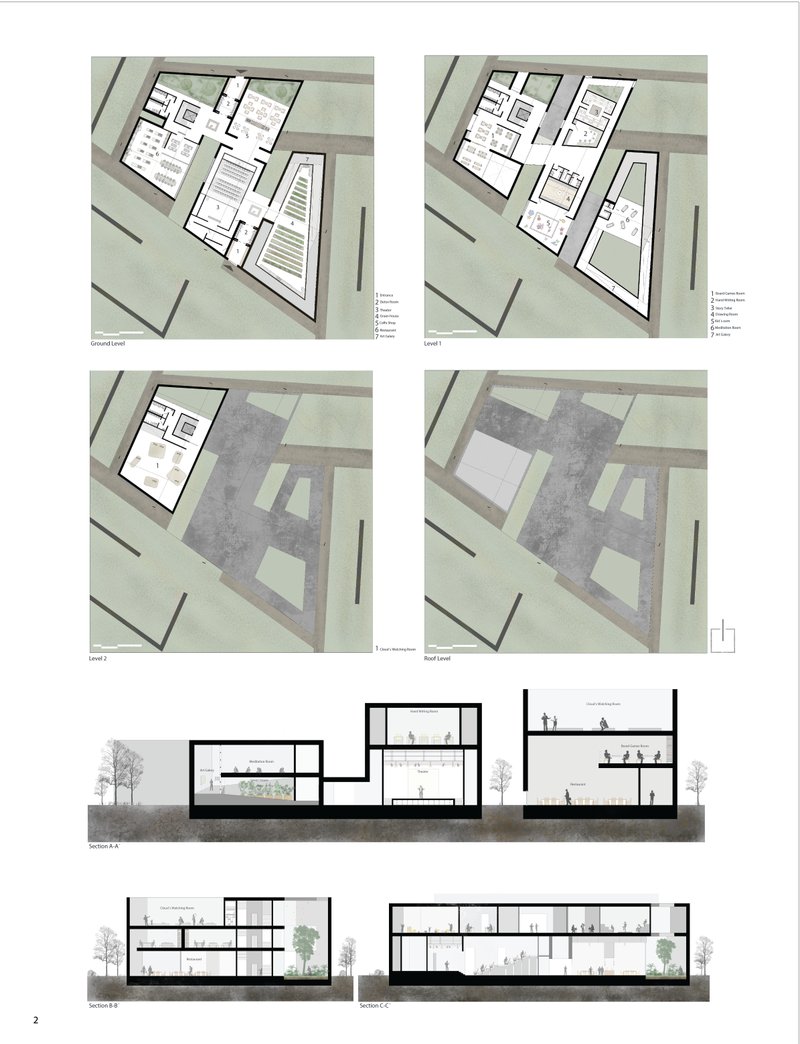
With 318 likes, Archeology of Knowledge was the most liked public building project on uni.xyz in 2025. Its premise: a library should be a collective work, not an institution. The design resists the inward-facing, hushed typology of the traditional library and instead reaches outward, creating spaces that unite different segments of society and dissolve the walls between private study and shared discovery.
Designers: Alperen Balcin, Damla Yigit, nada saber, Ataberk Yilmaz
Civic, Government, and Institutional Buildings
6. Federal Office Tower
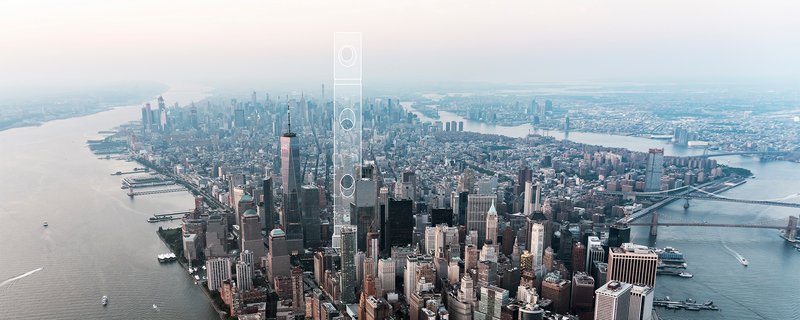
Federal Office Tower asks a question that most civic architecture avoids: what does a government skyscraper look like when it is built not for power, but for people? The proposal locates the building in a dense western city context and uses technology and programmatic diversity as its primary tools. With 208 likes, it ranked among the most appreciated public building projects of the year.
Designers: Amanda Suriz, Arthur Chrysostomo, Luka Bader, Poulpe Studio
7. Revitalization of Ankara Castle
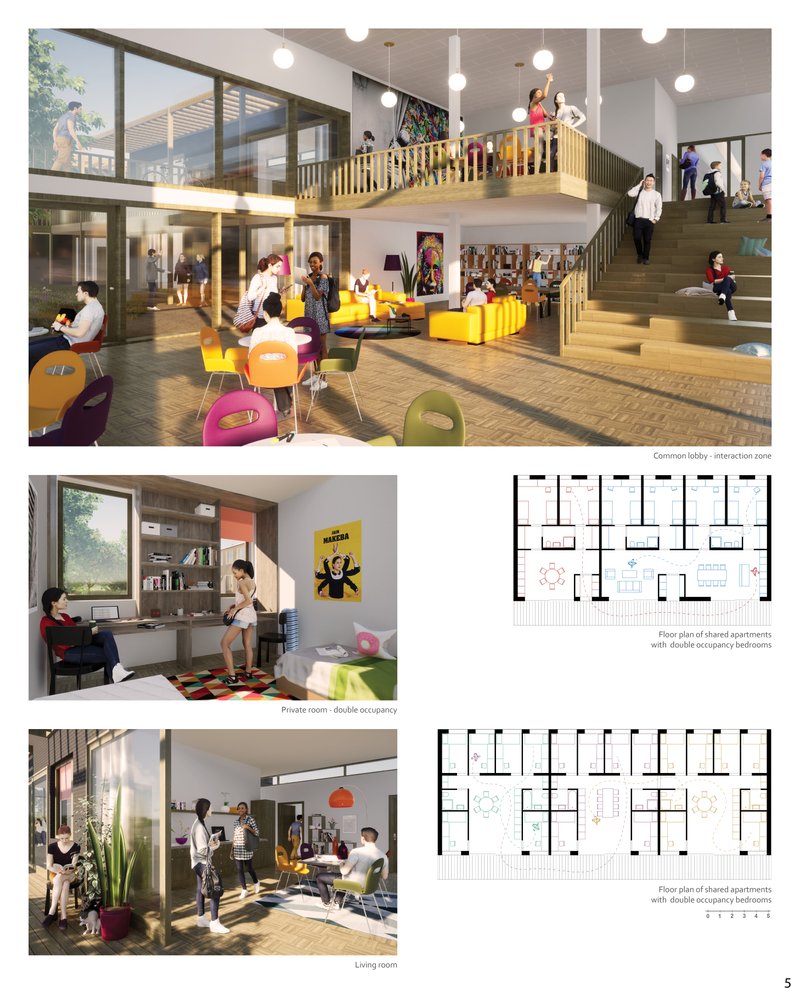
The grand fortification walls of Ankara Castle have stood for centuries as a repository of collective memory. This project takes those walls seriously, evolving a new building from the sloped natural landscape beneath them rather than imposing anything from above. The result is an experience that evokes historical layering while giving new life to one of Turkey's most visited heritage sites.
Designer: Ece Sel
Community, Social, and Residential Welfare
8. ANGANWADI
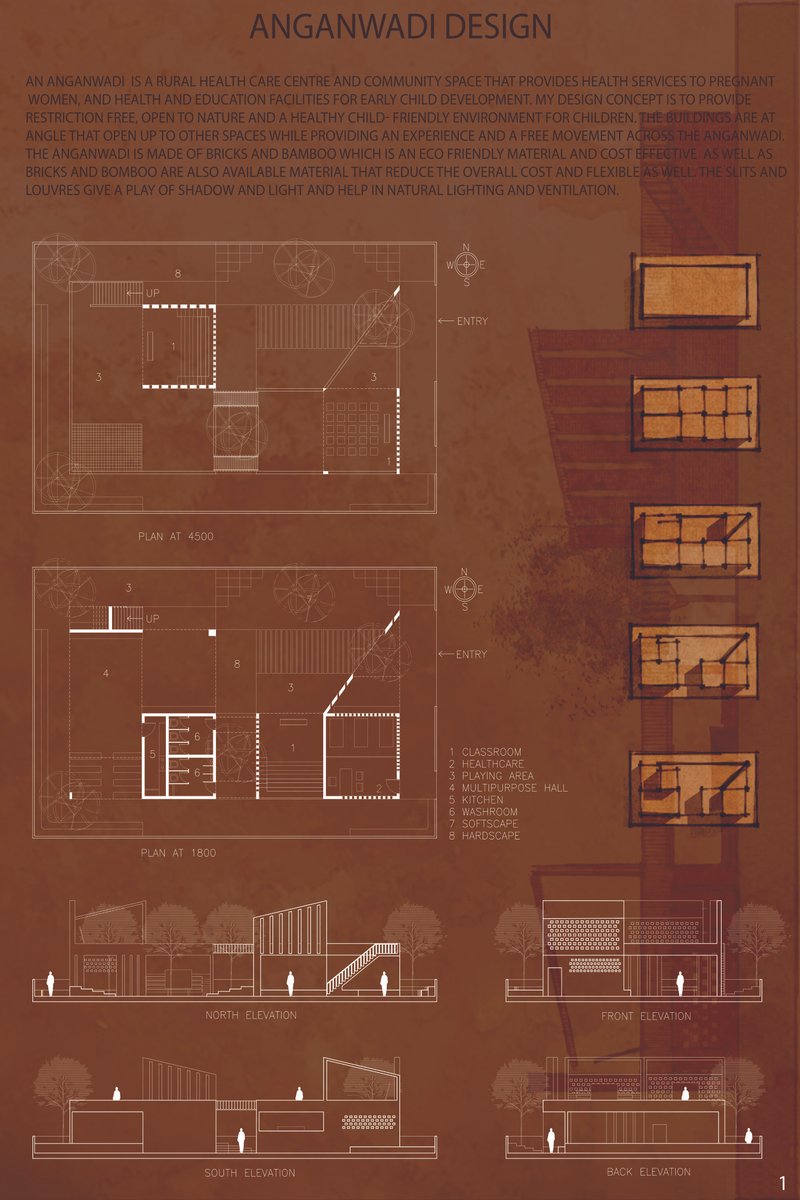
An Anganwadi is more than a health center. It is a cornerstone of rural Indian social infrastructure: providing care for pregnant women, early childhood education, and community space in a single building. This design proposal strips away institutional barriers entirely, proposing an environment that is open to nature, restriction-free, and built around the scale and needs of children. With 198 likes, it was among the highest-rated community projects on the platform.
Designer: Mohd Musa
9. Camp Island
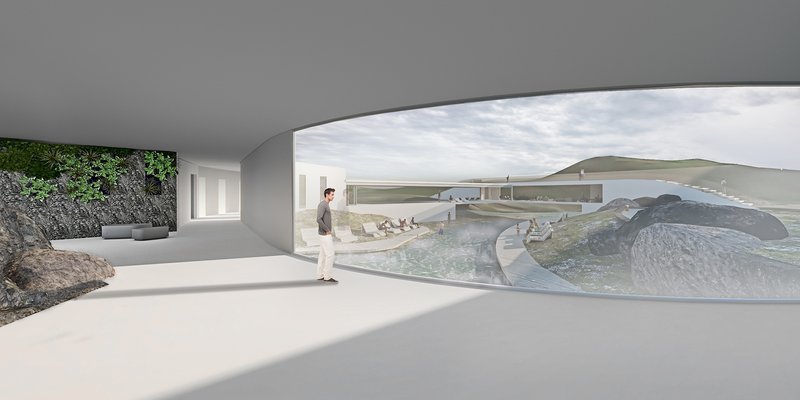
Camp Island tackles one of the most difficult briefs in social architecture: housing for teenagers without homes. The project proposes a dormitory complex that weaves a public program through its residential core, using socialization and creativity as tools of rehabilitation. It offers protection and shelter without the stigma of institutional housing, prioritizing dignity and a normal student life alongside a genuine sense of belonging.
Designer: Igor Bachurin
10. Eco Favelas
Sao Paulo's favelas form one of the most complex urban challenges in the world. This project meets that challenge with a vertical city concept: stacking individual functions within a single form to demonstrate what sustainable high-density community living could look like. The proposal incorporates kinetic floors, rainwater harvesting, quantum glass, and aquaponics, treating technology not as spectacle but as structural social equity.
Designers: Justyn Poczek, Natalia Gielo, Oliwia Getka
Healthcare and Wellbeing
11. Honeybee Hospice
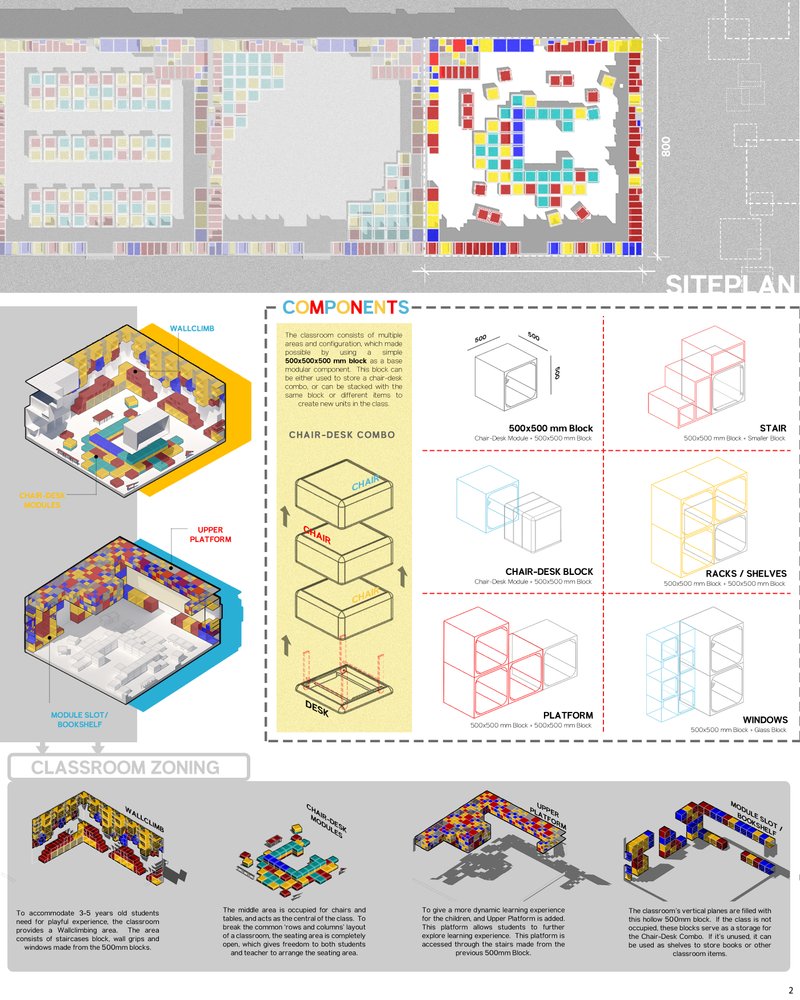
Few buildings ask more of their architects than a children's hospice. This project responds with rare gentleness, borrowing the behavioral language of bees to create a care environment built around social belonging, natural connection, and personal identity. The little bee serves as both wayfinding image and philosophical guide: a symbol of a short but vivid life, lived with purpose and community.
Designer: Abila Xiao
12. FOUR SEASONS Zen Center
The premise here is quietly radical: design a public wellness building around the sun and the seasons rather than around a fixed program. Every human action since ancient times has oriented itself toward natural cycles, and this project argues that architecture should do the same. The building shifts in character across the year, using solar orientation as the primary organizer of mood, energy, and spatial experience.
Designer: Sara Jevtic
Recreation, Gathering, and Urban Pause
13. Earthbound
Earthbound imagines a modern gathering point that can be adapted to different contexts and climates: a place where new technologies fuel rather than displace human connection, and where sustainable living is not a constraint but an attraction. With 85 comments, it was the most-discussed public building project on the platform, generating extended conversation about how civic space can simultaneously teach and inspire.
Designers: Ayushi Srivastava, Dhruv Bhatia, Saswat Pati, Priyanshu Jangid
14. CUBE(ish)
CUBE(ish) occupies the gap between home and workplace, a spatial category most cities fail to design for. The project proposes a pause point: a public building that functions as an escape from the daily rush, a place to stop, look around, and remember that cities are for people as much as for movement. Simple in concept, precise in execution, it earned 168 likes for its clarity of thought.
Designers: Selen Karadogan, Mert Akay, Ecem Kutlay
15. Connect/Commune
Connect/Commune uses the paradox of digital disconnection as its design driver. It turns the very technologies that pulled people apart into tools that draw them back together, offering a removal from noise and hustle in favor of a moment of quiet communion. The project reads as part pavilion, part manifesto, and it resonated with 126 readers who liked what it had to say about public life.
Designer: Alan Frost
16. P.O.P Popular of Park
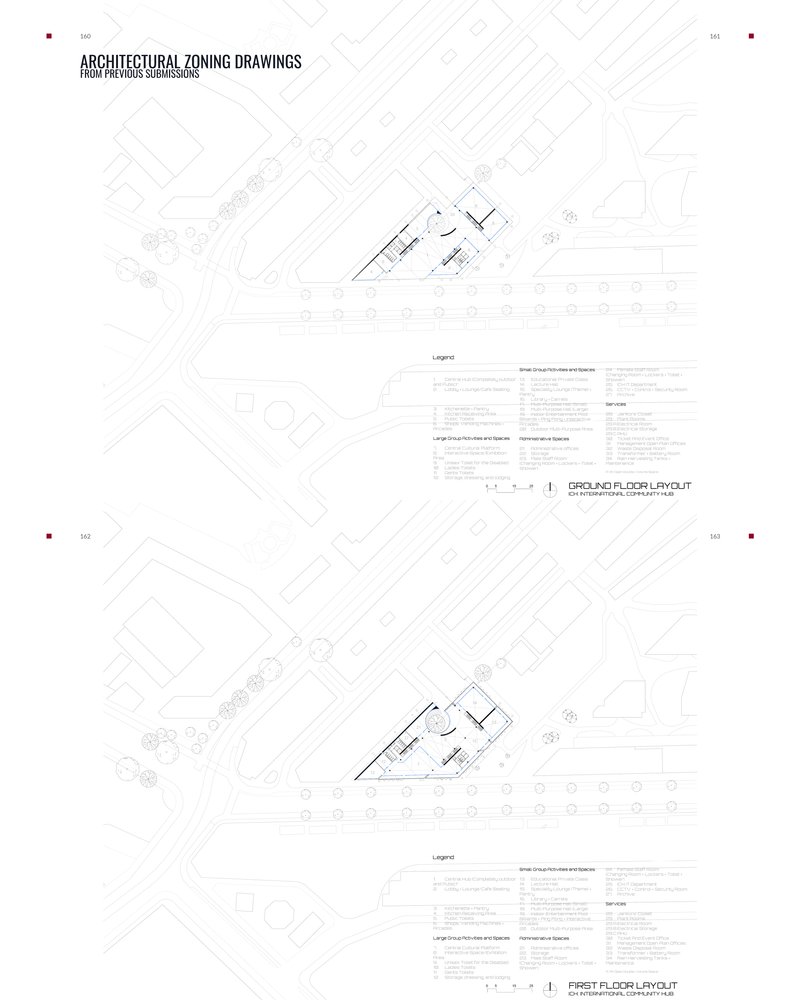
Art is everywhere, this project declares from the outset, and then it sets about proving it. P.O.P proposes a public park infrastructure where art is not a feature but a foundation: every surface, path, and program decision is made in service of cultural encounter. The result is a park as public building, dissolving the boundary between interior and exterior civic life.
Designers: MArch-II-109, MArch-I-107
Nature, Ecology, and Exploration
17. Exploring the Deep: An Oceanarium Complex
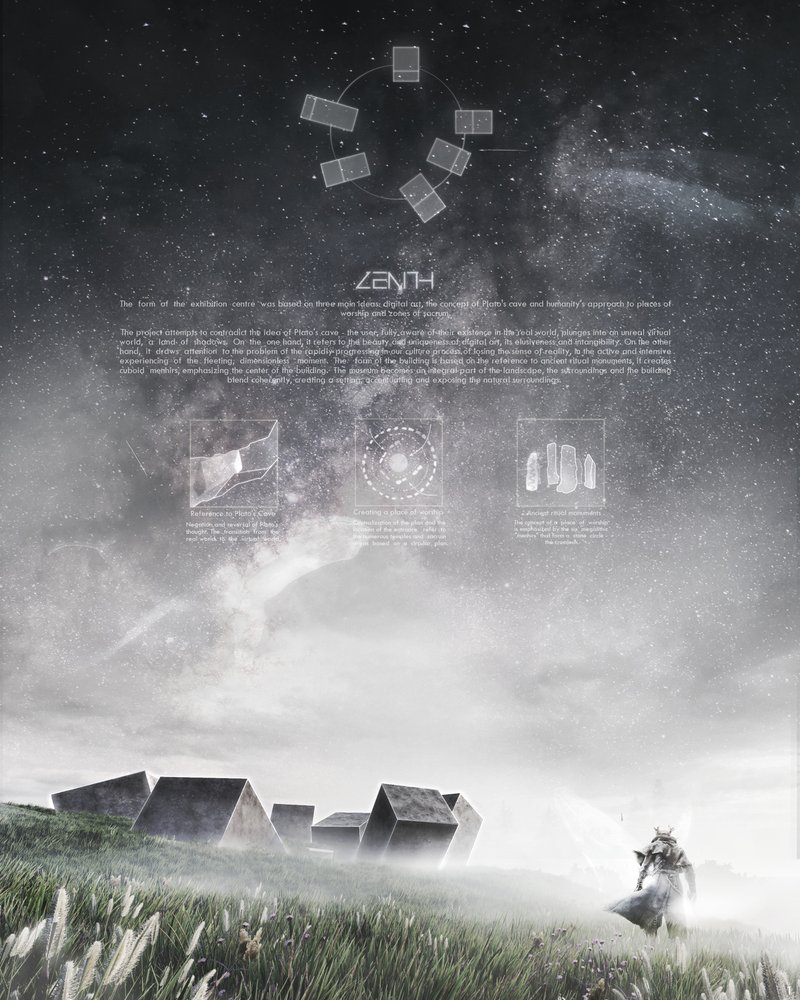
At 720 acres on Sonadia Island, this oceanarium complex is one of the most ambitious public building proposals in the category. It combines multi-zone aquariums with research laboratories and eco-friendly visitor amenities, positioning Bangladesh as a destination for marine education and sustainable eco-tourism. The project's 45 comments reflect genuine debate about what civic investment in biodiversity can look like at scale.
Designer: Afra Anjum
18. The Sprout
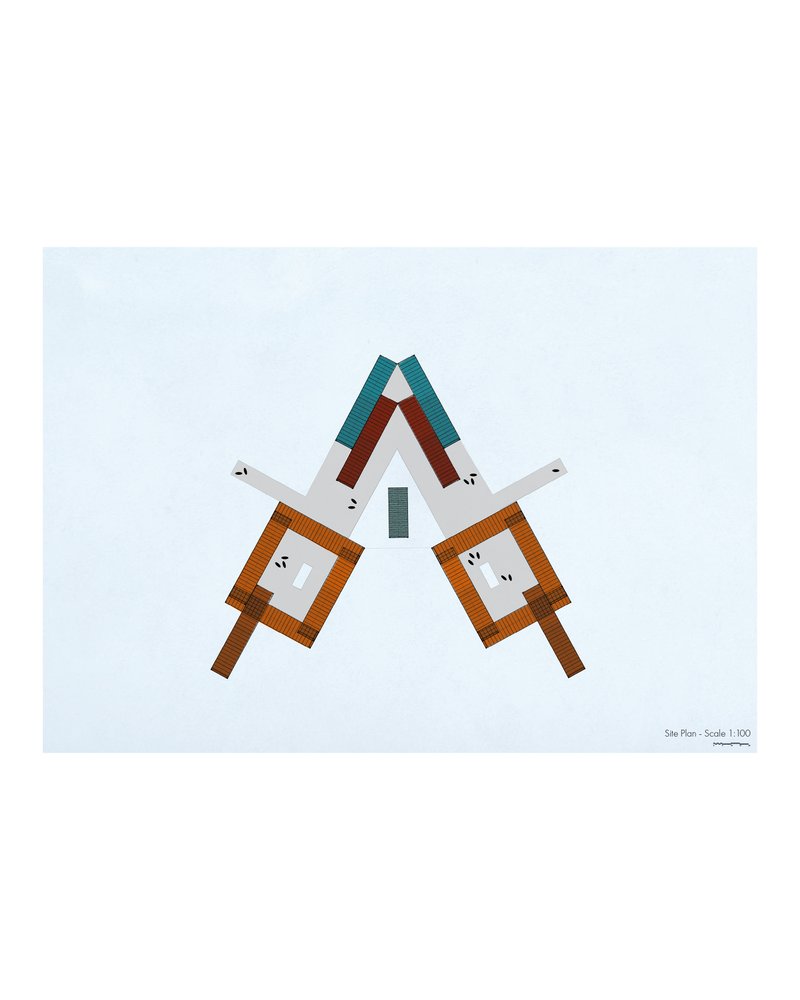
Inspired by the argan tree, Morocco's national tree and so-called tree of life, The Sprout takes the miracle of growth in a harsh environment as both metaphor and structural logic. The project explores what a cultural landmark looks like when it emerges from the land rather than being placed upon it. With 1,236 views, it was one of the most read projects in the public building category.
Designers: Paweera Panprommin, Ayaka Sato, Kian Jansuwan, Nattapong Prasitphol
19. Oasis of the Kakadu
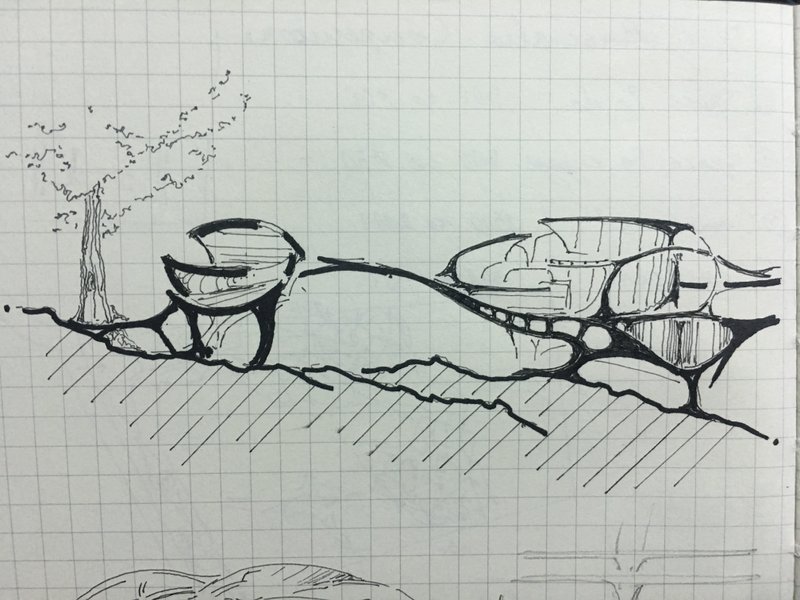
Oasis of the Kakadu sets out to create a space where visitors can encounter Indigenous Australian ways of living and their unique relationship with land, time, and nature. It is a cultural building in the deepest sense: not a container for artifacts but an environment that asks its occupants to feel something unfamiliar and come away changed. The challenge of translating a living culture into built form is taken seriously here.
Designers: Sahar Sadegh, seyedmohammad ahmadshahi
20. TRINITY
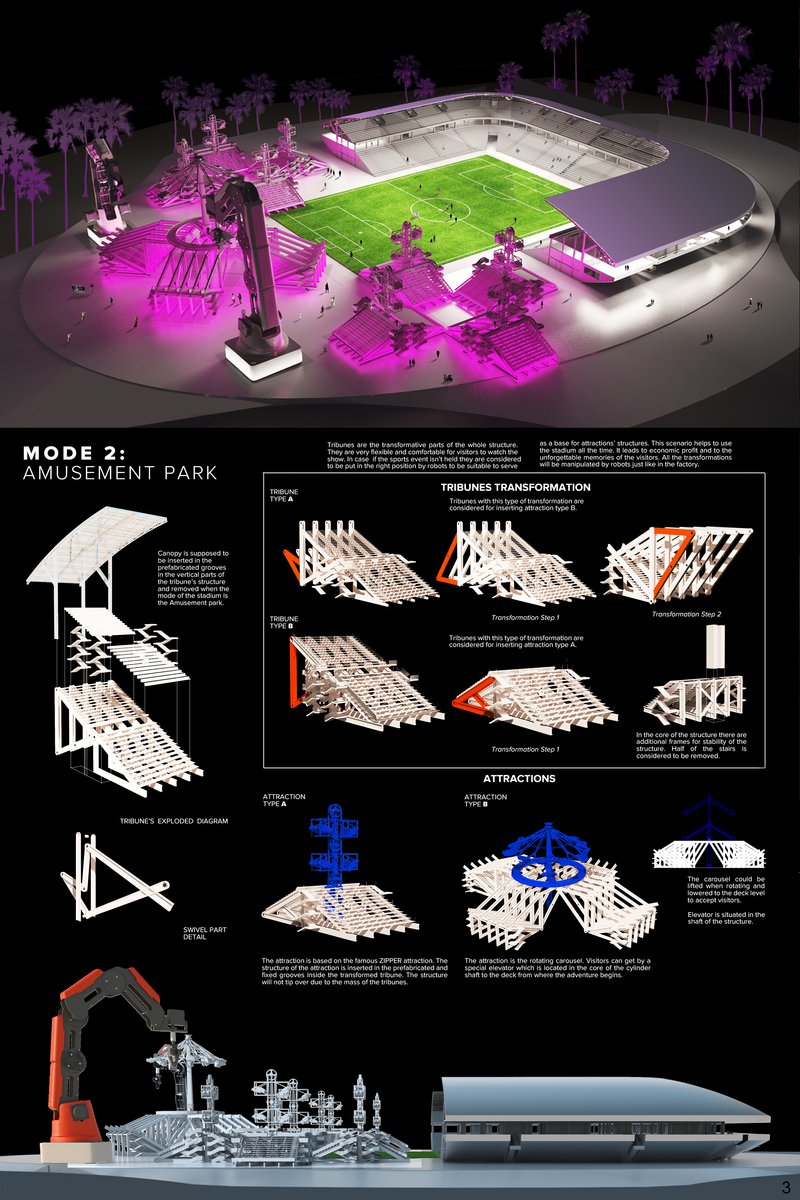
TRINITY closes the list with one of the most speculative public building proposals in the category. A self-generating Global Entertainment Nucleus in the ocean, powered by hydro-bionic and magnetic energy, it fuses the physical and virtual worlds into a single stadium-scale experience. It is the kind of project that reminds you why architecture competitions matter: the license to think beyond the currently possible.
Designer: HsiaoChiao peng
What This Year's Public Buildings Say
Scroll through this list and a few patterns emerge clearly. First, cultural centers dominated. Six of the top twenty projects fall into this category, reflecting a persistent belief among young architects that culture is infrastructure, as essential to a functioning city as roads or hospitals. Morocco appears four times as a site of imagination, its desert landscapes and medina traditions providing both constraint and richness for designers from around the world.
Second, the most discussed projects were the most socially urgent. Earthbound's 85 comments and the Oceanarium's 45 comments came from designs that asked hard questions about sustainability, equity, and the purpose of public investment. Readers on uni.xyz engage most when the architecture has a clear stake in the world beyond aesthetics.
Third, scale varied enormously. The list runs from a single rural childcare center in India to a 720-acre marine complex in Bangladesh to a self-sustaining ocean stadium. That range is precisely what makes the public building category worth watching each year: it refuses to settle on a single definition of what a public building should be.
The designers represented here come from Turkey, Japan, Morocco, India, Poland, Taiwan, Russia, Iran, Australia, Bangladesh, and beyond. Public architecture on uni.xyz is genuinely global, and that global diversity is one of the strongest arguments for the kind of open, community-driven design culture the platform supports.
This article is updated regularly as new public building projects gain engagement on uni.xyz. Last updated: April 2026.



Popular Articles
Popular articles from the community


The Ken Roberts Memorial Delineation Competition (Krob)
As the most senior architectural drawing competition currently in operation anywhere in the world, it draws hundreds of entries each year, awarding the very best submissions in a series of medium-based categories.


Solar Steam: A Climate-Responsive Architecture That Redefines the Monument
A climate-responsive memorial architecture that transforms heat, decay, and time into a living system reflecting humanity’s ecological impact.
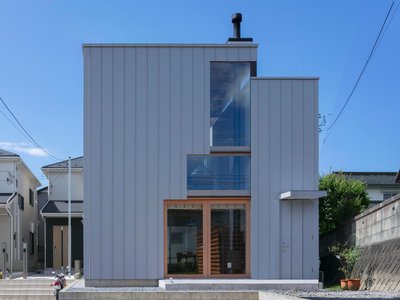
Split House: A Compact Urban Home Blending Privacy, Light, and Flexible Living in Japan
Compact Japanese home featuring DOMA space, flexible café potential, passive lighting, privacy zoning, and sustainable urban living design.

Similar Reads
You might also enjoy these articles
Split House: A Compact Urban Home Blending Privacy, Light, and Flexible Living in Japan
Compact Japanese home featuring DOMA space, flexible café potential, passive lighting, privacy zoning, and sustainable urban living design.
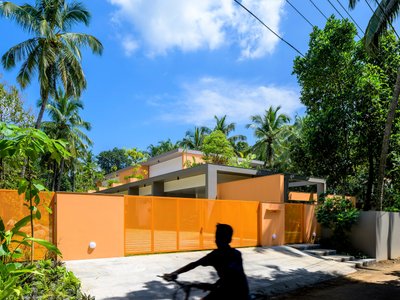
Colour Burst House by LIJO RENY Architects: A Tropical Home Designed Around Rain, Light, and Courtyard Living
A vibrant tropical home with courtyards, rain-focused design, passive cooling, and seamless indoor-outdoor living in contemporary Indian architecture.
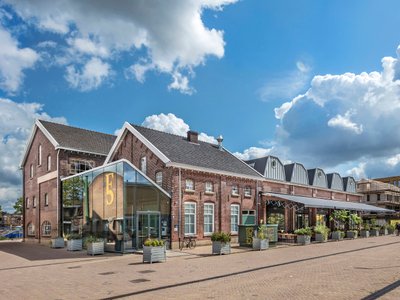
Fifth NRE Jazz Club – De Bever Architecten: Eindhoven’s Revitalized Cultural Hub
Historic gas factory transformed into Fifth NRE Jazz Club blending modern sustainability, jazz culture, dining, and heritage architecture seamlessly.
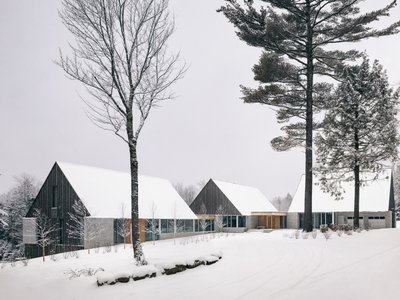
Three Summits Residence by NÓS: A Multigenerational Mountain Retreat Rooted in Landscape and Architectural Primitivism
Multigenerational mountain residence in Vermont featuring three pavilions, granite bases, dramatic roofs, and seamless integration with forested landscape.
Explore Architecture Competitions
Discover active competitions in this discipline




The International Standard for Design Portfolios


The Global Benchmark for Architecture Dissertation Awards


The Global Benchmark for Graduation Excellence

Challenge to design locus for the upliftment of human rights
Comments (0)
Please login or sign up to add comments
No comments yet. Be the first to comment!